
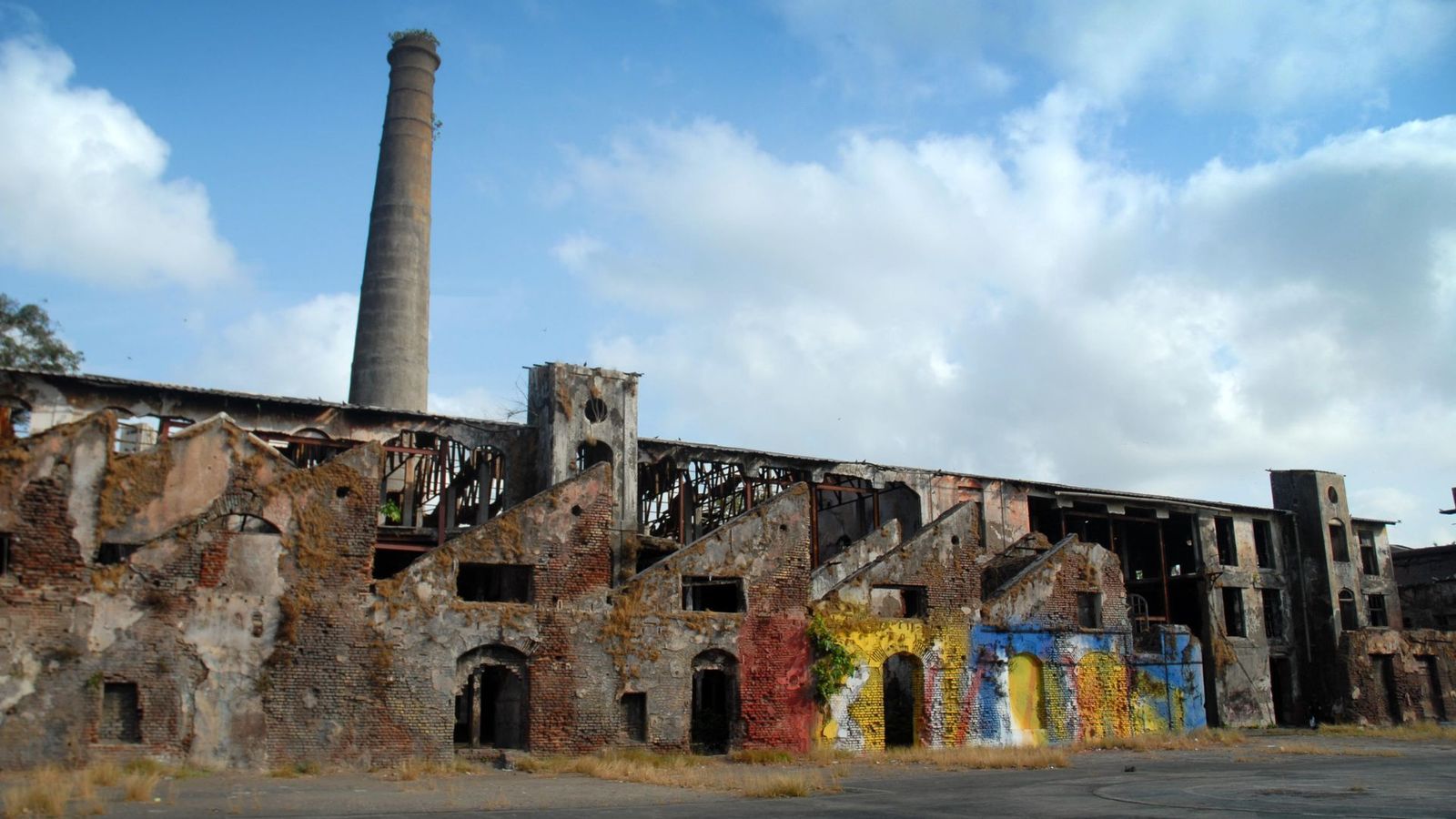
Mukesh Mills Mumbai: Haunted History, Film Lore & Location Facts

Neha Kapoor
November 22, 2025
Explore Mukesh Mills in Mumbai - haunted history, shooting location, visiting guide & safety tips. Discover the abandoned mills of Colaba.
Mukesh Mills Mumbai: Haunted History, Film Legacy, and Access Reality
Mukesh Mills in Colaba is one of Mumbai’s most discussed abandoned sites, known equally for ghost stories and Bollywood shooting history. The location attracts curiosity, but the first thing to understand is access and safety. This is not a casual urban-exploration playground. If you are mapping mystery-themed routes, compare with haunted places in Goa, hill stories from Shimla, one-day city planning via Mumbai one-day itinerary, and regional folklore references like Jatinga mystery.
Historical Snapshot
Mukesh Mills belongs to Mumbai’s textile-era history. Like many mill properties, it went through decline, closure, and partial ruin. Over time, the visual character of derelict halls and broken industrial textures made it attractive for film productions and urban-legend storytelling.
This dual identity—industrial memory plus paranormal reputation—is why it remains a high-interest search topic.
Why It Is Called Haunted
Local lore mentions apparitions, unexplained sounds, and late-night sightings. Some stories were amplified by film crews and city rumor cycles. At the same time, abandoned infrastructure naturally produces eerie acoustics, shadow illusions, and unsafe movement conditions that can be misread as supernatural events.
- Folklore layer: Ghost and presence narratives.
- Environmental layer: Wind echo, darkness, unstable structures.
- Media layer: Horror branding from pop culture.
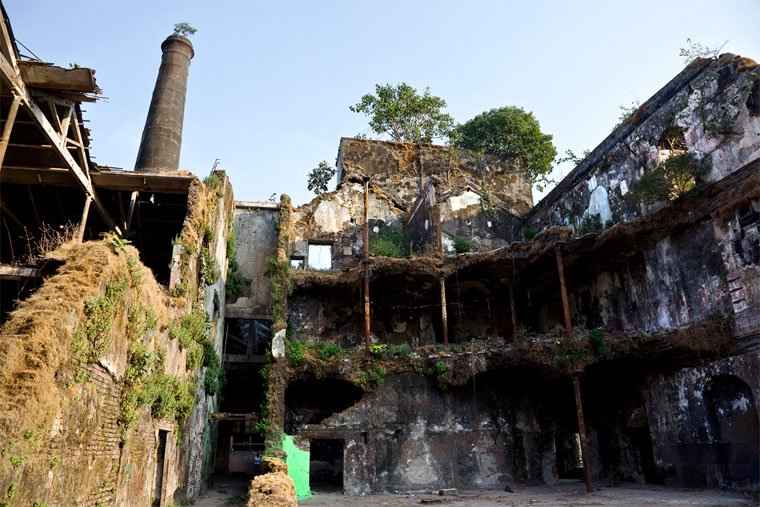
Bollywood and Visual Culture Connection
Mukesh Mills became a frequent background for thrillers, horror sequences, and gritty city montages. Directors value it for raw textures that are difficult to recreate on controlled sets. This filming identity strengthened its myth status and helped the location enter mainstream urban folklore.
Can You Visit Mukesh Mills?
Access status, restrictions, and permissions are the most important practical questions. Do not assume open public entry. Conditions may change, and unauthorized entry can create legal and personal risk. Always verify current ground reality before planning, and avoid trespassing.
| Factor | Reality Check | Recommendation |
|---|---|---|
| Entry | May be restricted | Confirm before travel |
| Safety | Potential structural hazards | No unsanctioned exploration |
| Photography | Context dependent | Shoot only from legal vantage points |
How to Reach the Area
Mukesh Mills is in South Mumbai (Colaba side), reachable by taxi/app cabs from Churchgate or CST regions. If your goal is heritage plus city exploration, integrate legal nearby attractions in the same day so the trip is valuable even if direct access is limited.
- Use day hours only for first visits.
- Avoid isolated late-night attempts.
- Keep backup plan in Colaba in case access is blocked.
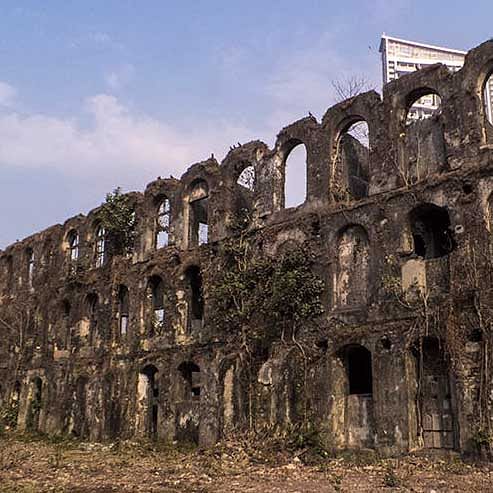
Safety Rules You Must Follow
- No trespassing into unstable structures.
- Do not climb walls, roofs, or broken platforms.
- Never go alone for night photography attempts.
- Respect local security and police instructions immediately.
Final Takeaway
Mukesh Mills is best understood as a layered urban site: textile past, cinematic present, and folklore-driven curiosity. Visit with realism, legal awareness, and safety discipline. You can still get a strong cultural experience without high-risk behavior.
History Layer: Textile Legacy Before the Myth
Mukesh Mills should first be read as an industrial-history location linked to Mumbai's textile era. Its abandoned visual identity came later, after closure and long-term neglect. Understanding this timeline helps travelers separate real urban heritage from rumor cycles.
The haunted reputation is powerful, but the structural and legal reality is more important for planning. This is a place where caution is not optional.
Why the Haunted Narrative Became So Strong
Mukesh Mills combines all ingredients of urban folklore: decayed architecture, restricted access, low-light surroundings, and repeated retelling in popular media. Add film-shoot associations and the story scales quickly. Some reports are dramatic, but many can be explained by environment, expectation, and unsafe movement conditions.
- Abandoned architecture creates psychological intensity.
- Night visits increase interpretation errors.
- Media repetition amplifies local rumor loops.
Bollywood Connection and Visual Appeal
Film crews have used this zone because raw industrial textures reduce set-building requirements. The visual language of rust, broken edges, and long corridors naturally suits thriller and horror scenes. For photography enthusiasts, this explains why the location is frequently discussed even by people not interested in ghost stories.
Can Travelers Visit Mukesh Mills Safely?
Always verify current access status before planning. Do not assume open entry based on old blog posts or video clips. Unauthorized entry creates legal risk and personal safety risk, especially around unstable surfaces.
| Factor | On-Ground Reality | Best Practice |
|---|---|---|
| Entry permissions | Can be restricted | Confirm before departure |
| Structural safety | Potentially hazardous | No unsanctioned exploration |
| Photography | Context dependent | Shoot only from legal points |
How to Reach and Plan a Smart Colaba Route
You can reach the broader area through South Mumbai taxi/app-cab circuits from Churchgate/CST side. If direct access is blocked, shift to a backup route in Colaba without wasting the day. Good planning means your trip still succeeds even when one location is restricted.
- Keep one alternate itinerary in the same area.
- Avoid late-night first visits.
- Use daylight for orientation and safe exits.
Photography Tips Without Risk
Strong urban-decay photos can be taken from legal perimeters and safe angles. Focus on framing, texture, and perspective instead of entering unstable zones. Never chase “exclusive” shots that require boundary violation.
- Use moderate focal lengths for contextual composition.
- Avoid obstructing access roads or security movement.
- Prefer natural low-light balance over aggressive flash.
Safety Protocol for Mystery-Themed Visits
- No solo visits in low-visibility periods.
- Keep group communication active and simple.
- Carry power backup and emergency contacts.
- Respect all instructions from local authorities.
The primary risk in such locations is not paranormal. It is avoidable human error under poor conditions.
Common Mistakes Visitors Make
- Treating old viral videos as current access proof
- Arriving with no fallback route
- Forcing night entry attempts for content
- Ignoring fatigue and visibility thresholds
How to Combine Mukesh Mills with a Better Mumbai Day
Use Mukesh Mills as one segment in a wider South Mumbai plan: heritage facades, sea-facing routes, and food stops. This reduces pressure on one uncertain access point and improves overall trip value. If the site cannot be approached as expected, your day still remains productive.
Ethical Storytelling and Local Respect
Avoid sensational behavior around residents and workers. Urban legend interest should not become public nuisance. Respect privacy, keep noise controlled, and do not stage provocation clips for social media performance.
Final Takeaway
Mukesh Mills remains compelling because it sits at the intersection of industrial memory, film culture, and urban myth. Visit with realism, legal awareness, and safety discipline. That approach gives better outcomes than thrill-first planning and keeps the experience responsible.
Suggested 4-Hour South Mumbai Plan
Hour 1: Start with a legal perimeter approach and context briefing. Capture safe exterior visuals only.
Hour 2: Shift to a nearby heritage corridor and sea-facing walk for contrast photography.
Hour 3: Food break in a busy zone and route reassessment.
Hour 4: Optional return to approved vantage points in better light, then exit.
Final Risk-Control Reminder
Do not improvise entry after sunset and do not rely on social media advice for structural safety decisions. Local, current ground checks should always override old internet narratives when planning sites like Mukesh Mills.
If your group includes first-time city explorers, appoint one person to maintain route awareness and one person to manage timing. This keeps decisions clear when traffic, weather, or access conditions change unexpectedly during the evening window.
Carry ID, hydration, and one fully charged backup phone device.
Location
Frequently Asked Questions
Q1.Where is Mukesh Mills located?
Q2.Can we visit Mukesh Mills?
Q3.Is Mukesh Mills really haunted?
Q4.Is it safe to visit Mukesh Mills?
Q5.What movies were shot at Mukesh Mills?
Q6.What are the visiting hours?
Q7.How do I reach Mukesh Mills?
Q8.Do I need permission to visit?
Recommended For You
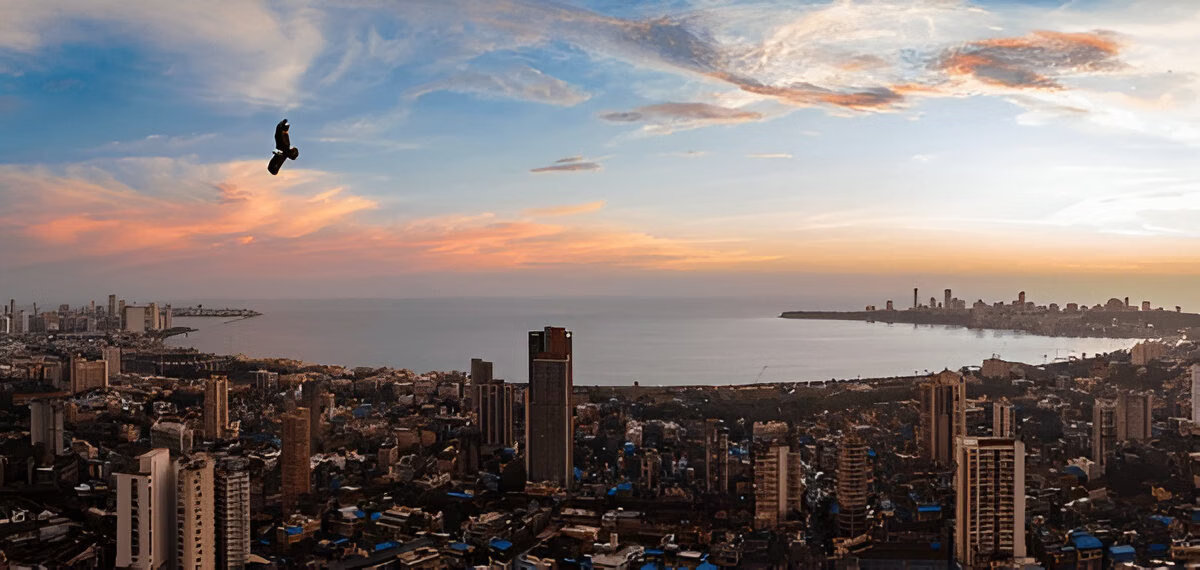
Places to Visit Mumbai in One Day: Itinerary
Complete Mumbai one-day itinerary covering Gateway of India, Elephanta Caves, Marine Drive, Siddhivinayak Temple, and Bandra Worli Sea Link.
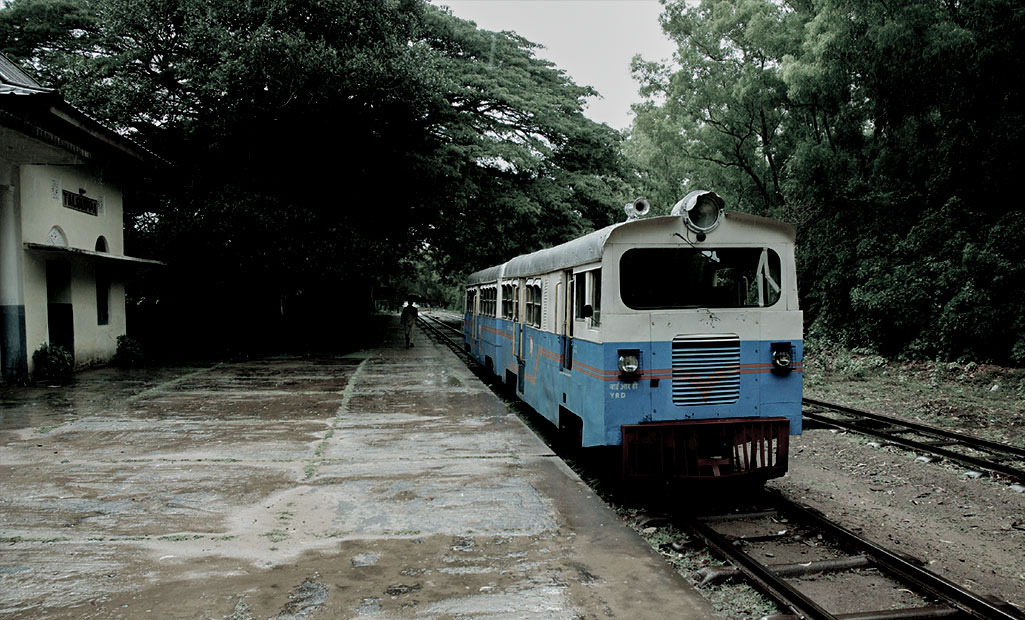
Most Haunted Railway Stations in India: Ghost Stories
Explore India's most haunted railway stations. Begunkodor, Bharwari, Chittoor & more with real ghost stories, legends & paranormal encounters.
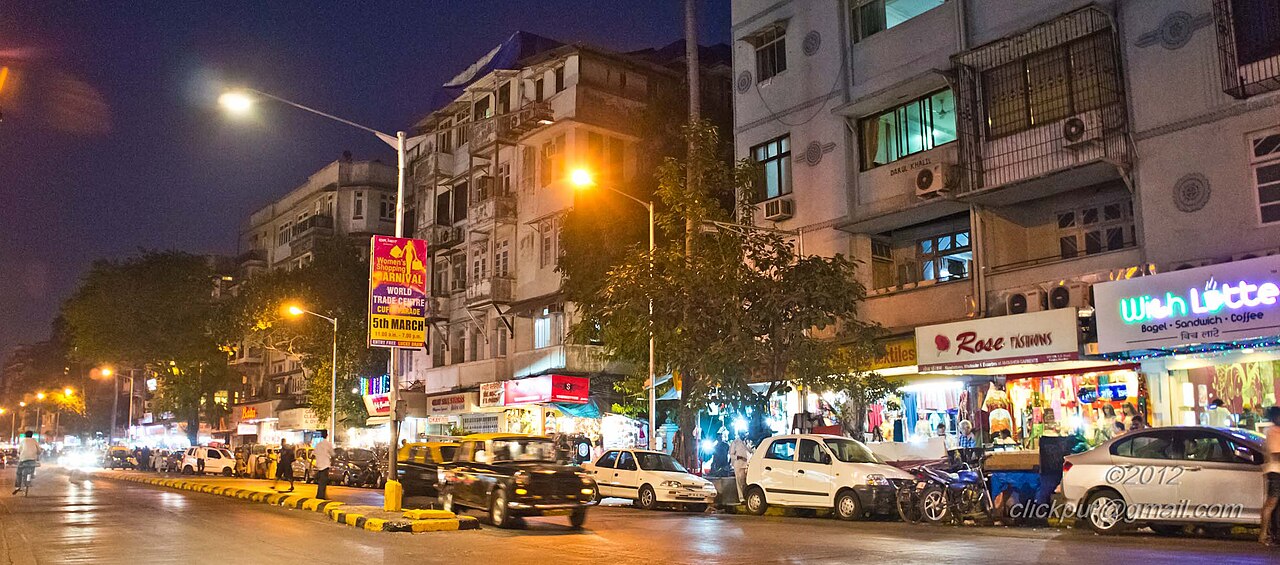
Colaba Causeway Mumbai: Shopping Guide with Tips & Timings
Discover Mumbai's iconic Colaba Causeway shopping destination. Learn what to buy, bargaining strategies, best times to visit, nearby cafes, and practical tips for budget shopping in South Mumbai.
Never Miss an Adventure
Get the latest trekking guides, travel tips, and exclusive offers delivered straight to your inbox.
