
Jatinga Bird Suicide Mystery: Complete Guide & Truth

Rohit Verma
November 19, 2025
Explore the Jatinga bird suicide mystery in Assam. Discover scientific explanations, best time to visit, and complete travel guide to this phenomenon.
Jatinga Bird Suicide Mystery: What Really Happens and How to Visit
Jatinga in Assam is famous for a seasonal bird-disorientation phenomenon often called “bird suicide,” though researchers and conservation workers avoid that term because intent is not established. The event is linked to weather, topography, and light conditions. If you explore mystery-themed destinations, compare this with haunted places in Shimla, regional folklore from Rajasthan mystery spots, aviation oddities in mysterious flights, and route anomalies discussed in planes stopping mid-air.
What the Jatinga Phenomenon Is
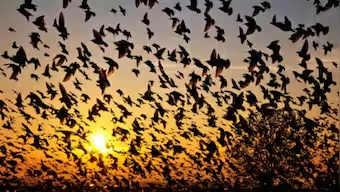
During certain late-monsoon nights, birds can become disoriented and descend toward artificial light in a narrow belt around Jatinga. It is not a mass event across all of Assam. Field observations describe species-specific behavior, weather dependency, and concentration during specific hours.
- Typical window: Seasonal nights with mist and wind.
- Main trigger conditions: Low visibility + artificial lights.
- Scientific framing: Disorientation, not deliberate self-harm.
Science vs. Myth
Local folklore historically gave supernatural explanations, but contemporary studies emphasize terrain and weather interaction. Young or migrating birds appear more vulnerable under certain conditions. Conservation messaging now focuses on reducing harmful human interaction and improving awareness among visitors.
This is why responsible tourism language matters: sensational framing may drive clicks but hurts education and conservation outcomes.
Best Time to Visit Jatinga
Late monsoon to early post-monsoon periods are usually discussed most in relation to the phenomenon. However, exact nights are not guaranteed. Treat visits as nature-learning trips, not guaranteed spectacle hunts. Keep expectations realistic and prioritize ethical behavior.
| Season | What to Expect | Advice |
|---|---|---|
| Late monsoon | Higher relevance for phenomenon discussions | Check local updates before planning |
| Dry months | General village and hill travel | Good for culture and landscape visits |
How to Reach Jatinga
Most travelers route via Haflong or Guwahati, then continue by road. Build buffer time because hill roads and weather can slow movement. Accommodation options are limited compared to large city standards, so book in advance during peak curiosity periods.
- Use day-arrival planning for safer transfers.
- Keep offline maps and backup charging.
- Carry rain-ready clothing and light layers.
Responsible Visitor Behavior
- Do not disturb birds or habitats.
- Avoid bright directed lighting in sensitive zones.
- Follow local conservation guidance.
- Do not spread unverified sensational claims.
Final Takeaway
Jatinga is important because it sits at the intersection of nature mystery, science, and community adaptation. Visit with curiosity, but keep your approach evidence-led and conservation-focused. That creates better travel value and supports long-term ecological awareness.
Understanding the Phenomenon Without Sensationalism
The phrase “bird suicide” is common in search behavior, but experts typically describe Jatinga events as weather-linked disorientation. This distinction matters. It changes how visitors behave, what guides explain, and how conservation messaging is framed. Jatinga should be visited as a sensitive ecology-and-community zone, not as spectacle hunting.
When fog, wind direction, terrain funneling, and artificial light align, some birds may descend unusually in specific zones. The effect is local and conditional, not universal across all nights.
What Conditions Increase the Chance of Observation
- Moist, low-visibility evenings in relevant seasonal windows
- Specific wind and weather behavior
- Human lighting patterns in affected belts
Even during the right season, no event is guaranteed. Travelers should keep expectations realistic and avoid misinformation-driven planning.
Science-Led Explanations
Current understanding favors multi-factor causes rather than one single trigger. Topography can channel movement, fog reduces navigational clarity, and artificial light may pull already disoriented birds toward settlements. Young birds and certain species may be more vulnerable under these conditions.
This is why responsible guides present layered explanations and discourage sensational claims. Visitors should prioritize listening to local conservation workers and official interpretation channels where available.
Myths, Oral Traditions, and Community Memory
Before scientific framing became common, many communities interpreted the phenomenon through spiritual narratives. Those stories remain culturally important and should be respected. Good travel practice is to hold both realities: folklore as living culture, and science as operational explanation.
Mocking local belief systems damages trust and reduces the quality of visitor-community interaction. Respectful curiosity works better than argument.
When to Visit Jatinga
| Travel Period | What You Get | Recommendation |
|---|---|---|
| Late monsoon windows | Higher relevance for phenomenon context | Best for educational focus |
| Post-season months | Calmer travel and village context | Good for landscape and culture |
Do not plan ultra-tight schedules around one night expectation. Keep at least one buffer day if your primary objective is interpretation-led observation.
How to Reach Jatinga Practically
Most visitors route through Guwahati and Haflong, then continue by road. Hill transit can be slower than map estimates, especially in rain-prone periods. Start early, keep backup transit options, and avoid same-day long transfers after late-night field activity.
- Daylight arrival improves safety and coordination.
- Carry offline maps and local contact details.
- Book stays in advance for seasonal demand peaks.
Responsible Visitor Code
- Do not disturb birds or habitats.
- Avoid aggressive lighting in sensitive conditions.
- Do not amplify unverified rumors online.
- Follow local authority and guide instructions.
- Prioritize conservation education over viral content.
Combining Jatinga with Nearby Travel
Jatinga can be paired with Haflong-side nature and hill viewpoints to create a balanced route. This reduces pressure on one phenomenon-centric evening and gives the trip broader value. A mixed itinerary also works better for groups where not everyone is focused on mystery themes.
Photography and Documentation Ethics
Use non-intrusive methods, avoid bright directional lights, and do not stage scenes. If photographing people, ask first. If guides request no-recording windows, comply. Responsible documentation preserves both ecological sensitivity and future visitor access conditions.
Common Mistakes First-Time Visitors Make
- Expecting guaranteed dramatic events every night
- Arriving late without local orientation
- Using high-intensity lights carelessly
- Treating the site as paranormal entertainment only
Final Takeaway
Jatinga is one of India's most discussed nature mysteries because it sits between folklore, ecology, and scientific interpretation. Visit with patience, evidence-minded curiosity, and conservation respect. That approach gives you a more meaningful travel experience and supports the long-term integrity of the place.
Suggested Two-Day Itinerary
Day 1: Reach Haflong/Jatinga region in daylight, settle in, and do a short orientation walk with local guidance. Use evening for briefing and weather checks, not rushed movement.
Day 2: Focus on interpretation-led visit windows and village context. Keep one alternate plan ready in case weather does not align with expected conditions.
Field Readiness Checklist
- Rain layer and moisture-safe footwear
- Warm layer for late-evening drop in temperature
- Power bank, offline maps, and backup torch
- Hydration and light snacks for extended waits
- Emergency contacts shared with your stay host
Why This Place Matters Beyond Mystery Tourism
Jatinga is important because it highlights how local geography, weather systems, and human light behavior can influence wildlife patterns. Even when no visible event occurs during your visit, the educational value remains high. Responsible travel here can support better public understanding of conservation challenges and reduce misinformation cycles.
Always confirm locally updated guidance before evening field movement, since conditions can change quickly across hill belts. Flexible plans produce better outcomes than rigid expectation-based schedules, especially in weather-sensitive destinations like Jatinga.
Keep your objective clear: learn, observe responsibly, and document ethically.
For group travel, assign one person to timing, one to navigation, and one to communication with local hosts. That simple structure avoids confusion and helps the team respond calmly if plans shift.
Plan with patience always.
Location
Frequently Asked Questions
Q1.Do birds really commit suicide in Jatinga?
Q2.What is the scientific reason for Jatinga mystery?
Q3.When does the bird phenomenon happen in Jatinga?
Q4.Where is Jatinga located?
Q5.How to reach Jatinga from Guwahati?
Q6.What is the best time to visit Jatinga?
Q7.Where to stay near Jatinga?
Q8.Is Jatinga safe to visit?
Recommended For You
Kamakhya Temple Guwahati: Darshan Timings & History
Visit Kamakhya Temple in Guwahati Assam! Get darshan timings, aarti schedule, history, how to reach, best time to visit & complete guide for this Shakti Peeth.
Double Decker Root Bridge: Trek Guide & Tips
Trek to the Double Decker Living Root Bridge in Nongriat with practical route, season, fitness, stay, and safety planning tips for first-time visitors.
Kaziranga National Park: Complete Wildlife Safari Guide 2026
Explore Kaziranga National Park, home to two-thirds of world's rhinos. Complete safari guide with best time to visit, zones booking, wildlife spotting tips, and accommodation.
Never Miss an Adventure
Get the latest trekking guides, travel tips, and exclusive offers delivered straight to your inbox.
