
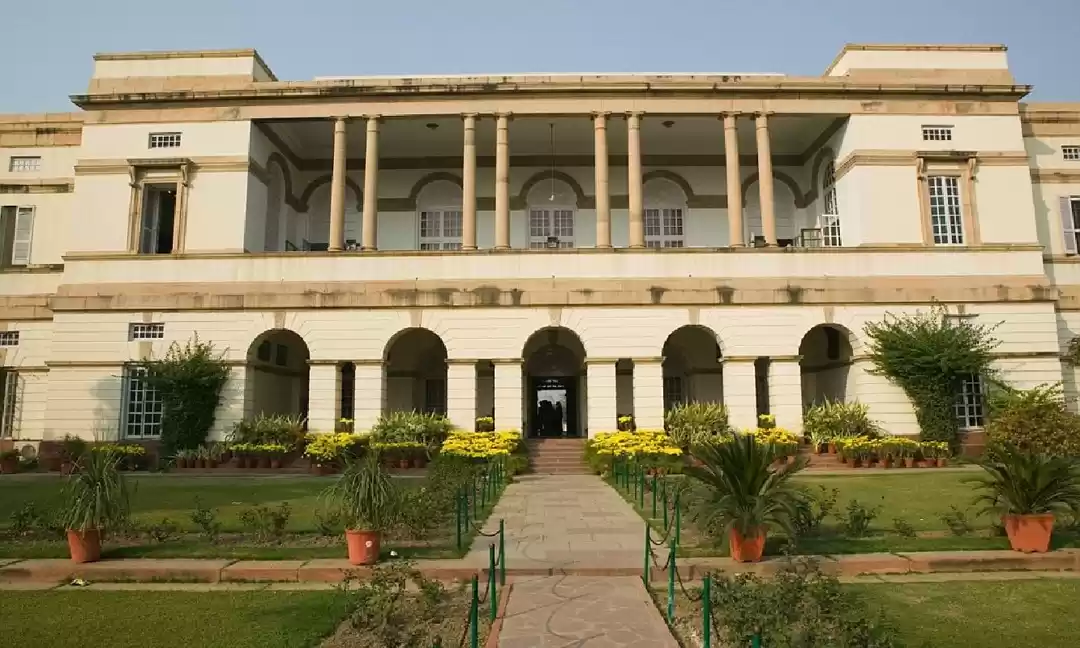
Nehru Memorial Museum Delhi: Teen Murti Visit, Timings & Galleries

Rahul Garg
February 18, 2026
Visit Nehru Memorial Museum & Library (Teen Murti Bhavan). History, timings, entry fee, exhibitions & how to reach. Delhi's heritage.
Nehru Memorial Museum and Library in Delhi: Complete Visitor Guide
Nehru Memorial Museum and Library, located at Teen Murti Bhavan in Delhi, is one of India’s most important institutions for modern political history. It combines museum interpretation, archival legacy, and site-based memory associated with Jawaharlal Nehru and post-independence nation-building. For travelers interested in more than monuments, this is a high-value stop that adds intellectual depth to a Delhi itinerary.
Many visitors focus only on imperial-era structures and skip modern history institutions. That is a missed opportunity. This museum helps connect political events, leadership choices, and state formation in ways that static monuments cannot. You can pair it with red fort delhi for a stronger timeline from late colonial history to independent India.

Why the Site Matters
Teen Murti Bhavan is significant as both a historical residence space and an interpretive institution. The museum component introduces themes of freedom struggle, early governance, diplomacy, and social policy. The library and archival identity of the institution has long been central to scholars and researchers working on modern Indian history.
For general travelers, the key value is contextual understanding. A well-planned visit here changes how you interpret many other sites in Delhi because you gain institutional and political background, not just visual impressions.
What to See Inside
Exhibition Galleries
Gallery sections typically include curated displays on national events, leadership phases, and archival visual material. Read panel text carefully for chronology and policy context.
Residential and Site Context
Parts of the complex reflect the lived historical setting associated with Nehru-era governance. Spatial context helps visitors connect public history with everyday administrative life.
Research Legacy
Even if you are not a scholar, understanding the institution’s library and archival role adds meaning to the visit. It explains how historical memory is preserved, interpreted, and debated over time.
If your Delhi route includes central landmarks, combine this with india gate and chandni chowk delhi in separate time blocks for better pacing.

Timings, Entry, and Visit Duration
| Visitor Detail | Planning Advice |
|---|---|
| Location | Teen Murti Bhavan, central Delhi zone |
| Opening Window | Daytime museum hours (verify current schedule) |
| Ticketing | Check on-site or official channels for latest rules |
| Ideal Duration | 1.5-3 hours depending on reading depth |
| Best Slot | Morning for lower crowds and focused exploration |
Because schedules and gallery access windows may change, verify timings before departure and keep one buffer hour in your Delhi day plan.
Best Time to Visit
October to March offers the most comfortable weather for combining this museum with other city sites. Summer visits are possible, but indoor-outdoor transitions can be tiring. Weekdays are usually better for slower reading and less crowd pressure.
If your priority is detailed study, choose a weekday morning and avoid stacking multiple large monuments on the same half-day.
How to Reach the Museum
The site is well connected by cab and metro-linked road approaches from most Delhi zones. Traffic variability is the main planning challenge, so start early and use realistic transit buffers. If visiting from old Delhi or south Delhi circuits, avoid peak-hour transfer windows where possible.
Travelers building a wider capital itinerary can use gurudwara bangla sahib delhi and waste to wonder park delhi for thematic contrast in the same city.
Suggested Delhi Heritage Day with NMML
- Morning: Nehru Memorial Museum and Library, full gallery reading.
- Midday: Lunch and rest transition.
- Afternoon: Monument zone or market walk depending energy.
- Evening: Lighter cultural stop to avoid museum fatigue.
This sequence keeps cognitive load balanced and improves retention from the museum visit.

Visitor Etiquette and Learning Tips
- Read exhibit text fully before moving to photo capture.
- Maintain quiet indoor behavior in interpretation spaces.
- Follow photography rules in restricted galleries.
- Take notes by section to retain timeline clarity.
- Use breaks to consolidate themes instead of rushing.
Good museum behavior increases both personal learning and shared experience quality.
Common Mistakes to Avoid
- Treating the visit as a short add-on between monuments.
- Skipping interpretation and focusing only on exterior photography.
- Arriving without context and getting lost in chronology.
- Planning museum visit in peak traffic hours with no buffer.
- Overloading one day with too many high-attention sites.
Why This Museum Is Essential for Delhi Itineraries
Nehru Memorial Museum and Library adds modern historical depth that many Delhi trips miss. It helps travelers connect personalities, institutions, and policies to the physical city they are exploring. This context improves how you understand other sites across the capital.
Plan time generously, read carefully, and approach the space as a learning institution rather than a checklist location. That approach makes the visit meaningful and memorable.
Before leaving, note three key historical shifts you learned during the visit. This quick recap helps convert museum information into long-term understanding.
How to Get More from the Museum Experience
Many visitors move too quickly through galleries and leave with only fragmented impressions. A better method is to choose three themes before entering: freedom struggle transition, post-independence institution building, and foreign policy framing. Read displays through these themes and note how one gallery connects to the next. This improves comprehension and prevents information overload.
If you are traveling with students, assign each person one theme and do a short discussion afterward. This transforms a passive museum walk into an active learning session.
Combining NMML with Other Delhi Sites
Avoid pairing this museum with too many high-attention monuments in one half-day. Museum reading requires focus, while monument-heavy travel requires physical stamina. Mixing both without breaks often reduces quality. Keep lunch and transit buffers realistic, especially in central Delhi traffic windows.
If your day includes old city zones later, carry concise notes from the museum. These notes help you connect historical timelines to urban spaces more effectively as you move through Delhi.
Final Note
Nehru Memorial Museum and Library is one of the best places in Delhi to understand the institutional side of modern India. Give it uninterrupted time, and it will strengthen every other historical visit in the city.
Who Should Prioritize This Site
Nehru Memorial Museum and Library is especially useful for students, policy researchers, civil service aspirants, educators, and travelers interested in modern Indian state formation. It is less about dramatic architecture and more about institutional memory. Visitors who come prepared with basic timeline awareness usually gain much more from the galleries.
If you have limited time in Delhi but care about historical depth, this museum is a smarter choice than adding another quick monument stop. It provides interpretive value that improves the rest of your trip.
Carry a small note list and write down key dates, themes, and policy transitions as you move. This simple practice dramatically improves recall after the visit.
One effective way to conclude your museum visit is to identify one event, one policy shift, and one leadership decision that changed your understanding of modern India. This reflection step transforms information into insight. NMML rewards visitors who engage actively rather than passively browsing. With deliberate reading and short note-taking, the site becomes one of Delhi’s most educational and enduring cultural experiences.
Travelers who revisit NMML often discover new layers each time, especially when approaching galleries with a specific question about policy, diplomacy, or social change.
Even one careful revisit can deepen your understanding of modern India’s institutional journey.
It is a site worth returning to.
Location
Frequently Asked Questions
Q1.Where is Teen Murti Bhavan located in Delhi?
Q2.What is the history of Nehru Memorial Museum?
Q3.What is the best time to visit the museum?
Q4.What can I see at Nehru Memorial Museum?
Q5.How long does it take to explore Teen Murti Bhavan?
Q6.Is photography allowed inside the museum?
Q7.What is the entry fee for Nehru Memorial Museum?
Q8.What are the opening hours of Teen Murti Bhavan?
Q9.How to reach Teen Murti Bhavan by Metro?
Q10.Is the library open to general public?
Recommended For You
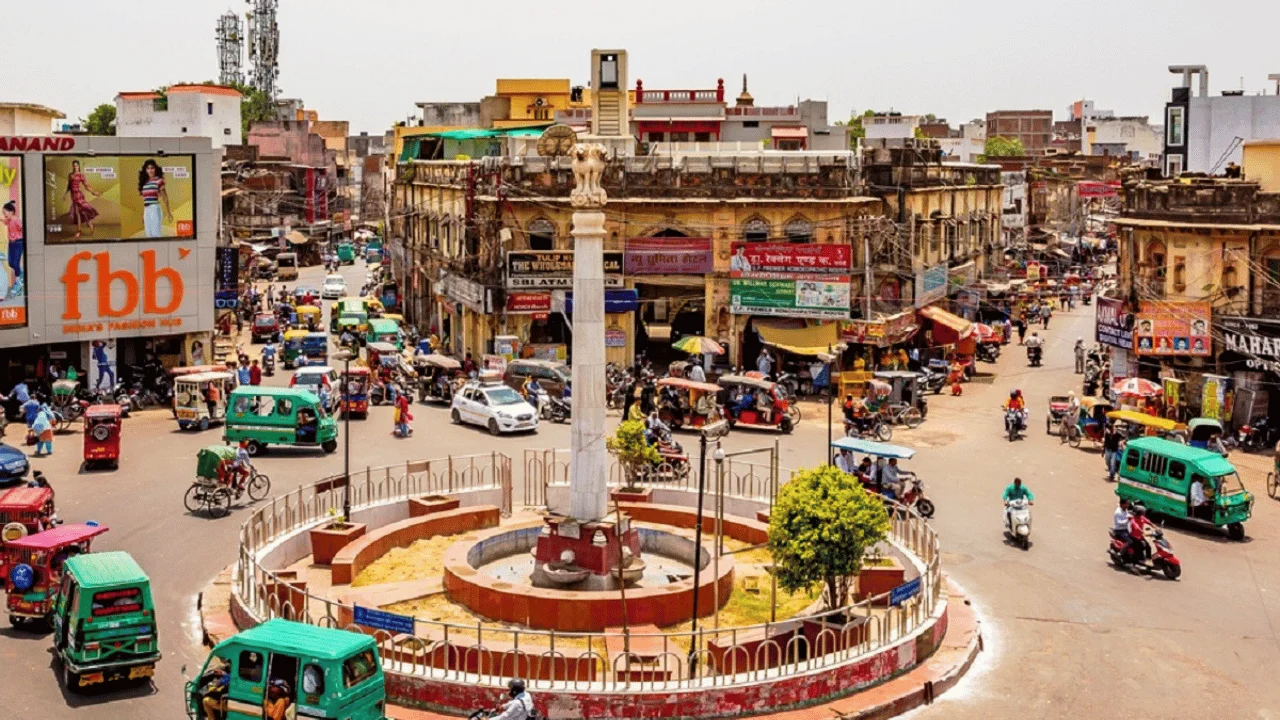
Chandni Chowk Delhi: Street Food Trail, Markets & Metro Access
Explore Chandni Chowk Delhi - Complete street food guide, shopping tips, timings & metro access. Famous for Paranthe Wali Gali, spice market & shopping.
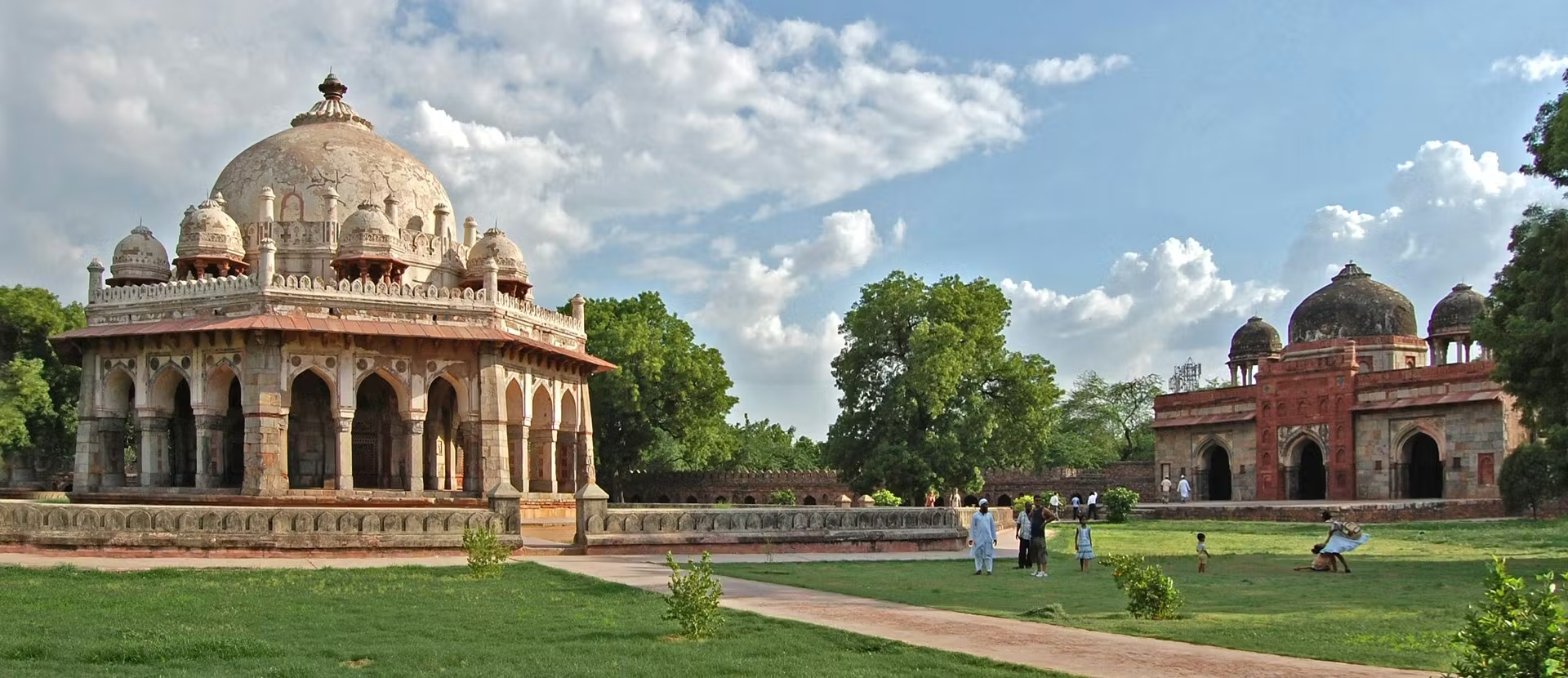
Isa Khan's Tomb: Delhi's Octagonal Heritage Jewel
Explore Isa Khan's Tomb in Delhi! Discover the unique octagonal architecture, history of Isa Khan Niazi, timings, location near Humayun's Tomb & complete heritage guide.
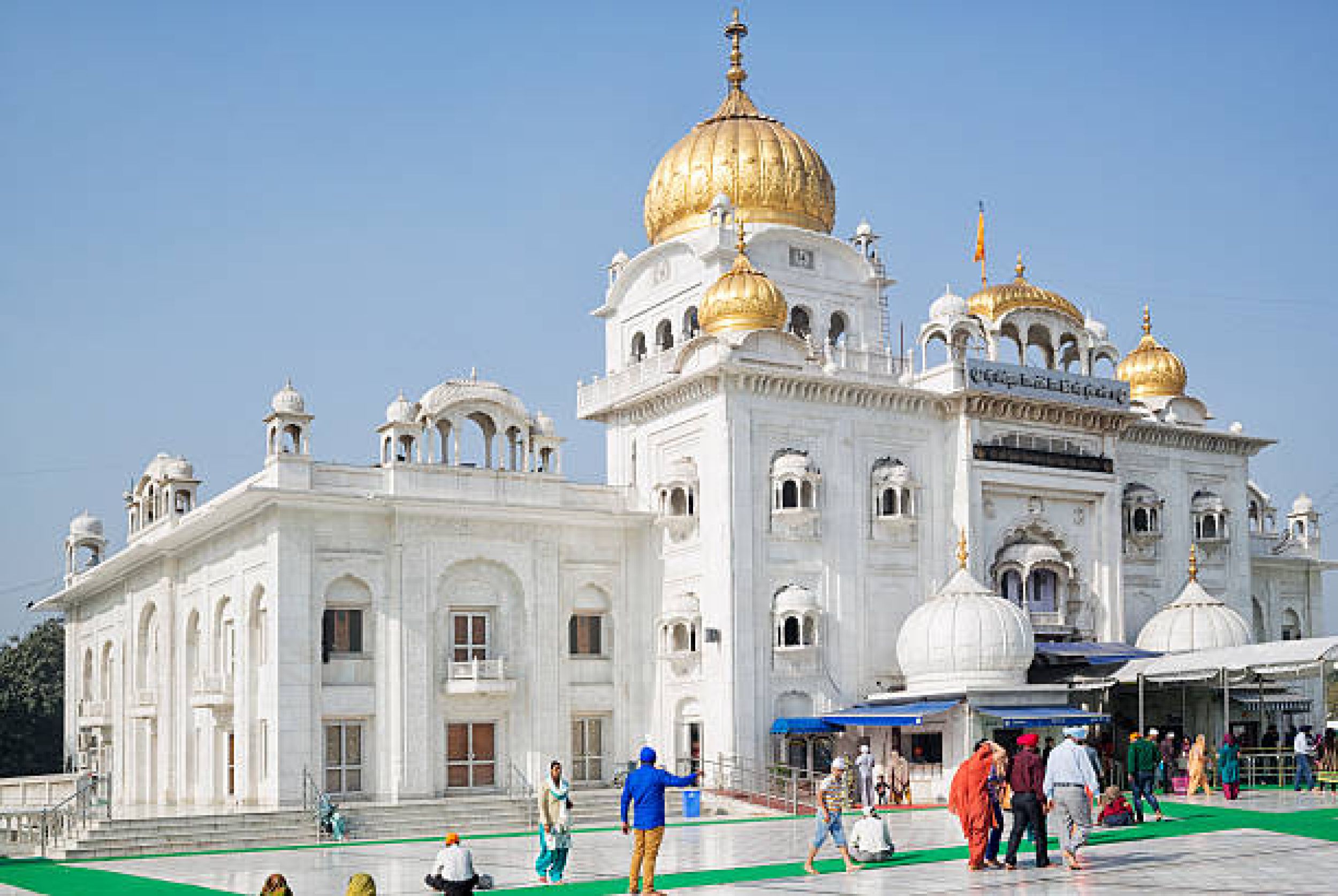
Gurudwara Bangla Sahib Delhi: Timings, Langar & Seva Information
Visit Gurudwara Bangla Sahib Delhi - sacred Sikh shrine dedicated to Guru Har Krishan. Discover lang timings, history, architecture, dress code & spiritual experience.
Never Miss an Adventure
Get the latest trekking guides, travel tips, and exclusive offers delivered straight to your inbox.
