
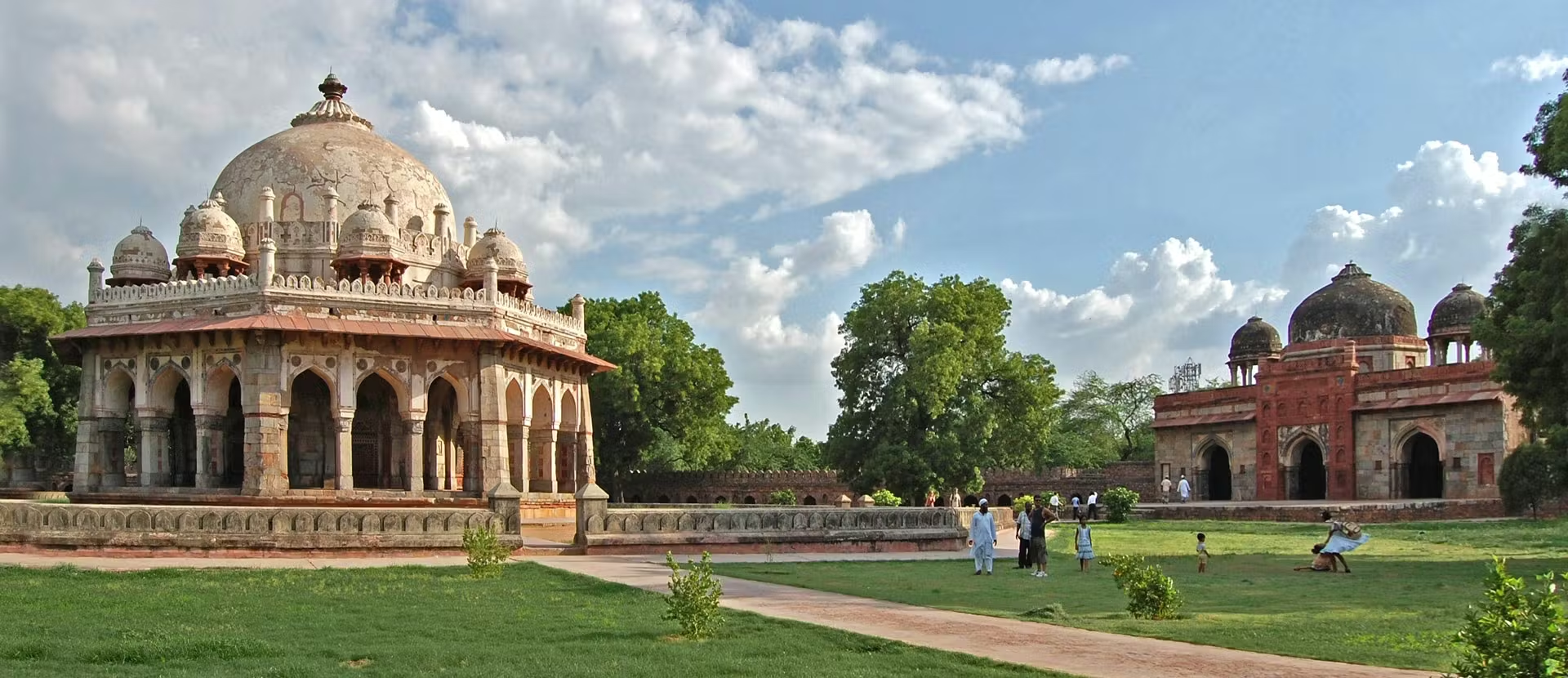
Isa Khan's Tomb: Delhi's Octagonal Heritage Jewel

Rohit Verma
January 10, 2026
Explore Isa Khan's Tomb in Delhi! Discover the unique octagonal architecture, history of Isa Khan Niazi, timings, location near Humayun's Tomb & complete heritage guide.
Isa Khan's Tomb in Delhi: Complete Heritage Guide
Isa Khan's Tomb is one of Delhi's most refined pre-Mughal funerary monuments and a key stop for travelers who want context beyond the usual headline sites. Located near Humayun's Tomb complex, it represents an earlier stage of Indo-Islamic garden-tomb architecture. If you are planning a heritage day in Delhi, start with historical places delhi and place Isa Khan's Tomb as a slow-observation stop rather than a quick pass.
The monument is especially valuable because it predates later imperial masterpieces while already showing many planning ideas that would mature in Mughal architecture. That makes it ideal for travelers, students, and photographers interested in chronology and design evolution.
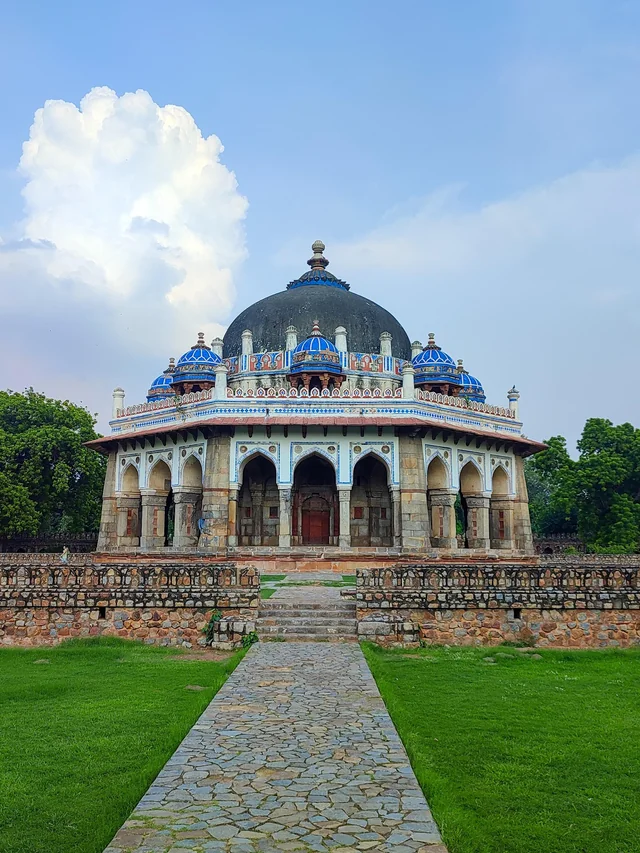
Why This Monument Is Important
Isa Khan's Tomb belongs to the Sur period and carries strong architectural and historical significance. Its octagonal form, surrounding pathways, and decorative treatment show a confident design language that balances geometry, symbolism, and site planning. In practical terms, this site helps you understand Delhi's transition into the mature garden-tomb phase.
Many visitors underestimate it because of proximity to larger monuments. However, its scale is actually an advantage. You can read form and details clearly without the visual overload common at larger complexes.
Architecture Highlights to Observe
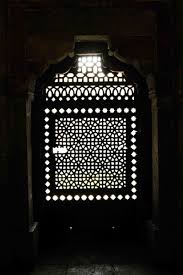
Start with the octagonal massing and then study the chhatri rhythm, parapet lines, and arch profile sequence. Exterior symmetry is intentional but includes nuanced variation in detailing. Inside, look for plaster, lattice treatment, and compositional transitions from entry to central chamber.
The dome proportion and surrounding platform relation are especially instructive if you are comparing this tomb with later Mughal structures in Delhi. It is a strong case study in architectural continuity.
Garden Setting and Spatial Experience
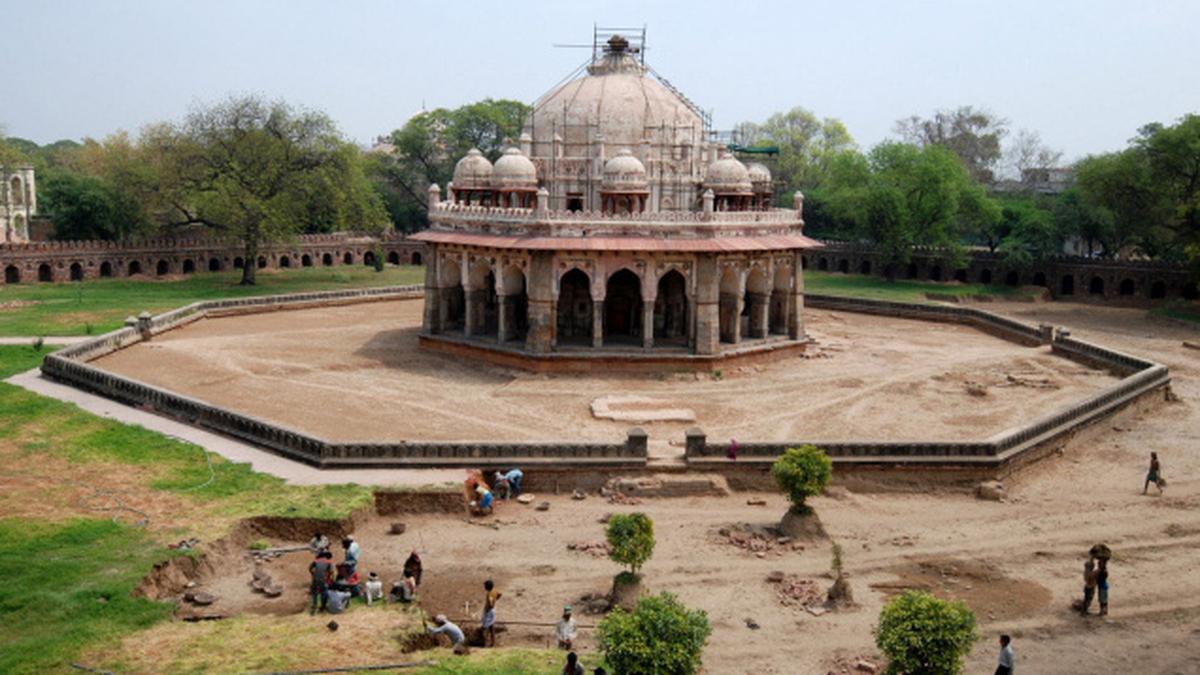
The monument is not just a standalone tomb; it is part of a planned landscape experience. Walking around the structure reveals how path alignment and visual framing were used to create ceremonial and contemplative movement. This relationship between architecture and garden form is central to why the site remains visually powerful.
For travelers, this means you should reserve time for perimeter movement, not only interior viewing. Exterior circulation often gives the best understanding of intent.
Best Time to Visit
October to March generally provides the best weather for Delhi heritage walks. Morning and late-afternoon slots are ideal for detail photography and comfort. Summer visits are possible with early starts and careful hydration planning.
Weekday mornings are often quieter. If you want calmer frames and deeper observation, avoid midday weekend peaks and cluster this stop with nearby monuments in one zone-based itinerary.
How to Reach and Plan Efficiently
Isa Khan's Tomb is easy to access from central Delhi using metro-plus-cab or direct app-based transport. Keep transfer buffers realistic because Delhi traffic can vary sharply by hour. A practical model is one major complex in the morning and one lighter heritage stop in the afternoon.
You can pair this route with barakhamba tomb in delhi and lodhi garden delhi for a stronger chronology-based day plan.
Suggested 3-4 Hour Heritage Block
| Time Block | Suggested Focus |
|---|---|
| Hour 1 | Exterior form, perimeter walk, macro understanding |
| Hour 2 | Interior details, decorative study, contextual notes |
| Hour 3 | Garden framing and photography pass |
| Optional Hour 4 | Nearby linked monument or museum segment |
This pacing avoids rush and produces better retention than quick stop-and-leave patterns.
Photography Strategy
Take one full elevation frame first, then medium shots for arches and cornice lines, then close details for lattice and texture. Side light usually reveals depth better than frontal noon exposure. Keep one human-scale frame for proportion.
Avoid touching decorative surfaces and avoid blocking narrow circulation paths while composing shots. Responsible movement improves both heritage protection and visitor flow.
Common Mistakes to Avoid
- Treating the site as a 10-minute add-on
- Skipping perimeter walk and focusing only on central chamber
- Ignoring weather and heat planning in summer
- Using outdated timing information from old blogs
- Not linking this monument to wider Delhi chronology
Most of these mistakes reduce learning value more than they save time.
Who Should Prioritize Isa Khan's Tomb
This site is ideal for architecture students, history-focused travelers, photographers, and repeat Delhi visitors who want deeper context. It also works for first-time tourists who prefer fewer but richer stops in one day.
If your trip includes broader Delhi heritage, add india gate to compare scale, material expression, and urban setting across periods.
Final Take
Isa Khan's Tomb is one of Delhi's most rewarding context monuments. It bridges historical phases, offers excellent visual readability, and fits efficiently into city heritage routes. Travelers who slow down here usually gain stronger insight than from crowded checklist tourism.
Plan with time buffer, observe with structure, and treat the site as a major interpretive stop. That approach gives maximum return from this compact but significant monument.
Practical note: keep one flexible buffer hour in Delhi heritage days for traffic and queue variation; this improves quality and reduces rushed decision-making.
Practical note: keep one flexible buffer hour in Delhi heritage days for traffic and queue variation; this improves quality and reduces rushed decision-making.
Practical note: keep one flexible buffer hour in Delhi heritage days for traffic and queue variation; this improves quality and reduces rushed decision-making.
Practical note: keep one flexible buffer hour in Delhi heritage days for traffic and queue variation; this improves quality and reduces rushed decision-making.
Practical note: keep one flexible buffer hour in Delhi heritage days for traffic and queue variation; this improves quality and reduces rushed decision-making.
Practical note: keep one flexible buffer hour in Delhi heritage days for traffic and queue variation; this improves quality and reduces rushed decision-making.
Practical note: keep one flexible buffer hour in Delhi heritage days for traffic and queue variation; this improves quality and reduces rushed decision-making.
Practical note: keep one flexible buffer hour in Delhi heritage days for traffic and queue variation; this improves quality and reduces rushed decision-making.
Practical note: keep one flexible buffer hour in Delhi heritage days for traffic and queue variation; this improves quality and reduces rushed decision-making.
Practical note: keep one flexible buffer hour in Delhi heritage days for traffic and queue variation; this improves quality and reduces rushed decision-making.
Practical note: keep one flexible buffer hour in Delhi heritage days for traffic and queue variation; this improves quality and reduces rushed decision-making.
Practical note: keep one flexible buffer hour in Delhi heritage days for traffic and queue variation; this improves quality and reduces rushed decision-making.
Practical note: keep one flexible buffer hour in Delhi heritage days for traffic and queue variation; this improves quality and reduces rushed decision-making.
Practical note: keep one flexible buffer hour in Delhi heritage days for traffic and queue variation; this improves quality and reduces rushed decision-making.
Practical note: keep one flexible buffer hour in Delhi heritage days for traffic and queue variation; this improves quality and reduces rushed decision-making.
Practical note: keep one flexible buffer hour in Delhi heritage days for traffic and queue variation; this improves quality and reduces rushed decision-making.
Practical note: keep one flexible buffer hour in Delhi heritage days for traffic and queue variation; this improves quality and reduces rushed decision-making.
Practical note: keep one flexible buffer hour in Delhi heritage days for traffic and queue variation; this improves quality and reduces rushed decision-making.
Practical note: keep one flexible buffer hour in Delhi heritage days for traffic and queue variation; this improves quality and reduces rushed decision-making.
Location
Frequently Asked Questions
Q1.Who was Isa Khan Niazi?
Q2.Where is Isa Khan's Tomb located?
Q3.Is there a separate ticket for Isa Khan's Tomb?
Q4.What is unique about Isa Khan's Tomb architecture?
Q5.Can we visit Isa Khan's Tomb in the evening?
Q6.How far is Isa Khan's Tomb from Humayun's Tomb?
Q7.How long does it take to explore Isa Khan's Tomb?
Q8.Which is older, Isa Khan's Tomb or Humayun's Tomb?
Recommended For You
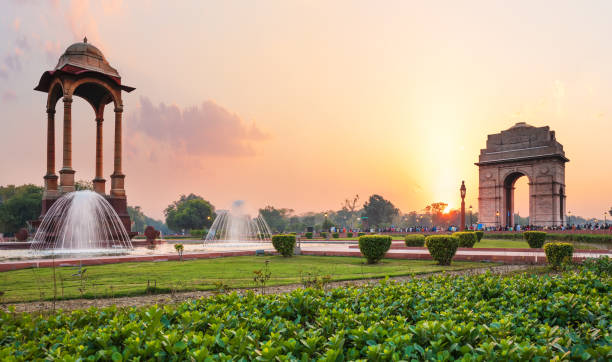
India Gate Delhi: Best Time, Nearby Spots & Night Visit Details
Visit India Gate Delhi with this complete guide covering history, architecture, timings, evening experience, nearby attractions, and practical travel tips.
Qutub Minar Delhi: Complete Guide to UNESCO World Heritage Site
Explore Qutub Minar Delhi - tallest brick minaret & UNESCO site. Discover 800 years of Islamic architecture, the mysterious Iron Pillar & Delhi heritage.
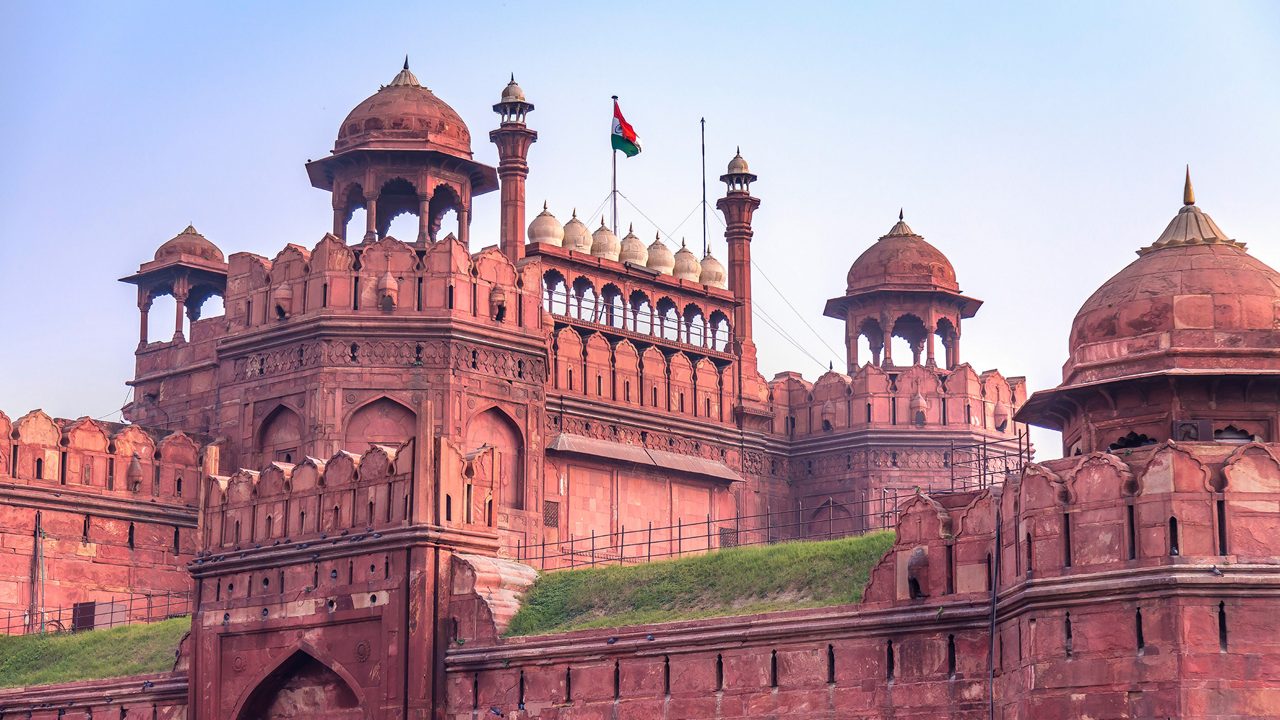
Red Fort Delhi: Ticket Price, Timings, Metro Route & Sound Show
Discover Red Fort Delhi - UNESCO World Heritage Site. Complete visitor guide with timings, tickets, sound show details, metro route, and Old Delhi itinerary tips.
Never Miss an Adventure
Get the latest trekking guides, travel tips, and exclusive offers delivered straight to your inbox.
