
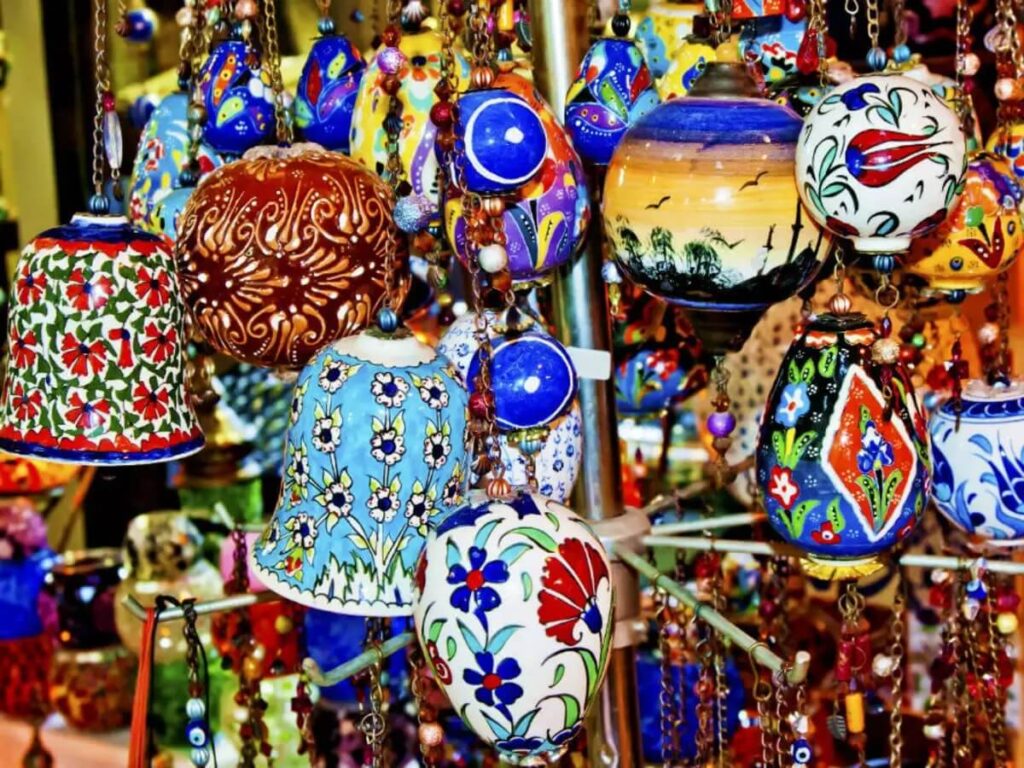
Namchi Market Sikkim: Shopping Guide & Attractions

Neha Kapoor
December 11, 2025
Explore Namchi Market in Sikkim. Local shopping, handicrafts, food, nearby attractions & complete travel guide.
Namchi Market Sikkim: Complete Shopping and Local Experience Guide
Namchi Market in Sikkim is a useful shopping and local-culture stop for travelers exploring South Sikkim. It may not be as widely discussed as Gangtok’s central zones, but it offers practical value for regional products, everyday goods, and a slower, less commercial market experience. For visitors who want to understand local buying patterns and community life, Namchi Market can be more meaningful than high-traffic tourist shopping streets.
This guide explains what to buy, when to visit, how to combine the market with nearby attractions, and how to make the most of a short stop. If you are designing a larger Sikkim route, pair this with Sikkim travel guide and destination planning from things to do in Sikkim.

Why Visit Namchi Market?
Namchi Market is valuable because it reflects local everyday commerce rather than only tourist-oriented storefronts. You can observe what residents buy, compare practical products, and pick up regional items with better context. For travelers interested in authentic place-feel, this is a strong advantage.
The pace is generally calmer than major city markets, which suits families and slow-travel itineraries.
What to Buy in Namchi Market
Common shopping categories include local packaged goods, winter accessories, handcrafted items, small souvenirs, and everyday travel essentials. The best approach is to list your purchase priorities before entering, then compare shops in two rounds. This avoids impulse buys and improves value.
For regional products, confirm origin and quality before buying, especially for food and hand-crafted items.
Best Time to Visit
Morning and late afternoon are usually the most practical windows. Morning offers easier movement and clear browsing. Evening can be lively but may get crowded depending on local activity patterns. If you are covering Namchi as part of a day circuit, place it between major sightseeing blocks.
Seasonal weather can influence comfort, so check local conditions and keep light layers ready.
Food and Snack Breaks Near the Market
A market visit is better with one local tea/snack break to experience place rhythm. Keep this simple: one snack and one beverage, then continue shopping. Avoid heavy meal breaks during short market windows if you still need to cover nearby attractions.
For broader regional food context, compare with food of Sikkim and add dedicated local meal stops separately.
How to Combine Namchi Market with Nearby Attractions
A practical day plan is morning attraction, midday market shopping, and evening scenic/temple stop depending on route. This keeps travel smooth and avoids repeating long transfers. If you are moving between South and East Sikkim segments, Namchi works as a strategic shopping halt.
You can also compare market experience later with MG Marg Gangtok for a city-vs-town shopping contrast.
Budget and Bargaining Tips
Prices vary by product type and shop profile. Basic items may have minimal flexibility, while some souvenir categories can be compared across stalls. Keep a category budget before starting: gifts, personal shopping, and essentials. Small budgeting discipline helps avoid unplanned spending.
Buy high-priority items early and leave optional purchases for your second loop.
Who Should Prioritize Namchi Market?
Travelers interested in local life, practical shopping, and less-crowded market exploration should prioritize Namchi. It is especially good for those who prefer authentic community environments over highly curated tourist streets.
Short-stay tourists can still benefit if they plan a focused 1-2 hour stop with clear shopping intent.
Common Mistakes to Avoid
The biggest mistake is arriving with no shopping plan and spending too much time on low-priority stalls. Another issue is skipping local product verification and buying generic items that could be sourced anywhere. Travelers also overpack the day and rush through market exploration.
Give Namchi Market at least a focused time block if shopping is one of your trip goals.
Photography and Market Etiquette
Market photography is best done respectfully. Ask before taking close-up vendor photos and avoid blocking customer flow in narrow sections. Capture broader environment frames first, then details. Responsible behavior improves interactions and keeps market movement smooth.
If you are creating content, prioritize storytelling around local products and buying patterns, not just random visuals.
Shopping Quality Checklist
Before finalizing purchases, check material quality, pricing consistency, and packing suitability for travel. For food items, review expiry and storage requirements. For crafts, inspect finishing details and transport safety.
A two-minute quality check per purchase prevents disappointment after returning home.
Namchi Market for Short Itineraries
If you have limited time in South Sikkim, keep Namchi Market as a focused 90-120 minute stop with strict shopping priorities. Start with essentials, move to local products, and end with light snacks. This prevents overrun and protects the rest of your route schedule.
Short-itinerary travelers who pre-plan categories usually get better shopping value than those browsing without intent.
Seasonal Product Insight
Product availability can vary by season, especially for local packaged goods and handcrafted items. Ask vendors what is locally current rather than relying only on fixed online lists. Seasonal recommendations often reveal better and more authentic buys.
Use this to make your Namchi shopping feel destination-specific instead of generic.
Namchi Market for Regional Product Discovery
Namchi is a useful market for discovering region-linked goods that may not be highlighted in larger tourist shopping corridors. Instead of buying fast, ask vendors which products are locally sourced and which are brought from other regions. This question alone helps you make smarter and more authentic purchases.
Keep a compact list of target items by category and check each purchase for durability, packaging, and travel suitability. This is important if you have multiple road segments ahead.
When approached with intent, Namchi Market can become one of the most practical shopping stops in South Sikkim itineraries.
Namchi Repeat-Visit Advantage
If you revisit Namchi, focus one product category per trip. Category focus improves buying quality and reduces rushed choices.
Small curated purchases from trusted vendors usually outperform random bulk shopping.
Final Takeaway
Namchi Market Sikkim offers a practical, authentic, and less-rushed shopping experience that complements broader Sikkim travel plans. It is ideal for travelers who want real local market context along with useful purchases.
Plan your visit with clear priorities, compare thoughtfully, and combine with nearby route points. With this approach, Namchi Market becomes a high-value stop in your Sikkim itinerary.
Location
Frequently Asked Questions
Q1.What can I buy in Namchi Market?
Q2.What is the best time to visit Namchi Market?
Q3.Is Namchi Market expensive for tourists?
Q4.Can I find local food near Namchi Market?
Q5.How much time should I keep for Namchi Market?
Q6.Are digital payments accepted in Namchi Market?
Recommended For You

Shopping in Gangtok: MG Marg & Local Markets
Discover shopping in Gangtok Sikkim: MG Marg pedestrian street, Tibetan handicrafts, Temi tea & Buddhist souvenirs. Complete Himalayan shopping guide.
Gangtok: Complete Travel Plan Places And Weather
Complete Gangtok travel guide with top attractions, best time to visit, 3-5 day itineraries, budget breakdown, transport options, and practical travel tips for exploring Sikkim's capital.
10 Beautiful Lakes in Sikkim: Tsomgo to Gurudongmar
Comprehensive guide to lakes in Sikkim covering Tsomgo, Gurudongmar, sacred lakes, permits, best season, and practical itinerary planning.
Never Miss an Adventure
Get the latest trekking guides, travel tips, and exclusive offers delivered straight to your inbox.
