
Petitenget Temple Seminyak Bali: Timings, Dress Code & Visitor Tips
Rohit Verma
December 31, 2025
Discover Petitenget Temple in Seminyak Bali - ancient sea temple with ceremonies, timings, dress code, and cultural significance. Complete visitor guide with photography tips and nearby attractions.
Introduction to Petitenget Temple Bali
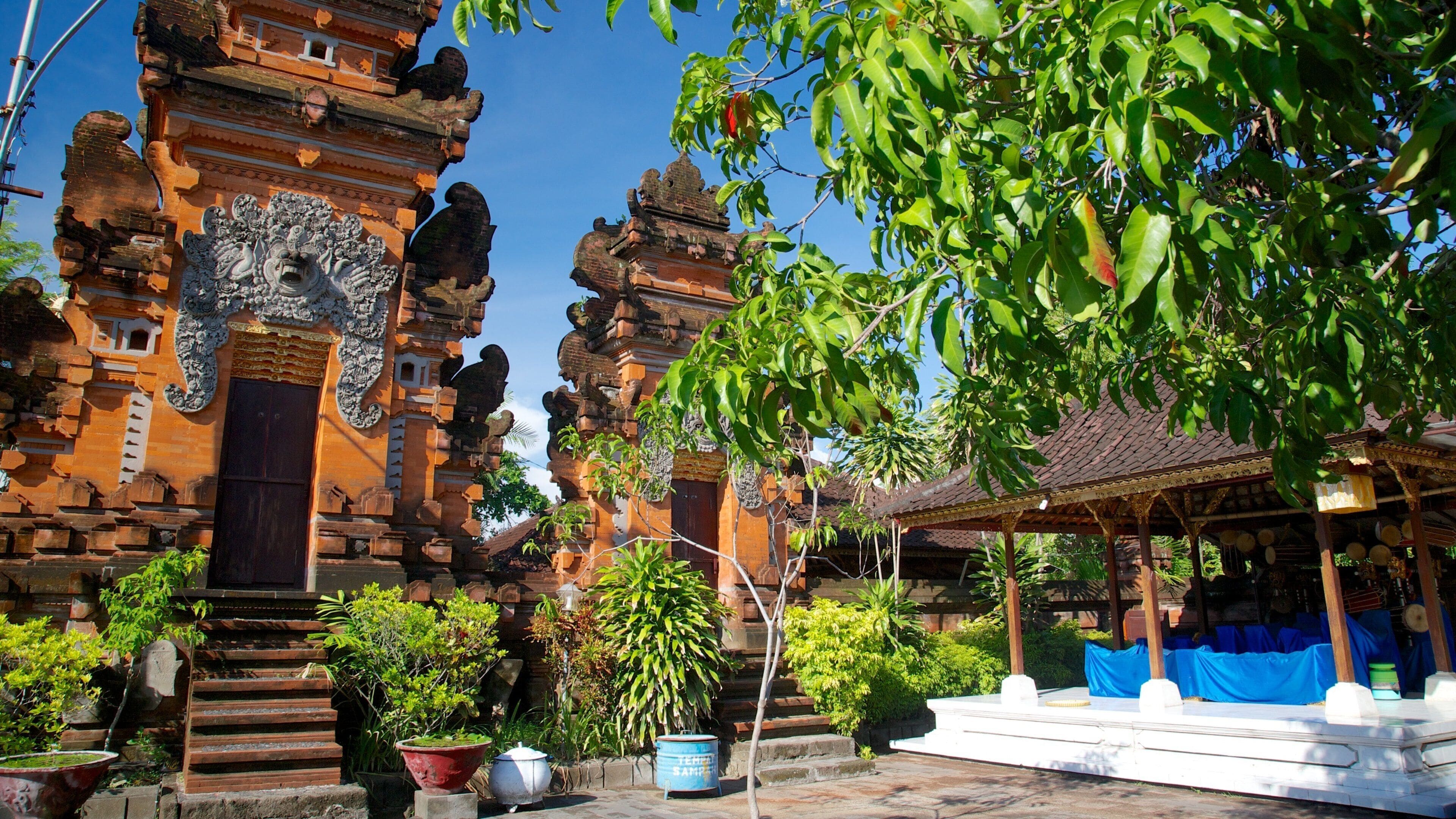
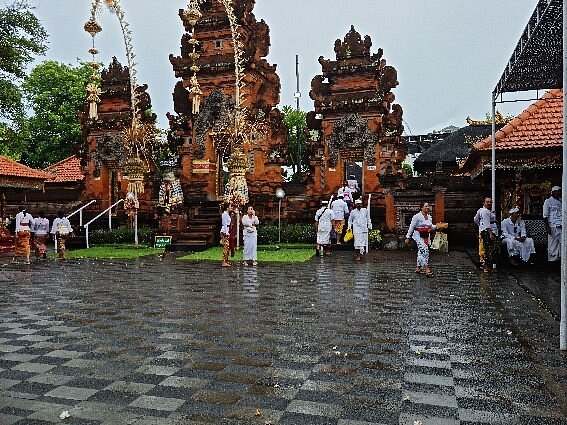
Nestled in the heart of Seminyak, Petitenget Temple Bali stands as one of the most important sea temples on the island's southwestern coast. This ancient Hindu temple, known locally as Pura Petitenget, offers visitors a unique glimpse into Bali's rich spiritual heritage while being conveniently located near some of the island's most popular beaches and upscale resorts. The name "Petitenget" translates to "miraculous box" or "magic box" in Balinese, referring to a sacred box believed to contain powerful spiritual energies that protect the island from evil sea spirits.
What makes Petitenget Temple particularly special is its contrasting setting - amidst the modern development of Seminyak's trendy boutiques, beach clubs, and luxury villas, this 16th-century temple maintains its serene atmosphere and traditional Balinese architecture. Unlike some of Bali's more crowded temple complexes, Petitenget offers a more intimate and authentic cultural experience, where you can observe daily rituals and ceremonies without the overwhelming tourist crowds.
The temple's proximity to Petitenget Beach adds to its mystical charm. During high tide, the ocean comes remarkably close to the temple walls, creating a dramatic backdrop of crashing waves against ancient stone structures. This connection between land and sea is central to the temple's spiritual significance, as it serves as one of Bali's key sea temples (pura segara) that form a protective chain along the island's coastline.
About Petitenget Temple History & Architecture
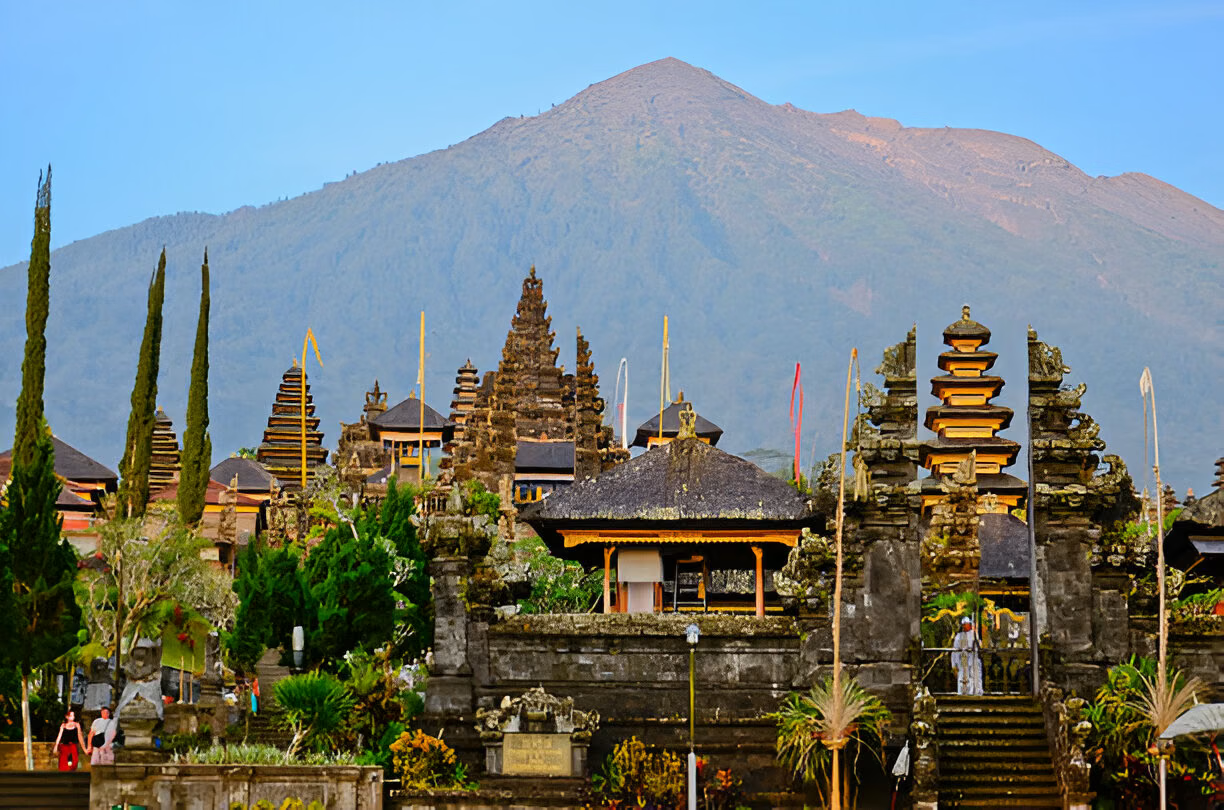
Petitenget Temple dates back to the 16th century and is believed to have been founded by the revered Hindu priest Dang Hyang Nirartha, who also established several other significant temples across Bali, including the famous Uluwatu Temple. Nirartha was a Javanese priest who played a crucial role in unifying Bali's Hindu practices and establishing the island's temple network. According to local legends, Nirartha stopped at this site during his spiritual journeys across Bali and sensed the powerful spiritual energy of the location, leading him to establish a temple here.
The temple's architecture follows the traditional Tri Mandala concept typical of Balinese Hindu temples. This sacred layout divides the temple complex into three courtyards, each representing different levels of spiritual purity. The outer courtyard (Nista Mandala) serves as the transition space between the secular and sacred worlds. The middle courtyard (Mada Mandala) is where preparations for ceremonies take place. The innermost courtyard (Utama Mandala) houses the most sacred shrines and is accessible only to priests during important rituals.
> Did you know? If you're exploring Bali's spiritual sites, Uluwatu Temple is another must-visit sea temple with breathtaking cliff-top views and famous kecak dance performances at sunset.The temple features several distinctive meru towers - multi-tiered shrines that resemble pagodas. These merus are dedicated to different deities, with the number of tiers indicating the importance of the god being worshipped. The tallest meru at Petitenget typically has 11 tiers, symbolizing Mount Meru, the cosmic mountain in Hindu and Buddhist cosmology. The temple walls are adorned with intricate carvings depicting scenes from Hindu epics like the Ramayana and Mahabharata, as well as daily Balinese life and mythical creatures.
One of the most striking architectural elements is the candi bentar - the split gateway that marks the entrance to the inner courtyard. This uniquely Balinese architectural feature consists of two halves that mirror each other, creating a dramatic entranceway. The gates are elaborately carved with floral motifs, guardian statues, and mythical beings that serve to protect the sacred space within.
Religious Significance & Spiritual Importance
Petitenget Temple holds profound religious significance in Balinese Hinduism and plays a vital role in the spiritual life of the local community. As one of Bali's Kayangan Jagat (directional temples), it serves as a guardian temple for the southwestern region of the island. These directional temples are believed to form a spiritual protective network around Bali, with each temple safeguarding a specific direction from negative influences.
The temple is particularly renowned for its association with protective energies against sea spirits and evil forces approaching from the ocean. In Balinese cosmology, the sea is often viewed as the dwelling place of both benevolent and malevolent spirits. As a sea temple, Petitenget's primary function is to maintain the delicate balance between these forces and protect the land and its inhabitants from harm. Local fishermen and coastal communities regularly visit the temple to pray for safety at sea and bountiful catches.
Within the temple complex, you'll find several important shrines dedicated to different deities. The central shrine, or padmasana, is dedicated to Sang Hyang Widhi Wasa, the supreme god in Balinese Hinduism. This lotus throne symbolizes the universe and serves as the focal point for offerings and prayers. Other shrines are dedicated to various aspects of the divine, including protective deities, ancestors, and spirits of nature.
>The temple's spiritual energy is believed to be particularly potent during certain lunar phases and sacred days in the Balinese calendar. Many locals visit Petitenget for personal blessings, purification rituals, and to seek guidance for important life decisions. The presence of the temple has also influenced the spiritual atmosphere of the surrounding area, with many believing that the sacred energy extends beyond the temple walls and blesses the nearby beaches and community.For visitors interested in learning more about Balinese religion and spiritual practices, Petitenget Temple offers an authentic glimpse into the island's unique form of Hinduism, which blends elements of Hinduism, Buddhism, and ancient animistic beliefs. The temple provides an opportunity to witness how Balinese people integrate spirituality into their daily lives, with devotees stopping by throughout the day to make offerings and prayers.
Ceremonies & Festivals at Petitenget Temple
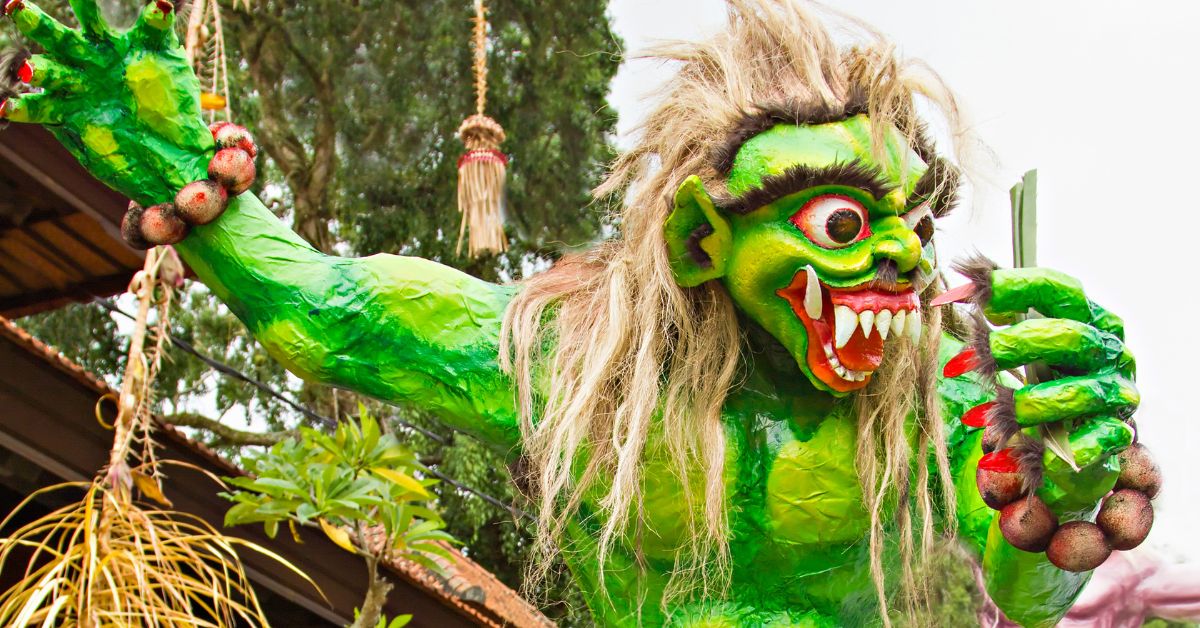
One of the most compelling reasons to visit Petitenget Temple is to experience its vibrant temple ceremonies and festivals, known locally as odalan. These ceremonies are colorful, elaborate affairs that showcase the richness of Balinese Hindu culture and provide insight into the community's spiritual practices. The temple's odalan is held every 210 days, according to the Balinese Pawukon calendar, which means the festival occurs at different times in the Gregorian calendar each year.
During the odalan, the temple comes alive with devotees dressed in traditional ceremonial attire - women wearing intricate kebaya blouses and sarongs with sashes, while men wear white shirts and udeng (traditional headgear). The air fills with the sound of gamelan orchestras playing traditional Balinese music, and the scent of incense and flowers permeates the atmosphere. Elaborate offerings called gebogan - towering pyramids of fruits, flowers, and cakes - are carried on the heads of women in procession to the temple.
The Melasti ceremony is another important event at Petitenget Temple. Held a few days before the Balinese New Year (Nyepi), Melasti is a purification ritual where temple sacred objects are transported in procession to the ocean or a spring for ritual cleansing. At Petitenget, this ceremony is particularly spectacular as the sacred objects are carried to the nearby beach, where priests perform purification rituals while devotees pray and make offerings to the sea. The sight of beautifully dressed Balinese people processing along Seminyak's streets with sacred umbrellas and banners is truly memorable.
> Planning a temple visit? Learn about essential Bali travel tips to respect local customs and make the most of your cultural experience.Perhaps the most dramatic ceremonies at Petitenget are those that take place on the beach during sunset. On special occasions, priests lead rituals right on the sand with the temple as a backdrop and the setting sun painting the sky in brilliant colors. These ceremonies often include fire rituals and elaborate offerings placed into the ocean, creating a powerful spectacle of fire, water, and spiritual devotion. The timing is believed to be particularly auspicious, as the transition between day and night represents the balance between light and darkness.
Other important ceremonies include full moon ceremonies (Purnama) and new moon ceremonies (Tilem), which are held monthly and attract fewer crowds than the major festivals but offer a more intimate experience. During these times, the temple has a special energy, and you'll often see local families coming to pray together. If your visit coincides with any of these ceremonies, remember that these are sacred religious events - be respectful, dress appropriately, and ask permission before taking photographs.
Visitor Information: Practical Guide
Location & How to Reach
Petitenget Temple Location: Jl. Petitenget, Seminyak, Badung Regency, Bali
Coordinates: -8.70° S, 115.17° E
The temple is easily accessible from most parts of southern Bali. From Kuta, it's approximately 20-30 minutes by car depending on traffic. From Ubud, allow about 45-60 minutes. The temple is located on Jalan Petitenget, which runs perpendicular to the beach in Seminyak. If you're staying in Seminyak or nearby Petitenget Beach, you can easily walk to the temple in 10-15 minutes.
Transportation Options:
- Taxi/ride-hailing: Grab and Gojek are widely available and affordable
- Scooter rental: Most popular option (approx. IDR 60,000-80,000 per day)
- Private driver: Book through your hotel or tour operator (IDR 500,000-700,000 per day)
- Walking: If staying in Seminyak area
Petitenget Temple Timings
Opening Hours: The temple is technically open daily from approximately 7:00 AM to 6:00 PM, but it's important to understand that temple access is restricted during ceremonies and prayer times. The best time to visit is between 9:00 AM and 4:00 PM when the temple priests are usually present and you're most likely to be allowed entry.
Best Time to Visit Petitenget Temple:
- Early morning (7-9 AM): Fewer crowds, cooler weather, chance to see morning prayers
- Late afternoon (4-6 PM): Beautiful light for photography, possible sunset ceremonies
- During ceremonies: If you want to witness traditional rituals (check local calendar)
Avoid visiting during major Hindu festivals like Galungan and Kuningan unless you're specifically interested in experiencing the ceremonies, as the temple may be closed to tourists or extremely crowded. The temple is also not accessible during Nyepi (Balinese Day of Silence) when the entire island observes silence.
Petitenget Temple Dress Code & What to Wear
Mandatory Dress Code: Like all Balinese temples, Petitenget has a strict dress code that must be followed:
- Sarong: Required for both men and women (covers legs to below the knee)
- Sash: Worn around the waist
- Temple scarf/udeng: Men may need to wear a traditional head covering
- Shoulders and knees must be covered: No sleeveless tops, shorts, or short skirts
Good news: If you don't have appropriate attire, sarongs and sashes are available for rent at the temple entrance for a small fee (typically IDR 10,000-20,000). However, for better hygiene and comfort, it's recommended to bring your own or buy one from a local market - they also make great souvenirs!
What NOT to wear:
- Bathing suits or beachwear
- Shorts or skirts above the knee
- Sleeveless tops or tank tops
- Transparent or revealing clothing
Petitenget Temple Entry Fee
Entrance Fee: There is no official fixed entry fee for Petitenget Temple, but a donation is expected (typically IDR 20,000-50,000 per person). This donation goes toward temple maintenance and community activities. Some visitors report being asked for higher fees, but a polite and respectful approach usually results in the standard donation amount.
Additional Costs:
- Sarong rental (if needed): IDR 10,000-20,000
- Temple guide (optional): IDR 100,000-150,000
- Parking (if driving): IDR 5,000-10,000
Photography Rules & Tips
Is photography allowed? Yes, photography is permitted in the outer and middle courtyards, but there are important rules to follow:
- No photos in the inner sanctum: The most sacred area is off-limits to cameras
- Ask permission first: Especially when photographing people or ceremonies
- Don't interrupt prayers: Wait until rituals are complete before taking photos
- Respect worshippers: Maintain distance and avoid using flash during ceremonies
- No drones: Drone photography is not permitted due to the sacred nature of the site
Best photo opportunities:
- The split gateway (candi bentar) at the entrance
- Meru towers against the sky
- Offerings and ceremonial preparations
- Sunset silhouettes of the temple (from outside the walls)
- Traditional Balinese architecture and carvings
How Much Time to Spend
Recommended Duration: Plan for 45-60 minutes for a basic visit. This allows time to explore the temple complex, observe the architecture, and perhaps witness a prayer ceremony. If you're visiting during a festival or ceremony, allow 2-3 hours to fully experience the event. Many visitors combine a temple visit with time at Petitenget Beach or lunch at one of Seminyak's many excellent restaurants nearby.
Temple Etiquette & Respectful Behavior
Visiting Petitenget Temple is a privilege that comes with responsibilities. Here are essential etiquette tips:
- Walk quietly: Keep voices low, especially during ceremonies
- Don't touch offerings: Offerings are sacred - look but don't touch
- Remove footwear: Take off shoes before entering temple courtyards
- Women during menstruation: Traditionally, women are asked not to enter during their period
- Follow the priest's instructions: If asked not to enter certain areas, respect the request
- Be respectful: This is an active religious site, not a museum
Nearby Attractions & Things to Do
A visit to Petitenget Temple can easily be combined with other attractions in Seminyak and the surrounding area. Here are some recommendations:
Beaches Near Petitenget Temple
- Petitenget Beach - Just steps away from the temple, this beach is known for its dramatic sunsets and relaxed atmosphere. It's less crowded than nearby Kuta Beach and has several beach clubs along its shore.
- Batu Belig Beach - Located north of Petitenget, this quieter beach offers a more peaceful setting and is famous for its beach clubs like La Plancha and Potato Head.
- Seminyak Beach - Stretching south from Petitenget, this beach is lined with luxury resorts and offers excellent sunset views from beach clubs like Ku De Ta.
Beach Clubs & Restaurants
- Potato Head Beach Club - Iconic beachfront venue with pools, dining, and sunset views
- La Plancha - Colorful beanbag seating on the beach, perfect for sunset drinks
- Ku De Ta - Seminyak's legendary beach club with upscale dining and atmosphere
- Motel Mexicola - Vibrant Mexican restaurant and club with great nightlife
Shopping in Seminyak
- Seminyak Village - Upscale shopping mall with international and local brands
- Traditional Markets - Local markets selling handicrafts, clothing, and souvenirs
- Boutique Shops - Seminyak is famous for its designer boutiques and art galleries
Other Temples Nearby
- Pura Taman Saraswati - Beautiful water temple in Ubud with lotus pond
- Pura Tirta Empul - Famous holy water temple for purification rituals
Suggested Itinerary
Half-Day Combination: Morning visit to Petitenget Temple (9-10 AM) → Breakfast at a local café → Shopping in Seminyak → Lunch at a beach club → Afternoon at Petitenget Beach for sunset. This allows you to experience both the cultural and contemporary sides of Seminyak in one day.
Location
Frequently Asked Questions
Q1.What is Petitenget Temple famous for?
Q2.Is Petitenget Temple open to tourists?
Q3.What is the best time to visit Petitenget Temple?
Q4.What is the dress code for Petitenget Temple?
Q5.Is there an entry fee for Petitenget Temple?
Q6.Can we take photos at Petitenget Temple?
Q7.Is Petitenget Temple worth visiting?
Q8.What should I not do at Petitenget Temple?
Recommended For You
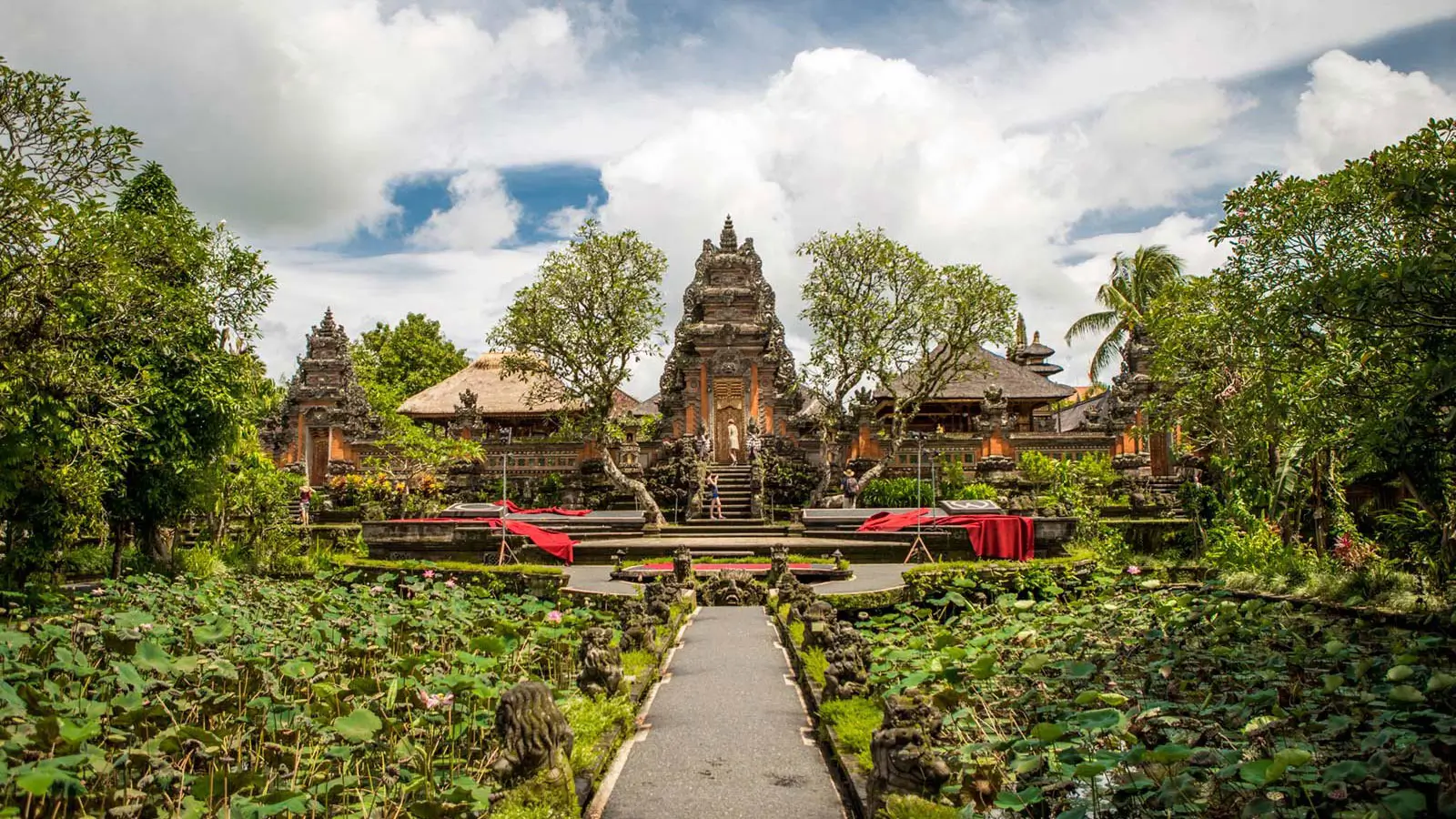
Pura Taman Saraswati Temple Bali: Ubud Lotus Temple, Timings & Entry
Explore Pura Taman Saraswati Temple in Ubud, Bali. Lotus pond, water palace, dance performances & cafe. Complete Ubud temple guide with timings.
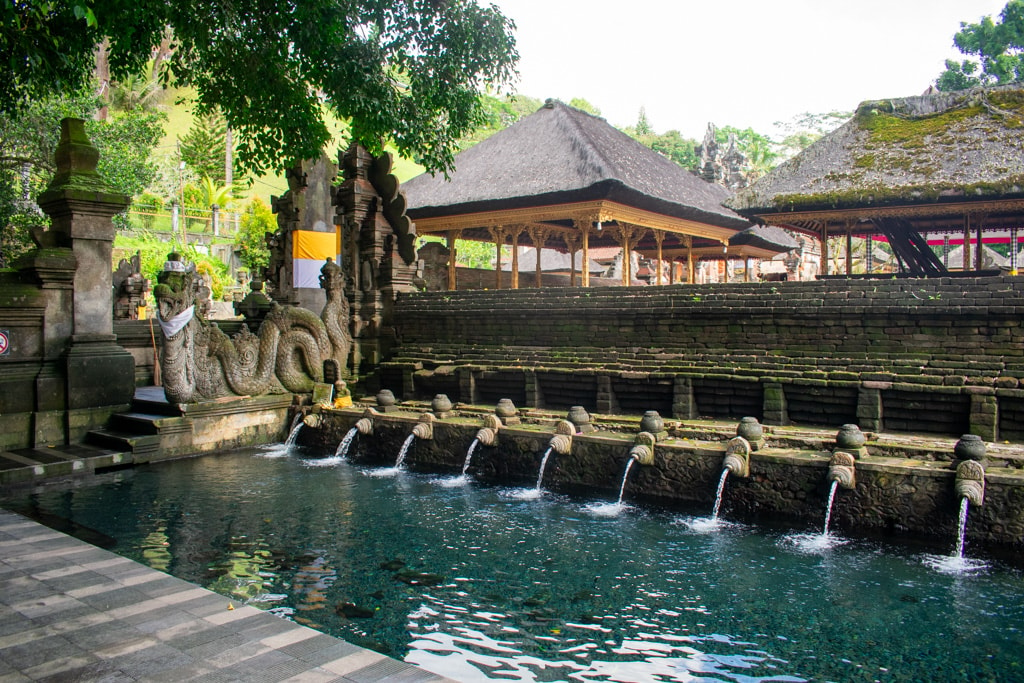
Pura Tirta Empul Bali: Holy Water Rituals, Timings & Dress Code
Visit Pura Tirta Empul Bali's Holy Water Temple. Complete guide to Melukat purification ritual, timings, history & how to reach. Sacred temple experience.
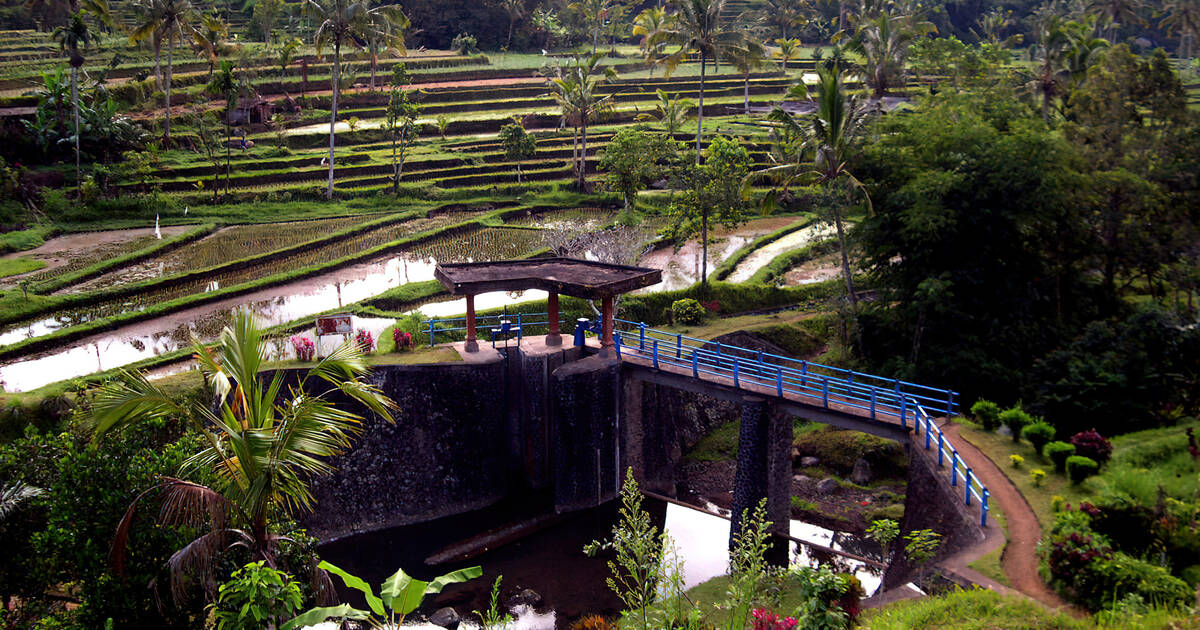
Religion in Bali: Hindu Traditions, Ceremonies & Temple Culture
Explore religion in Bali through Balinese Hinduism, temple systems, ceremonies, daily offerings, and essential etiquette for respectful travel.
Never Miss an Adventure
Get the latest trekking guides, travel tips, and exclusive offers delivered straight to your inbox.
