
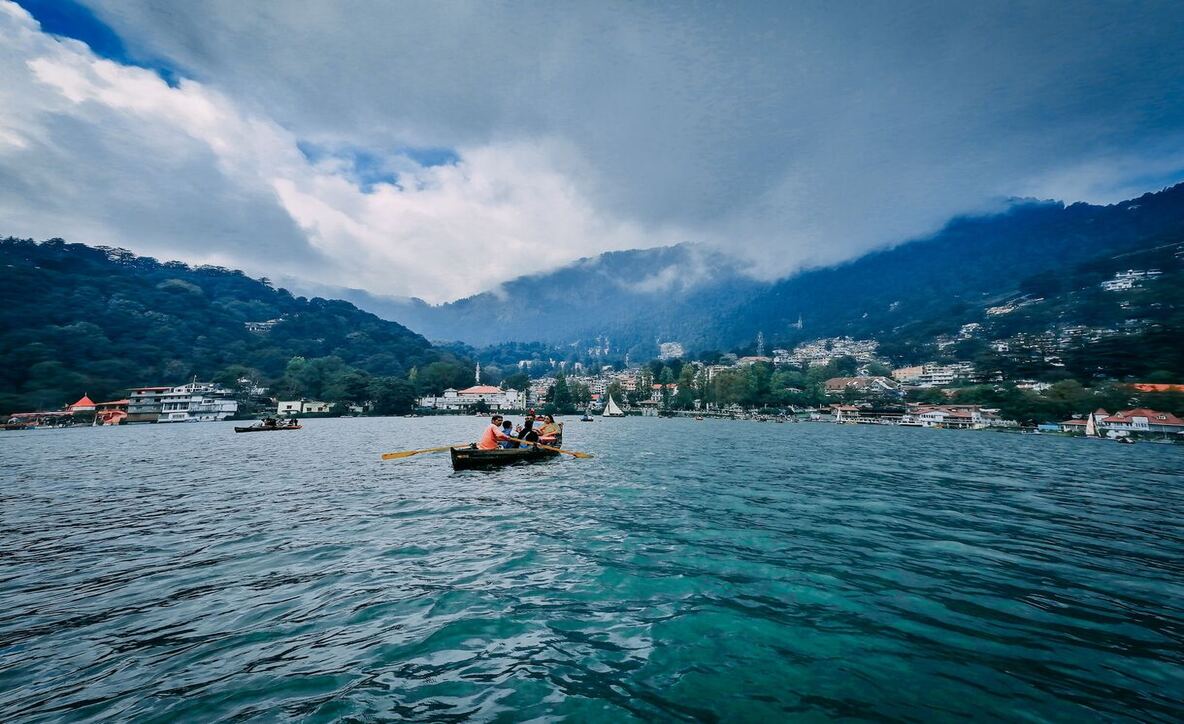
Photography Spots in Nainital: Lake Views, Sunrise Points & Trails
Rohit Verma
February 20, 2026
Explore the best photography spots in Nainital with lake viewpoints, mountain panoramas, sunrise-sunset timing, and practical camera tips.
Photography Spots in Nainital: Why the Lake City Works So Well on Camera
Nainital gives photographers something many hill stations struggle to balance: strong landscape frames, easy-access viewpoints, reflective water surfaces, and colonial-era architecture in one compact destination. In a single day, you can shoot blue-hour lake reflections, telephoto Himalayan ridgelines, pine forest trails, old churches, and sunset silhouettes without extreme transfers.
That mix is exactly why photography spots in Nainital attract everyone from mobile shooters to DSLR creators. The town is highly photogenic in all major seasons, but your success depends on timing, weather windows, lens choice, and crowd management. If you only visit peak spots at midday, photos often look flat. If you plan around morning/evening light and composition points, Nainital can deliver a full visual portfolio in a short trip.
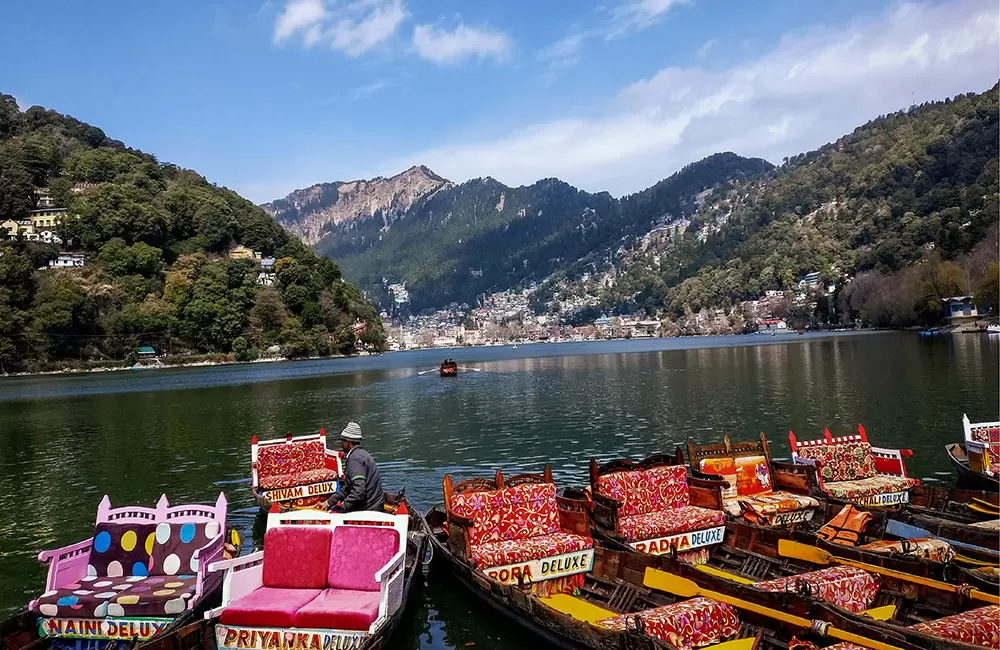
This guide covers the best photo locations, ideal shooting times, viewpoint strategy, and practical gear tips so you can return with consistently strong images.
Naini Lake Photography: Reflections, Boats, and Symmetry
Naini Lake is the visual anchor of the city and usually the first place photographers start. The key here is not just shooting the lake, but choosing angle and timing with intention. Early morning offers smoother water and softer contrast, which makes reflections cleaner and color transitions more natural. By late morning, boat movement and crowds increase, so compositions become busier.
Best Lake Frames to Capture
- Mallital side: Wide urban-lake context with boats and arc-shaped shoreline.
- Tallital side: Balanced long-perspective shots of lake stretch and hill backdrop.
- Boating perspective: Low-angle waterline compositions with leading lines from oars.
- Blue hour and dusk: City lights reflecting on water for night mood photography.
Use a polarizer carefully. It can remove glare, but if over-rotated it may also reduce reflection drama. For mirror-like images, keep shutter speed moderate and shoot when wind is low.
Naina Peak: Panoramic Mountain and Ridge Photography
Naina Peak (Cheena Peak) is the highest viewpoint in the Nainital area and one of the strongest locations for layered mountain compositions. The trail itself is photogenic, with forest passages, horse-route moments, and intermittent valley reveals that work well for storytelling sets.
What to Shoot at Naina Peak
- Multi-layered ridgelines during clear post-rain windows.
- Human-scale trekking frames on uphill sections.
- Long-lens compressed mountain layers in late afternoon light.
- Cloud-shadow patterns across valleys during monsoon shoulder days.
Because visibility changes quickly, carry a weather-ready setup and keep lens cloths accessible. Mountain haze can flatten distant details, so aim for clear mornings whenever possible. Pair this outing with route planning from Treks in Nainital if you want a combined trail and photography day.
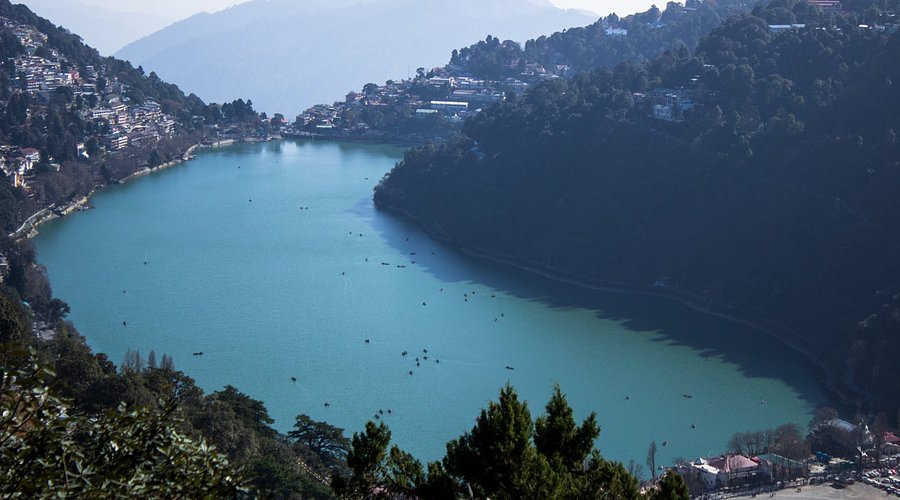
Snow View Point: Telephoto Himalayan Frames
Snow View Point is one of the easiest ways to get elevated mountain frames without a long trek. On clear days, this location can produce strong telephoto images of distant Himalayan ranges. Even when the far peaks are hazy, the foreground activity and cable car movement provide useful visual material.
Working the Spot Efficiently
- Arrive early to reduce crowd clutter in foreground frames.
- Use 70-200mm or equivalent for ridgeline compression.
- Bracket exposure when sky brightness is high.
- Take both documentary and clean landscape versions.
If conditions are too bright, shift from mountain-only framing to layered city-hill storytelling. A practical approach is to shoot Snow View first, then move to nearby points before sunset.
Tiffin Top and Dorothy's Seat: Forest Light and Heritage Mood
Tiffin Top (Dorothy's Seat) is excellent for mid-distance valley frames, pine silhouettes, and portrait-friendly natural backgrounds. The setting combines open viewpoints with wooded approach stretches, so you can build variety without changing location drastically.
Best Visual Themes Here
- Backlit pines in early morning and golden hour.
- Couple or solo portrait frames against broad valley backgrounds.
- Rock and trail textures for detail-based compositions.
- Soft sunset transitions with silhouette subjects.
Wind can rise quickly in exposed sections, so stabilize your stance and avoid rushing long-lens shots. If you are building a social-media-ready photo itinerary, Tiffin Top is one of Nainital's highest-yield stops.
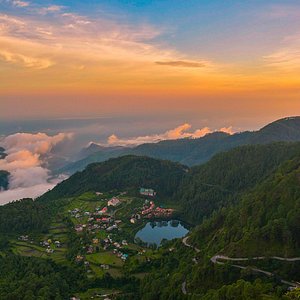
Heritage Buildings and Architectural Photography
Nainital is not only a landscape destination. It also offers colonial-era architecture and heritage structures that add depth to your photo collection. Architectural images help balance nature-heavy galleries and create a stronger destination narrative.
Key Built-Environment Spots
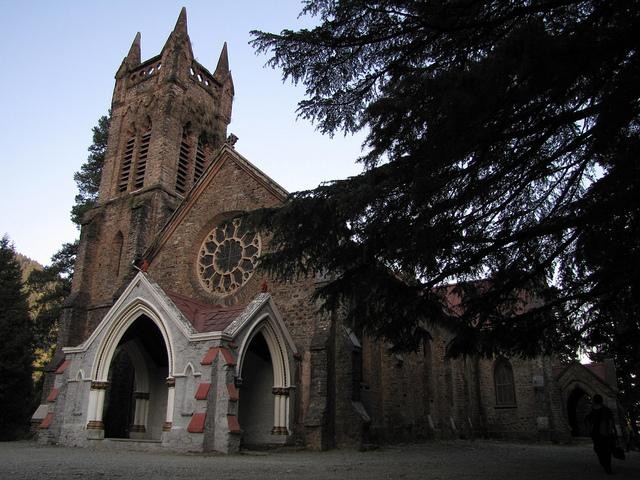
- St. John's Church (Wilderness Church): Stone textures, stained-glass light, and historical mood.
- Raj Bhavan exterior areas: Manicured greens, symmetrical lines, and vintage structural framing.
- Old streets around Mall Road stretches: Layered street-life compositions with hill architecture.
- School-era and civic buildings: Detail work for windows, arches, and colonial facades.
For architecture, avoid harsh noon shadows where possible. Overcast mornings can be excellent for texture-rich frames because contrast is lower and details read cleaner.
Best Sunrise and Sunset Photography Locations in Nainital
Light quality decides whether a Nainital photo set feels average or professional. Sunrise and sunset are non-negotiable windows if you want depth, mood, and color gradients.
Sunrise Strategy
- Start at elevated points (Naina Peak side or clear hill viewpoints).
- Shoot first light transitions before direct sun flattens scene contrast.
- Include human silhouettes for scale and storytelling.
Sunset Strategy
- Tiffin Top and lake-edge points are reliable sunset options.
- Capture pre-sunset, sunset, and post-sunset blue-hour phases.
- Switch quickly between wide scenic and tighter mood shots.
Cloudy days can still produce dramatic images if you focus on atmosphere rather than only clear mountain visibility. Always budget extra time for weather shifts.
Best Season for Nainital Photography
| Season | Visual Character | Photography Notes |
|---|---|---|
| Spring | Fresh greens, softer air clarity | Great for mixed landscape + city frames |
| Summer | Lively streets, fuller activity | Shoot early to avoid crowd-heavy foregrounds |
| Monsoon | Mist, dramatic skies, saturated tones | Excellent mood shots; protect gear from rain |
| Autumn/Winter | Crisper visibility, cool color tones | Strong for mountain and sunrise work |
If you are planning your trip dates around weather comfort and crowd levels, combine this with Places to Visit in Nainital and nearby pacing plans before finalizing hotel nights.
One-Day and Two-Day Photography Route Plan
A route plan helps you avoid repeating the same angles and wasting your best light on transfers. Most travelers can cover core photography spots in Nainital in one long day, but a two-day plan gives better results because you can shoot both sunrise and sunset at premium locations without rushing.
Suggested One-Day Plan
- Sunrise: Lake-edge or elevated point for first-light reflections.
- Morning: Snow View or Naina Peak direction for mountain frames.
- Midday: Heritage architecture and indoor/texture-focused shots.
- Golden hour: Tiffin Top or selected ridge for silhouettes.
- Blue hour: Return to Naini Lake for lights-on-water compositions.
Suggested Two-Day Plan
Day one can focus on landscapes and viewpoints, while day two captures heritage details, street scenes, local food stories, and cafe culture. This split reduces creative fatigue and gives you time to return to locations if weather shifts suddenly.
If you also want street-food, market, and cultural inserts in your photo story, pre-map stops so your light windows remain protected. In hill stations, light changes faster than most visitors expect, and delay at one point can impact the entire sequence.
Practical Photography Tips for Nainital
Strong images in Nainital come from preparation more than expensive equipment. Keep your setup efficient, weather-protected, and quick to deploy in changing light.
- Essential gear: Wide lens + short telephoto + extra batteries.
- Support: Lightweight travel tripod for blue hour and lake reflections.
- Weather care: Rain cover, microfiber cloth, and silica packs in monsoon periods.
- Settings baseline: Shoot RAW, bracket high-contrast scenes, monitor histogram.
- Respect and access: Ask permission in temple/heritage interiors when needed.
After shoots, food and cafe stops help recharge between sessions. Use Local Food Nainital for meal planning and Best Cafes in Nainital for rest breaks near major routes.
Conclusion
Nainital remains one of North India's most complete short-format photography destinations. You get reflective water scenes, mountain viewpoints, forest trails, and heritage architecture within easy reach. Whether you are shooting for social media, travel documentation, or a portfolio project, the city rewards thoughtful timing and route planning.
Start early, respect weather windows, mix wide and tight compositions, and build each day around light rather than only location checklists. With that approach, photography spots in Nainital can easily produce a high-quality visual story across just two or three days. Add one backup rain-plan location in every itinerary so unexpected weather never ends your shoot day early.
For better output quality, plan each day around one hero location and one backup location. Hero locations are your sunrise or sunset anchors; backup locations are lower-risk spots where you can still shoot in unstable weather. This method prevents wasted windows when mist rolls in or visibility drops at higher viewpoints. Keep transfer time conservative and save at least 20 minutes before golden hour to scout composition points.
Also review your images each evening and identify missing shot types: wide establishing frame, human-scale context, detail texture, and low-light mood. Many travelers return with only viewpoint panoramas and no narrative depth. A simple end-of-day checklist helps you cover storytelling gaps on the next morning. With disciplined timing and intentional shot variety, Nainital can produce a polished travel portfolio across any season.
Location
Frequently Asked Questions
Q1.What are the top photography spots in Nainital?
Q2.Where can I capture the best lake views in Nainital?
Q3.Which places in Nainital are best for Himalayan mountain photography?
Q4.What is the best time of day for Naini Lake photography?
Q5.How can I photograph lake reflections effectively?
Q6.What camera gear works best for Nainital photography?
Q7.Is Nainital good for photography in monsoon?
Q8.Are there photography restrictions in Nainital temples and heritage sites?
Recommended For You
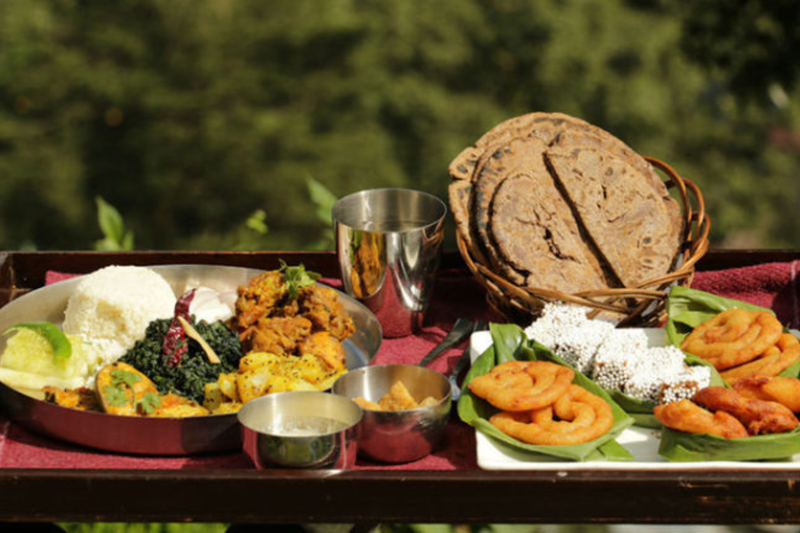
Local Food in Nainital: 15 Must-Try Dishes & Best Places to Eat
Discover the authentic local food in Nainital with our guide to 15 must-try Kumaoni dishes including Bal Mithai, Bhatt ki Churdkani, and Kafuli. Find the best places to eat in Nainital.
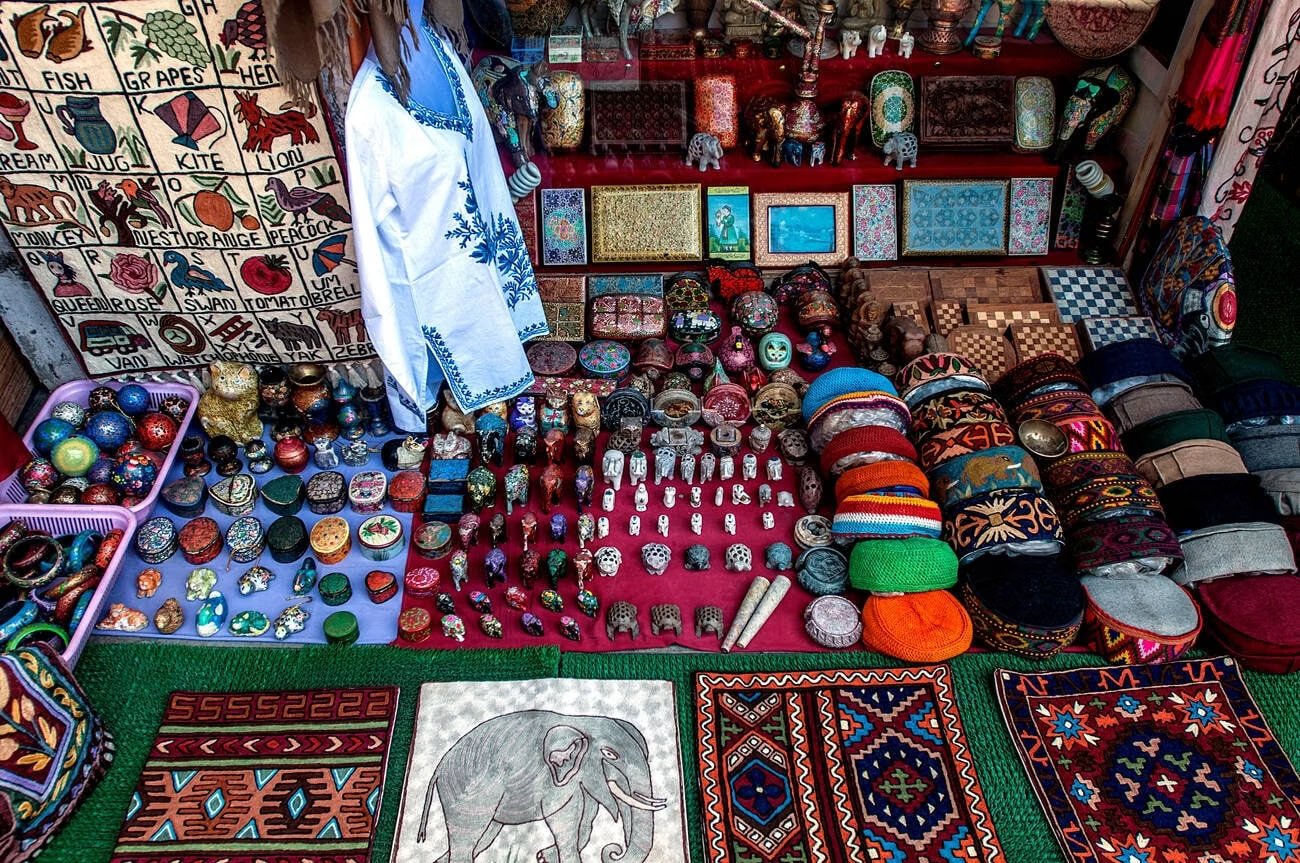
Shopping in Nainital: Mall Road Markets, Handicrafts & Local Products
Shopping in Nainital guide - Mall Road, Tibetan Market, Kumaoni woolens, handicrafts, fruit products. Complete guide to markets, prices and shopping tips.
Best Photography Spots in Manali: Scenic Points & Best Light Hours
Discover the best photography spots in Manali with sunrise viewpoints, snow landscapes, heritage sites, and practical camera tips for all seasons.
Never Miss an Adventure
Get the latest trekking guides, travel tips, and exclusive offers delivered straight to your inbox.
