
Best Photography Spots in Manali: Scenic Points & Best Light Hours
Rohan Malhotra
February 20, 2026
Discover the best photography spots in Manali with sunrise viewpoints, snow landscapes, heritage sites, and practical camera tips for all seasons.
Why Manali Is a High-Value Destination for Travel Photography
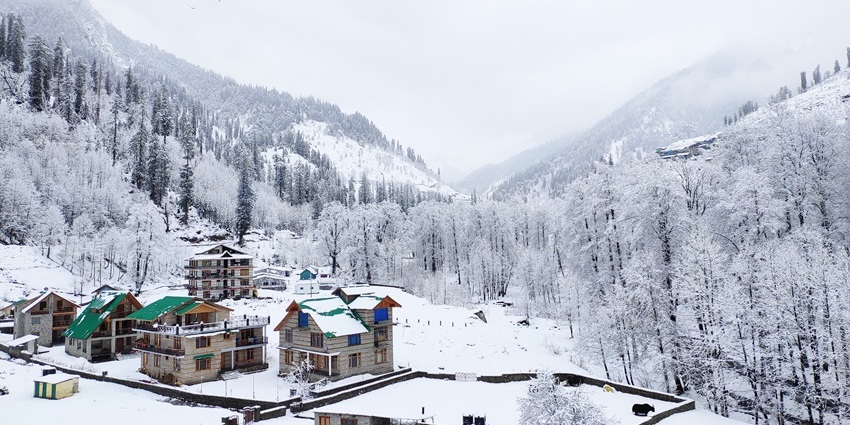
+ +Manali is one of the rare mountain towns where photographers can capture snow landscapes, river valleys, pine forests, heritage architecture, village textures, and adventure action in a compact radius. That variety makes it useful for both beginners building their first travel portfolio and experienced shooters looking for diverse output in a short trip.
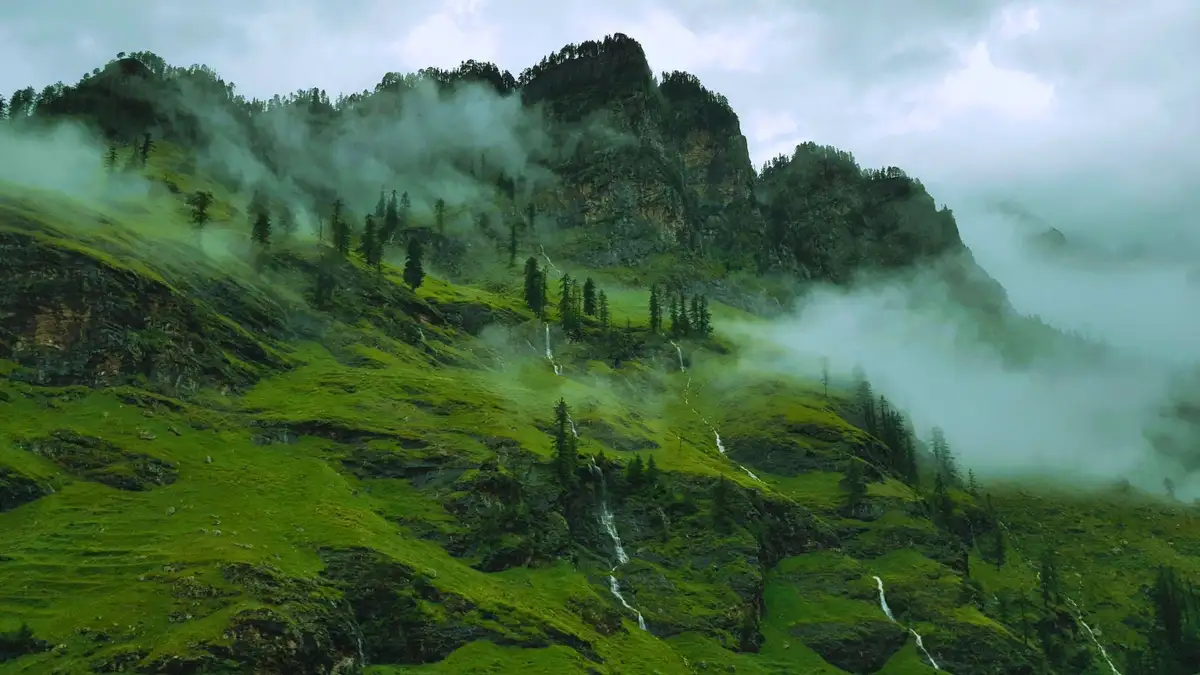
+ +The biggest advantage of photography spots in Manali is range. You can shoot first light over ridges, mid-morning cultural scenes in Old Manali, wide valley frames at Solang, and golden-hour silhouettes near river viewpoints on the same day. Seasonal variation also changes the visual character strongly: winter brings monochrome contrast and snow glow, while monsoon and post-monsoon periods deliver mist layers, saturated greens, and dramatic sky movement.
+ + +
+
+
+This guide covers the best photo locations, timing strategy, composition ideas, seasonal approach, and practical camera settings so your Manali photo trip is productive instead of random.
+ +Rohtang Pass Photography: Snow, Scale, and Mountain Drama
+ +Rohtang Pass is one of the strongest landscape photography zones near Manali, known for wide Himalayan horizons, snow fields in season, and high-altitude terrain textures. It works best for photographers who want dramatic scale and long-view compositions. Weather changes quickly here, so flexibility is essential.
+ +What to Shoot at Rohtang
+ +-
+
- Layered ridgelines with atmospheric haze for depth. +
- Human-scale elements (walkers/vehicles) against vast snow terrain. +
- Road curves and mountain lines as natural leading lines. +
- Cloud-shadow movement across open slopes. +
For telephoto detail, a 70-200 mm (or equivalent) helps isolate snow crests and distant formations. For hero landscapes, wide lenses around 16-24 mm create stronger foreground-to-background storytelling. Snow exposure can fool meter readings, so shoot with mild positive exposure compensation and check histogram after each key frame.
+ +Route access, permits, and seasonal opening conditions may change each year, so verify on official local channels before departure. If Rohtang access is restricted, you can still build a strong set via nearby high-view alternatives and Solang-side elevations.
+ +Solang Valley: Action and Landscape in One Frame Set
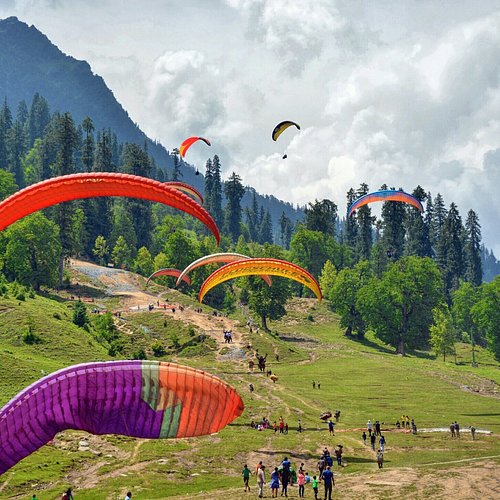
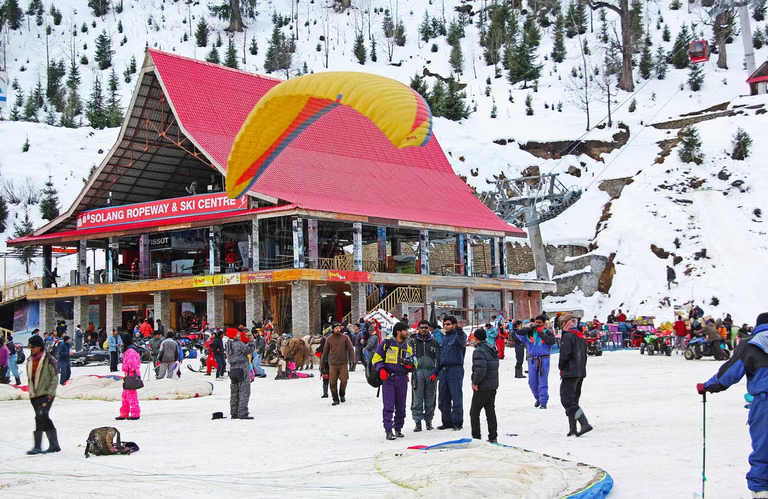
+ +Solang Valley is ideal when you want both static scenic shots and dynamic action images. The open valley floor, ropeway lines, winter snow fields, and adventure activity zones give multiple visual styles in one location. During peak season, this is one of the most versatile photography spots in Manali.
+ +Best Frame Types in Solang
+ +-
+
- Paragliding or zipline sequences with mountain backdrop. +
- Wide valley symmetry in early morning light. +
- Snow play candids in winter months. +
- Compressed perspective of activity lanes with telephoto lenses. +
For action, use higher shutter speeds (generally 1/1000 or faster) and continuous autofocus. For scenic stills, drop shutter and prioritize composition. Solang is also useful in overcast weather because cloud layers add mood without fully blocking valley detail.
+ + +
+
+
+If your itinerary includes multiple activity stops, keep Solang for either first light or late afternoon, when contrast is softer and crowds are comparatively manageable.
+ +Old Manali: Street, Culture, and Local Texture Photography
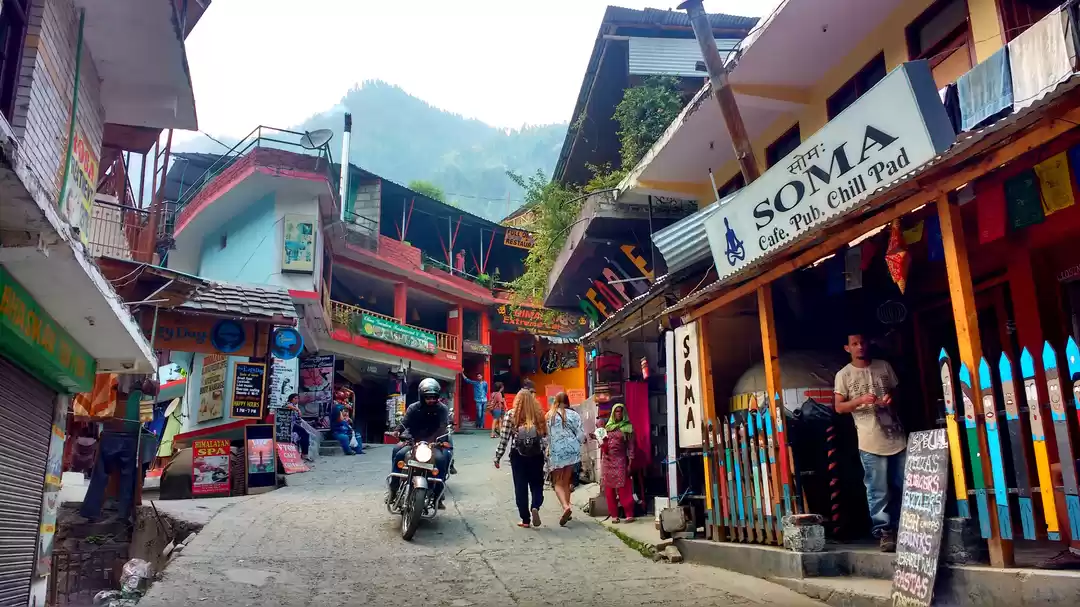
+ +Old Manali gives a very different visual language from high-altitude viewpoints. Here, photography is about textures and life: stone-wood houses, narrow lanes, café fronts, handmade signs, river-side bridges, and everyday movement. It is one of the best places for narrative travel photography in the region.
+ +What Works Best in Old Manali
+ +-
+
- Street corners with layered foreground objects. +
- Lifestyle details in local markets and lane-side shops. +
- Cafe interiors and façade framing for travel storytelling. +
- Evening ambient-light scenes with warm color tones. +
Prime and short zoom lenses both work well here. A 35 mm or 50 mm equivalent is especially useful for human-scale context. Keep shutter manageable in low light and increase ISO instead of sacrificing focus sharpness. For food-and-cafe inserts, you can pair stops with Cafes in Old Manali and build an extended lifestyle visual set.
+ +Hidimba Temple and Cedar Forest: Heritage + Nature Compositions
+ +Hidimba Devi Temple is among the most photogenic heritage landmarks around Manali because it combines distinctive wooden architecture with tall cedar surroundings. The setting naturally provides layered depth: foreground trunks, mid-frame temple geometry, and background forest softness.
+ +Photography Notes for Hidimba Area
+ +-
+
- Shoot early to reduce crowd clutter near temple entrance. +
- Use vertical frames to emphasize tree height and temple roof tiers. +
- Capture both wide establishing shots and carved-detail close-ups. +
- Respect worship areas and local etiquette before shooting close portraits. +
Overcast conditions often work better than harsh sunlight here because wood textures and carvings become easier to expose. If you are combining spiritual and visual routes, you can also plan around Hidimba Devi Temple Manali information before visiting.
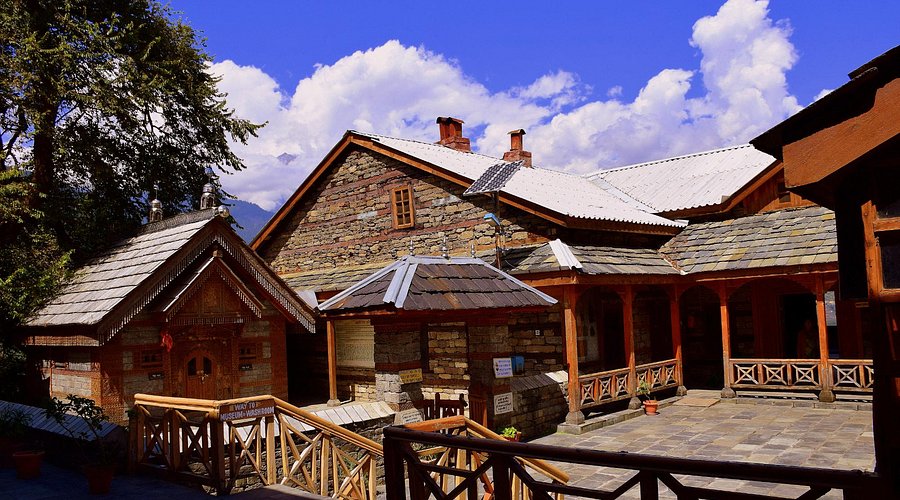
+ +Naggar Castle and Surroundings: Heritage Frames with Valley Depth
+ +Naggar Castle is a high-value stop for architectural and landscape photographers. Its historic timber-stone style, framed balconies, and elevated valley views help create strong cinematic compositions. Because the location sits above the valley corridor, you can combine structure, sky, and distant mountain layers in single frames.
+ +Must-Capture Elements
+ +-
+
- Castle façade symmetry and textures. +
- Window-framed valley perspectives. +
- Corridor lines and arch details for depth. +
- Sunset side-light on structure surfaces. +
Naggar is especially productive in late afternoon when shadows add depth to stone details. If you are building a two-day visual itinerary, place Naggar on day two after primary mountain locations.
+ + +
+
+
+Best Sunrise and Sunset Photography Spots in Manali
+ +Light timing matters more than location count. Two strong windows in Manali can produce better output than six rushed stops in harsh midday contrast. Build your itinerary around this rhythm:
+ +| Time Window | Best Spot Types | What to Capture |
|---|---|---|
| Sunrise | Elevated viewpoints, valley edges | Soft gradients, mountain glow, mist layers |
| Golden Hour | Solang edges, Naggar side, river viewpoints | Side-lit ridges, warm portraits, silhouettes |
| Blue Hour | Town edges, bridge points, cafes/lanes | Ambient lights, mood scenes, long exposures |
Cloudy evenings can still produce excellent image sets if you prioritize atmosphere and contrast rather than only clear-peak visibility.
+ +Season-Wise Manali Photography Strategy
+ +Each season changes both color palette and subject possibilities. Planning by season helps you pack correctly and avoid unrealistic location expectations.
+ +-
+
- Winter: Snow scenes, high contrast, clean mountain lines; battery drain is faster in cold. +
- Spring: Balanced weather, mixed green and residual snow layers in higher zones. +
- Summer: Longer days, busier viewpoints, strong morning/evening opportunities. +
- Monsoon: Mist and drama; carry rain covers and use weather-protected shooting flow. +
- Post-monsoon/autumn: Clearer visibility and strong landscape depth. +
For season-specific snow planning, compare expected conditions through Snowfall in Manali before locking dates.
+ +Photography Tips and Equipment Checklist for Manali
+ +You do not need heavy gear to get good images in Manali, but you do need a practical setup. Mobility matters in mountain terrain, so carry only what you can deploy quickly.
+ +Recommended Core Kit
+ +-
+
- Wide-angle lens for landscapes and heritage exteriors. +
- Short telephoto for compression and distant ridge details. +
- Compact tripod for blue hour and low-light scenes. +
- Extra batteries and memory cards. +
- Rain protection and microfiber cloths. +
Snow and High-Contrast Settings
+ +-
+
- Use RAW for better highlight recovery. +
- Apply +0.3 to +1.0 exposure compensation in bright snow conditions. +
- Monitor histogram to avoid clipped highlights. +
- Keep white balance consistent when shooting series. +
For route sequencing, combine your photo plan with destination guides like Places to Visit in Manali, road planning via Manali to Kaza, and trail-focused add-ons from Treks in Manali.
+ + +
+
+
+Two-Day Sample Photography Plan
+ +Day 1: Sunrise valley point, Solang mid-morning action, Old Manali evening street session, blue-hour river frame.
+Day 2: Early Rohtang-side access (or alternative high viewpoint), Hidimba architecture set, Naggar Castle golden hour, night ambient frames.
This sequencing protects light windows and gives you backup options if weather blocks higher roads. Keep one spare slot every day for re-shooting missed frames.
+ +Conclusion
+ +Manali remains one of the most complete mountain photography destinations in North India because it combines alpine scale, cultural texture, and practical accessibility. The best results come from timing discipline: prioritize sunrise and sunset windows, choose fewer locations with deeper coverage, and adapt quickly to weather shifts.
+ +If you build your route around light, season, and subject variety, photography spots in Manali can deliver a strong portfolio in just two to three days, from snow landscapes and ridge panoramas to heritage architecture and local street stories.
Location
Frequently Asked Questions
Q1.What are the best photography spots in Manali?
Q2.Where can I capture snow photography in Manali?
Q3.Which places offer the best sunrise views in Manali?
Q4.What equipment should I carry for Manali photography?
Q5.What is the best time of day for photography in Manali?
Q6.How do I photograph snow scenes properly in Manali?
Q7.Can I visit Rohtang Pass for photography in winter?
Q8.Are there photography restrictions at temples in Manali?
Recommended For You
15 Best Places to Visit in Manali: Valleys, Temples & Adventure
Discover 15 best places to visit in Manali - from Rohtang Pass to Hadimba Temple. Complete Himachal travel guide with timings, best season, budget & local tips.
Solang Valley Manali: Activities, Ropeway & Winter Sports
Explore Solang Valley Manali! Guide to adventure activities, best time, how to reach, skiing, paragliding & travel tips.
Snowfall in Manali: Best Time, Snow Points & Trip Planning
Experience snowfall in Manali! Guide to best time, weather updates, snow activities, travel tips & how to reach for white winter.
Never Miss an Adventure
Get the latest trekking guides, travel tips, and exclusive offers delivered straight to your inbox.
