
Places to Visit in Ambala Haryana: Top Local Attractions & Day Plans

Rohit Verma
January 16, 2026
Explore best places to visit in Ambala, Haryana. Discover attractions, parks, temples, historical sites & travel tips.
Introduction: The Twin City of Haryana
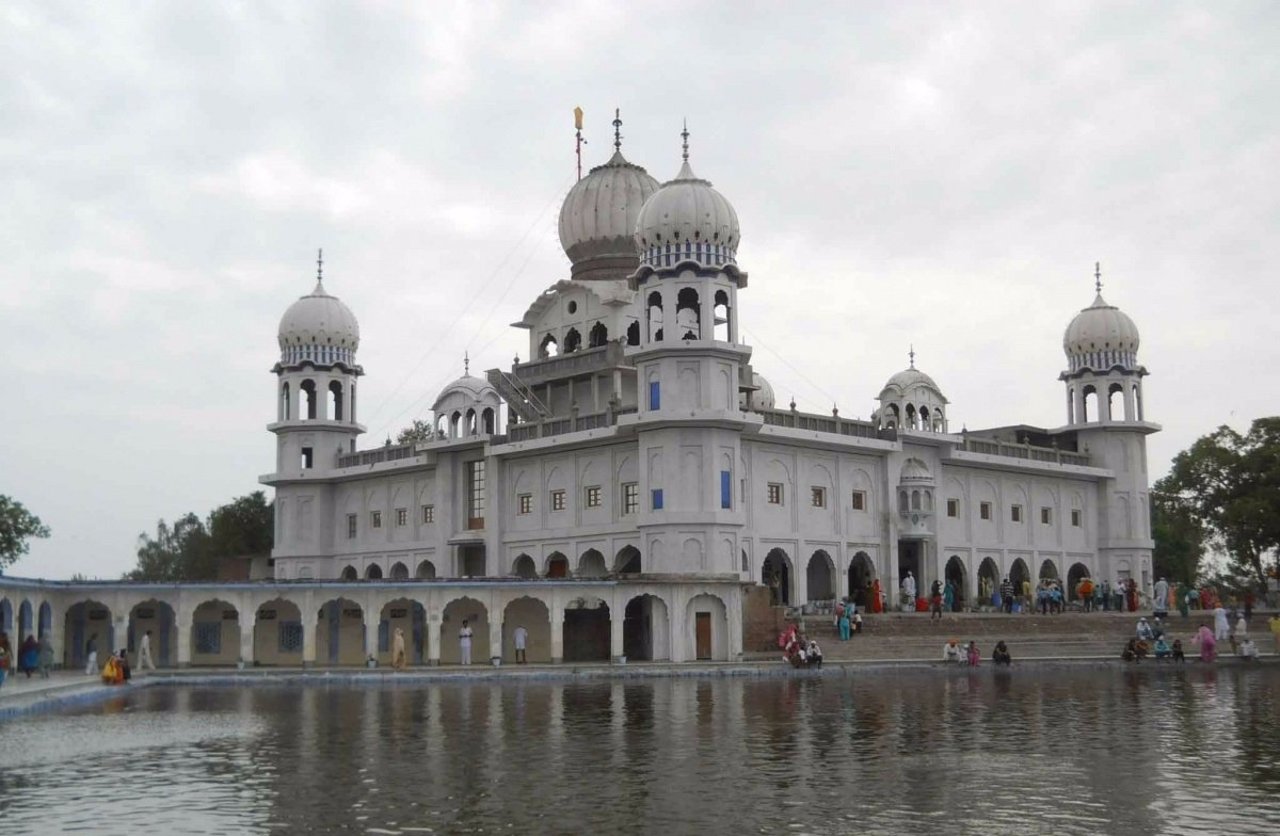
Ambala holds a unique position in Haryana as a city divided into two distinct parts: Ambala Cantonment and Ambala City. This twin city structure creates an interesting urban landscape where military tradition meets civilian life. Located strategically on major national highways, Ambala has historically served as an important transit point connecting Delhi to Punjab and Himachal Pradesh.
Beyond its role as a transportation hub, Ambala offers visitors several attractions that highlight its historical significance, religious diversity, and cultural heritage. The city features historical sites from various periods, temples representing multiple faiths, and green spaces that provide respite from urban life. While not typically considered a primary tourist destination, Ambala rewards curious travelers who take time to explore its quieter attractions.
This guide covers the best places to visit in Ambala with practical information for planning your visit. For extended exploration, also read about nearby attractions in Chandigarh and shopping in Ambala.
Historical Attractions: Ambala's Past
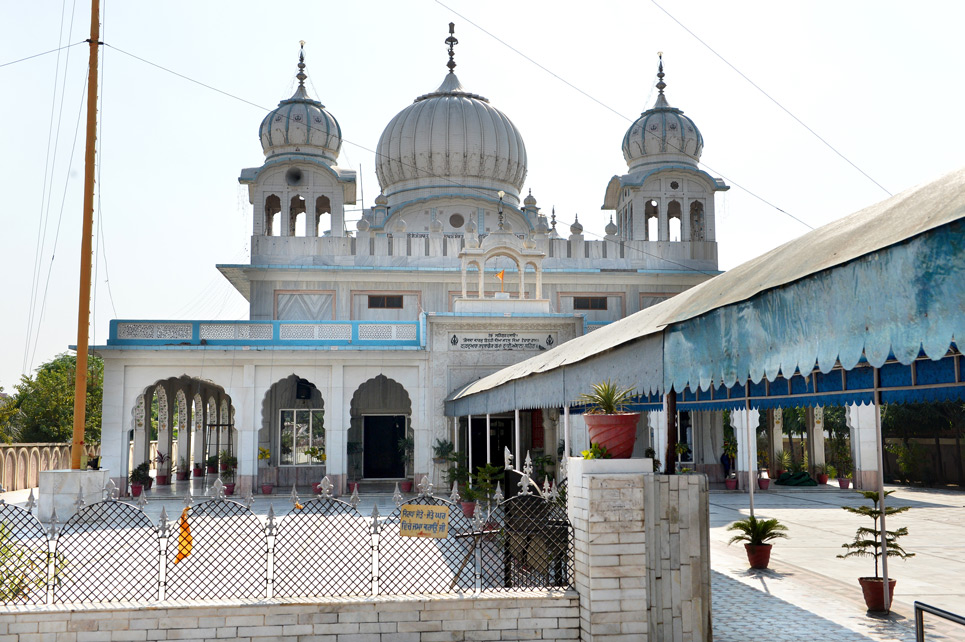
Ambala's history spans centuries, and the city preserves remnants of various periods through its remaining structures. These historical sites offer glimpses into different eras and the influences that shaped the region's development.
Badshahi Bagh: Mughal Garden
Badshahi Bagh is one of Ambala's most significant historical sites, dating back to the Mughal period. This garden, whose name translates to 'Emperor's Garden,' reflects the Mughal tradition of creating beautiful landscaped spaces within cities. While not as grand as some famous Mughal gardens, Badshahi Bagh provides insight into the era's landscaping principles.
The garden features traditional Mughal garden elements including pathways, water channels, and planted areas. Historical structures within the garden compound suggest it may have served as a retreat for officials or nobility during the Mughal era. Today, the garden serves as a public park where local residents come for morning walks and evening relaxation.
Ambala Fort: Historic Structure
The remnants of Ambala Fort stand as a reminder of the city's strategic military importance. While much of the original fort has been lost to time, the remaining structures and foundations provide context about Ambala's defensive role in historical conflicts. The fort's location was chosen for its elevated position and visibility of approaching forces.
Historical records indicate the fort changed hands multiple times between various rulers, reflecting the region's contested past. Today, visitors can explore the remaining walls and foundations, imagining the fort's former grandeur and the military activities it once housed.
British Cemetery: Colonial Heritage
The British Cemetery in Ambala Cantonment preserves the memory of colonial-era military personnel and civilians who lived and died in the region. The cemetery contains graves dating back to the 19th century, with tombstones inscribed in English and occasionally other languages. Walking through the cemetery offers a somber reflection on colonial history and the human cost of empire.
The cemetery's architecture includes distinctive colonial-era grave markers and memorial structures. Preservation efforts maintain the site's dignity while allowing respectful visitors to explore this piece of shared history. Information plaques provide context about notable individuals buried here and the historical circumstances of the colonial period.
Rani Ka Talab: Ancient Reservoir
Rani Ka Talab, meaning 'Queen's Pond,' is an ancient reservoir that has served Ambala for generations. This historical water body was likely constructed during the pre-colonial period to provide water for the growing settlement. The talab's continued presence in the modern city speaks to successful traditional engineering and water management practices.
The area around Rani Ka Talab has been developed into a park and recreational space. The water body attracts birds and creates a small ecosystem within the urban landscape. Local families visit here for picnics, and the area serves as a gathering point during festivals and community events.
Heritage Buildings: Architectural Legacy
Scattered throughout Ambala are various heritage buildings that reflect different architectural periods and styles. These include colonial-era administrative buildings, traditional houses featuring regional construction techniques, and structures that combine multiple influences. Walking tours of older city neighborhoods reveal these architectural treasures that might otherwise be overlooked.
Historical Visit Tips
- Bring a guidebook or hire a local guide for historical context
- Respect conservation rules and avoid damaging historical structures
- Photography is generally allowed but check restrictions at specific sites
- Combine multiple historical sites in one walking route to save time
- Morning visits offer better lighting and fewer crowds
Religious Sites: Spiritual Diversity
Ambala's religious landscape reflects India's diversity of faith traditions. The city houses temples, gurudwaras, churches, and mosques, each serving their respective communities and contributing to Ambala's multicultural character.
Bhawani Amba Temple: Ancient Shrine
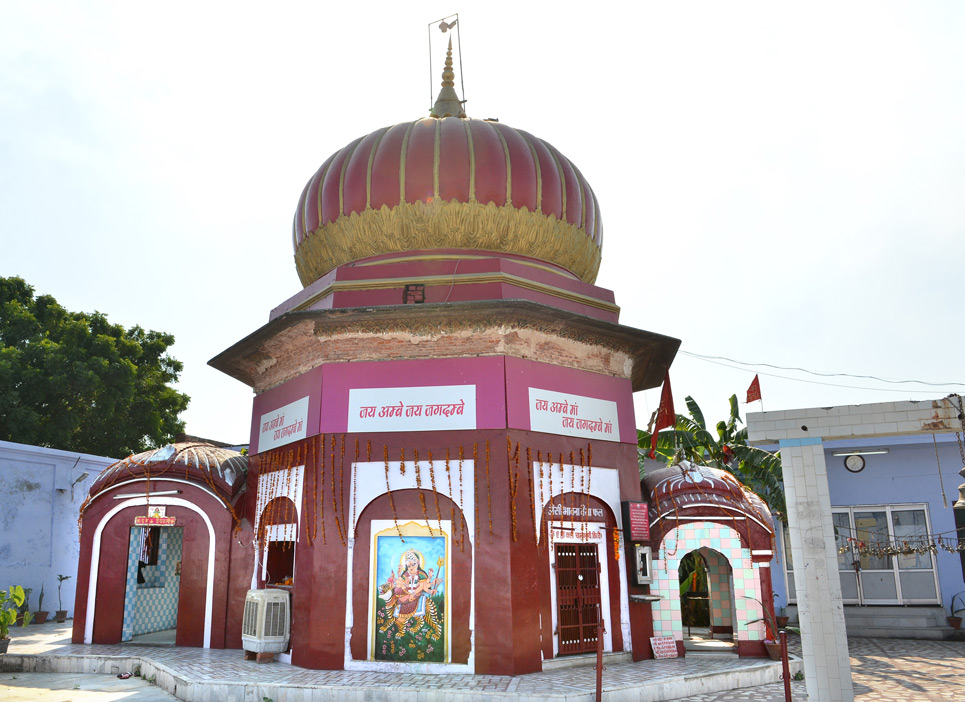
The Bhawani Amba Temple is one of Ambala's oldest and most revered religious sites. Dedicated to Goddess Bhawani, a form of Goddess Durga, the temple attracts devotees from across the region. Historical accounts suggest the temple has existed for several centuries, though the current structure may have been rebuilt or renovated multiple times.
The temple complex includes the main sanctum housing the goddess idol, prayer halls, and facilities for devotees. During Navratri and other Hindu festivals, the temple becomes particularly vibrant with special decorations, religious ceremonies, and large numbers of worshippers. The temple's architecture features traditional temple elements including a shikhara (spire) and carved decorative details.
Gurudwara Manji Sahib: Sikh Pilgrimage
Gurudwara Manji Sahib in Ambala holds significance in Sikh tradition as a site associated with Guru Tegh Bahadur Ji, the ninth Sikh Guru. The Gurudwara serves both as a place of worship and a historical site preserving Sikh heritage. The complex includes the main prayer hall, langar hall (community kitchen), and facilities for pilgrims.
Visitors to Gurudwara Manji Sahib can participate in religious ceremonies, listen to kirtan (devotional singing), and partake in the langar, which serves free meals to all visitors regardless of background. The langar tradition exemplifies Sikh principles of equality and community service. The Gurudwara maintains an atmosphere of peace and devotion that welcomes visitors of all faiths.
St. Paul's Church: Colonial Heritage
St. Paul's Church represents Ambala's Christian heritage and colonial history. The church building features colonial-era architecture and has served the Christian community for generations. The structure's design includes traditional church elements such as a bell tower, stained glass windows, and a serene interior conducive to worship and reflection.
Beyond its religious function, the church stands as a reminder of the diverse communities that have contributed to Ambala's development. Services are conducted regularly, and the church often hosts community events and celebrations that bring together the Christian community.
Digambar Jain Temple: Jain Heritage
The Digambar Jain Temple in Ambala serves the Jain community and represents Jain architectural traditions. The temple follows Digambar Jain conventions and houses idols of Tirthankaras (Jain spiritual teachers). The temple complex includes spaces for prayer, meditation, and religious education.
Jain temples are known for their distinctive architectural style and peaceful atmosphere. The Digambar Jain Temple in Ambala maintains these characteristics, providing a quiet space for contemplation. The temple often observes Jain festivals with special ceremonies and community gatherings.
Shiv Mandir: Popular Temple
Various Shiv Mandirs (Shiva temples) exist throughout Ambala, each serving local communities. These temples range from small neighborhood shrines to larger complexes with multiple shrines. During Shivratri, the most important festival dedicated to Lord Shiva, these temples become centers of celebration with special prayers and rituals.
Muslim Shrines: Islamic Heritage
Ambala's Islamic heritage is represented by mosques and dargahs (shrines) that serve the Muslim community. These sites contribute to the city's religious diversity and often have historical significance. The mosques facilitate daily prayers and community gatherings, while dargahs may attract visitors seeking blessings regardless of their religious background.
Religious Site Etiquette
- Dress modestly when visiting religious sites
- Remove footwear before entering temple or mosque sanctums
- Respect worship in progress and maintain silence
- Ask permission before taking photographs, especially during ceremonies
- Follow specific customs of each faith tradition
Parks and Recreation: Green Spaces
Despite being an urban center, Ambala maintains several parks and recreational areas that provide green spaces for residents and visitors. These parks serve multiple functions including exercise, relaxation, children's play, and community gatherings.
Ambala City Park: Urban Green Space
Ambala City Park is one of the city's main public parks designed to offer green respite within the urban environment. The park features landscaped areas, walking paths, benches, and sometimes children's play equipment. Morning hours are particularly active with locals coming for exercise, yoga, and social interaction.
The park's central location makes it easily accessible to residents and visitors. Evening visits provide opportunities to observe local life as families gather after work and school. The park's mature trees provide shade during hot summer months, making it a comfortable outdoor space year-round.
Naval Park: Children's Play Area
Naval Park is designed with families in mind, offering recreational facilities particularly suitable for children. The park includes play structures, open areas for games, and seating for parents and guardians. The name 'Naval Park' reflects the presence of naval personnel or may honor military connections, given Ambala's significant military presence.
The park provides a safe, enclosed environment where children can play while adults supervise from comfortable vantage points. Weekends and holidays see increased activity as families bring children for outdoor recreation and social interaction with other community members.
Air Force Park: Well-Maintained Gardens
Air Force Park, likely associated with Ambala's significant air force presence, offers another green space within the city. This park often features well-maintained gardens, walking paths, and recreational facilities. The air force association might mean the park reflects military landscaping standards or serves personnel and their families.
Like other city parks, Air Force Park provides space for morning exercise, evening walks, and social gatherings. The park's maintenance typically ensures clean facilities, proper lighting for evening visits, and safe environments for families and individuals.
Rani Ka Talab Park: Scenic Lake
The park surrounding Rani Ka Talab combines historical significance with recreational opportunities. The water feature adds visual interest and creates a pleasant microclimate. The park development likely includes pathways around the talab, seating areas for relaxation, and possibly boating facilities if water conditions permit.
This area serves multiple functions: preserving a historical water body, providing recreational space, and creating habitat for urban wildlife. The combination of water and greenery makes Rani Ka Talab Park particularly attractive for visitors seeking natural spaces within the city.
Community Centers: Recreation Facilities
Beyond traditional parks, Ambala likely maintains community centers that offer indoor recreational facilities. These might include sports facilities, halls for cultural events, and spaces for educational programs. Community centers play important roles in urban life by providing accessible recreational and social opportunities.
Park Visit Tips
- Early morning visits offer the best weather and fewer crowds
- Carry water and stay hydrated, especially during summer
- Mosquito repellent is recommended, particularly near water bodies
- Respect park rules and help keep spaces clean
- Be aware of park opening and closing times
Shopping Areas: Commercial Hubs
Ambala's commercial areas reflect the city's role as a regional trading center. The city has developed various markets and shopping districts that serve local needs and attract buyers from surrounding regions.
Cloth Market: Famous Textiles
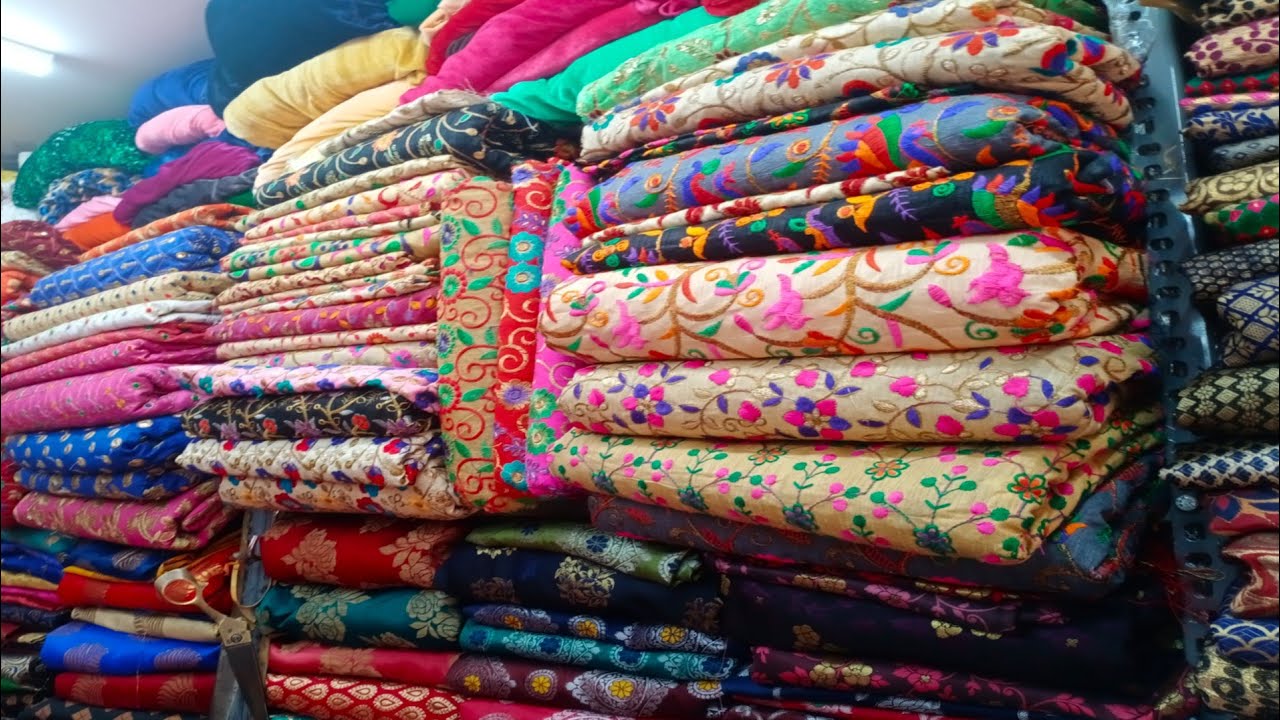
Ambala's Cloth Market is well-known in the region for textiles and fabrics. This market may have developed historically due to Ambala's location on trade routes. The market likely offers various types of cloth including traditional fabrics, materials for clothing, and possibly finished garments.
Shopping for textiles in Ambala Cloth Market provides an opportunity to see regional textile preferences and possibly find unique fabrics not available elsewhere. Bargaining is common in such markets, and visitors should feel comfortable negotiating prices. The market's atmosphere reflects the energy of traditional Indian commercial areas.
Lakshmi Chowk: Shopping Hub
Lakshmi Chowk likely serves as a central commercial intersection in Ambala, named after the goddess of wealth and prosperity. Such chowks (crossings or squares) typically develop into busy commercial areas with shops, vendors, and commercial activity. The chowk may offer various goods including household items, clothing, and everyday necessities.
The area around Lakshmi Chowk would be particularly busy during festival seasons and market days when people from surrounding areas come to shop. The chowk serves both commercial and social functions, being a place where people meet while conducting business.
Sadhar Bazaar: Local Goods
Sadhar Bazaar, translating to 'common market,' likely serves as Ambala's general market area. Such markets typically offer a wide variety of goods including groceries, household items, and locally produced products. The market's function is to serve daily needs of residents and provide commercial opportunities for vendors.
Visiting Sadhar Bazaar offers insights into local commerce, regional products, and daily life in Ambala. The market's atmosphere varies throughout the day, being busiest during morning and evening hours when residents shop for daily needs.
Modern Malls: Contemporary Shopping
As with many Indian cities, Ambala has seen the development of modern shopping malls. These malls likely house branded retail outlets, food courts, entertainment facilities, and sometimes multiplex cinemas. Modern malls provide air-conditioned shopping environments with organized layouts and fixed pricing.
For visitors used to modern retail environments, Ambala's malls offer familiar shopping experiences. They also serve as gathering places for youth and families seeking entertainment options beyond traditional markets.
Rail Market: Unique Shopping Experience
Given Ambala's importance as a railway junction, markets may have developed around railway areas serving travelers' needs. These rail markets often offer quick snacks, travel necessities, and goods targeting passengers. The unique aspect of such markets is their transient nature, constantly serving different travelers passing through.
Shopping Tips
- Compare prices across multiple vendors before making purchases
- Bargaining is expected in traditional markets but not in malls
- Carry small denominations of cash as vendors may not have change
- Be cautious of pickpockets in crowded market areas
- Check product quality, especially when buying fabrics or garments
Military Significance: Strategic Location
Ambala holds significant military importance, being home to major army and air force installations. This military presence influences the city's character and contributes to its strategic position in India's defense network.
Ambala Cantonment: Major Army Base
Ambala Cantonment is one of the oldest and most important cantonments in India. Established during the colonial period, it continues to serve as a major army base. The cantonment area is distinct from Ambala City, with its own administration and regulations reflecting military requirements.
The cantonment houses various army units, training facilities, and support infrastructure. While much of the cantonment area is restricted to military personnel, visitors might see glimpses of military life when passing through or visiting permitted areas. The cantonment's presence contributes to Ambala's economy and employment.
Air Force Station: Strategic Importance
Ambala Air Force Station is another significant military installation, serving as an important air base. Air force stations in India typically house fighter aircraft, provide training facilities, and support air defense operations. Ambala's strategic location makes it suitable for such a role.
The air force station's presence adds to Ambala's military character. Civilian aircraft likely share airspace with military operations, and residents may occasionally see military aircraft on training flights. The station provides employment and supports related businesses.
2 Corps Headquarters: Military Command
Ambala serves as headquarters for one of India's army corps, making it a center for military planning and administration. Corps headquarters coordinate multiple divisions and large formations, representing significant military command responsibility. This headquarters role enhances Ambala's importance in military terms.
While the headquarters area is restricted, its presence indicates Ambala's role in India's defense structure. Military officers and personnel stationed here contribute to the city's population and economy.
Military Hospital: Healthcare Facility
Military hospitals in cantonment areas provide healthcare to personnel and their families. These hospitals often have excellent facilities due to military requirements. In some cases, military hospitals might also serve civilian emergencies, though access policies vary by location.
The presence of military healthcare infrastructure in Ambala adds to the city's medical capabilities and provides employment opportunities for healthcare professionals.
Heritage Walk: Military History
Given Ambala's long military history, heritage walks focusing on military sites might offer interesting perspectives. Such walks could include visits to colonial-era military buildings, cemeteries, and monuments honoring military service. These walks help visitors understand Ambala's strategic role over time.
Military Visit Considerations
- Respect restricted areas and do not attempt unauthorized access
- Photography of military installations is typically prohibited
- Military areas may have heightened security protocols
- Understand that some areas are off-limits for valid security reasons
- Military personnel are generally friendly but maintain professional boundaries
Best Time to Visit Ambala
The timing of your visit to Ambala significantly affects your experience due to the region's climate patterns. Understanding seasonal variations helps in planning comfortable and enjoyable exploration.
Winter (October-March): Ideal Weather
The period from October to March offers the most comfortable weather for visiting Ambala. Daytime temperatures are pleasant, making outdoor activities enjoyable. Evenings require light layers but remain comfortable for walking and exploration. This period is ideal for sightseeing, park visits, and outdoor dining.
Summer (April-June): Hot Conditions
Summer months in Ambala are hot, with temperatures often exceeding 40°C during peak afternoon hours. During this period, plan outdoor activities for early morning or evening when temperatures are more moderate. Midday hours are best spent indoors or in shaded, air-conditioned spaces. Carry adequate water and sun protection if visiting during summer.
Monsoon (July-September): Moderate Rainfall
The monsoon season brings moderate to heavy rainfall to Ambala and the surrounding region. Rain disrupts outdoor activities and can create challenges for transportation. However, the monsoon transforms the landscape, bringing greenery to fields and parks. If visiting during monsoon, pack rain gear and allow extra time for travel delays.
Best Months: November-February
For the most consistently pleasant weather, November through February represents the best window. These months typically feature clear skies, comfortable daytime temperatures, and cool but not cold evenings. This period also coincides with various festivals, offering opportunities to experience cultural celebrations.
Conclusion
Ambala offers a unique travel experience that combines historical exploration, religious diversity, military heritage, and regional commerce. While not a traditional tourist destination, the city rewards visitors who look beyond obvious attractions and explore its quieter corners. From historical gardens to spiritual sites, from military significance to local markets, Ambala provides insights into Haryana's character and India's regional diversity.
The city's location makes it a convenient stopover for travelers exploring North India, and its attractions provide reason to spend a day or two exploring. Respectful engagement with local culture, attention to historical context, and appreciation of Ambala's unique character will enrich your visit to this twin city of Haryana.
Location
Frequently Asked Questions
Q1.How many days are enough to visit Ambala?
Q2.What is the best time to visit Ambala?
Q3.Is Ambala worth visiting?
Q4.What are the main attractions in Ambala?
Q5.Which are the famous temples in Ambala?
Q6.How far is Ambala from Delhi?
Q7.What is Ambala famous for?
Q8.Is Ambala safe for tourists?
Recommended For You
Best Places to Visit in Delhi: Monuments, Markets & Day Plans
Explore the best places to visit in Delhi including Red Fort, India Gate, Qutub Minar, Humayun's Tomb, Lotus Temple & Akshardham. Complete travel guide with timings, entry fees, and practical tips.
Best Parks and Gardens Chandigarh: Guide and Tips
Explore Chandigarh parks and gardens with route planning, best-time guidance, and practical tips for a smoother city nature day.
12 Places to Visit in Gurgaon at Night: Nightlife, Cafes & Streets
Explore 12 places to visit in Gurgaon at night, from Cyber Hub and Sector 29 to premium lounges, mall entertainment, and practical nightlife tips.
Never Miss an Adventure
Get the latest trekking guides, travel tips, and exclusive offers delivered straight to your inbox.
