
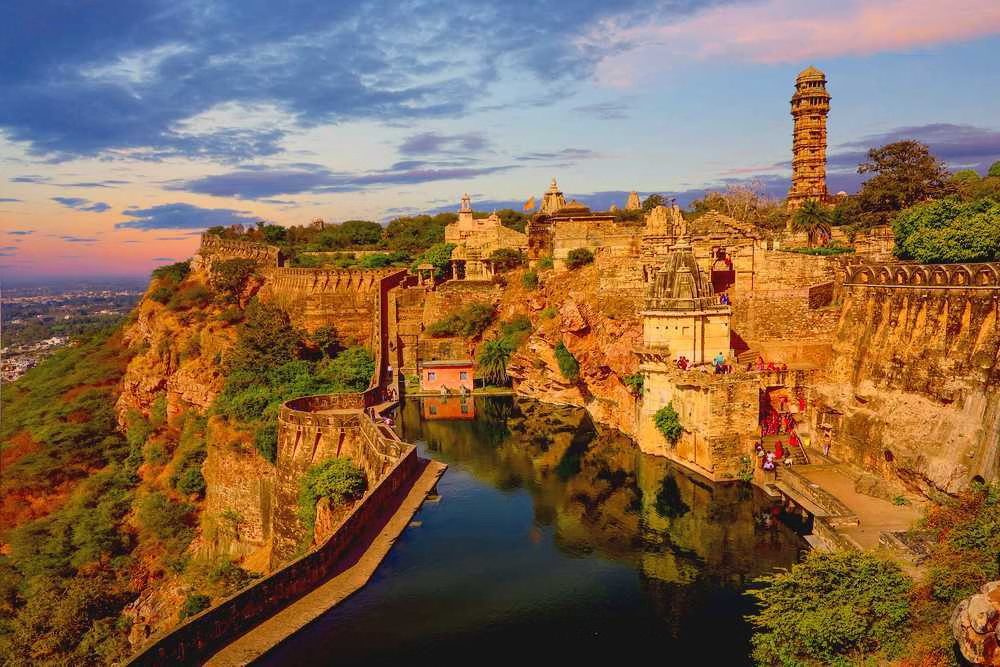
Places to Visit in Chittorgarh: Forts, Palaces & Heritage Stops

Rohit Verma
December 7, 2025
Explore top places to visit in Chittorgarh, from the UNESCO fort and Vijay Stambh to Padmini Palace and Meera Temple, with practical route planning tips.
Introduction: Chittorgarh and the Legacy of Rajput Valor
Chittorgarh is one of Rajasthan's most significant heritage destinations, known for its massive hill fort, battle history, temples, towers, and stories of resistance that shaped regional identity. If you are searching for places to visit in Chittorgarh, the correct approach is to plan around Chittorgarh Fort first, then explore major structures inside the fort complex in a route order that matches time, weather, and walking comfort.
Unlike cities where attractions are spread across long distances, Chittorgarh's core historical value is concentrated around the fort plateau. That makes it ideal for a one-day or two-day heritage itinerary. The destination appeals to travelers interested in architecture, medieval political history, devotional sites, and layered Rajput memory.
This guide covers the must-visit monuments, practical fort routing, timings and planning tips, and nearby extensions for a complete visit. For broader regional planning, you can combine this with Chittorgarh travel guide and Udaipur travel guide.
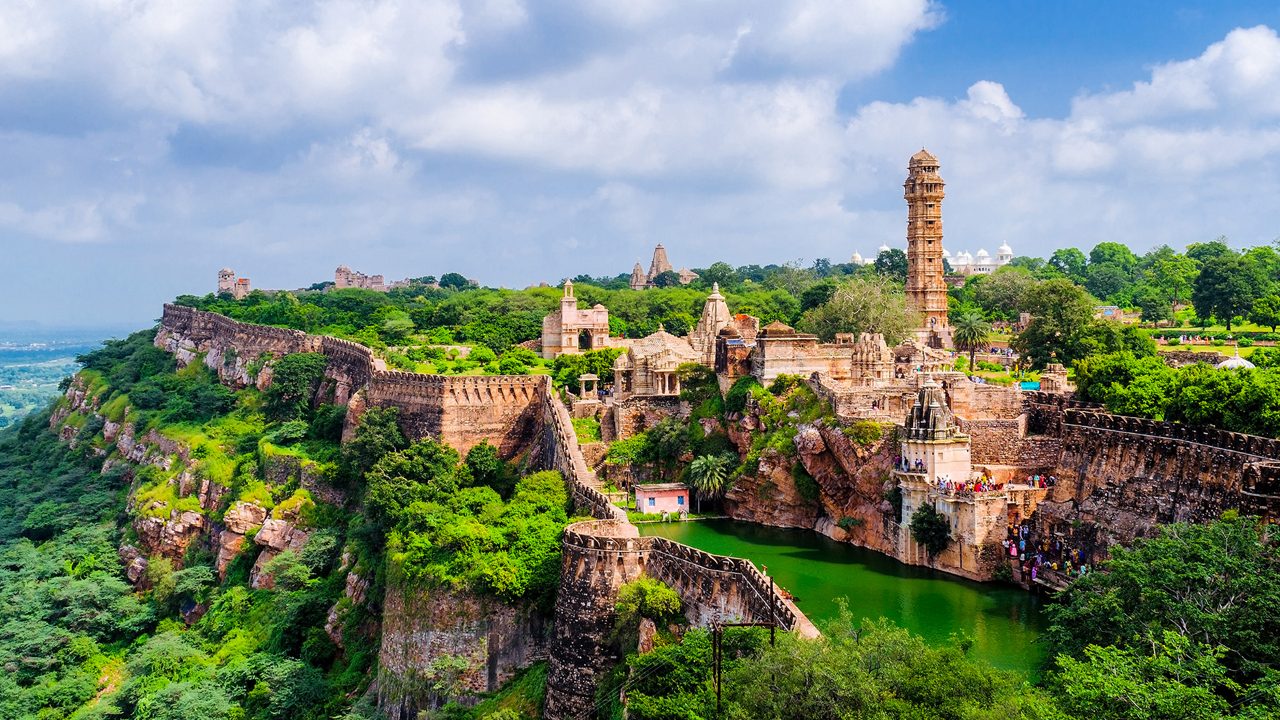
1. Chittorgarh Fort (UNESCO World Heritage Site)
Chittorgarh Fort is the center of almost every itinerary and one of the largest forts in India by spread. Set on a high hill, it includes palaces, temples, towers, reservoirs, gateways, and defensive structures built or modified across different ruling periods. The fort is not a single monument stop; it is a full heritage zone that needs structured movement.
What Makes the Fort Important
- Symbol of Mewar resistance and Rajput political identity.
- Associated with major historical sieges and legendary narratives.
- Architectural mix of military planning and sacred structures.
- Part of UNESCO-listed hill forts of Rajasthan grouping.
Start early and keep 4 to 6 hours for the full circuit if you want meaningful coverage. Late starts usually result in rushed tower and palace visits.
| Fort Segment | Key Experience | Ideal Time |
|---|---|---|
| Main gates and approach | Defensive layout and scale | Morning |
| Tower and palace zone | Architecture and city views | Late morning |
| Temple and reservoir areas | Cultural and spiritual context | Afternoon with shade breaks |
2. Vijay Stambh (Tower of Victory)
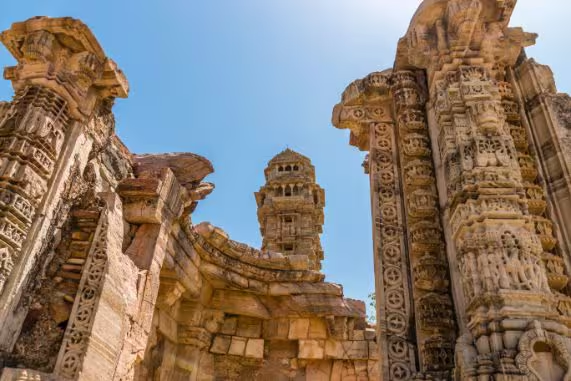
Vijay Stambh is one of the most recognizable landmarks in Chittorgarh Fort. Built in the 15th century and known for intricate carvings and multi-level structure, the tower is both a victory memorial and an architectural highlight. Even from distance, it acts as a visual anchor inside the fort complex.
The surrounding area around Vijay Stambh is often crowded in peak season, so visit early if you want cleaner photo frames and calmer movement. Architectural details are best appreciated when you slow down and observe carvings instead of treating it as a quick stop.
- Best for: monument photography and historical symbolism.
- Visit tip: pair with nearby temple and open-view sections.
- Time needed: 30 to 45 minutes including interpretation.
3. Kirti Stambh (Tower of Fame)
Kirti Stambh is an older and smaller but highly significant tower in the fort area, often linked with Jain heritage. It gives a different stylistic and devotional contrast to Vijay Stambh. Travelers interested in Chittorgarh's layered religious history should include both towers to understand how different traditions coexisted within the same fortified landscape.
Because many itineraries overspend time at one major monument, Kirti Stambh is frequently rushed. Keep at least 20 to 30 minutes here for better architectural reading and contextual continuity.

4. Rani Padmini Palace
Rani Padmini Palace is one of the most discussed places in Chittorgarh due its strong association with local lore, Rajput honor narratives, and medieval siege memory. The palace setting with surrounding water and defensive context gives it a distinct atmosphere compared to tower monuments.
Historical interpretation here can vary between documented history and oral-legend traditions, so it is best to approach the site with respect for both heritage memory and academic caution. Regardless of narrative differences, the palace remains a core cultural stop in Chittorgarh tourism and an essential part of most route plans.
Visitor Notes
- Keep this stop for mid-route after major tower coverage.
- Use a guide if you want contextual explanation beyond popular stories.
- Avoid overscheduling; this area is better experienced slowly.
5. Meera Temple and Devotional Circuit
Meera Temple is one of the key sacred stops in the fort area and is often visited with nearby Kumbha Shyam temple references. The site reflects Bhakti tradition and adds devotional depth to a route otherwise dominated by martial history and fort architecture.
This temple block is ideal for travelers who want balance between historical and spiritual experiences. Keep modest dress, maintain quiet movement, and avoid intrusive photography near active worship segments.
If your trip focuses more on temple travel across regions, continue with historical places in Rajasthan and related spiritual circuits in nearby districts.
6. Gaumukh Reservoir
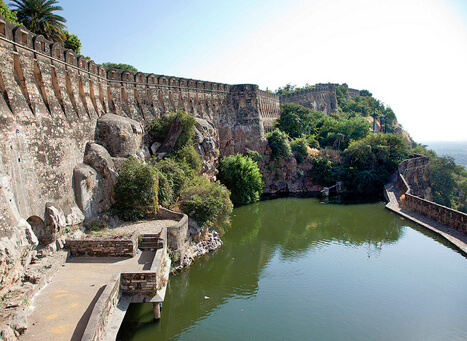
Gaumukh reservoir is one of the most memorable water features inside the fort. It has practical historical value because water management was critical in prolonged fort defense. Today, it is both a scenic and symbolic site, often included in walking routes between temple and palace sections.
Spend enough time to understand this as an engineered survival system, not just a photo point. The reservoir context helps explain how large hill forts functioned under siege conditions.
- Best for: historical infrastructure perspective.
- Visit tip: combine with nearby sacred and palace stops.
- Caution: watch steps and edges in monsoon months.
7. Fateh Prakash Palace and Museum Context
Fateh Prakash Palace zone adds museum-oriented context to the Chittorgarh experience. Depending current access and curation, this segment can help connect battle narratives with artifacts and interpretive displays. Travelers who enjoy historical grounding should not skip this block.
Since display arrangements may change with restoration and local management updates, confirm active sections on arrival. Even when internal access is limited, the palace setting itself remains a valuable heritage stop.
8. Light and Sound Show and Evening Fort Experience
Many travelers ask about Chittorgarh light and sound show options. Availability and timing can change by season or maintenance schedule, so verify same-day details locally. If operational during your visit, it can provide a thematic narrative recap after daytime monument exploration.
Even without the show, late-afternoon to sunset fort views are visually strong. Plan your route so your final segment ends near open-view sections where you can watch the light shift over the fort landscape.
9. Best Time to Visit Chittorgarh
- October to March: best season for full fort exploration and long walking routes.
- April to June: hot conditions; only early morning and evening plans are practical.
- July to September: greener visuals but weather can affect movement pace.
Winter and shoulder months are best for first-time travelers because they allow more comfortable coverage of tower, palace, and reservoir segments in one day.
10. How to Reach Chittorgarh and Practical Logistics
Chittorgarh is well connected by rail and road in Rajasthan, with straightforward access from Udaipur, Kota, Jaipur, and other regional hubs. Udaipur is a common pairing city due manageable distance and strong onward connectivity.
Logistics Tips
- Prefer an early arrival if doing one-day fort coverage.
- Use local transport or hired vehicle for efficient gate-to-site movement.
- Carry water, hat, and walking footwear for long fort routes.
- Keep cash backup for small local services near monument areas.
If you are extending your route, pair Chittorgarh with places to visit in Udaipur and Kumbhalgarh travel guide for a stronger heritage circuit.
11. One-Day and Two-Day Chittorgarh Itinerary
One-Day Practical Plan
- Morning: Chittorgarh Fort entry + Vijay Stambh + Kirti Stambh.
- Midday: Padmini Palace + Meera Temple block.
- Afternoon: Gaumukh + Fateh Prakash area.
- Evening: Light-and-sound or sunset viewpoint.
Two-Day Better Plan
- Day 1: Deep fort exploration without rushing.
- Day 2: Nearby heritage extensions and cultural stops.
The two-day plan gives stronger context and better pacing, especially in warm-weather months.
12. Common Mistakes to Avoid
- Arriving late and trying to cover the entire fort in limited daylight.
- Ignoring weather and hydration needs for long open-site walks.
- Treating major monuments as quick photo halts without context.
- Relying on old fee or timing screenshots without local confirmation.
- Skipping tower and reservoir balance in favor of only one famous stop.
Route discipline and early timing are the two biggest factors that improve the Chittorgarh experience.
13. Practical Entry, Timing, and Guide Tips
Because schedules, ticket counters, and internal movement rules can change, always verify fort timing and current access notes on arrival rather than relying on old screenshots. If you are traveling on weekends or holidays, start earlier than usual and keep buffer time for queues near main gates. Hiring a local guide for at least the first 90 minutes can save time and improve monument sequencing, especially if you want to cover both tower history and palace legends in a structured way.
For families and senior travelers, splitting the fort circuit into two blocks with a midday break works better than one continuous walk in heat. This keeps energy stable and improves the overall heritage experience.
Final Take
The best places to visit in Chittorgarh include its UNESCO-listed fort complex, Vijay Stambh, Kirti Stambh, Rani Padmini Palace, Meera Temple, Gaumukh reservoir, and palace museum zones. Plan your day around the fort's internal route order, keep a weather-aware schedule, and prioritize historical depth over rushed movement. With this approach, Chittorgarh becomes one of Rajasthan's most rewarding heritage journeys.
Location
Frequently Asked Questions
Q1.What is Chittorgarh famous for?
Q2.Is Chittorgarh Fort worth visiting?
Q3.How much time is needed to visit Chittorgarh Fort?
Q4.What are the top places to visit in Chittorgarh besides the fort gates?
Q5.What is the best time to visit Chittorgarh?
Q6.How do I reach Chittorgarh from Udaipur?
Q7.Can Chittorgarh be covered in one day?
Q8.Is there a light and sound show in Chittorgarh Fort?
Recommended For You
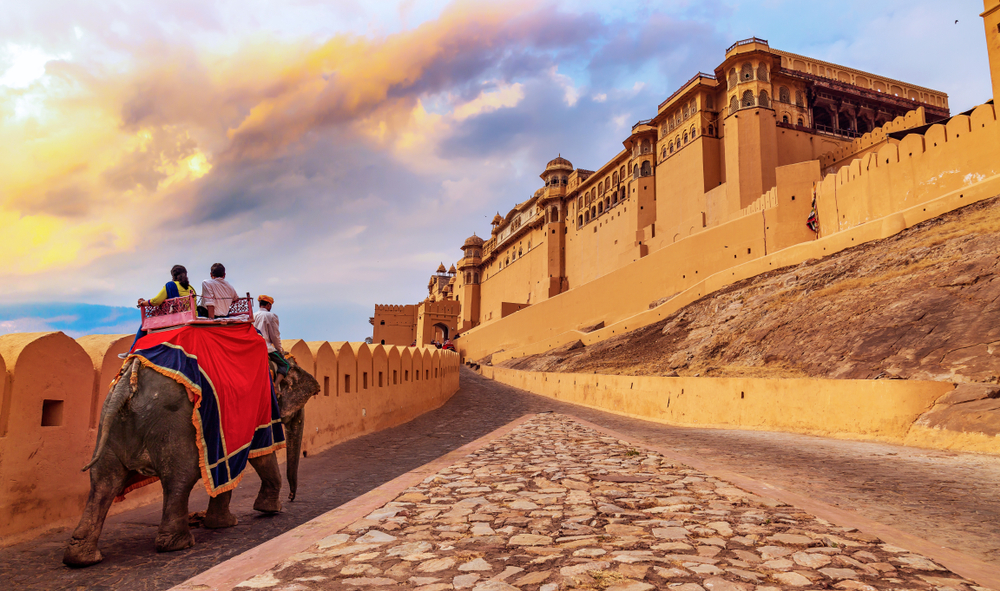
Best Places to Visit Rajasthan: Top 20 Destinations
Explore the best places to visit Rajasthan, India's royal state. Discover Jaipur's pink forts, Udaipur's romantic lakes, Jodhpur's blue streets, and Jaisalmer's golden desert with this comprehensive guide.
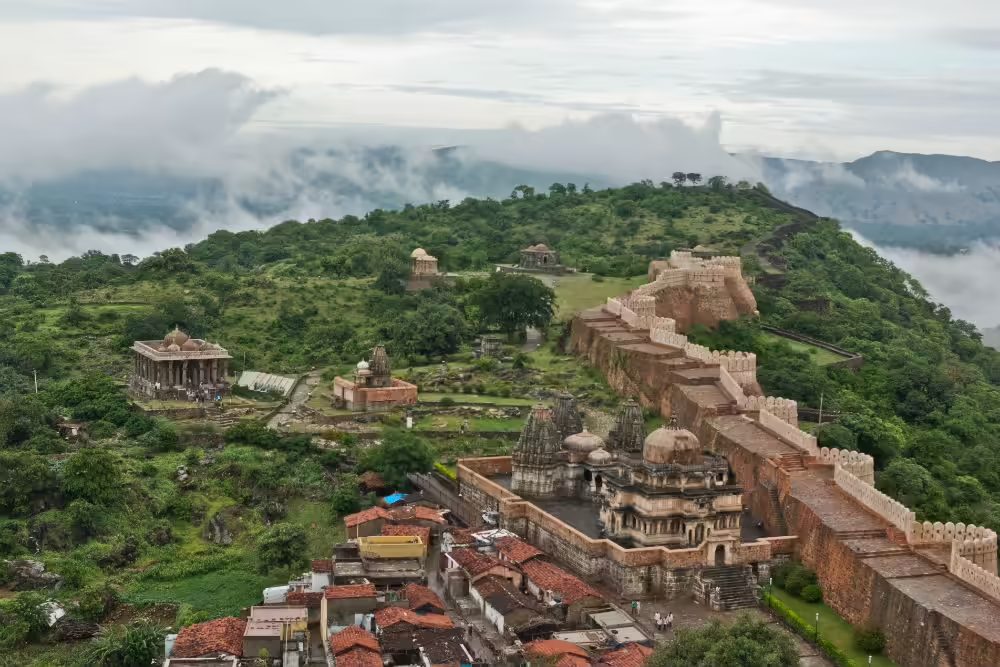
Kumbhalgarh Fort: Complete Travel Plan And History
Plan your Kumbhalgarh trip with practical fort timing strategy, day-wise itinerary options, route planning, and budget-focused travel tips.
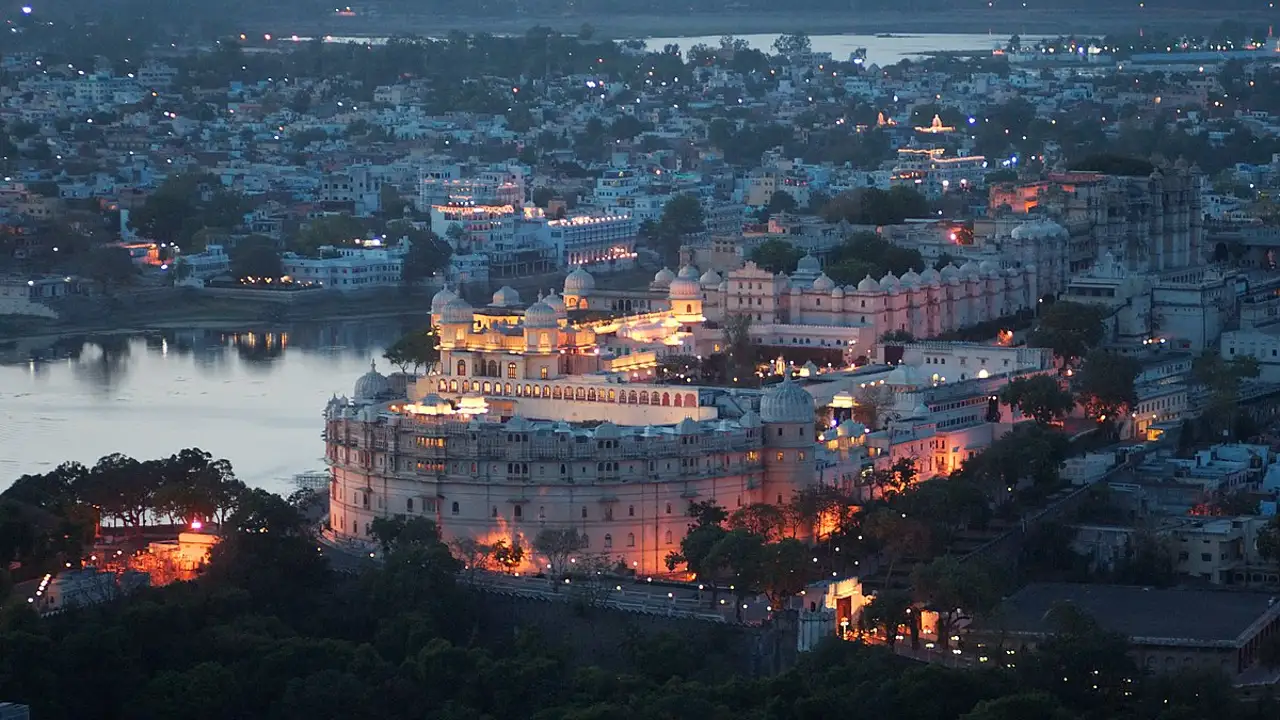
Udaipur: Complete Travel Plan Places And Weather
Complete Udaipur travel guide featuring City Palace, Lake Palace, Lake Pichola, Jagdish Temple, best time to visit & practical tips.
Never Miss an Adventure
Get the latest trekking guides, travel tips, and exclusive offers delivered straight to your inbox.
