
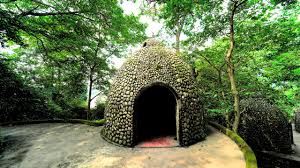
Beatles Ashram Rishikesh: Timings, Ticket Info & Wall Art Highlights

Rahul Garg
February 20, 2026
Plan Beatles Ashram Rishikesh with practical timing, route, and photography guidance plus easy half-day and full-day itinerary combinations.
Introduction
Beatles Ashram Rishikesh, also known as Chaurasi Kutiya, is one of the city’s most distinctive heritage-spiritual sites. Visitors come for cultural history, meditative atmosphere, and photo-rich architecture, but many first-time trips feel rushed because timing and route planning are not handled properly. The site rewards slower movement, clear entry planning, and practical pairing with nearby Rishikesh stops.
For broader circuit design, combine this with ashrams in Rishikesh, riverfront spiritual experiences at Ganga Aarti Rishikesh, and full-city planning from places to visit Rishikesh. This guide covers history context, timings/tickets, route execution, photography planning, and common mistakes to avoid.
Overview and Legacy
The ashram became internationally visible due to its association with The Beatles’ India phase and has since evolved into a major heritage-art stop in Rishikesh. The site’s atmosphere blends spiritual memory, artistic expression, and forest-edge stillness that differs from busier riverfront zones.
Visitors should approach it as a reflective space, not only a photography location. Spending time in quieter sections helps reveal why it remains culturally significant beyond its celebrity reference.
Timings, Tickets, and Visit Flow
Entry timings and fee structure can change, so verify live details close to travel date. Arriving early usually gives smoother movement and better photo conditions before crowd peaks. Keep identity documents and payment options ready to reduce entry delay.
Inside the site, follow a two-loop pattern: first orientation pass to understand layout, then focused pass for domes, murals, and key structures. This method helps avoid random wandering and time loss.
| Visit Block | Purpose | Suggested Duration |
|---|---|---|
| Orientation Loop | Layout understanding | 20 to 30 min |
| Deep Exploration | Domes, murals, and history zones | 45 to 75 min |
| Photo and Reflection | Low-crowd composition and pause time | 20 to 40 min |
How to Reach and Move Locally
Most travelers reach via local taxi, auto, or two-wheeler routes depending on where they stay in Rishikesh, so it helps to review a full Rishikesh travel guide before locking your base location. Keep transfer buffers because traffic and local movement can vary by time of day and season.
If combining with multiple attractions, anchor Beatles Ashram in one half-day block and avoid overstacking distant points in the same window. This prevents rushed entry and preserves site depth.
Photography and Comfort Tips
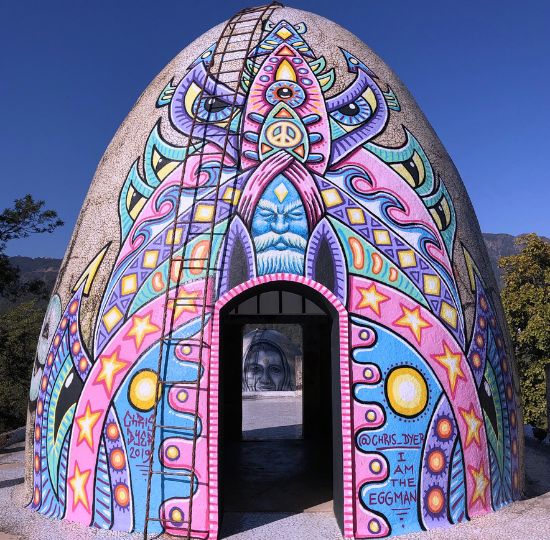
Beatles Ashram is popular for murals and textured architectural frames. For better results, use softer light windows and prioritize safe, respectful movement rather than chasing crowded signature angles. A stable composition strategy beats rapid point-to-point rushing.
Carry water, light sun protection, and comfortable footwear. Walking surfaces and transitions can require more effort than expected, especially in hotter hours.
Itinerary Combinations in Rishikesh
A practical half-day combination is Beatles Ashram plus one spiritual stop and one riverfront activity. Full-day combinations can add ashram-focused sessions or cafe breaks with buffer for evening Aarti.
Avoid checklist overload. The site’s value comes from time-in-place, not number of nearby pins completed in one day.
Budget and Family Notes
This stop can be budget-friendly if you keep transfers efficient and pair nearby activities smartly. Families should maintain hydration, rest breaks, and simple movement rules around old structures and uneven sections.
Solo travelers should save key contacts and return transport options in advance to avoid evening uncertainty after long exploration blocks.
Common Mistakes to Avoid
Frequent mistakes include arriving too late for meaningful exploration, skipping buffer before evening plans, and expecting a quick in-and-out visit. Another common issue is focusing only on murals without understanding layout and history context.
Use anchor planning: fixed entry window, fixed exit window, and one optional add-on only after anchor completion.
Execution Layer for Better Travel Outcomes
High-quality travel results rarely come from long destination lists alone. They come from sequencing, buffers, and clear decision rules. Start each day with one anchor objective, define two optional adds, and keep a fallback near your current zone. This protects your schedule when weather, crowds, or transport drift from plan.
Use a simple control method throughout the day. First, check live conditions. Second, confirm your next transfer and time cap. Third, decide whether to continue deeper at the current stop or move to the next one. This three-step method prevents rushed decisions and reduces fatigue from reactive changes.
Group travelers should assign roles to avoid confusion. One person tracks timing, one tracks navigation, and one confirms bookings and payments. Role clarity improves movement speed and cuts repetitive discussion at every transition point. If your group includes elders or children, add more recovery windows and avoid long standing blocks.
Budget planning should prioritize certainty over impulse. Spend where it improves outcomes directly: reliable transfers, verified tickets, and essentials like hydration and weather gear. Keep a small contingency reserve for route changes. Travelers who protect certainty usually get stronger overall experiences at similar total spend.
End each day with a short review: what worked, what delayed, and what should change tomorrow. This feedback loop compounds quickly across a multi-day trip and helps you maintain both comfort and depth.
Extended Heritage Visit Notes
For deeper value, define a learning objective before entry: music-history connection, meditation architecture, or mural storytelling. A clear objective improves attention and memory.
If crowd density rises, switch from central clusters to peripheral loops and return later. This keeps both photo quality and comfort stable.
Close the visit with one reflective pause before exit. It helps convert a photo-centric stop into a meaningful cultural experience.
Advanced On-Ground Experience Design
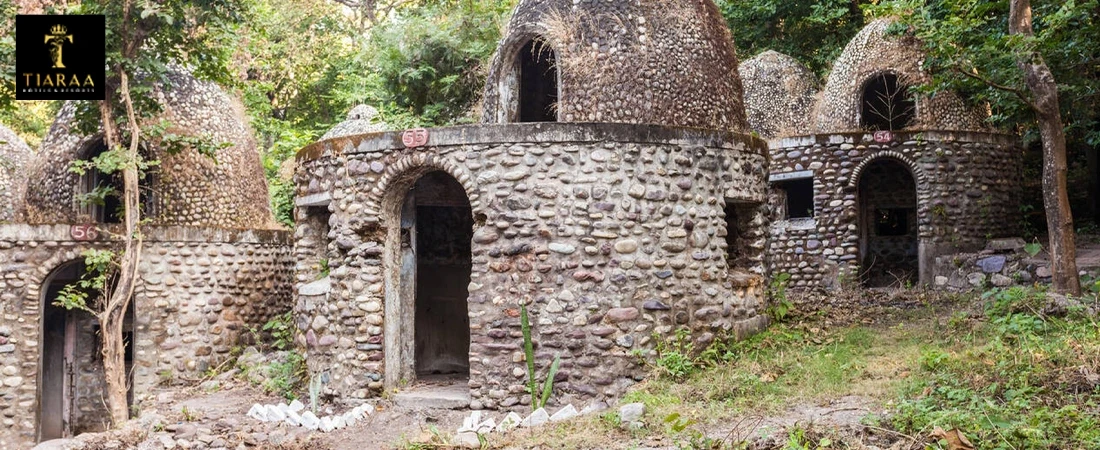
Beatles Ashram rewards a deliberate exploration pattern. Start with context, then architecture, then art details. If you jump straight into dense mural photography, you may miss layout logic and historical orientation. A structured sequence improves both comprehension and memory. It also helps you produce stronger photos because you first understand where light and movement patterns are best.
Use zone-based time control. Allocate one block for domes, one block for mural corridors, and one block for quiet reflection. Keeping zone caps prevents overstay in one area and protects energy for the full site. Many visitors spend too long in the first visual cluster and then rush the rest under time pressure.
If you are visiting with friends, define behavior rules before entry: no splitting without regroup points, no high-risk posing on old structures, and no blocking pathways for extended shoots. These simple rules keep movement respectful and safe. Heritage spaces need shared discipline to remain enjoyable for everyone.
For creators and photographers, story planning helps. Capture one establishing frame, one architectural detail set, one human-scale frame, and one reflective closure frame. This set creates a complete narrative without excessive repetition. You can leave with better outputs in less time and with lower physical strain.
Emotional pacing is important at this site. The environment blends nostalgia, spirituality, and open interpretation. Give yourself one quiet pause without camera activity to absorb atmosphere. This small pause often becomes the most meaningful part of the visit and balances a photo-heavy workflow.
Families should maintain hydration cadence and short rest windows. Children may enjoy visual elements but tire quickly in exploratory routes. Keep expectations flexible and choose fewer zones with better attention rather than forcing complete coverage.
If you pair this with evening Aarti, keep a strict exit buffer. Do not leave Beatles Ashram at the last minute and expect smooth transition. Route certainty is essential for spiritual evenings where timing quality affects experience depth.
Operational Buffer Notes
Add one protected buffer block near the end of your day. This buffer absorbs delays without harming your primary experience. If no delays occur, use it for deeper exploration at the most valuable stop instead of adding a random new stop.
Keep confirmations, maps, and key contacts offline. Network instability can disrupt otherwise good plans, especially during transitions. Simple offline preparation improves confidence and reduces avoidable friction.
If conditions change, reduce optional activities first and preserve anchor goals. Controlled simplification is usually the best decision for quality and safety.
Slow-Visit Method for Better Heritage Depth
A slow-visit method improves both understanding and enjoyment at Beatles Ashram. Start by reading the space through quiet observation before taking photos. Notice pathways, dome clusters, and mural zones as a connected system. Then move section by section, keeping each stop purposeful. This approach produces stronger memory than rapid point-to-point movement.
Set one reflection pause after each major zone. These micro-pauses help the site feel coherent and reduce mental fatigue. If crowd density rises, step aside and wait for cleaner flow rather than forcing your path. Patience often yields better frames and calmer experience.
When combining with evening plans, keep the final 30 minutes for exit transition and hydration reset. This simple close-out block preserves energy and makes onward movement far smoother.
Carry minimal gear and protect quiet attention during your visit. A calm pace helps you appreciate both the artistic layers and the contemplative character of the space.
Keep one final buffer before your next stop so you can exit calmly, hydrate, and transition without rushing through the last sections of the ashram.
This final margin also helps you preserve energy for evening spiritual activities nearby.
Use this buffer to regroup your team, check directions, and leave the site with a calm, organized transition.
Location
Frequently Asked Questions
Q1.What are Beatles Ashram opening hours?
Q2.What is the best time to visit for fewer crowds?
Q3.How much time is needed for a Beatles Ashram visit?
Q4.Is Beatles Ashram suitable for family travelers?
Q5.Can Beatles Ashram be combined with other Rishikesh attractions in one day?
Q6.What should visitors carry for a comfortable visit?
Q7.Is photography allowed in most areas?
Q8.What common mistakes should first-time visitors avoid?
Recommended For You
How to Reach Kedarnath: Registration, Route & Trek Information
Plan how to reach Kedarnath with route stages, trek preparation, seasonal timing, and practical safety guidance.
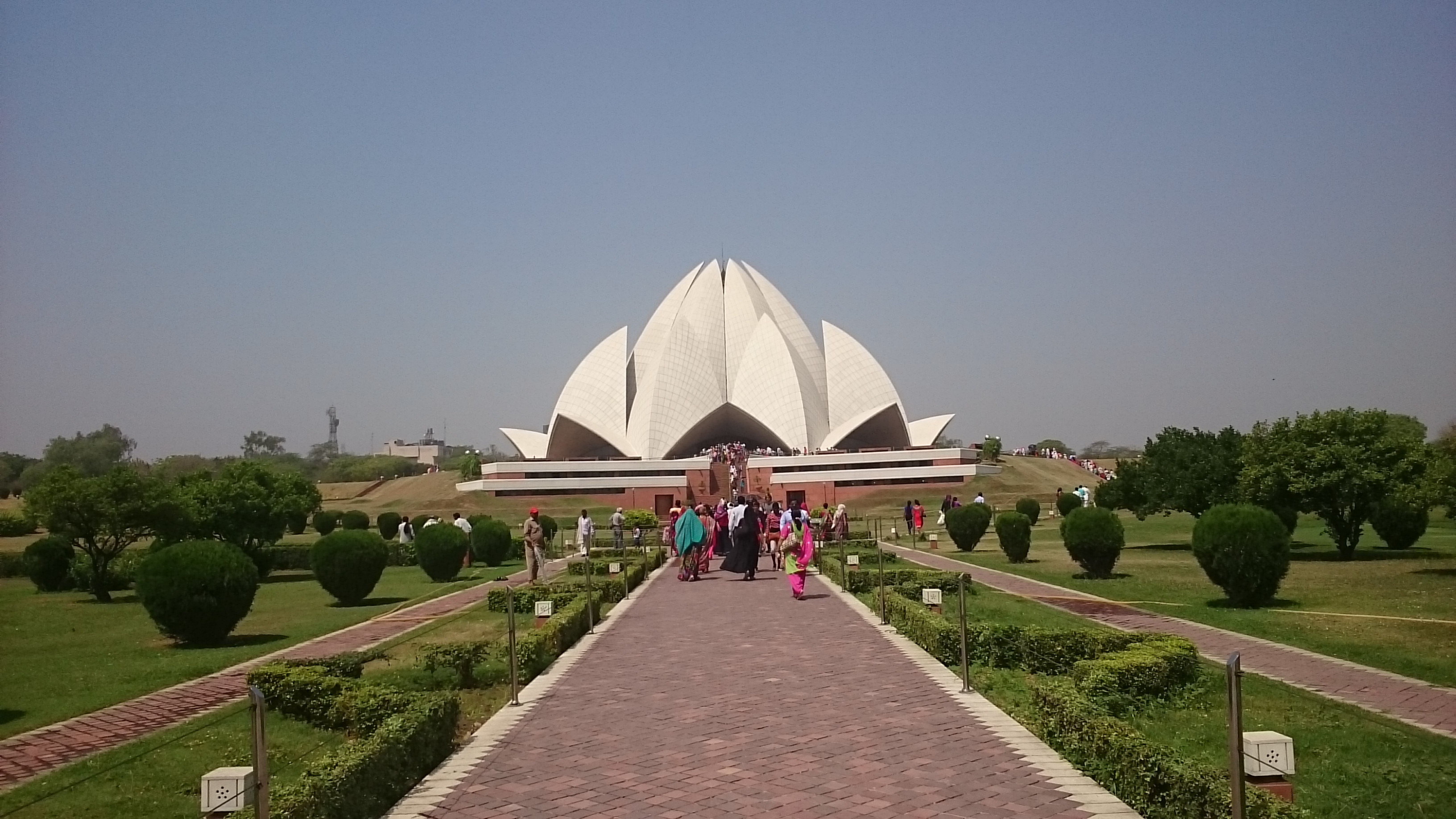
Lotus Temple Delhi: Timings, Entry Rules & Best Visiting Hours
Lotus Temple Delhi complete visitor guide: FREE entry, timings (9 AM-5:30 PM winter, 9 AM-7 PM summer), nearest metro (Kalkaji Mandir), photography rules, dress code, meditation tips & best time to visit. Plan your peaceful retreat.

Places to Visit in Rishikesh: Yoga Ashrams, Ghats & Adventure Points
Discover the best places to visit in Rishikesh including Laxman Jhula, Triveni Ghat, adventure activities, ashrams and Neelkanth Mahadev Temple.
Never Miss an Adventure
Get the latest trekking guides, travel tips, and exclusive offers delivered straight to your inbox.
