
Places to Visit in Drass Valley: War Sites, Passes & Mountain Views

Ananya Sharma
February 18, 2026
Explore Drass Valley with this complete guide covering top attractions, war memorial, route planning, best season, and practical high-altitude travel tips.
Introduction: Drass Valley, History and High-Altitude Beauty
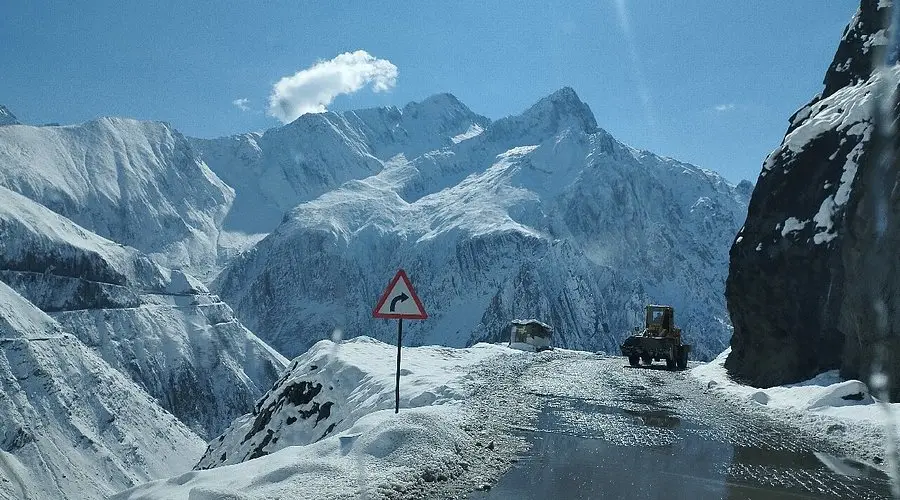
Places to visit in Drass Valley attract two kinds of travelers: those who want to understand the Kargil War landscape, and those who want raw Himalayan valley scenery without commercial overdevelopment. Drass, often introduced as one of the coldest inhabited places in the world, sits on the Srinagar-Kargil-Leh axis and acts as a meaningful stop rather than just a transit town.
The destination carries deep national memory because of the 1999 conflict, but it is also a living mountain settlement with local culture, river valleys, and seasonal travel windows. If you approach Drass only as a quick photo stop, you miss its context. A better way is to combine historical sites, short viewpoint routes, and local interaction with realistic weather planning.
For linked itineraries, combine this guide with Kargil War Memorial, Leh to Kargil bike route planning, and broader season timing from best time to visit Kashmir.
Why Drass Valley Is Special
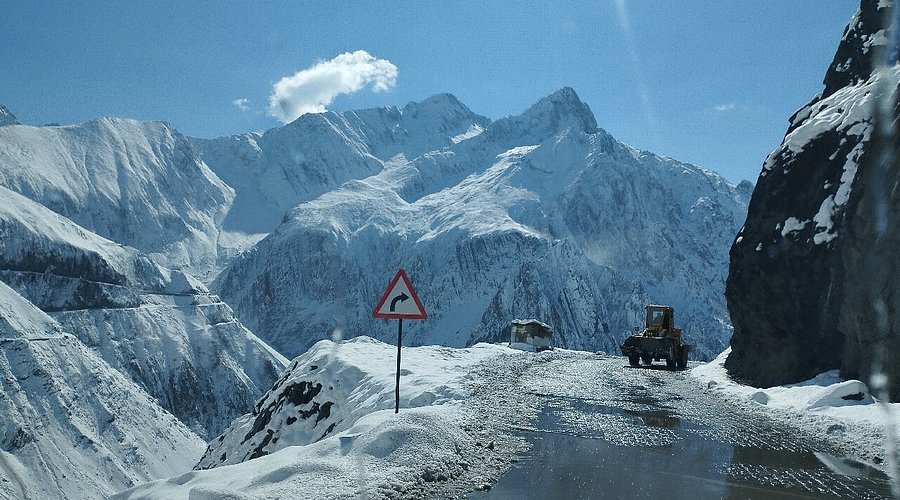
Drass combines strategic geography, war history, and dramatic terrain in a way few destinations do. You travel through high mountain corridors, pass battle-linked ridgelines, and arrive in a valley where daily life continues despite extreme winter conditions. This contrast makes Drass emotionally and visually distinct.
- Historical depth: Important location in the Kargil War memory map.
- Geographic character: High-altitude valley with strong seasonal variation.
- Cultural texture: Local communities with resilient mountain lifestyles.
- Route relevance: Key segment on Srinagar-Kargil-Leh journeys.
Top Places to Visit in Drass Valley
Drass War Memorial (Main Attraction)
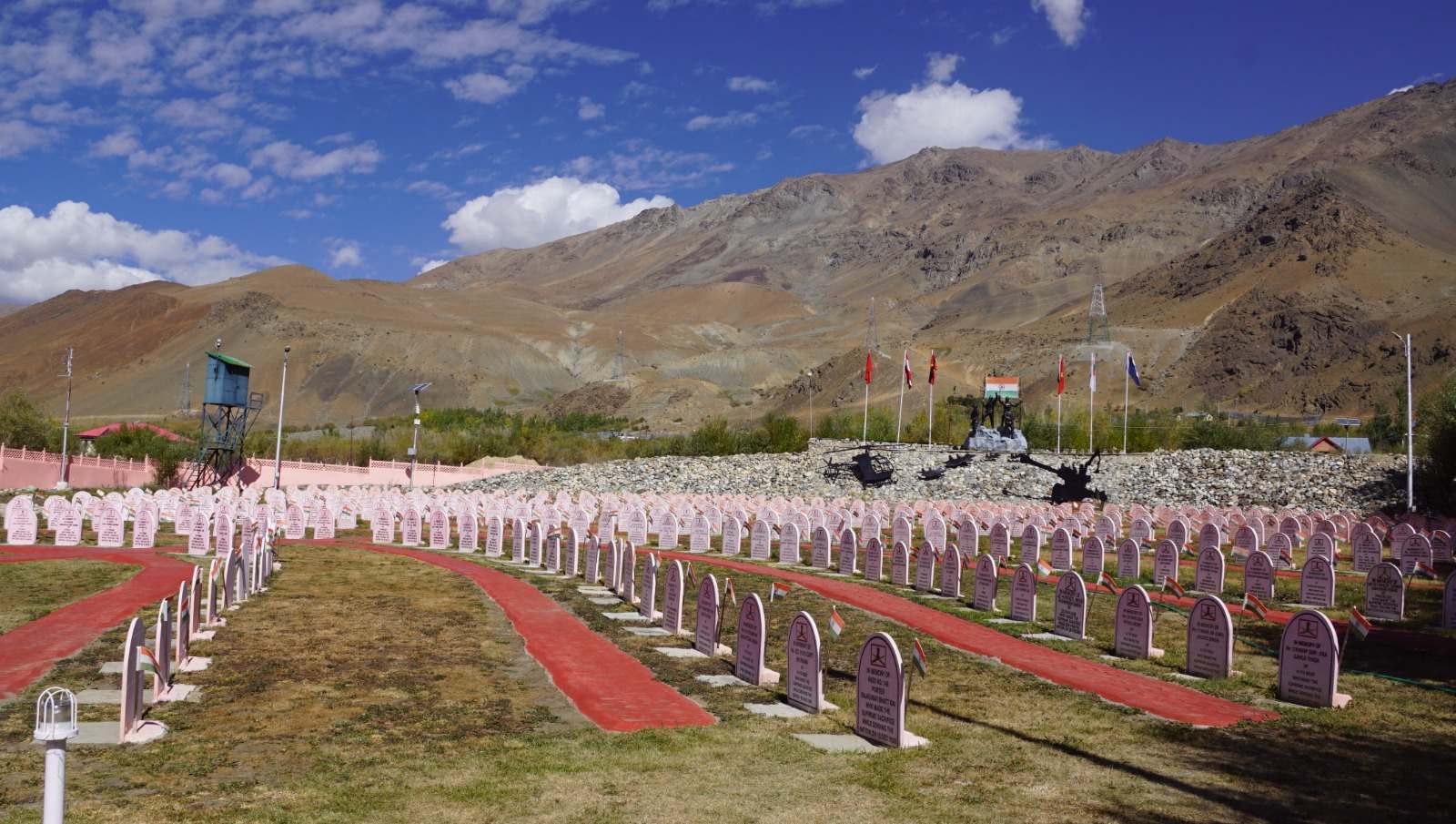
The Drass War Memorial is the most important stop in the valley. It honors soldiers who lost their lives during the Kargil conflict. Beyond symbolism, it helps visitors understand topography, battle context, and the scale of terrain challenges in high-altitude warfare. Spend time reading displays rather than rushing through photos.
Visitors often report that the memorial sets the emotional tone for the entire Ladakh route. Keep respectful behavior, follow site protocols, and avoid loud tourism behavior inside remembrance zones.
Tiger Hill and Tololing View Corridors
These names are deeply linked to Kargil war narratives. Some view sections can be covered from designated roads and safe points. Access policy can vary by security guidelines, so rely on local instruction rather than assumptions from old itineraries.
Mushko Valley Side Landscapes
Mushko-side stretches offer meadows, rugged mountain walls, and seasonal color transitions. Depending on weather and local advice, short exploratory drives or walks can be done in daylight windows.
Things to Do in Drass
1. Historical Exploration with Context
Instead of just checking memorial points, spend time understanding the geography of the conflict. Local guides and responsible operators often provide better context than generic online summaries.
2. Scenic Valley Photography
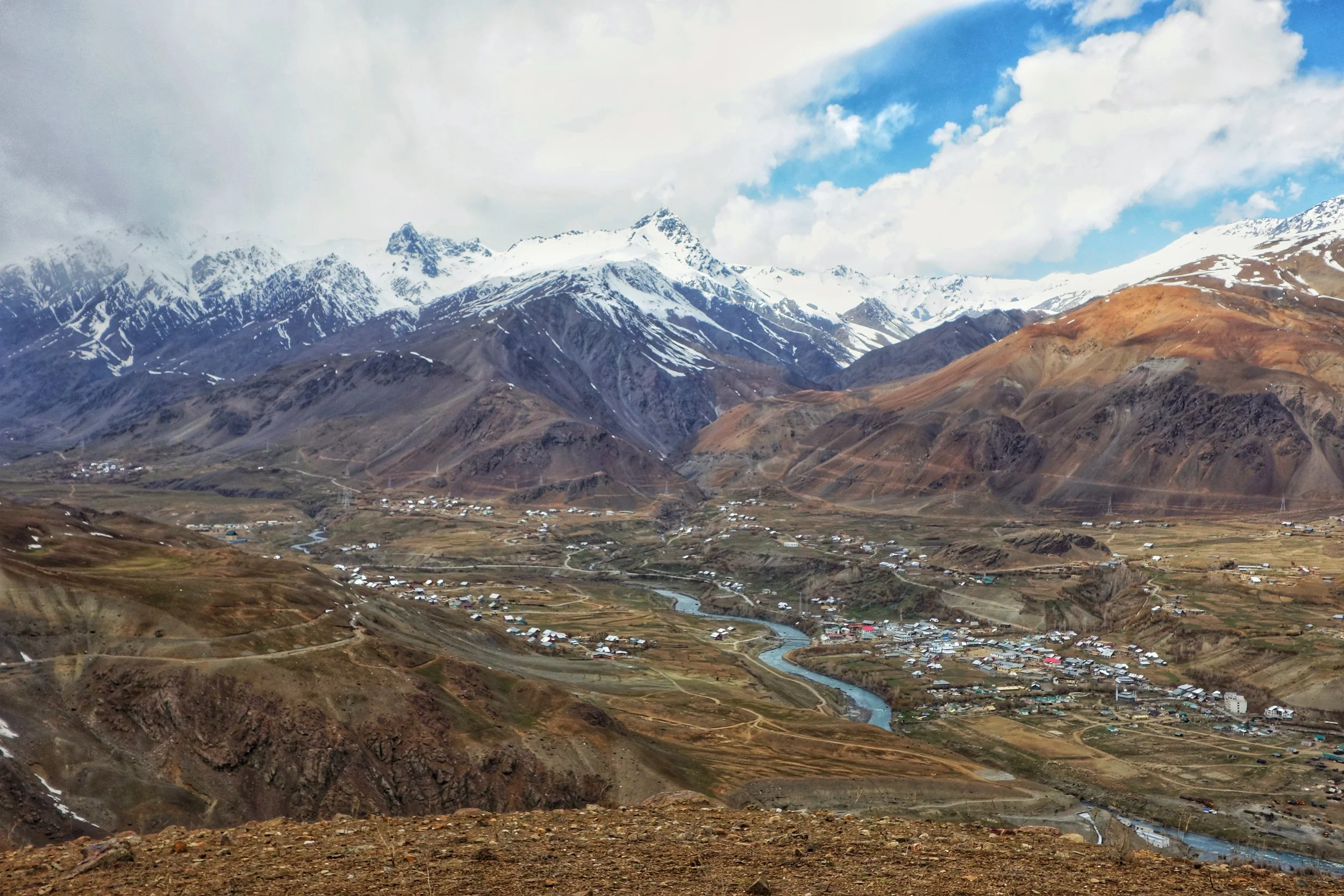
Drass valley sightseeing is excellent for wide mountain frames, river lines, and highland cloud movement. Morning and late-afternoon light gives stronger depth than midday flat light.
3. Local Village Interaction
Where appropriate, brief interaction in local settlement zones adds a human layer to the trip. Keep conversations respectful and avoid intrusive photography in private spaces.
4. Transit-Based Slow Travel
If you are moving between Srinagar and Kargil/Leh, use Drass as a meaningful halt. Even one well-planned stop can significantly improve route quality.
Monasteries and Spiritual Pockets
The Drass region is not primarily marketed as a monastery hub like central Ladakh, but nearby spiritual pockets and prayer sites still add quiet value to travel. Treat these visits with cultural sensitivity and maintain local etiquette in dress and behavior.
Best Time to Visit Drass Valley
Most travelers prefer late spring to early autumn for access and comfort. Winters are extreme, and road reliability can drop significantly depending on snowfall and pass conditions.
| Season | Travel Conditions | Suitability |
|---|---|---|
| June to September | Most accessible roads, milder weather | Best overall period |
| October to November | Cooling trend, reduced tourist volume | For prepared travelers |
| December to May | Extreme cold, possible closures | Not ideal for standard tourism |
Even in summer, nights can be cold. Carry layered clothing and avoid assuming plains-like temperature behavior.
How to Reach Drass Valley
Drass is commonly reached by road via the Srinagar-Kargil highway corridor. It is also connected onward to Kargil and Leh sectors depending on route flow and seasonal access.
| Route | Typical Use | Planning Tip |
|---|---|---|
| Srinagar to Drass | Entry from Kashmir side | Start early and track road updates |
| Kargil to Drass | Shorter inter-valley movement | Good for history-focused detour |
| Leh-Kargil-Drass | Longer Ladakh circuit | Keep acclimatization and fuel in mind |
Road conditions can vary by weather, construction, and military movement priorities. Keep schedule buffers and avoid rigid arrival deadlines.
Accommodation in Drass Valley
Drass offers basic guesthouses, simple hotels, and occasional homestay formats. Do not expect luxury infrastructure. The region is better suited for practical travelers who value context and scenery over premium comfort.
- Stay type: Functional and simple.
- Meals: Basic hot meals commonly available.
- Booking: Safer to pre-confirm in season.
- Connectivity: Network and internet can be inconsistent.
Travel Tips: Permits, Weather, and Readiness
- Carry valid ID and keep copies accessible.
- Respect memorial and military-sensitive zones.
- Pack winter-grade layers even in summer transitions.
- Stay hydrated and pace movement for altitude comfort.
- Keep emergency cash where digital access is unreliable.
- Track weather and highway advisories daily.
Detailed 2-Day Drass Itinerary
Day 1: Arrive from Srinagar/Kargil side, rest, acclimatization walk, and evening local orientation. Keep the first day light to adjust to altitude and road fatigue.
Day 2: Visit War Memorial with sufficient time, cover safe viewpoint stretches toward battle-linked ridges, and add a short Mushko-side scenic segment if weather permits. Return before dark and avoid unnecessary night movement.
What Most Travelers Misjudge About Drass
- Assuming it is only a transit checkpoint and skipping core sites.
- Underestimating temperature drop after sunset.
- Trying to cover too much on same-day long transfers.
- Treating memorial zones like regular tourist parks.
- Ignoring road advisories during weather instability.
Budget and Logistics Matrix
| Category | Low-Intensity Plan | Expanded Plan |
|---|---|---|
| Stay | 1 night basic guesthouse | 2 nights with local exploration |
| Transport | Shared or fixed-route cab | Private cab for flexible halts |
| Sightseeing | Memorial + one viewpoint | Memorial + ridge viewpoints + Mushko side |
| Effort Level | Moderate | Higher but more complete |
Altitude, Health, and Travel Readiness
Even when Drass weather feels manageable in daytime, altitude and dry air can still affect visitors. Keep water intake steady, avoid very heavy meals before road stretches, and pause when needed. If you are transitioning from lower altitude quickly, avoid intense activity in the first few hours.
Travelers with respiratory concerns or cold sensitivity should carry personal medication and insulated layers. In mountain corridors, small preparation gaps create large discomfort later. A readiness-first approach makes the trip safer and more enjoyable.
Suggested 3-Day Drass + Kargil Segment
Day 1: Srinagar side transit to Drass with acclimatization halt. Day 2: War memorial and viewpoint corridor with local interaction. Day 3: Transfer to Kargil or return side based on itinerary direction. This 3-day pacing reduces rush and allows weather adaptation.
Responsible Travel in Memorial Regions
Memorial-linked destinations require respectful behavior. Keep voice low, follow signage, and avoid inappropriate content creation in sensitive zones. Drass is a place where remembrance and tourism intersect; travelers should handle that balance responsibly.
Photography and Storytelling Tips
- Use wide-angle frames to capture valley scale.
- Take contextual images with signage, ridges, and memorial features.
- Avoid photographing military infrastructure.
- Use early or late light for better depth in mountain scenes.
Seasonal Gear Checklist for Drass Travel
Weather in Drass can change quickly, and underpacking is one of the biggest reasons travelers struggle on this route. Even if daytime feels manageable, evening wind and night temperature can drop sharply. Carrying the right layers improves comfort and reduces fatigue-related decision errors during road days.
| Item Type | Why It Matters in Drass | When Essential |
|---|---|---|
| Insulated jacket | Protects against late-day temperature drop | Most months outside peak warmth |
| Thermal base layer | Supports cold-night comfort | Shoulder and winter-edge travel |
| Windproof shell | Useful on viewpoints and passes | Year-round high-exposure sections |
| Good trail shoes | Better grip on uneven stretches | Viewpoint and short hike segments |
Also keep sunscreen, lip protection, basic first aid, and personal medicines ready. High-altitude dryness can cause discomfort faster than expected, even on short stays.
How to Build a Respectful War-History Itinerary
Drass is not a thrill destination where speed and dramatic posing should dominate behavior. It is a place with living communities and memorial significance. A respectful itinerary means learning context, following instructions at remembrance sites, and avoiding insensitive visual content.
If you are traveling in a group, assign one person to track timing and one person to track local instructions. This reduces confusion and keeps movement disciplined in sensitive zones. Responsible travel here is not only ethical; it also improves your overall experience by adding depth to every stop.
Carry extra gloves and backup socks for unexpected temperature drops.
Conclusion
Drass Valley is worth visiting when you want more than scenery. It offers memory, geography, and grounded mountain travel in one route segment. Plan respectfully, keep buffers, and prioritize context over speed. A well-paced Drass visit can become one of the most meaningful parts of your Ladakh and Kashmir corridor journey.
Location
Frequently Asked Questions
Q1.When is the best time to visit Drass Valley?
Q2.How many days are enough for Drass?
Q3.Is Drass Valley safe for tourists?
Q4.What is special about Drass War Memorial?
Q5.Can we visit Tiger Hill in Drass?
Q6.Is there snow in Drass throughout the year?
Q7.How far is Drass from Srinagar and Kargil?
Q8.Is Drass Valley worth visiting?
Recommended For You
Suru Valley Ladakh: Route, Villages, Peaks & Travel Tips
Discover the pristine Suru Valley in Kargil, Ladakh. Explore monasteries, witness Nun-Kun peaks, experience traditional culture, and find trekking adventures in this fertile Himalayan valley.
Tulail Valley Kashmir: The Hidden Paradise
Explore Tulail Valley in Kashmir - a hidden paradise near Line of Control. Complete guide to permits, best time, how to reach, trekking & authentic Dard culture.
How to Reach Kedarnath: Registration, Route & Trek Information
Plan how to reach Kedarnath with route stages, trek preparation, seasonal timing, and practical safety guidance.
Never Miss an Adventure
Get the latest trekking guides, travel tips, and exclusive offers delivered straight to your inbox.
