
Coldest Places in India: Winter Temperature Records & Travel Tips

Ananya Sharma
February 19, 2026
Explore the coldest places in India, including Drass, Leh, Spiti, Gulmarg, and Tawang, with temperature context, accessibility notes, and winter travel tips.
Coldest Places in India: Where Winter Is Truly Extreme
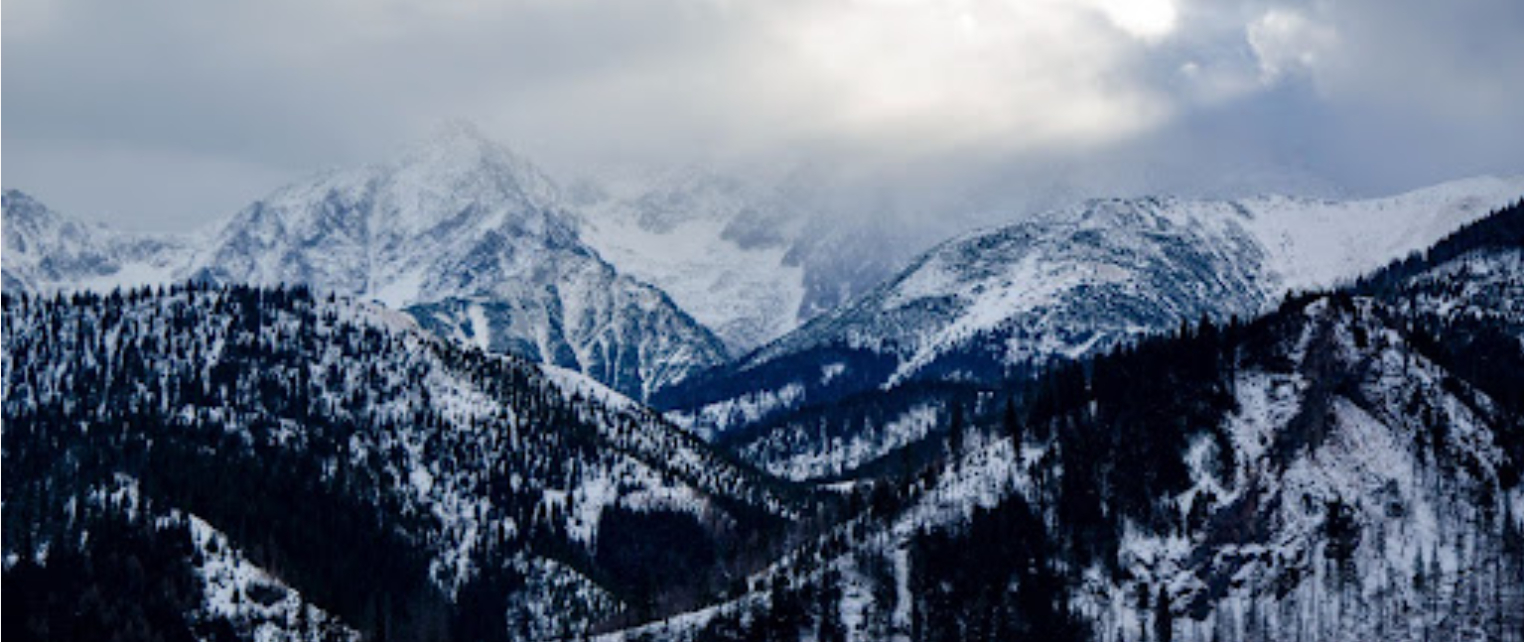
India has some of the harshest winter environments in Asia, especially across high-altitude Himalayan regions. If you are searching for the coldest places in India, you are usually comparing Drass, Siachen-related zones, Ladakh, Spiti, and other high-elevation destinations where temperatures can drop far below freezing. These places are visually stunning, but they also require serious planning around weather, road status, and altitude adaptation.
This guide helps you understand which destinations are realistically visitable for tourists and which are extreme strategic zones. If you want snow-focused trip planning, combine this with Best Snow Destinations in India for Christmas and New Year and Best Time to Visit Kashmir.
1. Drass Valley, Ladakh Region
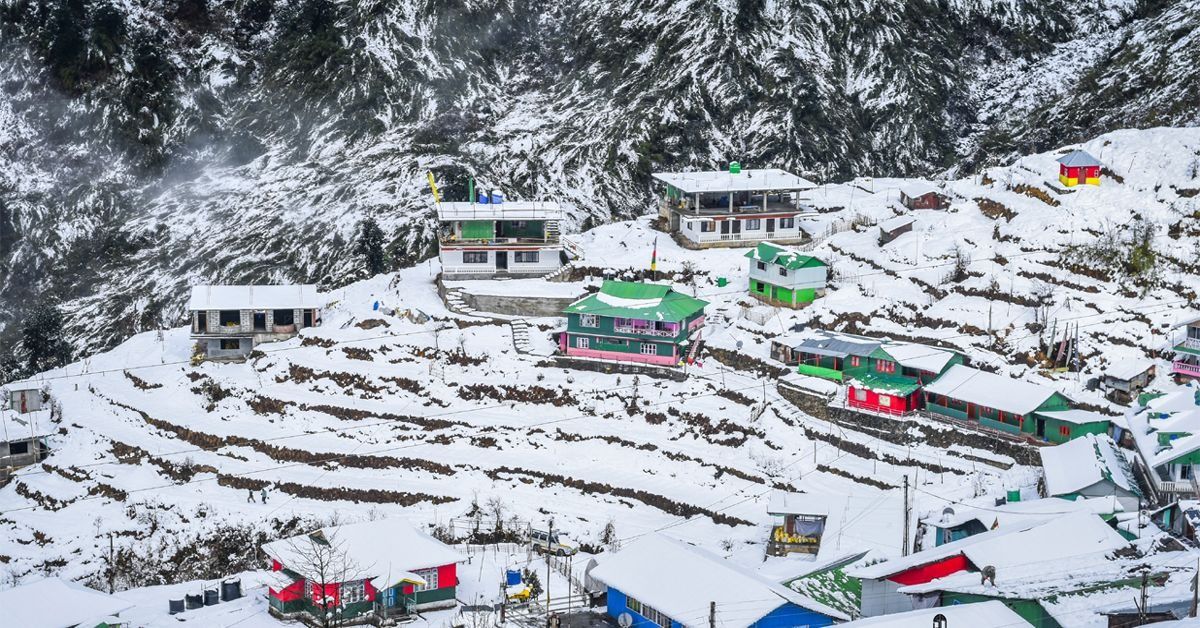
Drass is widely recognized as one of the coldest inhabited places in India. In severe winters, temperatures can fall dramatically below freezing, making it a benchmark name in cold-weather discussions.
| Drass Snapshot | What Travelers Should Know |
|---|---|
| Status | One of India’s coldest inhabited regions |
| Winter profile | Severe sub-zero conditions |
| Travel style | Weather-dependent and route-sensitive |
2. Siachen Glacier Region (Restricted for Civil Tourism)
Siachen is often cited in coldest-place lists because of extremely low temperatures and high-altitude conditions. However, this is a strategic military region and not a standard tourist destination. Travelers should not treat it as a casual trip target.
Use Siachen context for understanding climatic extremes, not for direct tourist planning.
3. Leh and High-Altitude Ladakh Belt
Leh experiences deep winter cold and remains a key destination for travelers seeking high-altitude winter landscapes. The major planning factors are oxygen adaptation, road reliability, and proper layering.
- Start with acclimatization before intense movement.
- Track weather and transport updates daily.
- Avoid overpacked itineraries in extreme cold windows.
4. Spiti Valley, Himachal Pradesh
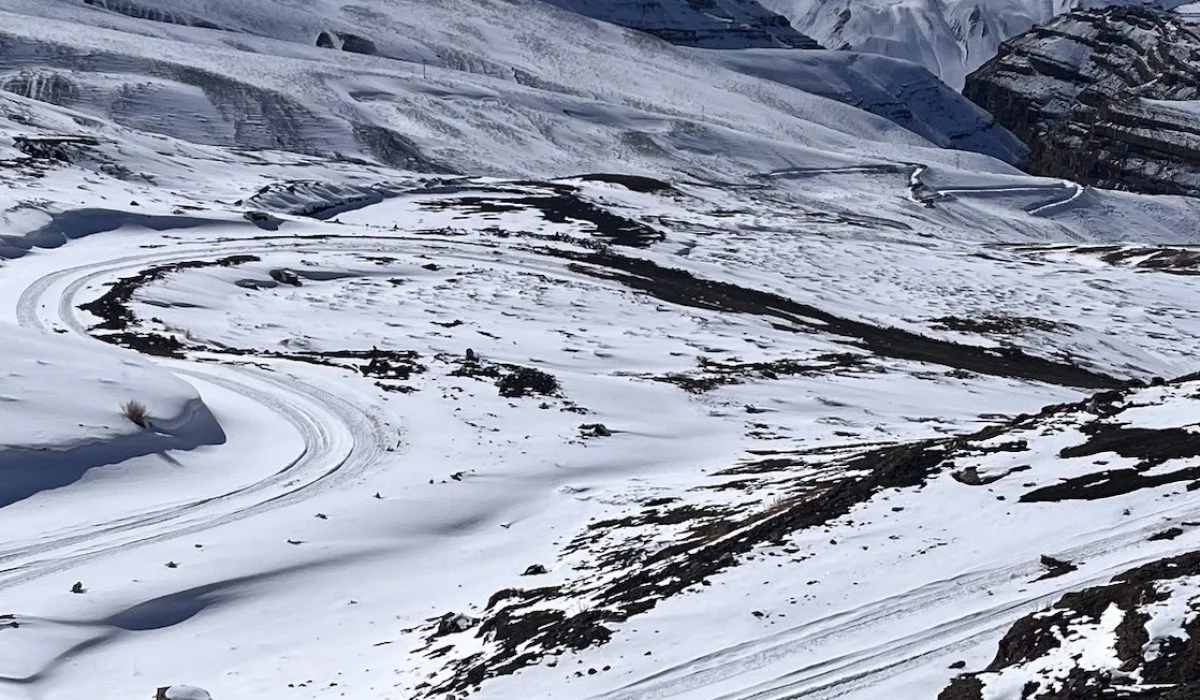
Spiti is a cold desert where winter conditions can be intense. It is highly attractive for experienced travelers but requires careful route and stay planning because weather can disrupt movement quickly.
5. Gulmarg and High Kashmir Winter Zones
Gulmarg is one of India’s best-known winter destinations, combining cold weather, snowfall, and tourism infrastructure. It is more accessible for many travelers than deeper extreme zones while still offering strong winter conditions.
6. Tawang and Northeast High-Altitude Cold Pockets
Tawang and nearby high passes can experience freezing conditions in winter, especially under snow systems. Route planning is essential due to mountain-road dependencies.
Temperature Reality: What “Coldest” Means for Travelers
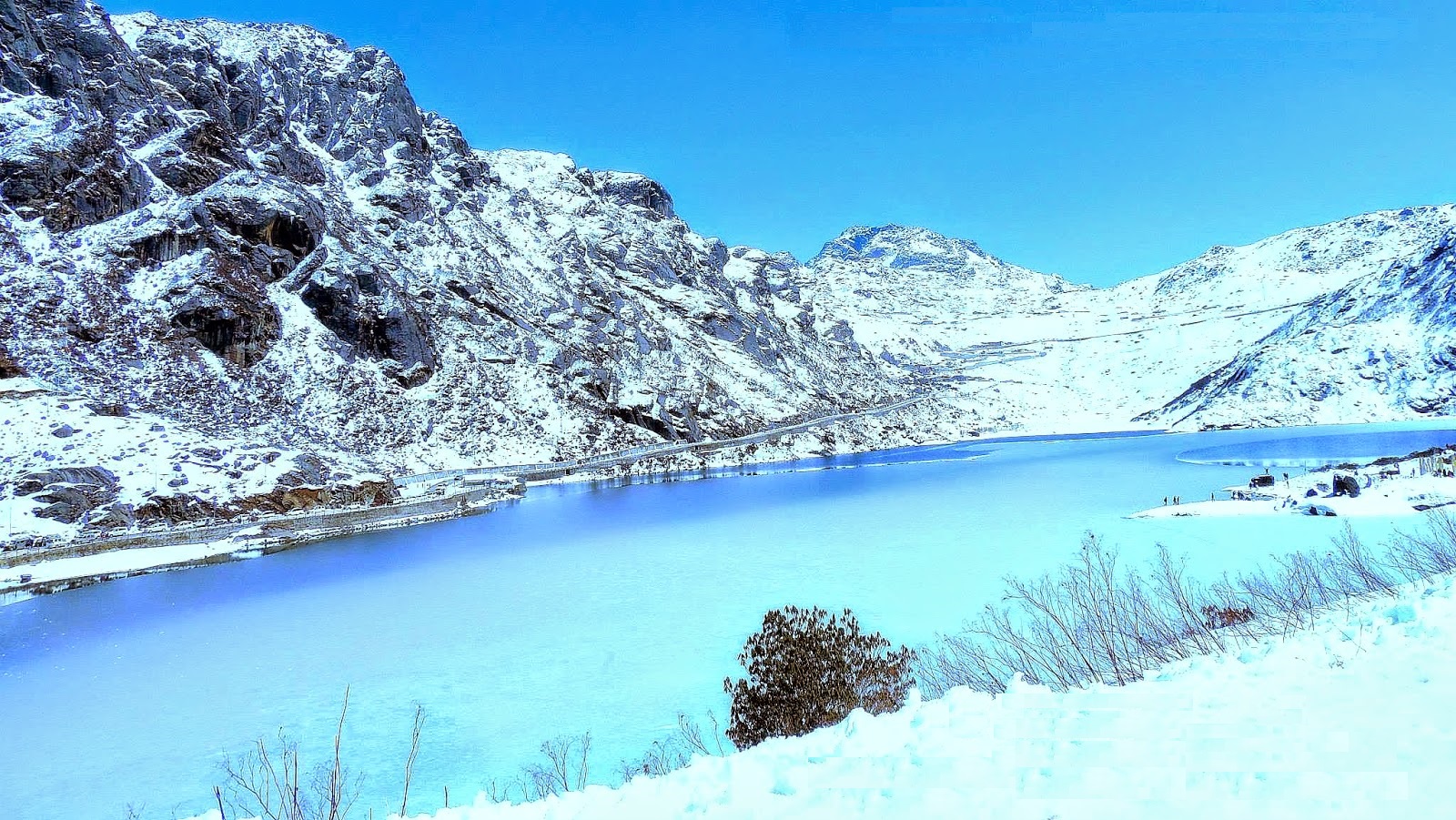
Many online lists mention lowest recorded extremes, but travel planning should focus on practical temperature bands during your exact travel window. A destination that recorded extreme lows in the past may still be manageable in shoulder season with proper preparation.
| Planning Metric | Why It Matters |
|---|---|
| Average seasonal range | Better for packing and activity planning |
| Wind chill impact | Real felt temperature can be much lower |
| Road and flight reliability | Decides whether itinerary is feasible |
| Altitude stress | Affects safety more than cold alone |
Best Time to Visit Cold Places in India
This depends on your goal. For extreme cold exposure, peak winter windows are relevant but risk-heavy. For balance between cold experience and safer movement, shoulder months are often better.
- Extreme seekers: deepest winter periods (high risk, high preparation).
- General travelers: late winter or shoulder-season cold windows.
- Families: avoid harshest periods unless logistics are very well controlled.
Packing Checklist for Extreme Cold Travel
- Layered thermal base + insulated mid-layer + weatherproof outer shell.
- Waterproof gloves, warm socks, and insulated footwear.
- Face and neck protection against wind chill.
- Hydration support and skin barrier products.
- Power backup and emergency essentials.
For destination-specific planning, review Best Time to Visit Himachal Pradesh and Best Time to Visit Ladakh.
Safety Rules You Should Not Ignore
- Never underestimate altitude and oxygen limits.
- Keep one flexible day for weather disruptions.
- Avoid driving long winter stretches without local updates.
- Do not push itinerary pace in severe cold windows.
Common Mistakes to Avoid
- Planning from old temperature headlines only.
- Packing for “cool weather” instead of deep cold.
- Ignoring acclimatization in high-altitude zones.
- Underestimating travel delays in winter.
Final Takeaway
The coldest places in India are extraordinary but demand realistic planning. Drass, high Ladakh, Spiti, and similar regions can offer unforgettable winter landscapes when approached with safety-first strategy, route flexibility, and proper cold-weather gear.
If your objective is a balanced winter trip rather than extreme survival conditions, choose destinations and dates that combine sub-zero experience with reliable access.
Location
Frequently Asked Questions
Q1.Which is the coldest place in India?
Q2.What is the lowest temperature context associated with India?
Q3.Is Siachen Glacier open to regular tourists?
Q4.Can tourists visit Drass Valley?
Q5.What is the best time to visit cold places in India?
Q6.How cold does Leh get in winter?
Q7.What should I pack for extreme cold travel in India?
Q8.Are these cold destinations accessible in winter?
Recommended For You
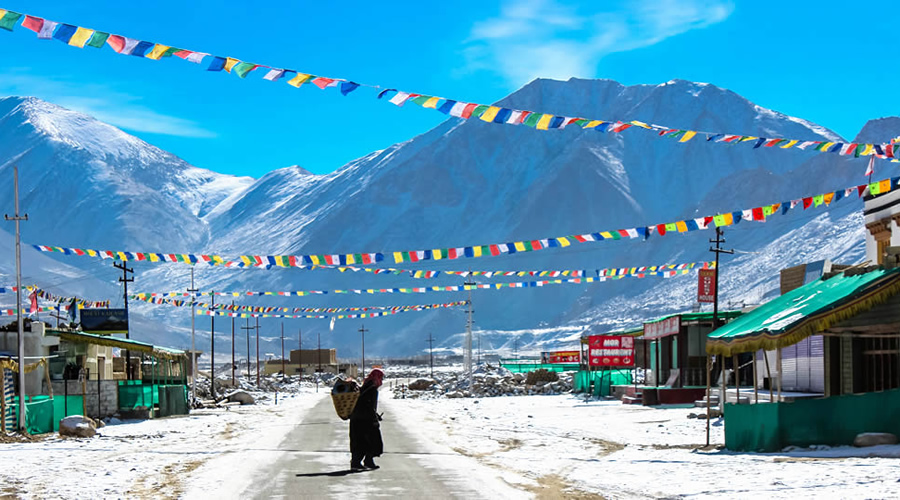
Ladakh in December: Weather, Road Status & Winter Experiences
Visit Ladakh in December. Weather, temperature, frozen lakes, snowfall, road conditions, accessible places & complete winter travel guide.
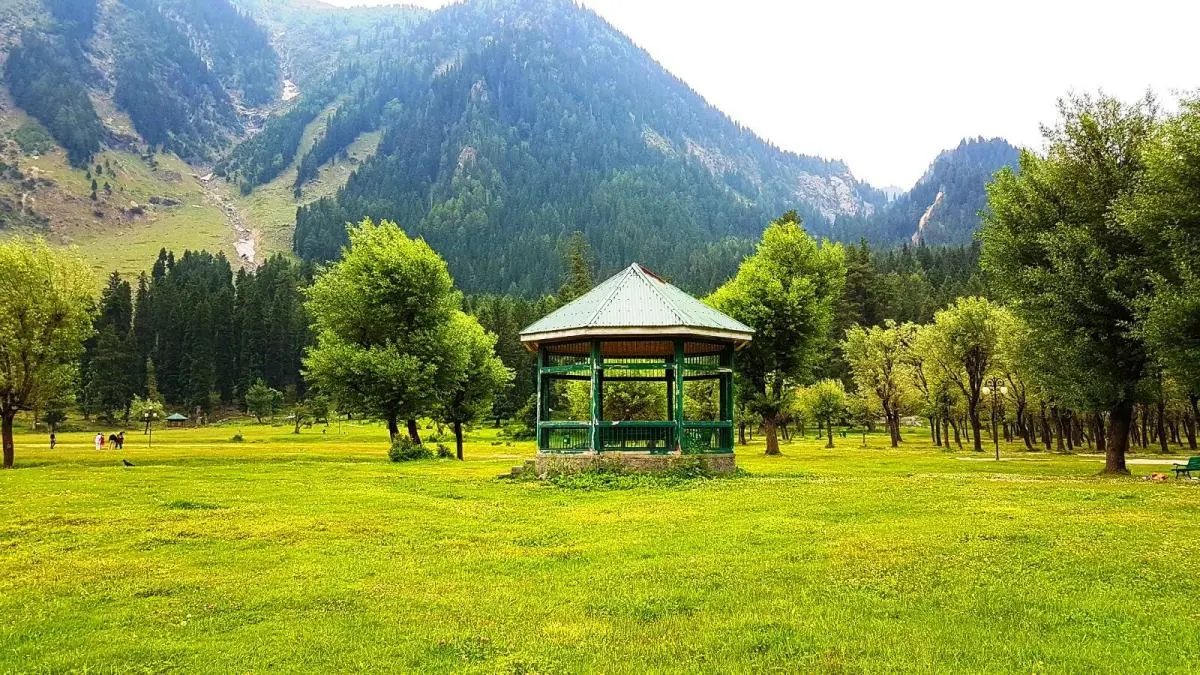
Kashmir in September: Weather, Places & Tips
Planning Kashmir in September? Get weather details, top places, things to do, packing tips, and practical itinerary advice for a smooth valley trip.
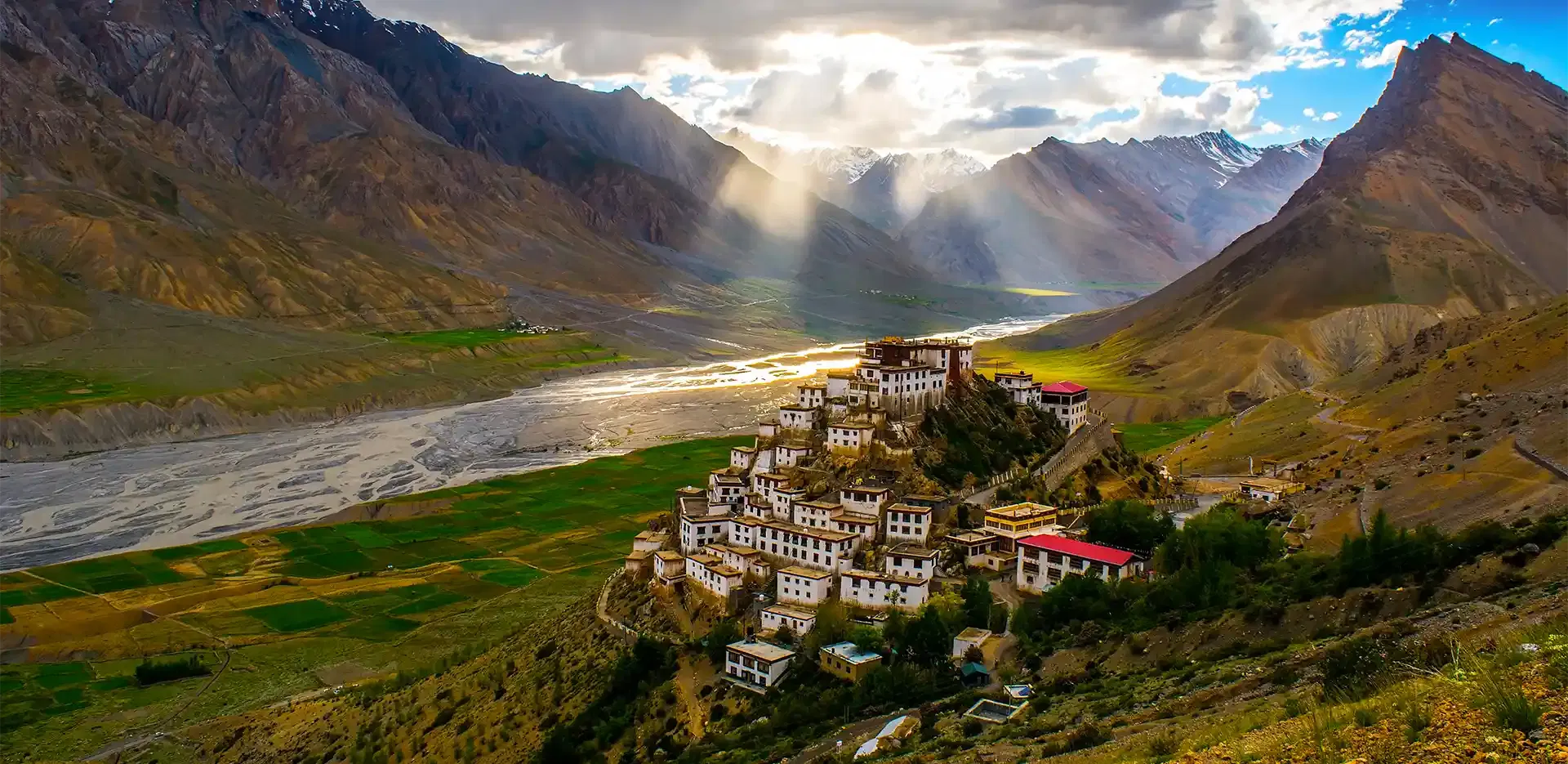
Spiti Valley Weather: Best Time To Visit And Conditions
Complete Spiti Valley weather guide with month-wise temperature, rainfall, and snowfall details. Best time to visit plus essential weather travel tips.
Never Miss an Adventure
Get the latest trekking guides, travel tips, and exclusive offers delivered straight to your inbox.
