
Suru Valley Ladakh: Route, Villages, Peaks & Travel Tips
Rohit Verma
January 23, 2026
Discover the pristine Suru Valley in Kargil, Ladakh. Explore monasteries, witness Nun-Kun peaks, experience traditional culture, and find trekking adventures in this fertile Himalayan valley.
Introduction to Suru Valley
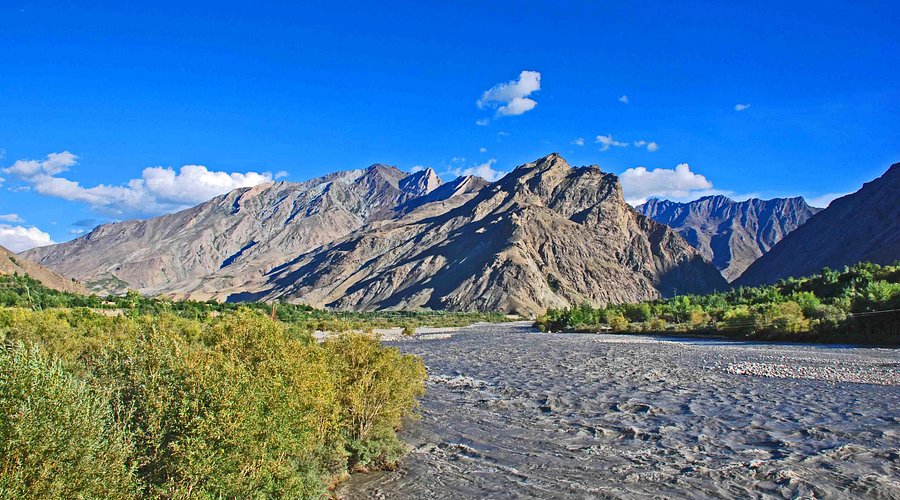
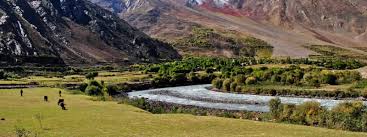
Tucked away in the Kargil district of Ladakh, Suru Valley stands as one of the most fertile and picturesque valleys in the entire region. Unlike the arid landscapes that dominate most of Ladakh, this verdant valley is nourished by the Suru River, creating a stunning contrast of lush greenery against towering brown mountains. For travelers seeking an offbeat Ladakhi experience away from the crowds of Leh and Nubra, Suru Valley offers a perfect blend of natural beauty, Buddhist culture, and adventure opportunities. The valley serves as the gateway to the remote Zanskar region and is dominated by the magnificent Nun-Kun mountain peaks, which rise to over 7,000 meters. What makes Suru Valley particularly special is its unique geography – it's one of the few regions in Ladakh that receives sufficient water to support extensive agriculture. The valley floor is dotted with traditional villages, barley fields, and ancient monasteries, while the backdrop features some of the most spectacular snow-capped peaks in the Himalayas.Geography & Location
Suru Valley is located in the Kargil district of Ladakh, approximately 60 kilometers from Kargil town. The valley stretches for about 130 kilometers, carved by the Suru River, which is a major tributary of the Indus River. The altitude of the valley ranges from 3,000 to 3,500 meters above sea level, making it relatively more accessible than some of the higher-altitude regions in Ladakh. The most prominent geographical features of the region are the Nun and Kun peaks – two majestic mountains that stand at 7,135 meters and 7,077 meters respectively. These twin peaks are among the most climbed mountains in India and serve as a stunning backdrop to the entire valley. The valley's terrain is remarkably fertile compared to other Ladakhi regions, with extensive cultivation of barley, wheat, and vegetables.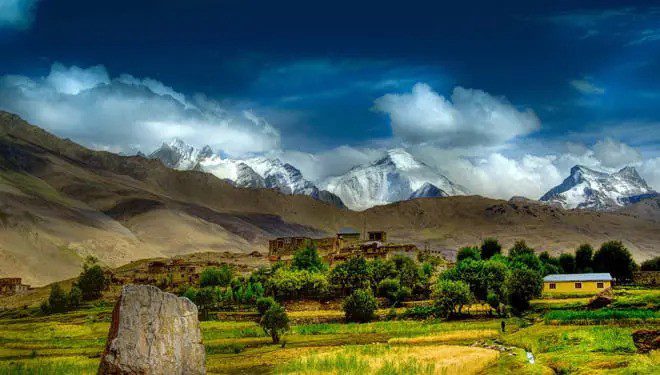 What sets Suru Valley apart from other Ladakhi valleys is its unique microclimate. The valley receives more water and has a relatively milder climate, which has allowed agriculture to flourish for centuries. As you travel through the valley, you'll notice the dramatic contrast between the fertile valley floor, the winding Suru River, and the stark brown mountains that rise abruptly on either side.
Best Time to Visit
The best time to visit Suru Valley is during the summer months from June to September when the valley is accessible and at its most beautiful. Each season offers a unique experience: June to July: This is when the valley is at its greenest. The barley fields are lush, wildflowers bloom across the valley floor, and the temperature is pleasant for exploration. Daytime temperatures typically range from 15-25°C, while nights can drop to 5-10°C. This is also the best time for photography as the clear skies offer stunning views of the Nun-Kun peaks. August to September: These months offer the clearest weather and the best mountain views. The harvest season begins in September, painting the valley in golden hues. This is also the prime time for trekking as the high passes are snow-free and the weather is stable. Roads remain open, and most facilities are fully operational.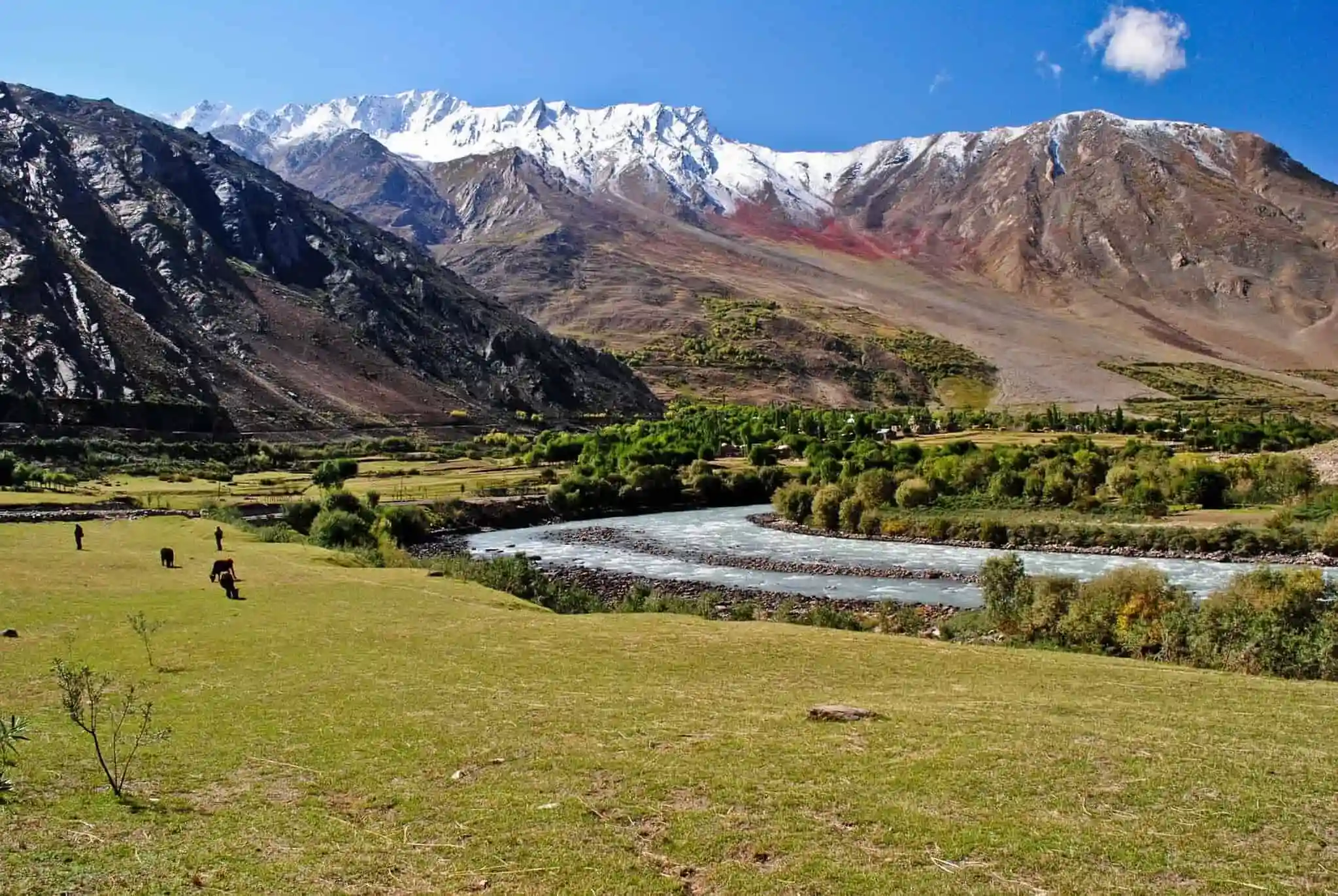 October: The autumn season brings a different charm to the valley. The temperatures begin to drop, and the valley transforms with autumn colors. This is less crowded but some facilities may start closing as winter approaches.
Winter (November to May): The valley experiences extremely cold winters with heavy snowfall. Most roads to the valley remain closed, and accommodation options are very limited. This period is not recommended for tourists unless you're prepared for extreme conditions.
October: The autumn season brings a different charm to the valley. The temperatures begin to drop, and the valley transforms with autumn colors. This is less crowded but some facilities may start closing as winter approaches.
Winter (November to May): The valley experiences extremely cold winters with heavy snowfall. Most roads to the valley remain closed, and accommodation options are very limited. This period is not recommended for tourists unless you're prepared for extreme conditions.
How to Reach Suru Valley
Reaching Suru Valley is an adventure in itself, with the journey offering stunning views of the Ladakhi landscape. Here are the different ways to reach this beautiful valley: From Kargil: The most common route to Suru Valley is from Kargil town, which is approximately 60 kilometers away. The drive takes about 2-3 hours and offers beautiful views of the surrounding mountains. The road condition is generally good, though there are some rough patches. Regular taxis and shared cabs are available from Kargil to Panikhar, the main town in Suru Valley. From Drass: You can also reach Suru Valley from Drass, which is about 80 kilometers away. This route takes approximately 3-4 hours and offers spectacular views of the Drass Valley and the surrounding mountains. Drass is known as one of the coldest inhabited places in the world, so be prepared for a dramatic change in landscape as you descend into the fertile Suru Valley.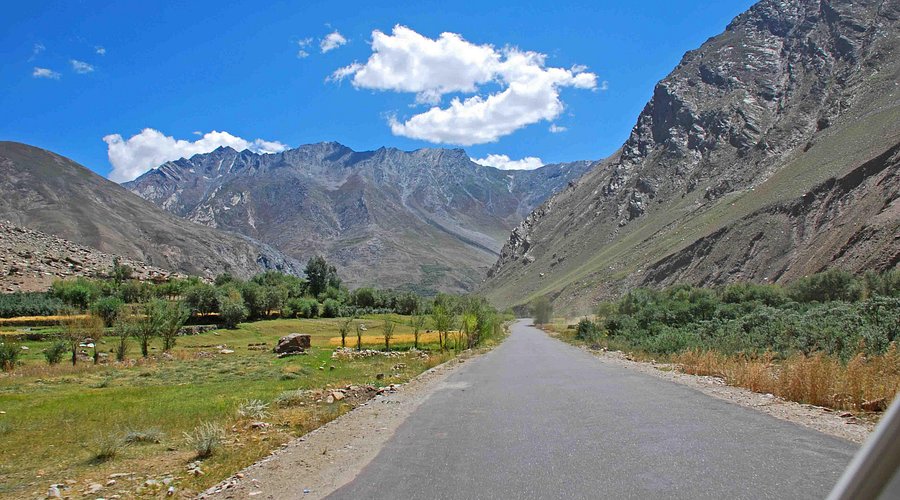 From Srinagar: If you're starting from Srinagar, the total distance is approximately 220 kilometers. The journey takes 8-10 hours, depending on road conditions and stops. The route follows: Srinagar → Sonamarg → Drass → Kargil → Suru Valley. This is one of the most scenic drives in India, passing through the famous Zoji La pass.
By Air: The nearest airport is in Srinagar, approximately 200 kilometers away. From Srinagar, you'll need to travel by road to reach Suru Valley. The airport is well-connected to major Indian cities like Delhi, Mumbai, and Jammu.
By Rail: The nearest railway station is Jammu Tawi, about 400 kilometers from Suru Valley. From Jammu, you can hire a taxi or take a bus to Srinagar and then continue to Suru Valley.
Permits: Unlike some other regions in Ladakh, Suru Valley does not require Inner Line Permits for Indian citizens. However, if you plan to trek further into Zanskar or certain restricted areas near the border, you may need permits. It's always advisable to check the latest permit requirements before planning your trip.
From Srinagar: If you're starting from Srinagar, the total distance is approximately 220 kilometers. The journey takes 8-10 hours, depending on road conditions and stops. The route follows: Srinagar → Sonamarg → Drass → Kargil → Suru Valley. This is one of the most scenic drives in India, passing through the famous Zoji La pass.
By Air: The nearest airport is in Srinagar, approximately 200 kilometers away. From Srinagar, you'll need to travel by road to reach Suru Valley. The airport is well-connected to major Indian cities like Delhi, Mumbai, and Jammu.
By Rail: The nearest railway station is Jammu Tawi, about 400 kilometers from Suru Valley. From Jammu, you can hire a taxi or take a bus to Srinagar and then continue to Suru Valley.
Permits: Unlike some other regions in Ladakh, Suru Valley does not require Inner Line Permits for Indian citizens. However, if you plan to trek further into Zanskar or certain restricted areas near the border, you may need permits. It's always advisable to check the latest permit requirements before planning your trip.
Places to Visit in Suru Valley
Suru Valley is home to several fascinating destinations that showcase the region's natural beauty, cultural heritage, and spiritual significance. Here are the must-visit places: Panikhar: The largest town in Suru Valley and the base camp for Nun-Kun expeditions, Panikhar is surrounded by stunning scenery. The town offers beautiful views of the Suru River and the surrounding mountains. It's an excellent place to experience traditional Ladakhi village life, with traditional mud-brick houses, barley fields, and friendly locals. There are several hotels and guesthouses here, making it a convenient place to stay. Panikhar is also the starting point for several treks and offers beautiful opportunities for short walks and nature exploration.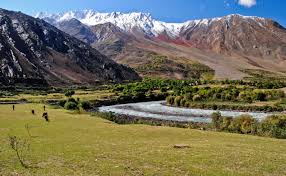 Parkachik Pass: At an altitude of 4,400 meters, Parkachik Pass is one of the highest motorable passes in the region. The pass offers spectacular views of the surrounding mountains, including the Nun-Kun peaks, and the Parkachik Glacier. On a clear day, you can see the glacier stretching down the mountain slopes. The pass is also a great spot for photography, with stunning views of the valley below. It's important to acclimatize properly before crossing this pass due to the high altitude.
Rangdum Monastery: Perched dramatically on a hilltop, this 18th-century monastery is one of the most visually striking monasteries in Ladakh. The monastery offers 360-degree panoramic views of the surrounding valley and mountains. Rangdum is situated at an altitude of 3,657 meters and serves as an important center of Buddhism in the region. The monastery houses ancient statues, thangkas, and manuscripts. The isolation of Rangdum adds to its spiritual atmosphere, and the views from the monastery are truly breathtaking.
Kartse Khar: This ancient monastery is famous for its large Buddha statue and ancient rock carvings. The monastery dates back several centuries and is of great historical and religious significance. The rock carvings around Kartse Khar are some of the finest in the region and offer insights into the Buddhist art and culture of the area. The monastery is located in a beautiful setting, with views of the valley and surrounding mountains.
Mulbekh: Located on the way to Suru Valley from Kargil, Mulbekh is famous for its 9-meter tall Maitreya Buddha statue carved into a rock face. This ancient statue dates back to the 8th century and is a remarkable example of Buddhist art. The statue is visible from the highway and is one of the most photographed landmarks in the region. Mulbekh also has a small monastery and offers beautiful views of the surrounding area.
Shargole Monastery: This small but significant monastery is built into a cliff face, making it unique among Ladakhi monasteries. The monastery features ancient murals and offers beautiful views of the valley. The cliff-side location makes for dramatic photography, especially during sunset when the light hits the monastery walls.
Sankoo: A beautiful village known for its green valley and traditional Ladakhi houses, Sankoo offers a peaceful atmosphere and is perfect for experiencing authentic village life. The village is surrounded by willow and poplar trees, and there are several short walks you can take in the surrounding area. It's an excellent place to relax and soak in the peaceful atmosphere of Suru Valley.
Parkachik Pass: At an altitude of 4,400 meters, Parkachik Pass is one of the highest motorable passes in the region. The pass offers spectacular views of the surrounding mountains, including the Nun-Kun peaks, and the Parkachik Glacier. On a clear day, you can see the glacier stretching down the mountain slopes. The pass is also a great spot for photography, with stunning views of the valley below. It's important to acclimatize properly before crossing this pass due to the high altitude.
Rangdum Monastery: Perched dramatically on a hilltop, this 18th-century monastery is one of the most visually striking monasteries in Ladakh. The monastery offers 360-degree panoramic views of the surrounding valley and mountains. Rangdum is situated at an altitude of 3,657 meters and serves as an important center of Buddhism in the region. The monastery houses ancient statues, thangkas, and manuscripts. The isolation of Rangdum adds to its spiritual atmosphere, and the views from the monastery are truly breathtaking.
Kartse Khar: This ancient monastery is famous for its large Buddha statue and ancient rock carvings. The monastery dates back several centuries and is of great historical and religious significance. The rock carvings around Kartse Khar are some of the finest in the region and offer insights into the Buddhist art and culture of the area. The monastery is located in a beautiful setting, with views of the valley and surrounding mountains.
Mulbekh: Located on the way to Suru Valley from Kargil, Mulbekh is famous for its 9-meter tall Maitreya Buddha statue carved into a rock face. This ancient statue dates back to the 8th century and is a remarkable example of Buddhist art. The statue is visible from the highway and is one of the most photographed landmarks in the region. Mulbekh also has a small monastery and offers beautiful views of the surrounding area.
Shargole Monastery: This small but significant monastery is built into a cliff face, making it unique among Ladakhi monasteries. The monastery features ancient murals and offers beautiful views of the valley. The cliff-side location makes for dramatic photography, especially during sunset when the light hits the monastery walls.
Sankoo: A beautiful village known for its green valley and traditional Ladakhi houses, Sankoo offers a peaceful atmosphere and is perfect for experiencing authentic village life. The village is surrounded by willow and poplar trees, and there are several short walks you can take in the surrounding area. It's an excellent place to relax and soak in the peaceful atmosphere of Suru Valley.
Monasteries & Culture
The cultural landscape of Suru Valley is deeply rooted in Tibetan Buddhism, and the valley is home to several important monasteries that serve as centers of spiritual life. These monasteries, or gompas, are not just places of worship but also repositories of ancient art, culture, and knowledge. Buddhism is the main religion in Suru Valley, and the influence of Tibetan Buddhist culture is evident in every aspect of life here. The monasteries are decorated with colorful prayer flags, thangkas (Buddhist paintings), and statues of various deities. The sound of monks chanting and the spinning of prayer wheels are common sights and sounds in the valley. The people of Suru Valley are known for their warmth and hospitality. Most of the population follows Buddhism, and you'll see traditional prayer wheels, chortens (stupas), and mani walls (stones engraved with Buddhist prayers) throughout the valley. The main languages spoken are Ladakhi and Balti, though many people also understand Hindi and English. The architecture in Suru Valley is distinctly Ladakhi, with houses built of mud bricks and wood, designed to withstand the harsh winters. Traditional houses often have a central hearth and intricate woodwork around the windows and doors. The agricultural practices here have remained largely unchanged for centuries, with barley being the main crop, along with wheat, vegetables, and fruits. Festivals are an important part of life in Suru Valley. Traditional Buddhist festivals are celebrated with great enthusiasm, featuring masked dances, music, and community feasts. These festivals are not just religious events but also important social occasions that bring the community together. Local handicrafts in Suru Valley include weaving, pottery, and metalwork. The region is known for its beautiful woolen carpets, shawls, and other textiles. Many families supplement their agricultural income through these traditional crafts, keeping alive skills that have been passed down through generations.Trekking Opportunities
Suru Valley is a paradise for trekkers, offering routes that range from easy village walks to challenging high-altitude expeditions. The valley serves as a gateway to Zanskar and offers some of the most scenic treks in Ladakh. Panikhar to Padam Trek: This is the classic Zanskar trek, taking you from Suru Valley into the remote Zanskar region. The trek duration is 5-7 days and involves crossing the Umasi La pass at 5,300 meters. The difficulty level is moderate to challenging, requiring good fitness and proper acclimatization. The trek offers stunning views of glaciers, high-altitude lakes, and remote villages. You'll experience dramatic changes in landscape, from the green Suru Valley to the arid Zanskar region. Nun-Kun Base Camp Trek: For those interested in mountaineering, the Nun-Kun base camp trek is a must. This 7-10 day trek takes you to the base of these magnificent peaks and offers stunning views of the surrounding glaciers and valleys. The difficulty level is challenging, and previous trekking experience is recommended. The trek passes through beautiful meadows, high-altitude passes, and offers spectacular views of the Nun-Kun massif. Suru Valley Circuit: Perfect for those who want a cultural experience rather than a challenging trek, this 3-4 day trek connects various villages in Suru Valley. The difficulty is easy to moderate, making it suitable for beginners. The trek offers an opportunity to experience traditional Ladakhi village life, stay in homestays, and enjoy the beautiful valley landscape. You'll pass through barley fields, willow groves, and small villages where time seems to have stood still. Rangdum to Padam: This 4-5 day trek is an alternative route into Zanskar and offers a remote and pristine experience. The terrain is challenging, and you should be prepared for rugged conditions. The trek takes you through some of the most isolated and beautiful landscapes in the region, with stunning views of snow-capped peaks and glaciers. Best Season for Trekking: July and August are the best months for trekking in Suru Valley. During this time, the passes are snow-free, the weather is relatively stable, and the valley is lush and green. However, be prepared for sudden weather changes, as mountain weather can be unpredictable. Guides and Permits: While some treks can be done independently, it's recommended to hire a guide for most routes, especially if you're trekking into Zanskar. Guides not only help with navigation but also provide valuable insights into the local culture and environment. Permits may be required for some routes, particularly those going near the border or into restricted areas. Check with local authorities or your trekking agency for the latest permit requirements.Accommodation Options
Accommodation in Suru Valley ranges from basic guesthouses to homestays, offering travelers a chance to experience authentic Ladakhi hospitality. While the options are not as luxurious as in Leh, they are comfortable and offer a unique opportunity to connect with the local culture. Panikhar: As the main town in Suru Valley, Panikhar has the best accommodation options. There are several hotels and guesthouses offering basic facilities. Most places offer comfortable rooms with attached bathrooms, and some have restaurants serving local Ladakhi food. The prices are budget-friendly, typically ranging from ₹500 to ₹2,000 per night. It's advisable to carry cash as card payment facilities may not be available in all places. Homestays: For a more authentic experience, consider staying in homestays in the various villages of Suru Valley. Homestays are available in places like Sankoo, Panikhar, and other smaller villages. Staying with a local family gives you a glimpse into traditional Ladakhi life and culture. The facilities are basic, with shared bathrooms and simple meals, but the warmth and hospitality of the hosts more than make up for it. Homestays typically cost between ₹500 and ₹1,000 per night, including meals. Kargil: If you prefer more comfortable accommodation, you can stay in Kargil, which is 2-3 hours from Suru Valley. Kargil has a better range of hotels with more facilities, including hot water, better restaurants, and more comfortable rooms. Many travelers choose to stay in Kargil and do day trips to Suru Valley. However, this means more travel time and less time to explore the valley at a leisurely pace. Camping: Camping is possible in Suru Valley, and there are many beautiful campsites, especially along the Suru River. However, you'll need to carry your own camping gear and be prepared for basic facilities with no amenities. Camping allows you to wake up to stunning views of the valley and mountains, but it's important to practice responsible camping and leave no trace. Make sure to camp at least 200 meters away from water sources and respect the local environment. Booking: Advance booking is not essential except during the peak season in July and August. However, it's always a good idea to call ahead and check availability, especially if you're traveling during a festival or holiday period. Many places can be contacted through phone, and some trekking agencies can help arrange accommodation as part of a trekking package.Things to Do in Suru Valley
Suru Valley offers a range of activities for travelers, from adventure sports to cultural experiences. Here are some of the top things to do during your visit: Photography: With its stunning landscapes, traditional villages, and ancient monasteries, Suru Valley is a photographer's paradise. The contrast between the green valley floor and the brown mountains, the dramatic light at sunrise and sunset, and the colorful prayer flags against the blue sky make for incredible photographs. The villages with their traditional houses, the barley fields, and the Suru River winding through the valley all offer excellent photo opportunities. Monastery Visits: Visiting the monasteries in Suru Valley is a must-do activity. Each monastery has its own unique charm and history. Spend time exploring the monasteries, talking to the monks, and understanding the Buddhist philosophy. The monasteries are not just tourist attractions but living centers of culture and spirituality. Remember to dress modestly and respect the religious nature of these places. Village Walks: One of the best ways to experience Suru Valley is to simply walk through the villages. Explore the narrow lanes, admire the traditional architecture, observe the daily life of the villagers, and interact with the friendly locals. You'll see farmers tending to their fields, women spinning wool, and children playing. These walks offer a genuine insight into life in rural Ladakh. Nature Walks: There are several pleasant trails around the villages that offer beautiful views of the valley and mountains. These walks range from easy strolls along the river to more challenging hikes up the hillsides. Spring and early summer are particularly beautiful, with wildflowers blooming across the valley floor. Birdwatching: Suru Valley is home to several species of Himalayan birds. Birdwatchers can spot various species of finches, buntings, and raptors. The wetlands along the Suru River are particularly good for birdwatching. Carry a good pair of binoculars and a bird identification guide if you're interested in birdwatching. Stargazing: With minimal light pollution, Suru Valley offers excellent stargazing opportunities. On clear nights, the sky is filled with countless stars, and if you're lucky, you might even see the Milky Way. September and October offer the clearest skies for stargazing. Riverside Camping: Camping along the Suru River is a magical experience. The sound of the river, the starlit sky, and the fresh mountain air make for a memorable night. Just make sure to practice responsible camping and leave no trace. Mountain Views: Simply sitting and admiring the Nun-Kun peaks is an activity in itself. Whether you're watching the peaks glow at sunrise or seeing them reflect the golden light of sunset, the mountains are a constant source of wonder and inspiration. Cultural Interaction: The people of Suru Valley are warm and welcoming. Take the time to interact with them, learn about their culture and traditions, and share stories. Whether it's sharing a cup of butter tea with a local family or watching a traditional festival, these interactions will be among the most memorable parts of your trip. Relaxation: Above all, Suru Valley is the perfect place to relax and unwind. Far from the crowds and noise of popular tourist destinations, the peaceful atmosphere of the valley allows you to slow down, disconnect from the busy world, and reconnect with nature.Practical Travel Tips
To make the most of your visit to Suru Valley, keep these practical tips in mind: Fitness: While Suru Valley is not as high as some other parts of Ladakh, basic fitness is required to enjoy the trekking and walking opportunities. If you plan to do any serious trekking, prepare yourself with regular exercise before your trip. Altitude: The valley is at an altitude of 3,000-3,500 meters, which can cause altitude sickness. Acclimatize properly by taking it easy for the first couple of days, staying hydrated, and avoiding alcohol. If you experience symptoms of altitude sickness, rest and descend if necessary. Clothing: Layered clothing is essential due to the variation in temperature between day and night. Even in summer, nights can be quite cold. Carry a warm jacket, comfortable walking shoes, a hat, and sunglasses. The sun can be strong during the day, so don't forget sunscreen. Medicines: Carry a basic medical kit with medicines for headaches, stomach problems, and altitude sickness. If you have any specific medical conditions, carry sufficient medication and a copy of your prescription. Cash: Carry sufficient cash as ATMs are only available in Kargil. Most places in Suru Valley do not accept cards or digital payments. Network: Mobile connectivity is limited in Suru Valley. BSNL and Jio may have some coverage in certain areas, but don't rely on staying connected. Consider informing your family and friends beforehand that you may be out of touch for a few days. Fuel: If you're driving, fill up your tank in Kargil as there are no fuel stations in Suru Valley. Carry extra fuel if you plan to explore remote areas. Respect: Respect local customs and traditions. Dress modestly, especially when visiting monasteries. Ask for permission before taking photographs of people or religious sites. Environment: Help keep the valley clean by not littering. Carry your trash back with you and dispose of it properly. Respect the fragile ecosystem and don't disturb wildlife or damage vegetation. Travel Insurance: Consider getting travel insurance that covers high-altitude travel and medical emergencies, especially if you plan to do any trekking.Exploring Nearby Destinations
While Suru Valley is beautiful in itself, combining your visit with nearby destinations can enhance your Ladakh experience. The valley serves as a perfect base for exploring other regions of Kargil district and beyond. The Kargil War Memorial is a significant landmark located approximately 60 kilometers from Suru Valley. This memorial pays tribute to the soldiers who sacrificed their lives during the Kargil War and offers a moving experience. The memorial is well-maintained and provides insights into the 1999 Kargil conflict. A visit here helps you understand the strategic importance of this region and the sacrifices made to protect it. For those interested in Buddhist culture, visiting the monasteries of Ladakh is highly recommended. While Suru Valley has its own beautiful monasteries, the region is home to many more ancient gompas, each with its own unique history and significance. The monasteries in Ladakh are not just places of worship but also repositories of ancient art, culture, and knowledge. Adventurous travelers might want to explore the Zanskar Valley, which is accessible through Suru Valley. Zanskar is one of the most remote and pristine regions in the Himalayas, offering spectacular landscapes, ancient monasteries, and challenging treks. The journey from Suru Valley to Zanskar takes you through some of the most dramatic scenery in the Himalayas.Conclusion
Suru Valley offers a unique and authentic Ladakhi experience that is very different from the more popular tourist destinations in the region. With its fertile landscapes, ancient monasteries, stunning mountain views, and warm hospitality, it's a destination that rewards those who make the effort to visit. Whether you're a nature lover, a culture enthusiast, or an adventure seeker, Suru Valley has something to offer you. As you plan your trip to this beautiful valley, remember to respect the local culture and environment, acclimatize properly to the altitude, and take the time to slow down and appreciate the peace and beauty of this special place. Suru Valley is not just a destination to check off your list – it's a place to experience, connect with, and remember. So pack your bags, prepare for an adventure, and get ready to discover one of Ladakh's most beautiful and least explored valleys. Suru Valley is waiting to welcome you with open arms, stunning scenery, and experiences that will stay with you long after you've returned home.Location
Frequently Asked Questions
Q1.What is the best time to visit Suru Valley?
Q2.How many days are needed for Suru Valley?
Q3.Do we need permits for Suru Valley?
Q4.What can we see in Suru Valley?
Q5.Is Suru Valley worth visiting?
Q6.How to reach Suru Valley?
Q7.Are there hotels in Suru Valley?
Q8.Is Suru Valley safe for tourists?
Recommended For You
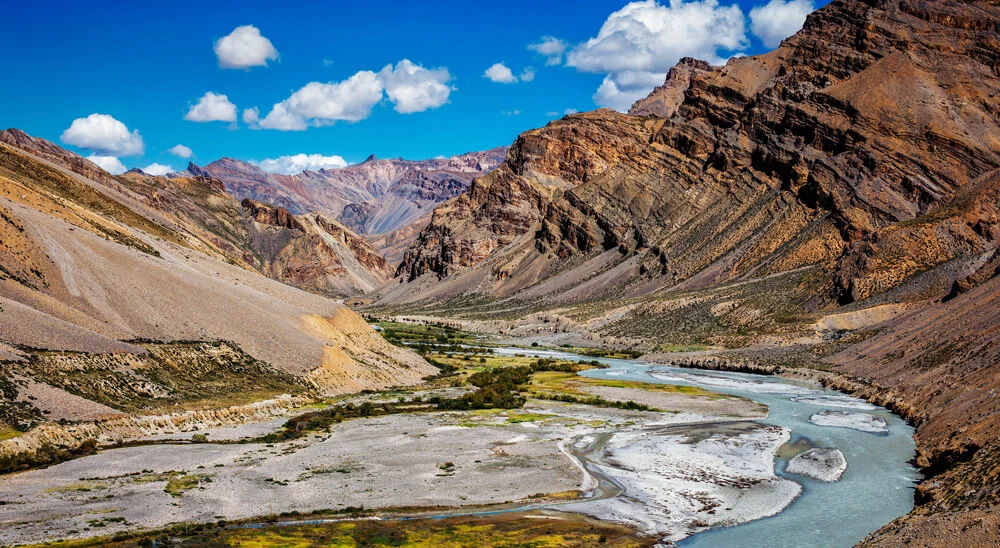
Zanskar Valley Activities: Trekking, Rafting & Adventure Highlights
Discover thrilling Zanskar Valley activities including the legendary Chadar Trek, river rafting, high-altitude trekking, monastery exploration, and wildlife spotting. Complete adventure guide with best time to visit, preparation tips, and practical information.
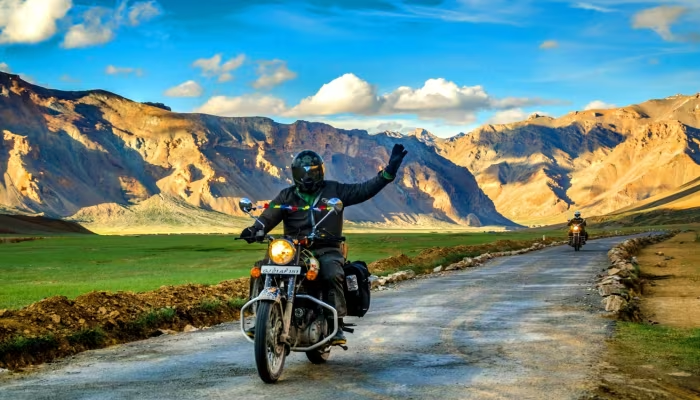
Leh to Kargil Bike Trip: Route, Distance, Passes & Tips
Leh to Kargil bike trip guide with route, 218 km distance, pass details, stop planning, road conditions, and practical ride tips for safe highway travel.
Kargil Trip Guide: How to Plan, Best Time & Places to Visit
Complete Kargil trip guide covering best time to visit, how to reach, places to visit, accommodation, things to do, cost, and practical tips for traveling to this historic Ladakhi town.
Never Miss an Adventure
Get the latest trekking guides, travel tips, and exclusive offers delivered straight to your inbox.
