
50 Best Places to Visit in India: Region-Wise Bucket List

Ananya Sharma
December 19, 2025
Discover the best places to visit in India by region, season, and travel style with a complete guide covering mountains, beaches, heritage, wildlife, and islands.
Introduction: Why India Deserves More Than a One-City Trip
If you are searching for places to visit in India, the biggest challenge is not finding options, it is choosing the right mix of regions, seasons, and trip pace. India offers Himalayan landscapes, tropical beaches, temple towns, wildlife reserves, desert culture, colonial architecture, tea-country hills, and island escapes in one country. That diversity is exactly what makes planning difficult for first-time visitors and even repeat travelers.
A practical India itinerary starts with your travel season and your trip style. In summer, hill regions perform better than plains. In monsoon, some landscapes become lush while others become logistically slower. In winter, most circuits are comfortable and connected. This guide is built to help you select destinations by region, understand when each zone works best, and avoid common routing mistakes that waste time and budget.
Use this as a national blueprint: pick 2 to 3 zones for one trip instead of trying to cover everything at once.
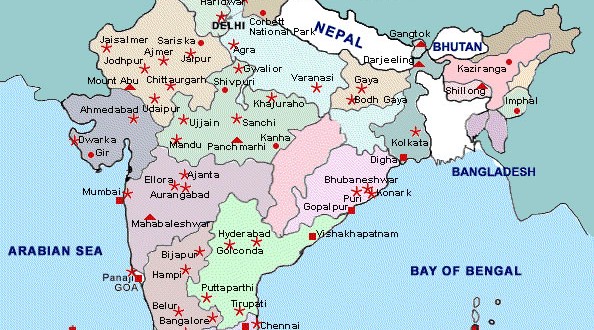
India at a Glance: Best Regions by Travel Goal
| Travel Goal | Best Regions | Ideal Season |
|---|---|---|
| Mountains and cool weather | Ladakh, Himachal, Uttarakhand, Sikkim | April to June, September to October |
| Beach and coastal holidays | Goa, Kerala coast, Andaman | October to March |
| Heritage and forts | Rajasthan, Delhi, Agra, Hampi | October to March |
| Temple and spiritual circuits | Varanasi, Rishikesh, Madurai, Puri, Tirupati | Year-round with seasonal adjustments |
| Wildlife and safaris | Madhya Pradesh, Assam, Rajasthan | November to April |
North India: Himalayas, Heritage, and Pilgrimage Routes
North India is one of the most popular starting points because it combines famous landmarks with mountain access. Travelers can experience Mughal-era architecture, Sikh heritage, river-front spirituality, and Himalayan towns in one broader zone. The key here is to avoid overloading the itinerary with long road transfers. Pair city clusters and mountain clusters separately.
Top places in North India
- Kashmir: Srinagar houseboats, Gulmarg meadows, and high-altitude valleys for scenic travel.
- Ladakh: Pangong Lake, Nubra Valley, monasteries, and high mountain roads for adventure-focused plans.
- Himachal Pradesh: Manali, Shimla, Spiti, and Dharamshala for hill stations and long mountain stays.
- Uttarakhand: Rishikesh, Nainital, Auli, and valley circuits for yoga, nature, and family travel.
- Uttar Pradesh: Agra, Varanasi, and Lucknow for heritage, food, and sacred river culture.
- Delhi and Jaipur corridor: Best for first-time travelers who want monuments and culture in shorter trips.
For seasonal planning, see places to visit in Kashmir in May and align mountain travel with road and weather windows.
North India planning tips
- Keep at least one acclimatization day for high-altitude routes in Ladakh.
- Use trains or short flights for city transfers; use road only for short scenic sectors.
- In winter, verify weather advisories before committing mountain road plans.
South India: Temples, Backwaters, and Slow-Travel Comfort
South India is ideal for travelers who want a culturally rich but less rushed itinerary. The region offers temple architecture, hill retreats, coffee-country landscapes, and long coastal belts with better road quality on many major routes. Food diversity is another strong reason to spend more time here, since each state offers distinct local cuisine.
Top places in South India
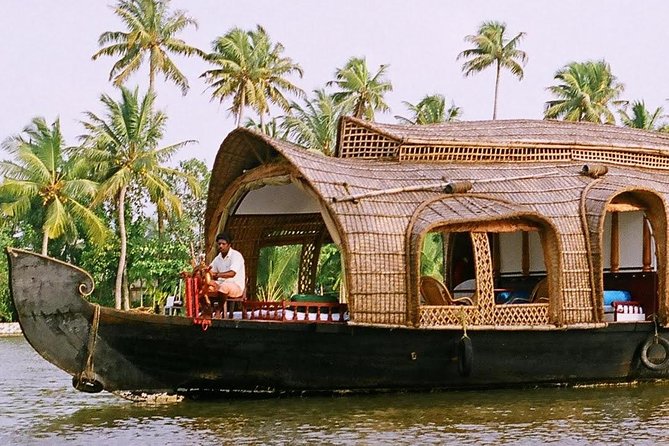
- Kerala: Munnar, Alleppey, Wayanad, and Varkala for backwaters, hills, and calm beach stays.
- Tamil Nadu: Chennai, Madurai, Rameswaram, Ooty, and Kodaikanal for temples and hill escapes.
- Karnataka: Bengaluru, Mysuru, Coorg, and Hampi for heritage plus nature balance.
- Andhra Pradesh and Telangana: Tirupati, Araku Valley, Hyderabad for pilgrimage and city culture.
- Puducherry: Seafront cafes, French quarters, and easy weekend pacing.
If you are planning a rainy-season escape, use places to visit Kerala in monsoon for practical destination selection.
Why South India works for families
- Flexible hotel categories from budget to premium in major circuits.
- Strong train and flight connectivity between metro hubs.
- Many destinations support 2-3 night stays without daily packing and transit fatigue.
East and Northeast India: Culture, Rainforest Landscapes, and Offbeat Depth
Eastern India and the Northeast are often underplanned, but this region delivers some of the most rewarding travel experiences in the country. Expect tea estates, waterfalls, monsoon-green valleys, Buddhist monasteries, tribal culture, and slower but beautiful road journeys. Compared with high-footfall destinations, this zone is better for travelers who want fewer crowds and deeper local experiences.
Top places in East India
- Kolkata: Colonial history, literature trails, old markets, and iconic Bengali cuisine.
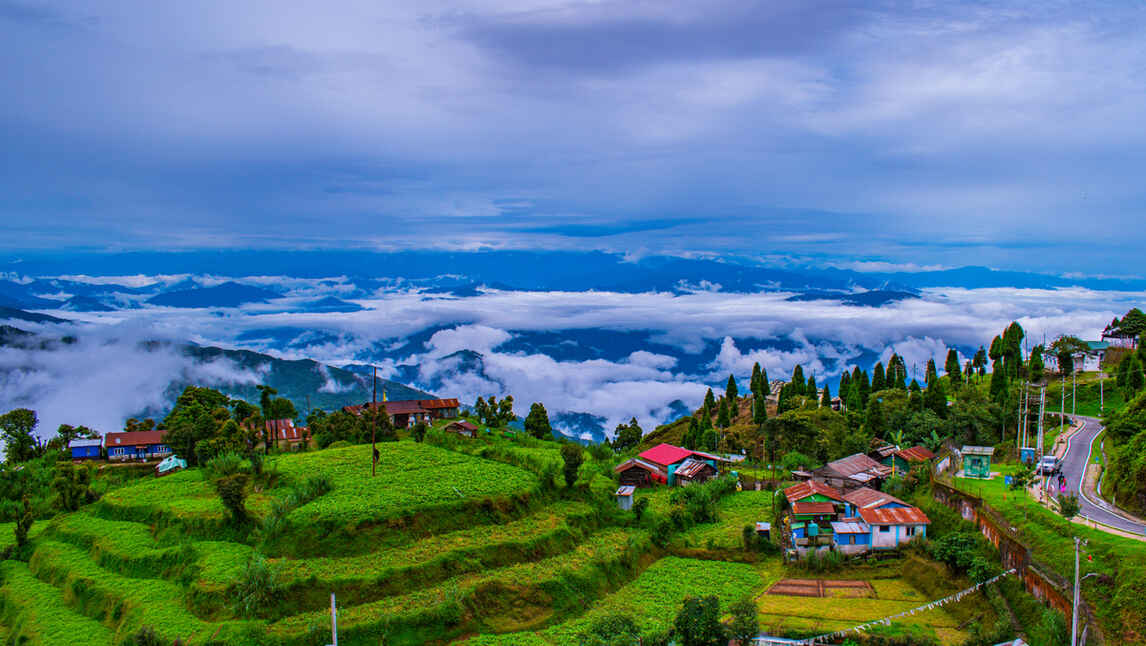
- Darjeeling and Kalimpong: Himalayan views, toy train heritage, tea gardens.
- Odisha: Puri, Konark, Bhubaneswar for beaches, temples, and heritage circuits.
- Bodh Gaya: International Buddhist pilgrimage destination with historical depth.
Top places in Northeast India
- Meghalaya: Shillong, Cherrapunji, living root bridges, cave routes, and waterfalls.
- Assam: Kaziranga wildlife, Brahmaputra river culture, tea estates.
- Sikkim: Gangtok, Tsomgo Lake, mountain monasteries, scenic alpine roads.
- Arunachal Pradesh: Tawang region for monasteries, mountain passes, and remote landscapes.
For destination extensions in this region, check places to visit in Odisha and places to visit in Arunachal Pradesh.
West India: Fort Cities, Beaches, Desert Landscapes, and Urban Energy
West India works well for travelers who want a mix of heritage sightseeing and modern city experiences. You can pair beach routes with fort towns, business cities with weekend hill escapes, and festival travel with food-led itineraries. This region is logistically easier for multi-stop plans due to major airports and rail hubs.
Top places in West India
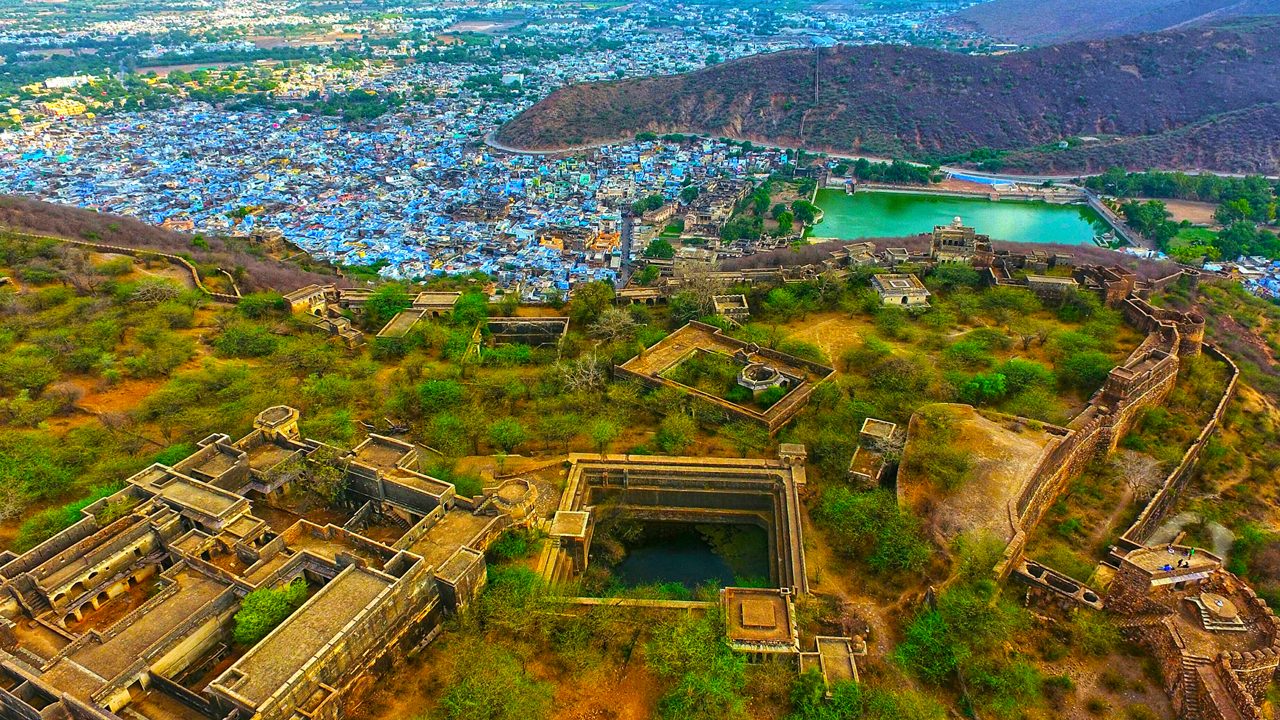
- Rajasthan: Jaipur, Udaipur, Jodhpur, Jaisalmer for forts, palaces, and desert circuits.
- Goa: Beaches, water sports, nightlife, Portuguese heritage pockets.
- Mumbai: Coastal city energy, historic districts, culinary depth.
- Gujarat: Rann of Kutch, Gir National Park, heritage cities and temple routes.
- Maharashtra interiors: Ajanta-Ellora, Nashik, hill getaways and vineyards.
Monsoon travelers can use places to visit Rajasthan in monsoon for greener alternatives to summer desert routes, and coastal planners can review places to visit in Goa in August.
Route logic for West India
- Keep Mumbai and Goa in one coastal arc; keep Rajasthan as a separate inland heritage arc.
- Avoid combining deep Kutch and short urban weekend plans in one rushed schedule.
- In peak holiday windows, pre-book intercity transport early.
Central India: Wildlife Reserves, Ancient Sites, and Low-Crowd Discovery
Central India is usually overlooked by first-time travelers, yet it is one of the best regions for wildlife and historical depth. If your trip priorities include tiger reserves, ancient architecture, and lower crowd density, central circuits can be highly rewarding. Distances can be long, so choose fewer parks and spend more nights in each base town.
Top places in Central India
- Madhya Pradesh: Kanha, Bandhavgarh, Pench, and Satpura for safari-focused journeys.
- Khajuraho: Temple architecture and UNESCO-recognized cultural heritage.
- Sanchi and Bhimbetka: Buddhist and prehistoric heritage anchors.
- Orchha: Fort-palace complex and riverfront historical charm.
- Pachmarhi: Hill escape with caves, forest viewpoints, and waterfalls.
Use places to visit Madhya Pradesh for a deeper state-wise plan before finalizing safari dates.
Island Destinations: Andaman and Lakshadweep Style Travel
India's island experiences are very different from mainland travel. Andaman is popular for first-time island travelers due to better-known routes, while Lakshadweep appeals to travelers seeking controlled access, coral-focused activities, and quieter settings. Island itineraries require stricter planning for permits, ferry/flight timing, and weather windows.
What to expect from island trips
- Clean beaches, snorkeling zones, and scuba-friendly waters in season.
- Limited movement after sunset in many island areas.
- Higher cost variance depending on transfer mode and activity choices.
- Need for buffer days in case weather affects sea transfers.
For most travelers, 4 to 6 nights is the minimum useful duration for island travel without rushing.

Best Time to Visit India by Season
| Season | Where It Works Best | Travel Notes |
|---|---|---|
| Summer (April to June) | Himachal, Uttarakhand, Ladakh, Sikkim, Meghalaya | Best for mountains; plains can be very hot |
| Monsoon (July to September) | Kerala, Western Ghats, parts of Rajasthan and Northeast | Lush landscapes; keep rain buffers for road travel |
| Winter (October to March) | Rajasthan, Gujarat, Goa, most city circuits | Most balanced season for first India trip |
| Shoulder months | March and September | Good trade-off between weather and crowd levels |
Festival timing can significantly affect prices and availability, so book earlier if your trip overlaps major national or regional celebrations.
Sample 14-Day India Itinerary (Balanced First Trip)
| Days | Region | Focus |
|---|---|---|
| Day 1-3 | Delhi + Agra | Monuments, heritage core, city orientation |
| Day 4-6 | Jaipur/Udaipur | Forts, palaces, local culture |
| Day 7-9 | Kerala or Coorg | Nature, relaxation, food and slow travel |
| Day 10-12 | Varanasi or Rishikesh | Spiritual and riverfront experience |
| Day 13-14 | Mumbai or Goa exit | Urban or beach ending before departure |
This is only a template. Replace sectors based on season, fitness, and travel interests. For South options, you can also explore places to visit in Karnataka and places to visit in Coorg.
Budget Planning for India Travel
India supports multiple budget bands, but costs vary heavily by season and city category. Metropolitan cities, peak holiday windows, and last-minute transport bookings can raise costs quickly. Smaller towns and shoulder-season travel can provide better value.
Major cost buckets
- Transport: Intercity flights save time; trains can save money if booked early.
- Hotels: Tier-1 cities and top hill stations are expensive in peak season.
- Local mobility: Cabs are practical but can become costly on long intra-state routes.
- Experiences: Safaris, adventure sports, and island activities need separate budgeting.
- Food: Wide range from affordable local meals to premium dining.
For many travelers, predictable budgeting comes from pre-booking long-distance legs and keeping daily local plans flexible.
Safety, Comfort, and Practical Logistics
- Use licensed operators for adventure, safari, and long road sectors.
- Carry layered clothing because temperature swings can be large across regions.
- Keep digital and physical copies of IDs and key bookings.
- Avoid overpacking daily itineraries; transit delays are common in large circuits.
- Drink safe water and choose hygienic food stops, especially during road travel.
- Maintain one buffer day in 10-14 day plans for weather or schedule disruptions.
Best Places in India by Traveler Type
Picking destinations by traveler profile helps avoid generic itineraries. For families with children, Kerala backwaters, Coorg, Jaipur, and Goa usually provide manageable logistics, broad hotel options, and lower physical strain compared with remote mountain expeditions. For honeymoon travel, Kashmir valleys, Udaipur, Munnar, and Andaman combine scenery with romantic stays and curated experiences. Solo travelers who prioritize culture and community often enjoy Varanasi, Rishikesh, Hampi, and Kolkata because these destinations support longer stays and easier local discovery.
Adventure-focused travelers can build stronger routes around Ladakh road circuits, Spiti, Meghalaya cave-and-waterfall regions, and island scuba programs in Andaman. Pilgrimage-focused travelers can combine Varanasi, Rameswaram, Tirupati, Puri, and Haridwar-Rishikesh depending on available days and season. Wildlife travelers should prioritize fewer but longer safaris in Madhya Pradesh and Assam instead of trying to cover many parks in one rushed circuit. Matching destination type with travel style typically improves both satisfaction and cost efficiency.
30, 60, and 90-Day India Route Ideas
If you are planning longer travel, break India into phases instead of continuous hopping. A 30-day route can cover one major north-west arc: Delhi, Agra, Rajasthan, Mumbai, and Goa. This works well for first-timers who want iconic landmarks plus city and coast variety. A 60-day route can add a full south arc through Kerala, Tamil Nadu, and Karnataka, giving enough time for temples, hills, and slower cultural stays. A 90-day route can add East and Northeast segments, including Kolkata, Assam, Meghalaya, and Sikkim, or a central wildlife leg through Madhya Pradesh.
Long-duration travelers should keep buffer blocks between regions for rest, laundry, visa/admin tasks, and weather recovery. India becomes much more enjoyable when route design allows flexibility for local festivals, transport delays, and spontaneous side trips. Whether your trip is two weeks or three months, the same planning rule applies: fewer jumps, longer stays, and season-aligned movement.
Common Mistakes to Avoid on India Trips
- Trying to cover North, South, East, and West in one short vacation.
- Ignoring seasonal suitability and visiting heat-prone zones in peak summer.
- Underestimating travel time between cities and states.
- Skipping acclimatization before high-altitude mountain routes.
- Planning high-effort day trips immediately after overnight transit.
Conclusion: How to Pick the Right Places to Visit in India
The best places to visit in India depend less on trend lists and more on your season, pace, and interests. India rewards focused planning. Choose fewer regions, stay longer at each base, and design your route around weather and connectivity. A realistic plan will always perform better than a rushed checklist.
If this is your first visit, start with one heritage corridor, one nature destination, and one cultural or spiritual stop. On later trips, expand into Northeast circuits, deeper wildlife zones, and islands. This approach helps you experience India as a set of complete journeys, not a fragmented list of quick stops.
Travel slower, plan smarter, and each India trip will feel like a different country in itself.
Location
Frequently Asked Questions
Q1.How many days are needed to explore India properly?
Q2.What is the best time to visit India?
Q3.Which places are best in North India?
Q4.Which are the best beach destinations in India?
Q5.Is India suitable for family travel?
Q6.How should I plan transport for an India trip?
Q7.What budget should I expect for India travel?
Q8.Should I include islands in my first India trip?
Recommended For You
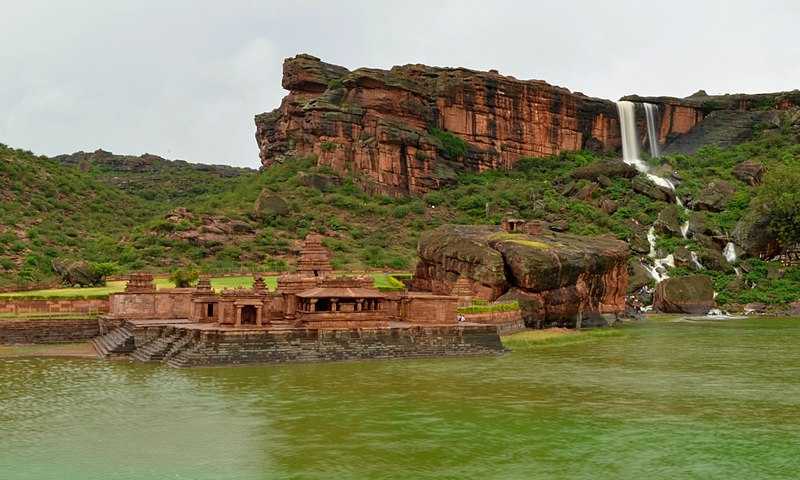
Places to Visit in Karnataka: Coast, Hills & Heritage Cities
Explore the best places to visit in Karnataka with a complete guide to Hampi, Coorg, Mysore, beaches, wildlife parks, trekking routes, and practical travel planning.
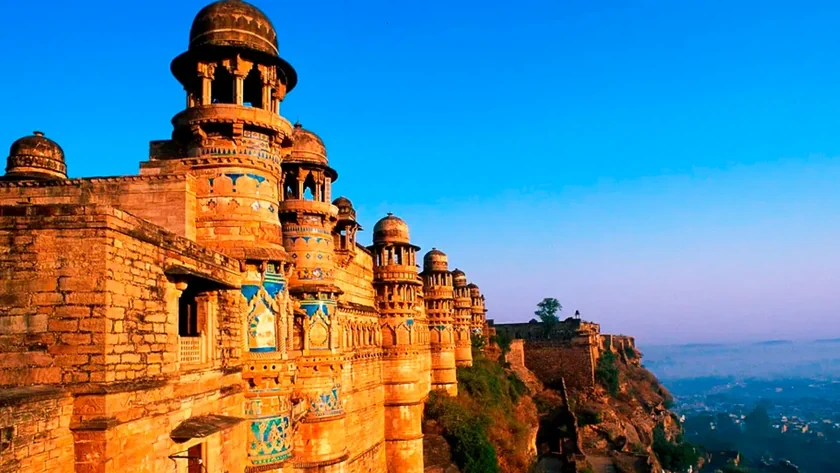
Places to Visit in Madhya Pradesh: Heritage, Wildlife & Pilgrimage
Explore the best places to visit in Madhya Pradesh, from Khajuraho and Ujjain to Kanha and Sanchi, with practical route planning and season tips.
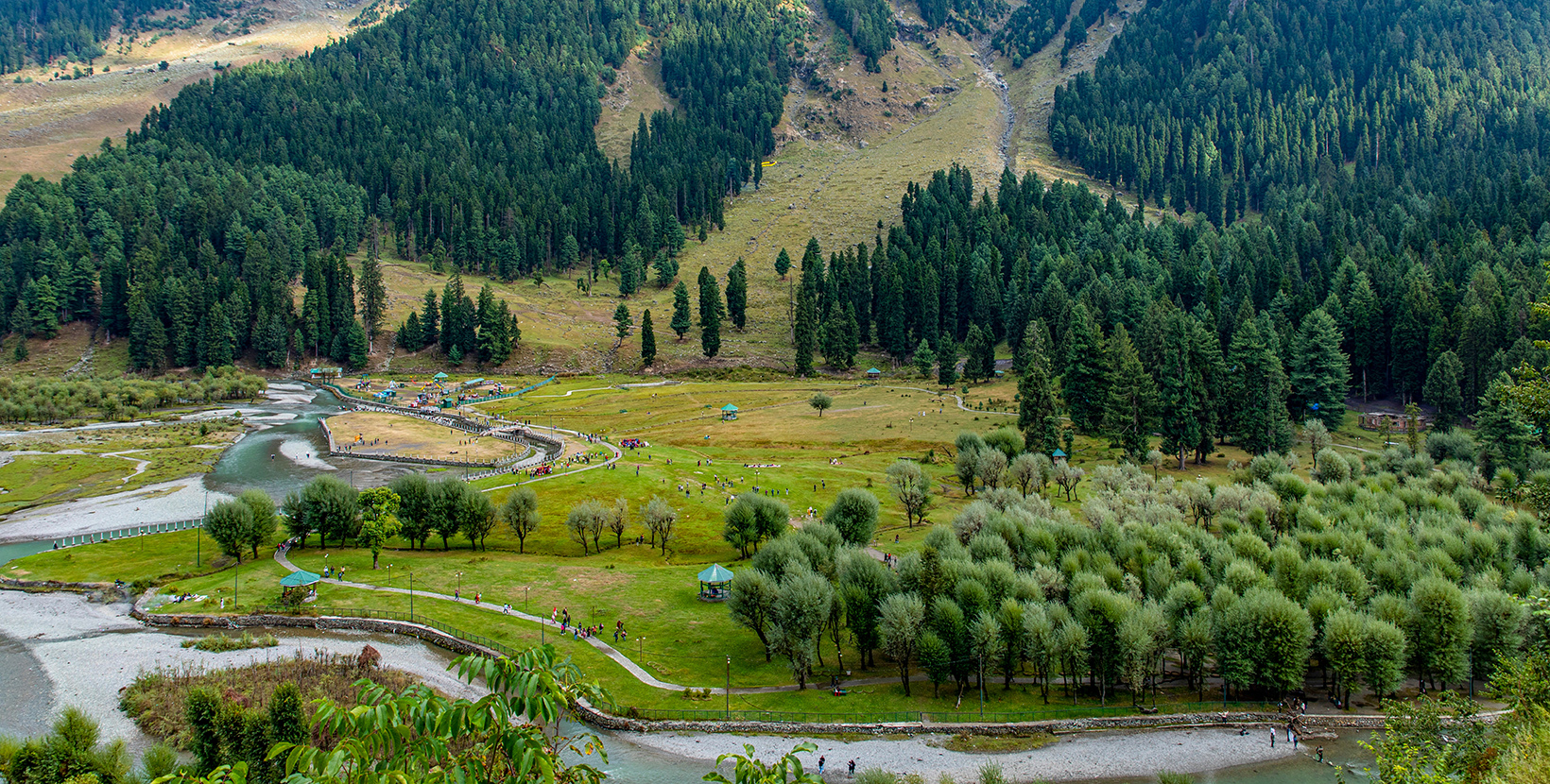
Kashmir: Complete Travel Plan Places And Weather
Complete Kashmir travel guide! Discover best time to visit, places to visit, itineraries, things to do, budget planning & tips for your Kashmir valley trip.
Never Miss an Adventure
Get the latest trekking guides, travel tips, and exclusive offers delivered straight to your inbox.
