
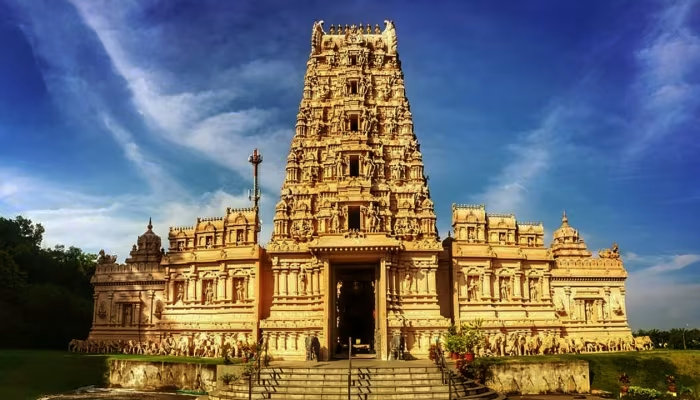
Temples in Malaysia: A Spiritual Journey Through Southeast Asia

Priya Mehta
January 3, 2026
Explore magnificent temples in Malaysia. Discover Batu Caves, Kek Lok Si, Thean Hou & more with timings and travel guide.
Introduction: Where Faiths Meet in Harmony
Malaysia, a Southeast Asian nation known for its cultural diversity, is home to some of the most beautiful and significant temples in Asia. The country's religious landscape reflects its multicultural population - predominantly Muslim but with substantial Hindu, Buddhist, and Chinese religious communities. This diversity has created a unique environment where temples of different faiths coexist, often in close proximity, creating a rich tapestry of spiritual traditions that attract devotees and curious travelers alike.
What makes Malaysia's temple culture particularly fascinating is how Indian Hindu, Chinese Buddhist/Taoist, and indigenous traditions have blended while maintaining their distinct identities. The temples here range from ancient cave shrines to modern architectural marvels, from massive complexes to intimate neighborhood shrines. Whether you're a devotee seeking blessings or a traveler interested in architecture and culture, Malaysia's temples offer profound spiritual experiences and visual splendor.
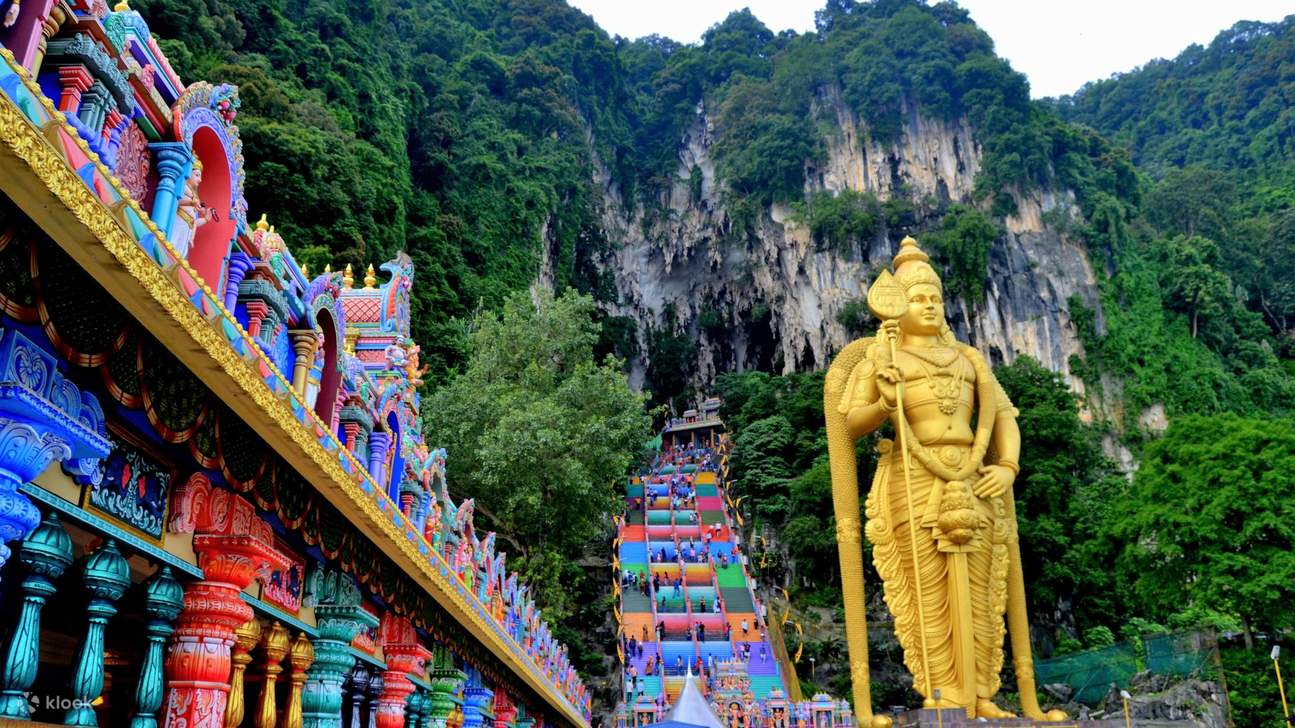
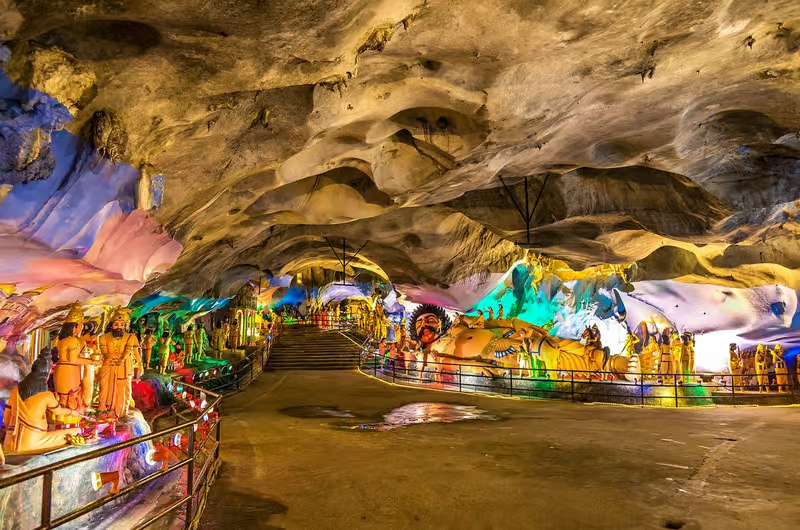 Batu Caves Temple Malaysia" />
Batu Caves Temple
Batu Caves, located just 13 kilometers north of Kuala Lumpur, is undoubtedly Malaysia's most famous temple complex and one of the most significant Hindu shrines outside India. This massive limestone hill contains a series of caves and cave temples that have become a symbol of Malaysia's Indian community and a major tourist attraction, and many travelers pair it with other temples in Kuala Lumpur.
The Main Temple Cave
The Temple Cave (Cathedral Cave) is the main attraction and features a 100-meter-high ceiling. To reach it, devotees must climb 272 colorful steps, a journey that is both a physical and spiritual ascent. At the top, you'll find several shrines dedicated to Lord Murugan, to whom the entire complex is dedicated.
The cave's natural limestone formations create an awe-inspiring setting for the temples. The main shrine houses a magnificent idol of Lord Murugan, and smaller shrines are dedicated to other deities including Ganesh, Shiva, and Durga.
The Golden Statue
At the base of the steps stands a colossal 42.7-meter gold statue of Lord Murugan, the tallest such statue in the world. Completed in 2006 at a cost of approximately 2.5 million Malaysian ringgit, this statue is a modern engineering marvel and has become an iconic landmark.
Thaipusam Festival
Batu Caves comes alive during Thaipusam (January-February), when over a million devotees and tourists gather for one of the world's most spectacular religious festivals. Devotees carry kavadis (decorated arches), some with piercings hooks and spears, as acts of devotion. The atmosphere is charged with faith, music, and the rhythmic chanting of "Vel, Vel, Muruga!"
Other Caves
Besides the Temple Cave, the complex includes the Dark Cave (for adventure caving), Museum Cave (with displays of Hindu mythology), and Ramayana Cave (depicting scenes from the Ramayana epic).
Kek Lok Si Temple, Penang
Located on a hilltop in Penang, Kek Lok Si Temple is the largest Buddhist temple in Malaysia and one of Southeast Asia's most important religious sites. This sprawling complex combines Chinese, Thai, and Burmese architectural styles, reflecting the diverse Buddhist traditions represented here.
The temple construction began in 1890 and has continued expanding over the decades. Today, it features multiple prayer halls, stupas, and thousands of Buddha images. The most iconic structure is the seven-story Pagoda of Rama VI, also known as the Pagoda of Ten Thousand Buddhas.
The Goddess of Mercy Statue
A 36-meter bronze statue of Kuan Yin (Goddess of Mercy) dominates the temple complex. Completed in 2002, the statue sits next to a 30-meter pagoda and can be seen from miles around. An inclined lift takes visitors up the hill to the statue, offering panoramic views of Penang.
Chinese New Year Celebrations
The temple is particularly spectacular during Chinese New Year when it's decorated with thousands of lanterns, creating a magical nighttime scene. Devotees come to pray for blessings in the new year.
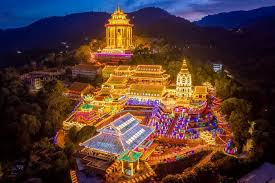
Thean Hou Temple, Kuala Lumpur
The Thean Hou Temple, located on a hill in Kuala Lumpur, is one of the oldest and largest temples in Southeast Asia dedicated to the Goddess Tian Hou (Thean Hou), the Chinese goddess of the sea. This six-story temple combines traditional Chinese architecture with modern facilities.
Built in 1987 by the Hainanese community of Kuala Lumpur, the temple features ornate carvings, dragon-inspired columns, and beautiful red pillars. The temple is dedicated to Tian Hou but also houses shrines to Guan Yin (Goddess of Mercy) and Shui Wei Sheng Niang (Goddess of the Waterfront).
The temple's location on Robson Heights offers panoramic views of Kuala Lumpur skyline, making it popular for both worship and photography, often combined with a city-view stop at Petronas Twin Towers. It's particularly busy during Chinese festivals including the Mooncake Festival and Chinese New Year.
Sri Mahamariamman Temple, Kuala Lumpur
This is the oldest Hindu temple in Kuala Lumpur, built in 1873 by Tamil traders. Located in Chinatown, this temple is dedicated to Goddess Mariamman, a deity widely worshipped in South India for her power to cure diseases.
The temple features a stunning gopuram (tower) at the entrance, covered with intricate sculptures of Hindu deities. The interior houses shrines to various deities including Lakshmi, Ganesh, and Murugan. The temple is particularly active during Deepavali (Diwali) and Thaipusam.
K Sri Kandaswamy Kovil, Kuala Lumpur
Another important Hindu temple in Kuala Lumpur, this temple is dedicated to Lord Murugan and is known for its beautiful architecture and elaborate festivals. The temple features a magnificent gopuram that is one of the tallest in Malaysia.
The temple, established in 1902, has been a center of Tamil religious and cultural life in Kuala Lumpur for over a century. It's particularly famous for its elaborate chariot festivals during Thaipusam.
Sam Poh Tong Temple, Ipoh
Located in Ipoh, Perak, Sam Poh Tong is a beautiful cave temple built within a limestone cave. The temple features a large reclining Buddha statue and beautiful gardens with lotus ponds.
What makes this temple special is its setting - natural limestone formations create a cave-like atmosphere that enhances meditation and prayer. The temple also offers a vegetarian restaurant serving delicious Chinese vegetarian food.
Other Notable Temples
Poh San Teng Temple, Malacca
Located at the foot of Bukit Cina, this temple is dedicated to Admiral Zheng He and reflects Malacca's rich maritime history.
Cheng Hoon Teng Temple, Malacca
The oldest traditional Chinese temple in Malaysia, dating back to 1645. It's dedicated to Kuan Yin and features beautiful Ming Dynasty architecture.
Sri Subramaniar Temple, Gunong Cheroh
A beautiful temple in Ipoh built within a limestone cave, dedicated to Lord Murugan.
Wat Chayamangkalaram, Penang
A Thai Buddhist temple featuring a 33-meter reclining Buddha, one of the largest in Southeast Asia.
Temple Etiquette for Visitors
- Dress Modestly: Cover shoulders and knees. Remove footwear before entering temple areas.
- Respect Rituals: Maintain silence during prayers and rituals. Ask permission before photography.
- Donations: Most temples welcome small donations for maintenance.
- Offerings: If making offerings, ask temple staff for proper procedure.
Planning Your Visit
Best Time to Visit
For festival experiences, visit during Thaipusam (January-February) or Chinese New Year (January-February). For comfortable weather, avoid the hot months (March-April) and monsoon season (October-December on east coast).
Getting Around
Malaysia has excellent infrastructure. KL has public transport. For Penang temples, rent a car or use Grab (ride-hailing app).
Accommodation
All major cities have varied accommodation from luxury to budget. Stay near temple clusters you plan to visit.
Conclusion
Malaysia's temples offer a spiritual journey through diverse traditions - from Hindu cave temples to Buddhist hill complexes, from Chinese prayer halls to Thai-style shrines. These sacred spaces reflect Malaysia's multicultural identity and the harmonious coexistence of different faiths.
Come to Malaysia not just for sightseeing but for spiritual experiences that transcend religious boundaries. Whether climbing the steps to Batu Caves, meditating at Kek Lok Si, or offering prayers at ancient Chinese temples, you'll find that Malaysia's temples touch something deep within.
Location
Frequently Asked Questions
Q1.What are the famous temples in Malaysia?
Q2.How many steps to climb Batu Caves?
Q3.When is Thaipusam at Batu Caves?
Q4.What to wear when visiting Malaysian temples?
Q5.How to reach Batu Caves from Kuala Lumpur?
Q6.Is Kek Lok Si Temple worth visiting?
Q7.Are Malaysian temples free to visit?
Q8.Can non-Hindus visit Malaysian Hindu temples?
Recommended For You
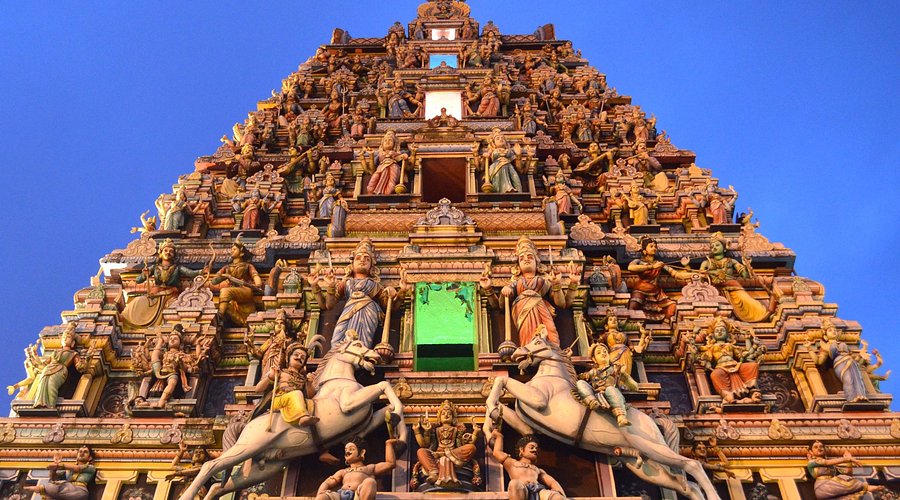
Sri Mahamariamman Temple Kuala Lumpur: Timings, Rituals & Visit Tips
Visit Sri Mahamariamman Temple in Kuala Lumpur. Guide with timings, history, how to reach, architecture & festivals at oldest Hindu temple.
Temples in Kuala Lumpur: Batu Caves, Thean Hou & City Temple Circuit
Temples in Kuala Lumpur guide covering Batu Caves, Thean Hou, Sri Maha Mariamman, route planning, access tips, and respectful temple etiquette.
Wat Arun Bangkok: Timings, Dress Code & River Access
Visit Wat Arun Temple of Dawn Bangkok. Timing, entry fee, dress code, how to reach, sunset view & best time to visit this iconic Thai temple.
Never Miss an Adventure
Get the latest trekking guides, travel tips, and exclusive offers delivered straight to your inbox.
