

Places to Visit in Prague: Top 20 Attractions & Things to Do

Priya Mehta
January 11, 2026
Discover the best places to visit in Prague - from Charles Bridge and Prague Castle to the Astronomical Clock and Jewish Quarter. Explore 20+ top attractions in this complete guide.
Prague, the capital of the Czech Republic, is one of Europe's most beautiful cities, often called the 'City of a Hundred Spires.' With its stunning Gothic and Baroque architecture, charming cobblestone streets, and rich history spanning over a millennium, Prague captures the hearts of all who visit. The city survived World War II largely intact, meaning its historic center remains remarkably preserved, earning it UNESCO World Heritage status. For travelers exploring multiple European destinations, Prague is one of the most affordable countries to visit in Europe.
What makes Prague special is its walkable historic center where you can journey from the medieval Astronomical Clock to the grand Prague Castle without ever leaving the old town atmosphere. The city straddles the Vltava River, connected by iconic bridges, with each neighborhood offering its own character - from the tourist-thronged Old Town to the atmospheric Lesser Town and the vibrant Jewish Quarter. If you're planning a broader European adventure, Prague pairs perfectly with a trip to Budapest, another stunning Central European capital.
Charles Bridge
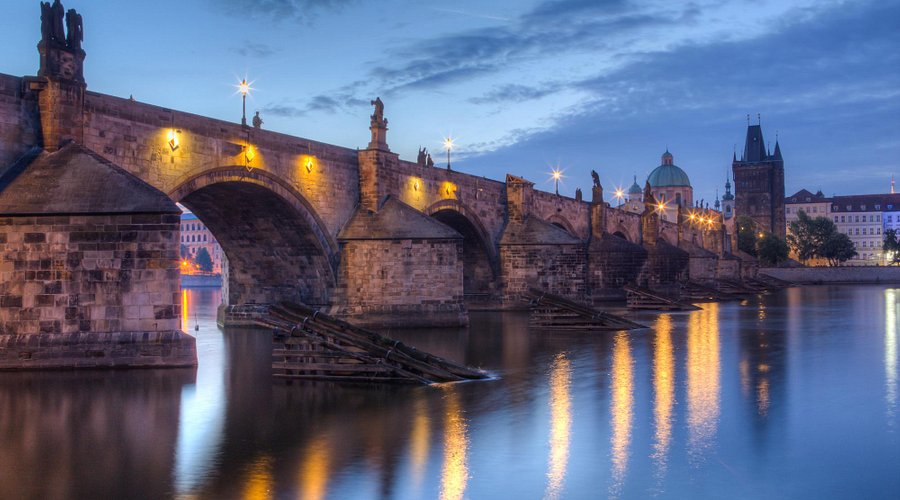
Charles Bridge is Prague's most iconic landmark, spanning the Vltava River and connecting the Old Town with the Lesser Town. This Gothic stone bridge, completed in 1390, is lined with 30 Baroque statues of saints, though these are replicas - the originals are in the National Museum. The bridge is pedestrian-only, making it a pleasant stroll filled with musicians, artists, and vendors.
The best time to visit Charles Bridge is early morning (before 8 AM) or late evening when crowds are thinner and the light is beautiful for photography. The bridge offers stunning views of Prague Castle, the Vltava River, and the city's spires. According to legend, touching the statue of St. John of Nepomuk (the one with the five stars) brings good luck and ensures your return to Prague.
Prague Castle (Pražský Hrad)
Prague Castle, according to the Guinness Book of World Records, is the largest ancient castle complex in the world. This sprawling site dates back to the 9th century and has been the seat of Czech kings, Holy Roman emperors, and presidents. The castle complex includes palaces, churches, gardens, and monastery buildings, enough to occupy a full day of exploration.
Highlights within the castle include St. Vitus Cathedral, the Old Royal Palace, St. George's Basilica, and the Golden Lane with its tiny colorful houses. The castle grounds are free to enter, though you'll need a ticket for the interiors. The changing of the guard at the castle gates takes place every hour, with a ceremonial ceremony at noon. The views from the castle over the city are spectacular, especially at sunset.
Old Town Square (Staroměstské náměstí)
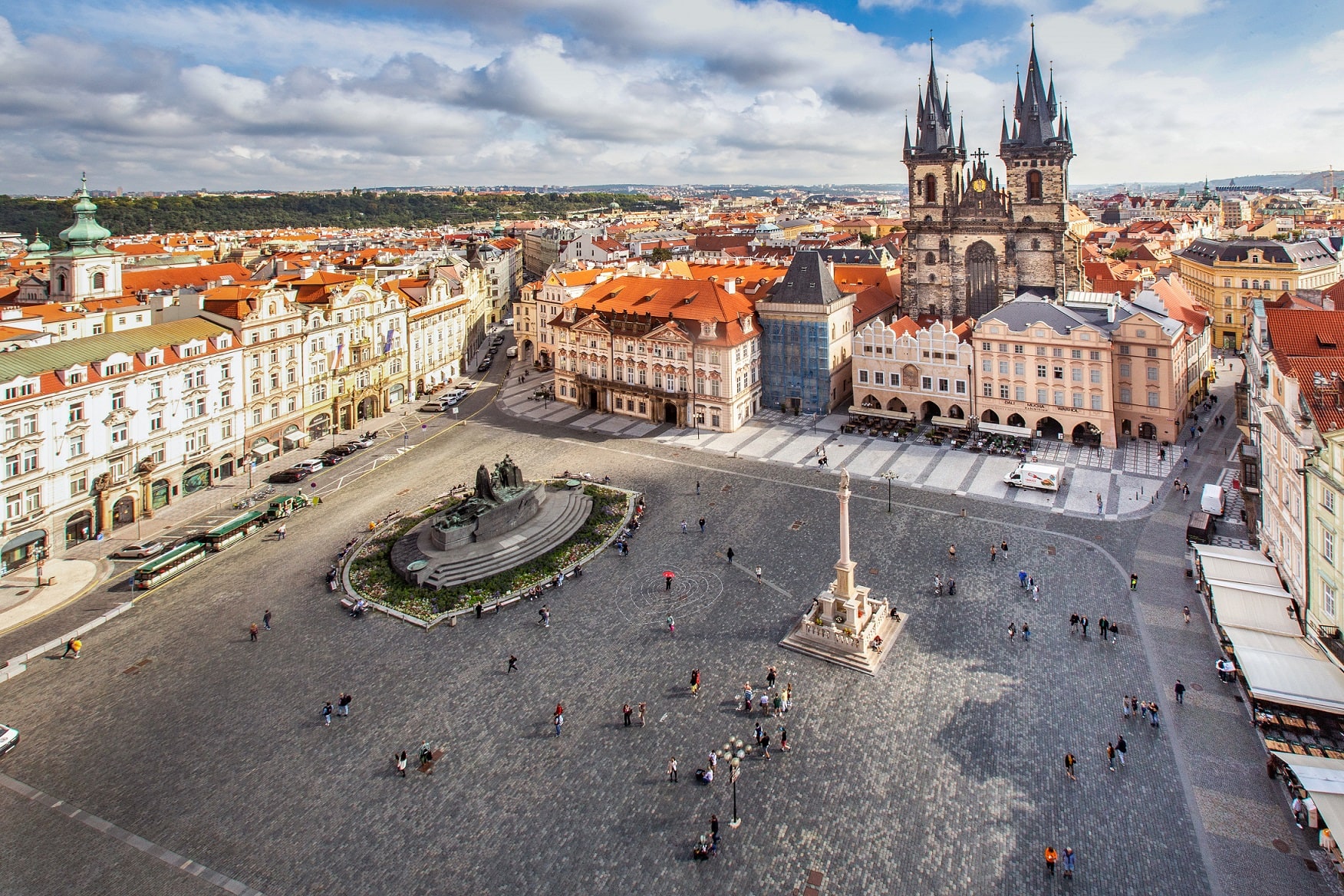
The Old Town Square is the heart of historic Prague, surrounded by colorful Baroque buildings and dominated by the spires of the Church of Our Lady before Týn. This square has been Prague's main square since the 10th century and has witnessed coronations, executions, and celebrations. Today it's filled with cafes, street performers, and tourists.
The square's most famous attraction is the Astronomical Clock on the Old Town Hall. Crowds gather every hour to watch the clock strike, when figures of the Apostles appear in windows and other mechanical figures move. The square is particularly magical during the Christmas markets when it's filled with festive stalls and a giant Christmas tree.
Astronomical Clock (Pražský orloj)
The Prague Astronomical Clock, mounted on the southern wall of the Old Town Hall, is the third-oldest astronomical clock in the world and the oldest still operating. Installed in 1410, this medieval marvel shows not only time but also the position of the sun and moon, zodiac signs, and other astronomical information.
Every hour, crowds gather to watch the 'Walk of the Apostles,' where mechanical figures of the Apostles appear in windows above the clock. The clock has other moving figures including Death (represented by a skeleton) who rings a bell. Despite the crowds, the hourly show is worth seeing at least once. For better views without the crowds, climb the Old Town Hall tower.
Jewish Quarter (Josefov)
Prague's Jewish Quarter is one of the best-preserved Jewish historical areas in Europe. This neighborhood was once a walled ghetto and contains several important synagogues, a Jewish town hall, and the Old Jewish Cemetery. The area survived the Nazi occupation because Hitler intended to make it a 'museum of an extinct race.'
Key sites include the Old-New Synagogue (Europe's oldest active synagogue), the Pinkas Synagogue (now a memorial to Holocaust victims from Bohemia and Moravia), the Klausen Synagogue, and the Spanish Synagogue with its stunning Moorish architecture. The Old Jewish Cemetery is particularly haunting, with tombstones layered 12 deep due to space constraints, used for nearly 400 years.
St. Vitus Cathedral
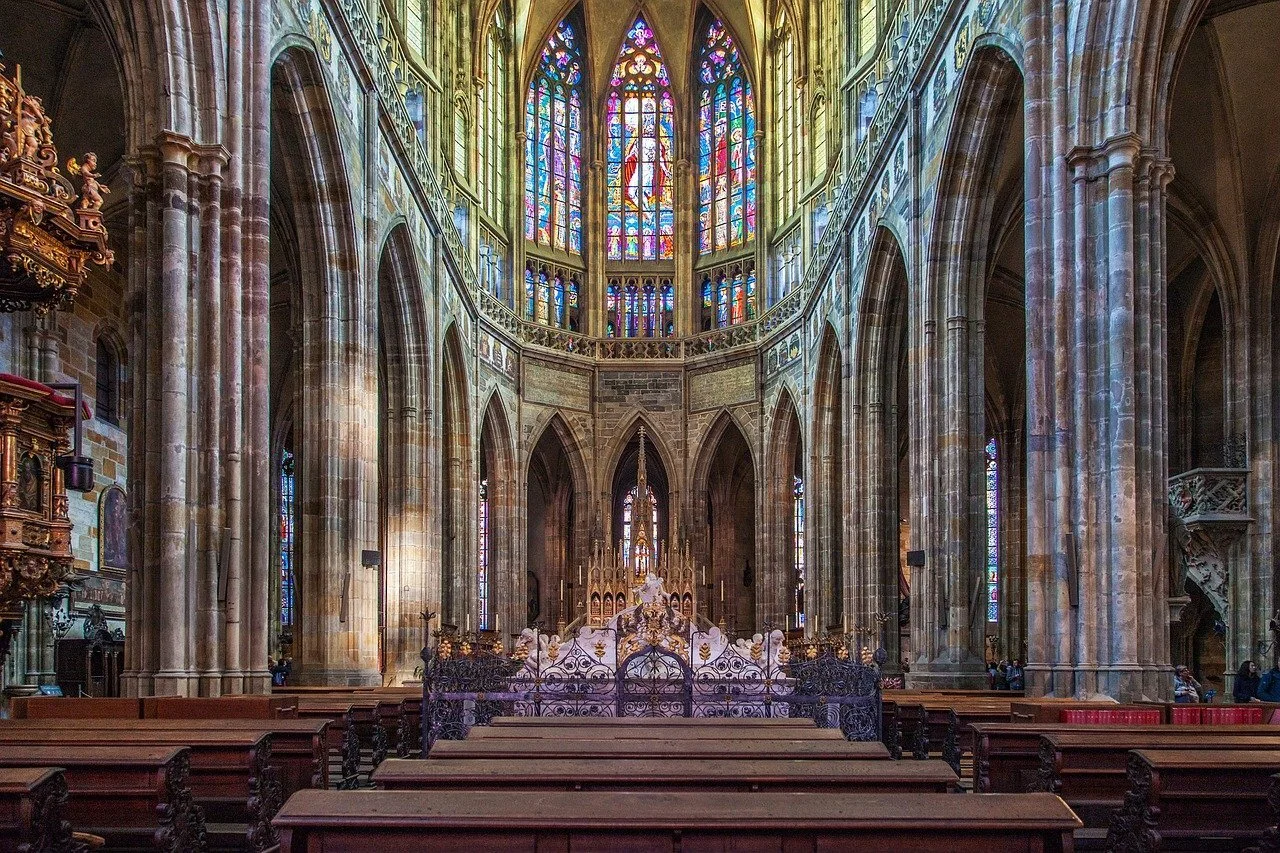
St. Vitus Cathedral is the largest and most important church in the Czech Republic, located within Prague Castle complex. This Gothic masterpiece took nearly 600 years to complete (1344-1929), which explains the mix of architectural styles. The cathedral is the seat of the Archbishop of Prague and the burial place of Czech kings and saints.
The cathedral's highlights include the stunning stained glass windows (especially the one by Art Nouveau artist Alphonse Mucha), the tombs of St. Wenceslas and Charles IV, and the magnificent Great South Tower with panoramic views of Prague. The Golden Portal with its 14th-century mosaic of the Last Judgment is another highlight. The interior is vast and awe-inspiring, making it easy to understand why construction took so long.
Lesser Town (Malá Strana)
Located at the foot of Prague Castle on the left bank of the Vltava, Lesser Town is one of Prague's most picturesque neighborhoods. This area escaped the devastating fires that destroyed other parts of Prague, so it retains its Baroque character. Narrow cobblestone streets wind between grand palaces, charming churches, and embassies.
Highlights of Lesser Town include the St. Nicholas Church, one of Prague's finest Baroque buildings, the Wallenstein Palace with its beautiful gardens, and the Nerudova Street leading up to the castle, lined with historic houses whose signs indicate the original trades of the inhabitants. Lesser Town feels more relaxed than the Old Town and is perfect for wandering and discovering hidden courtyards.
Wenceslas Square (Václavské náměstí)
Despite its name, Wenceslas Square is actually a long boulevard rather than a square. This historic area has been the site of many important events in Czech history, including the declaration of Czechoslovak independence in 1918 and the Velvet Revolution protests in 1989. The square is lined with shops, hotels, restaurants, and important buildings.
At the top of the square stands the National Museum, with a statue of St. Wenceslas on horseback in front. The square is bustling with activity and is a great place for people-watching. It's particularly atmospheric during Christmas when a large market fills the lower part. The area around the square also includes the modern Mustek shopping center and connects to the historic Na Příkopě street.
Strahov Monastery
Strahov Monastery, located high above Prague Castle, is home to two magnificent Baroque libraries that rank among the world's most beautiful. The Theological Library and the Philosophical Library contain priceless manuscripts, globes, and frescoed ceilings. The monastery complex also includes the Church of the Assumption of Our Lady and a brewery.
The libraries are the highlight - the Theological Library features a stunning ceiling painting of 'The Last Judgment' while the Philosophical Library has magnificent Baroque frescoes and cabinets of curiosities. The monastery brewery serves excellent Czech beer, making it a perfect stop after exploring the libraries. The views of Prague from the monastery grounds are spectacular.
Petrín Hill
Petrín Hill is Prague's largest green space, offering a peaceful escape from the historic center. You can hike up the hill or take the funicular railway from Újezd Street. At the top, you'll find the Petřín Lookout Tower, a mini Eiffel Tower built in 1891, which offers panoramic views of Prague (if you climb the 299 steps).
The hill also features a mirror maze, beautiful gardens, and the Church of St. Lawrence. The area is perfect for picnics, especially in spring when cherry blossoms bloom. The walk through Petřín Park to Prague Castle is scenic and relatively easy. The hill is particularly popular with locals on weekends and provides excellent photo opportunities of the city below.
Dancing House (Tančící dům)
The Dancing House, also known as Fred and Ginger, is one of Prague's most modern and controversial buildings. Designed by Frank Gehry and Vlado Milunić, this deconstructivist building stands out dramatically from the surrounding historic architecture. The building represents a couple dancing - hence its nickname.
The building houses offices and a restaurant on the top floor with stunning views of Prague and the Vltava River. Whether you love or hate the architecture, it's worth seeing as an example of how Prague embraces modern design alongside its historic fabric. The rooftop restaurant is open to the public and is a great spot for drinks with a view.
Museums in Prague
National Museum (Národní muzeum)
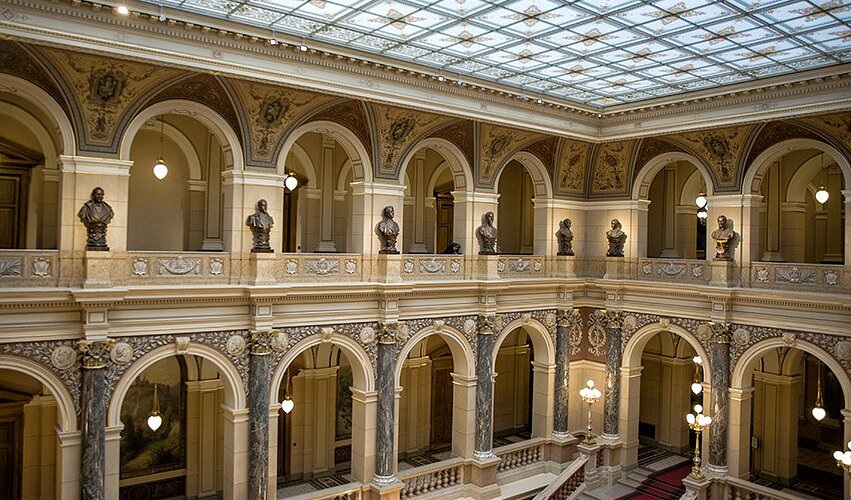
The National Museum dominates the top of Wenceslas Square with its grand neo-Renaissance building. Recently renovated, this museum houses extensive collections covering natural history, prehistory, and Czech history. The building itself is worth seeing for its impressive architecture and interior decoration. Architecture enthusiasts will also appreciate visiting other European landmarks like the Berlin Cathedral or the iconic Brandenburg Gate.
The museum's permanent exhibitions include sections on mineralogy, paleontology, zoology, and anthropology. The Pantheon dome features statues of important Czech figures. The view from the museum's steps over Wenceslas Square is iconic. The museum also hosts temporary exhibitions. Plan to spend at least 2-3 hours here to do justice to the collections.
Much Museum
The Mucha Museum is dedicated to the works of Alphonse Mucha, the Czech Art Nouveau artist famous for his decorative posters and paintings. The museum contains over 100 exhibits including paintings, photographs, and personal items. Mucha's Slav Epic series, however, is housed separately at the Veletržní Palace.
This small museum is a must for Art Nouveau fans. Mucha's distinctive style of beautiful women in flowing robes surrounded by floral motifs is instantly recognizable. The museum provides context about Mucha's life and his role in the Art Nouveau movement. The gift shop sells excellent reproductions of Mucha's works.
Vyšehrad
While Prague Castle gets most of the attention, Vyšehrad is equally historic and arguably more atmospheric. This hilltop fortress overlooks the Vltava River and is said to be the legendary seat of the Přemyslid princes who ruled Bohemia before Prague Castle was established. Today it's a peaceful park with stunning views.
Highlights include the neo-Gothic Church of Saints Peter and Paul with its magnificent Art Nouveau interior, the Vyšehrad Cemetery where many famous Czechs are buried, and the ruins of the medieval fortifications. The area is much quieter than Prague Castle and offers beautiful river views. It's a great spot for a picnic or a peaceful walk away from the tourist crowds.
Letná Park (Letenské sady)
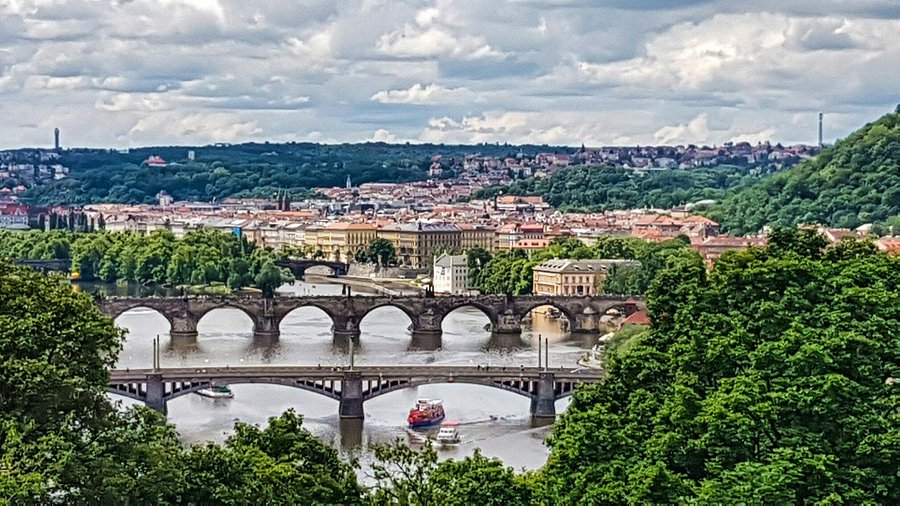
Letná Park is a large park on a plateau above Prague, offering some of the best views of the city and its bridges. The park is accessible via stairs from the Lesser Town or by tram. A giant metronome stands where a massive Stalin statue once stood, symbolizing the passage of time since the communist era.
The park is popular with joggers, cyclists, and those seeking panoramic views. The Letná Beer Garden, operating in warmer months, is a great place to enjoy Czech beer with views. The park connects to the Prague Castle area via scenic paths. It's particularly beautiful in autumn when the leaves change color.
Prague Zoo and Troja Chateau
Prague Zoo, located in the Troja district, is consistently ranked among the world's best zoos. Set in beautiful gardens, the zoo houses over 5,000 animals including rare species like Przewalski's horses. The zoo features various pavilions representing different continents and a chairlift that offers views of the zoo and city.
Next to the zoo is the stunning Baroque Troja Chateau with its beautiful gardens and vineyard. The chateau features a remarkable staircase with sculptures depicting the gods of Mount Olympus. The chateau houses part of the Prague City Gallery with art collections. You can easily visit both the zoo and chateau in one day.
Food and Drink Experiences
Prague Beer Culture
The Czech Republic consumes more beer per capita than any other country, and Prague is the place to experience this beer culture. Czech beer, particularly pilsner, is world-renowned. Visit historic beer halls like U Fleků (operating since 1499) or try craft beers at modern beer bars.
Many breweries offer tours and tastings. The Pilsner Urquell brewery in Plzeň is accessible by train for a day trip. In Prague, microbreweries like U Medvídků and U Dvou Srdcí brew their own beer. Beer gardens in parks like Letná and Riegrovy sady are perfect for enjoying beer outdoors in summer.
Traditional Czech Food

Traditional Czech cuisine is hearty and perfect for the cold Central European winters. Must-try dishes include svíčková (marinated beef with cream sauce), guláš (goulash), vepřo-knedlo-zelo (roast pork with dumplings and sauerkraut), and smažený sýr (fried cheese). Dumplings (knedlíky) accompany most meals.
For authentic Czech food, try Lokál Dlouhááá, U Medvidků, or Hospůdka near the castle. Street food like smažený sýr sandwiches and langos (fried dough) from vendors is delicious and cheap. Czech desserts include trdelník (chimney cake) and palačinky (crepes).
Day Trips from Prague
Karlštejn Castle
Karlštejn Castle, founded by Emperor Charles IV in 1348, is one of Bohemia's most famous castles. This Gothic fortress once housed the crown jewels and imperial regalia. The castle's location in a picturesque valley makes it as beautiful from the outside as interesting inside.
The castle is accessible by train from Prague's Main Station in about 40 minutes. Guided tours are required and vary in length depending on which parts of the castle you visit. The surrounding area has several restaurants serving traditional Czech food. It's one of the most popular day trips from Prague.
Český Krumlov
While further than Karlštejn (about 2.5 hours by bus), Český Krumlov is worth the journey for its fairy-tale beauty. This UNESCO World Heritage town features a spectacular castle, meandering river, and beautifully preserved medieval center. It's often called a 'mini Prague' but without the crowds. If you're planning extensive European travel, you might also be interested in the cheapest flights to Europe from India.
The town is dominated by the castle, the second-largest castle complex in the Czech Republic. The old town's winding streets, Renaissance buildings, and riverside cafes make it perfect for wandering. Many visitors choose to stay overnight to experience the town's charm after day-trippers leave.
Practical Information for Visiting Prague
Getting Around
Prague has excellent public transportation including metro, trams, and buses. The historic center is walkable, though many attractions require climbing hills and stairs. Taxis are affordable but use reputable companies or apps like Uber. Consider buying a tourist travel pass for unlimited public transport.
Best Time to Visit
The best times to visit Prague are spring (April-May) and fall (September-October) when weather is pleasant and crowds are thinner. Summer is peak tourist season with long lines and higher prices. Winter (December-February) is cold but magical, especially during Christmas markets when the city transforms into a festive wonderland.
Where to Stay
Stay in the Old Town for maximum convenience, Lesser Town for a quieter atmosphere near the castle, or New Town (Nové Město) for more budget options. Accommodation ranges from luxury hotels to hostels and Airbnb. Book well in advance for summer and Christmas market periods.
Currency and Costs
The Czech Republic uses the Czech koruna (CZK), not the euro. Prague is generally more affordable than Western European capitals, though prices in tourist areas can be high. Eat and drink away from the main tourist areas for better prices. Credit cards are widely accepted but carry cash for smaller establishments.
Conclusion: Prague's Timeless Appeal
Prague is a city that seems to exist outside of time, where medieval spires tower over modern life and history is visible on every corner. It's a city that rewards exploration - beyond the famous attractions lie hidden courtyards, quirky museums, and neighborhood bars that reveal the real Prague. Whether you're admiring the view from Prague Castle, listening to the Astronomical Clock strike, or enjoying a beer in a historic beer hall, Prague offers experiences that stay with you long after you leave.
What makes Prague special is not just its beauty but its authenticity - despite the tourists, the city maintains a strong local culture and identity. It's a place where you can spend a week and still feel you've only scratched the surface, or where you can see the highlights in a few days and still feel satisfied. Prague is that rare destination that lives up to its reputation and then exceeds it.
Location
Frequently Asked Questions
Q1.What are the top attractions in Prague?
Q2.How many days should I spend in Prague?
Q3.What is the best time to visit Prague?
Q4.Is Prague expensive?
Q5.Is Prague worth visiting?
Q6.What food is Prague famous for?
Q7.How do I get around Prague?
Q8.Is Prague safe?
Q9.What can I buy in Prague?
Q10.Do I need a visa for Prague?
Recommended For You

Dubai Frame: Ticket Price, Timings & Sky Deck Experience
Visit Dubai Frame, Dubai's iconic landmark. Tickets, timings, sky deck views, location, and complete visitor guide for this architectural marvel.

Berlin Cathedral: History, Timings and Visitor Tips
Plan your Berlin Cathedral visit with history, dome strategy, architecture focus, and practical Museum Island route guidance.

Reichstag Building Berlin: Complete Guide with Dome Visit 2026
Complete Reichstag Building Berlin guide - dome visit booking, timings, history, architecture & panoramic views. Symbol of German democracy with free entry.
Never Miss an Adventure
Get the latest trekking guides, travel tips, and exclusive offers delivered straight to your inbox.
