

Budapest: Complete Travel Plan Places And Weather

Rahul Garg
January 20, 2026
Complete Budapest travel guide with 3-day itinerary, best time to visit, cost breakdown, top attractions including thermal baths, transport options & insider tips for visiting Hungary's beautiful capital on the Danube.
Budapest Travel Guide: First-Time Itinerary, Budget, and Local Tips
Budapest is one of Europe’s most rewarding city breaks for first-time visitors because it combines architecture, river views, thermal bath culture, food streets, and efficient public transport in a compact layout. You can experience heritage landmarks, modern cafe districts, and evening riverfront scenes without spending excessive time on commuting. This makes the city ideal for both short breaks and flexible 4-5 day plans.
Most travelers searching for a practical Budapest travel guide need three things: route efficiency, realistic budgeting, and a clear day-by-day structure. This guide focuses on exactly that. If you are comparing European city value before final booking, review cheapest countries in Europe and then map your Budapest budget with confidence.
Budapest Basics for First-Time Travelers
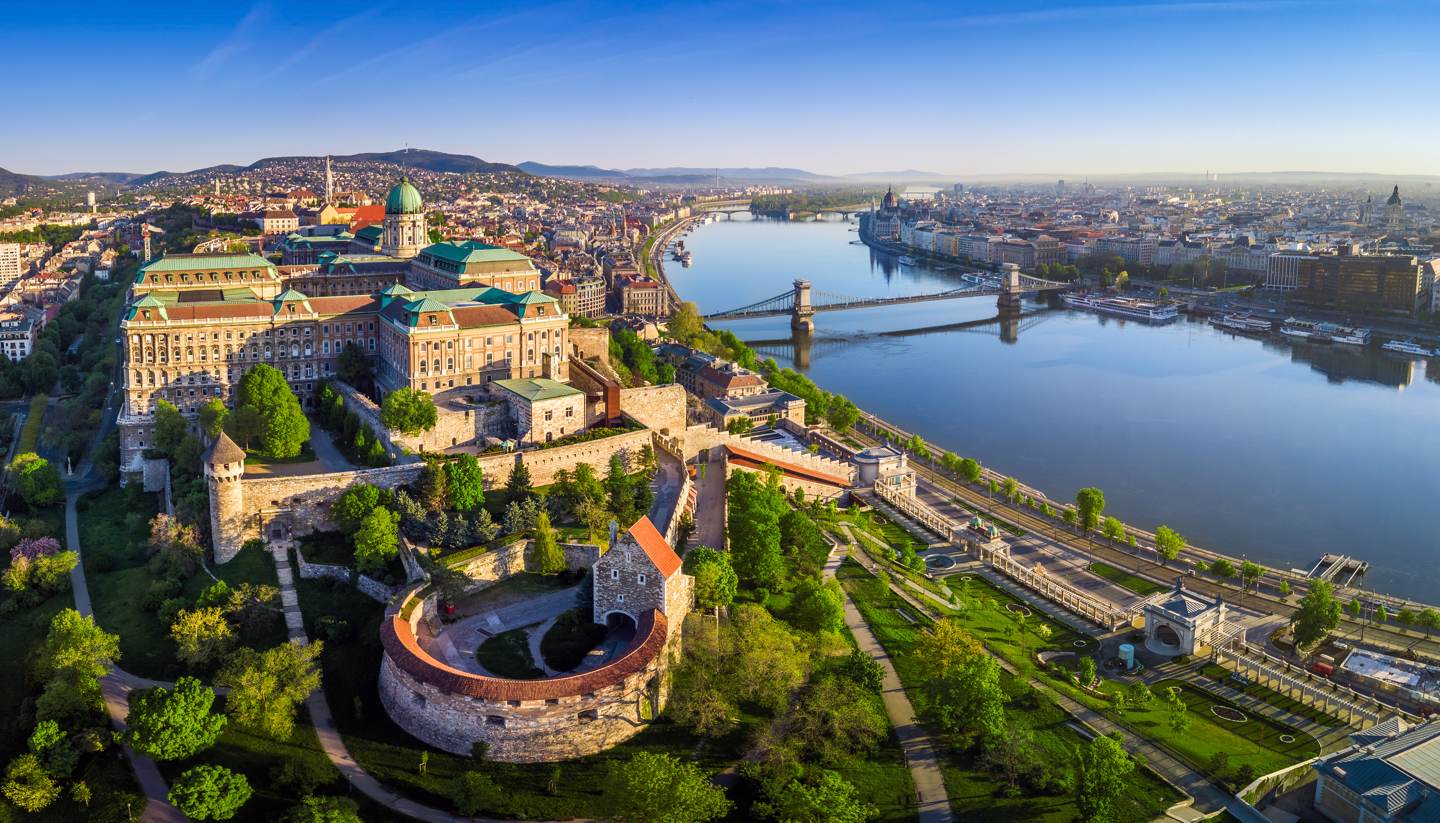
The city is divided by the Danube River into Buda and Pest, and understanding this split helps itinerary planning immediately. Buda is hillier and more residential with major viewpoints and castle zones. Pest is flatter, busier, and generally more active for dining, shopping, nightlife, and daily movement. A strong first-time strategy is to spend one focused day on Buda landmarks and one or two days on Pest plus riverfront experiences.
Budapest is walkable in many areas, but you should not depend only on walking. Public transport is reliable and helps preserve energy for actual sightseeing.
Top Things to Do in Budapest
Start with riverfront orientation early in your trip. This helps you understand geography and decide where to spend sunset and evening windows later. Key first-time priorities usually include castle-side viewpoints, central boulevards, heritage buildings, and one thermal-bath session for a local cultural experience.
Rather than chasing a long checklist, pick 2-3 major landmarks per day and combine them with one neighborhood walk and one food stop. This structure gives better depth and avoids sightseeing fatigue. If you prefer broader city-activity inspiration, compare how curated city lists are structured in tourist attractions planning guides and apply the same approach here.

2-Day Budapest Itinerary (Fast but Practical)
Day 1: Focus on Buda side. Start with a morning hilltop viewpoint zone, then spend midday exploring castle district streets and heritage sections. Move to riverfront in late afternoon and keep evening for a Danube-side walk or cruise-style experience.
Day 2: Focus on Pest side. Cover central avenues, key public squares, and at least one market or food lane. Keep one thermal bath block in the second half of the day for recovery after heavy walking. Finish with a neighborhood dinner in a lively district.
This format works well for weekend travelers and gives a strong first impression of Budapest without rushed cross-city backtracking.
3-Day Budapest Itinerary (Best for Most Travelers)
Day 1: Buda heritage and viewpoints.
Day 2: Pest landmarks, museums, and food districts.
Day 3: Slow experiences: thermal baths, market exploration, Danube evening, and optional neighborhood cafe trail.
The third day is where Budapest becomes memorable, because you shift from checklist sightseeing to lived city rhythm. If you have limited vacation days, this is usually the optimal trip length for balancing depth and pace.

Public Transport and Route Strategy
Budapest’s metro, tram, and bus network makes city movement straightforward once you decide your daily zones. The smartest method is area clustering: plan one side of the river per half-day and minimize repeated crossings during peak traffic windows. This saves both time and walking fatigue.
For travelers staying 2-4 days, transport passes are usually better than buying repeated single tickets. Always validate journey rules and pass usage points at the start of your trip. Keep screenshots of routes and station names offline to avoid confusion in underground networks where connectivity can vary.
Also check the walking distance from your stay to the nearest key station. A central location with transit access is often more valuable than a larger but remote property.
Where to Stay in Budapest
For first-time visitors, central Pest neighborhoods are usually the most convenient base because they provide easy access to transit, dining, and evening movement. Travelers looking for quieter surroundings may prefer select Buda areas, but they should confirm transport convenience before booking.
When comparing hotels or apartments, evaluate three points: proximity to public transport, nighttime noise level, and walking safety for late returns. These practical factors shape trip quality more than room size alone.
If you are on a tighter budget, avoid choosing the absolute cheapest edge-of-city option. Daily transfer cost and time can reduce the savings quickly.
Budget Planning: What to Expect
Budapest can be budget-friendly compared with many Western European capitals, but spending varies by travel style. A useful planning model is to split daily costs into transport, food, attractions, and one optional premium activity such as a river experience or spa package.
Travelers often underestimate attraction and experience costs while over-focusing on flight price. Build a realistic city budget before departure so you can enjoy key experiences without constant trade-offs. If your Europe trip covers multiple countries, compare high-level cost patterns with Europe currency and spending basics.

Best Time to Visit Budapest
Spring and autumn are often the most comfortable seasons for walking-heavy itineraries due to moderate weather and manageable crowd levels. Summer offers longer daylight and event activity but can be busier in top zones. Winter gives a different atmosphere with festive city mood, but shorter days require tighter planning.
There is no universal best season. Choose dates based on travel intent: city walks and architecture in mild weather, or festive ambiance and seasonal markets in colder months. Keep clothing and day structure aligned with weather to avoid mid-day slowdowns.
Food and Local Experience Tips
Budapest is best enjoyed when you combine planned attractions with neighborhood food exploration. Keep one flexible meal window every day for local discoveries rather than locking every meal in advance. This adds variety and helps you avoid long waits at overhyped locations.
If you have dietary constraints, save local-language key phrases offline and shortlist restaurant options near your planned activity zones. Practical preparation saves time during high-footfall meal hours.
Common Mistakes First-Time Travelers Make
The most common mistake is trying to cover both sides of the city in one rushed loop every day. This creates unnecessary crossing time and reduces actual exploration quality. Another issue is overbooking paid experiences without buffer windows, especially on short trips.
Many travelers also ignore evening temperature shifts near the river, leading to discomfort during night walks. Carrying one light layer even in warmer months is useful. Finally, do not overpack your itinerary. Budapest is a city where slower pacing often produces a better experience.
Quick Pre-Departure Checklist
Confirm airport transfer options, digital map downloads, and attraction reservation slots one day before travel. Keep a small daily plan card with your top three priorities so you stay focused even if weather or queues change your original timeline.
Final Takeaway
A strong Budapest trip is built on simple principles: area-wise planning, realistic daily pacing, transit-smart movement, and budget clarity. In 2-3 days, you can cover major highlights well if you avoid random cross-city routing.
Use this guide as a practical framework, then customize by travel style. If you enjoy city exploration across destinations, you can also compare route design approaches from things to do in Vietnam and things to do in Georgia to build more efficient future itineraries.
Location
Frequently Asked Questions
Q1.How many days are enough for Budapest?
3-4 days is ideal for first-time visitors to cover the main highlights including Buda Castle, Parliament, thermal baths, and Jewish Quarter.
If you want a more relaxed experience or plan day trips to places like Szentendre or Eger, plan for 5-7 days.
Budapest rewards slow exploration – spending more time allows you to discover neighborhood gems and truly experience the city's famous thermal bath culture.
Q2.Is Budapest worth visiting?
Absolutely! Budapest is one of Europe's most beautiful and underrated capitals.
The city offers an incredible combination of stunning architecture, fascinating history, world-class thermal baths, excellent food scene, vibrant nightlife, and fantastic value for money.
Its location on the Danube River creates spectacular views, and the blend of Buda and Pest offers two distinct experiences in one city.
Q3.Is Budapest safe for tourists?
Yes, Budapest is generally very safe for tourists. Violent crime against tourists is rare.
Common issues include pickpockets in tourist areas and on public transport, especially on crowded trams and in the Great Market Hall.
Be cautious with unofficial taxis and overly friendly strangers offering help at ATMs.
The city is safe to walk around at night in most areas, though it's always wise to stay aware of your surroundings.
Q4.When is the best time to visit Budapest?
The best time to visit Budapest is during spring (April-May) or autumn (September-October).
These shoulder seasons offer pleasant temperatures (15-20°C), fewer crowds, and lower prices than summer.
Summer (June-August) is peak season with great weather and festivals but also highest prices and crowds.
Winter can be magical with Christmas markets and thermal baths in snow, though temperatures can drop below freezing.
Q5.What is Budapest famous for?
Budapest is famous for its stunning setting on the Danube River, magnificent Parliament building, historic thermal baths (the city has over 100!), beautiful architecture spanning Gothic to Art Nouveau, vibrant ruin bar nightlife, rich Jewish heritage, and delicious Hungarian cuisine.
The city is one of Europe's spa capitals and has been designated a UNESCO World Heritage site for its unique cultural landscape.
Q6.Is Budapest expensive to visit?
Budapest offers excellent value compared to Western European capitals like Paris, London, or Vienna.
Budget travelers can manage on ₹4,000-6,000 ($50-75) per day staying in hostels and eating local food.
Mid-range travelers typically spend ₹8,000-12,000 ($100-150) per day.
Luxury options are available at ₹20,000+ ($250+) per day.
Overall, Budapest is one of the best-value capitals in Europe.
Q7.Do you need cash in Budapest?
While credit cards are widely accepted in hotels, restaurants, and larger shops, many smaller venues, markets, and traditional places prefer cash.
It's always good to carry some Hungarian Forint (HUF) for small purchases, street food, and tips.
Avoid exchanging money at the airport – rates are poor. Use ATMs or banks for better exchange rates.
Q8.Which thermal bath should I visit in Budapest?
Széchenyi is the most impressive and famous – great for first-timers with stunning neo-Baroque architecture and fun social atmosphere.
Gellért offers beautiful Art Nouveau architecture and a more elegant experience.
Rudas is most traditional with Ottoman-era features and popular with locals.
If you only visit one, make it Széchenyi for the full Budapest thermal bath experience.
Recommended For You

Places to Visit in Prague: Top 20 Attractions & Things to Do
Discover the best places to visit in Prague - from Charles Bridge and Prague Castle to the Astronomical Clock and Jewish Quarter. Explore 20+ top attractions in this complete guide.

Cheapest Countries to Visit in Europe from India: Budget Breakdown
Discover Europe's most affordable destinations! Complete budget guide covering Albania, Bosnia, Bulgaria, Hungary & more. Daily costs, accommodation, food, and money-saving tips.

Currency of Europe: Euro, Exchange, and Smart Money Tips
Understand the currency of Europe with eurozone coverage, non-euro countries, exchange tips, ATM guidance, and practical payment planning for travelers.
Never Miss an Adventure
Get the latest trekking guides, travel tips, and exclusive offers delivered straight to your inbox.
