

Travel
15 Best Plane Spotting Places In The World
Rohit Verma
February 20, 2026
11 min read4,221 views
Discover 15 best plane spotting places in the world with regional breakdown, photography tips, safety guidance, and practical travel planning for aviation enthusiasts.
Introduction
Plane spotting is one of the few travel hobbies where you can combine photography, geography, aviation learning, and public-space exploration in the same activity. The best locations are not only about seeing aircraft up close. They also need safe viewing zones, predictable approach paths, and practical access for enthusiasts carrying camera gear. For those interested in combining aviation with travel, check out our guide on oldest countries in the world. And if you love tall structures, tallest buildings in the world offer great viewing opportunities.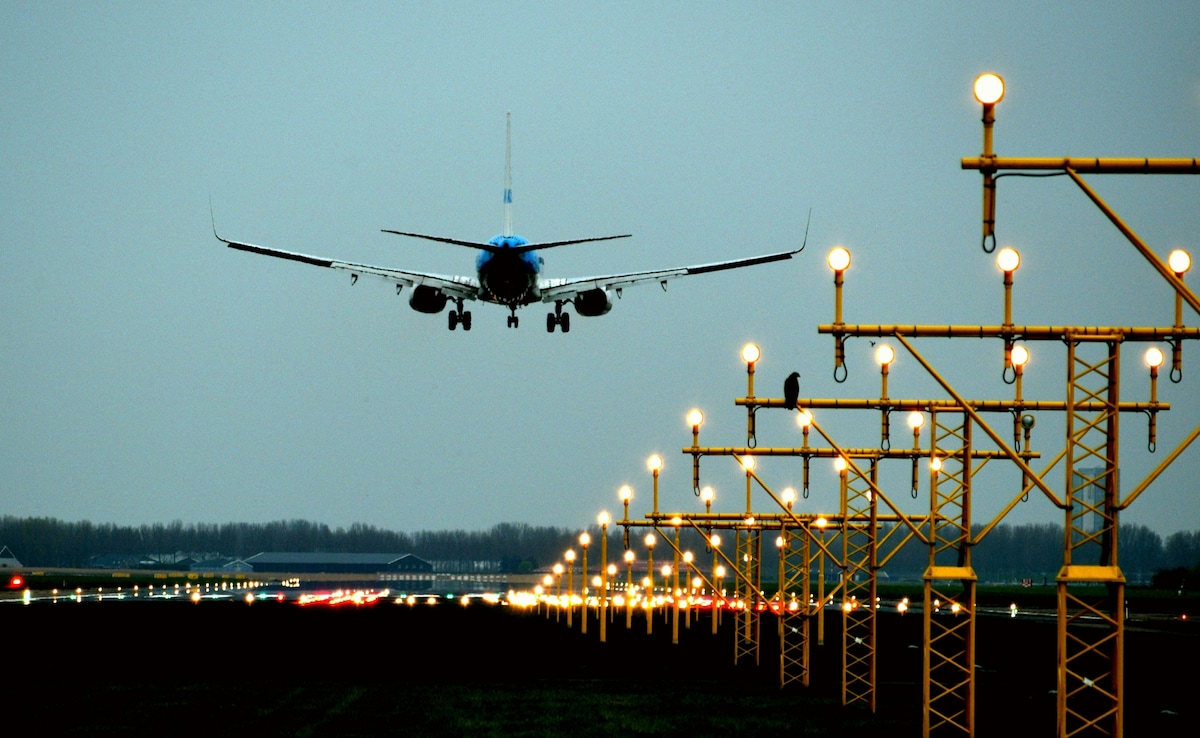 This guide lists 15 of the best plane spotting places in the world, covering iconic beach landings, official observation decks, and classic city-side runway viewpoints. It is designed for both beginners and serious aviation photographers. We also include timing strategy, lens guidance, and legal/safety reminders so you can spot responsibly without disrupting airport operations.
Quick Facts for Spotters
| Category | Key Point |
|---|---|
| Total locations covered | 15 |
| Best type of access | Official viewing decks and designated public parks |
| Most famous beach spotting | Maho Beach (St. Maarten) |
| Best for beginners | Airport observation decks with facilities |
| Main risk to avoid | Unsafe proximity to restricted or jet-blast zones |
Top 15 Plane Spotting Locations
1) Maho Beach, St. Maarten
The most famous plane spotting location globally. Arrivals pass extremely low over the beach approach line, creating iconic close-aircraft perspective.2) Princess Juliana Airport Area, St. Maarten
Beyond Maho itself, nearby approach viewpoints provide cleaner side angles for photographers who prefer less crowd in the frame.3) In-N-Out Area Near LAX, Los Angeles
A legendary public-side stop where heavy transcontinental and international traffic creates high-frequency spotting windows.4) Clutter's Park, Los Angeles
One of the classic LAX aircraft viewing parks for runway-focused shots with strong afternoon action.5) Gravelly Point, Washington DC
A favorite for low-overhead arrivals near Reagan National, with open lawn space and excellent approach drama.6) Myrtle Avenue, London Heathrow
A long-standing enthusiast location where arrivals can be captured in strong perspective when runway use aligns.7) Heathrow Official Spotter Areas, London
In addition to independent spots, Heathrow-linked guidance and public-zone planning make this one of the most structured spotting hubs.8) Schiphol Panorama Terrace, Amsterdam
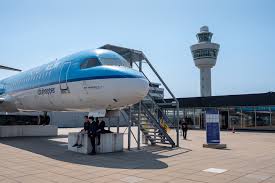 An official airport viewing terrace with family-friendly facilities and excellent multi-angle movement visibility.
9) Zurich Airport Observation Deck
Well-managed public observation infrastructure and reliable photography conditions make Zurich a strong European pick.10) Munich Airport Visitors Park
Purpose-built visitor infrastructure and runway visibility make this ideal for enthusiasts who prefer structured viewing over improvised spots.11) Tokyo Haneda Observation Decks
Tokyo Haneda offers polished deck access and very high operational rhythm, useful for both tracking and repeat-frame shooting.12) Sydney Airport Plane Spotting Areas
Sydney has multiple popular public-side spots with varied angle opportunities and strong movement consistency.13) Kai Tak Cruise Terminal Rooftop (Hong Kong Region Context)
While historic Kai Tak operations ended, this area remains part of broader enthusiast heritage routes linked to Hong Kong aviation history.14) Suvarnabhumi Vicinity, Bangkok
Public approach-zone points around Bangkok's main airport are well known among regional enthusiasts for daily traffic volume.15) Changi Plane Spotter Zones, Singapore
Officially maintained areas and organized public access make Singapore one of the easiest cities for disciplined, family-friendly spotting sessions.Regional Breakdown
| Region | Top Picks | Why It Stands Out |
|---|---|---|
| Caribbean | Maho / Princess Juliana | Ultra-low approach beach visuals |
| North America | LAX points, Gravelly Point | High movement volume and iconic city spots |
| Europe | Heathrow, Schiphol, Zurich, Munich | Strong official infrastructure for enthusiasts |
| Asia-Pacific | Haneda, Sydney, Bangkok, Changi | Excellent operational consistency and public access options |
How to Choose the Right Spot for Your Goal
Not all locations suit every spotter type.For First-Time Spotters
Choose official observation decks (Schiphol, Haneda, Zurich) where facilities, signage, and safety buffers are clear.For Photography-First Travelers
Pick spots with predictable light direction, runway alignment, and long clear approach views.For Aviation Bucket-List Travelers
Include at least one iconic extreme perspective location such as Maho Beach, but follow local safety rules strictly.Photography Guide for Plane Spotting
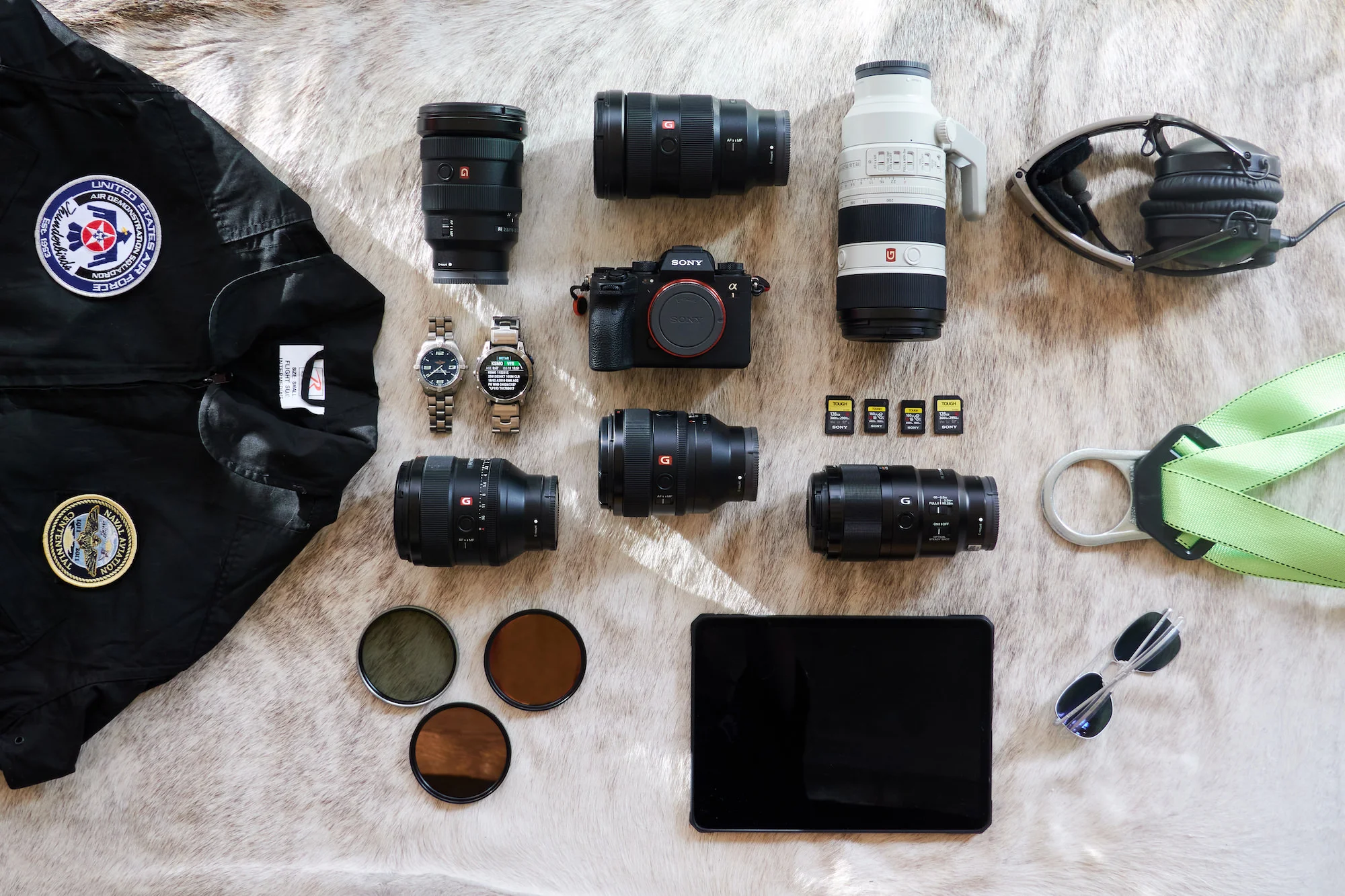
Recommended Lens Range
- 70-200mm: flexible for medium-distance approach shots
- 100-400mm: useful for deck-based runway captures
- 24-70mm: environmental shots at close approach zones
Shutter and Tracking Basics
- Use higher shutter speeds for sharp approach capture
- Practice panning for movement shots with prop aircraft
- Continuous autofocus modes help with final approach tracking
Weather and Light Strategy
- Golden hour gives softer color and lower glare
- Midday can work for action density, but heat haze may rise
- Overcast days reduce harsh contrast for fuselage detail
Safety and Legal Guidelines
Plane spotting is generally legal from public, permitted locations, but rules differ by country and airport authority. Always do this:- Stay in public or designated viewing zones
- Follow police/airport instructions immediately
- Avoid restricted areas, perimeter climbing, and barrier crossing
- Respect jet blast warning signage near approach/departure points
- Enter controlled airport land without authorization
- Stand in unsafe blast corridors for photos
- Use drones near active airports unless fully authorized
Best Time of Day for Spotting
| Time Window | Strength | Weakness |
|---|---|---|
| Morning | Clean light, lower haze, often active departures | Some locations may have backlight |
| Midday | High movement in major hubs | Hard light and heat shimmer risk |
| Golden Hour | Best color quality for photography | Short time window and rising crowd |
Beginner Spotter Checklist
- Pre-check runway usage and weather
- Carry water, cap, and lightweight rain layer
- Use flight-tracking app support for arrival anticipation
- Carry spare battery and memory cards
- Keep ID and local transport backup plan
Sample 3-Spotter-City Itinerary Idea
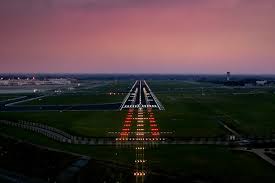 If you are planning an aviation-focused trip, combine one official deck city, one high-action hub, and one iconic approach destination. Example pattern:
City 1 (Structured): Schiphol / Haneda style deck days
City 2 (High volume): Heathrow / LAX region
City 3 (Signature shot): Maho Beach zone
This balances safety, comfort, and bucket-list visuals without overloading risk-heavy spots.
If you are planning an aviation-focused trip, combine one official deck city, one high-action hub, and one iconic approach destination. Example pattern:
City 1 (Structured): Schiphol / Haneda style deck days
City 2 (High volume): Heathrow / LAX region
City 3 (Signature shot): Maho Beach zone
This balances safety, comfort, and bucket-list visuals without overloading risk-heavy spots.
Detailed Spot Notes for the Top 15 List
To make this list more usable, here are practical notes enthusiasts typically track before arrival.Maho and Princess Juliana Belt
Arrive early to identify safe standing zones. Wind direction and runway use patterns can change your best shooting position. Keep distance from blast danger areas during departures.LAX Public-Side Spots
Expect high movement and fast sequence opportunities. Keep a second body or dual focal setup if possible, because aircraft type mix changes quickly.Gravelly Point
Great for dramatic overhead arrivals. Use ear protection for long sessions and avoid tripod spread that blocks public paths.Heathrow Spots
Runway operation changes can alter where the best views are. Track updates before departure day to avoid missing your target approach line.Schiphol and Zurich Decks
Official decks are ideal for families and beginner photographers. Carry a lightweight lens cloth because weather shifts can add moisture or dust to front elements.Munich Visitor Park
A strong location for slower, educational sessions with children. This works well for combining spotting with airport learning exhibits.Haneda and Sydney
Urban airport spotting rewards preparation. Check transport exit points in advance so you do not lose golden-hour windows to station navigation.Bangkok and Changi
Heat, humidity, and occasional rain bursts can affect long outdoor sessions. Bring weather-ready gear and plan backup indoor breaks.Aircraft Type Targeting Tips
Different spotters chase different subjects: widebody arrivals, retro liveries, cargo heavies, regional jets, or special event movements. Your location choice should match that goal.| Target Type | Best Location Style | Why |
|---|---|---|
| Widebody arrivals | Major long-haul hubs | Higher chance of international heavy traffic |
| Cargo focus | Multi-runway commercial airports | Broader movement diversity |
| Low approach drama | Beach/near-threshold sites | Closer visual perspective |
| Family spotting days | Official decks and parks | Safer, structured, and more comfortable |
Planning a Multi-Country Spotting Trip
Aviation travelers often over-pack locations and under-plan recovery time. A better structure is 2-3 high-value sessions per city and one backup weather slot. Suggested structure:- Day 1: Orientation + short evening session
- Day 2: Primary spotting window (morning and evening split)
- Day 3: Backup weather session or transfer
Editing Workflow for Aviation Photographers
After each session, tag shots by airport code, aircraft type, and light condition. This makes later portfolio building easier.- Keep one folder for sharp action captures
- Keep one folder for environmental context shots
- Retain metadata for future trip planning
- Note exact spot coordinates for repeatability
Ethics and Community Standards
Plane spotting communities value safety and respect. Do not publish instructions that encourage barrier violations, and do not pressure beginners to chase dangerous close-up positions. The best spotter culture is collaborative: sharing legal viewpoints, weather timing insights, and camera setup tips while respecting local regulations.Alternative Spotting Days When Flights Are Limited
Even on lower traffic days, you can still make useful sessions by practicing panning technique, framing composition, and exposure control. Beginners should treat these days as skill-building opportunities rather than failed outings. Consistency in approach matters more than one viral shot.Weather, Runway Configuration, and Keeper Rate
Experienced spotters know that keeper rate is strongly tied to runway direction, weather clarity, and heat behavior, not only camera quality. A well-planned day with average gear can outperform a poorly timed session with premium equipment. Before each spotting day, check expected wind direction, arrival runway patterns, and cloud cover timing. This helps you choose whether to prioritize close approach shots, side profiles, or environmental compositions.Beginner-Friendly Gear Setup
You do not need expensive gear to start. A mid-range mirrorless or DSLR body with a reliable zoom lens is enough for strong results.- Carry two batteries for full-day sessions
- Use fast memory cards for burst shooting
- Bring a lens hood for flare control
- Pack microfiber cloths for weather shifts
How to Handle Crowded Spotting Locations
At famous spots, crowd behavior can affect both safety and image quality. Avoid pushing for front-row positions if it blocks others or enters risky areas. Instead, arrive early and secure a legal, stable angle. If a location becomes overcrowded, switch to secondary viewpoints with less social-media congestion. You may lose extreme closeness but gain cleaner composition and better workflow.Multi-Day Spotting Strategy for Better Results
A single session rarely captures every aircraft type or livery target. Plan at least two sessions per airport city: one for orientation and one for refined execution. Session 1: Learn local movement rhythm, test focal lengths, note best background positions. Session 2: Execute target list: heavies, special liveries, or light-specific frames. This two-session structure dramatically improves output quality and reduces rushed mistakes.Respecting Local Communities Around Airports
Many excellent spotting points are near residential zones, parks, and public roads. Keep noise low, avoid blocking pathways, and park legally. Aviation enthusiasm grows best when local communities view spotters as responsible and respectful users of public space. Good behavior protects long-term access for everyone.Tracking and Logging for Serious Spotters
Advanced enthusiasts often maintain a log by airport code, aircraft registration, lens choice, and weather condition. This helps compare outcomes across locations and improves repeat-trip performance. If you are building a long-term aviation portfolio, organized logging can be as valuable as camera upgrades.Night Spotting Considerations
Night spotting can produce dramatic lighting but requires higher ISO handling and steady technique. Focus on airports with strong deck lighting and predictable traffic windows.Travel Budget Planning for Spotters
If spotting is the primary purpose of your trip, allocate budget for transport flexibility, weather buffer days, and data connectivity for flight-tracking apps. This reduces missed sessions and improves final output quality.Final Spotter Mindset
Treat each session as a practice cycle. Consistent legal access, repeat observation, and disciplined shooting usually produce stronger aviation portfolios than one-time high-risk attempts over the long run. Short, repeatable sessions usually beat rushed marathon outings.Conclusion
The best plane spotting places in the world are not just about proximity to aircraft. The strongest locations combine visibility, safe access, movement volume, and practical logistics. For most enthusiasts, official decks and structured viewing parks provide the best long-term experience, while iconic low-approach spots are best handled with strict caution. Build your list by purpose: photography, hobby learning, or aviation tourism. When you do that, plane spotting becomes more than a one-off thrill. It becomes a repeatable travel craft you can carry into every future airport city.Location
Frequently Asked Questions
Q1.What are the best plane spotting places in the world?
Popular global favorites include Maho Beach, Heathrow approach areas, Schiphol Panorama Terrace, Haneda observation decks, and high-traffic public spots near LAX.
Q2.Is plane spotting legal?
Usually yes from public and designated areas, but local rules vary. Always follow airport and police instructions and avoid restricted zones.
Q3.What camera lens is best for plane spotting?
A 70-200mm is versatile for many conditions, while 100-400mm helps for longer runway and deck distances.
Q4.What is the best time for aviation photography?
Golden hour gives the most flattering light, while mornings can offer clearer air and better contrast control.
Q5.Is Maho Beach safe for plane spotting?
It can be safe when you stay in approved areas and follow warnings. Never stand in jet blast danger zones for close videos.
Q6.Are official observation decks better for beginners?
Yes. They usually offer clear signage, safer barriers, easier access, and better comfort for first-time enthusiasts.
Q7.Do I need a permit for plane spotting?
At most public viewing points, no special permit is needed, but photography restrictions can vary by airport authority and country.
Q8.Which app helps with plane spotting timing?
Flight-tracking apps are widely used to monitor arrivals and departures so you can prepare for specific aircraft movements.
Recommended For You

Shopping
Mall of the Emirates Dubai: Brands, Ski Dubai & Visitor Tips
Plan Mall of the Emirates Dubai with practical shopping, entertainment, and route-timing guidance.
Feb 20Read More

Travel
Disneyland Paris: Complete Guide for Magical Experience
Discover the magic of Disneyland Paris with our complete guide! Learn about tickets, best rides, hotels, ideal visiting times, and insider tips for Europe's most enchanting theme park.
Dec 26Read More

Trekking
Mount Elbrus: Europe’s Highest Mountain, Routes & Climb Facts
Learn why Mount Elbrus is considered the highest mountain in Europe, with clear details on height, routes, season, safety, and practical climb planning.
Dec 4Read More
Never Miss an Adventure
Get the latest trekking guides, travel tips, and exclusive offers delivered straight to your inbox.
