

Can Planes Stop in Mid Air? Aviation Science Explained

Ananya Sharma
November 26, 2025
Discover why planes cannot stop in mid air - Learn about aerodynamics, lift, and what happens if engines fail. Science explained.
Can Planes Stop in Mid Air? The Real Aviation Science
"Can planes stop in mid air?" is one of the most searched aviation questions because it looks simple and dramatic. In movies, aircraft seem to freeze in the sky and then accelerate again. In real-world flight, the answer for commercial airplanes is no. A plane must keep moving forward fast enough for airflow over the wings, otherwise lift drops and the aircraft can stall. This confusion is common in mystery conversations, similar to topics like mysterious flights and the Bermuda Triangle, where visuals can overpower technical context. This guide explains the physics in clear terms, compares airplanes with helicopters, and covers what actually happens during engine failure so you can separate myth from mechanism.
Short Answer: Commercial Planes Cannot Hover
Fixed-wing aircraft cannot pause in one spot in normal flight. They are designed to generate lift from airflow over wings, and that airflow comes from forward speed. If speed drops below a safe threshold for the aircraft’s configuration, the wing no longer produces enough lift. The result is a stall condition, not a controlled hover. Pilots are trained to recognize and recover from this by lowering the nose and rebuilding airspeed. So the correct mental model is this: airplanes can slow, climb, descend, turn, and glide, but they cannot "stand still" in the sky like a helicopter.
Why Wings Need Forward Motion
Lift depends on how air moves around the wing profile and the wing’s angle relative to incoming airflow. As speed increases, airflow energy increases and lift potential rises. As speed decreases too far, lift falls rapidly. Every aircraft has a stall speed range that shifts with weight, flap setting, and air density. At cruising altitude, air is thinner, so maintaining margin above stall remains critical even when the ground appears far away. This is why pilots monitor indicated airspeed constantly. Forward movement is not optional; it is the condition that keeps the lift system alive.
| Flight Concept | What It Means | Why It Matters |
|---|---|---|
| Lift | Upward force from wing-air interaction | Keeps aircraft supported |
| Thrust | Forward force from engines | Maintains airspeed against drag |
| Drag | Air resistance opposing motion | Must be balanced with thrust |
| Stall | Loss of sufficient lift at low speed/high angle | Requires immediate recovery action |
Why It Looks Like Planes Are Stopped
People sometimes observe an aircraft on final approach and feel it is "hanging" in place. This is usually a perspective effect caused by your viewing angle, steady headwind, and the aircraft’s path relative to distant background objects. The plane may move slowly across your field of view while still having enough airspeed for safe flight. A strong headwind can also reduce ground speed while airspeed stays healthy. So a plane may appear almost stationary against landmarks, but aerodynamically it is still moving through air at required speed.
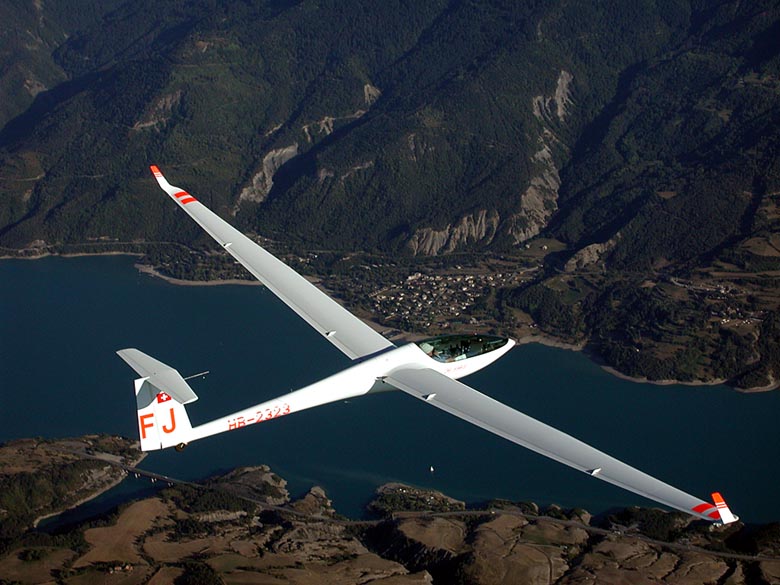
Can Any Aircraft Hover?
Yes, but not normal passenger jets. Helicopters hover because rotating blades function like moving wings, continuously generating lift without needing forward travel. Some military and specialized aircraft with VTOL or STOVL design can also perform hover-like operations using thrust-vectoring systems. These are engineering exceptions with different flight architectures, operating envelopes, and mission profiles. They are not evidence that commercial fixed-wing airliners can stop mid air. Comparing an Airbus or Boeing with a helicopter is like comparing a highway bus with a crane: both are vehicles, but their core mechanics are different.
What Happens If Engines Fail?
A common myth says engines off means immediate fall. In reality, planes become gliders. The aircraft can still travel forward and descend in a controlled manner based on glide ratio, altitude, and weather. Pilots run checklists, attempt restarts where appropriate, coordinate with air traffic control, and select diversion options. This is not theoretical; aviation history includes successful deadstick landings where crews managed emergencies through training and procedure. The key point is that loss of thrust reduces performance, but it does not remove aerodynamic control instantly. Airspeed discipline and decision-making become even more important.
Myths vs Facts
Myth: Planes can stop and restart like cars at a signal
Fact: Flight is continuous energy management, not stop-and-go motion.
Myth: If the plane slows too much, pilots can hold it there safely
Fact: Below critical speed/angle limits, stall risk rises quickly.
Myth: Military jets prove all planes can hover
Fact: Hover-capable aircraft use specialized designs unavailable to regular airliners.
Myth: Viral clips prove impossible maneuvers
Fact: Camera frame rate, zoom, and perspective can mislead perception.
How Pilots Keep Safe Speed Margins
Cruise, descent, and approach are managed around target speeds that account for aircraft weight, altitude, wind, and flap configuration. Flight management systems support this process, but crews continuously cross-check instruments and adjust thrust and pitch. During approach, speeds are intentionally reduced in steps, not abruptly, and always above protected margins. In turbulence or gusty conditions, crews may carry additional speed buffers. Safety comes from disciplined, repeatable control strategies, not aggressive maneuvering.
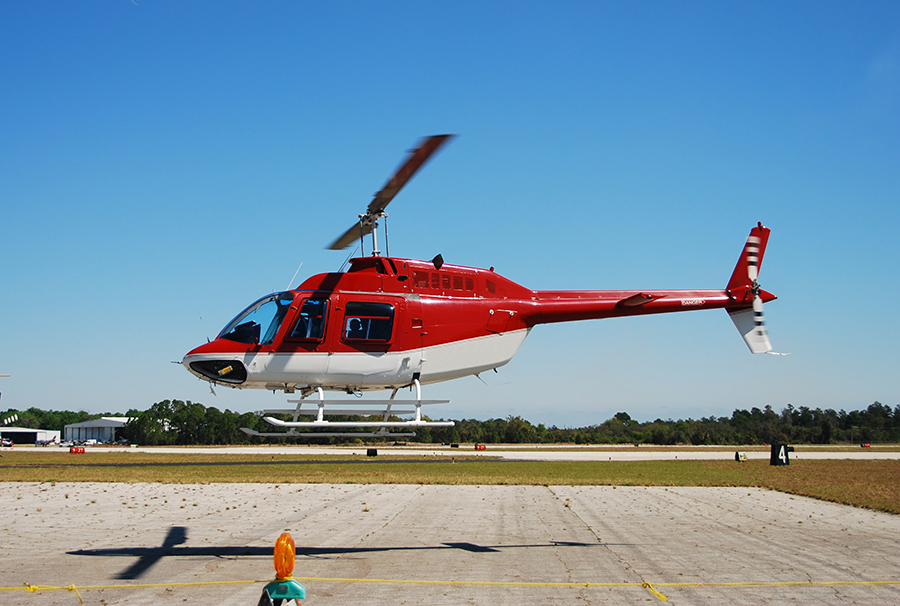
Why This Question Keeps Going Viral
The question survives because it blends fear, curiosity, and visual illusion. Air travel compresses distance at high speed, yet from the ground an approaching aircraft can look oddly slow. Add social media edits and sensational captions, and people assume impossible behavior occurred. The same pattern appears in destination mysteries like Chandra Taal myths and ecological stories such as Jatinga bird mystery, where dramatic framing spreads faster than technical explanation. Good reading practice is simple: ask what instrumented data says, not what a short clip implies.
Passenger Perspective: Should You Worry?
No. Commercial aviation is built on strict certification standards, performance envelopes, and recurrent training. Crews are trained for abnormal situations and practice simulator scenarios including stalls, windshear responses, and engine-out procedures. Aircraft are also designed with redundancy in systems and layered safety philosophy. The takeaway for travelers is not fear but literacy: understand basic flight principles and avoid panic narratives that ignore physics.
Practical Aviation Literacy Checklist
- If a claim says a jet "stopped," check whether it is a perspective effect.
- Differentiate airspeed from ground speed, especially in headwind conditions.
- Remember that helicopters and VTOL jets are different classes of aircraft.
- Treat short clips as incomplete evidence unless backed by verified flight data.
Final Takeaway
Planes do not stop in mid air in normal commercial operations. They need forward airflow to generate lift and remain controlled. What people call "stopping" is usually an illusion created by angle, wind, and background reference. Understanding this one concept instantly clears most myths. When you combine curiosity with basic aerodynamics, aviation becomes less mysterious and far more impressive.
Quick Example: Airspeed vs Ground Speed
Imagine a plane flying into a strong headwind. Its movement over the ground may look very slow to an observer, but the wing still receives enough airflow for stable flight. That is why pilots care deeply about airspeed instruments, not street-level visual impressions. If airspeed is healthy, the airplane remains controlled even when it appears to crawl relative to buildings or hills. This single distinction explains a large share of "stopped in mid air" clips online.
Bottom Line for Travelers
Commercial aircraft cannot pause in the sky. They stay safe through controlled speed, trained crews, and strict operating limits.
This is why pilot training emphasizes energy management at every phase of flight: speed control is the foundation of safe fixed-wing operations.
Location
Frequently Asked Questions
Q1.Can planes stop in mid air?
Q2.Why can't airplanes stop flying?
Q3.Can helicopters stop in mid air?
Q4.What happens if a plane stops moving forward?
Q5.Can a plane glide without engines?
Q6.What happens if both engines fail?
Q7.Can a plane hover in one spot?
Q8.What is aerodynamic lift?
Q9.How do wings generate lift?
Q10.Can military jets hover?
Recommended For You
Flight Cancellations Due to Fog: Refund Rules, Compensation & Rebooking
Flight cancelled due to fog? Understand passenger rights, DGCA framework, refund rules, rebooking options, and practical winter flight planning in India.

Cheapest Flights to Europe from India: Booking Hacks & Best Months
Find the cheapest flight to Europe from India with practical booking windows, route strategies, hidden-cost checks, and fare-saving tactics that actually work.

International Airports in India: Full List by State & City
Discover all international airports in India! Get complete list, state-wise details, busiest airports, new airports, and comprehensive guide to Indian aviation.
Never Miss an Adventure
Get the latest trekking guides, travel tips, and exclusive offers delivered straight to your inbox.
