
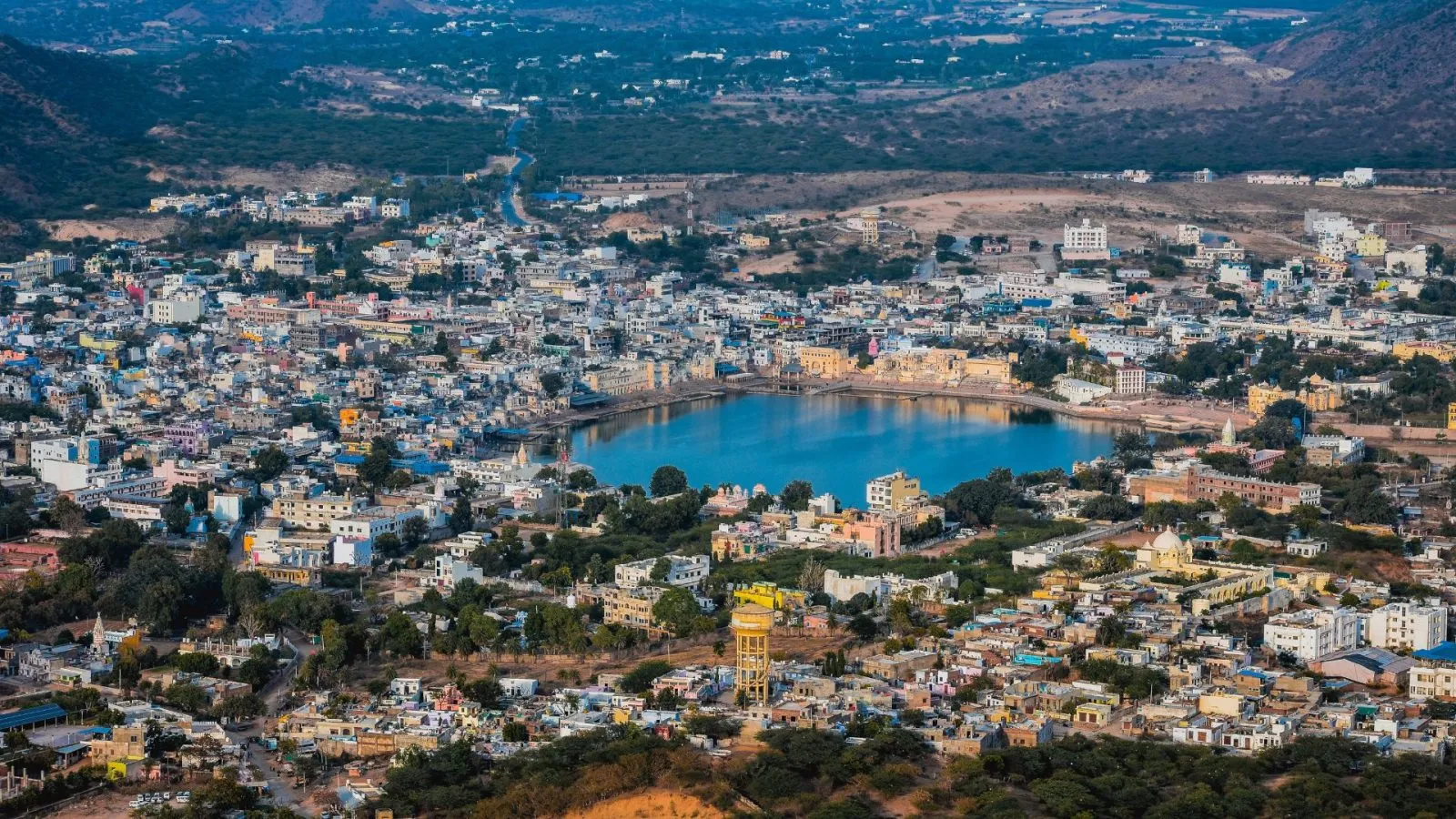
Pushkar: Complete Travel Plan Places And Weather

Rahul Garg
February 20, 2026
Complete Pushkar travel guide featuring Brahma Temple, Pushkar Lake, Camel Fair, spiritual experiences, shopping & practical tips.
Introduction to Pushkar
Pushkar, one of India's most sacred pilgrimage towns, is a place where spirituality meets vibrant culture in the heart of Rajasthan. Located approximately 15 kilometers northwest of Ajmer and 140 kilometers from Jaipur, this small town surrounds the holy Pushkar Lake, believed to have been created by Lord Brahma himself. According to Hindu mythology, Lord Brahma, the creator of the universe, dropped a lotus flower to earth, and where the petals fell, the holy lake of Pushkar emerged. This makes Pushkar one of the very few places in the world with a temple dedicated to Lord Brahma.
What makes Pushkar truly special is its remarkable blend of sacred and the secular. On one hand, it's one of the five sacred dhams (pilgrimage sites) for Hindus, with devotees coming to take ritual dips in the holy lake and offer prayers at the numerous temples. On the other hand, it's a laid-back traveler haven with cafes, guesthouses, and a vibrant market scene. The narrow lanes of Pushkar are filled with the sound of temple bells, the aroma of incense and rajma (kidney bean) curry, and the colorful sights of Rajasthan's traditional culture.
For those interested in exploring more pilgrimage sites, check out 12 Jyotirlingas in India. And if you're looking for desert experiences, Rajasthan camping places offer unique overnight adventures.
Pushkar is perhaps most famous for the annual Pushkar Camel Fair, one of the world's largest livestock fairs, which transforms this quiet town into a spectacular festival of camels, cattle, horses, cultural events, and religious celebrations. For the rest of the year, Pushkar offers a more peaceful but equally enriching experience - spiritual rituals at the ghats, temple visits, sunset views from the hills surrounding the town, and the unique charm of Rajasthan's most sacred town.
Whether you're a spiritual seeker, cultural enthusiast, photographer, or simply looking for a unique Indian experience, Pushkar offers something special. The town's location, surrounded by hills on three sides and the holy lake at its center, creates a natural amphitheater that has drawn pilgrims and travelers for millennia.
Best Time to Visit Pushkar
Pushkar experiences extreme desert weather, making the timing of your visit crucial for a comfortable experience. The town has scorching summers, a brief monsoon, and pleasant winters.
October to March is undoubtedly the best time to visit Pushkar when the weather is pleasant and suitable for exploring. During this period, daytime temperatures range from 15°C to 30°C, with cooler nights. The winter months of December and January can be quite chilly, especially in the early mornings and evenings, so carrying woolens is advisable. This is peak tourist season, with the highest crowds during the Pushkar Camel Fair (typically in October or November, dates varying according to the lunar calendar).
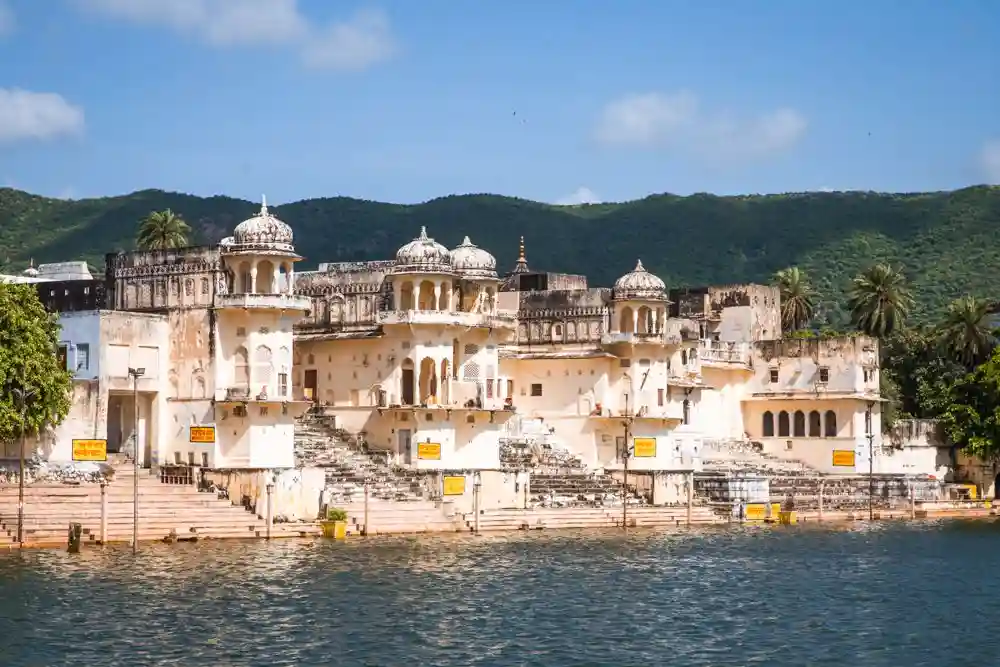
October and November, immediately after the monsoon, see the landscape at its greenest and the holy lake full. This is when the Pushkar Camel Fair takes place, transforming the town into a spectacular cultural event. The weather is pleasant, making it ideal for exploring the town, attending fair events, and taking ritual dips in the lake. However, this is also the busiest and most expensive time to visit.
December to February sees cooler weather and fewer crowds than during the camel fair. The days are pleasant for sightseeing, while nights can be quite cold. This is an excellent time for those who want to experience Pushkar without the extreme crowds of the camel fair. The clear winter air offers excellent views from the surrounding hills.
April to June brings severe summer with temperatures routinely reaching 40-45°C. The heat is intense, the desert sun is relentless, and outdoor activities are challenging, especially during midday. This is the off-season with significantly fewer tourists and the lowest accommodation prices. If you must visit during summer, plan activities for early morning and evening, rest during the hottest hours, and stay extremely hydrated.
July to September is the monsoon season when Pushkar receives moderate rainfall. The desert landscape briefly transforms green, and the lake fills up after the dry summer months. However, rainfall can be unpredictable, and humidity can be high. This is the least crowded time to visit, and accommodation prices are at their lowest. If you enjoy the monsoon ambiance and don't mind sudden downpours, this can be a peaceful time to experience Pushkar's spiritual side without crowds.
Pushkar Lake and Ghats
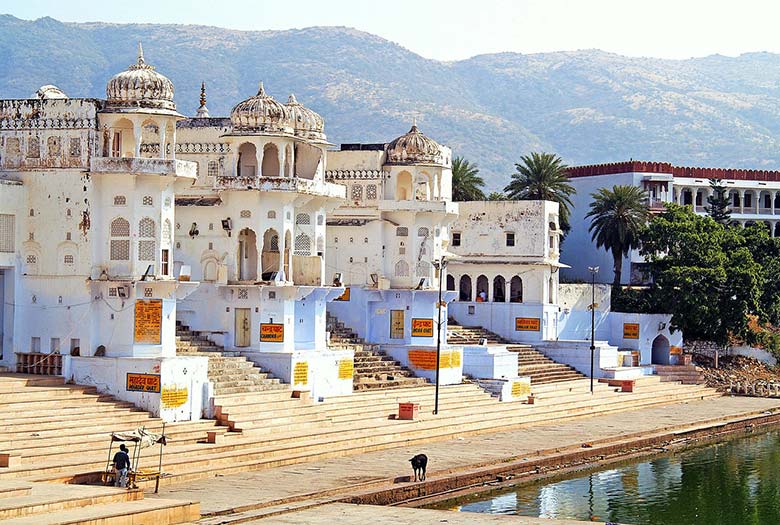
The heart of Pushkar is the sacred Pushkar Lake, believed to have been created by Lord Brahma himself. The lake, surrounded by 52 ghats (stone steps leading down to the water), is the focal point of religious activity in Pushkar. Hindus believe that a ritual dip in Pushkar Lake washes away sins and aids in achieving moksha (liberation from the cycle of rebirth). The lake is particularly sacred because Pushkar is one of the five sacred dhams in Hinduism, alongside Badrinath, Puri, Rameswaram, and Dwarka.
The 52 ghats around the lake each have their own significance and history. The most important is the Brahma Ghat, believed to be where Brahma performed a yajna (sacrificial ritual). Other important ghats include Varaha Ghat (associated with Vishnu's boar incarnation), Gau Ghat (where people donate to cows), and Vishnu Ghat. Each ghat has its own name, usually associated with a particular deity or legend.
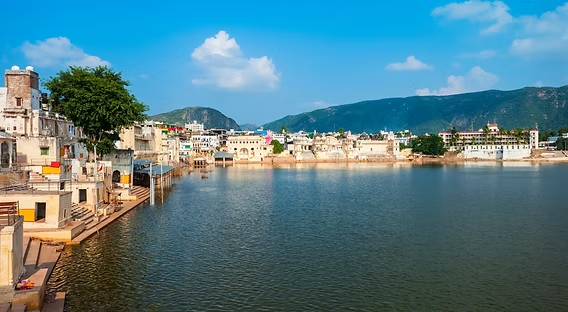
The ritual of visiting Pushkar Lake involves walking along the ghats, taking a ritual dip in the holy water, and offering prayers. Many pilgrims perform pind daan (rituals for ancestors) here. The lake is particularly crowded during Kartik Purnima (the full moon day in the Hindu month of Kartik, typically October-November), when thousands of pilgrims come to take a ritual dip. The evening aarti (prayer ceremony) at the main ghats is a beautiful and spiritual experience, with lamps, chanting, and offerings to the lake.
Brahma Temple
The Brahma Temple, also known as Jagatpita Brahma Mandir, is one of the very few temples in the world dedicated to Lord Brahma, the Hindu creator god. Built in the 14th century, the temple stands on a high plinth near Pushkar Lake. Its distinctive red spire (shikhar) and the image of a swan (Brahma's vehicle) over the entrance make it easily recognizable.
The temple's sanctum houses a beautiful four-faced image of Lord Brahma, called Chaumurti, with four faces facing four directions. The temple also features images of Brahma's consorts, Gayatri and Savitri. The marble floor and walls feature silver coins donated by devotees over the centuries. The temple complex includes a small shrine dedicated to Goddess Gayatri.
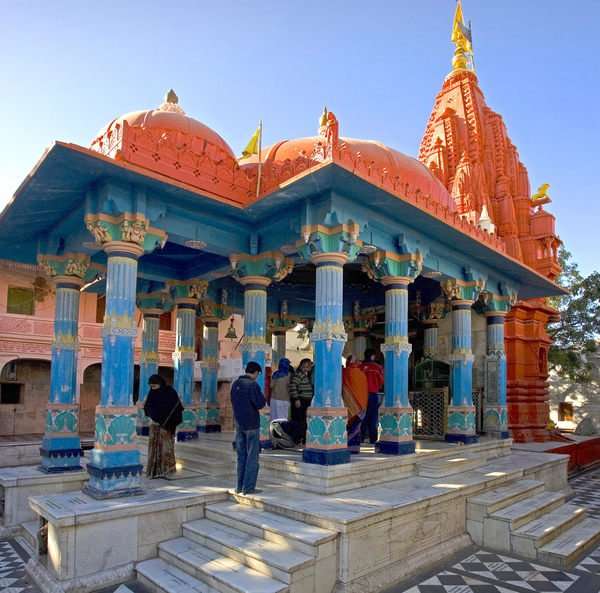
The temple is particularly busy during Kartik Purnima and during the Pushkar Fair. Devotees visit to offer prayers and seek blessings. The temple's architecture follows the traditional Rajasthani style with carved pillars and a beautiful entrance gateway. Photography inside the temple is prohibited. The temple is open from early morning to late evening, with a break in the afternoon. Remove shoes before entering - shoe storage is available at the entrance.
Why So Few Brahma Temples?
A common question is why there are so few Brahma temples when Brahma is one of the main Hindu trinity gods (along with Vishnu and Shiva). According to legend, Brahma lied to protect a yajna he was performing, claiming he had found the most beautiful flower when he had actually sent a swan to find the supreme lotus. For this lie, he was cursed by Shiva that he would not be worshipped in temples. Another legend says Saraswati cursed Brahma after he married Gayatri. Whatever the legend's origin, the result is that very few Brahma temples exist in India, making the Pushkar Brahma Temple particularly significant.
Other Important Temples
Beyond the Brahma Temple, Pushkar has numerous other temples worth visiting, each with its own significance and charm.
Savitri Temple
Located on Ratnagiri Hill overlooking Pushkar, the Savitri Temple is dedicated to Goddess Savitri, Brahma's first consort. The temple requires a hike of approximately 1.5 kilometers up a hill with approximately 700 steps. The climb, which takes about 30-45 minutes, is moderately challenging but rewards you with spectacular views of Pushkar Lake, the town, and the surrounding desert landscape.
According to legend, Savitri came to Pushkar to attend Brahma's yajna but became angry when Brahma married Gayatri in her absence. She cursed Brahma and then ascended this hill to meditate. The temple is particularly popular during the Navratri festival. The climb is best done in the early morning or late afternoon to avoid the heat. For those unable to climb, a ropeway (cable car) is available that takes you to the temple with beautiful aerial views of Pushkar.
Varaha Temple
The Varaha Temple, dedicated to Lord Vishnu in his boar (Varaha) incarnation, is one of the largest and oldest temples in Pushkar. Built in the 12th century and later renovated, the temple houses a beautiful white marble image of Lord Varaha. According to Hindu mythology, Lord Vishnu assumed the boar form to rescue the earth goddess Bhudevi from the cosmic ocean.
The temple features exquisite carvings and sculptures typical of Rajasthani temple architecture. The image of Varaha, approximately 2 meters tall, is particularly impressive with detailed carvings depicting various gods and goddesses on its body. The temple is less crowded than the Brahma Temple and offers a peaceful atmosphere for contemplation.
Rangji Temple
The Rangji Temple, dedicated to Lord Rangji (another form of Lord Vishnu), is notable for its South Indian architectural style, making it unique among the predominantly North Indian style temples of Pushkar. Built in 1823 by a wealthy merchant from Madurai, the temple features a tall gopuram (gateway tower) typical of South Indian temples, intricate carvings, and a beautiful idol of Lord Rangji in reclining position.
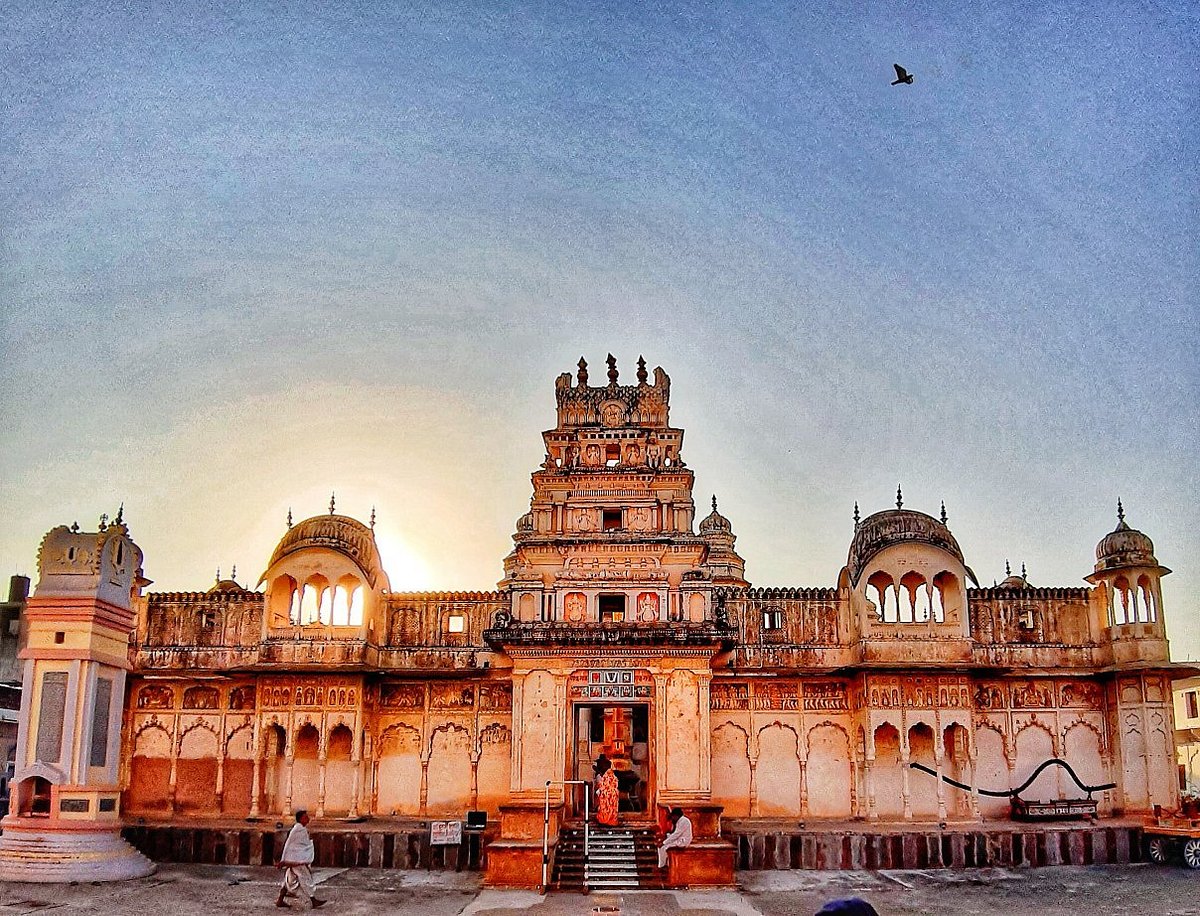
The temple complex is large and well-maintained, featuring various shrines and a peaceful atmosphere. The temple celebrates various festivals with great enthusiasm, particularly Rath Yatra (chariot festival). The temple's South Indian influence makes it architecturally distinct from other temples in Pushkar and worth visiting for its unique style.
Apteshwar Temple
The Apteshwar Temple, dedicated to Lord Shiva, is believed to have been built in the 12th century. The temple houses a Shiva lingam and is particularly important as it represents the presence of all three major Hindu deities - Brahma (at Brahma Temple), Vishnu (at Varaha Temple), and Shiva (at Apteshwar Temple) - within Pushkar.
The temple is relatively small but architecturally significant, featuring beautiful carvings and a peaceful atmosphere. The temple is particularly busy during Mahashivratri when devotees offer special prayers to Lord Shiva.
Pushkar Camel Fair
The Pushkar Camel Fair, officially known as Pushkar Mela, is one of the world's largest livestock fairs and a spectacular cultural event that draws thousands of camels, cattle, and visitors from across Rajasthan and beyond. Held annually for five days leading up to Kartik Purnima (full moon in the Hindu month of Kartik, typically October or November), the fair has both religious and commercial significance.
The camel trading is the heart of the fair - approximately 50,000 camels are brought to Pushkar to be bought, sold, and traded. The camels are decorated, groomed, and paraded before prospective buyers. Beyond trading, the fair features numerous cultural events including camel races, camel beauty contests, folk music and dance performances, turban-tying competitions, and various other contests that showcase Rajasthan's vibrant culture.
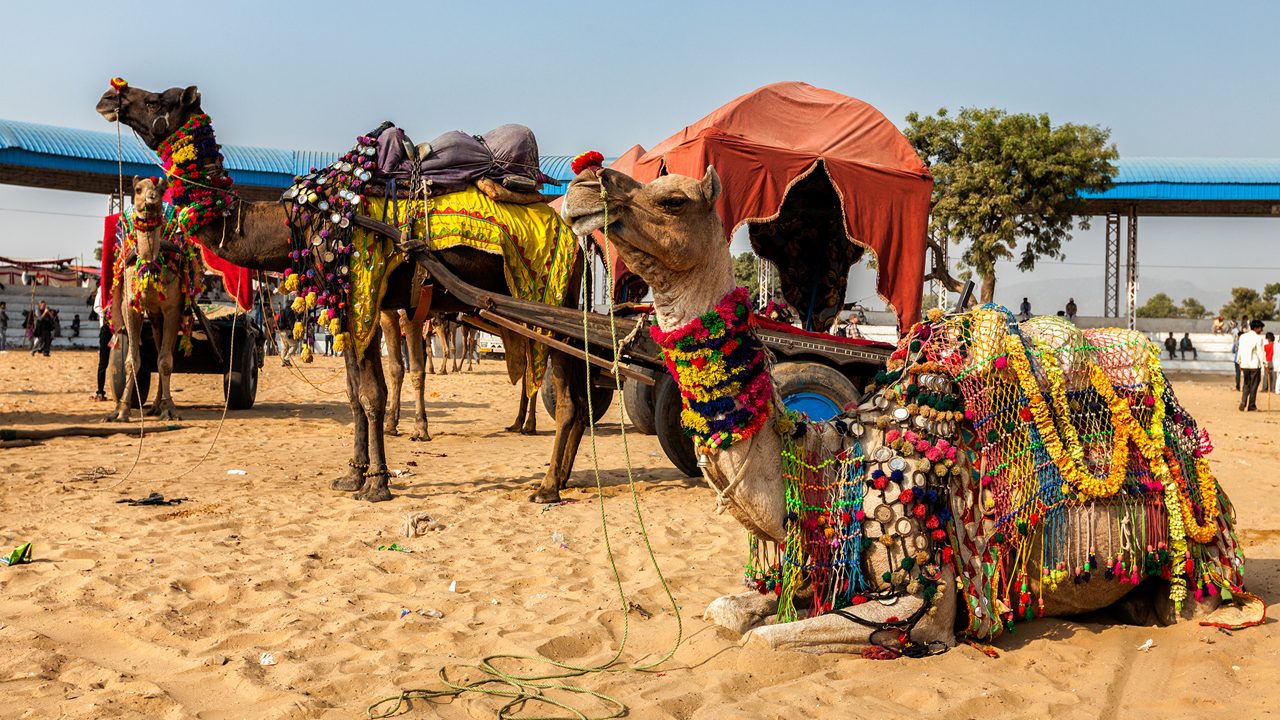
The fair culminates on Kartik Purnima, when thousands of pilgrims take a ritual dip in Pushkar Lake at the auspicious time. The atmosphere is electric - camels, traders, pilgrims, tourists, musicians, and performers create a spectacle that's unlike anything else in the world. Photography opportunities are incredible, with colorful turbans, decorated camels, traditional jewelry, and the golden desert light creating stunning images.
Visiting during the fair requires planning well in advance - accommodations are booked months in advance, prices skyrocket, and the town is incredibly crowded. However, experiencing the Pushkar Camel Fair is a once-in-a-lifetime cultural experience that's worth the effort and expense.
Sunset Points and Hill Views
One of the best things to do in Pushkar is to watch the sunset from the hills surrounding the town. The views over Pushkar Lake, the temples, and the desert landscape are spectacular, especially in the golden light of late afternoon.
The most popular sunset point is Savitri Temple hill - even if you don't visit the temple, hiking up (or taking the ropeway) for sunset is highly recommended. The view from the top, looking down on the lake with the temple spires and the desert beyond, is one of Pushkar's most beautiful vistas. Another option is to hike to the smaller hills on the opposite side of the lake, which also offer excellent views.
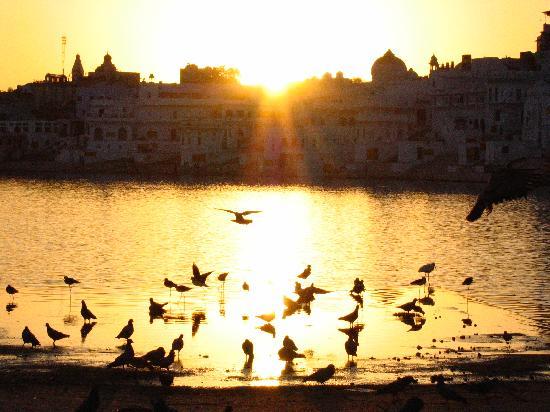
Many cafes in Pushkar have rooftop seating that offers excellent sunset views without the hike. Alternatively, rent a bicycle and ride to the outskirts of town for desert views. The sunset hours (approximately 5:30-6:30 PM depending on season) are magical in Pushkar - the golden light, the temple bells, the evening aarti beginning at the ghats - creating a quintessential Rajasthan experience.
Excursions from Pushkar
Ajmer Sharif Dargah
Located approximately 15 kilometers (30 minutes by road) from Pushkar, Ajmer is home to the Ajmer Sharif Dargah, one of the most important Sufi shrines in South Asia. The dargah (shrine) of Khwaja Moinuddin Chishti, a 13th-century Sufi saint, attracts millions of pilgrims of all religions annually. The shrine complex includes several buildings, courtyards, and gates constructed over centuries by various rulers including Mughal emperors.
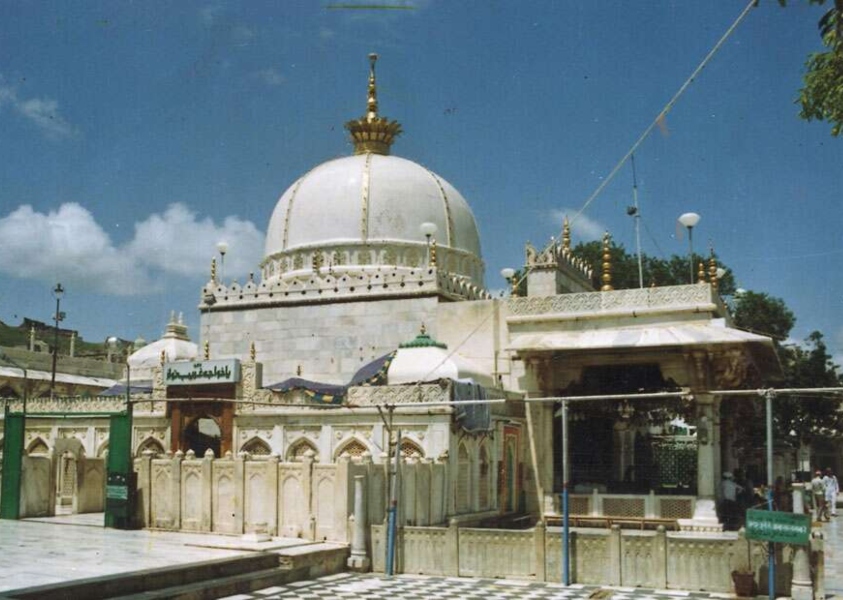
The atmosphere at the dargah is intense and spiritual - the sounds of qawwali (Sufi devotional music), the aroma of incense and flowers, the sight of devotees offering prayers and the energy of faith create a powerful experience. The main shrine houses the tomb of Khwaja Moinuddin Chishti. Visitors offer flowers, chadars (cloth sheets), and prayers. The dargah is particularly busy during the Urs festival (death anniversary of the saint).
Ajmer also has other attractions including Taragarh Fort, Ana Sagar Lake, and Adhai Din Ka Jhonpra mosque. The Ajmer-Pushkar combination allows you to experience two very different but equally important religious traditions - Hindu pilgrimage at Pushkar and Sufi Islamic tradition at Ajmer.
Roopangarh Fort
Located approximately 60 kilometers (1.5 hours by road) from Pushkar, Roopangarh Fort is a 17th-century fort built by Maharaja Roop Singh of Kishangarh. The fort, now partially converted into a heritage hotel, offers insights into Rajput military architecture and the history of the region.
The fort can be visited as a day trip from Pushkar, or you can choose to stay overnight for a more immersive experience. The journey to Roopangarh takes you through rural Rajasthan, offering glimpses of village life, desert landscapes, and traditional architecture.
Shopping in Pushkar
Pushkar is excellent for shopping, particularly for traditional Rajasthani handicrafts, textiles, and jewelry. The main market area, particularly around the Brahma Temple and the main street, is lined with shops selling colorful goods.
Popular items include Rajasthani textiles and fabrics - bandhani (tie-dye), leheriya (wave pattern), mirror work embroidery, and block-printed textiles. These make excellent souvenirs and can be purchased as fabric, clothing, or home furnishings. Traditional jewelry including silver jewelry, lac bangles, and traditional Rajasthani jewelry pieces are widely available and beautifully crafted.
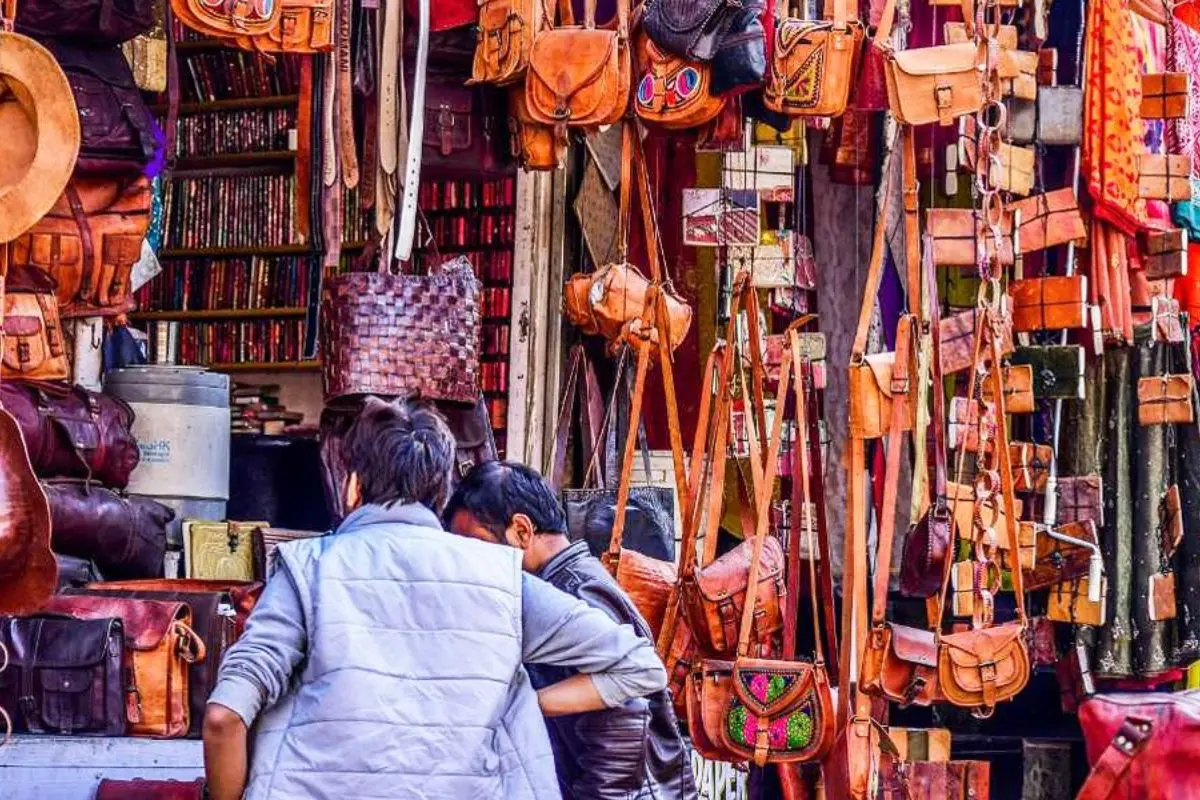
Leather goods, particularly mojari (traditional Rajasthani footwear), embroidered bags, and belts are popular purchases. Camel leather products are unique to this region. Other handicrafts including puppets, pottery, metalwork, and miniature paintings make excellent souvenirs. The market is particularly vibrant during the camel fair when traders from across Rajasthan set up stalls.
Bargaining is expected in markets - start at about half of asking price and negotiate. Government-run emporiums offer fixed prices and assured quality. The market is open from morning until late evening, with the most active time being late afternoon and evening.
Food in Pushkar
Pushkar is a pilgrimage town, which means it's strictly vegetarian and alcohol-free. The food scene revolves around vegetarian North Indian and Rajasthani cuisine, with several international options for foreign visitors.
The most famous Pushkar dish is rajma chawal (kidney bean curry with rice), served in nearly every restaurant and cafe. The rajma here is said to be particularly delicious due to the local water and preparation methods. Other Rajasthani specialties include dal baati churma (lentil curry with wheat balls and sweet crushed wheat), gatte ki sabzi (gram flour dumplings in curry), and ker sangri (a desert bean and berry preparation).
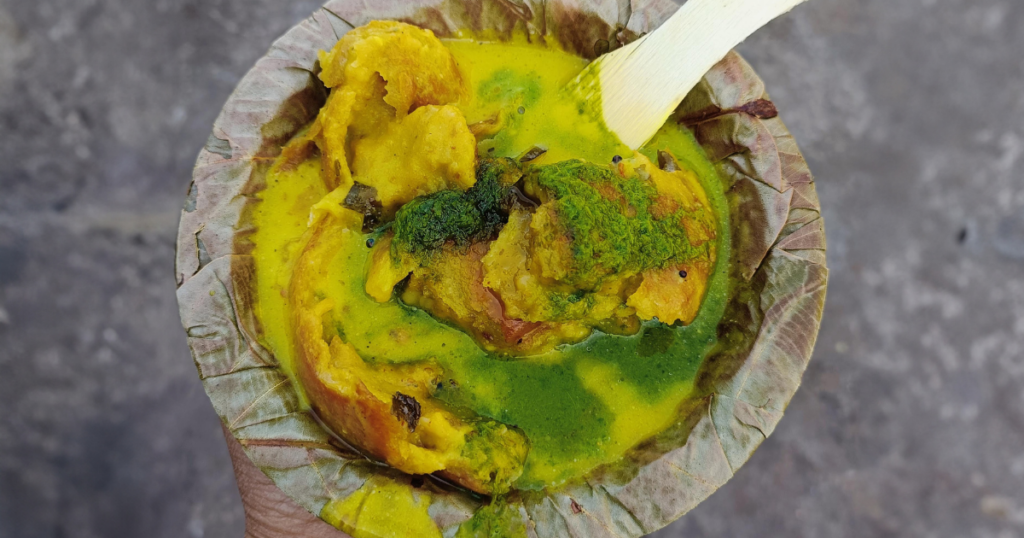
The main market area has numerous restaurants serving thalis (platter meals) that allow you to sample multiple dishes. For international visitors, Pushkar has numerous cafes serving Israeli, Italian, Continental, and other international cuisines. The town has long been popular with international backpackers and the cafe culture reflects this.
Popular eating spots include Sunset Cafe (excellent views and international food), Honey & Spice (cafe with good breakfast), and various rooftop restaurants around the main market. For traditional Rajasthani food, try the local dhabhas and restaurants specializing in regional cuisine. Malpua (sweet pancakes) and ghevar (a Rajasthani sweet) are popular desserts. Chai (tea) is ubiquitous - try masala chai for an authentic experience.
How to Reach Pushkar
By Air
The nearest airport to Pushkar is Jaipur International Airport, located approximately 140 kilometers (2.5-3 hours by road) away. Jaipur is well connected to major Indian cities including Delhi, Mumbai, Bangalore, Hyderabad, and others with regular flights. From Jaipur Airport, you can hire a taxi or take a bus to Pushkar. Prepaid taxis are available at the airport.
Another option is Delhi's Indira Gandhi International Airport, approximately 400 kilometers (7-8 hours by road) away. Delhi has much better international connectivity. For international visitors, flying into Delhi and continuing to Pushkar by road or train is often the most practical option.
By Train
The nearest railway station to Pushkar is Ajmer Railway Station, located approximately 15 kilometers (30 minutes by road) away. Ajmer is well connected to major cities including Delhi, Mumbai, Jaipur, Ahmedabad, and others. Several express and superfast trains stop at Ajmer, making it the most practical rail option.
From Delhi, the Shatabdi Express and other trains connect to Ajmer in approximately 6-7 hours. From Ajmer Railway Station, you can hire an auto-rickshaw, taxi, or take a local bus to Pushkar. The journey from Ajmer to Pushkar is short and straightforward.
By Road
Pushkar is well connected by road to major cities in Rajasthan and neighboring states. From Jaipur, the distance is approximately 140 kilometers and the journey takes approximately 2.5-3 hours. From Delhi, the distance is approximately 400 kilometers and the journey takes approximately 7-8 hours.
State-run RSRTC buses and private operators run regular services to Pushkar from Jaipur, Ajmer, Delhi, and other cities. The roads are generally in decent condition, though the last stretch from Ajmer to Pushkar can be congested during peak season. For those who prefer comfort and flexibility, hiring a private taxi from Jaipur or Delhi is recommended. Self-driving is an option for those comfortable driving on Indian roads.
Getting Around Pushkar
Pushkar is a small town and most attractions are within walking distance of each other. The Brahma Temple, the main ghats, and the market area can all be explored on foot. Walking is the best way to experience Pushkar's narrow lanes, colorful markets, and vibrant street life.
For those who prefer not to walk, auto-rickshaws are available for longer distances within town and for visiting attractions like Savitri Temple. Rates are not metered, so negotiate the fare before starting your journey as meters are rarely used.
Bicycles can be rented from several shops in Pushkar for approximately ₹100-200 per day. Cycling is a pleasant way to explore, especially for visiting the outskirts of town or getting to viewpoints. Motorcycles can also be rented by those with valid licenses. For the ropeway to Savitri Temple, tickets cost approximately ₹100 return.
Where to Stay in Pushkar
Pushkar offers accommodation options for every budget, though the range is more limited than larger cities and prices skyrocket during the camel fair.
For budget travelers and backpackers, guesthouses and hostels near the main market and Brahma Temple offer rooms from ₹400-800 per night. Many of these guesthouses have rooftop cafes and offer a relaxed, traveler-friendly atmosphere. Popular areas include the lanes around the Brahma Temple and near the main bazaar. These guesthouses are basic but clean and offer opportunities to meet fellow travelers.
Mid-range hotels (₹1500-3500 per night) offer comfortable rooms with attached bathrooms, hot water, and sometimes air conditioning. Many mid-range hotels are located near the lake or have rooftop restaurants with views. Some heritage properties in converted havelis (traditional mansions) offer character and location at reasonable prices.
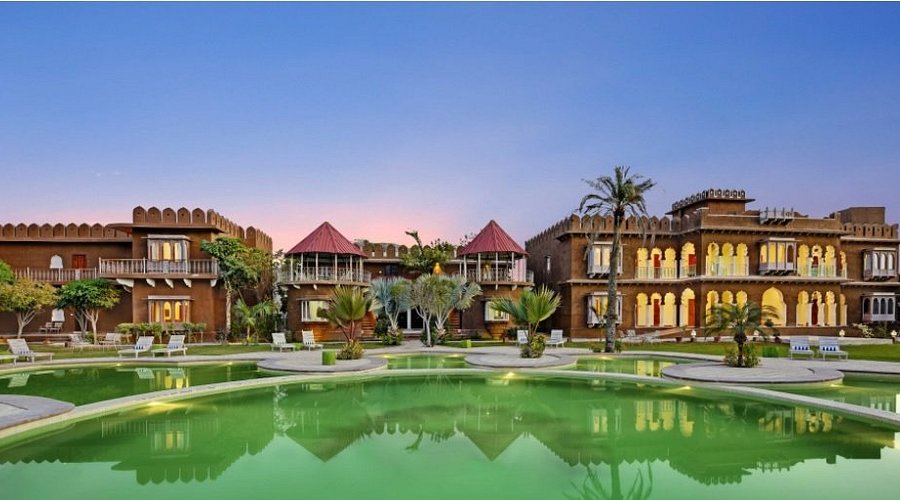
For luxury travelers, several upscale properties including Ananta Spa & Resort, Pushkar Palace, and The Westin Pushkar Resort & Spa offer luxurious rooms, pools, spas, and excellent service. These properties are located on the outskirts of Pushkar and offer a peaceful escape from the town's bustle. Luxury hotels typically cost ₹6000-12000+ per year except during the camel fair when prices triple or quadruple.
During the Pushkar Camel Fair, all accommodations are booked months in advance and prices are at their highest. Many visitors stay in tented camps set up specifically for the fair - these range from basic to luxury and offer a unique desert experience.
Travel Tips for Pushkar
Respect the religious nature of Pushkar. This is a sacred pilgrimage town - dress modestly (shoulders and knees covered), especially when visiting temples and ghats. Remove shoes before entering temples and before descending to the ghats. Ask permission before photographing religious rituals or people engaged in prayer.
Pushkar is strictly vegetarian and alcohol-free. Don't expect to find meat or alcohol in restaurants - this is a holy town and such items are prohibited. The food is excellent but limited to vegetarian options. Don't bring alcohol into town - it's not only disrespectful but can also get you into trouble with authorities.
Be cautious at the ghats. Priests (pandas) may approach you offering to perform rituals. While some are genuine, others can be aggressive about donations. If you're not interested, politely but firmly decline. Don't let anyone pressure you into rituals or donations you're not comfortable with.
Be prepared for intense sun if visiting in summer. Carry a hat, sunglasses, and sunscreen (SPF 30+). Drink plenty of water to stay hydrated. The desert sun is unforgiving, especially in the hotter months.
Visit during a festival if possible but plan ahead. The Pushkar Camel Fair (October/November) is spectacular but incredibly crowded and expensive. Holi (March) is celebrated enthusiastically in Pushkar - be prepared to get colored. Kartik Purnima (during the camel fair) is the most important religious festival - rituals at the lake are spectacular but very crowded.
Combine Pushkar with our detailed Jaipur travel guide, Ajmer, and other Rajasthan destinations for a comprehensive Rajasthan experience. The golden triangle (Delhi-Agra-Jaipur) plus Pushkar makes for an excellent introduction to Rajasthan.
Conclusion
Pushkar is one of India's most unique destinations - a sacred pilgrimage town that also welcomes international travelers, a place where ancient rituals coexist with contemporary backpacker culture, where Hindu devotees and spiritual seekers from around the world gather. The town's spiritual energy is palpable - whether you're taking a ritual dip in Pushkar Lake, offering prayers at the Brahma Temple, watching the sunset from Savitri Hill, or simply sitting by the lake absorbing the atmosphere, Pushkar works its magic on you.
What makes Pushkar special is that it's not just a tourist destination but a living pilgrimage town that has been sacred for millennia. The rituals you witness at the ghats have been performed for centuries, by generations of devotees. The temples have stood for hundreds of years, witnessing the rise and fall of dynasties. Yet Pushkar also evolves, embracing new visitors and new traditions while maintaining its essential character.
Location
Frequently Asked Questions
Q1.What is the best time to visit Pushkar?
Q2.Why is Pushkar famous?
Q3.How many days are enough for Pushkar?
Q4.Is Pushkar worth visiting?
Q5.Can you drink alcohol in Pushkar?
Q6.What should I wear in Pushkar?
Recommended For You
Manali: Complete Travel Plan Places And Weather
Complete Manali travel guide featuring Rohtang Pass, Solang Valley, Hadimba Temple, adventure activities, best time to visit & practical tips.
Bali: Complete Travel Plan Places And Weather
Complete Bali travel guide with 7-day itinerary, best time to visit, cost breakdown, top attractions, transport options & insider tips for first-time visitors to Indonesia's Island of Gods.
Goa Complete: Plan Beaches Weather And Activities
Complete Goa travel guide featuring beaches, nightlife, water sports, churches, cuisine, markets, North vs South Goa, and practical travel tips.
Never Miss an Adventure
Get the latest trekking guides, travel tips, and exclusive offers delivered straight to your inbox.
