
Archaeological Museum Goa: Entry Fee, Timings & Key Exhibits

Rohit Verma
February 18, 2026
Visit Archaeological Museum Goa - Complete guide to timings, entry fee, exhibits, location & history. Explore Portuguese-era artifacts, sculptures & paintings in Old Goa.
Introduction: Step Into 500 Years of Portuguese History
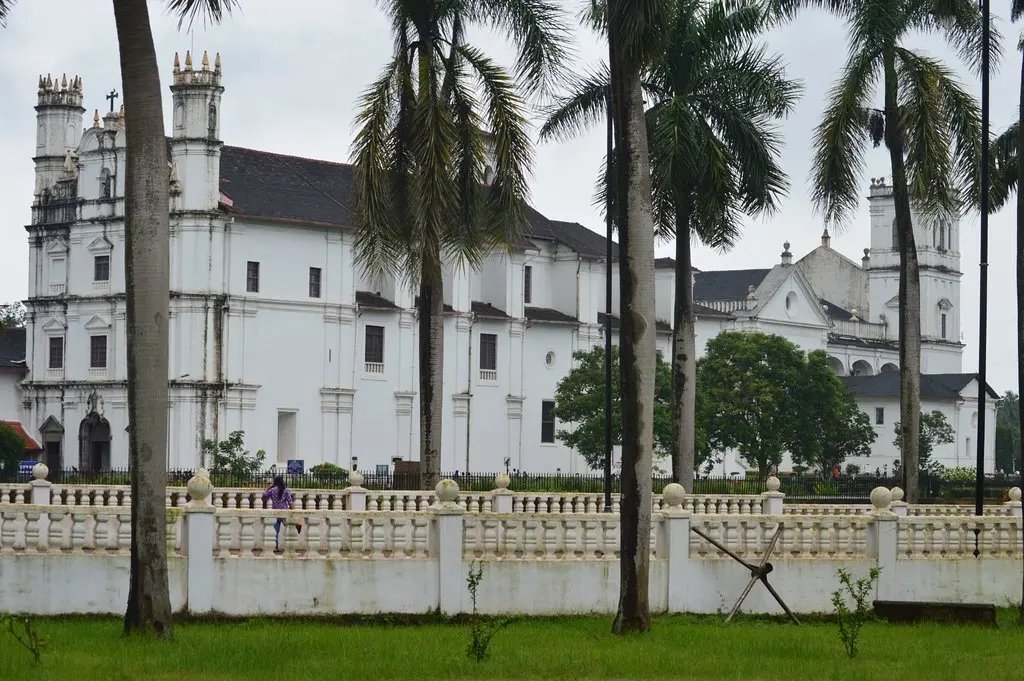
Nestled in the historic heart of Old Goa, the Archaeological Museum stands as a magnificent testament to Goa's rich colonial heritage and the profound Portuguese influence that shaped this region for over 450 years. Established in 1964, this prestigious museum houses an extraordinary collection of artifacts, sculptures, paintings, and historical objects that narrate the fascinating story of Goa's transformation from a Portuguese colony to a vibrant Indian state.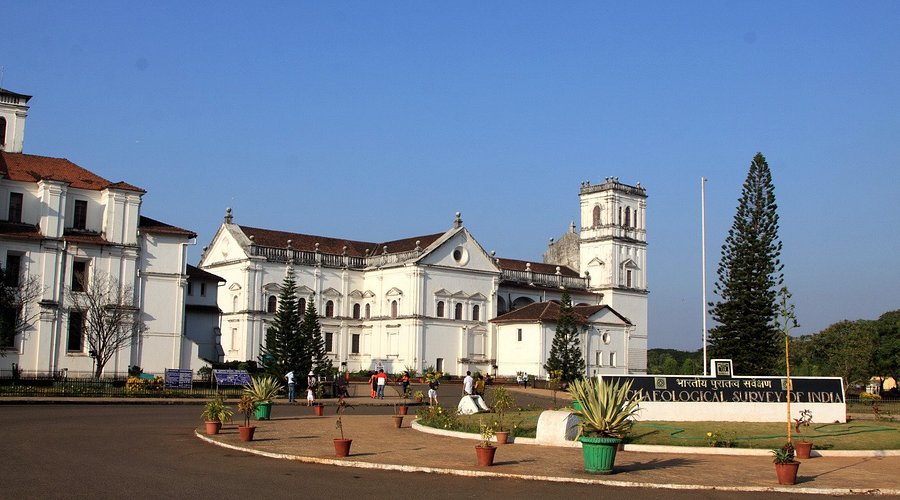 The museum's location alone is worth the visit—it's situated within the convent of St. Francis of Assisi, a UNESCO World Heritage site that dates back to the 16th century. As you approach the museum, the sheer grandeur of Portuguese colonial architecture immediately transports you to a bygone era, making you feel like you've stepped into a living history book.
During my visit to the Archaeological Museum in Goa, I was immediately struck by how thoughtfully the exhibits are curated. Each section tells a different chapter of Goa's story—from the pre-Portuguese era to the golden age of Portuguese rule, and finally to the integration with India. What makes this museum truly special is its ability to make history accessible and engaging for everyone, whether you're a history enthusiast or simply curious about Goa's past.
This comprehensive guide will walk you through everything you need to know about visiting the Archaeological Museum Goa—from its priceless collections and must-see exhibits to practical information like timings, entry fees, and travel tips. By the end, you'll be fully prepared to embark on this unforgettable journey through Goa's heritage.
The museum's location alone is worth the visit—it's situated within the convent of St. Francis of Assisi, a UNESCO World Heritage site that dates back to the 16th century. As you approach the museum, the sheer grandeur of Portuguese colonial architecture immediately transports you to a bygone era, making you feel like you've stepped into a living history book.
During my visit to the Archaeological Museum in Goa, I was immediately struck by how thoughtfully the exhibits are curated. Each section tells a different chapter of Goa's story—from the pre-Portuguese era to the golden age of Portuguese rule, and finally to the integration with India. What makes this museum truly special is its ability to make history accessible and engaging for everyone, whether you're a history enthusiast or simply curious about Goa's past.
This comprehensive guide will walk you through everything you need to know about visiting the Archaeological Museum Goa—from its priceless collections and must-see exhibits to practical information like timings, entry fees, and travel tips. By the end, you'll be fully prepared to embark on this unforgettable journey through Goa's heritage.
Quick Facts About Archaeological Museum Goa
Before diving into the detailed guide, here are the essential quick facts that will help you plan your visit to the Archaeological Museum Goa:| Feature | Details |
|---|---|
| Location | Convent of St. Francis of Assisi, Old Goa |
| Established | 1964 |
| Timings | 10:00 AM - 5:00 PM (Closed on Fridays) |
| Entry Fee | Indians: ₹10 | Foreigners: ₹100 |
| Photography | Allowed (Free for still cameras, ₹25 for video) |
| Time Required | 2-3 hours for complete visit |
| Best Time to Visit | November to February (pleasant weather) |
| Famous For | Portuguese artifacts, sculptures, paintings, historical manuscripts |
History & Significance: Preserving Goa's Colonial Legacy
The Archaeological Museum Goa owes its existence to the foresight of the Archaeological Survey of India (ASI), which recognized the urgent need to preserve and showcase Goa's incredible historical heritage. The museum was inaugurated on September 29, 1964, initially functioning from a small building before being moved to its current location within the historic Convent of St. Francis of Assisi in 1982.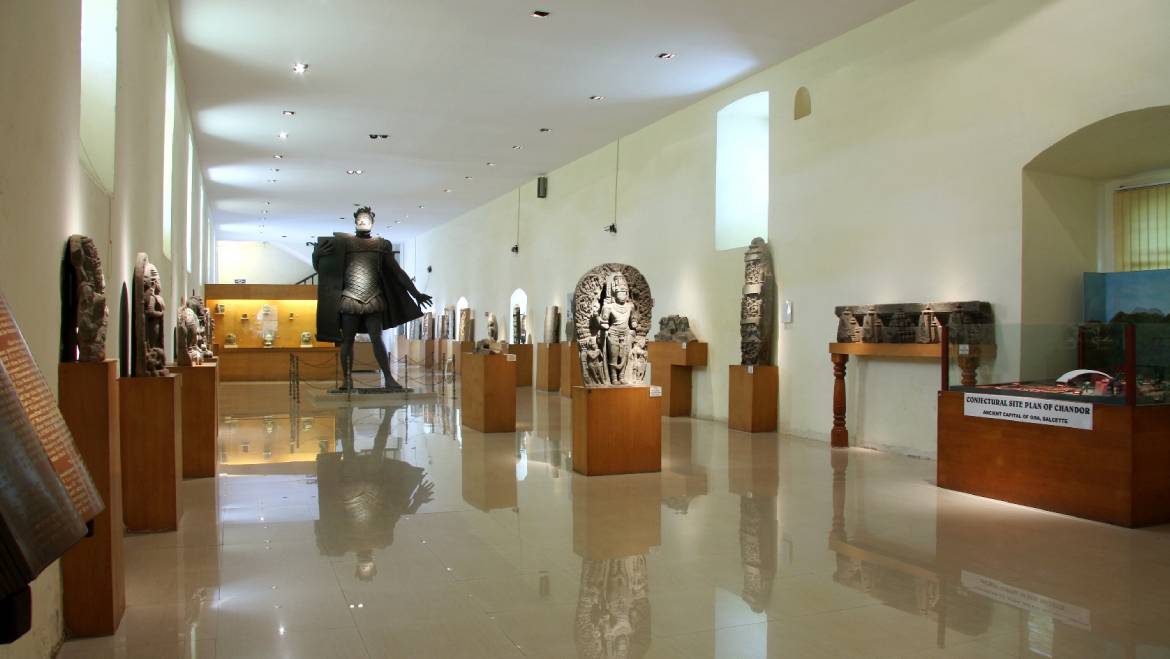 The choice of location is deeply symbolic. The Convent of St. Francis of Assisi, built in 1521, represents the pinnacle of Portuguese colonial architecture in Goa. By housing the museum here, the ASI created a perfect synergy between the container and the contents—the building itself is as much an artifact as the treasures it houses within its walls.
The museum's significance extends far beyond being a mere collection of old objects. It serves as an educational resource, a research center, and a cultural bridge connecting modern Goa to its Portuguese past. The collection carefully documents the evolution of Goan society, art, architecture, and religious practices over five centuries, making it invaluable for historians, researchers, and anyone interested in understanding the complex layers of Goan identity.
What sets this museum apart is its focus on everyday life during the Portuguese era. Unlike many museums that only showcase royal artifacts and religious objects, the Archaeological Museum Goa also includes items that tell the story of common people—their tools, their household objects, their art, and their daily lives. This comprehensive approach gives visitors a holistic understanding of what life was really like in Portuguese Goa.
The choice of location is deeply symbolic. The Convent of St. Francis of Assisi, built in 1521, represents the pinnacle of Portuguese colonial architecture in Goa. By housing the museum here, the ASI created a perfect synergy between the container and the contents—the building itself is as much an artifact as the treasures it houses within its walls.
The museum's significance extends far beyond being a mere collection of old objects. It serves as an educational resource, a research center, and a cultural bridge connecting modern Goa to its Portuguese past. The collection carefully documents the evolution of Goan society, art, architecture, and religious practices over five centuries, making it invaluable for historians, researchers, and anyone interested in understanding the complex layers of Goan identity.
What sets this museum apart is its focus on everyday life during the Portuguese era. Unlike many museums that only showcase royal artifacts and religious objects, the Archaeological Museum Goa also includes items that tell the story of common people—their tools, their household objects, their art, and their daily lives. This comprehensive approach gives visitors a holistic understanding of what life was really like in Portuguese Goa.
Major Exhibits & Collections: Treasures of the Portuguese Era
The Archaeological Museum Goa boasts an impressive collection of over 8,000 artifacts, though only a selection is displayed at any given time. The exhibits span multiple centuries and include diverse categories of historical objects. Let me guide you through the most significant collections that you simply cannot miss.Portuguese Era Artifacts
The Portuguese collection forms the heart of the museum, showcasing over 450 years of colonial rule through objects that range from the mundane to the magnificent. You'll find beautifully crafted furniture, porcelain, ceramics, and household items that belonged to Portuguese nobility and wealthy Goan families.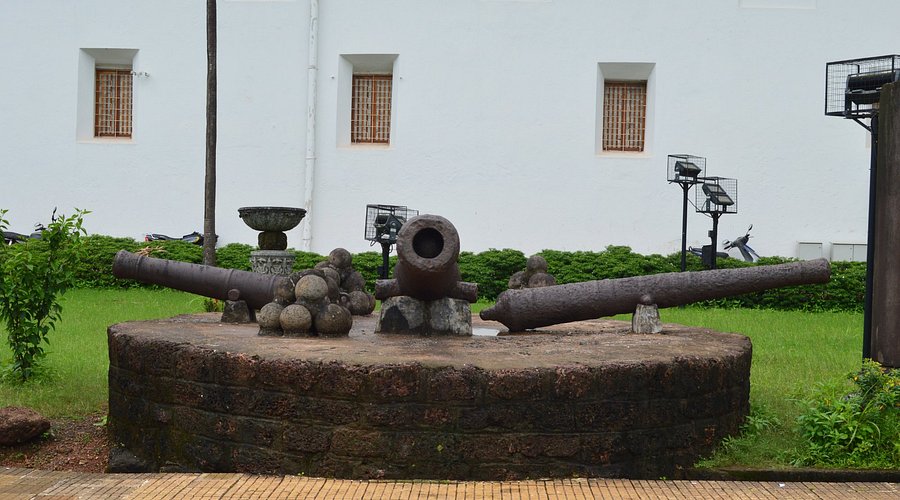 Particularly impressive are the Portuguese weapons and armory collection, which includes swords, daggers, firearms, and defensive armor. These weapons tell the story of Goa's military importance to the Portuguese empire and the numerous conflicts fought to control this strategic territory. The craftsmanship evident in these weapons is remarkable, with intricate engravings and designs that reflect both European and Indian influences.
The collection also includes stunning examples of Portuguese silverware, coins, and medals. The numismatic section is especially fascinating, featuring coins from different periods of Portuguese rule that illustrate the economic history of the colony. Some coins are remarkably well-preserved, allowing you to appreciate the detailed engravings and inscriptions.
Particularly impressive are the Portuguese weapons and armory collection, which includes swords, daggers, firearms, and defensive armor. These weapons tell the story of Goa's military importance to the Portuguese empire and the numerous conflicts fought to control this strategic territory. The craftsmanship evident in these weapons is remarkable, with intricate engravings and designs that reflect both European and Indian influences.
The collection also includes stunning examples of Portuguese silverware, coins, and medals. The numismatic section is especially fascinating, featuring coins from different periods of Portuguese rule that illustrate the economic history of the colony. Some coins are remarkably well-preserved, allowing you to appreciate the detailed engravings and inscriptions.
Sculptures & Inscriptions
The sculpture collection at the Archaeological Museum Goa is nothing short of world-class. The museum houses an exceptional collection of stone sculptures, primarily Hindu deities from the pre-Portuguese period, which were discovered during excavations around Goa. These sculptures provide crucial evidence of Goa's Hindu heritage before Portuguese colonization. The most famous sculpture in the museum is undoubtedly the magnificent statue of Lord Vishnu, dating back to the Kadamba period (11th-12th century). This beautifully carved stone statue stands as a testament to the artistic excellence of ancient Goa and serves as a reminder of the region's rich Hindu past before Portuguese arrival.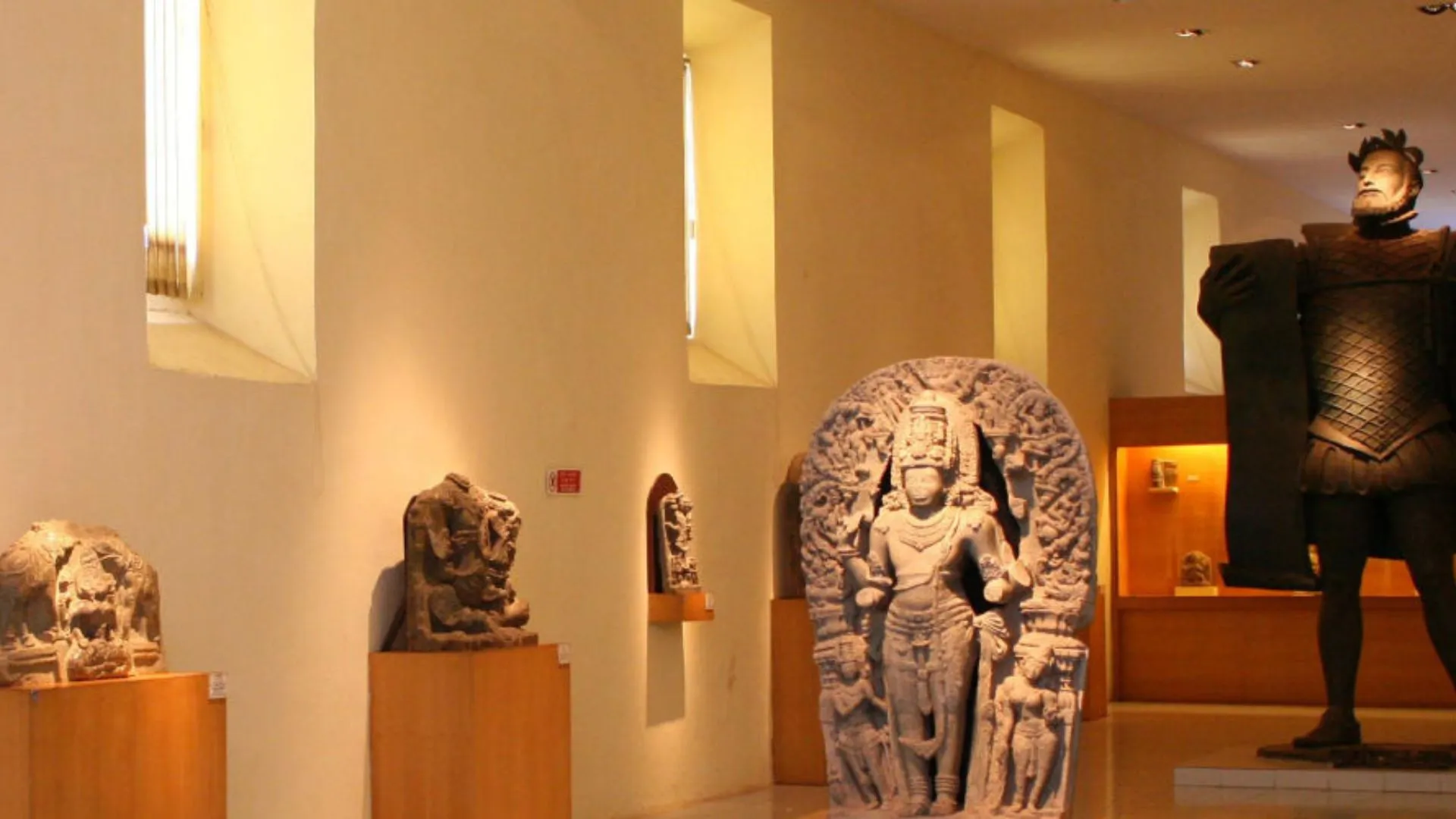 Equally impressive are the numerous hero stones (Viragals) and sati stones displayed in the museum. These memorial stones, once common across the Deccan region, commemorate warriors who died in battle and women who committed sati. Each stone tells a poignant story of valor, sacrifice, and the social customs of medieval Goa.
The inscription collection is equally valuable for historians. The museum houses numerous copper plates, stone inscriptions, and manuscripts in various languages including Portuguese, Marathi, Sanskrit, and Persian. These inscriptions provide invaluable primary source material for researchers studying Goa's administrative, legal, and social history.
Equally impressive are the numerous hero stones (Viragals) and sati stones displayed in the museum. These memorial stones, once common across the Deccan region, commemorate warriors who died in battle and women who committed sati. Each stone tells a poignant story of valor, sacrifice, and the social customs of medieval Goa.
The inscription collection is equally valuable for historians. The museum houses numerous copper plates, stone inscriptions, and manuscripts in various languages including Portuguese, Marathi, Sanskrit, and Persian. These inscriptions provide invaluable primary source material for researchers studying Goa's administrative, legal, and social history.
Paintings & Portraits
The painting gallery is one of the most visually stunning sections of the museum. The collection includes portraits of Portuguese viceroys and governors, religious paintings, and depictions of everyday life in colonial Goa. Many of these paintings are remarkably well-preserved, allowing visitors to appreciate the artistic techniques and attention to detail. The portrait gallery is particularly fascinating, featuring paintings of various Portuguese administrators who ruled Goa from the 16th to the 20th century. These portraits, with their detailed rendering of costumes, medals, and regalia, provide insights into the fashion and protocol of the Portuguese colonial administration. Religious paintings form another significant component of the art collection. Many of these works depict scenes from the Bible, saints, and religious narratives, reflecting the deep Catholic influence that Portuguese rule brought to Goa. The artistic style of these paintings shows an interesting fusion of European artistic traditions with Indian artistic sensibilities.Religious Artifacts
Given Goa's transformation into a predominantly Catholic region under Portuguese rule, it's no surprise that religious artifacts form a significant portion of the museum's collection. The museum houses an impressive array of religious objects including crucifixes, statues of saints, reliquaries, and liturgical items. Particularly noteworthy are the ivory statues of Christian saints, which showcase the extraordinary skill of Goan artisans during the Portuguese era. These statues, despite their small size, are remarkably detailed and represent a unique fusion of European iconography with Indian artistic traditions. The museum also displays various church artifacts including bells, chalices, censers, and other liturgical objects that were once used in the numerous churches of Old Goa. Many of these objects are beautifully crafted from precious metals, reflecting both the wealth of the church during this period and the importance of religious patronage to the arts.Museum Layout & Sections: Navigating the Collections
The Archaeological Museum Goa is spread across two floors of the convent building, with exhibits organized thematically and chronologically. Understanding the layout will help you plan your visit and ensure you don't miss any important sections.Ground Floor Gallery
The ground floor primarily houses sculptures, inscriptions, and architectural fragments. This is where you'll find the impressive collection of Hindu sculptures from the pre-Portuguese period, including the famous Vishnu statue and numerous hero stones. The ground floor also features a fascinating collection of Portuguese tombstones, many of which were originally located in the nearby churches. These tombstones, with their elaborate carvings and Latin inscriptions, provide valuable genealogical information and insights into the lives of Portuguese settlers in Goa. One of the highlights of the ground floor is the model room, which contains architectural models of important Goan buildings, including churches, forts, and colonial houses. These models help visitors visualize the architectural heritage of Old Goa, much of which has been lost to time and neglect.First Floor Gallery
The first floor is dedicated to the Portuguese period collections, including paintings, portraits, religious artifacts, and objects of daily life. This floor provides a comprehensive overview of Portuguese colonial culture and its lasting impact on Goan society. The portrait gallery on the first floor is particularly impressive, featuring paintings of Portuguese viceroys, governors, and other colonial officials. Each portrait is accompanied by informational plaques providing historical context and biographical details about the depicted individuals. The first floor also houses the remarkable collection of ivory statues, religious paintings, and liturgical objects. This section beautifully showcases the artistic fusion that occurred when European religious themes were interpreted through Indian artistic traditions.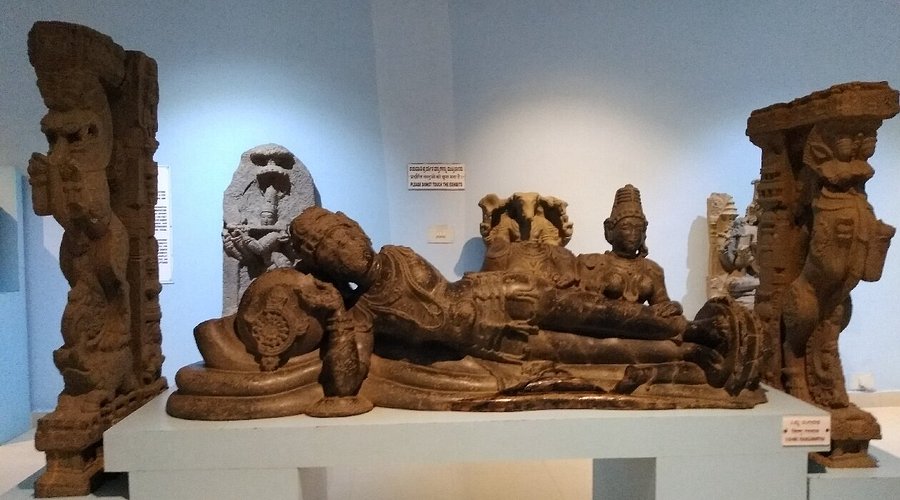 The final section of the first floor displays objects from everyday life during the Portuguese era, including furniture, ceramics, coins, and household items. This section brings history to life by showing how ordinary people lived, worked, and created beautiful objects for daily use.
Practical Information: Planning Your Visit
Timings & Best Time to Visit
The Archaeological Museum Goa is open to visitors from 10:00 AM to 5:00 PM, Tuesday through Sunday. The museum remains closed on Fridays and on national holidays. It's important to note that last entry is typically at 4:30 PM, so plan your visit accordingly to give yourself enough time to explore the collections thoroughly. The best time of day to visit the museum is in the morning, right when it opens at 10:00 AM. During these early hours, the museum is less crowded, allowing you to view exhibits at your own pace and take photographs without other visitors obstructing your view. The morning light in the gallery spaces is also excellent for photography. Seasonally, the ideal time to visit Goa and the museum is between November and February, when the weather is pleasant and suitable for exploring outdoor attractions in Old Goa. During these months, temperatures range between 20°C to 30°C, making it comfortable to walk around and combine your museum visit with nearby attractions. If you're visiting during the summer months (March to May), try to plan your museum visit during the hottest part of the day (around noon) as the museum is air-conditioned and provides a cool respite from the heat. The monsoon season (June to September) is less crowded, though heavy rainfall might affect your ability to visit other outdoor attractions in Old Goa.Entry Fee & Charges
The entry fee to the Archaeological Museum Goa is quite reasonable, making it accessible to all visitors:| Category | Fee |
|---|---|
| Indian Citizens | ₹10 per person |
| Foreign Nationals | ₹100 per person |
| Children (under 15) | Free entry |
| Still Photography | Free |
| Video Photography | ₹25 |
How to Reach Archaeological Museum Goa
The Archaeological Museum is located in Old Goa (Velha Goa), approximately 9 kilometers from Panaji (Panjim), the capital of Goa. Here are the various ways to reach the museum:| Transport Mode | Time | Cost (Approx.) | Best For |
|---|---|---|---|
| From Panjim (Bus) | 30-40 min | ₹20-30 | Budget travelers |
| From Panjim (Taxi/Auto) | 25-30 min | ₹250-400 | Convenience & comfort |
| From Madgaon (Bus) | 45-60 min | ₹40-50 | South Goa visitors |
| From Madgaon (Taxi) | 35-45 min | ₹500-700 | Convenience from South Goa |
| Rental Scooter/Car | Flexible | ₹300-800/day | Independent exploration |
From Panjim (Panaji)
Panjim is the closest major city to the museum. Regular buses operate from the Panjim bus stand to Old Goa. The journey takes approximately 30-40 minutes depending on traffic. Buses are the most economical option, though they can get crowded during peak hours. Taxis and auto-rickshaws are readily available in Panjim and can take you directly to the museum entrance. This is the most convenient option, especially if you're traveling with family or carrying heavy equipment for photography.From Madgaon (Margao)
If you're staying in South Goa, Madgaon is your best connection point. Regular buses run from Madgaon to Old Goa, though the journey is longer (45-60 minutes) due to the greater distance. Taxis from Madgaon cost significantly more but offer door-to-door convenience. If you're planning to visit multiple attractions in Old Goa, consider hiring a taxi for the entire day rather than paying for individual trips.Parking Facilities
If you're driving yourself or have hired a rental vehicle, parking is available near the museum complex. There's a designated parking area for visitors, though it can fill up during peak tourist season (December to January) and on weekends. Parking is generally free, but arrive early to secure a spot.Visitor Facilities
The Archaeological Museum Goa offers several facilities to enhance your visiting experience: - **Restrooms**: Clean and well-maintained restrooms are available within the museum complex - **Drinking Water**: Free drinking water facilities are available - **Benches/Seating**: Benches are placed throughout the galleries for visitors who need to rest - **Information Desk**: A staffed information desk at the entrance can answer questions and provide guidance - **Wheelchair Access**: The museum has limited wheelchair accessibility, though some upper floor galleries may be challenging to access Please note that the museum does not have an on-site cafe or restaurant, so carry water and snacks if you plan to spend several hours exploring. However, there are several small restaurants and cafes in the Old Goa area where you can grab a meal after your visit.Nearby Attractions: Complete Your Old Goa Experience
One of the great advantages of visiting the Archaeological Museum Goa is its proximity to other magnificent UNESCO World Heritage sites in Old Goa. I highly recommend combining your museum visit with these nearby attractions to make the most of your trip to this historic area.Basilica of Bom Jesus
Located just a short walk from the Archaeological Museum, the Basilica of Bom Jesus is perhaps the most famous church in Goa and a UNESCO World Heritage site. Built in 1605, this stunning example of Baroque architecture houses the mortal remains of St. Francis Xavier in a beautifully decorated silver casket. The basilica is renowned for its simple yet imposing facade and its extraordinarily ornate interior. The intricate wood carvings, gilded altars, and beautiful stained glass windows showcase the artistic excellence of Portuguese colonial architecture. Visiting the basilica after exploring the museum provides the perfect context—you'll see many of the architectural styles and religious artifacts you learned about in the museum brought to life in this magnificent church.Se Cathedral
Another must-visit attraction within walking distance is the Se Cathedral, dedicated to St. Catherine of Alexandria. This is one of the largest churches in Asia and took nearly 90 years to complete (1562-1651). The cathedral's Portuguese-Gothic style architecture features a magnificent golden altar and towering walls that evoke both awe and reverence. The Se Cathedral is particularly famous for its Golden Bell, said to be one of the best bells in the world, renowned for its rich tone. The bell can be heard from a considerable distance when it's rung during special occasions. The cathedral's massive dimensions (250 feet long, 181 feet wide, and 115 feet tall) make it an imposing structure that dominates the Old Goa skyline.Church of St. Francis of Assisi
Since the Archaeological Museum is housed within the convent attached to this church, you shouldn't miss visiting the Church of St. Francis of Assisi itself. Built in 1521 and rebuilt in 1661, this church features beautiful Portuguese-Manueline style architecture with exquisite frescoes and paintings depicting the life of St. Francis of Assisi. The church's interior is decorated with intricate wood carvings and scenes from the Bible, created in the distinctive style that developed in Goa during the Portuguese era. The juxtaposition of the Hindu temple architectural elements with Christian iconography makes this church particularly interesting from an art history perspective.St. Cajetan Church
Built in 1655, the Church of St. Cajetan (also known as the Church of Divine Providence) was modeled on St. Peter's Basilica in Rome. Its stunning Corinthian architecture and beautiful frescoes make it one of the most visually striking churches in Old Goa. The church is located very close to the Archaeological Museum and can easily be included in your walking tour.Viceroy's Arch
Although mostly in ruins, the Viceroy's Arch is worth a quick visit. Built by Vasco da Gama's grandson in 1597, this ceremonial arch marked the entrance to the city for Portuguese viceroys and dignitaries arriving by river. The arch features an imposing statue of Vasco da Gama on the riverside and a bronze statue of St. Catherine on the town side.Travel Tips for Visiting Archaeological Museum Goa
To make the most of your visit to the Archaeological Museum Goa, keep these practical tips in mind:Allow Sufficient Time
Don't rush through the museum. While you could technically complete a quick visit in an hour, I recommend setting aside at least 2-3 hours to truly appreciate the collections. Read the informational plaques, take your time with the exhibits, and soak in the historical atmosphere. The museum is rich in details that reward careful observation.
Hire a Guide
While the museum has informational plaques, hiring a licensed guide can significantly enhance your experience. Guides can provide fascinating historical context, share interesting anecdotes, and point out details you might otherwise miss. Guides are available at the museum entrance for a reasonable fee. If you're particularly interested in history, a guided tour is well worth the investment.
Combine with a Heritage Walk
Consider combining your museum visit with a heritage walk of Old Goa. The area is compact enough to explore on foot, and walking allows you to appreciate the architecture and layout of this historic city. Many heritage walks include the Archaeological Museum along with the major churches and other historical sites. This gives you a comprehensive understanding of Old Goa's significance.
Photography Tips
While still photography is free and allowed, avoid using flash as it can damage delicate artifacts. The museum's interior lighting is generally good for photography, but you may need to adjust your camera settings for low-light conditions. Be respectful of other visitors when taking photographs—don't block walkways or hold up other visitors while composing shots.
Visit Early or Late
The museum is least crowded in the morning right after opening and in the late afternoon. These times also offer the best natural light for viewing exhibits and taking photographs. Avoid visiting during peak hours (around noon) when tour groups tend to arrive, making the galleries crowded and noisy.
Dress Modestly
Although the museum itself doesn't have a strict dress code, remember that it's located within a religious complex. When visiting the nearby churches, dress modestly—cover your shoulders and knees, and avoid revealing clothing. This is especially important if you plan to visit the churches after your museum tour.
Bring Water and Sunscreen
Old Goa can get quite hot, especially during the summer months. Carry a water bottle to stay hydrated, and wear sunscreen and a hat if you plan to explore the outdoor attractions in the area. While the museum is air-conditioned, the walk between attractions can be exposed to the sun.
Check for Special Exhibitions
The Archaeological Museum occasionally hosts special exhibitions and cultural events. Check the museum's website or call ahead to see if there are any special exhibitions during your visit. These temporary exhibitions can offer unique insights and are often worth planning your trip around.
Respect the Artifacts
Remember that many items in the museum are centuries old and extremely fragile. Don't touch exhibits unless specifically allowed, and supervise children closely. The museum's collection is priceless, and we all have a responsibility to help preserve it for future generations.
Plan for Nearby Lunch
Since the museum doesn't have dining facilities, plan where you'll have lunch before you visit. There are several small restaurants and cafes in the Old Goa area, but options are somewhat limited compared to Panjim or Madgaon. Alternatively, you could pack a picnic lunch to enjoy in the shade somewhere in the Old Goa complex.
Conclusion: A Journey Through Goa's Golden Age
The Archaeological Museum Goa offers visitors a unique opportunity to step back in time and experience the grandeur of Goa's Portuguese past. Through its remarkable collection of artifacts, artworks, and historical objects, the museum tells the story of over 450 years of colonial history—a history that has profoundly shaped modern Goa's identity, culture, and character. What makes this museum truly special is its ability to make history come alive. The carefully curated exhibits don't just display old objects; they tell stories—stories of conquest and conversion, of artistic fusion and cultural synthesis, of everyday life and extraordinary events. Each gallery offers a different perspective on the complex relationship between Portugal and Goa, revealing how two very different cultures influenced and transformed each other over centuries. Whether you're a history buff, an art enthusiast, or simply a curious traveler, the Archaeological Museum Goa rewards every visitor. The collections are extensive enough to interest serious historians while being accessible enough to engage casual visitors. The museum succeeds brilliantly in its mission to preserve, showcase, and interpret Goa's rich heritage for present and future generations. The museum's location in the heart of Old Goa, surrounded by magnificent churches and historic buildings, only enhances the experience. After exploring the collections, you can step out into the same streets that Portuguese viceroys once walked, visit the churches whose artifacts you've just seen, and truly immerse yourself in the historical atmosphere of this UNESCO World Heritage site. A visit to the Archaeological Museum Goa is more than just a tourist activity—it's a pilgrimage into a fascinating chapter of world history. It's a reminder of Goa's unique position as a meeting point of East and West, of Hindu and Christian, of Asian and European. This museum doesn't just preserve artifacts; it preserves the memory of a bygone era that continues to influence modern Goa in countless ways. So the next time you're in Goa, take a break from the beaches and parties, and make the journey to Old Goa. Spend a few hours in the Archaeological Museum, and you'll come away with a deeper appreciation and understanding of this remarkable state and its extraordinary history. The treasures housed within these walls are waiting to share their stories with you—all you need to do is visit, look closely, and listen.Location
Frequently Asked Questions
Q1.What are the timings of Archaeological Museum Goa?
Q2.Is Archaeological Museum Goa open on Sundays?
Q3.How much time is required to visit Archaeological Museum Goa?
Q4.What is the entry fee for Archaeological Museum Goa?
Q5.Where is Archaeological Museum Goa located?
Q6.How do I reach Archaeological Museum Goa from Panjim?
Q7.What is Archaeological Museum Goa famous for?
Q8.Is photography allowed inside Archaeological Museum Goa?
Recommended For You
Chapora Fort Goa: Sunset Views, Route & Filming Spot Details
Explore Chapora Fort in North Goa, the iconic 'Dil Chahta Hai' location offering breathtaking sunset views over Vagator Beach and a rich Portuguese-Maratha history.
Anjuna Flea Market Goa: Timings, Bargaining Tips & What to Buy
Shop at Goa's legendary Anjuna Flea Market every Wednesday. Discover handicrafts, jewelry, clothes, bargaining tips, timing & complete guide to Asia's famous hippie market.

Places to Visit in Ponda Goa: Temple Circuit, Spice Farms & Day Plan
Explore top places to visit in Ponda Goa with temple circuits, spice plantations, and practical cultural itinerary planning.
Never Miss an Adventure
Get the latest trekking guides, travel tips, and exclusive offers delivered straight to your inbox.
