
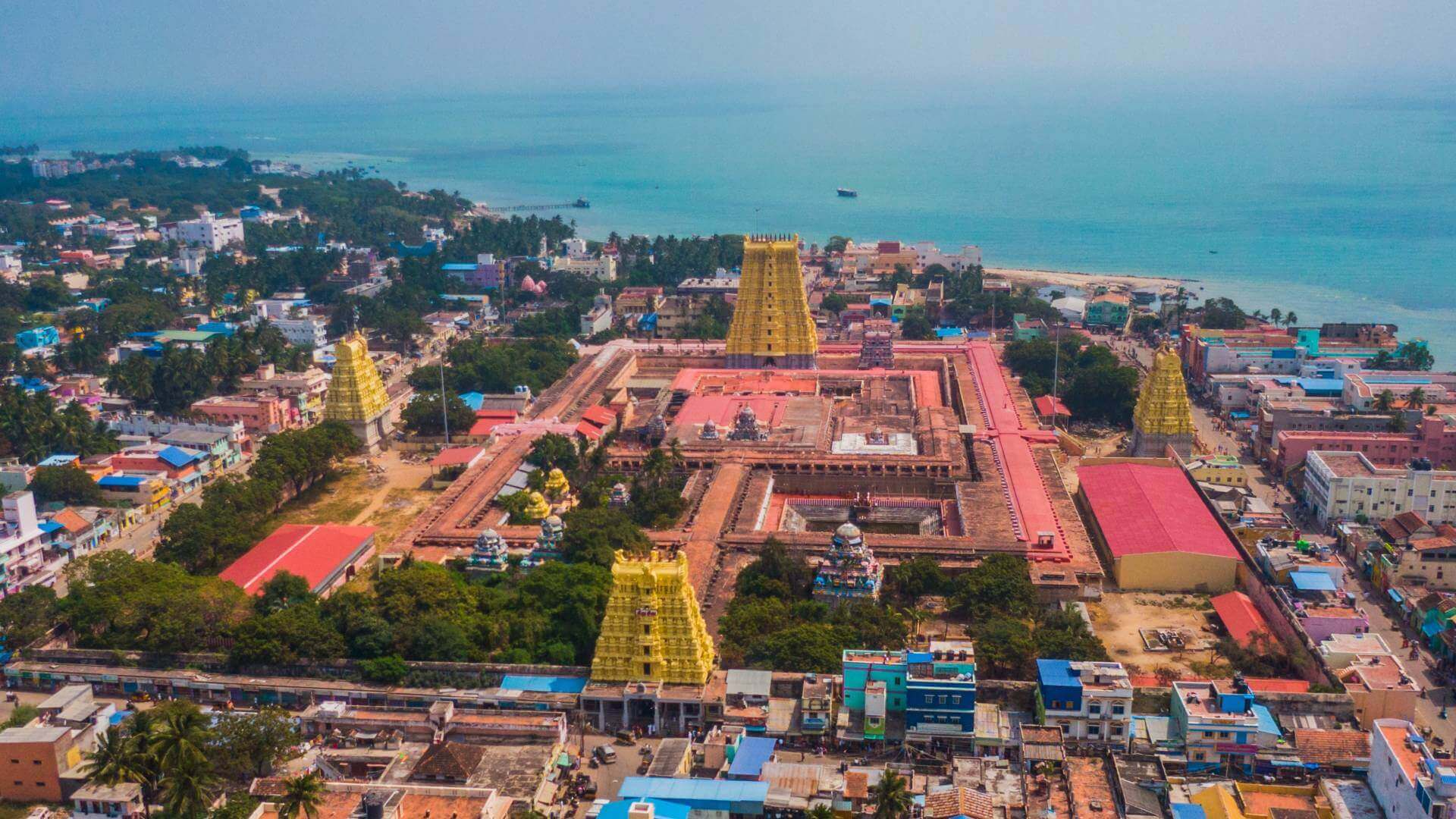
Rameshwaram Temple: Darshan Timings, Pooja Rituals & Travel Planning

Neha Kapoor
February 5, 2026
Complete Rameshwaram Temple guide with history, architecture, rituals, best time to visit, and how to reach. Explore one of the 12 Jyotirlingas.
The Sacred Shore Temple
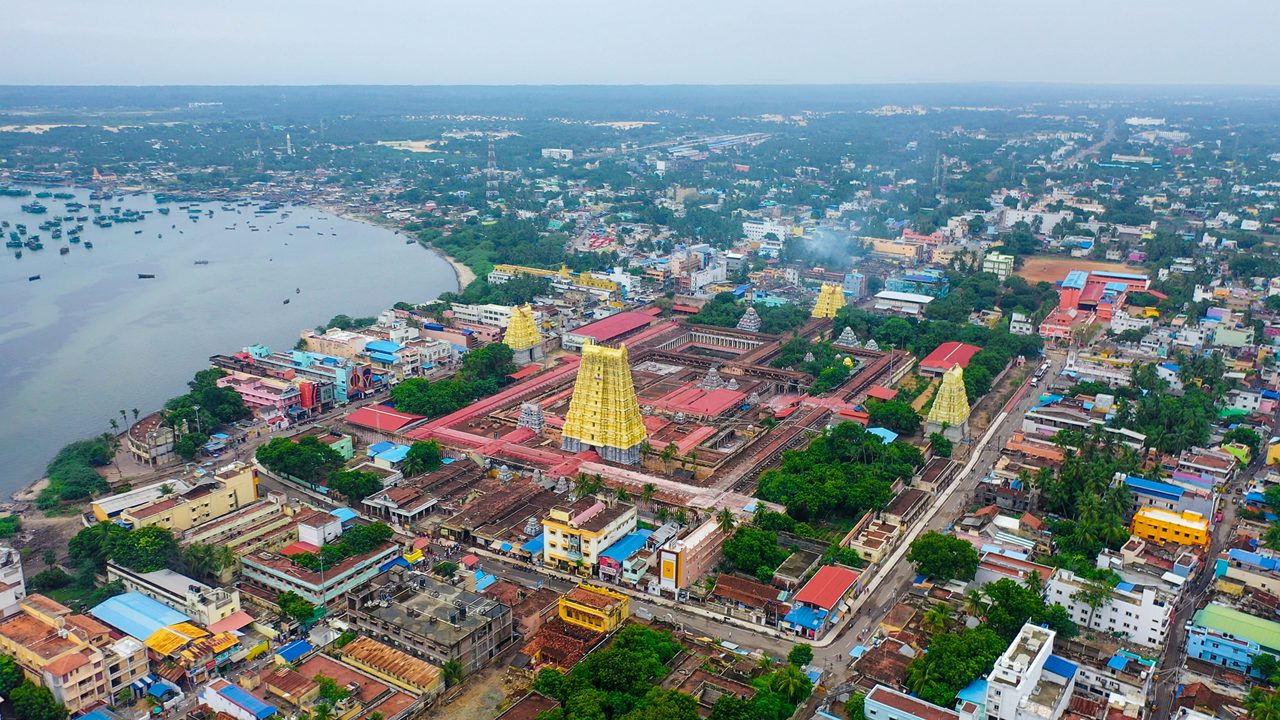
On the holy island of Rameshwaram in Tamil Nadu, where the Bay of Bengal meets the Indian Ocean, stands one of Hinduism's most sacred shrines – the Ramanathaswamy Temple. This magnificent temple dedicated to Lord Shiva is one of the Char Dham (four sacred abodes) and one of the 12 Jyotirlinga temples, making it among the most important pilgrimage sites in India.
What makes Rameshwaram truly special is its intimate connection to the Ramayana, India's great epic. According to legend, this is where Lord Rama worshipped Shiva after defeating the demon king Ravana, seeking absolution for the sin of killing a Brahmin (Ravana). The temple stands as a testament to devotion, redemption, and the eternal power of Shiva.
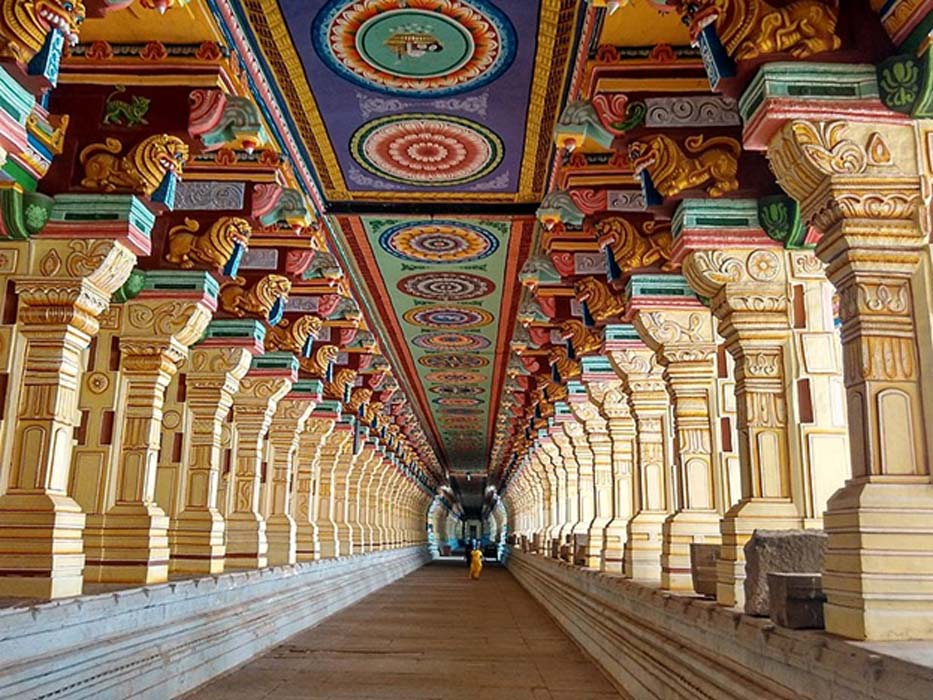
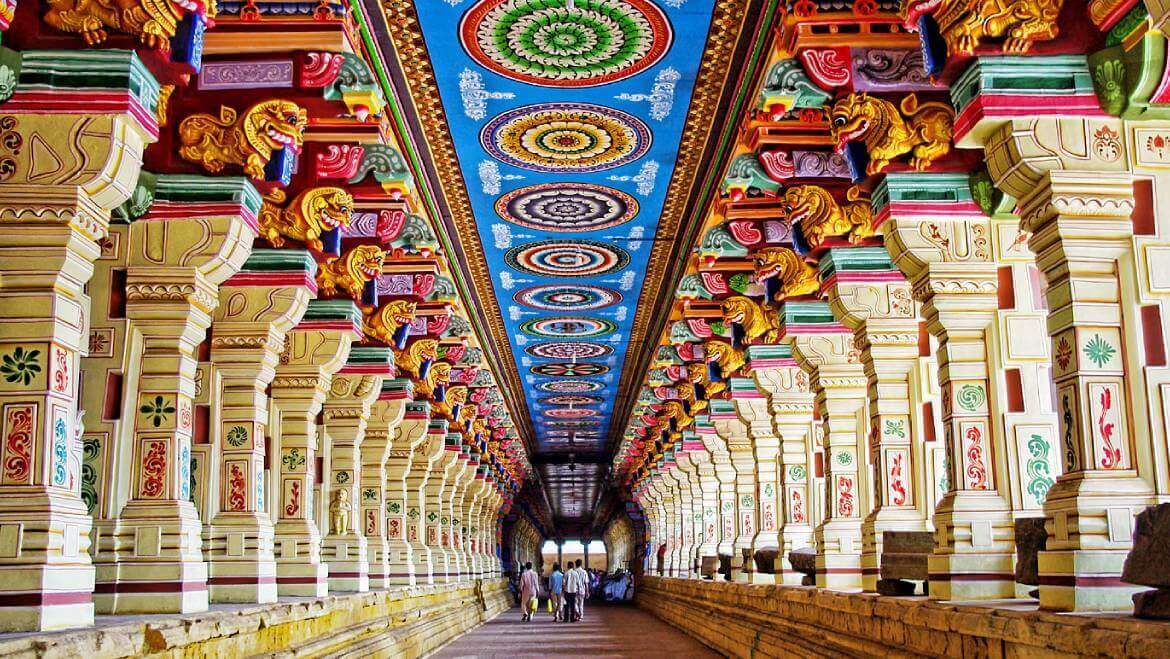
The temple is renowned for its magnificent architecture – particularly its incredibly long corridors lined with elaborately carved pillars. With the longest temple corridor in the world, Ramanathaswamy Temple is an architectural marvel that must be seen to be appreciated.
For Hindu pilgrims completing the Char Dham yatra (pilgrimage), Rameshwaram is an essential stop. For history enthusiasts, the temple offers insights into Dravidian architecture at its finest. And for spiritual seekers, this sacred island provides an atmosphere of devotion that has drawn saints and pilgrims for millennia.
History and Legend
According to the Ramayana, after killing Ravana and rescuing Sita, Lord Rama returned to India. Before returning to Ayodhya, Rama stopped at Rameshwaram to atone for the sin of Brahmahatya (killing a Brahmin, as Ravana was a Brahmin scholar). Rama asked Hanuman to bring a Shiva lingam from Kailash, but Hanuman was delayed. Sita then created a lingam from sand, which Rama worshipped – this became the Ramanathaswamy (Lord of Rama) deity.
When Hanuman returned with the Vishwalingam from Kailash, Rama was so delighted that he decreed that this lingam would be worshipped first – a tradition that continues today. The temple houses both lingams, and pilgrims must worship the Vishwalingam before the Ramanathaswamy.
The temple as it stands today was built primarily by the Pandya dynasty between the 12th and 15th centuries, though the shrine's sanctity dates back to antiquity. Various South Indian dynasties including the Cholas and later the Setupatis of Ramnad contributed to its construction and maintenance.
Temple Architecture
The World's Longest Corridor
The Ramanathaswamy Temple is famous for having the longest temple corridor in the world. The outer corridor measures nearly 6 meters wide and 122 meters long on each side, with a total length of approximately 1,200 meters. This magnificent corridor features over 1,200 intricately carved pillars, each a masterpiece of stone craftsmanship.
The pillars feature carved images of various deities, mythical creatures, and scenes from Hindu mythology. Walking through these corridors, especially when they're softly lit, creates an otherworldly atmosphere unlike anywhere else.
Temple Towers (Gopurams)
The temple features massive gopurams (temple towers) on the eastern and western sides. The eastern rajagopuram rises to 54 meters and is covered with sculptures depicting various deities and mythological scenes. The towers are painted in vibrant colors, creating a striking contrast against the blue sky.
Sacred Tanks
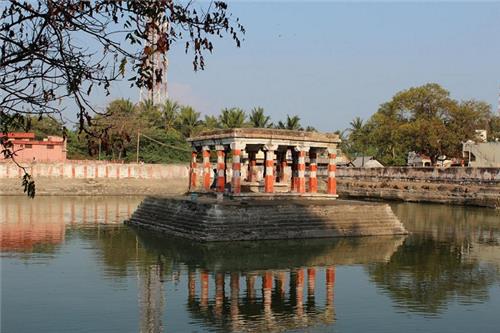
The temple has 22 sacred tanks (theerthams), each with its own significance. The most important is the Agni Theertham (sea) where pilgrims bathe before entering the temple. Other tanks within the temple complex are believed to have various purifying properties.
Worship and Rituals
The Ritual Bathing
A unique aspect of Rameshwaram pilgrimage is the ritual bathing in the 22 sacred tanks. Devotees take a ceremonial bath in the Agni Theertham (sea) before entering the temple, then bathe in the temple tanks in a specific order. This ritual is believed to wash away all sins.
Daily Pujas
The temple follows strict traditional worship protocols with multiple pujas daily. The most important is the Abhishekam (sacred bath) performed to both lingams with various substances including water, milk, honey, and sandal paste.
Best Time to Visit
Winter (October to March)
October to March offers pleasant weather for temple visits and sightseeing. This is the peak pilgrimage season.
Festival Seasons
Major festivals include Maha Shivaratri (February-March) and Ramanavami (March-April), celebrated with great grandeur.
How to Reach Rameshwaram
By Air
Madurai Airport (170 km) is the nearest airport. Chennai International Airport is about 550 km away.
By Train
Rameshwaram has its own railway station connected to Chennai, Madurai, and other major cities. The Pamban Bridge train journey is spectacular.
By Road
- From Madurai: 170 km, approximately 3-4 hours. Many pilgrims combine this leg with a stop at the Meenakshi Temple in Madurai.
- From Chennai: 550 km, approximately 10 hours.
Practical Tips
Temple Etiquette
- Dress modestly: Required for temple entry.
- Remove footwear: Before entering.
- Photography: Permitted in outer areas, not in sanctums.
Accommodation
Various options from budget lodges to mid-range hotels are available near the temple.
Conclusion
The Ramanathaswamy Temple stands as one of India's most sacred shrines, combining spiritual significance with architectural magnificence. Combine your visit with Kanyakumari or Kerala temples. For a fuller regional itinerary, see our guide to places to visit near Rameshwaram.
Dhanushkodi and the Ghost Town Extension
No Rameshwaram pilgrimage feels complete without a side trip to Dhanushkodi, the abandoned town at the southeastern tip of the island. Dhanushkodi was devastated by a cyclone in 1964 and has remained largely uninhabited since, but it holds deep mythological significance as the point from which Rama's Vanara army is believed to have built the bridge (Rama Setu) to Lanka. The drive along the narrow spit of land, with the sea visible on both sides, is one of the most striking approaches to any temple town in India. Most pilgrims combine a Dhanushkodi visit with their temple darshan, setting out either early morning or late afternoon to avoid the harshest midday sun, since the terrain offers almost no shade.
Understanding the 22 Theertham Bathing Sequence
While the ritual bathing tradition is mentioned briefly above, first-time visitors often underestimate how structured this practice is. Pilgrims are expected to bathe in the 22 sacred tanks in a specific sequence, starting with the Agni Theertham (the sea) and moving through the temple's internal tanks in order. Local temple assistants, sometimes called theertham helpers, guide visitors through this sequence for a modest fee, pouring water from each tank in turn. The full circuit takes approximately 30 to 45 minutes and is physically demanding, since it involves repeated wetting and walking on stone floors, so comfortable, quick-drying clothing is strongly recommended rather than clothes that will stay damp for the rest of the day.
Choosing Where to Stay
Accommodation in Rameshwaram ranges from simple pilgrim lodges run by trusts near the temple to mid-range hotels a short auto-ride away. Staying within walking distance of the temple is worth the modest price premium if your main goal is to attend the early morning abhishekam, since traffic and auto availability can be unpredictable before sunrise. Travelers planning a Dhanushkodi excursion the same day should factor in that most accommodation options are concentrated near the temple rather than near the ghost town itself, so a full day trip typically starts and ends at your Rameshwaram base.
Location
Frequently Asked Questions
Q1.Why is Rameshwaram temple famous?
Q2.What is the best time to visit Rameshwaram?
Q3.How to reach Rameshwaram?
Q4.What are the timings of Rameshwaram temple?
Q5.Is Dhanushkodi worth visiting along with Rameshwaram temple?
Q6.How does the 22 Theertham ritual bathing work at Rameshwaram?
Recommended For You
12 Jyotirlingas in India: Temple List, States, Route & Darshan Tips
Explore all 12 Jyotirlingas in India - sacred shrines of Lord Shiva. Complete guide with locations, significance, darshan timings, best time to visit, pilgrimage routes & travel tips.
Best Time to Visit Rameshwaram: Climate, Pilgrimage Season & Temple Crowds
Find the best time to visit Rameshwaram with season-wise weather, temple darshan planning, and coastal travel tips.
Places to Visit Near Rameshwaram: Temple Circuit & Coastal Stops
Explore top places to visit near Rameshwaram including Dhanushkodi, Pamban Bridge, pilgrimage sites, beaches and nearby coastal towns.
Never Miss an Adventure
Get the latest trekking guides, travel tips, and exclusive offers delivered straight to your inbox.
