

Lothal near Ahmedabad: Harappan Site History, Timings & Museum Info

Rohan Malhotra
January 30, 2026
Explore Lothal near Ahmedabad with history, excavation highlights, dockyard significance, museum guide, route planning, and practical tips for a meaningful heritage visit.
Introduction: Why Lothal Still Matters Today
Lothal is one of the most important archaeological sites linked to the Indus Valley Civilization in western India. If you are searching for Lothal in Ahmedabad, the practical travel context is this: Lothal is near Ahmedabad and is visited as a day trip for history, archaeology, and heritage exploration. What makes it special is not just age, but urban planning, trade logic, and engineering clues that still fascinate researchers and travelers.
The name Lothal is often interpreted as 'mound of the dead,' and the site is associated with Harappan occupation phases roughly in the 3rd millennium BCE. The location is widely discussed for its dockyard-like structure, planned streets, drainage systems, industrial activity, and long-distance trade indications. Unlike decorative monument tourism, Lothal rewards patient observation and contextual reading.
If you are planning a broader Gujarat history circuit, combine this with Rani ki Vav, Bhadra Fort Ahmedabad, and Sabarmati Riverfront Ahmedabad.
Discovery and Excavation of Lothal
Lothal entered modern archaeological conversation in the mid-20th century, and major excavations by the Archaeological Survey of India helped establish the site's significance in Harappan studies. Work in the 1950s and early 1960s, including the contributions of archaeologist S. R. Rao, brought structural and material evidence into national and international attention.
Excavation findings highlighted an organized settlement pattern with upper and lower sections, industrial zones, drainage features, brick architecture, and storage-related structures. Over time, Lothal became central to discussions on Harappan trade systems, technological capability, and regional adaptation.
The site's visibility also increased because it offered concrete spatial remains that visitors could physically interpret, not only museum objects. This makes Lothal valuable for both specialists and general travelers.
Historical Significance of Lothal in the Indus Valley Civilization
Lothal is often described as a major Harappan trade-linked settlement and one of the southern sites associated with broader Indus Valley networks. Its importance lies in how multiple themes converge at one location:
- Urban planning: grid-like settlement organization and civic layout indicators.
- Water management: drainage and hydraulic planning evidence in settlement design.
- Craft production: bead-making and other specialized activity traces.
- Trade systems: storage and transport-related features supporting economic exchange.
- Maritime interpretation: the dockyard debate and coastal-riverine connectivity discussions.
Even where academic interpretations evolve over time, Lothal remains a critical site for understanding how Harappan communities organized life, work, and movement of goods. For visitors, this means the site should be experienced as a knowledge landscape, not just as ruins.
Major Attractions at Lothal Site
The Dockyard Structure
The dockyard-like structure is the most discussed element at Lothal and a key reason the site is famous in public memory. It is frequently cited in tourism and history discussions as among the earliest known tidal or dock-related engineering forms in the region. While interpretation details can vary by scholarly position, the feature remains central to site identity.
Acropolis and Settlement Layout
Upper and lower settlement distinctions help visitors understand social and functional zoning in ancient urban design. Walking the layout with context allows you to visualize how administration, habitation, and activity spaces may have been distributed.
Drainage and Brick Planning
Lothal's planned drainage pattern is one of the strongest educational points for first-time visitors. It reflects system-level thinking rather than random settlement growth.
Industrial and Storage Evidence
Archaeological remains related to production and storage support the interpretation of Lothal as a trade-active center. These include indicators connected to craft workflows and movement of materials.

Lothal Museum: What You Can See
The site museum is an important part of the visit because it helps decode what open ruins cannot explain on their own. Artifacts and interpretation panels typically include pottery, beads, tools, seals, figurines, and everyday objects linked to Harappan life.
For better experience, do the site walk first and museum second. This sequence helps you connect physical locations with excavated finds and reconstruction logic. Museum timing and operational details can change, so verify before departure if you are planning a fixed-day trip.
| Museum Focus Area | Why It Matters |
|---|---|
| Pottery and everyday objects | Shows domestic and utilitarian life patterns |
| Beads and craft items | Supports trade and production narratives |
| Seals and symbols | Links to administrative and communication systems |
| Interpretation panels | Helps visitors read the site correctly |
Best Time to Visit Lothal
Lothal is an outdoor-heavy site, so weather strongly affects visitor comfort. Cooler months are generally better for long walks across exposed sections. In hotter periods, start early and keep water, cap, and sun protection with you.
- Most comfortable season: cooler months and winter windows.
- Best daytime slot: morning to early noon for open-site mobility.
- Weekday advantage: calmer environment for slow reading of the site.
Plan 2 to 3 hours minimum for a meaningful visit including museum and interpretation time.
How to Reach Lothal from Ahmedabad
Lothal is usually accessed by road from Ahmedabad and is often done as a half-day or full-day heritage outing. Public travel references commonly place the distance at roughly 75 to 85 km depending on route and city starting point. Travel duration can vary with traffic and road conditions.
Travel Options
- Private car/cab: most practical and flexible for day trips.
- Local train corridor + road leg: possible but less convenient for tight schedules.
- Tour circuits: useful for visitors combining multiple historical stops.
If you are sequencing multiple sites in one day, keep Lothal as the first major stop and add city attractions later. This helps avoid time loss if return traffic builds toward evening.
| Route Plan | Use Case | Recommendation |
|---|---|---|
| Ahmedabad to Lothal direct | Focused heritage visit | Best for first-time travelers |
| Lothal + Ahmedabad city evening | Mixed history and city plan | Works with early departure |
| Lothal + broader Gujarat circuit | Multi-day itinerary | Best with private transport |

Nearby Attractions to Pair with Lothal
Lothal works best when combined with other heritage and city sites for thematic continuity.
- Rani ki Vav: stepwell architecture and heritage depth.
- Bhadra Fort Ahmedabad: urban heritage contrast in the city core.
- Ahmedabad city heritage points: mosques, forts, and markets.
- Sabarmati Riverfront: modern city contrast after ancient-site visits.
Use Sidi Saiyyed Mosque Ahmedabad, places to visit in Ahmedabad, and things to do in Ahmedabad to build a balanced route.
How to Read the Site Better: Visitor Method
Many travelers leave Lothal underwhelmed because they treat it as a photo stop. A better method is structured reading:
- Spend first 20 minutes understanding the overall map and zones.
- Walk major structural points slowly with sequence awareness.
- Move to museum to connect artifacts with site sections.
- Revisit one key zone after museum to reinforce interpretation.
This simple method turns the experience from 'ruins viewing' into historical understanding.
Common Mistakes to Avoid
- Arriving in harsh afternoon heat with no water or sun gear.
- Skipping the museum and relying only on outdoor visuals.
- Planning very short stop times with no context reading.
- Treating the site as a quick social-media point instead of a heritage study visit.
- Ignoring current opening schedules before departure.
Small planning improvements significantly raise visit quality at archaeological sites.
Responsible Tourism at Lothal
Lothal is a fragile archaeological zone. Visitor behavior directly affects site preservation quality. Avoid climbing protected structures, do not remove fragments, and follow marked movement paths. Respectful conduct helps conserve both data integrity and visitor experience for others.
Support heritage interpretation by reading panels and promoting informed travel rather than sensational claims. Archaeology is strongest when context is protected.
Half-Day Lothal Itinerary
If you are visiting from Ahmedabad on a tight schedule, use a structured half-day model. Start early to avoid heat and traffic, spend enough time understanding site layout before photography, and reserve the final segment for museum interpretation. This sequencing gives better historical clarity than random movement across ruins.
| Time Block | Action | Outcome |
|---|---|---|
| Arrival + 20 min | Orientation walk and map reading | Understand key zones quickly |
| Next 60-75 min | Dockyard, settlement sections, drainage layout | Core archaeological context covered |
| Next 35-45 min | Museum galleries and interpretation panels | Artifacts linked with site evidence |
| Final 15-20 min | Revisit one major zone and wrap-up notes | Better retention and meaningful closure |
Visitor Checklist Before You Go
- Check same-day opening status for both site and museum.
- Carry water, hat/cap, sunblock, and comfortable walking shoes.
- Keep cash and digital payment options for local logistics.
- Download offline maps for return route confidence.
- Avoid touching or climbing protected remains.
- Plan an early return if combining with city attractions in Ahmedabad.
This checklist reduces avoidable friction and makes a historical day trip smoother.
Quick planning note: Keep your return transport flexible by at least 30 to 45 minutes, especially in warmer months or weekend traffic. A little buffer helps you finish the museum calmly and avoid rushing through the final section of the site.
Final Take
Lothal near Ahmedabad is not just an old site; it is one of the most important windows into early urban systems in the Indian subcontinent. Its dockyard debate, trade-linked identity, planning logic, and museum context make it essential for anyone interested in Harappan history. Give it enough time, read it thoughtfully, and pair it with nearby Gujarat heritage stops for a richer, more complete historical journey.

Location
Frequently Asked Questions
Q1.Where is Lothal located?
Q2.How far is Lothal from Ahmedabad?
Q3.Why is Lothal famous?
Q4.When was Lothal discovered and excavated?
Q5.What is special about the Lothal dockyard?
Q6.How much time should I spend at Lothal?
Q7.Is Lothal worth visiting for first-time Gujarat travelers?
Q8.What should I carry while visiting Lothal?
Recommended For You
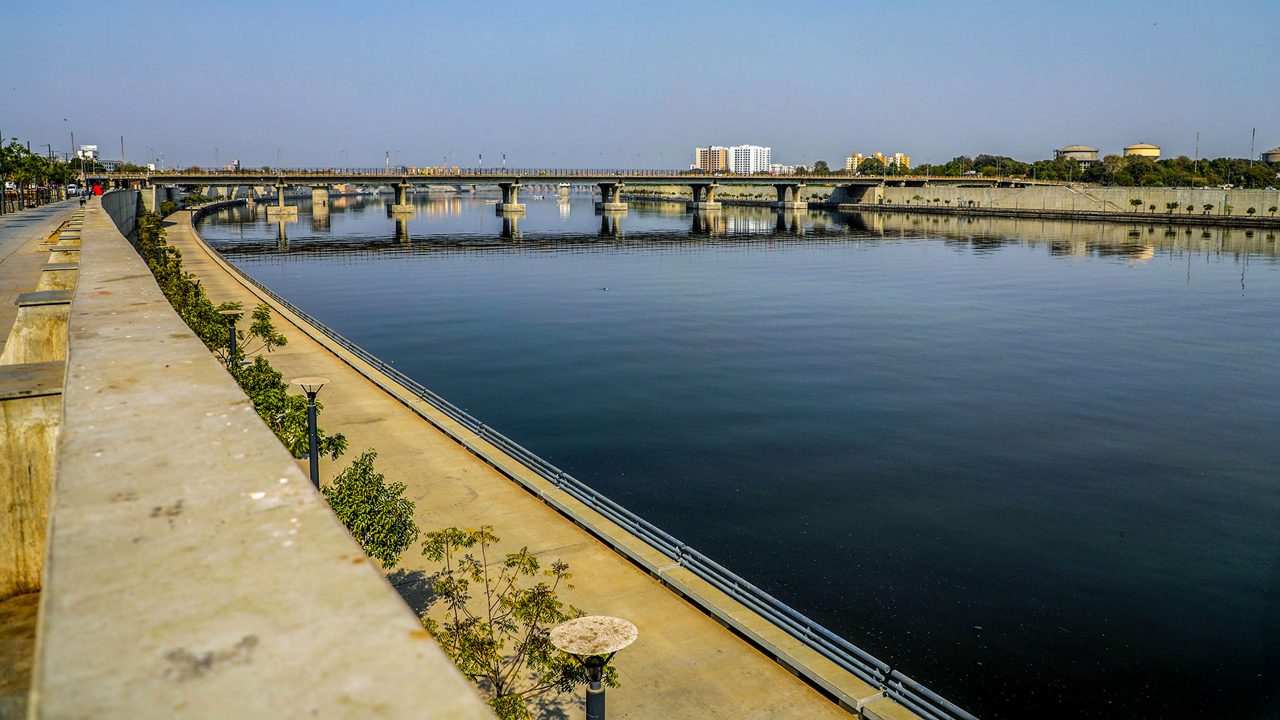
Sabarmati Riverfront: Ahmedabad's Waterfront Gem
Discover Sabarmati Riverfront in Ahmedabad - a stunning 11.5 km waterfront promenade featuring iconic Atal Bridge, flower gardens, boating, and vibrant food courts. Plan your visit with complete information on timings, entry fees, and best experiences.
Things to Do in Ahmedabad: Heritage Walks, Food & Evening Plans
Plan the best things to do in Ahmedabad with heritage walks, food circuits, markets, museums, family activities, and practical 2-3 day itineraries.
20 Best Places to Visit in Ahmedabad: Heritage & Fun
Explore top places to visit in Ahmedabad with heritage landmarks, food streets, shopping hubs, and practical 1-day/2-day itinerary planning.
Never Miss an Adventure
Get the latest trekking guides, travel tips, and exclusive offers delivered straight to your inbox.
