
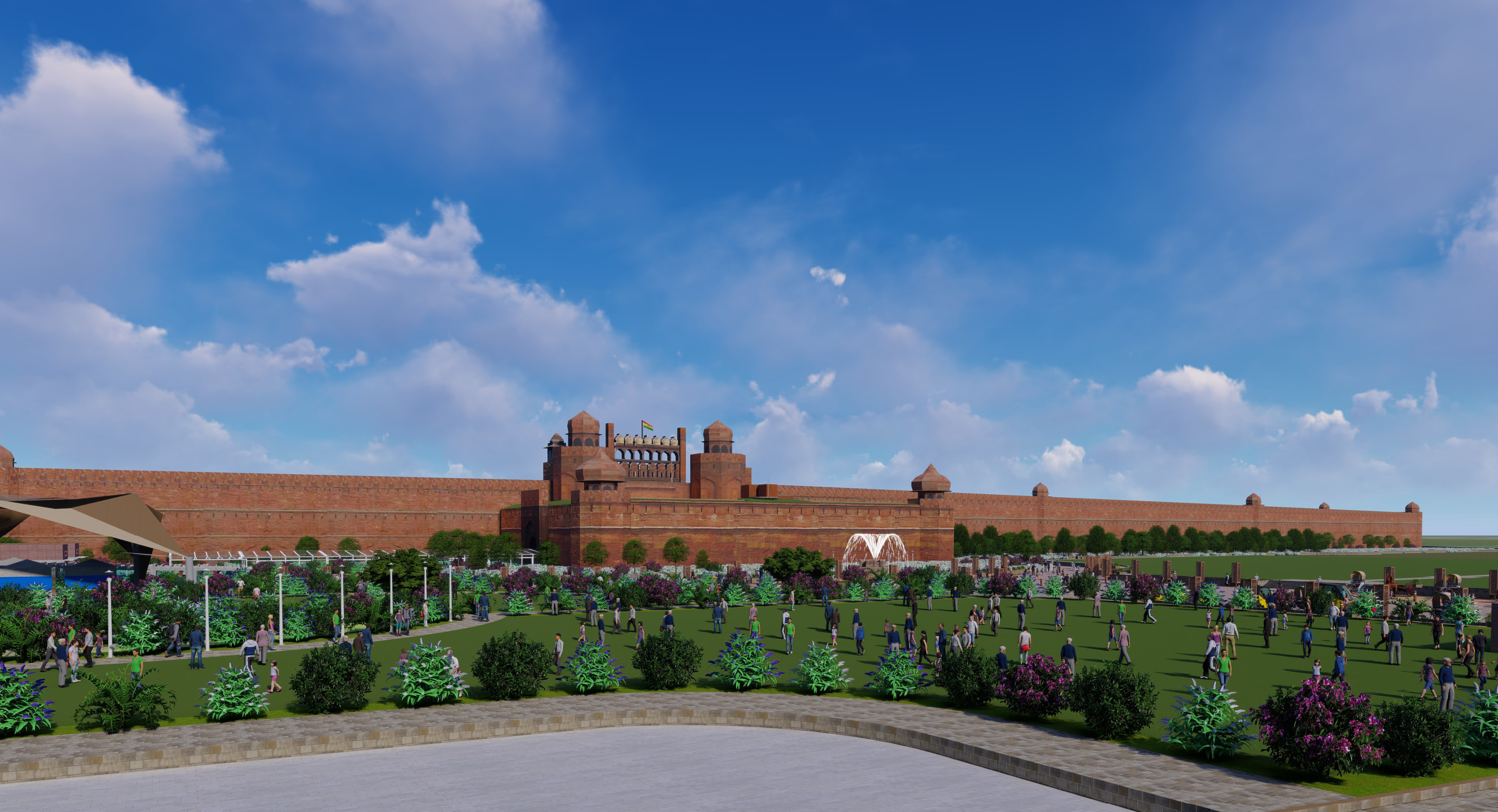
Red Fort Delhi Guide: History, Best Time to Visit, Tickets, and Practical Route Planning

Priya Mehta
February 25, 2026
Use this Red Fort guide for practical Delhi heritage planning, historical context, best timing, and route sequencing tips.
Why Red Fort Is Essential in a Delhi Heritage Itinerary
The Red Fort is one of India’s most important historical monuments, representing Mughal statecraft, architecture, and symbolic power. While many visitors treat it as a quick monument stop, the site is best experienced with context and route planning. The complex includes multiple sections where architecture, courtly life, and imperial design language can be observed clearly when visited at the right pace.
For first-time Delhi travelers, Red Fort works best when paired with nearby heritage zones and one evening cultural block. If you are building a complete Delhi route, combine this with Red Fort Delhi details, broader city sequencing from Delhi travel guide, and nearby monument context via Qutub Minar. For spiritual-heritage blending, include Jama Masjid where possible.

Historical Significance of Red Fort
Commissioned in the 17th century, the fort served as a seat of imperial governance and ceremonial authority. Beyond architecture, it represents political transitions that shaped Delhi and the subcontinent. Understanding this timeline improves the on-ground experience because each section of the complex reflects a function in royal and administrative life.
A guided overview can help first-time visitors decode structure and significance quickly, followed by independent exploration for detail-focused observation.
Key Sections to Prioritize
Lahori Gate and entry sequence: sets the architectural tone and movement pattern of the fort.
Public and private court zones: useful for understanding governance and ceremonial hierarchy.
Pavilion and garden alignments: reveal planning logic and aesthetic intent.
Museum or interpretation points: provide historical context for visitors seeking deeper understanding.
Best Time to Visit Red Fort
Morning visits are usually better for weather comfort and crowd control. Late afternoon can also work for softer light and improved photography. Midday visits are possible but can feel tiring in warmer months due to exposed walking areas.
Plan at least 2-3 hours for a meaningful visit. Rushing through in one hour often reduces both comprehension and enjoyment.

How to Build a Smart Red Fort Day Plan
A practical structure is: Red Fort in the morning, nearby heritage or food lane in midday, and cultural or market block in evening. This creates a balanced Delhi day without overlong cross-city movement. Keep transport buffers because city traffic can affect sequence reliability.
If your stay is short, prioritize one major monument and one local immersion experience rather than stacking many distant points.
Photography and Observation Tips
For better frames, avoid only central crowded viewpoints. Explore side angles and structural details: arches, columns, shadow lines, and perspective corridors. Morning light often gives cleaner texture on red sandstone surfaces. For mobile photography, use wide framing for architecture and closer detail shots for carvings and motifs.
Respect visitor flow and protected areas while photographing. Responsible movement preserves both site quality and visitor experience.
Practical Visitor Checklist
Carry water, comfortable shoes, and sun protection. Keep digital tickets or booking details ready if required. Travel light for easier security checks and movement. If visiting with elders, include rest pauses inside your plan and avoid peak midday heat.
Families should keep a simple route map to avoid unnecessary backtracking across the complex.

Common Mistakes to Avoid
Common errors include arriving too late, skipping historical context, and pairing Red Fort with too many distant stops in one day. Another issue is underestimating walking effort in warmer weather. Keep the day focused and manageable.
Red Fort rewards slow observation more than checklist speed.
Architectural Reading for Better Heritage Experience
Red Fort becomes far more engaging when viewed as a designed imperial system rather than isolated structures. Observe how entry sequence, courtyards, halls, and circulation lines guide movement and authority expression. Mughal planning used spatial transitions to communicate hierarchy and ceremonial function. Understanding this can transform a routine monument visit into a meaningful architectural study.
If you revisit a section after learning basic context, details that seemed decorative on first pass often reveal functional and symbolic significance.
How to Balance History and Photography
Many visitors either rush photos or skip interpretation. The better approach is split-focus: first do a context pass with light note-taking, then return for focused photography. This preserves both understanding and visual quality. Early and late light generally improve sandstone textures and depth.
Avoid photographing only central famous points. Side corridors and detail zones often provide richer compositions and fewer crowd obstructions.
Educational Value for Families and Students
Red Fort works especially well for family and student itineraries because it combines visual scale with historical narrative. A short pre-visit brief on Mughal Delhi, independence symbolism, and architectural elements can make on-site experience significantly better. Children and young travelers engage more when they know what to look for.
For educational visits, keep one core route and one optional loop instead of trying to cover everything. Structured exploration improves retention.
Post-Visit Pairing Ideas
A strong Red Fort day can be closed with one nearby cultural or culinary block to connect monument history with living city rhythm. This pairing helps travelers experience Delhi as both archive and active urban culture. Keep transfers short and end the day with enough recovery time for next-day movement.
When planned this way, Red Fort shifts from a “must-see stop” to a high-depth anchor in your Delhi journey.

Contextualizing Red Fort in Modern Delhi
Red Fort is not only a Mughal monument; it sits within a living city ecosystem where old and new Delhi interact continuously. Planning your visit with this in mind can enrich the day. Combine the fort with one nearby local food lane or market walk to understand how historical spaces connect with contemporary urban life. This layered approach gives both archival depth and lived-city context.
If you are a repeat Delhi traveler, revisit Red Fort after seeing other city monuments. Comparative viewing helps identify architectural continuities and differences across eras.
Time Management for Heritage-Heavy Days
Heritage fatigue is real. Too many monuments in one day can reduce attention quality and memory retention. Use a two-anchor day model: one major monument (Red Fort) and one secondary cultural experience. Leave remaining time for transit buffers, hydration, and unstructured walking. This produces a better overall experience than aggressive checklist coverage.
Families and educational groups should especially use this model to keep engagement high through the full day.
Building a Deeper Interpretation Habit
At major heritage sites, a simple habit improves understanding: observe, ask, and connect. Observe one detail, ask what function it served, and connect it to broader historical context. Repeating this habit across sections turns passive sightseeing into active interpretation.
Red Fort rewards this approach because its design includes political, ceremonial, and aesthetic logic that becomes clearer with guided curiosity.
For repeat visitors, choosing one theme per visit (architecture, political history, or urban context) makes Red Fort progressively more meaningful and less repetitive.
Red Fort also works as a reference point for understanding Delhi’s broader historical layering. When you connect your visit to nearby neighborhoods, museums, and public memory spaces, the monument becomes part of a larger narrative rather than a standalone structure. This contextual approach improves both educational value and travel satisfaction.
Conclusion
Red Fort is a high-value heritage experience when approached with history context and practical pacing. Plan your timing carefully, combine it with one nearby cultural block, and leave enough time for meaningful exploration. With the right structure, Red Fort becomes a standout part of any Delhi itinerary.
Location
Frequently Asked Questions
Q1.How much time should I spend at Red Fort?
Q2.What is the best time to visit Red Fort?
Q3.Can Red Fort be combined with other Delhi sites in one day?
Q4.Is Red Fort suitable for family visits?
Q5.What is the biggest mistake at Red Fort?
Recommended For You

Connaught Place Delhi Guide: What to Do, Eat, Shop, and Plan Smartly
Plan Connaught Place better with practical route flow, food strategy, shopping logic, metro-first movement, and realistic half-day itinerary tips.
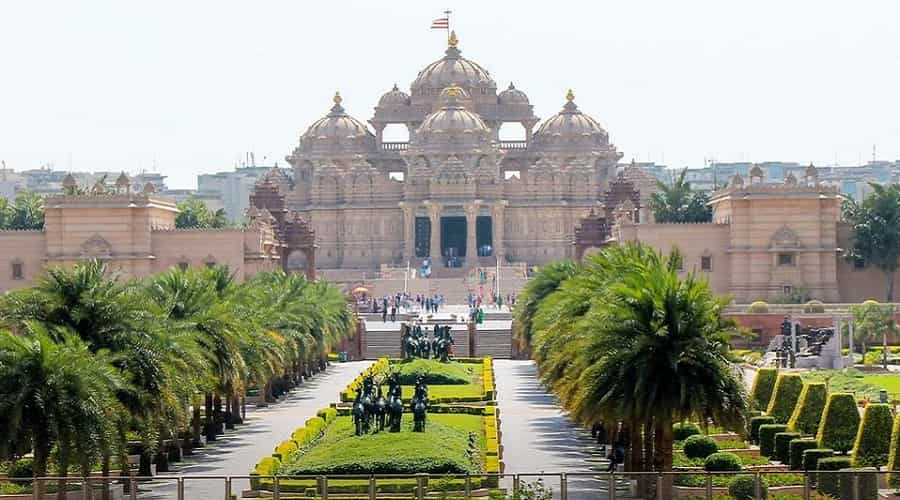
Akshardham Temple Delhi: Entry Rules, Timings & Evening Show Details
Visit Akshardham Temple Delhi - India's largest Hindu temple. Complete guide with timings, entry fees, light & sound show details, dress code, and practical tips.
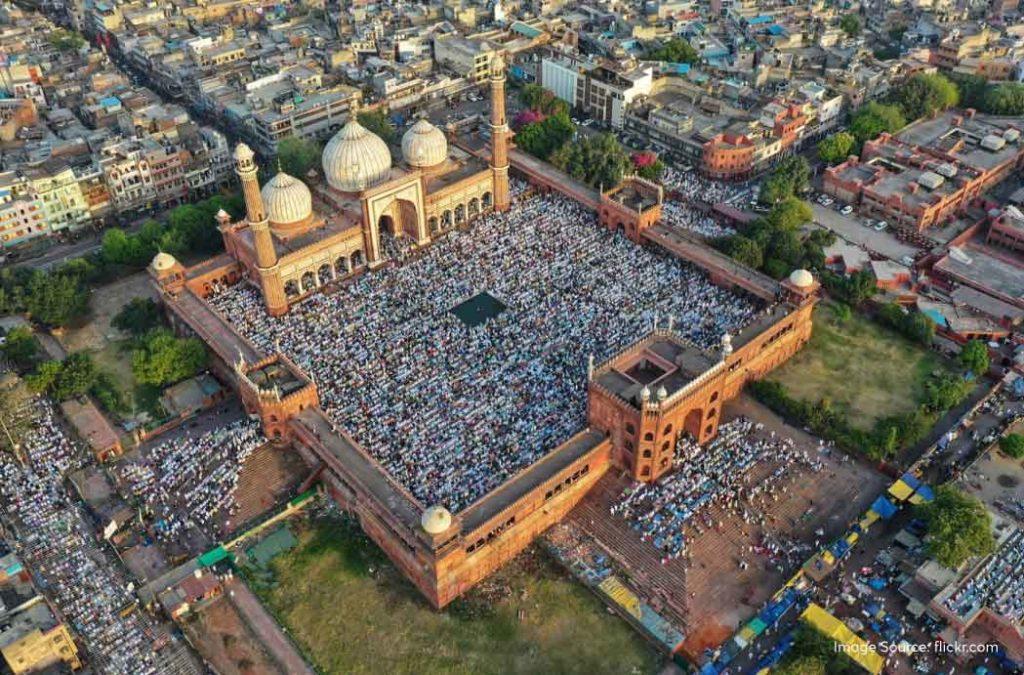
Jama Masjid Delhi Guide: Visit Timing, Etiquette, Nearby Route Planning, and Practical Tips
Plan your Jama Masjid Delhi visit with better timing, etiquette, and nearby heritage routing for a smoother Old Delhi experience.
Never Miss an Adventure
Get the latest trekking guides, travel tips, and exclusive offers delivered straight to your inbox.
