
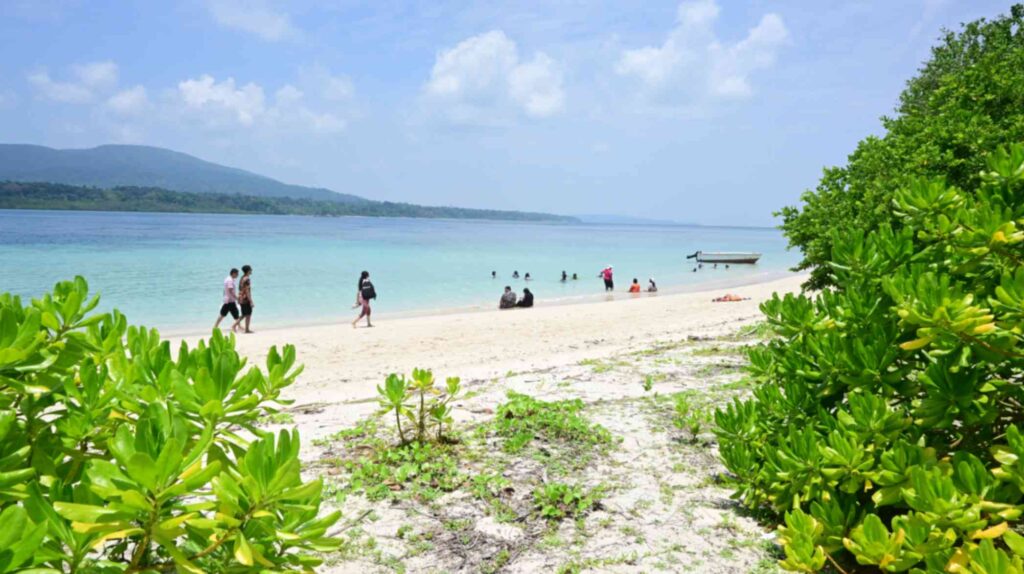
Red Skin Island Andaman: Complete Travel Guide 2026

Priya Mehta
January 10, 2026
Complete Red Skin Island Andaman guide - snorkeling, coral reefs, permits, boat tours, best time & tips. Pristine marine national park island experience.
Red Skin Island Andaman: A Practical Snorkeling Guide from Port Blair
Red Skin Island is one of the strongest day-trip choices for travelers who want clear-water reef viewing near Port Blair without committing to long inter-island transfers. It is part of the Mahatma Gandhi Marine National Park zone and is typically visited for snorkeling, shallow coral viewing, and a relatively controlled visitor environment. Unlike overbuilt beach destinations, Red Skin is managed as an eco-sensitive area, so trip planning depends on permits, weather, and daily operations.
If your main goal is marine life visibility and a simpler travel day, Red Skin can be more efficient than scattered multi-stop routes. This guide covers what matters most: opening windows, booking logic, reef expectations, safety, and how to combine it with a wider Andaman complete travel guide.
Where Red Skin Island Is and Why It Stands Out
Red Skin sits in South Andaman marine park waters and is commonly approached from Port Blair via Wandoor-side transfer systems depending on official operation status. What makes it popular is the balance of accessibility and reef quality. You do not need advanced diving experience to enjoy the site. Even first-time snorkelers can get a strong experience with guided support and basic float gear.
Compared with many open coastlines, the trip is more about underwater viewing than beach lounging. Go with that expectation and you will enjoy it far more.
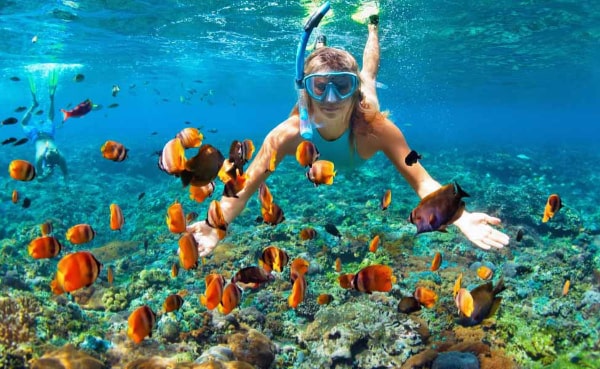
Snorkeling Experience: What to Expect in Real Terms
Water Clarity and Coral Zones
Visibility can be excellent in favorable weather, especially in non-monsoon months. You can expect mixed coral patches, reef fish movement, and better visual payoff when sea conditions are stable. Morning sessions usually perform better than late-day runs.
Beginner Suitability
Most operators support first-timers with life jackets and short briefings. If you are new to snorkeling, choose guided entry over independent drifting. Controlled pacing gives better confidence and safer movement around reef zones.
Marine Etiquette
Do not step on coral, do not chase fish, and avoid touching marine life. Reef damage is often caused by casual mistakes, not intentional behavior. Keep fins and hands controlled in shallow sections.
Best Time to Visit Red Skin Island
| Period | Condition Trend | Recommendation |
|---|---|---|
| Oct-Feb | Strong seasonal comfort | Best for most visitors |
| Mar-May | Warm, often good visibility | Good if heat is manageable |
| Jun-Sep | Monsoon variability | Keep backup plans and flexibility |
Always verify operational status before departure day. In protected marine destinations, on-ground instructions override fixed online assumptions.
How to Reach and Booking Flow
Because marine park access is controlled, trip flow can feel stricter than open beach destinations. Keep printed or offline copies of booking confirmations, carry valid ID, and arrive before reporting time. Last-minute delays at check points can reduce your reef window even if your booking is confirmed.
Typical route is Port Blair accommodation -> transfer toward departure point -> registered boat movement -> Red Skin activity window -> return same day. Keep one buffer half-day in your itinerary in case sea/weather operations shift.
For broader island planning, combine this with places to visit in Andaman and compare marine alternatives like Jolly Buoy Island based on your travel dates.
Snorkeling Quality Checklist Before You Enter Water
- Check mask fit before boarding the boat, not in deep water.
- Confirm life jacket size and buckle lock.
- Ask guide about current direction and no-go reef patches.
- Enter slowly and maintain spacing from other snorkelers.
This simple pre-entry checklist improves comfort, especially for first-time snorkelers and families. Better setup at the start usually means longer, more enjoyable water time.
What to Carry for a Comfortable Day Trip
- Reef-safe sunscreen and sun cover.
- Drinking water and light snacks.
- Dry bag for phone/documents.
- Microfiber towel and extra T-shirt.
- Any personal motion-sickness medication if needed.
Pack light and functional. This is a marine activity day, not a heavy luggage day.
Sample Half-Day and Full-Day Approaches
Half-day focus: Transit + guided snorkel + short shoreline rest + return.
Full-day focus: Early transfer + extended marine window + relaxed return and evening local market in Port Blair.
If you are building a longer plan, pair this with practical sequencing tips from Andaman travel tips so you avoid inefficient same-day long transfer stacking.
Common Mistakes That Reduce the Experience
- Expecting full-day resort-style beach setup at a protected marine site.
- Not confirming latest operational status and timings.
- Skipping hydration and sun protection before water entry.
- Treating reef zones casually and damaging coral while standing.
How Red Skin Compares with Other Andaman Marine Stops
Red Skin is often chosen for a balanced day format near Port Blair. Travelers who prioritize minimal transit and good beginner-friendly reef viewing usually prefer it. If your trip dates align, some visitors compare it with nearby alternatives and choose based on crowd profile and operating status. Use your base location and time budget as the deciding factors, not only online photo comparisons.
If you plan multiple island days, keep physical recovery in mind. Snorkeling days and long transfer days should not always be back-to-back, especially in humid weather windows.
Beginner Snorkeler Briefing (Quick Guide)
If this is your first snorkeling day, spend the first five minutes only on breathing rhythm and float control. Do not chase fish immediately. Keep your body horizontal, avoid kicking too hard, and let the guide set direction. This reduces fatigue and makes coral viewing much easier.
Parents traveling with children should request guide-side entry and remain in close group formation. Children enjoy the experience more when they are not overwhelmed in the first few minutes.
Budget Expectations
Cost depends on transfer type, operator inclusion, and season. Always ask whether permit, boat, snorkeling gear, and local assistance are included in one quote. Low headline prices often exclude essential components.
Quick Combo Plan from Port Blair
Day 1: Port Blair local sightseeing.
Day 2: Red Skin marine day.
Day 3: Buffer day for weather or alternate coastal activity.
This structure gives operational flexibility and prevents marine-day disappointment due to weather shifts.
Responsible Marine Travel Reminder
Red Skin rewards visitors when reef etiquette is followed. Keep buoyancy controlled, avoid touching coral, and listen to guide spacing instructions. These practices protect both reef health and your own safety. Even one careless step in shallow coral can cause long-term damage in protected zones.
If you are traveling in a group, brief everyone before entering water so no one learns rules mid-session. This simple pre-brief makes the snorkeling window smoother and more enjoyable for the whole group.
Ideal Group Size for Better Snorkeling Experience
Smaller groups usually get better guide attention and smoother entry flow. If your operator has multiple groups, request a slower batch if you are a beginner. Better pace gives better marine visibility and less stress.
Post-Trip Reef Responsibility
After returning, avoid sharing irresponsible reef practices in photos or captions. Promote no-touch snorkeling behavior and guide-led safety norms. Responsible traveler behavior helps protect fragile marine zones and supports long-term access for future visitors.
For best results, keep marine activity expectations practical and protect one fallback slot in your itinerary. That balance usually turns a good Red Skin day into a great one.
Final Verdict
Red Skin Island is worth prioritizing if your Andaman objective is quality reef viewing in a manageable day format near Port Blair. With the right weather window and responsible snorkeling behavior, it delivers one of the most rewarding marine experiences in the region.
Location
Frequently Asked Questions
Q1.How to reach Red Skin Island?
Q2.Is Red Skin Island open throughout the year?
Q3.Do we need permission to visit Red Skin Island?
Q4.What can we do at Red Skin Island?
Q5.What is the cost of Red Skin Island tour?
Q6.Is Red Skin Island better than Jolly Buoy Island?
Q7.Can we see corals at Red Skin Island?
Q8.Are there facilities available at Red Skin Island?
Recommended For You

Things to Do in Andaman: Top Activities, Water Sports & Island Tours
Plan top things to do in Andaman with diving, snorkeling, beaches, island hopping, historical sites, and practical itinerary plus budget guidance.

Places to Visit in Andaman: Islands, Beaches & Planning Tips
Explore the best places to visit in Andaman with island-wise highlights, beach picks, activity ideas, and practical route planning tips.

Andaman in Winter: Why November-February is Peak Season Magic
Planning Andaman in winter? Discover why November-February is peak season with perfect weather, ideal watersports conditions, and magical island experiences. Complete guide to Andaman winters.
Never Miss an Adventure
Get the latest trekking guides, travel tips, and exclusive offers delivered straight to your inbox.
