
Festivals in Jammu and Kashmir: Seasonal Celebrations & Traditions
Rohit Verma
February 20, 2026
Discover festivals in Jammu and Kashmir including Tulip Festival, Eid, Hemis, Losar, and Jammu celebrations with timing, locations, and travel tips.
1. Introduction to Festivals in Jammu and Kashmir
Jammu and Kashmir is one of India’s richest regions for festival diversity because it blends Kashmiri, Dogra, Ladakhi, Islamic, Hindu, Sikh, and Buddhist traditions across very different geographies. In one union territory, you can see spring flower festivals in Srinagar, monastery mask dances in Ladakh, harvest and devotion-led celebrations in Jammu, and major religious observances across communities.
For travelers, festivals in Jammu and Kashmir are not only cultural events, but also practical trip anchors. They help you choose the right month, decide your base city, and experience local life beyond sightseeing checklists. Some festivals are date-fixed, while others follow lunar calendars and vary each year, so planning with updated schedules is essential.
This complete guide covers major festivals in Kashmir Valley, Ladakh, and Jammu, along with timing windows, cultural significance, and practical travel tips for a smooth festival-focused trip.
2. Major Festivals in Kashmir Valley
Tulip Festival (Srinagar)
The Tulip Festival in Srinagar is one of the most searched spring events in Jammu and Kashmir. It is linked to the opening season of the Indira Gandhi Memorial Tulip Garden, often highlighted as Asia’s largest tulip display garden. The festival generally runs in March-April, depending on bloom cycle and weather. In recent editions, dates were announced by local tourism authorities as seasonal opening windows rather than fixed annual dates.
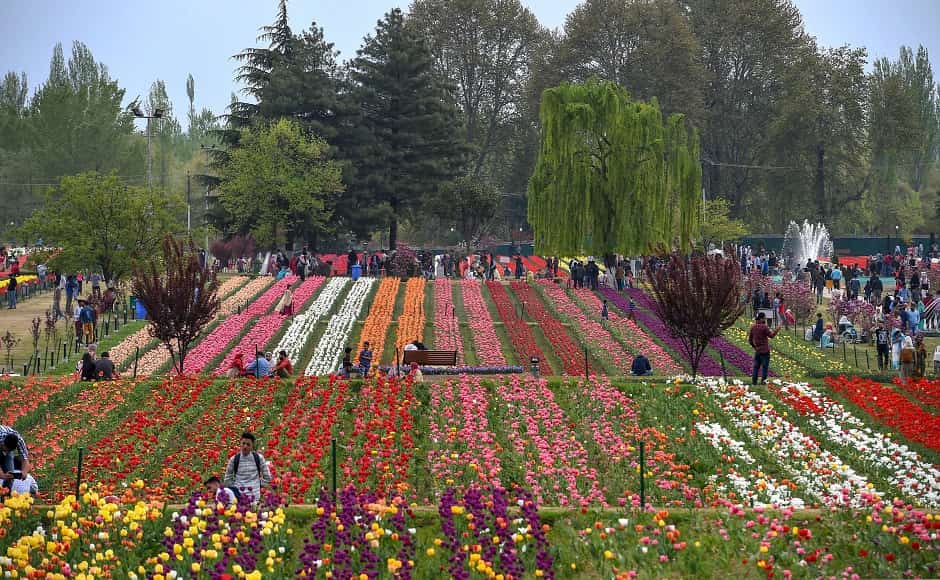
Visitors usually come for flower displays, mountain-backdrop photography, local food counters, and cultural performances during peak bloom days. If your main purpose is tulip visuals, stay flexible with travel dates by a few days to match bloom status.
For detailed seasonal planning, see Kashmir’s Tulip Garden guide and Tulip festivals in Kashmir.
Eid-ul-Fitr in Kashmir
Eid-ul-Fitr is among the most significant festivals in Kashmir and marks the end of Ramadan. The day begins with large prayer gatherings in major mosques and grounds, followed by family meals, visits, and community sharing. Since it follows the Islamic lunar calendar, dates vary every year. Travelers visiting during Eid should expect high local movement and festive market activity.
Eid-ul-Adha in Kashmir
Eid-ul-Adha is another major Islamic festival observed across the valley with prayer gatherings, sacrifice rituals, and family/community meals. Like Eid-ul-Fitr, this festival follows lunar dates and requires pre-trip date confirmation.
Shab-e-Meraj and Other Islamic Observances
Shab-e-Meraj is observed with night prayers and religious gatherings. Muharram, Milad-un-Nabi, and Urs events at Sufi shrines also form an important part of Kashmir’s spiritual calendar, adding depth for visitors interested in religious culture.
3. Ladakh Festivals
Hemis Festival
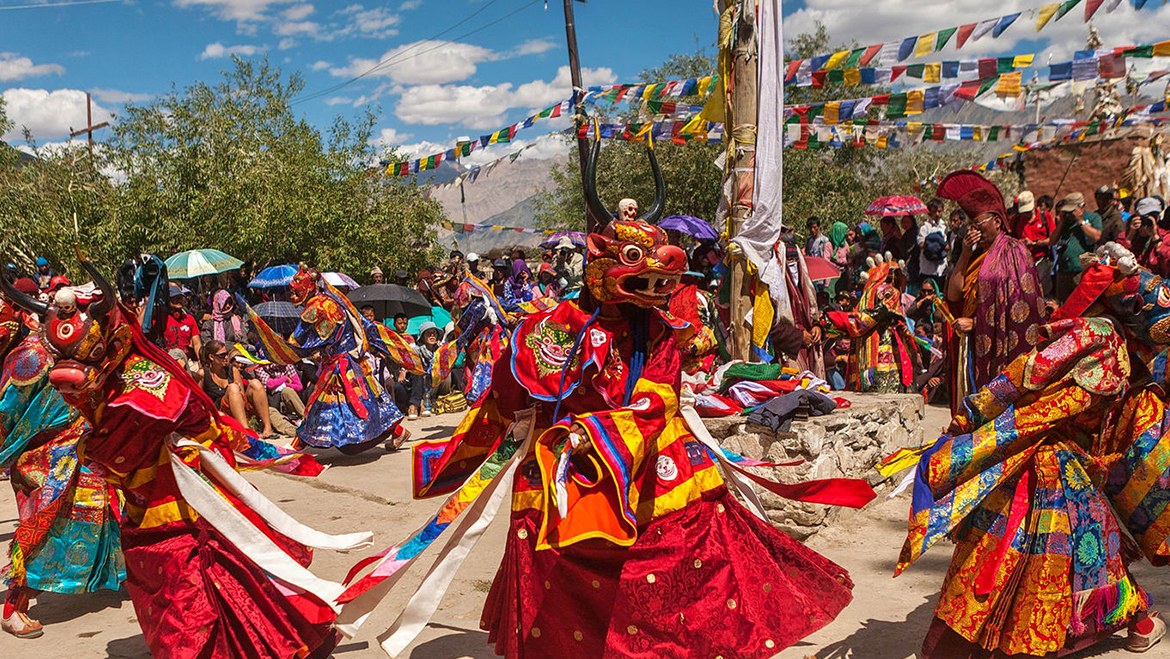
Hemis Festival (Hemis Tsechu) is one of Ladakh’s most iconic Buddhist celebrations, held at Hemis Monastery and dedicated to Guru Padmasambhava. It is known for cham (masked) dances, ceremonial costumes, monastery rituals, and a large gathering of locals and travelers. The festival usually falls in June or July (Tibetan lunar calendar based), with dates announced each year by local authorities and monastery calendars.
If Hemis is the focus of your trip, finalize accommodation and transport early, as Leh-region demand can rise quickly during this window. You can combine this with Hemis Monastery Ladakh and Ladakh Hemis Festival guide.
Losar Festival
Losar is the Tibetan New Year celebration in Ladakh, usually observed in winter (often December-January windows depending on local calendar traditions). It includes rituals, household observances, monastery prayers, and festive community activities. For travelers, Losar offers a culturally rich but climate-challenging experience due to peak winter conditions.
Sindhu Darshan Festival
Sindhu Darshan is held around the Indus River belt near Leh and is framed as a cultural-spiritual event celebrating the historical and civilizational significance of the river. It includes multi-cultural participation, prayer ceremonies, and cultural programming. Dates are generally announced in advance and often align with June windows.
Other Ladakh Cultural Events
Depending on the year, you may also find monastery festivals such as Dosmoche, Stok Guru Tsechu, and seasonal Ladakh cultural showcases. These events are especially useful for travelers seeking village-monastery cultural depth beyond mainstream circuits.
4. Jammu Festivals
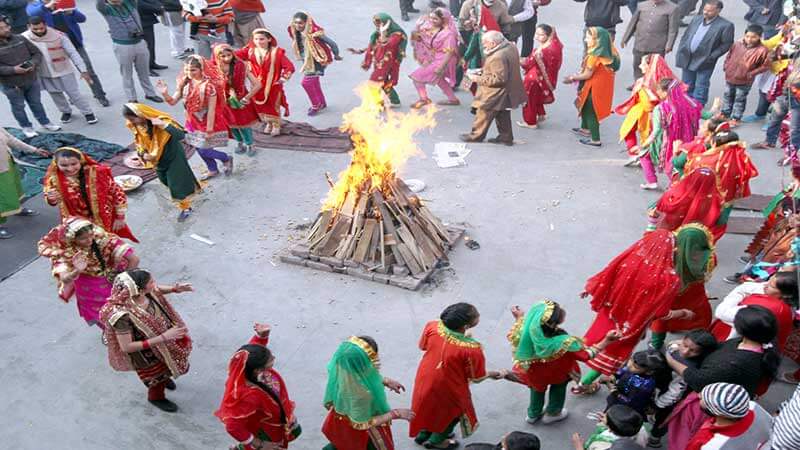
Lohri
Lohri is celebrated in January in Jammu with bonfires, songs, community gatherings, and winter-harvest symbolism. It is especially visible in family and neighborhood spaces.
Baisakhi
Baisakhi in April is significant in Jammu for harvest-linked celebration and religious-cultural observance. Markets and public spaces often show festive energy during this period, and travelers can combine Baisakhi dates with regional sightseeing.
Navratri
Navratri is an important festival season in Jammu, particularly because of the strong pilgrimage and temple culture in the region. Devotional travel rises during this period, so accommodation and transport should be booked with buffer.
Other Common Festivals
Diwali, Holi, Janmashtami, and Eid are also celebrated across Jammu with local variations. The major advantage for visitors is that Jammu offers festival access with stronger road and city connectivity compared to higher-altitude regions.
5. Festival Dates and Timing: What to Know
| Festival | Typical Month/Window | Date Type |
|---|---|---|
| Tulip Festival (Srinagar) | March-April | Bloom/weather dependent |
| Eid-ul-Fitr / Eid-ul-Adha | Varies yearly | Lunar calendar based |
| Hemis Festival | June-July (often) | Tibetan lunar calendar based |
| Losar | Winter window | Tibetan New Year cycle |
| Sindhu Darshan | Usually June | Announced schedule |
| Lohri | January | Fixed annual date |
| Baisakhi | April | Fixed annual date |
| Navratri | Sept-Oct (often) | Lunar calendar based |
Always verify current-year festival dates before booking, especially for flower bloom and lunar-calendar events.
6. Cultural Significance: Why These Festivals Are Unique
What makes Kashmir festivals unique is regional coexistence and geographical spread. The valley’s Islamic observances, Jammu’s Hindu and harvest traditions, and Ladakh’s Buddhist monastic festivals represent different historical layers of the same region. This gives travelers a rare chance to experience multiple civilizational traditions without leaving one union territory.
Festival participation also supports local economies through handicrafts, transport, small hospitality businesses, food stalls, and seasonal tourism jobs.
7. Best Time to Visit Jammu and Kashmir for Festivals
- Spring (March-April): Best for Tulip Festival and mild-weather valley travel.
- Summer (June-July): Strong for Hemis and other Ladakh event windows.
- Autumn (Sept-Oct): Good for certain religious and cultural observances in Jammu/Kashmir.
- Winter (Dec-Jan): Unique for Losar-type cultural experiences, but weather is challenging.
If you are comparing seasons before finalizing, review best time to visit Kashmir and Ladakh in winter.
8. Festival Locations and Route Planning
- Srinagar: Tulip Festival and key Kashmir valley events.
- Leh-Hemis belt: Hemis and other Buddhist monastery festivals.
- Jammu city and temple circuits: Lohri, Baisakhi, Navratri-linked movement.
A practical festival route is: Srinagar spring window -> Leh summer monastery window -> Jammu devotional/harvest window, depending on your available travel period.
9. How to Plan Your Festival Visit
- Choose one anchor festival first (Tulip, Hemis, or Jammu festive season).
- Verify official or local authority dates before transport booking.
- Add buffer days for weather and road/air schedule variation.
- Book stay close to the event zone during high-demand periods.
- Keep one flexible day for local cultural exploration.
For broader itinerary help, use Kashmir travel guide, Leh Ladakh bike trip guide, and places to visit in Kashmir in May.
10. Travel Tips for Festival Season
- Book early in peak festival windows (especially Srinagar spring and Leh summer).
- Respect local customs, dress norms, and worship-space etiquette.
- Avoid tight same-day transfers around key event schedules.
- Carry weather-ready layers; mountain conditions shift quickly.
- Use local guidance for venue timing and crowd movement.
11. Final Planning Note
For the best festival experience, avoid overpacking your itinerary. Keep one open slot for local events, weather shifts, or transport delays. Festival travel in Jammu and Kashmir works best when you combine confirmed dates with flexible on-ground pacing.
Location
Frequently Asked Questions
Q1.What are the major festivals in Jammu and Kashmir?
Q2.When is Tulip Festival celebrated in Srinagar?
Q3.When is Hemis Festival celebrated?
Q4.What is Losar Festival and when is it celebrated?
Q5.How is Eid celebrated in Kashmir?
Q6.What makes Kashmir festivals unique?
Q7.What is the best time to visit Jammu and Kashmir for festivals?
Q8.How can I attend Sindhu Darshan Festival?
Recommended For You
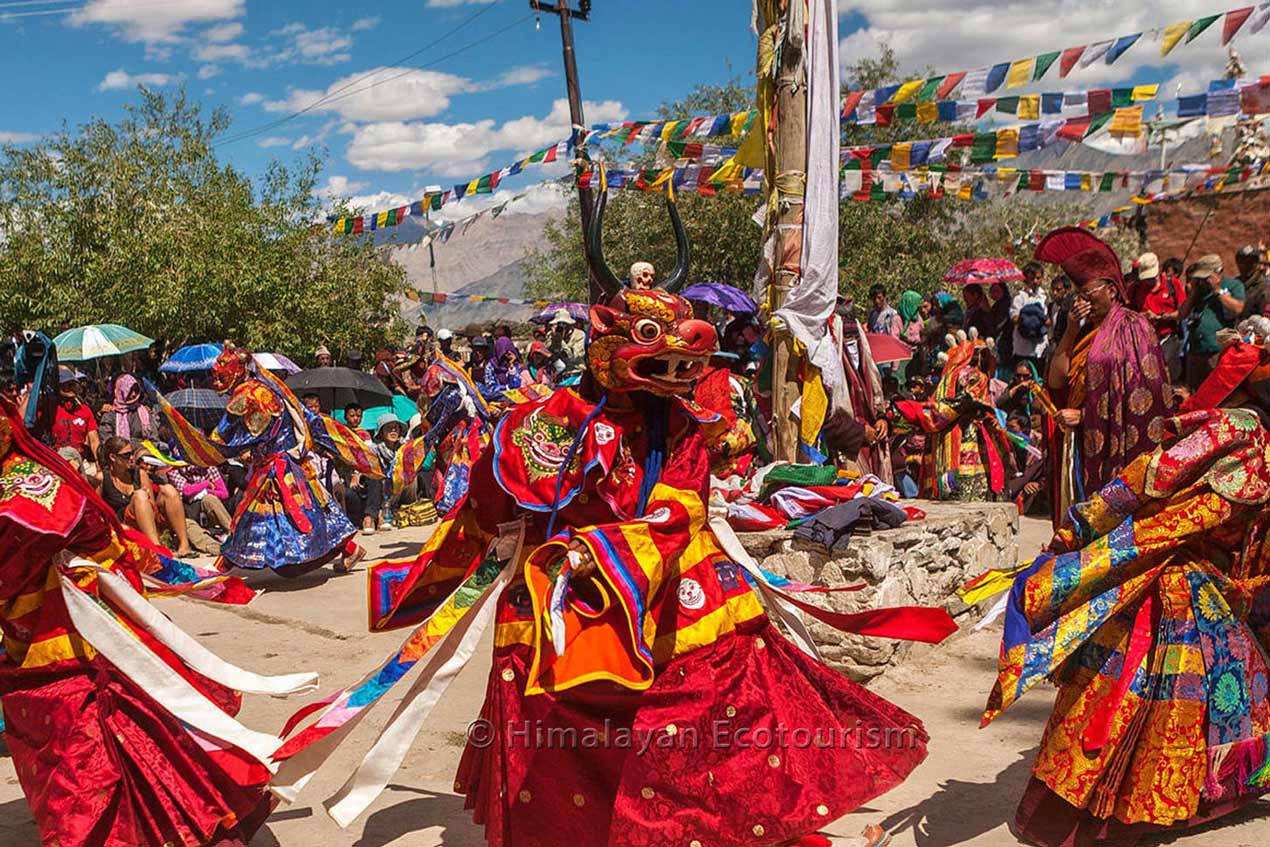
Best Festivals of Ladakh: Calendar, Culture and Tips
Plan Ladakh festivals with timing, altitude-aware travel logic, and practical route tips for a richer cultural experience.
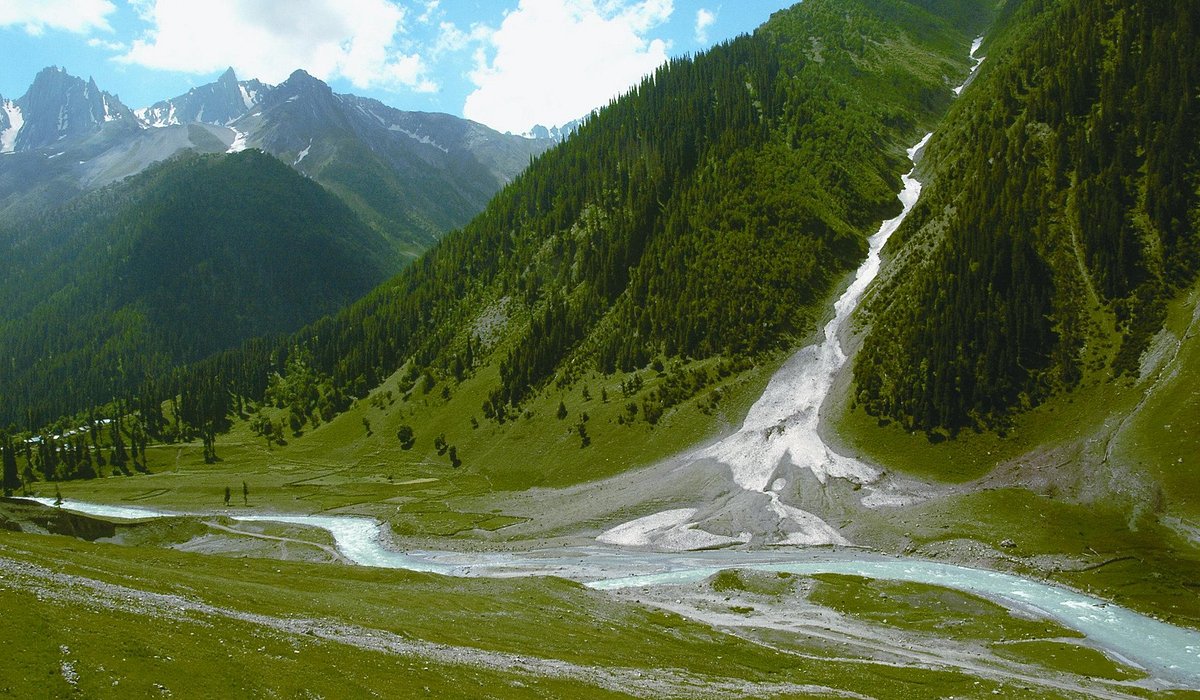
Best Places to Visit Kashmir: Complete Travel Guide 2026
Explore the best places to visit Kashmir including Srinagar Dal Lake, Gulmarg skiing, Pahalgam valleys, and complete travel guide.
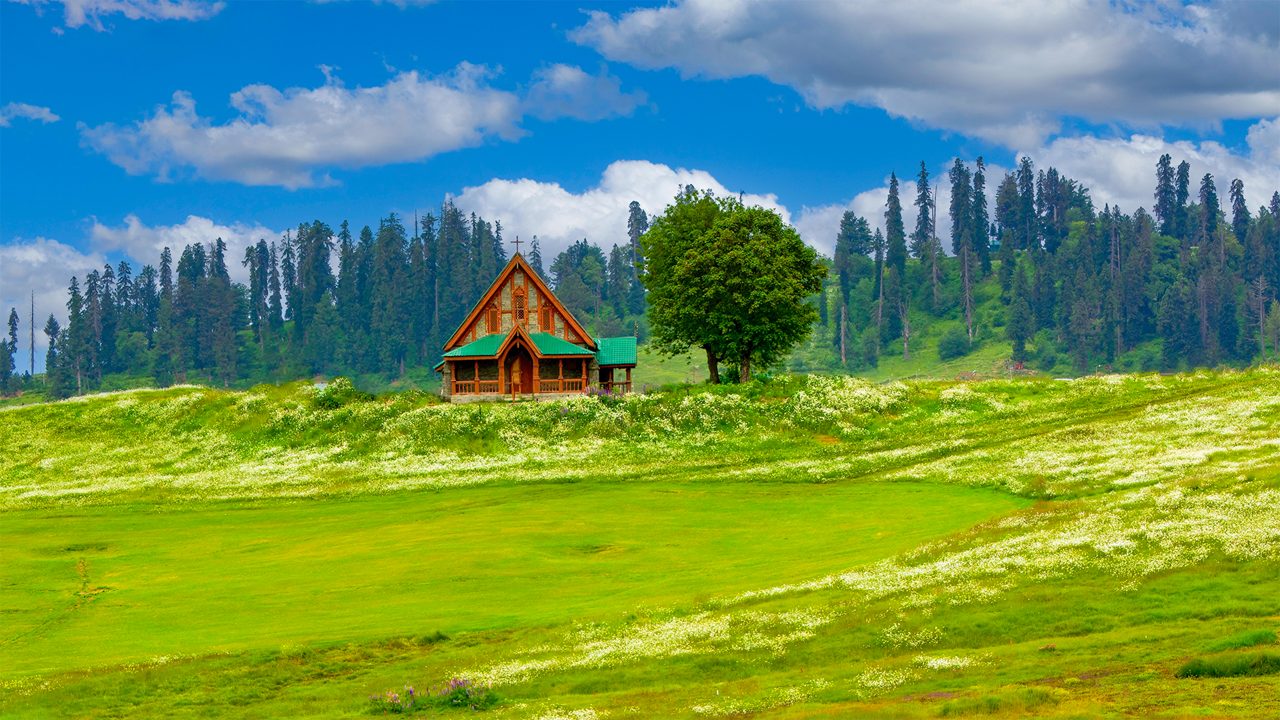
Best Time to Visit Kashmir: Month-by-Month Weather & Activities
Plan the best time to visit Kashmir with month-by-month weather, snow and bloom seasons, and practical guidance for sightseeing, honeymoon, and family travel.
Never Miss an Adventure
Get the latest trekking guides, travel tips, and exclusive offers delivered straight to your inbox.
