
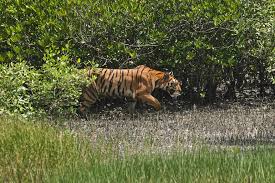
Royal Bengal Tiger Guide: Habitat, Best Safari Planning, and Responsible Wildlife Travel

Priya Mehta
February 25, 2026
Learn how to plan a Royal Bengal Tiger trip with realistic safari expectations, ethical operator selection, and conservation-aware travel behavior.
Why the Royal Bengal Tiger Is an Icon of Indian Wildlife
The Royal Bengal Tiger represents both ecological strength and conservation urgency in the Indian subcontinent. It is one of the most recognized wildlife symbols in India and a major draw for nature-focused tourism. But tiger travel should never be reduced to only “sighting goals.” The best wildlife trips are designed around habitat understanding, conservation ethics, and realistic expectations.
Travelers who plan only for guaranteed sightings are often disappointed and may choose unsafe or unethical operators. Instead, build a habitat-first itinerary. For state-level context, combine this with West Bengal tourism, route logic from places in Bengal, and broader wildlife frameworks like wildlife safari planning. For landscape diversity comparison, include tiger reserve travel patterns.

Habitat and Distribution
Royal Bengal Tigers inhabit varied ecosystems including mangroves, grasslands, and forest corridors. Their presence indicates ecological balance and prey availability. In regions like delta and forest interfaces, tiger movement patterns can be complex and season-dependent, which is why experienced local guidance matters.
Understanding habitat type helps set realistic travel expectations. Not every terrain offers the same visibility or encounter probability.
Best Time to Plan Tiger-Focused Travel
Wildlife planning should follow park access windows, weather, and local movement conditions. Cooler and shoulder seasons often provide better field comfort, while visibility conditions may vary by region. Check current advisories and park norms before finalizing dates.
Remember: the objective is high-quality wildlife experience, not guaranteed sighting. Conservation landscapes are dynamic, not staged.
How to Choose Responsible Safari Operators
Select operators based on compliance, local experience, and ethical behavior. Avoid providers that promise guaranteed tiger sightings or promote disruptive tracking behavior. Good operators brief visitors on distance discipline, silence, and habitat respect before entering protected zones.
Ask clear questions: route policy, group size, safety protocol, guide credentials, and conservation compliance. These checks improve both safety and ecological responsibility.

Field Behavior and Wildlife Etiquette
Keep noise low, do not throw food or waste, and avoid sudden movement during sightings. Respect guide instructions and protected boundaries. Wildlife encounters are rare and sensitive; responsible behavior protects both animals and visitors.
Photography should never compromise safety or habitat integrity. Long-lens patience and controlled framing usually produce better results than aggressive proximity attempts.
Planning a 2-3 Day Tiger Experience
Day 1: Arrival, orientation, and conservation briefing.
Day 2: Primary safari session with one backup observation block.
Day 3: Secondary route or interpretation visit and return.
This structure keeps expectations realistic and gives enough room for learning beyond a single outing.
Conservation Perspective for Travelers
Tiger tourism should support conservation goals through responsible spending and behavior. Choose services that employ local communities, follow protected-area rules, and avoid exploitative practices. Ethical choices by travelers can strengthen long-term habitat protection.
A good tiger trip leaves you with ecological understanding, not just photos.

Common Mistakes to Avoid
Expecting guaranteed sightings, booking unverified operators, and treating wildlife zones like theme parks are common mistakes. Another issue is packing no buffer for weather and access changes. Keep your itinerary flexible and purpose-driven.
Wildlife travel quality is measured by respect, awareness, and learning, not only encounter count.
Understanding Sighting Probability Realistically
Wildlife travelers often ask for the best “guaranteed tiger route,” but ethical conservation areas cannot and should not promise guaranteed sightings. Factors like weather, prey movement, habitat conditions, and seasonal patterns influence visibility. When travelers accept this, the trip becomes less stressful and far more meaningful.
Set your expectation around ecosystem experience, guide learning, and field behavior. A non-sighting day can still be highly valuable if interpreted well.
Role of Local Communities in Tiger Landscapes
Conservation zones are rarely isolated from human geography. Local communities often support eco-tourism logistics, guiding, transport, and habitat stewardship. Choosing responsible operators that engage local livelihoods positively can strengthen long-term conservation outcomes. Traveler spending patterns matter.
Supporting local guides and compliant services helps align tourism with ecological protection rather than short-term extraction.
Photography Ethics in Wildlife Zones
Wildlife photography should prioritize animal welfare and habitat respect. Maintain distance, avoid noise spikes, and never pressure guides for unsafe approach attempts. Good wildlife images come from patience and discipline, not proximity risk. Ethical conduct protects both species and visitor safety.
In many cases, behavior shots from respectful distance are more meaningful than close frames achieved through disturbance.
Building a Better Wildlife Itinerary
A robust tiger itinerary includes field sessions, rest windows, interpretation time, and adaptation space. Overloading with back-to-back drives can reduce observation quality and physical comfort. Keep one flexible block in each day so schedule adjustments remain calm and productive.
Tiger landscapes reward travelers who move slowly, listen carefully, and treat the ecosystem as the main destination.

What Makes a Wildlife Trip Truly Successful
A successful tiger trip is not measured by one dramatic sighting photo. It is measured by overall field quality: ethical operator behavior, habitat learning, patient observation, and responsible traveler conduct. When these elements are strong, even limited sightings can still produce high-value wildlife experiences.
Travelers who shift from “target capture” mindset to “ecosystem understanding” mindset often return with deeper respect for conservation landscapes.
Educational Value for Young Travelers
Tiger landscapes are excellent for environmental learning, especially for families with students. A guided explanation of prey chains, habitat fragility, and conservation policy can make the journey far more meaningful than passive safari rides. If traveling with children, assign small observation tasks like identifying habitat cues, bird activity, or water patterns.
This transforms the trip into experiential education and helps younger travelers value nature beyond social-media visuals.
Long-Term Conservation Mindset
Wildlife travel should create continuity, not one-off excitement. After the trip, support responsible conservation projects, share ethical travel practices, and avoid promoting exploitative wildlife content. Travelers influence the culture of wildlife tourism through what they choose, post, and recommend.
The Royal Bengal Tiger remains a conservation responsibility as much as a symbol. Responsible visitors help keep that balance possible.
Travel Responsibility After the Safari
Your wildlife journey should continue after you leave the reserve. Share ethical travel learnings, avoid posting content that encourages unsafe proximity behavior, and support verified conservation efforts where possible. Responsible narratives from travelers influence how future tourists behave in sensitive habitats.
When visitors choose ecological respect over sensational content, conservation tourism becomes stronger and more sustainable for both wildlife and local communities.
For repeat wildlife travelers, keeping a field log can dramatically improve future trips. Note habitat conditions, guide insights, behavior cues, and conservation observations. Over time, this builds a stronger ecological understanding and reduces the urge to judge a trip only by tiger visibility. Responsible wildlife travel grows through continuity and observation discipline.
Wildlife patience, ethical choices, and habitat respect are the three pillars that make tiger travel truly worthwhile over the long term.
Thoughtful planning and ecological respect turn a tiger trip into a lasting conservation-minded travel experience.
Prioritizing conservation-friendly choices today directly helps preserve tiger habitats for future generations of wildlife travelers.
Patience and discipline define truly responsible tiger travel.
Conclusion
A Royal Bengal Tiger journey can be one of the most powerful nature experiences in India when planned responsibly. Focus on habitat, ethics, and realistic field behavior. With careful route design and conservation-first choices, your trip can be both memorable and meaningful.
Location
Frequently Asked Questions
Q1.Where can I see Royal Bengal Tigers?
Q2.Is tiger sighting guaranteed on safari?
Q3.What is the best way to choose a safari operator?
Q4.How many days should I plan for tiger-focused travel?
Q5.What should I avoid during tiger safaris?
Recommended For You
West Bengal in Monsoon: Best Destinations, Weather & Travel Tips
Explore West Bengal in monsoon. From Kolkata's charm to Darjeeling's mists, discover tea gardens, Durga Puja prep & hill station beauty.

National Parks in Rajasthan: Tiger Safari Parks & Booking Tips
Explore National Parks in Rajasthan. Ranthambore, Sariska, Keoladeo. Tigers, birds, safari booking & best time to visit.
Tiger Reserves in Rajasthan: Safari Booking, Zones & Best Parks
Explore tiger reserves in Rajasthan with a practical guide to Ranthambore and Sariska, safari booking, zones, best season, and smart trip-planning tips.
Never Miss an Adventure
Get the latest trekking guides, travel tips, and exclusive offers delivered straight to your inbox.
