
Sahastra Bahu Temple Udaipur: Carved Temples, Timings & Route

Rohit Verma
November 25, 2025
Explore the magnificent Sahastra Bahu (Sas-Bahu) Temples in Nagda near Udaipur. Discover 10th-century Maru-Gurjara architecture, intricate carvings, and the fascinating history of these twin temples dedicated to Lord Vishnu and Lord Shiva.
Introduction to Sas-Bahu Temples
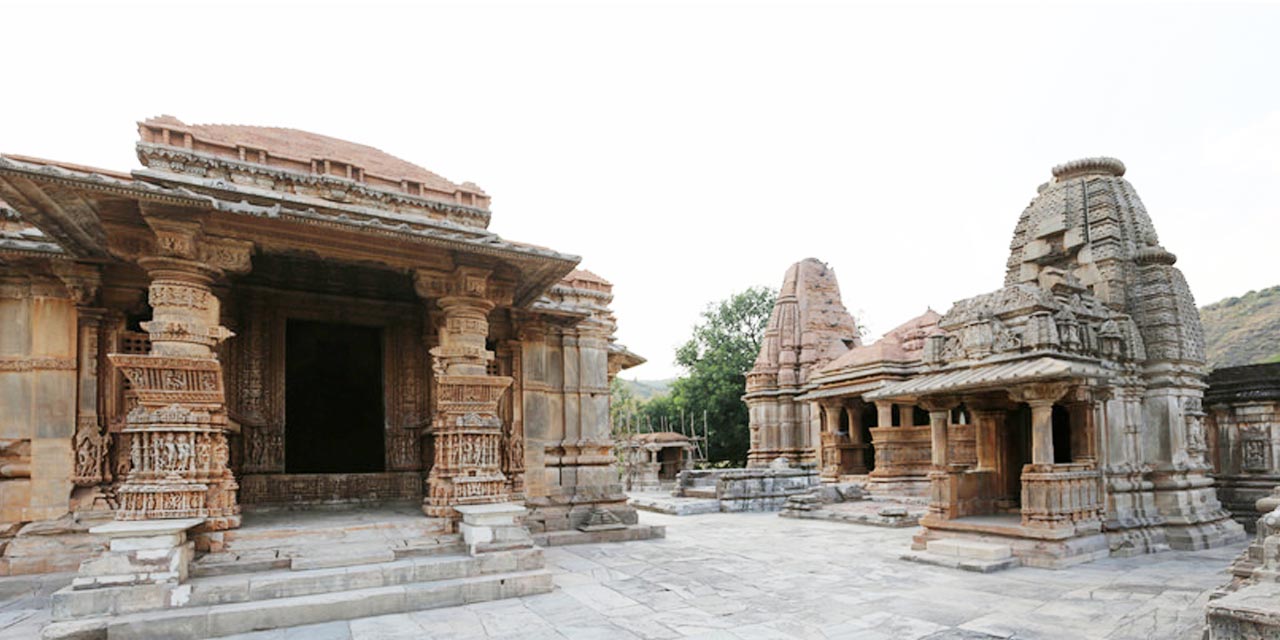
The Sahastra Bahu Temple, popularly known as the Sas-Bahu Temple, is one of the most fascinating historical sites near Udaipur. Located in the ancient town of Nagda, these twin temples stand as a testament to India's rich architectural heritage and religious harmony. Situated approximately 23 kilometers from Udaipur, the temples attract history enthusiasts, architecture lovers, and spiritual seekers alike.Built during the 10th century, these temples are dedicated to two different deities - one to Lord Vishnu (Sas) and the other to Lord Shiva (Bahu). Despite being partially ruined over centuries, the intricate carvings and structural grandeur continue to mesmerize visitors. The temples represent the exquisite Maru-Gurjara style of architecture, characterized by ornate sculptures and elaborate carvings that depict scenes from Hindu mythology.
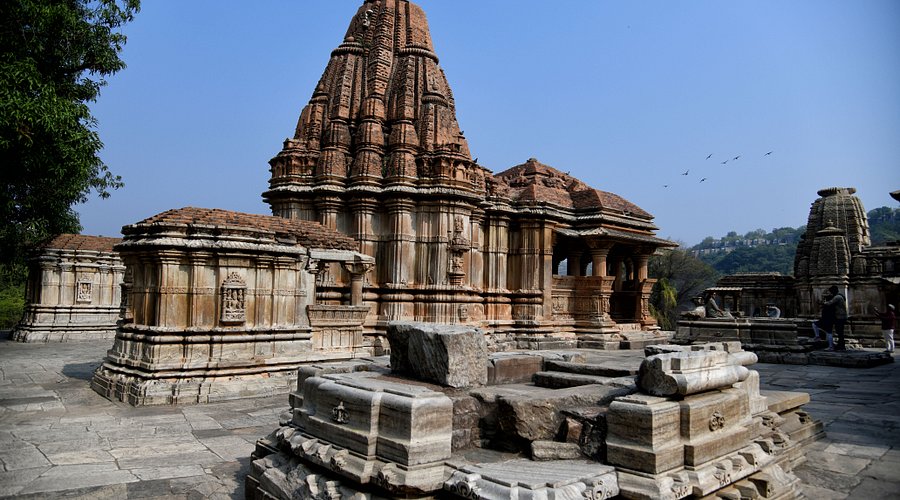
The magnificent Sas-Bahu Temple complex showcasing ancient Indian architecture at Nagda near Udaipur
What makes these temples particularly interesting is their unique name and the story behind it. The term "Sas-Bahu" translates to "Mother-in-law and Daughter-in-law" in Hindi, reflecting a beautiful tale of family devotion and religious coexistence. This unusual naming, combined with the temples' historical significance, has made them a subject of intrigue for historians and tourists visiting Rajasthan.
Historical Significance and Origins
The Sas-Bahu Temples date back to approximately 950-975 AD, during the reign of King Yasovarman of the Paramara dynasty. This period is considered a golden era for temple architecture in western India, and the Sas-Bahu Temples are among the finest examples of the artistic excellence achieved during this time. King Yasovarman, known for his patronage of art and architecture, commissioned these temples as a symbol of religious devotion and familial harmony.
The name "Sahastra Bahu" has an interesting etymology. According to popular legend, it was originally dedicated to "Sahastra Bahu" (meaning "one with a thousand arms"), which was another name for Lord Vishnu. However, over time, the pronunciation evolved, and it became known as "Sas-Bahu" (Mother-in-law and Daughter-in-law). This transformation reflects the temple's unique character and the various interpretations it has inspired over centuries.
| Aspect | Details |
|---|---|
| Period | 10th Century (950-975 AD) |
| Built By | King Yasovarman (Paramara Dynasty) |
| Architecture Style | Maru-Gurjara (North Indian Temple) |
| Primary Deities | Lord Vishnu (Sas Temple) & Lord Shiva (Bahu Temple) |
| Material | Sandstone |
| Current Status | ASI Protected Monument (Partially Ruined) |
The temples have witnessed numerous historical events and the rise and fall of several dynasties. Despite suffering damage over the centuries due to natural decay and invasions, the Archaeological Survey of India (ASI) has been working to preserve these monuments. The site is now a protected monument, and ongoing conservation efforts aim to maintain its structural integrity while allowing visitors to appreciate its historical significance.
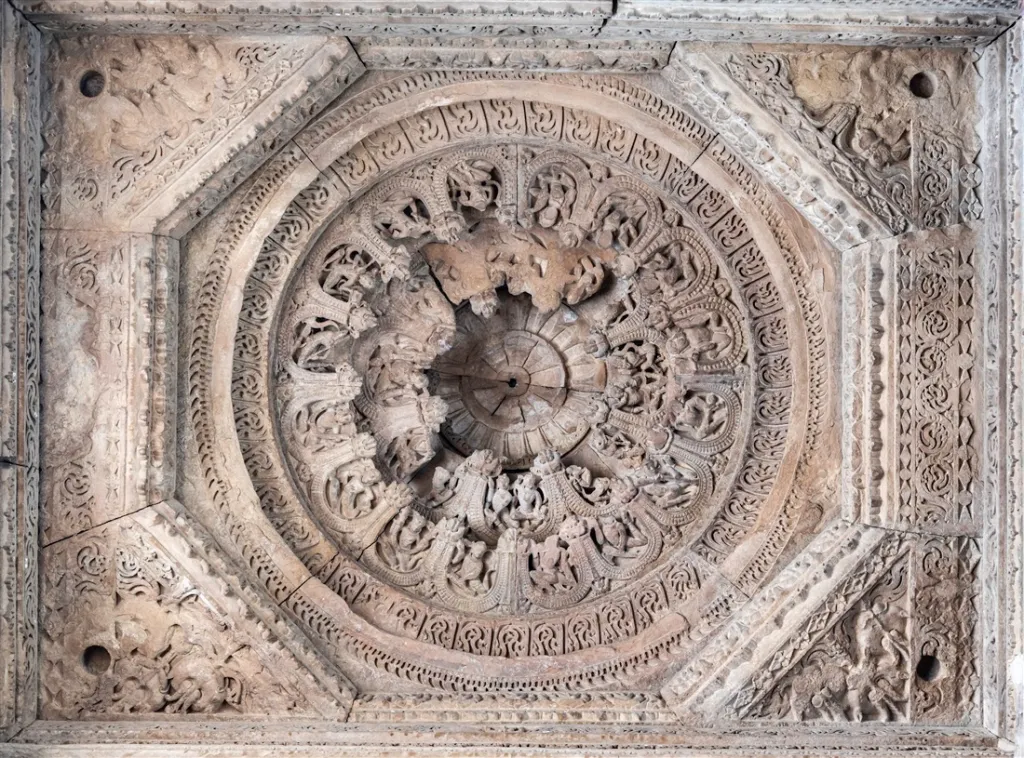
Ancient inscriptions and carvings on the temple walls depicting the rich historical legacy of the 10th century
Architectural Marvels
The architectural brilliance of the Sas-Bahu Temples is truly remarkable and represents the pinnacle of Maru-Gurjara style. This architectural style, predominant in western India during the medieval period, is characterized by its ornate decorations, intricate carvings, and distinctive structural elements. The temples are constructed using local sandstone, which has withstood the test of time and continues to showcase the exceptional craftsmanship of ancient Indian artisans.
The Sas Temple (Smaller Temple)
The smaller of the two temples, known as the Sas Temple, is dedicated to Lord Vishnu. Despite its smaller size, this temple is in relatively better condition and displays some of the finest examples of contemporary sculpture work. The sanctum sanctorum (garbhagriha) houses a beautiful idol of Lord Vishnu, though much of the original structure has suffered damage over the centuries.
What makes this temple particularly significant is its well-preserved carvings depicting various incarnations of Lord Vishnu. The exterior walls feature intricate sculptures showing scenes from Hindu mythology, including Dasavatara (the ten incarnations of Vishnu). The architectural precision and artistic detail demonstrate the advanced skills of the sculptors who created these masterpieces over a thousand years ago.
The Bahu Temple (Larger Temple)
The larger temple, dedicated to Lord Shiva, is more elaborate in its design but has suffered greater damage over time. This temple was originally more grandiose in scale and featured more extensive sculptural work. The shikhara (spire) of this temple, though partially damaged, still hints at its former magnificence with its curvilinear design typical of North Indian temple architecture.
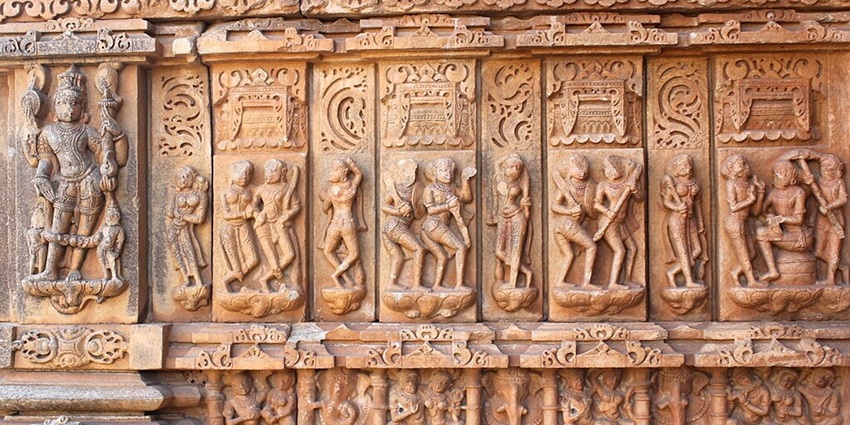
Detailed stone carvings depicting deities and mythological scenes on the temple exterior
Both temples feature a mandapa (pillared hall) where devotees would gather for prayers and ceremonies. The pillars are adorned with delicate carvings, and the ceiling features geometric patterns and floral motifs that have retained their beauty despite centuries of exposure to natural elements. The attention to detail in every aspect of the construction - from the foundation to the highest point of the spire - reflects the deep spiritual significance these temples held for their builders.
Notable Architectural Features
- Shikhara: The curvilinear towers are typical of Nagara-style North Indian temples, with intricate carving work adorning every surface.
- Mandapa: The pillared assembly halls feature ornate pillars with carved brackets and decorative elements.
- Garbhagriha: The inner sanctum is designed according to Vastu Shastra principles, creating a spiritually charged space.
- Sculptures: The exterior walls feature hundreds of sculptures depicting gods, goddesses, celestial beings, and scenes from daily life.
- Pradakshina Path: A circumambulation path allows devotees to walk around the sanctum as part of their worship.
Temple Layout and Complex Features
The Sas-Bahu Temple complex is laid out on a raised platform, giving it a commanding presence in the surrounding landscape. The two temples are positioned side by side, creating a symmetrical arrangement that emphasizes their interconnected nature. This layout is not just aesthetically pleasing but also holds symbolic meaning, representing the harmony between different traditions and deities.
Upon entering the complex, visitors first notice the east-facing orientation of both temples. This direction is considered highly auspicious in Hindu temple architecture, as it allows the first rays of the sun to illuminate the sanctum. The temples are surrounded by a courtyard that would have once housed additional structures for temple activities, though most of these auxiliary buildings have not survived.
| Feature | Description |
|---|---|
| Platform Height | Elevated platform approximately 5-6 feet high |
| Orientation | East-facing entrance |
| Distance Between Temples | Approximately 20 feet apart |
| Surroundings | Nearby artificial lake, views of the Aravalli hills |
| Photography | Allowed in exterior areas |
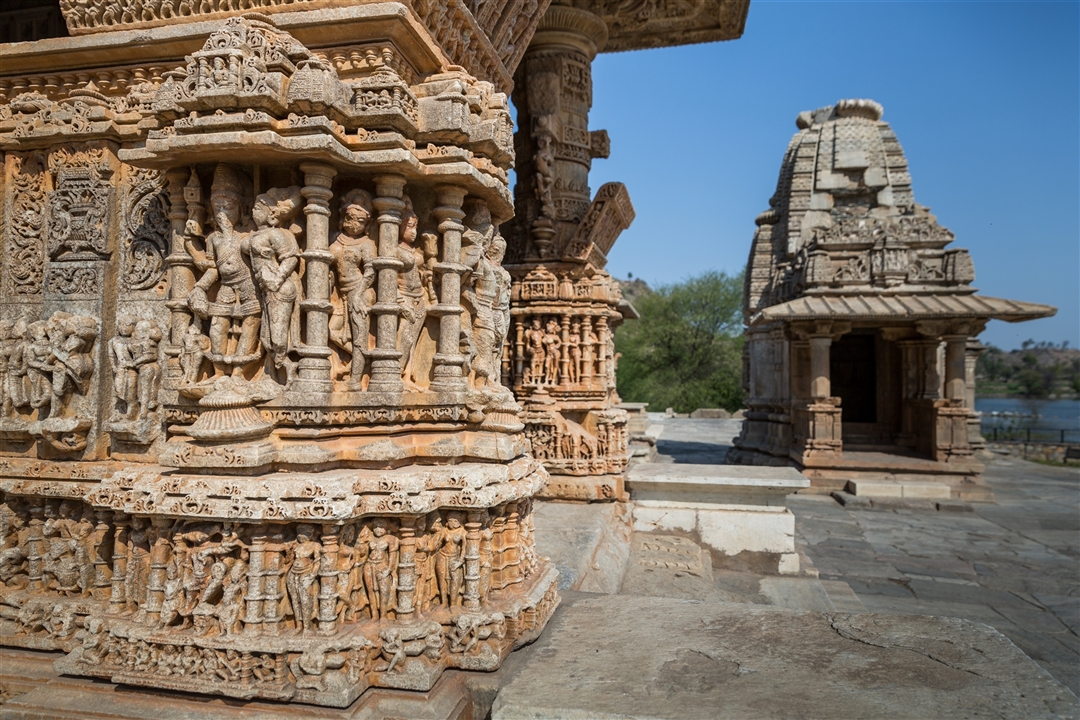
Panoramic view from the temple complex showcasing the surrounding Aravalli hills landscape
The elevated platform not only enhances the visual impact of the temples but also provides visitors with excellent viewpoints to appreciate the architectural details from different angles. From this vantage point, you can see the relationship between the two temples and how they complement each other in design and scale. The surrounding area, with its natural beauty and proximity to a small artificial lake, adds to the serene atmosphere that makes this site perfect for contemplation and photography.
The complex is designed to facilitate the traditional ritual of pradakshina (circumambulation), where devotees walk around the sanctum in a clockwise direction as a form of worship. This practice is believed to bring spiritual merit and is an integral part of Hindu temple visits. The wide pathway around the main shrimes allows for this ritual, even today.
Nearby Attractions and Combining Visits
One of the advantages of visiting the Sas-Bahu Temples is their proximity to several other important historical and religious sites. This makes it easy to plan a comprehensive tour of the region's cultural heritage in a single trip. The most significant nearby attraction is the famous Eklingji Temple, located just 2 kilometers from Nagda.
The Eklingji Temple, dedicated to Lord Shiva, is one of the most revered pilgrimage sites in Rajasthan and attracts thousands of devotees throughout the year. Combining a visit to both temples allows you to experience two different aspects of Rajasthan's spiritual heritage - the ancient archaeological wonder of Sas-Bahu and the living religious tradition of Eklingji. A half-day trip covering both sites is ideal and gives you ample time to explore each location without rushing.
Other Nearby Places to Visit
- Haldighati: Located approximately 40 kilometers away, this historical site is famous for the battle fought between Maharana Pratap and the Mughal forces. The museum and memorial here provide insights into this crucial chapter of Rajput history.
- Nathdwara: About 45 kilometers from Sas-Bahu, Nathdwara is home to the famous Shrinathji Temple, one of the most important pilgrimage sites for followers of Pushtimarg tradition of Vaishnavism.
- Nagda Town: The ancient town itself has historical significance and was once the capital of the Mewar region. Exploring the town gives you a glimpse into traditional Rajasthani life.
- City Palace Udaipur: On your return journey to Udaipur, you can visit the magnificent City Palace, which represents the architectural grandeur of the Mewar dynasty.
For those interested in extending their cultural tour, consider visiting Udaipur during the monsoon season when the entire region comes alive with lush greenery, making the temple visits even more enchanting. The combination of historical exploration and natural beauty creates a memorable travel experience.
Best Time to Visit
Choosing the right time to visit the Sas-Bahu Temples can significantly enhance your experience. The region experiences distinct seasons, each offering a different perspective on this historical site. Understanding the weather patterns and planning accordingly will help you make the most of your visit.
Winter Season (October - March)
This is undoubtedly the best time to visit the Sas-Bahu Temples. The weather during these months is pleasantly cool, with daytime temperatures ranging between 15°C to 25°C. This comfortable climate allows you to explore the temple complex at leisure without the discomfort of extreme heat. The winter sky is usually clear, providing excellent conditions for photography and outdoor exploration.
December and January are particularly popular months, so you might encounter more visitors during this time. However, the temples are rarely crowded, and you can still find quiet moments to appreciate the site in peace. The cool weather also makes it enjoyable to combine your visit with nearby attractions like Eklingji Temple.
Summer Season (April - June)
Summer in Rajasthan can be extremely harsh, with temperatures often exceeding 40°C. Visiting during these months is not recommended, as the intense heat can make outdoor exploration uncomfortable and even dangerous. The stone surfaces of the temples absorb heat, making the vicinity around the structures particularly hot. If you must visit during summer, plan your trip for early morning (around 9 AM) when temperatures are relatively cooler.
Monsoon Season (July - September)
The monsoon brings relief from the scorching summer heat and transforms the landscape around the temples. The surrounding Aravalli hills turn lush green, creating a beautiful backdrop for the ancient stone structures. While rainfall can be unpredictable, short showers add to the mystical atmosphere of the site. The temperatures during monsoon are moderate, ranging between 25°C to 30°C, making it a decent time to visit if you don't mind occasional rain.
Recommended Time of Day
Regardless of the season, the best time to visit the temples is early morning, between 9 AM and 11 AM. During these hours, the site is relatively quiet, the lighting is perfect for photography, and the temperature is at its most comfortable. An afternoon visit, especially in summer, should be avoided due to the intense heat. If you're visiting in winter, late afternoon (4 PM to 6 PM) can also be pleasant, especially if you want to catch the golden hour light on the temple carvings.
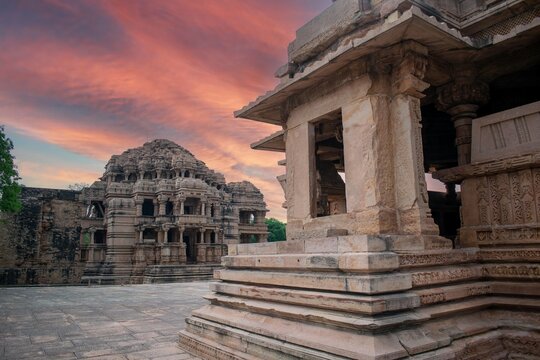
The serene temple complex bathed in soft winter light, the ideal season for exploration
How to Reach Sas-Bahu Temple
Reaching the Sas-Bahu Temples is relatively straightforward, and several transportation options are available depending on your budget and preferences. The temples' location, just 23 kilometers from Udaipur, makes them easily accessible for a day trip or as part of a larger tour of Udaipur's attractions.
By Road from Udaipur
The most common way to reach the temples is by road from Udaipur. The journey takes approximately 45 minutes to an hour, depending on traffic and road conditions. The route via Udaipur-Nathdwara Road is well-maintained and offers scenic views of the Rajasthan countryside along the way. You can hire a private taxi or use app-based cab services for the round trip, which typically costs between ₹1000 to ₹1500 for a half-day excursion.
For budget travelers, auto-rickshaws are available, though the journey might be less comfortable due to the open-air nature of the vehicle and the distance involved. Some auto drivers might be reluctant to make the trip due to the distance, so be prepared to negotiate or opt for a taxi instead.
Public Transportation
State-run buses operate between Udaipur and Nathdwara, and you can disembark at Nagda. This is the most economical option, with bus fares typically under ₹50 per person. However, buses might be less frequent, and you'll need to check the current schedule. From the Nagda bus stand, the temple is a short walk or an auto-rickshaw ride away.
| Transportation Mode | Distance | Approximate Time | Estimated Cost |
|---|---|---|---|
| Private Taxi/App Cab | 23 km from Udaipur | 45 minutes - 1 hour | ₹1000 - ₹1500 (round trip) |
| Auto-Rickshaw | 23 km from Udaipur | 1 hour | ₹600 - ₹800 (round trip, negotiable) |
| State Bus | 23 km from Udaipur | 1 - 1.5 hours | ₹30 - ₹50 per person |
| Nearest Railway Station | Udaipur City Railway Station | 23 km from temples | - |
| Nearest Airport | Maharana Pratap Airport (UDR) | 30 km from temples | - |
By Train and Air
The nearest railway station is Udaipur City Railway Station, located approximately 23 kilometers from the temples. From the station, you can hire a taxi or auto-rickshaw to reach Nagda. For those traveling by air, Maharana Pratap Airport in Udaipur is about 30 kilometers away. Taxis are readily available at both the railway station and the airport for the onward journey to the temples.
Self-Driving
If you're comfortable driving in India, renting a car or motorcycle gives you the flexibility to explore at your own pace. The roads are generally in good condition, and the route is well-signposted. Parking is available near the temple complex, though it might be limited during peak tourist seasons or festival days.
Essential Travel Tips
To make your visit to the Sas-Bahu Temples as enjoyable and meaningful as possible, keep these practical tips in mind. Proper planning and awareness will help you navigate the site comfortably and respect its cultural significance.
Temple Etiquette and Dress Code
As with any religious site in India, modest dressing is appreciated and expected. Avoid wearing shorts, sleeveless tops, or revealing clothing. Both men and women should cover their shoulders and knees. Carrying a scarf or shawl is advisable, especially for women, as it can be used to cover the head when entering the sanctum areas, though this is not strictly enforced at this archaeological site.
Footwear must be removed before entering the temple premises. There's usually a designated area near the entrance where you can leave your shoes. Wearing socks is optional, but be aware that the stone surfaces can be hot in summer and cold in winter. Carrying a small bag to hold your footwear is a good idea.
Timing and Entry Requirements
The temples are typically open to visitors from 9 AM to 6 PM, though these hours can vary slightly depending on the season and ASI regulations. As of the latest information, there is no entry fee to visit the temples, making this an affordable attraction for budget travelers. However, it's always wise to check for any updates or changes before your visit, as ASI periodically reviews its policies regarding ticketed monuments.
Plan to spend at least 1-2 hours at the site to thoroughly explore both temples and appreciate the architectural details. If you're a photography enthusiast or history buff, you might want to allocate even more time. Rushing through the visit means missing many of the intricate carvings and subtle details that make these temples special.
Photography Guidelines
Photography is allowed in the exterior areas of the temple complex, and this is a fantastic opportunity to capture some memorable shots. The golden hours of early morning and late afternoon provide the best lighting for photography. However, be mindful of any signage prohibiting photography in specific areas, and always respect the sanctity of the site. Avoid using flash inside the temple structures, and be considerate of other visitors who might be there for spiritual reasons.
Facilities and Amenities
The temple complex has basic facilities, but they are limited. There are no restaurants or food stalls within the immediate vicinity, so carry water and snacks, especially if you're visiting during hot weather. Public restrooms might be available but are likely to be basic. It's advisable to use facilities at your hotel or at a restaurant in Udaipur before starting your journey.
Combining with Other Attractions
As mentioned earlier, combining your visit with the Eklingji Temple makes for a fulfilling half-day trip. Many drivers are familiar with this circuit and can suggest the optimal route. If you're interested in a more comprehensive tour of Udaipur's heritage sites, you might also consider including Bagore Ki Haveli or other historical monuments in your itinerary.
Hiring a Guide
While not strictly necessary, hiring a local guide can enhance your experience significantly. A knowledgeable guide can explain the historical context, point out architectural details you might miss, and share interesting stories and legends associated with the temples. Guides are usually available at the site, or you can book one through your travel agent or hotel. Expect to pay around ₹200-₹500 for a guided tour, depending on duration and the guide's expertise.
Best Photography Spots
- Corner angles: Capture both temples together from the corner of the platform.
- Close-up details: Focus on the intricate carvings on pillars and exterior walls.
- Shikhara shots: Photograph the spires against the sky, especially during golden hour.
- Landscape views: Include the surrounding hills and lake for contextual shots.
- Architectural elements: Document the mandapas, doorways, and sculptural panels.
Responsible Tourism
As a visitor to this ancient site, you play a role in its preservation. Refrain from touching or climbing on the carvings and fragile structures. Avoid littering and carry your trash back with you. The Archaeological Survey of India works hard to maintain these monuments, and responsible behavior from visitors goes a long way in conservation efforts.
By following these guidelines and tips, you'll ensure a respectful, enjoyable, and enriching visit to the Sas-Bahu Temples. The combination of proper planning, cultural sensitivity, and an open mind will allow you to fully appreciate the historical and spiritual significance of this remarkable site.
Location
Frequently Asked Questions
Q1.What is Sas-Bahu Temple famous for?
Q2.How far is Sas-Bahu Temple from Udaipur?
Q3.What is the best time to visit Sas-Bahu Temple?
Q4.Who built Sas-Bahu Temple and when?
Q5.Why is it called Sas-Bahu Temple?
Q6.What is the architecture style of Sas-Bahu Temple?
Q7.What are the Sas-Bahu Temple timings?
Q8.Is there an entry fee for Sas-Bahu Temple?
Q9.How to reach Sas-Bahu Temple from Udaipur?
Recommended For You
Places to Visit in Udaipur: Lakes, Palaces & Sunset Points
Explore best places to visit in Udaipur. City Palace, Lake Pichola, Jag Mandir & more. Complete guide to timings, entry fee & boat rides.

Udaipur in Monsoon: Romantic Weather, Places & Tips
Plan Udaipur in monsoon with weather insights, top rainy-season places, things to do, packing tips, and a practical itinerary for a smooth lake-city trip.
Best Time to Visit Udaipur: Weather, Festivals & Best Travel Months
Find the best time to visit Udaipur with a season-by-season weather guide, monthly breakdown, festival context, and practical planning tips.
Never Miss an Adventure
Get the latest trekking guides, travel tips, and exclusive offers delivered straight to your inbox.
