
Ahar Cenotaphs Udaipur: History, Entry Timings & Heritage Walk

Rahul Garg
November 14, 2025
Explore Ahar Cenotaphs in Udaipur – the royal cremation ground of Mewar dynasty with 350+ chhatris. Complete guide with history, timings, entry fee & travel tips.
Royal Memorial Ground of Mewar
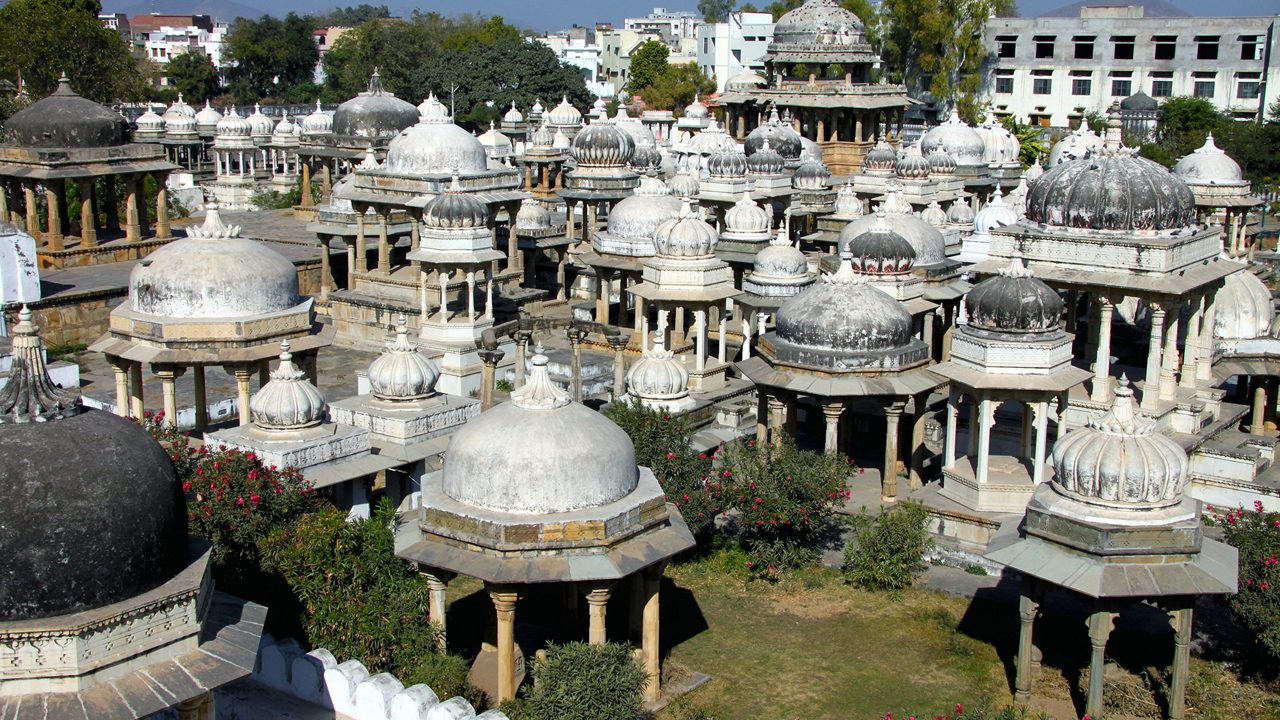
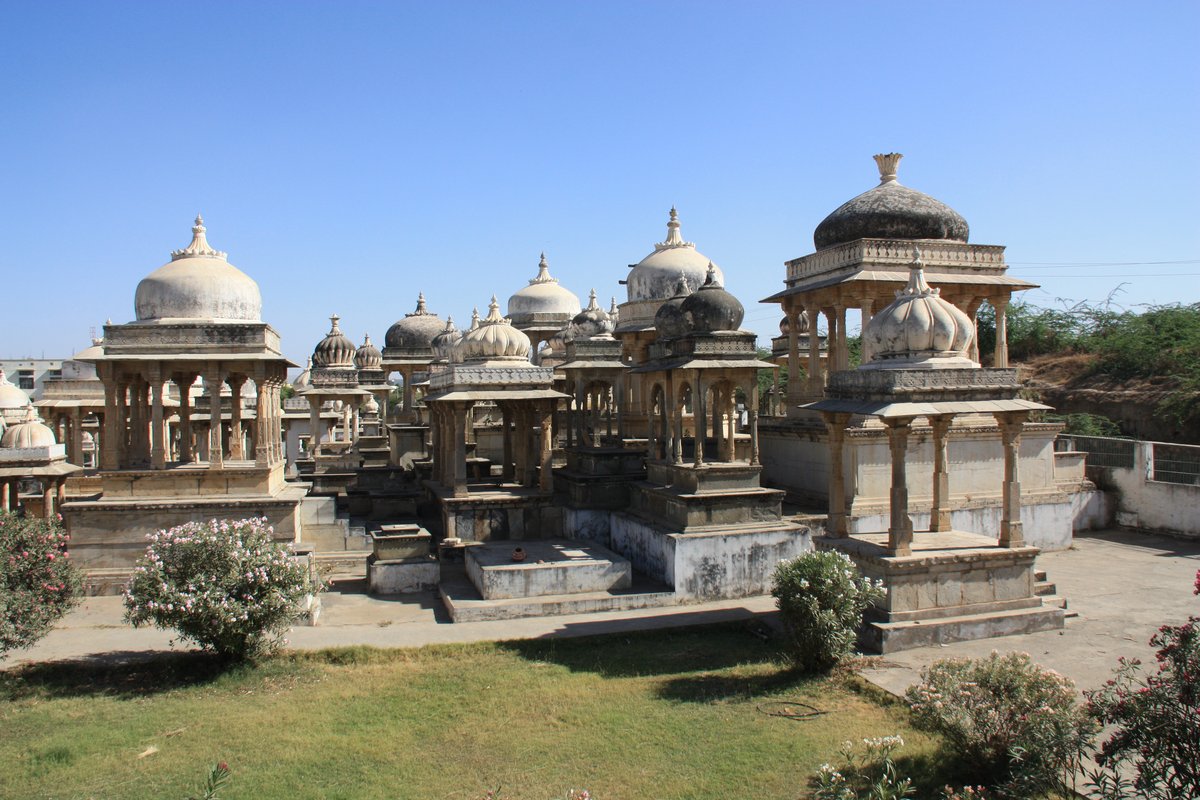
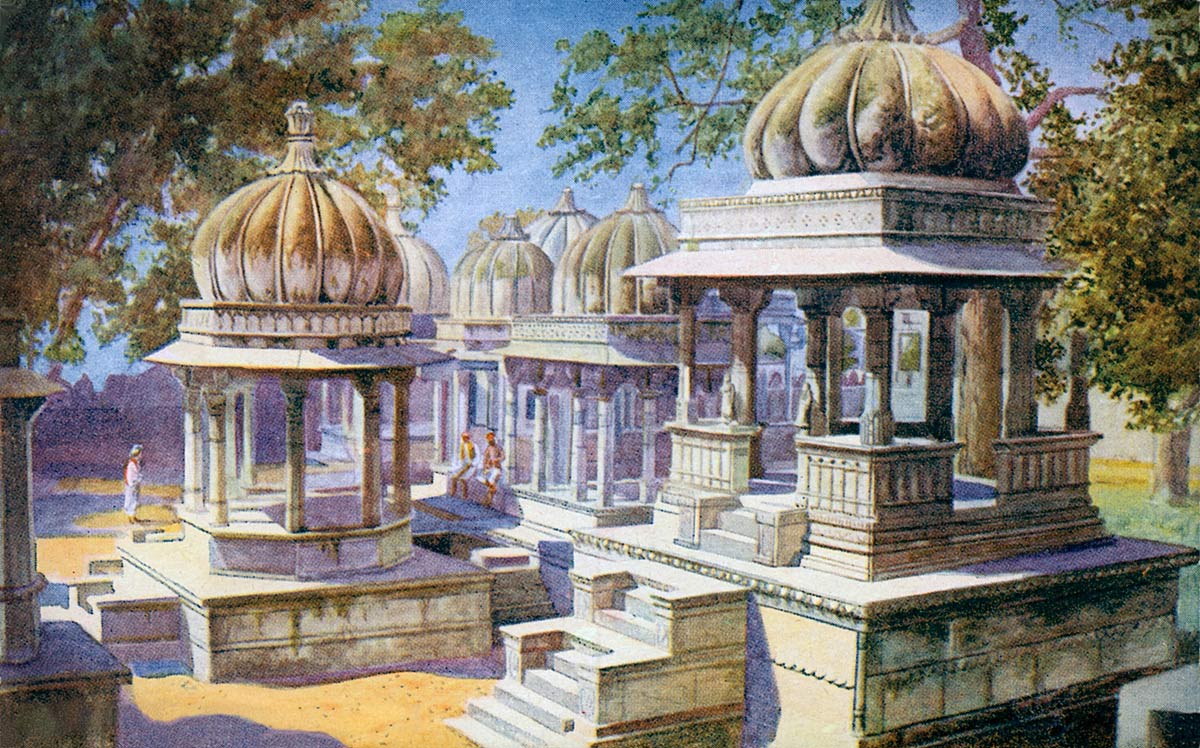
In the peaceful town of Ahar, just 3 kilometers from Udaipur's bustling city center, lies one of Rajasthan's most poignant heritage sites – the Ahar Cenotaphs. This sacred cremation ground, known locally as Ahar ki Chhatriyan, serves as the final resting place for the Mewar dynasty's rulers, with over 350 ornate cenotaphs (called chhatris) standing as silent sentinels to Rajasthan's glorious royal history.
What makes Ahar unique is that it's not just a cemetery – it's an open-air museum of Rajput architecture, spanning nearly five centuries of Mewar's history. Each chhatri represents a Maharana or queen of the legendary Mewar dynasty, built with intricate carvings and elegant domes that reflect the architectural brilliance of their respective eras.
For visitors exploring places to visit in Udaipur, Ahar offers a serene and culturally rich experience that provides deep insights into Rajasthan's royal traditions and the enduring legacy of the Mewar rulers. Unlike Udaipur's more crowded attractions, Ahar maintains an atmosphere of quiet reverence, allowing you to appreciate these architectural marvels in peace.
History of Ahar Cenotaphs
The story of Ahar Cenotaphs is intertwined with the illustrious history of the Mewar dynasty, one of Rajasthan's oldest and most respected royal lineages. Ahar itself holds historical significance beyond just being a cremation ground – archaeological excavations have revealed that this site was inhabited as early as the 10th century, making it one of the oldest continually inhabited sites in Rajasthan.
Ancient Origins
Excavations at Ahar have uncovered a treasure trove of ancient artifacts, including pottery dating back to the 10th century, iron objects, and sculptures. These findings suggest that Ahar was a thriving settlement long before it became the royal cremation ground. The archaeological importance of Ahar is such that it has been recognized as a protected heritage site by the Archaeological Survey of India (ASI).
The Royal Cremation Ground
The cenotaphs at Ahar were built over several centuries, starting from the 16th century and continuing into the 20th century. They memorialize 19 generations of Mewar rulers, making this one of the most concentrated collections of royal memorials in India.
The cenotaphs were built as memorials (not tombs) after the cremation of the royalty. According to Hindu tradition, bodies are cremated, and the cenotaphs serve as symbolic structures marking the spot where the cremation took place. The Hindi word chhatri literally means "umbrella" or "canopy," referring to the dome-shaped structures that crown these memorials.
Notable Rulers Memorialized
The cenotaphs honor some of Mewar's most illustrious rulers, including Maharana Amar Singh I, Maharana Sangram Singh, Maharana Jagat Singh, and Maharana Bhagwat Singh, the last Maharana whose cenotaph was added in the 20th century. Each ruler contributed to Mewar's legacy of valor and independence, and their chhatris reflect the architectural styles and artistic sensibilities of their respective periods.
The site is particularly significant because it represents the unbroken lineage of the Mewar dynasty, which is often considered the world's oldest ruling family with a documented history spanning over 1,500 years. The cenotaphs serve as tangible links to this extraordinary heritage.
Cultural Significance
For the people of Udaipur and the Mewar region, Ahar is more than just a monument – it's a sacred space that embodies their cultural identity. The respect accorded to these cenotaphs reflects the deep reverence still held for the Mewar rulers who are remembered for their bravery, patronage of arts, and commitment to their people's welfare.
Architecture & Design Features
The cenotaphs at Ahar showcase the distinctive Rajput architectural style, characterized by elegant proportions, intricate carvings, and symbolic elements that reflect both artistic sensibilities and religious beliefs.
The Chhatri Style
Each cenotaph features the classic chhatri design – a raised platform base with a dome-shaped canopy supported by pillars. The size and complexity of each chhatri varied according to the status and importance of the ruler it memorialized. Some cenotaphs are modest single-domed structures, while others are elaborate multi-pillared pavilions with clustered domes.
The architectural vocabulary includes:
- Dome (Gumbad): The crowning element, ranging from simple hemispherical shapes to more elaborate ribbed domes
- Pillars (Stambha): Elaborately carved columns supporting the dome, often featuring lotus motifs and geometric patterns
- Base Platform (Chabutara): The raised platform on which the cenotaph stands, sometimes with steps leading up
- Architectural Elements: Jali (lattice) screens, brackets, and decorative cornices
Inscriptions and Carvings
Many cenotaphs feature inscriptions that provide historical details about the ruler memorialized – their name, dates, and sometimes notable achievements. These inscriptions, often in Sanskrit or Rajasthani, are valuable historical records that help historians piece together the chronology of the Mewar dynasty.
The carvings on the cenotaphs include depictions of Hindu deities, floral motifs, geometric patterns, and in some cases, equestrian figures. The horse motif is particularly significant – many cenotaphs feature carved images of horses, symbolizing the ruler's valor and military prowess. The horse held special importance in Rajput culture, representing loyalty, speed, and bravery in battle.
Architectural Evolution
Walking through the cenotaph complex, you can observe the evolution of architectural styles over the centuries. The older cenotaphs from the 16th and 17th centuries display a certain simplicity and restraint, characteristic of early Rajput architecture. As you move to the later cenotaphs, you'll notice increased ornamentation, more elaborate domes, and greater sophistication in carving techniques.
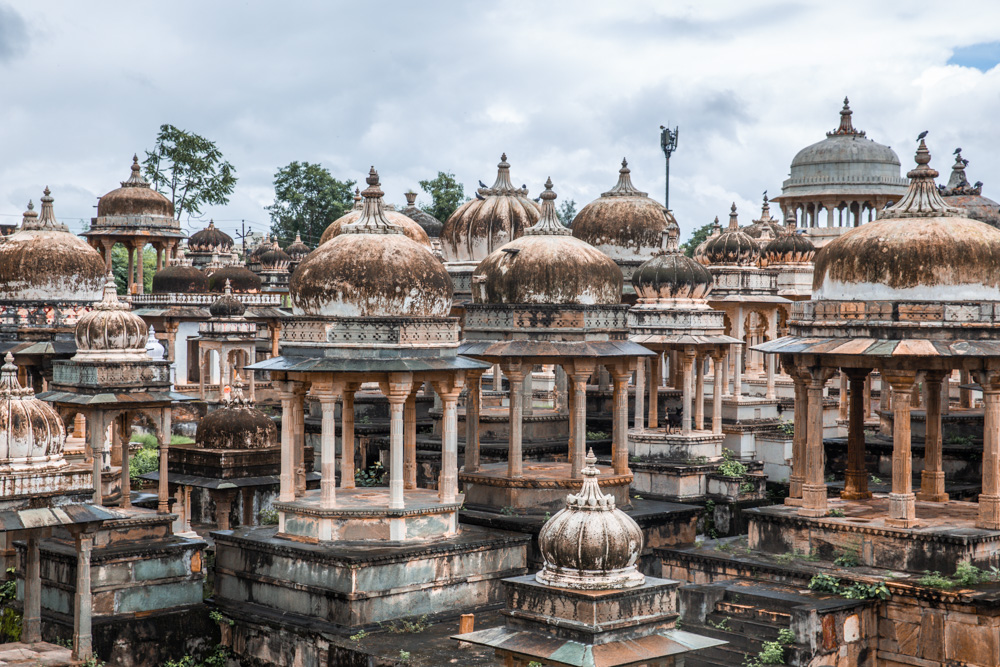
This architectural progression provides a fascinating timeline of Rajput art and architecture, with each cenotaph representing a specific moment in history when certain artistic styles were in vogue.
Material and Construction
The cenotaphs are primarily constructed from sandstone and marble, materials abundantly available in Rajasthan. The use of white marble in some cenotaphs creates a beautiful contrast against the reddish-brown sandstone, and these materials have weathered gracefully over the centuries, acquiring a patina that adds to the site's historical character.
The Royal Cenotaphs
The cluster of over 350 cenotaphs creates an otherworldly landscape that's both awe-inspiring and contemplative. Here are some of the most notable cenotaphs you shouldn't miss:
Maharana Amar Singh I's Cenotaph
One of the most impressive cenotaphs in the complex, this memorial honors Maharana Amar Singh I, a significant ruler in Mewar's history. His cenotaph features elegant pillars and a beautifully proportioned dome, with carvings that showcase the artistic excellence of the period.
Maharana Sangram Singh's Memorial
This cenotaph is particularly notable for its architectural sophistication and elaborate decorations. The structure exemplifies the height of Rajput architectural achievement, with intricately carved pillars and a gracefully proportioned dome.
Maharana Jagat Singh's Chhatri
Known for its beautiful carvings and balanced proportions, this cenotaph is one of the most photographed structures in the complex. The attention to detail in the decorative elements reflects the artistic patronage for which Maharana Jagat Singh was known.
Queen Cenotaphs
Scattered among the rulers' memorials are cenotaphs dedicated to the queens of Mewar. These are typically smaller in scale but equally elegant in design. Some of these queen cenotaphs feature unique architectural elements that distinguish them from the rulers' memorials.
Maharana Bhagwat Singh's Memorial
This is one of the most recent additions to the complex, marking the continuation of the tradition into the modern era. Its presence demonstrates how royal traditions were maintained even as India transitioned from princely states to a democratic republic.
Ahar Museum
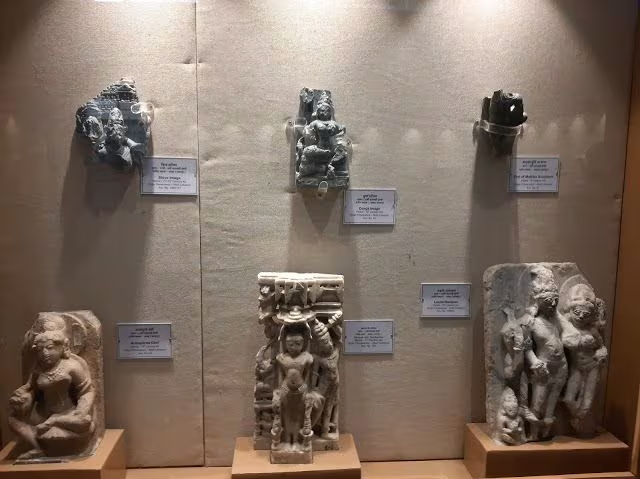
Adjacent to the cenotaph complex is the Ahar Museum, which houses a remarkable collection of artifacts discovered during archaeological excavations at the site. The museum provides valuable context for understanding Ahar's historical significance beyond just being a royal cremation ground.
Ancient Pottery Collection
The museum's most prized possessions are pieces of pottery dating back to the 10th century. These pots, bowls, and other vessels provide insights into the daily life, trade, and artistic sensibilities of the people who inhabited Ahar a millennium ago. The pottery displays various techniques and styles, indicating the settlement's prosperity and cultural sophistication.
Iron Objects and Tools
The excavation yielded numerous iron objects including tools, weapons, and household implements. These artifacts demonstrate the technological capabilities of the ancient settlement and provide clues about the occupations and daily activities of its inhabitants.
Sculptures and Religious Artifacts
The museum features sculptures of Hindu deities, reflecting the religious life of the ancient settlement. These sculptures, carved from stone, display the artistic conventions and iconographic traditions of their time and are valuable for understanding the evolution of Hindu religious art in Rajasthan.
Historical Coins
A collection of coins from different periods provides material evidence of trade relationships and economic conditions. The coins feature various symbols and inscriptions that help historians understand the political and economic history of the region.
Exhibition Quality
The museum is well-maintained with informative displays that provide context for the artifacts. Information panels explain the significance of each exhibit, making the museum educational for both casual visitors and serious history enthusiasts.
Best Time to Visit Ahar Cenotaphs
The timing of your visit can significantly impact your experience of Ahar Cenotaphs. Here are recommendations for making the most of your visit:
Winter Season (October to March)
October to March is the ideal time to visit Ahar Cenotaphs. The weather is pleasant with temperatures ranging from 15°C to 30°C, making it comfortable to explore the outdoor complex for extended periods. The winter sky is typically clear, providing beautiful lighting for photography.
- November to February: The coolest and most comfortable months
- December & January: Early mornings can be chilly (around 10°C), so bring a light jacket
Best Time of Day
9:00 AM to 11:00 AM is the golden window for visiting Ahar. The morning light is soft and creates beautiful contrasts on the sandstone structures. More importantly, the site is peaceful and uncrowded in the morning, allowing for quiet contemplation and photography without interruptions.
4:00 PM to 6:00 PM is another excellent time, especially during winter when the afternoon light creates a warm golden glow on the monuments. The setting sun provides dramatic backlighting for photography, particularly if you want to capture silhouettes of the chhatris against the sky.
Weekdays vs. Weekends
Weekdays (Tuesday to Friday) are significantly less crowded than weekends. If you prefer a serene, contemplative atmosphere, plan your visit on a weekday. You'll likely have large sections of the complex to yourself.
Weekends see more visitors, including local families and tourists. While the site never feels crowded compared to Udaipur's main attractions, weekend visits mean you may encounter other groups.
Seasonal Considerations
Summer (April to June): Extremely hot with temperatures often exceeding 40°C. The open nature of the cenotaph complex offers little shade. If you must visit in summer, go early morning (right at 9 AM) and carry plenty of water.
Monsoon (July to September): The surrounding countryside turns lush and green, creating a beautiful backdrop for the cenotaphs. However, paths can be muddy and slippery. The sandstone may appear darker when wet, creating a different aesthetic but making photography more challenging.
Timings & Practical Information
Here's everything you need to know for planning your visit to Ahar Cenotaphs:
Opening Hours
- Days Open: All week (Monday to Sunday)
- Timings: 9:00 AM to 6:00 PM
- Recommended Duration: 1-2 hours for the cenotaphs, plus 30-45 minutes for the museum
- Best Time: Morning (9-11 AM) or late afternoon (4-6 PM)
Entry Fee
- Indian Citizens: ₹20 per person
- Foreign Nationals: ₹200 per person
- Children under 15: Free entry
- Camera Fee: Still photography is typically free; video cameras may require additional fee
Facilities Available
- Parking: Adequate parking space available near the entrance
- Museum: On-site museum included in the visit
- Restrooms: Basic facilities available
- Shade: Limited shade – carry an umbrella or hat for sun protection
- Drinking Water: Basic facilities – carry your own water bottle
Guide Services
Guides are available at the entrance for approximately ₹200-500, depending on the duration and depth of information required. A guide can significantly enhance your experience by providing historical context, pointing out specific architectural details, and sharing stories about the Mewar rulers memorialized here.
However, Ahar is relatively straightforward to explore independently if you prefer a self-guided experience. Information boards at the site provide basic historical context.
Accessibility
The cenotaph complex is an outdoor site with uneven ground and steps to some platforms. While the main pathways are accessible, visitors with mobility issues may find certain areas challenging. The museum has basic accessibility but may not meet international standards.
How to Reach & Nearby Attractions
From Udaipur City Center
- Distance: Approximately 3 kilometers
- Travel Time: 10-15 minutes by car
- By Taxi/Cab: ₹150-300 one way from the city center
- By Auto Rickshaw: ₹80-150 one way
- By Bus: Local buses available but may not stop directly at the site
The site is easily accessible and well-signposted. Most taxi and auto rickshaw drivers in Udaipur know Ahar Cenotaphs by name. The journey takes you through some interesting parts of Udaipur, giving you a glimpse of local life away from the main tourist areas.
Nearby Attractions
Ahar Cenotaphs can be easily combined with other Udaipur attractions for a full day of sightseeing:
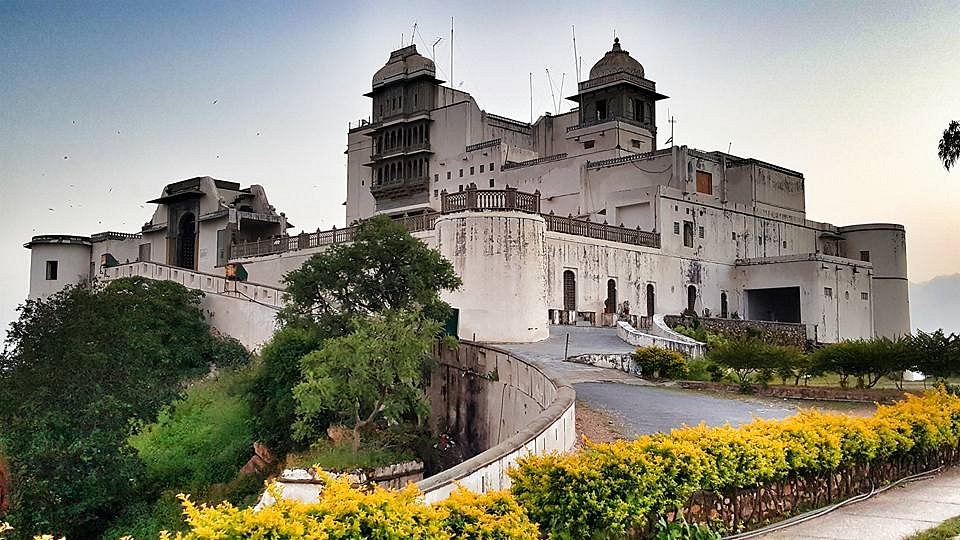
Sajjangarh Fort (Monsoon Palace): Approximately 4 kilometers from Ahar, this hilltop fort offers panoramic views of Udaipur and its lakes. It's particularly beautiful at sunset. Our guide on Sajjangarh Fort provides more information about this magnificent structure.
Fateh Sagar Lake: About 5 kilometers from Ahar, this is one of Udaipur's most picturesque lakes. You can combine a morning visit to Ahar with an afternoon boat ride on the lake or a stroll along the promenade.
City Palace Udaipur: The main City Palace is approximately 4 kilometers from Ahar. Many visitors visit Ahar in the morning when it's peaceful, then head to City Palace later in the day.
Bagore ki Haveli: This historic mansion on Lake Pichola's waterfront is about 4 kilometers from Ahar and features a museum showcasing Rajasthani culture and daily life.
Suggested Itinerary
Here's how you can incorporate Ahar into your Udaipur itinerary:
Half-Day Option:
- 9:00 AM - 11:00 AM: Visit Ahar Cenotaphs (morning is best for lighting and crowd avoidance)
- 11:30 AM - 1:00 PM: Explore Sajjangarh Fort
- 2:00 PM: Lunch in Udaipur city
Full-Day Option:
- 9:00 AM - 11:00 AM: Ahar Cenotaphs
- 11:30 AM - 1:30 PM: Sajjangarh Fort
- 3:00 PM - 5:00 PM: Fateh Sagar Lake
- 6:00 PM: Sunset at Lake Pichola
Conclusion
Ahar Cenotaphs offer visitors a rare opportunity to connect with Rajasthan's royal heritage in a setting that's both beautiful and spiritually charged. Unlike Udaipur's more commercial attractions, Ahar maintains an atmosphere of quiet dignity that allows for genuine contemplation and appreciation.
Walking among these elegant chhatris, you're not just seeing monuments – you're witnessing the enduring legacy of the Mewar dynasty, one of India's most respected royal lineages. Each cenotaph tells a story of valor, patronage of arts, and a cultural tradition that valued both military prowess and artistic refinement.
The site's proximity to Udaipur city center makes it an easy addition to any itinerary, yet its peaceful atmosphere feels worlds away from the bustle of tourist areas. Whether you're a history enthusiast, architecture lover, photographer, or simply someone who appreciates places of cultural significance, Ahar Cenotaphs will leave a lasting impression.
For those exploring Udaipur more comprehensively, our guides on best places to visit in Udaipur and Bagore ki Haveli provide additional insights into this magnificent city's royal heritage.
As you leave Ahar, you carry with you not just photographs of beautiful monuments, but a deeper understanding of Rajasthan's royal traditions and the enduring respect accorded to those who shaped Mewar's glorious history. The cenotaphs stand as reminders that true greatness is measured not just by power or wealth, but by the legacy we leave behind and the respect we earn from generations that follow.
Location
Frequently Asked Questions
Q1.What are Ahar Cenotaphs famous for?
Q2.Who built the Ahar Cenotaphs?
Q3.What is the history of Ahar Cenotaphs?
Q4.What are Ahar Cenotaphs timings?
Q5.Is there an entry fee for Ahar Cenotaphs?
Q6.How much time to spend at Ahar Cenotaphs?
Q7.What is inside Ahar Museum?
Q8.Can we take photos at Ahar Cenotaphs?
Q9.How to reach Ahar Cenotaphs from Udaipur city?
Recommended For You

Lake Pichola Udaipur: Boat Ride Timings, Ticket Price & Sunset Points
Plan your Lake Pichola Udaipur visit with practical boat ride tips, route planning, sunset timing strategy, and local travel advice.
Sajjangarh Monsoon Palace: Udaipur Hill Fort
Perched atop the Aravalli Hills at 944 meters, Sajjangarh Monsoon Palace offers breathtaking views of Udaipur's lakes and stunning sunsets. Built in 1884 by Maharana Sajjan Singh, this white marble palace is a must-visit heritage site.
Best Time to Visit Udaipur: Weather, Festivals & Best Travel Months
Find the best time to visit Udaipur with a season-by-season weather guide, monthly breakdown, festival context, and practical planning tips.
Never Miss an Adventure
Get the latest trekking guides, travel tips, and exclusive offers delivered straight to your inbox.
