

Samudra Narayan Temple Daman: Timings, History & Seafront Visit

Rohan Malhotra
February 20, 2026
Plan your Samudra Narayan Temple Daman visit with history context, timings, rituals, route details, nearby attractions, and practical temple etiquette.
1. Introduction: A Coastal Vishnu Shrine in Daman
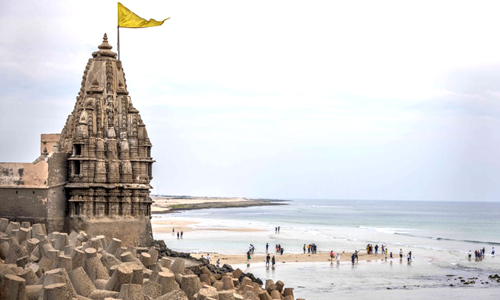
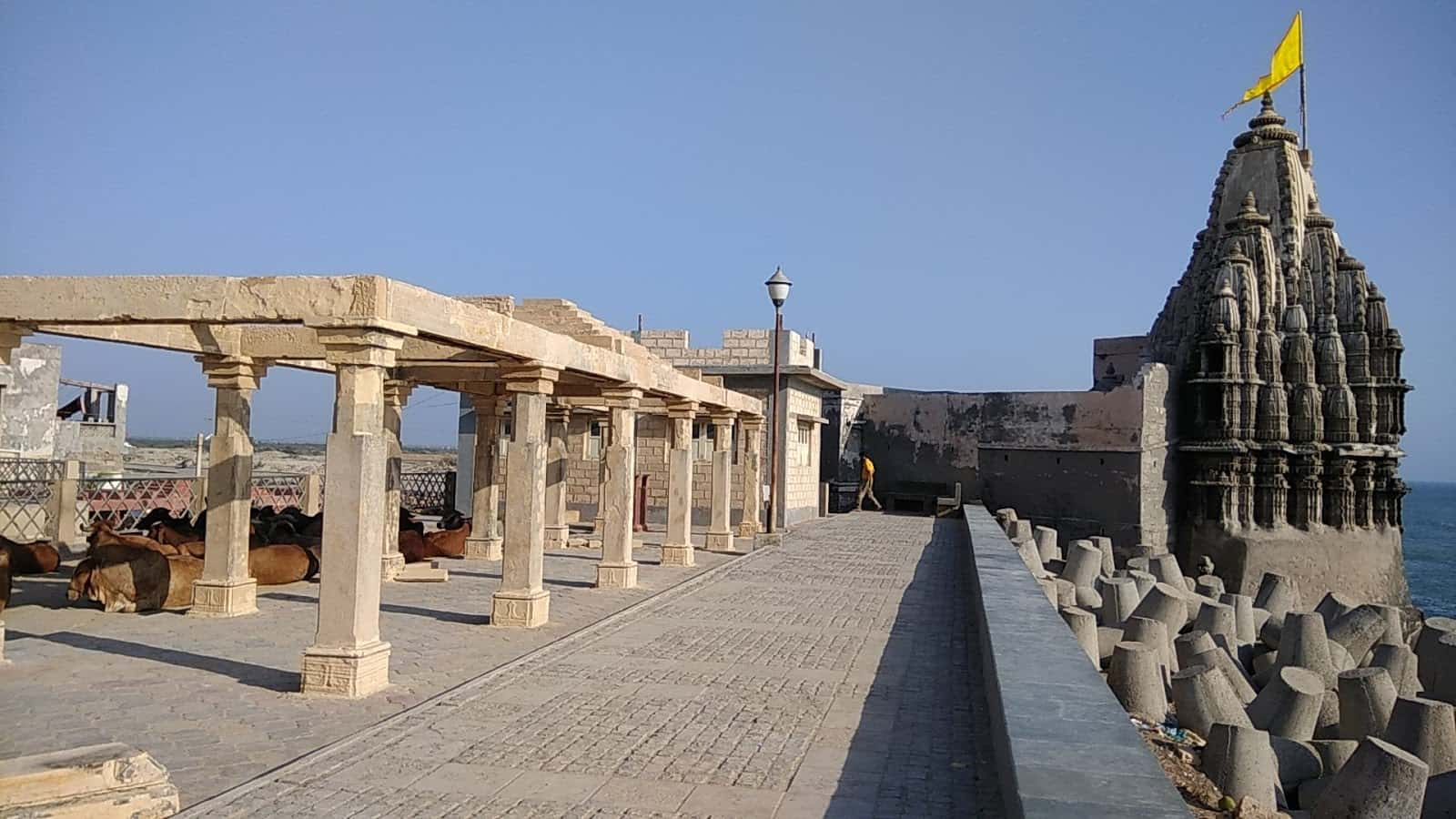
Samudra Narayan Temple in Daman is known as a peaceful spiritual stop for devotees and travelers exploring the region’s cultural side. Unlike high-traffic commercial attractions, this temple experience is more about quiet darshan, local devotion routines, and a coastal-town religious atmosphere. For visitors planning a balanced Daman itinerary, the temple can be combined with beaches, heritage points, and old-town exploration in one easy route.
The temple is dedicated to Lord Narayan (Vishnu tradition), and local devotees often visit for morning and evening prayers. Many travelers include it as a short spiritual break during broader sightseeing across Daman and Diu. This guide covers history narratives, architecture, commonly cited timings, rituals, how to reach, nearby attractions, and practical visit etiquette.
+
+
+2. Temple History and Local Legend
+Published details on the temple’s exact foundation date are limited in mainstream sources, and different local accounts describe its evolution across phases of community patronage. What remains consistent is its reputation as a Vishnu-focused devotional site that serves local worshippers and visiting pilgrims.
+Some narratives connect the shrine’s identity to Daman’s maritime context, where coastal communities historically maintained devotion practices linked with safety, gratitude, and divine protection during trade and fishing movement. While these stories are culturally meaningful, travelers should treat specific dates and builder claims carefully unless confirmed through official temple management or archival records.
+Practical takeaway: visit with an open cultural lens. Even when formal historical documentation is limited, the living ritual culture itself offers strong spiritual value.
+| History Aspect | What Is Commonly Shared | Visitor Approach |
|---|---|---|
| Temple identity | Dedicated to Lord Narayan/Vishnu | Treat as active place of worship |
| Age/origin | Multiple local versions exist | Verify specific claims on site |
| Coastal significance | Linked with maritime devotional culture | Respect local storytelling tradition |
| Current role | Regular prayer and festival observance | Plan visit around darshan windows |
3. Architecture and Temple Layout
+Samudra Narayan Temple follows a functional devotional layout common in many regional Hindu shrines: entry zone, prayer movement corridor, sanctum-facing darshan area, and smaller ritual spaces for offerings. The architecture is less about monument scale and more about daily spiritual utility.
+Visitors often notice simple devotional aesthetics rather than heavy ornamental complexity. This simplicity can make the temple feel approachable for first-time spiritual travelers who may not be familiar with large ceremonial spaces. As in many active temples, footwear removal and orderly queue behavior are expected near core worship sections.
+During busier hours or festivals, the inner zone can become crowded. If you prefer a quieter experience, early morning darshan is generally better.
+ +4. Best Time to Visit Samudra Narayan Temple
+Daman’s most comfortable weather period is generally in the cooler months, when outdoor movement and temple visits are easier. During hotter or humid stretches, early morning and post-sunset windows are preferable for a calm darshan experience.
+Seasonal View
+-
+
- November to February: most comfortable for temple + city exploration. +
- March to May: visit in cooler morning/evening windows. +
- Monsoon months: spiritual visits are possible, but mobility and weather can affect day plans. +
Best Daily Slots
+-
+
- Morning darshan for lower crowd pressure. +
- Evening prayer window for devotional atmosphere. +
Festival periods can bring stronger energy and larger footfall. If your goal is peaceful reflection, avoid peak festival hour rush and choose standard prayer windows.
+ +5. Temple Timings and Ritual Rhythm
+Commonly cited local timings for many Daman temple circuits include morning opening and evening reopening patterns. For Samudra Narayan Temple, travelers should still verify exact daily timings on-site because schedules can change during festivals, special puja days, or maintenance periods.
+Commonly referenced format (subject to local confirmation):
+-
+
- Morning: around 6:00 AM to 12:00 PM +
- Evening: around 4:00 PM to 8:00 PM +
Ritual pattern usually includes regular darshan flow, aarti windows, and devotional offerings by local families. If you wish to participate in specific puja formats, ask temple staff respectfully before arranging materials.
+ +
+
+
+6. How to Reach Samudra Narayan Temple in Daman
+The temple is usually approached through local Daman road networks and is accessible by auto, taxi, and private vehicle depending on where you stay. For outstation travelers, Vapi remains a key rail access point for entering the Daman region before local transfer.
+Access Reference
+-
+
- From Vapi side: short regional road transfer to Daman zone. +
- From central Daman areas: typically quick local commute by auto/cab. +
- By private vehicle: practical option for temple + nearby sightseeing combos. +
Because local traffic can vary on weekends and holiday evenings, keep a modest buffer if you want to catch specific aarti timing.
+ +7. Nearby Attractions You Can Combine
+Samudra Narayan Temple can be part of a larger half-day or full-day Daman plan. Most travelers combine spiritual stops with beaches, heritage points, and local food breaks for a balanced itinerary.
+Recommended Pairings
+-
+
- Things to do in Daman and Diu for overall route planning. +
- Places to visit in Daman and Diu for broader sightseeing options. +
- Churches in Daman and Diu for interfaith heritage context. +
- Daman Light House for coastal viewpoint pairing. +
This mix gives spiritual depth plus scenic and cultural variety without excessive travel distance.
+ +8. Travel Etiquette and Dress Guidance
+Temple visits in Daman follow the same respectful norms seen in many Indian devotional spaces. Modest clothing, quiet behavior near sanctum areas, and patience in prayer queues are expected. Even short visits feel more meaningful when these basics are followed.
+Visitor Etiquette Checklist
+-
+
- Remove footwear before entering designated temple zones. +
- Dress modestly (shoulders and knees preferably covered). +
- Keep phone on silent in prayer areas. +
- Ask before photographing idols or rituals. +
- Follow queue order during aarti/darshan peaks. +
- Use donation boxes only if you wish; avoid pressure-led giving. +
For families with children, a quick pre-visit briefing about temple behavior helps avoid stress during prayer hours.
+ +9. Practical Tips for First-Time Visitors
+| Need | Recommended Action | Reason |
|---|---|---|
| Timing certainty | Confirm same-day opening on arrival | Schedules may vary on special days |
| Crowd comfort | Visit early morning | Lower queue pressure and calmer atmosphere |
| Travel efficiency | Club temple with nearby attractions | Better use of half-day plans |
| Photography | Take consent before close ritual shots | Respect worship privacy and local customs |
Keep your plan simple: one darshan window, one nearby attraction, and one food break is often enough for a satisfying cultural half-day.
+ +10. Suggested Half-Day Spiritual-Cultural Itinerary
+-
+
- Early morning Samudra Narayan Temple darshan. +
- Short local breakfast break. +
- Visit nearby heritage/coastal point (lighthouse or church circuit). +
- Optional beachside wind-down before noon. +
This format avoids heat-heavy hours and supports a relaxed temple-focused pace.
+ +
+
+
+11. Myths, Facts, and Responsible Interpretation
+Religious places often carry layered stories, and Samudra Narayan Temple is no exception. Some visitors hear different versions of age, founder, or miracle-linked accounts. The respectful approach is to enjoy local narratives while separating devotional belief from verifiable historical records.
+If historical precision is important for your research, collect details from temple caretakers, local archives, and district-level cultural references rather than relying on one social media post. For most travelers, the lived spiritual atmosphere matters more than exact chronology.
+ +12. Final Takeaway
+Samudra Narayan Temple in Daman is a meaningful spiritual stop for travelers seeking more than beaches and nightlife. Its value lies in devotional continuity, local culture, and the calm rhythm of morning/evening worship windows. Plan with respectful etiquette, verify same-day timings, and combine with nearby cultural points for a fuller Daman experience.
+When approached with patience and cultural sensitivity, even a short darshan visit here can become one of the most memorable parts of your Daman itinerary.
13. Festival Days and Special Darshan Planning
Temple energy can feel very different on regular weekdays versus festival days. During special Vishnu-related observances and local celebrations, footfall usually rises, ritual flow becomes longer, and queue management can change. If you prefer spiritual atmosphere with community participation, festival windows are rewarding. If you prefer quiet contemplation, visit on non-peak mornings.
On high-footfall days, arrive early, keep offerings simple, and avoid tight onward schedules. Carry water, but consume only in designated outdoor areas. Families traveling with elders should plan additional waiting time and choose shaded rest points between darshan and nearby sightseeing.
| Visit Type | Experience Level | Best For |
|---|---|---|
| Regular weekday | Calmer and quicker darshan flow | Reflective spiritual visits |
| Festival/eve periods | Higher devotional intensity and crowd | Cultural immersion and community feel |
14. Responsible Spiritual Tourism in Daman
Respectful behavior is the most important part of temple travel. Avoid loud conversations, do not treat prayer zones as casual photo sets, and never block ritual paths while filming. If you are documenting your trip, prioritize consent and distance in sacred spaces.
You can support local culture by buying simple offerings from nearby vendors, following queue discipline, and keeping the temple area clean. Responsible spiritual tourism ensures that visitors and local devotees can share the space with dignity and mutual respect.
Location
Frequently Asked Questions
Q1.Where is Samudra Narayan Temple located?
Q2.What is the history of Samudra Narayan Temple?
Q3.What are the temple timings?
Q4.What is the best time to visit Samudra Narayan Temple?
Q5.Are rituals or aarti performed daily?
Q6.Is photography allowed inside the temple?
Q7.Is there any dress code for the temple?
Q8.What nearby attractions can be combined with this temple visit?
Recommended For You
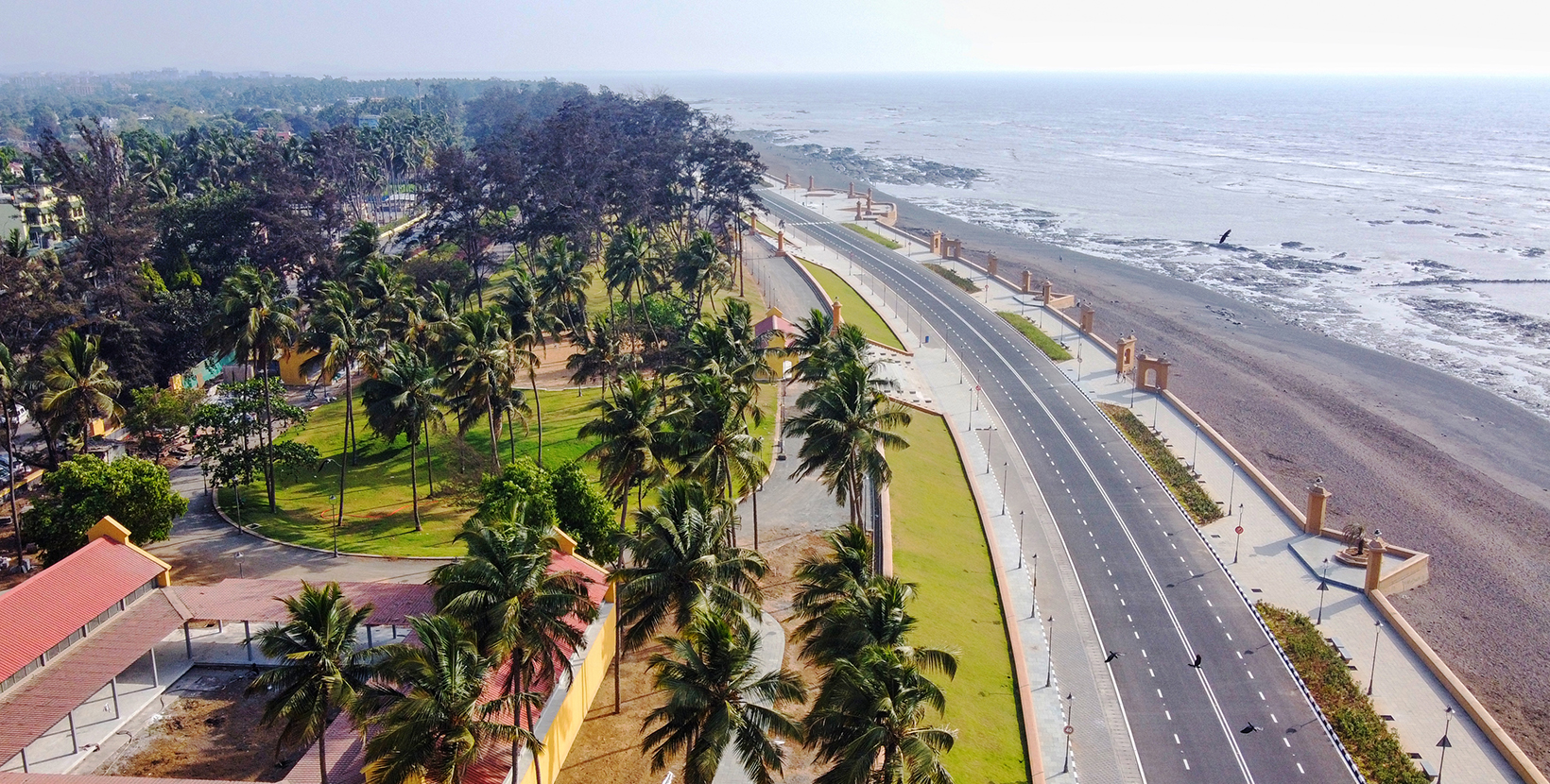
Culture of Daman and Diu: Heritage, Festivals & Local Traditions
Discover the culture of Daman and Diu through Portuguese heritage, festivals, food traditions, language blend, architecture, and practical travel insights.
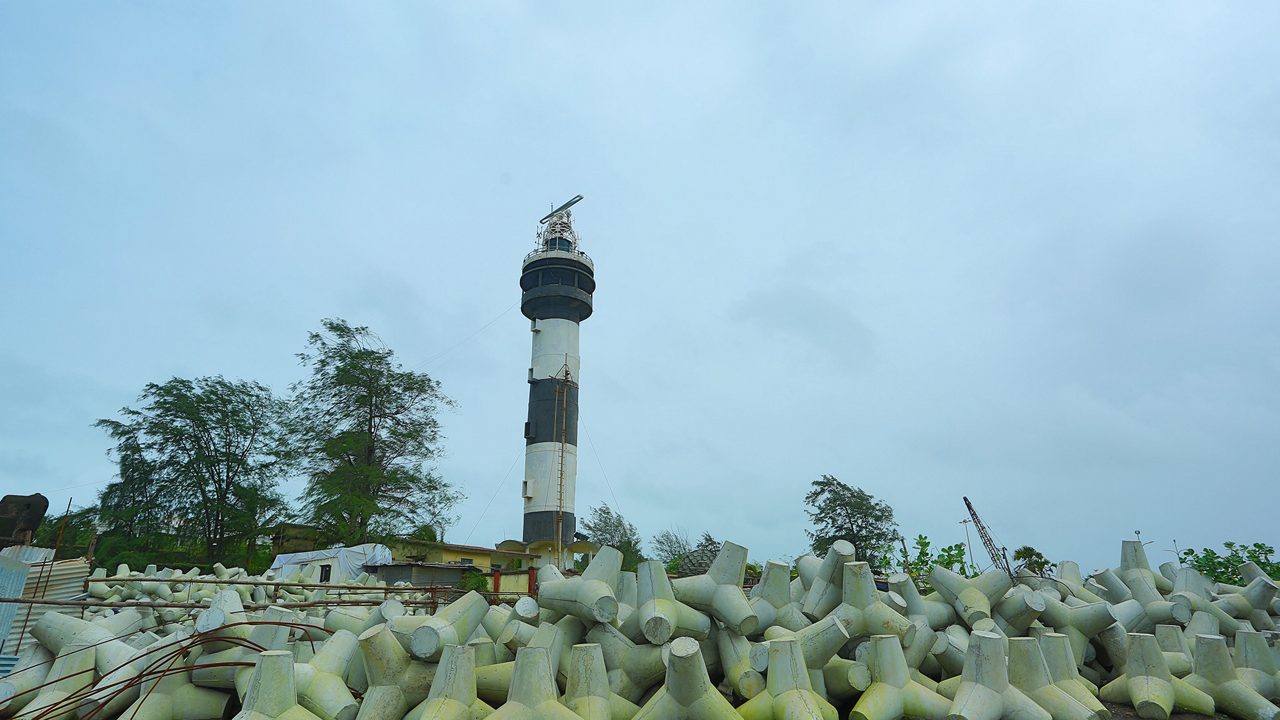
Daman Lighthouse: Route, Timings & Best Sea-View Points
Plan your Daman Light House visit with practical timing windows, route combinations, transport budgeting, and family-friendly coastal travel tips.
Nightlife in Daman and Diu: Complete Nightlife Guide 2026
Complete nightlife guide to Daman and Diu - beaches, bars, parties, casino, beach dining & practical tips. Compare Daman vs Diu nightlife scenes.
Never Miss an Adventure
Get the latest trekking guides, travel tips, and exclusive offers delivered straight to your inbox.
