
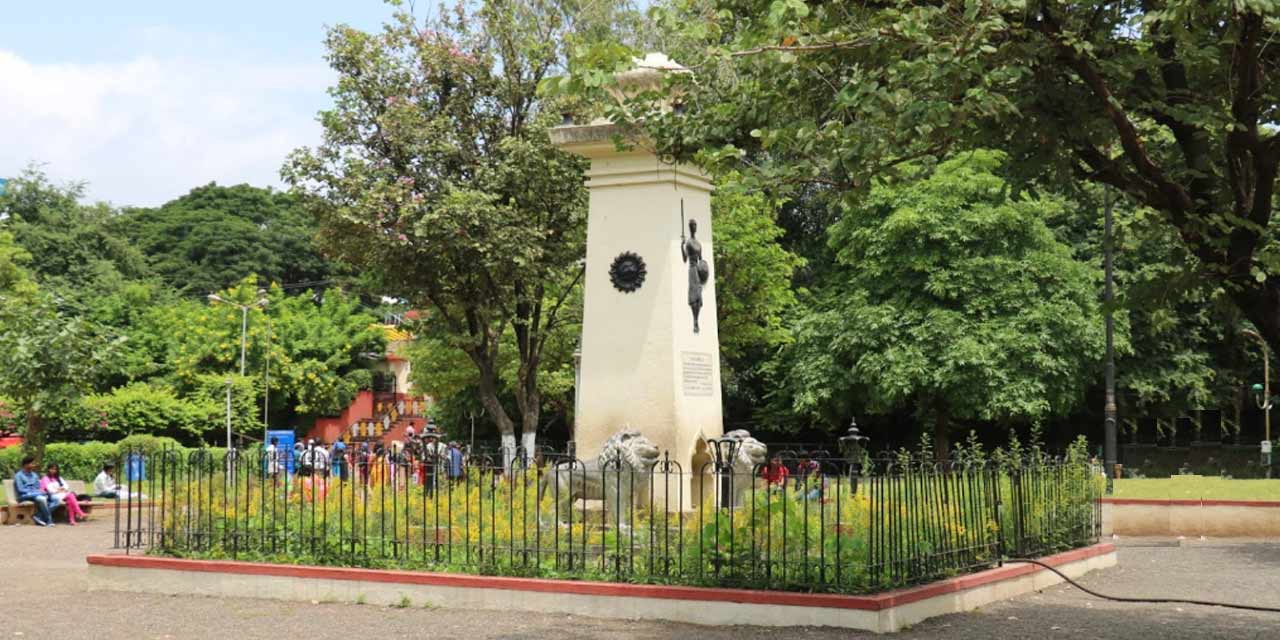
Saras Baug Pune: Timings, History & Ganpati Temple

Ananya Sharma
December 11, 2025
Visit Saras Baug Pune - Famous Ganpati temple, timings, entry free, history, walking trails & travel guide. Pune's iconic 25-acre garden.
Saras Baug Pune: Historic Garden and Ganpati Temple
In the bustling city of Pune, Saras Baug stands as an oasis of tranquility and spiritual significance. This 25-acre garden, home to the famous Talyatla Ganpati temple, has been a cherished landmark for Punekars for generations. Located in the heart of the city at Swargate, Saras Baug offers much more than just green space - it represents Pune's rich cultural heritage, its devotion to Lord Ganesha, and the community's need for peaceful retreats amid urban chaos. Whether you're seeking spiritual blessings, morning exercise, or simply a quiet corner to read, Saras Baug welcomes all with open arms.
The garden's significance goes beyond its religious importance. For decades, it has served as a community gathering place where families come for evening walks, elders meet for morning conversations, and children play in the playground. The lush green lawns, well-maintained walking paths, and the divine presence of Lord Ganesha create an atmosphere that's both rejuvenating and calming. What makes Saras Baug particularly special is its accessibility - being centrally located yet remarkably peaceful, making it a perfect escape from the city's noise and traffic. The fact that entry is completely free ensures that everyone, regardless of economic status, can enjoy this beautiful space.
Quick Facts About Saras Baug
Location: Saras Baug Road, Swargate, Pune
Established: 18th century (Peshwa era)
Total Area: 25 acres
Entry Fee: FREE for all visitors
Timings: 6:00 AM - 9:00 PM daily
Temple Timings: 6:00 AM - 9:00 PM
Walking Trail: 1.5 km loop around the garden
Parking: Available (paid)
Best Time to Visit: Early morning or evening
These quick facts make Saras Baug one of the most accessible and visitor-friendly attractions in Pune. The combination of free entry, extended hours, and central location makes it easy to fit into any itinerary. Whether you're a local resident looking for a morning walk or a tourist seeking Pune's cultural landmarks, Saras Baug accommodates all needs and schedules.
History and Significance
The story of Saras Baug is deeply intertwined with Pune's historical legacy, particularly the Peshwa dynasty that ruled the region in the 18th century. The garden's name itself reflects its origins - 'Saras' means lake and 'Baug' means garden in Persian, referring to the original lake that existed here. Nanasaheb Peshwa, a prominent ruler of the Peshwa dynasty, developed this area as a beautiful lake with a small island in the center, on which stood a Ganpati temple. This unique setting - with the temple surrounded by water - earned it the name 'Talyatla Ganpati,' meaning 'Ganpati in the lake.'
The historical significance of Saras Baug extends beyond its beautiful landscaping. During the Peshwa era, this area served as a retreat for the rulers, a place where they could escape the affairs of state and find peace in nature. The lake with its island temple was both a spiritual center and a recreational space. The Peshwas were known patrons of art, architecture, and culture, and Saras Baug reflects their sophisticated taste and appreciation for aesthetic spaces. The original temple on the island was a place of worship and meditation, drawing devotees who would boat across the lake to reach it.
Like many historical sites, Saras Baug underwent transformations over the centuries. In the 1950s, as part of urban development, the lake was filled in and converted into the beautiful garden we see today. While the lake disappeared, the temple remained and continued to be the spiritual heart of the space. The surrounding area was developed into well-maintained lawns, walking paths, and gardens, making it more accessible to the public. This transformation from a private royal retreat to a public garden reflects India's democratic ideals - spaces once reserved for royalty are now accessible to all citizens.
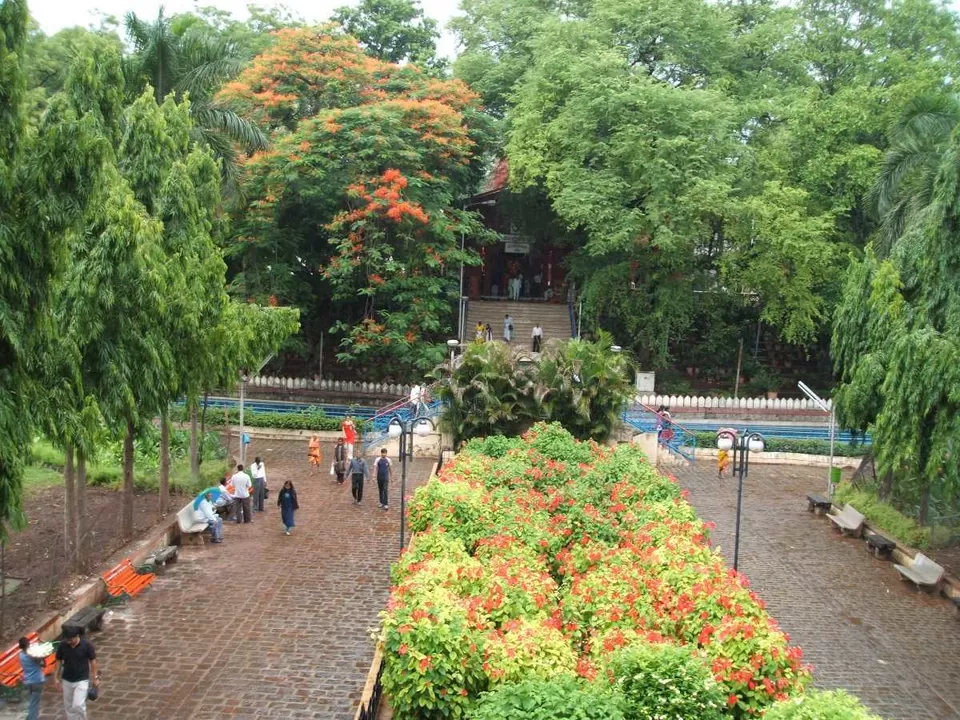
Today, Saras Baug stands as a living monument to Pune's heritage. It represents continuity - the Ganpati temple continues to draw devotees just as it did centuries ago, while the gardens around it have adapted to modern needs. The garden's preservation speaks to Pune's respect for its history and its understanding that green spaces are essential for urban quality of life. For many Pune families, visiting Saras Baug is a tradition passed down through generations - grandparents who played here as children now bring their grandchildren, creating a beautiful thread of continuity across time.
Talyatla Ganpati Temple
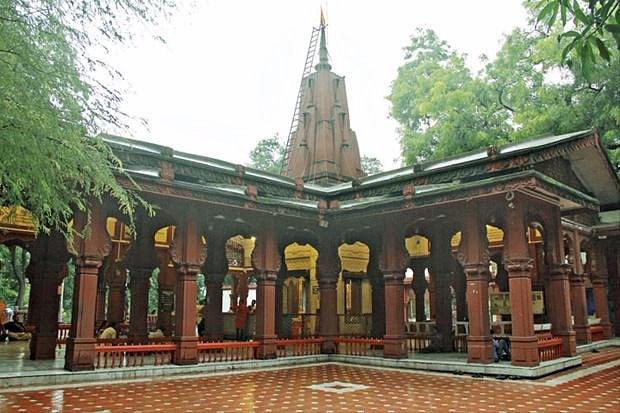
The Talyatla Ganpati temple is the spiritual heart of Saras Baug and the reason many visitors come here. This beautiful temple, dedicated to Lord Ganesha, holds a special place in Pune's rich tradition of Ganpati worship. While Pune is famous for several Ganpati temples - including the Dagdusheth Halwai Ganpati and the Kasba Ganpati - the Talyatla Ganpati has its own unique charm and significance. Its name, meaning 'Ganpati in the lake,' is a reminder of its original location on an island surrounded by water.
The temple architecture follows traditional Peshwa-style design, characterized by simplicity and elegance. The sanctorum houses a beautiful Ganpati idol, and the temple's design creates an atmosphere of divine peace. Despite being located in the middle of a busy public garden, the temple maintains its sanctity and spiritual ambiance. Devotees can offer prayers, perform aarti, and participate in the daily rituals that have continued uninterrupted for decades. The temple's design allows for natural light and ventilation, creating a comfortable environment for worship throughout the day.
Daily Rituals and Worship: The temple follows a schedule of daily rituals that include morning and evening aarti, abhishek (ritual bathing of the deity), and offerings of modak (Lord Ganesha's favorite sweet). Many devotees visit early morning for the first darshan, believing that prayers offered at this time are especially auspicious. The evening aarti draws larger crowds, with the chants and creating a spiritually charged atmosphere. During Ganesh Chaturthi, the temple becomes particularly vibrant, decorated with flowers and lights, and hosting special ceremonies that draw large numbers of devotees.
Festival Celebrations: Ganesh Chaturthi is the most important festival at Talyatla Ganpati, as it is at all Ganpati temples. During this time, the temple is decorated beautifully, and special pujas and rituals are conducted. Sankashti Chaturthi, the monthly fasting day dedicated to Lord Ganesha, also sees increased footfall. The temple manages these crowds efficiently, maintaining order and ensuring that all devotees get darshan. The festive atmosphere during these times is infectious, with devotional songs, flowers, and the energy of collective worship creating a memorable experience.
Temple Visiting Tips: For the most peaceful darshan, visit between 7:00 AM and 9:00 AM when crowds are minimal. The evening hours between 6:00 PM and 8:00 PM are also good, especially if you want to experience the aarti. Avoid visiting during peak festival days if you prefer a quieter experience, though these times offer unique cultural experiences. Photography may be restricted inside the sanctum, so check with temple authorities. Remember to dress modestly and maintain the temple's sanctity by speaking softly and switching off mobile phones during worship.
Gardens and Attractions
While the temple is undoubtedly the main attraction, Saras Baug's gardens offer plenty to see and do. The 25-acre complex has been thoughtfully designed to cater to different needs - from serious walkers seeking exercise to families looking for picnic spots, and nature lovers wanting to escape the city. The garden's layout encourages exploration, with winding paths that reveal different corners and vistas.
Main Garden Area: The heart of Saras Baug is its expansive lawns - well-maintained grassy areas that invite visitors to spread a mat and relax. These lawns are particularly popular with families, who come here for evening picnics and outings. The grass is kept in excellent condition, and the garden staff works hard to maintain cleanliness. Shady trees scattered throughout provide respite from the sun, and benches are strategically placed for those who prefer sitting to walking. The flowering plants add seasonal color - different species bloom at different times of year, ensuring there's always something in flower.
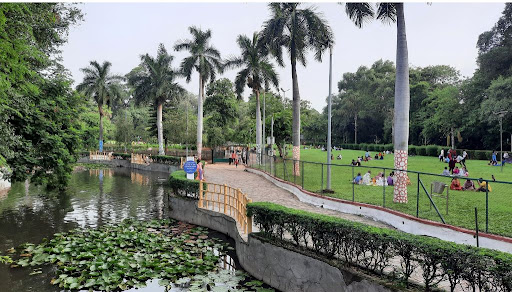
Walking and Jogging Track: The 1.5 km walking trail that loops around the garden is one of its most used features. Early morning sees a steady stream of walkers, joggers, and fitness enthusiasts using this track. The path is well-paved and level, making it safe for all ages. Regular visitors have made this part of their daily routine, and there's a sense of community among those who come regularly. The trail is lined with trees, providing shade and making the walk pleasant even in summer. Many visitors complete multiple loops, adjusting their workout to their fitness needs.
Children's Play Area: A designated play area makes Saras Baug popular with families. The playground equipment is safe and well-maintained, though it's basic compared to modern amusement parks. For many children, the simple joy of running freely in a large green space is entertainment enough. Parents can relax on nearby benches while keeping an eye on their children. The play area creates a wonderful community atmosphere, with children from different backgrounds playing together.
Lake Views and Remnants: While the original lake has been filled in, parts of the garden's layout and landscaping still hint at its aquatic past. Certain areas are designed to evoke memories of water features, with the temple occupying the elevated position where the island once stood. Understanding this history adds depth to the experience - visitors can imagine what the space looked like when water surrounded the temple. This connection to the past makes the garden more meaningful and adds to its sense of place.
Timings and Entry Information
One of Saras Baug's best features is its accessibility - the garden is open every day of the year with extended hours that accommodate different schedules. This commitment to public access ensures that everyone can enjoy this space regardless of their work or study timings.
Garden Hours: Saras Baug opens at 6:00 AM and closes at 9:00 PM, maintaining these hours seven days a week. The early opening time accommodates those who prefer morning walks or meditation, while the late closing time allows for evening visits after work or school. The garden is particularly beautiful in the early morning light and at sunset, making these popular times for photographers and nature enthusiasts. The gates close promptly at 9:00 PM, so plan your departure accordingly.
Temple Darshan Timings: The Talyatla Ganpati temple maintains the same hours as the garden - 6:00 AM to 9:00 PM. The morning aarti typically takes place around 7:30 AM, while the evening aarti is at 7:30 PM. These timings may vary slightly on special occasions or festivals, so check ahead if you're specifically planning to attend a ritual. The temple priests perform the abhishek (ritual bathing) in the morning hours, and devotees can sponsor this if they wish.
Entry and Charges: Perhaps the best thing about Saras Baug is that entry to both the garden and temple is completely free. There are no ticket counters or admission fees - you simply walk in and enjoy. This policy aligns with the philosophy that public green spaces should be accessible to all. Photography is also free, so you can take pictures to your heart's content. However, commercial photography or photo shoots may require permission from the authorities.
Parking: Parking is available near the garden entrance for both two-wheelers and four-wheelers. The parking is paid - typically ₹20-50 for cars and less for two-wheelers. During peak times and festivals, finding parking can be challenging, so arrive early if you're driving. The parking area is managed and relatively secure, but as with any public place, don't leave valuables in your vehicle.
How to Reach Saras Baug
Saras Baug's central location in Pune makes it easily accessible from different parts of the city. Whether you're using public transport, driving, or walking, getting to Saras Baug is straightforward.
Address: Saras Baug Road, Swargate, Pune - The garden's location near Swargate, one of Pune's major transport hubs, makes it easily accessible.
By Bus: Pune Municipal Transport (PMT) buses serve Saras Baug from various parts of the city. The Swargate bus stop is just 500 meters from the garden - an easy 5-10 minute walk. From Pune Railway Station, buses numbered 5, 12, and 68 connect to Swargate. Bus frequency is good, especially during peak hours, and the fare is economical. This makes public transport a practical option for those avoiding the hassle of parking.
By Metro: The Pune Metro has made reaching Saras Baug even more convenient. The Swargate Metro Station is approximately 800 meters from the garden - about a 10-minute walk. The metro is air-conditioned, fast, and avoids traffic, making it an excellent choice during peak hours. The walk from the metro station to Saras Baug is straightforward and passes through busy commercial areas.
By Road: From Pune Railway Station, Saras Baug is approximately 3 kilometers away. An auto-rickshaw ride costs around ₹80-100 and takes 15-20 minutes depending on traffic. From Pune Airport (Lohegaon), the distance is about 15 kilometers, and a taxi would cost approximately ₹300-400, taking 30-40 minutes. If you're driving, use GPS navigation as Saras Baug is a well-known landmark. Parking is available but can be tight during peak times and weekends.
Walking: If you're staying in central Pune, Saras Baug might be within walking distance. The area around Swargate is pedestrian-friendly with wide sidewalks. Walking allows you to experience the neighborhood's character and discover shops and eateries along the way.
Best Time to Visit Saras Baug
Choosing the right time to visit can significantly enhance your Saras Baug experience. Different times of day and different seasons offer unique advantages, so consider what you want from your visit when planning.
Seasonal Guide: The winter months from November to February offer the most pleasant weather for visiting Saras Baug. Pune's winter is mild, with temperatures ranging from 15°C to 25°C - perfect for walking, sitting outdoors, and exploring the garden. The cool air makes exercise comfortable, and the clear winter light is excellent for photography. The monsoon season (June to September) transforms the gardens into a lush green paradise. The rain-washed plants look vibrant, and the cooler temperatures make walking enjoyable. However, some paths might get muddy, and you'll need an umbrella or raincoat. Summer (March to May) can be hot, but early mornings are still pleasant. The garden's trees provide some shade, making evening visits possible even in summer.
Time of Day: Early morning, between 6:00 AM and 8:00 AM, is ideal for a peaceful experience. This is when serious walkers, joggers, and those seeking quiet meditation visit. The air is fresh, temperatures are cool, and the garden is at its most tranquil. For temple visits, 8:00 AM to 10:00 AM offers a good balance - you can have darshan without the evening crowds but still experience the temple's active period. Evening hours, from 5:00 PM to 7:00 PM, see the garden come alive with families, students, and office-goers. While it's more crowded, there's a wonderful community atmosphere. The golden hour before sunset is particularly beautiful for photography.
Special Times: Ganesh Chaturthi (usually August or September) sees the temple decorated beautifully and special celebrations throughout the day. If you enjoy festive energy, this is a great time to visit. Weekends are busier than weekdays, with families spending time together. If you prefer a quieter experience, weekdays, especially Tuesday through Thursday, are less crowded. Early morning on any day is usually peaceful.
Things to Do at Saras Baug
There's more to do at Saras Baug than simply walking around. The garden offers various activities depending on your interests and the time you have available.
Morning Walk: The 1.5 km jogging/walking track is perfect for getting your daily exercise. The well-paved path is easy on the joints, and the green surroundings make the workout pleasant. Many regular visitors have their routines - some walk briskly, others jog, and some do stretching exercises in quiet corners. The morning air in Pune is particularly fresh, making exercise enjoyable.
Temple Darshan: Visit the Talyatla Ganpati temple for blessings. Even if you're not particularly religious, the temple's peaceful atmosphere offers a moment of calm. Sit quietly for a few minutes, observe the rituals, and soak in the spiritual ambiance. The temple's simple beauty and the devotion of fellow visitors create a moving experience.
Photography: Saras Baug offers excellent opportunities for photography enthusiasts. The temple architecture, the green lawns, the flowers and trees, and the people - all make interesting subjects. Early morning and late afternoon light is best. Portrait photographers will find the garden a beautiful backdrop. Nature photography can focus on the variety of plants and birds that call the garden home.
Picnic: The lawns are perfect for a simple picnic. Spread a mat and relax with snacks and conversation. Please clean up afterwards - use the dustbins provided for litter. This is a great family activity, and you'll see many Pune families doing exactly this on weekends. Remember to carry water, especially in summer.
Reading and Reflection: Find a quiet bench under a tree and spend some time reading or simply reflecting. The garden has many peaceful corners perfect for this. The natural setting and the distant sounds of the city create an atmosphere conducive to thought and creativity. Many students come here to study, finding the environment more conducive than crowded libraries or cafes.
Bird Watching: Early morning is best for this. Saras Baug hosts various bird species - from common city birds to more exotic visitors. If you're patient and quiet, you might spot several types of birds in the trees and on the lawns. Carry a bird guide if you're serious about this activity.
Family Time: The children's play area is great for kids, while adults can relax nearby. This is a wonderful way to spend quality family time away from screens and distractions. Watching children play freely in a safe, green environment is one of life's simple pleasures.
Nearby Attractions in Pune
Saras Baug's location makes it easy to combine with other Pune attractions, creating a full day of sightseeing. These nearby sites complement a visit to the garden and provide a broader experience of Pune's culture and heritage.
Dagdusheth Halwai Ganpati Temple (2 km): One of Pune's most famous Ganpati temples, known for its rich decoration and the impressive idol of Lord Ganesha. The temple is particularly beautiful during Ganesh Chaturthi. Visiting both Ganpati temples - Talyatla Ganpati and Dagdusheth Halwai Ganpati Temple - gives you a complete picture of Pune's Ganpati tradition.
Shaniwar Wada (2.5 km): The historic seat of the Peshwas, this fort palace was once the center of Maratha power. While fire destroyed much of the original structure, what remains gives insight into 18th-century architecture and Peshwa grandeur. The light and sound show in the evening is popular. Shaniwar Wada is a must-visit for history enthusiasts. You might also want to explore the Aga Khan Palace, which holds significant importance in India's freedom struggle.
Lal Mahal (2 km): The red palace where Shivaji Maharaj spent much of his childhood. The current structure is a reconstruction, but it tells the story of an important period in Maratha history. The palace is smaller than Shaniwar Wada but still worth visiting for those interested in Maharashtra's history.
Kasar Sai (3 km): A memorial dedicated to the great Maratha warrior, Baji Prabhu Deshpande. This lesser-visited attraction offers insight into Maratha history and the values of loyalty and sacrifice. The memorial is simple but moving.
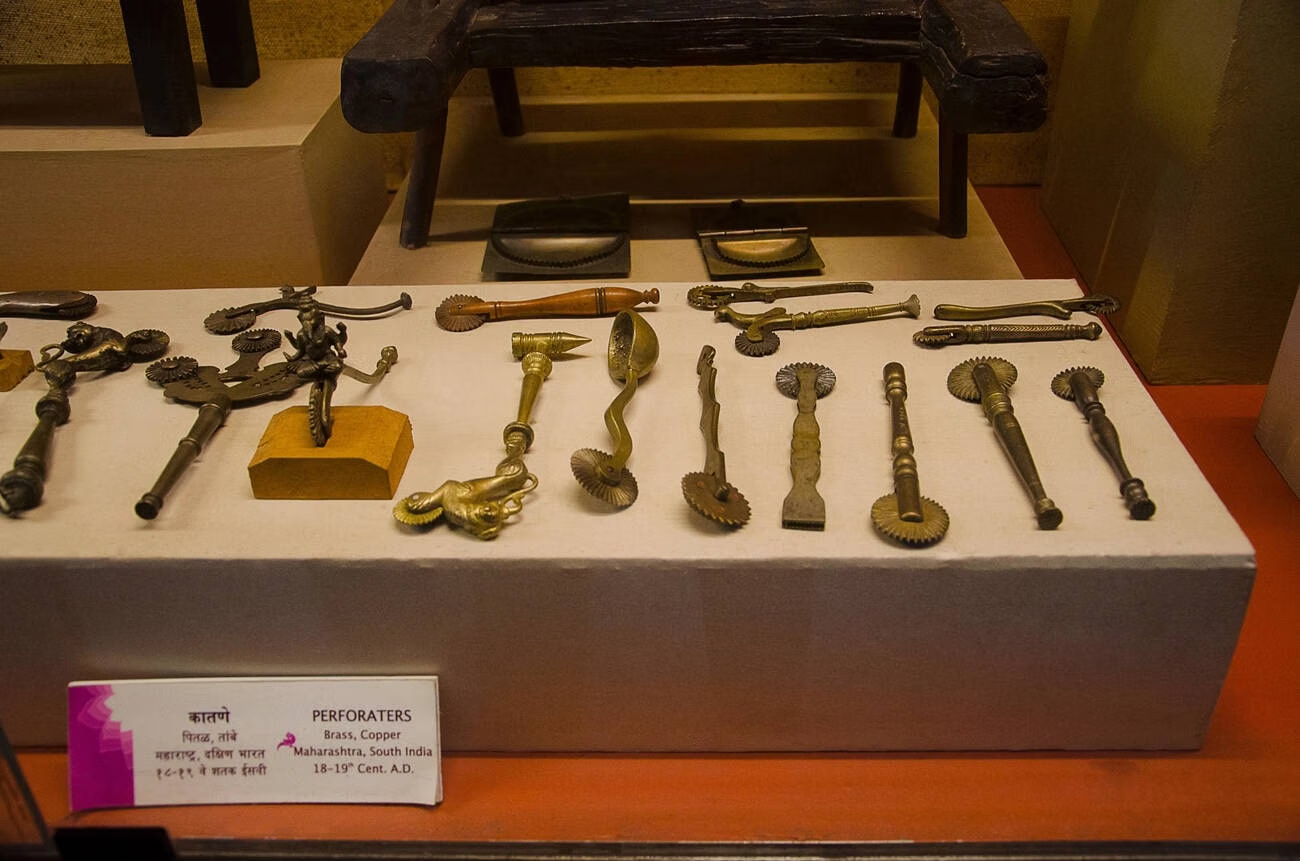
Raja Dinkar Kelkar Museum (4 km): Housing an impressive collection of Indian artifacts, this museum is a treasure trove of traditional arts and crafts. From textiles to weapons to musical instruments, the collection is comprehensive and well-presented. Art and culture enthusiasts should definitely include this in their itinerary.
Visitor Tips and Guidelines
To make the most of your Saras Baug visit, keep these practical tips in mind. They'll help you have a comfortable, enjoyable experience while being respectful of the space and other visitors.
Best Visiting Hours: Early morning (6-8 AM) for peaceful walks and temple darshan. This is when the garden is at its quietest and most beautiful. Evening (5-7 PM) if you enjoy community energy and people-watching. The garden is lively but can be crowded. Avoid afternoons (11 AM - 4 PM) especially in summer, when it's hot and relatively quiet.
What to Carry: Comfortable walking shoes are essential if you plan to use the jogging track. Sunscreen and a hat are useful in summer. Carry water, especially if you're walking or jogging. A mat if you plan to sit on the lawns. Your camera if you enjoy photography. Cash in small denominations for parking or temple offerings.
Respecting the Space: Don't pluck flowers or plants - the garden is for everyone to enjoy. Use dustbins for litter - help keep Saras Baug clean. Keep noise levels reasonable, especially near the temple. Don't damage benches or other facilities. Follow temple rules when visiting - dress modestly, switch off phones, maintain decorum.
Combining with Other Activities: Saras Baug is well-placed for combining with other sightseeing. Plan to visit Shaniwar Wada or Dagdusheth Temple in the same half-day trip. The area around Swargate has good restaurants - plan a meal before or after your visit. If you're in Pune for multiple days, consider making Saras Baug your morning walk spot - it's how many locals start their day.
Accessibility: The garden has pathways that are wheelchair accessible, though some areas might be challenging. The temple has steps that might require assistance. The parking area is relatively accessible. During festivals, the garden can get very crowded - if you have mobility issues, plan your visit for quieter times.
Conclusion
Saras Baug represents everything that makes Pune special - its respect for history, its spiritual traditions, its understanding of the importance of green spaces, and its community-centered approach to urban planning. This garden is more than just a tourist attraction; it's a living, breathing part of Pune's daily life. The fact that it has remained relevant and beloved for generations speaks to its thoughtful design and maintenance. For those exploring Pune's rich heritage, the Raja Dinkar Kelkar Museum houses an impressive collection of artifacts that complement the historical experience.
For tourists, Saras Baug offers a glimpse into authentic Puneri life. Visiting early morning, you'll see the city wake up - serious walkers, devoted temple-goers, and nature lovers all sharing this space. It's a microcosm of Pune itself - spiritual, health-conscious, and community-oriented. The Talyatla Ganpati temple provides spiritual blessings, while the gardens offer physical and mental rejuvenation.
What makes Saras Baug truly special is its democratic nature. Everyone is welcome here - rich and poor, young and old, locals and tourists. There's no entry fee, no dress code beyond basic modesty for the temple, and no restrictions on how long you can stay. This accessibility is rare in today's commercialized world and speaks to Pune's values as a city.
Whether you're seeking spiritual blessings at the ancient Ganpati temple, looking for a place to exercise outdoors, wanting a peaceful spot to read, or hoping to experience Puneri culture, Saras Baug delivers. It's a testament to thoughtful urban planning and the importance of preserving green spaces in growing cities. A visit to Pune is incomplete without experiencing this historic garden - it might just become your favorite spot in the city, as it is for so many Punekars.
Location
Frequently Asked Questions
Q1.What is Saras Baug Pune famous for?
Q2.Where is Saras Baug located in Pune?
Q3.What are Saras Baug timings?
Q4.What is the entry fee for Saras Baug?
Q5.Which Ganpati temple is in Saras Baug?
Q6.What is the best time to visit Saras Baug?
Q7.Is parking available at Saras Baug?
Q8.Is photography allowed in Saras Baug?
Recommended For You

Aga Khan Palace Pune: History, Timings & Visit Guide 2026
Explore Aga Khan Palace Pune with its freedom-movement history, key exhibits, timings, entry details, and visitor tips.

Places to Visit in Pune: Forts, Museums, Cafes & Weekend Spots
Explore top places to visit in Pune including Shaniwar Wada, Aga Khan Palace, temples, museums, gardens, and nearby hill getaways.
Raja Dinkar Kelkar Museum Pune: Timings, Tickets & Top Collections
Visit Raja Dinkar Kelkar Museum Pune with this complete guide. Know timings, ticket price, collection highlights, Mastani Mahal, how to reach & visiting tips.
Never Miss an Adventure
Get the latest trekking guides, travel tips, and exclusive offers delivered straight to your inbox.
