
Shaniwar Wada Pune: History, Timings, Ticket Price & Light Show

Neha Kapoor
December 20, 2025
Explore Shaniwar Wada Pune with history, architecture, timings, light-show planning, route details, and practical tips for a meaningful heritage visit.
Shaniwar Wada Pune: History, Timings and Visitor Guide
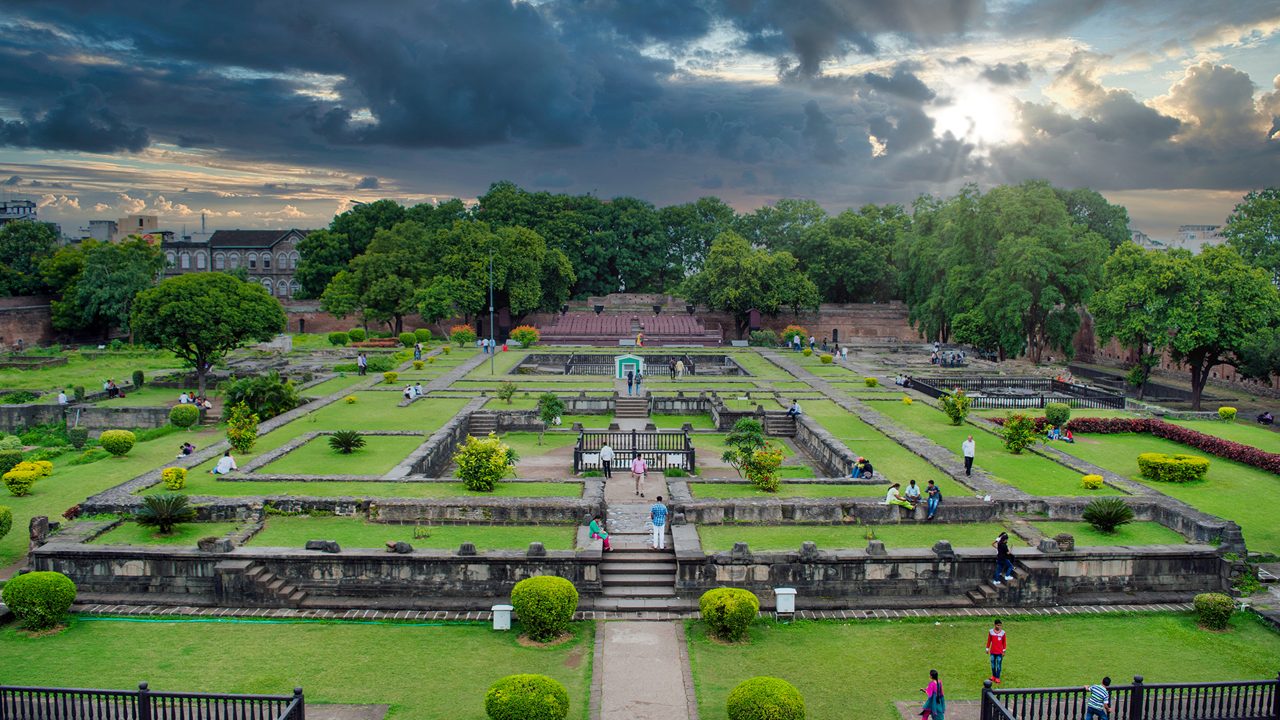
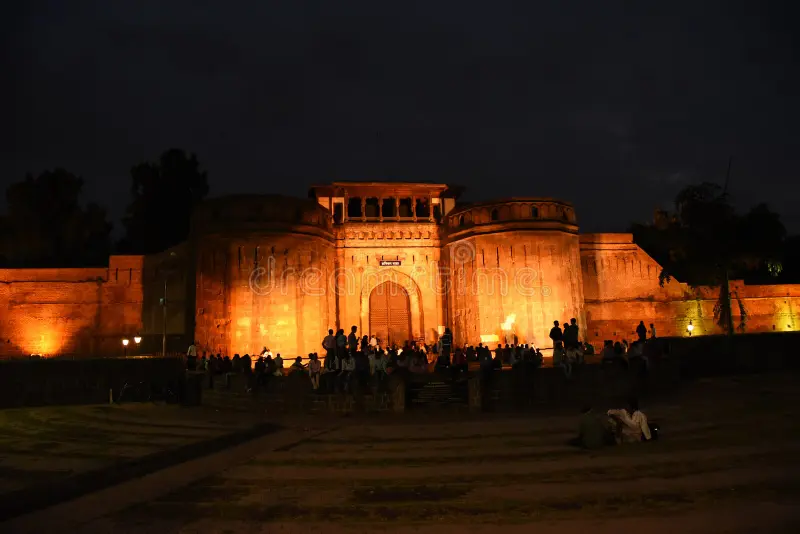
Shaniwar Wada is one of Pune's most iconic heritage landmarks and one of the most discussed symbols of the Peshwa era. Though much of the original palace complex was damaged by fire in the 19th century, the surviving fortification walls, gateways, foundations, and open courts continue to preserve the memory of Maratha political power and architectural ambition. For travelers, Shaniwar Wada offers both historical depth and practical city accessibility.
Located in central Pune, this site is suitable for first-time visitors, history enthusiasts, students, photographers, and families exploring old-city circuits. This guide covers history, architecture, gate details, light and sound show context, timing and ticket planning, nearby attractions, and practical visit tips so your experience is informed and smooth.
The Historical Significance of Shaniwar Wada
Shaniwar Wada was commissioned by Peshwa Baji Rao I in the early 18th century and became the administrative and residential center of the Peshwas. It represented a major phase in Maratha statecraft, military planning, and court life. The name "Shaniwar" is commonly linked to the Saturday foundation/ceremonial timeline associated with the complex.
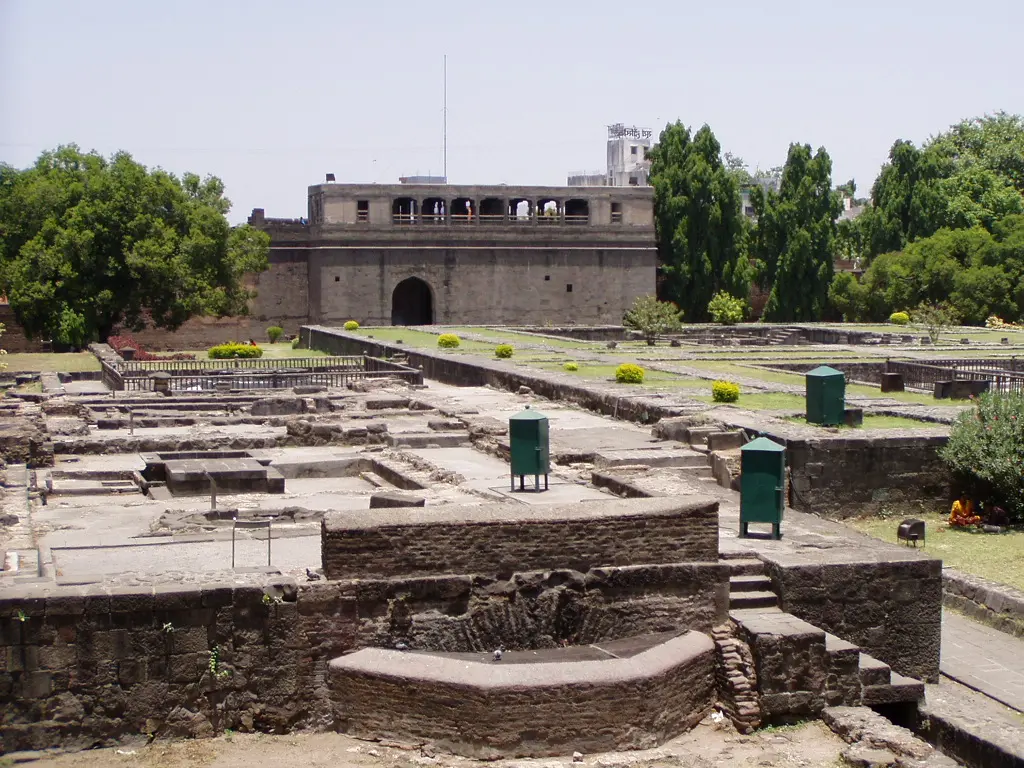
The structure evolved over time with additions by successive rulers. Historical accounts describe grand halls, intricate wooden work, fountains, ceremonial courts, and multi-level palace sections. In 1828, a major fire destroyed most internal wooden architecture, leaving ruins and masonry elements that survive today. Despite this loss, the site remains one of Maharashtra's most valuable urban heritage spaces.
| Historical Phase | Key Event | Why It Matters |
|---|---|---|
| Early 18th century | Foundation under Baji Rao I | Established political core of Peshwa power |
| Peshwa period | Administrative and court expansion | Shaped regional governance and diplomacy |
| 1828 | Large fire event | Transformed palace into surviving ruin complex |
| Modern era | Conservation and public tourism use | Preserves memory through interpreted ruins |
Architecture Highlights and Fort Layout
Although the seven-storey palace superstructure no longer survives, Shaniwar Wada still demonstrates the scale and planning logic of a fortified royal complex. Massive outer walls, bastion-like edges, and major gates frame the inner courts where foundations indicate the earlier palace system.
The architecture reflects Maratha adaptation with regional craftsmanship and selective influences. Visitors should focus on spatial sequencing: grand entry, transition passages, open courts, and remnants of water structures. This helps reconstruct how ceremonial and administrative movement once operated inside the complex.
- Monumental perimeter walls and fortified access points
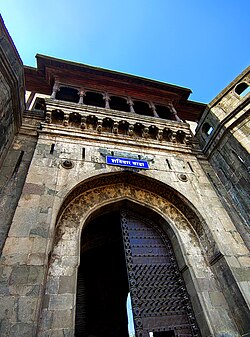
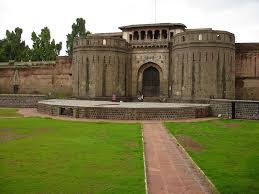
- Historic gateways including the famous Delhi Darwaza
- Foundation remains of palace zones and halls
- Garden and fountain references in site interpretation
The Five Gates of Shaniwar Wada
The gate system is one of the most recognizable aspects of Shaniwar Wada. Different gates carried strategic and functional roles in movement control, ceremonial passage, and internal circulation. The main Delhi Gate is especially noted for its scale and defensive design details.
| Gate | General Significance | Visitor Note |
|---|---|---|
| Delhi Darwaza | Main ceremonial entrance | Best place to begin orientation |
| Mastani Darwaza | Historically linked in local narratives | Often discussed in guided storytelling |
| Ganesh Darwaza | Important secondary movement access | Shows circulation layering |
| Khidki / Narayan gates | Controlled internal-external flow | Adds to understanding of fort design |
Visitors who take time at each gate understand the complex far better than those who only walk the central ruins.
Light and Sound Show: What to Expect
Shaniwar Wada is known for an evening light and sound program narrating Maratha-era history and associated stories. However, this is the part of the visit where consistency can vary due to weather, operational conditions, or technical issues. Recent media coverage has also highlighted occasional disruptions in show continuity.
Plan the light show as an optional add-on rather than a guaranteed centerpiece. Confirm same-day status, language slot, and ticketing at on-site counters or updated official channels before waiting for evening entry.
- Check show status on the day of visit.
- Expect separate ticketing from monument entry.
- Keep rain/weather fallback plans.
- Arrive early if evening crowd is high.
Shaniwar Wada Timings and Entry Fee
Different public platforms may display slightly different hours and fee numbers. As a result, use current official or on-site confirmation before your trip date. In general, Shaniwar Wada is visited in daytime windows, with specific evening schedules for show access where operational.
| Visitor Detail | Common Pattern | Practical Advice |
|---|---|---|
| Monument Visit | Daytime opening to evening closure | Morning and late afternoon are most comfortable |
| Entry Ticket | Category-wise fees (Indian/foreign) | Carry digital and cash options |
| Light Show Ticket | Separate ticket where available | Verify same-day operational status |
Typical time needed on site is 1.5 to 2.5 hours depending on crowd and interpretation style.
How to Reach Shaniwar Wada from Pune City Points
Shaniwar Wada is centrally located and easy to reach from Pune Junction, bus terminals, and major city neighborhoods. Auto-rickshaws, cabs, and local buses are common options. Travel time still depends on traffic hour, especially in old-city lanes.
| Starting Point | Mode | Tip |
|---|---|---|
| Pune Junction area | Auto/cab/bus | Keep peak-hour buffer |
| Airport side | Taxi/app cab | Best for direct transfer |
| Central Pune stays | Auto or local cab | Easy half-day heritage outing |
For broader city planning, use places to visit in Pune and Pune travel guide for efficient route sequencing.
Best Time to Visit Shaniwar Wada
October to March is generally the best season for comfortable walking and heritage exploration in Pune. Summer afternoons can be hot in open courts, while monsoon can be scenic but occasionally less convenient for long outdoor visits.
- Best season: post-monsoon and winter months.
- Best daily slot: first entry window or late afternoon.
- Avoid: narrow peak-hour windows if you want calmer photography.
Nearby Attractions to Combine in One Heritage Circuit
Shaniwar Wada works best as part of a curated Pune heritage route. Popular combinations include temples, museums, and city landmarks within manageable transfer distance.
| Attraction | Why Combine | Trip Benefit |
|---|---|---|
| Dagdusheth Halwai Ganpati Temple Pune | Spiritual-cultural contrast | Balanced heritage + devotion circuit |
| Raja Dinkar Kelkar Museum Pune | Artifact-based historical context | Improves understanding of regional culture |
| Aga Khan Palace Pune | Colonial-era and freedom-history extension | Full-day historical layering |
Common Mistakes to Avoid
The most frequent mistake is relying on one old online timing screenshot and planning a fixed, non-flexible visit around it. Operational details can change. Verify before you go. Another mistake is rushing through the site in under 30 minutes. This reduces the experience to gate photos and misses historical interpretation value.
Visitors also underestimate traffic and parking constraints in central Pune. If you have a tight schedule, allocate extra transfer time and arrive earlier than planned.
Final Take
Shaniwar Wada remains one of Pune's most important heritage sites because it captures both grandeur and loss: a powerful political center now represented through surviving walls, gates, and stories. With updated timing checks, sensible route planning, and patient on-site exploration, this monument delivers a meaningful and memorable window into Maratha-era history.
Legends, Memory and Public Imagination
Shaniwar Wada is not only an archaeological site; it is also a major memory-space in Maharashtra's popular culture. Over generations, stories related to court politics, succession conflicts, and dramatic palace events have entered oral narratives, theatre, television, and historical fiction. Some stories are historically documented in parts, while others are amplified through folklore. Visitors should treat dramatic narratives with balance: respect the cultural memory while distinguishing between verified history and later retellings.
This layered memory is one reason the site continues to attract younger audiences. Even those with limited interest in architecture are drawn by narrative curiosity. A thoughtful visit combines both dimensions: material remains and story traditions.
Suggested Half-Day Shaniwar Wada Itinerary
If you want a structured and low-stress experience, use a simple half-day sequence with one core heritage block and one optional add-on.
| Time Slot | Plan | Outcome |
|---|---|---|
| 8:30 AM - 9:00 AM | Arrival and ticket/orientation | Early entry with lower crowd pressure |
| 9:00 AM - 10:30 AM | Main fort complex walk and gates | Full coverage of primary architecture |
| 10:30 AM - 12:00 PM | Nearby temple/museum add-on | Richer historical context |
Evening visitors can invert this sequence and reserve the final slot for light-show confirmation where operational.
Practical Visitor Checklist
- Verify same-day opening hours and ticket rates before travel.
- Carry water, cap, and comfortable walking footwear.
- Keep photo ID and payment backup options.
- Plan transport with central-city traffic buffer.
- If interested in stories, consider a local guide for structured interpretation.
These small steps make a noticeable difference in visit quality, especially for families and first-time Pune travelers.
Why Shaniwar Wada Still Matters in Pune Tourism
In a fast-growing urban environment, Shaniwar Wada anchors Pune's historical identity. It reminds visitors that the city's modern education-tech image coexists with a deep political and cultural past. For local tourism, this monument acts as a gateway to broader heritage routes across the old city and beyond.
For students and researchers, Shaniwar Wada offers a case study in post-disaster heritage interpretation: how a largely ruined palace can still communicate power, planning, and social memory through remaining fabric and curated narratives. For casual travelers, it remains one of the easiest ways to connect with Maratha-era history in a short city visit.
If you plan carefully and explore patiently, Shaniwar Wada becomes far more than a checklist monument; it becomes a meaningful introduction to Pune's historical character.
Location
Frequently Asked Questions
Q1.What are Shaniwar Wada timings?
Q2.What is the entry fee for Shaniwar Wada?
Q3.How much time is needed to explore Shaniwar Wada?
Q4.When was Shaniwar Wada built?
Q5.Who built Shaniwar Wada?
Q6.Why was Shaniwar Wada destroyed?
Q7.What is the timing of the Shaniwar Wada light and sound show?
Q8.Is photography allowed inside Shaniwar Wada?
Recommended For You
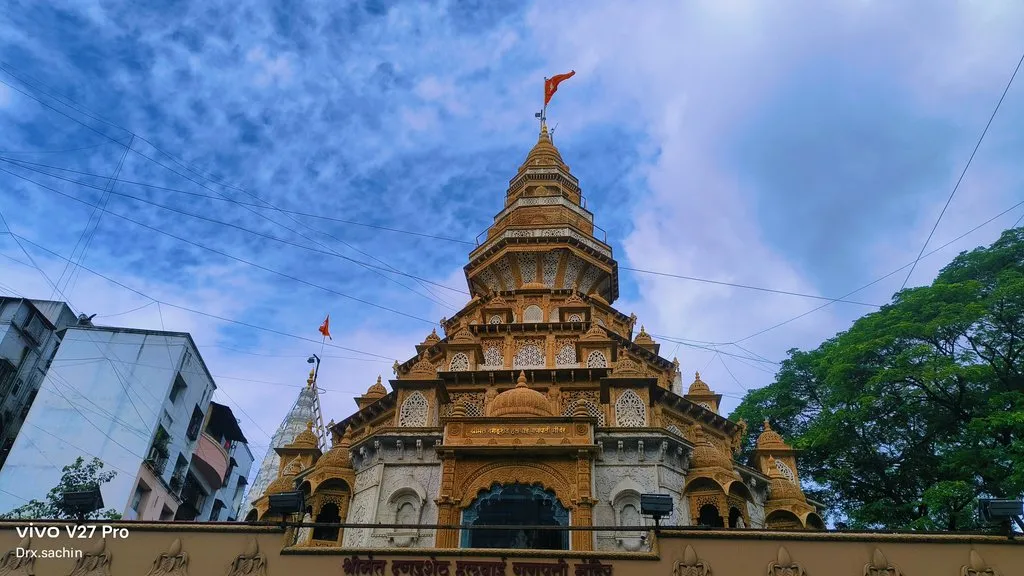
Dagadusheth Halwai Ganpati Temple Pune: Darshan Timings & Festival Details
Plan your visit to Dagadusheth Halwai Ganpati Temple Pune with history, darshan guidance, festival insights, route tips, and nearby attractions.
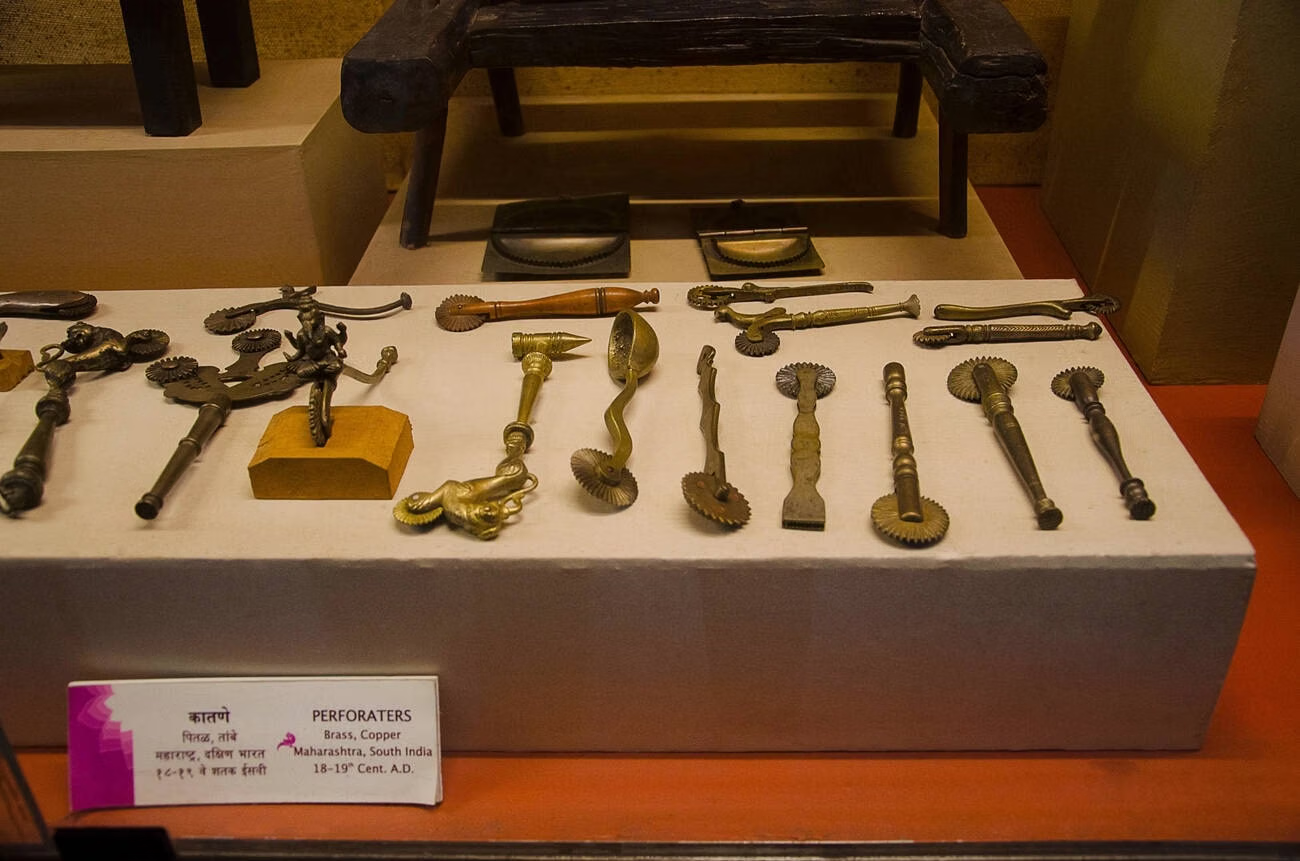
Raja Dinkar Kelkar Museum Pune: Timings, Tickets & Top Collections
Visit Raja Dinkar Kelkar Museum Pune with this complete guide. Know timings, ticket price, collection highlights, Mastani Mahal, how to reach & visiting tips.
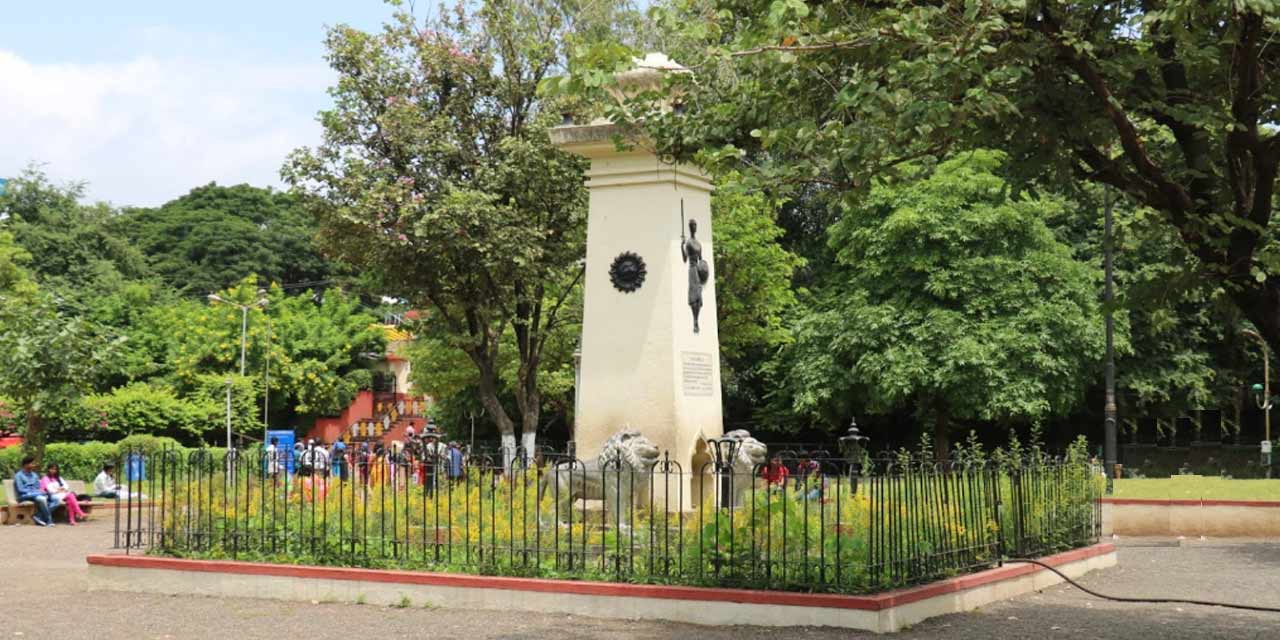
Saras Baug Pune: Timings, History & Ganpati Temple
Visit Saras Baug Pune - Famous Ganpati temple, timings, entry free, history, walking trails & travel guide. Pune's iconic 25-acre garden.
Never Miss an Adventure
Get the latest trekking guides, travel tips, and exclusive offers delivered straight to your inbox.
