
Raja Dinkar Kelkar Museum Pune: Timings, Tickets & Top Collections

Rahul Garg
February 19, 2026
Visit Raja Dinkar Kelkar Museum Pune with this complete guide. Know timings, ticket price, collection highlights, Mastani Mahal, how to reach & visiting tips.
Introduction: One Man's Extraordinary Collection
Raja Dinkar Kelkar Museum Pune stands as a remarkable testament to one man's passion for preserving India's cultural heritage. Located in the heart of Pune, this museum houses an extraordinary collection of over 20,000 artifacts gathered by Dr. Dinkar G. Kelkar across four decades of dedicated work. What makes this collection truly special is that it represents one of the finest one-man compilations of Indian art and culture anywhere in the country.
The museum was established as a memorial to Dr. Kelkar's beloved son Raja, whose untimely death inspired this monumental preservation effort. Walking through the three floors of this cultural treasure, visitors experience a journey through India's artistic traditions spanning centuries. The collection ranges from everyday household items to royal artifacts, offering insights into how diverse Indian communities lived, worked, and celebrated across different eras.
For anyone interested in Indian art, history, or cultural studies, Kelkar Museum Pune is an essential stop. The thoughtfully curated displays make complex cultural narratives accessible while maintaining scholarly depth. Whether you are a serious researcher, an art enthusiast, or a curious traveler, this museum offers something meaningful and memorable at every turn.
History & Significance
Dr. Dinkar G. Kelkar began his collecting journey in the 1920s, driven by a deep appreciation for India's rich artistic traditions and a concern that many artifacts were being lost or sold abroad. His son Raja's death in 1920 became the catalyst that transformed a personal interest into a life's mission. Dr. Kelkar dedicated himself to building a collection that would preserve India's cultural heritage for future generations.
Over forty years, Dr. Kelkar traveled extensively across India, acquiring artifacts from diverse regions and communities. His approach was not merely acquisitive but deeply respectful of cultural context. He documented provenance, understood artistic techniques, and built relationships with artisans and communities. This scholarly approach is reflected in the museum's organization and presentation today.
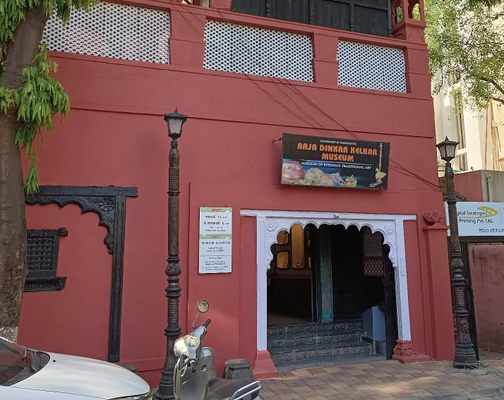
In the 1960s, recognizing the public value of his collection, Dr. Kelkar donated it to the Maharashtra government. The museum was established in a purpose-built building that opened to visitors in 1962. The architectural design itself reflects Dr. Kelkar's vision, with traditional Indian elements incorporated into modern museum architecture. The museum has since been recognized as one of India's most important cultural institutions, receiving numerous accolades for its preservation work and educational programs.
| Historical Milestone | Significance |
|---|---|
| 1920s-1960s | Dr. Kelkar's active collecting period across India |
| 1962 | Museum building completed and opened to public |
| 1970s | Donation to Maharashtra government |
| Present | Over 20,000 artifacts, 3 floors of exhibitions |
The museum's significance extends beyond its impressive collection. It represents the power of individual passion and dedication in cultural preservation. Dr. Kelkar's story inspires countless others who work to document and protect heritage. The museum continues to honor his vision through educational programs, research collaborations, and carefully curated exhibitions that celebrate India's artistic diversity.
Museum Collection Highlights
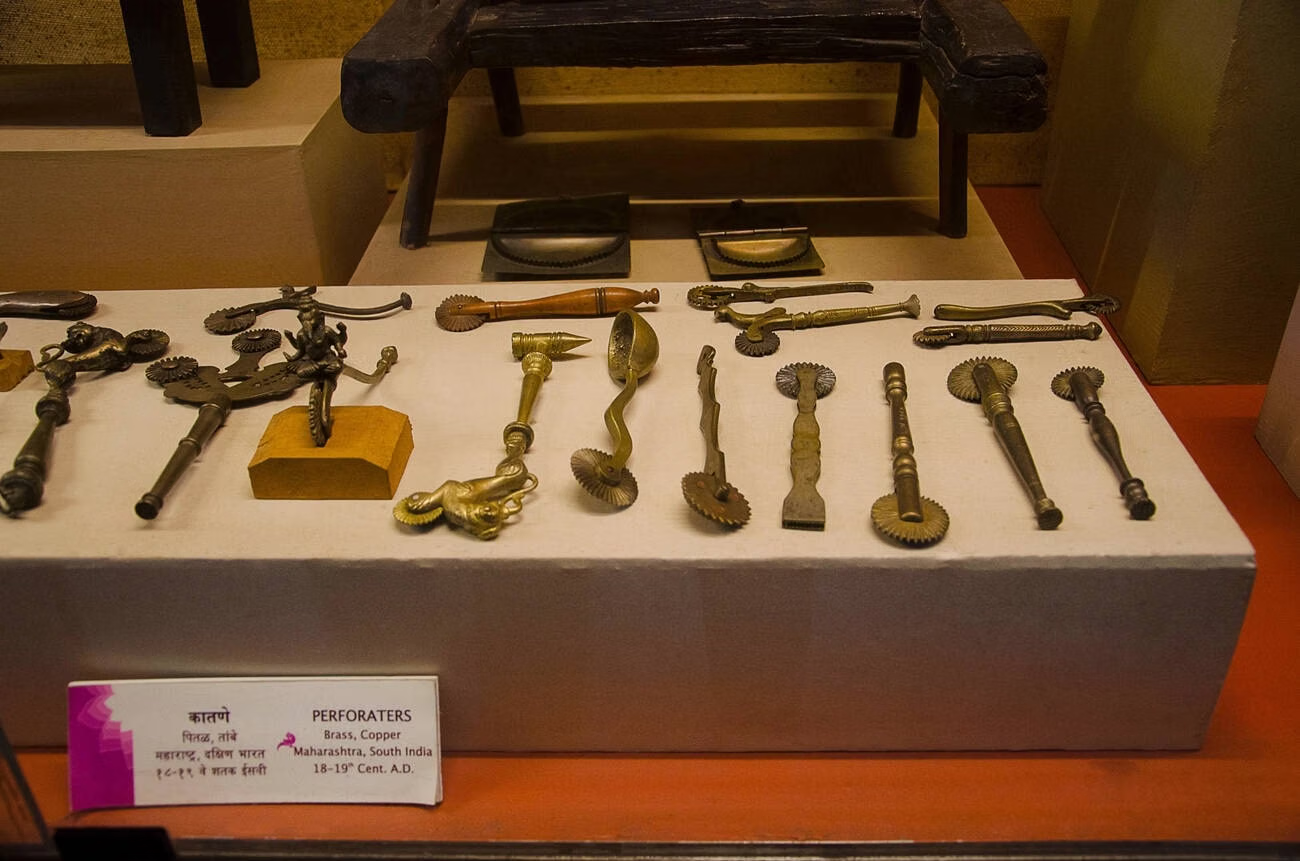
The Raja Dinkar Kelkar Museum collection encompasses over 20,000 artifacts organized across multiple categories representing India's rich cultural tapestry. Each section has been thoughtfully curated to tell stories about Indian life, art, and craftsmanship across different regions and time periods. The collection spans ancient to modern India, with significant representation from the 18th and 19th centuries when many of the artistic traditions were at their peak.
The first floor typically introduces visitors to household and domestic artifacts, showing how ordinary people lived their daily lives. Here you'll find cooking utensils, storage vessels, and everyday tools that reveal domestic traditions across regions. These humble items offer intimate glimpses into family life, social customs, and the artistry embedded in everyday objects. The second floor showcases more decorative and ceremonial items, including textiles, jewelry, and ritual objects used in religious and social ceremonies.
The third floor houses some of the museum's most prestigious collections, including musical instruments, paintings, and rare artifacts. This level represents the pinnacle of artistic achievement across different crafts and disciplines. What makes the collection particularly valuable is its comprehensive nature rather than just showcasing rare or expensive items. Dr. Kelkar collected based on cultural significance and artistic merit rather than market value, creating a collection that tells complete cultural stories.
| Collection Category | Representative Items |
|---|---|
| Textiles | Saris, shawls, embroideries from different regions |
| Musical Instruments | Classical and folk instruments from across India |
| Weapons & Armor | Swords, shields, daggers, ceremonial weapons |
| Lamps & Lighting | Traditional lamps, lanterns, ceremonial lighting |
| Paintings | Miniatures, folk paintings, religious art |
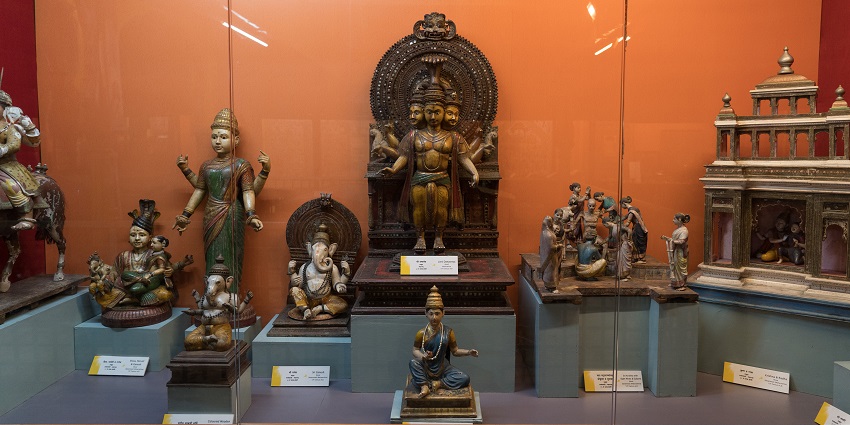
The regional diversity represented in the collection is remarkable. You'll find artifacts from Punjab in the north to Tamil Nadu in the south, from Gujarat in the west to Assam in the east. This geographical breadth allows visitors to compare artistic traditions across regions, understanding both shared elements and distinctive regional characteristics. Special collections include the famous Mastani Mahal reconstruction and an extraordinary array of doors and windows that demonstrate architectural diversity across India.
Must-See Artifacts at Kelkar Museum
Mastani Mahal
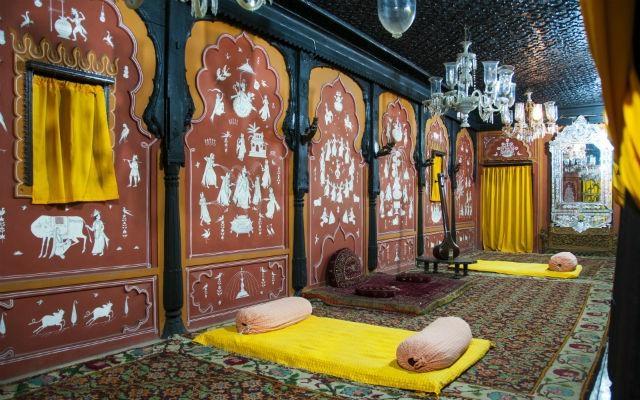
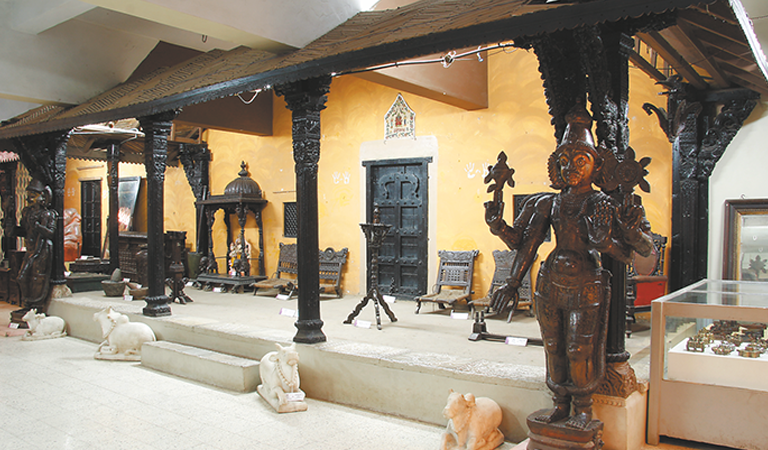
The Mastani Mahal is undoubtedly the museum's most celebrated attraction. This is a reconstructed palace interior originally from Mastani, the beloved second wife of Peshwa Baji Rao I. Dr. Kelkar acquired the building's components and reconstructed them within the museum, creating an immersive experience of 18th-century Maratha aristocratic life. The intricate wood carvings, decorative elements, and architectural details showcase the sophistication of Peshwa-era craftsmanship.
Ornate Doors and Windows
The museum's collection of doors and windows is extraordinary, featuring over 200 examples from different regions and periods. These architectural elements reveal the evolution of Indian design and craftsmanship. Each piece tells a story about the buildings they came from, the artisans who created them, and the cultural contexts that shaped their designs. The carving styles range from geometric patterns to intricate figurative work, demonstrating diverse aesthetic traditions across India.
Lamps and Lanterns Collection
The lighting collection is both functional and beautiful, showing how traditional Indian communities illuminated their spaces before electricity. You'll find brass lamps, oil lanterns, and ceremonial lighting used in temples and homes. These objects demonstrate how practical items could be elevated to art through skilled craftsmanship. The collection includes pieces from different religious traditions, showing both shared elements and distinctive regional variations in ritual lighting.
Musical Instruments
For music lovers, the musical instruments collection is a treasure trove. The museum houses both classical instruments like sitars, sarods, and tablas, and folk instruments from diverse regional traditions. These instruments are not just displayed as objects but contextualized within musical traditions, with information about how they were played and the genres of music they supported. Many are rare examples of instruments that have fallen out of use or changed significantly over time.
Swords and Weapons
The weapons collection includes swords, daggers, shields, and ceremonial armor from different periods and regions. These objects demonstrate both martial traditions and decorative craftsmanship. Many feature intricate inlay work, precious materials, and sophisticated designs that show how weapons could be both functional tools and works of art. The collection provides insights into military history, royal patronage of crafts, and symbolic meanings attached to weaponry.
Textiles and Costumes
The textile collection showcases India's rich tradition of fabric arts, including woven, embroidered, and printed textiles from different regions. You'll see both everyday garments and ceremonial pieces, revealing social hierarchies and cultural practices through clothing. The collection includes sari traditions from different states, regional embroidery styles, and textiles used in religious ceremonies. These fabrics demonstrate the technical sophistication and aesthetic achievements of Indian textile traditions.
Paintings and Art
The painting collection includes miniatures, folk paintings, and religious art from different schools and periods. These works demonstrate diverse artistic styles, techniques, and subject matter across regions. Miniatures show court scenes, mythological narratives, and romantic tales, while folk paintings depict village life, festivals, and local deities. The collection provides an overview of Indian painting traditions and how they evolved over time.
Pottery and Ceramics
The pottery collection shows how different regions developed distinctive ceramic traditions, both for practical use and artistic expression. You'll find storage vessels, cooking pots, decorative ceramics, and ritual objects made from clay. The collection demonstrates how clay was shaped by cultural needs, available materials, and aesthetic preferences across regions. Different firing techniques, glazing methods, and decorative styles are represented.
Timings and Ticket Prices
Planning your visit with accurate timing information helps ensure a smooth and enjoyable experience at Kelkar Museum. The museum maintains consistent operating hours with planned closure days to accommodate maintenance and curatorial work. These timings may occasionally change during festivals, special events, or government holidays, so checking current information before your visit is always advisable.
| Category | Details |
|---|---|
| Opening Hours | 9:30 AM to 5:30 PM (subject to change) |
| Closed Days | Wednesdays and specific public holidays |
| Indian Adult Entry | ₹50-100 (check official rates) |
| Foreign Adult Entry | ₹200-500 (check official rates) |
| Student Concession | Discounted rates with valid ID |
| Camera Fee | Additional charges apply |
| Video Recording | Separate fee, restrictions may apply |
| Duration Needed | 2-3 hours for comprehensive visit |
The ticket counter typically closes 30 minutes before the museum's official closing time, so plan your arrival accordingly. Entry fees are reasonable and contribute to the museum's maintenance and conservation work. Students with valid ID cards receive discounts, making the museum accessible to younger visitors. Group visits can be arranged in advance, and the museum sometimes offers special programs for educational institutions.
Photography policies vary by section, with some areas allowing photography for an additional fee while other sections prohibit it to protect sensitive artifacts. Always check current photography policies at the entrance and follow staff instructions respectfully. Video recording typically requires special permission and additional fees. The museum shop offers books about the collection and traditional crafts, supporting the museum's educational mission.
Best Time to Visit Kelkar Museum
Choosing the right time to visit can significantly enhance your experience at Kelkar Museum. Weekday mornings generally offer the most peaceful visiting conditions, with fewer crowds and better opportunities to spend time with each exhibit at your own pace. If you prefer a contemplative museum experience, Tuesday through Friday mornings are ideal times to plan your visit.
Weather considerations matter, especially since Pune can get quite hot during summer months. October to February offers the most pleasant weather, making it comfortable to enjoy Pune's other attractions as part of a full day itinerary. Winter days are perfect for combining museum visits with outdoor exploration in Pune's pleasant climate. Monsoon season (June to September) brings welcome relief from heat but can make outdoor activities challenging.
School holidays and weekends see increased family visitation, creating a more lively atmosphere but potentially longer wait times at popular exhibits. If you enjoy seeing how families interact with cultural spaces, weekend visits can be rewarding. However, for photography or concentrated study, weekday visits are preferable. Special exhibitions or cultural programs might influence your timing preference, as these events draw additional visitors but offer unique experiences.
| Time Slot | Pros | Considerations |
|---|---|---|
| Weekday Morning | Quiet, good for photography | Less social atmosphere |
| Weekday Afternoon | Some visitors, moderate crowd | Afternoon fatigue possible |
| Weekend | Lively, family-friendly | Crowded, waiting times |
| Winter Months | Pleasant weather | Peak tourist season |
How to Reach Kelkar Museum
The Raja Dinkar Kelkar Museum is centrally located in Pune, making it accessible from various points in the city. Its location in the bustling Shukrawar Peth area places it close to other historical attractions, making it convenient to include in a heritage walking tour of old Pune. Understanding transportation options helps plan efficient travel regardless of your starting point.
From Pune Railway Station, the museum is approximately 3 kilometers away and can be reached by auto-rickshaw or taxi in 15-20 minutes depending on traffic conditions. Local buses also connect the railway station area to the museum neighborhood, though routes and timings vary. From Pune Airport, located about 12 kilometers away, taxi or app-based cab services are the most practical options, typically taking 30-45 minutes depending on traffic.
| From | Mode | Time |
|---|---|---|
| Pune Railway Station | Auto-rickshaw/Taxi | 15-20 minutes |
| Pune Airport | Taxi/App Cab | 30-45 minutes |
| Saras Baug Area | Auto-rickshaw | 10-15 minutes |
| Shaniwar Wada | Walking/Auto | 15-20 minutes |
For visitors already exploring Pune's old city, the museum is within comfortable walking distance of major attractions like Shaniwar Wada and Dagadusheth Ganpati Temple. This proximity makes it easy to create a compact heritage circuit covering multiple significant sites without extensive travel between locations. Auto-rickshaws are the most common and convenient mode for short trips within the city center, and most drivers know the museum location.
If you're driving, parking in the old city area can be challenging during peak hours. Street parking may be available nearby but requires patience and awareness of local parking regulations. Using app-based cabs or auto-rickshaws is often more convenient for visitors unfamiliar with Pune's traffic patterns and parking situation. The museum's central location makes it accessible by public bus routes, though identifying the right bus stop might require local assistance.
Visitor Guidelines & Tips
Making the most of your Kelkar Museum visit requires following basic visitor guidelines and preparing appropriately. Photography policies vary by section, with some areas permitting photography for an additional fee and others prohibiting it entirely to protect light-sensitive artifacts. Always check the current policy at the ticket counter and pay applicable fees before taking photographs. Flash photography is typically prohibited to protect delicate objects.
Behavior guidelines reflect the museum's role as both an educational space and a cultural repository. Maintain appropriate noise levels, especially in sections with religious or ceremonial significance. Refrain from touching artifacts unless specifically permitted by staff members. Children should be supervised to ensure they respect exhibits and maintain appropriate behavior. The museum staff can provide guidance on appropriate conduct.
Food and drinks are not permitted inside the exhibition areas to protect artifacts from damage. Water is generally available at designated areas. Large bags and backpacks may need to be left at the cloakroom or checked at the entrance, so travel light when possible. The museum provides locker facilities for visitors who need to store belongings during their visit.
Basic facilities including restrooms are available on-site. The museum shop offers books about Indian art and culture, along with traditional craft items that make meaningful souvenirs while supporting the museum's educational programs. Guided tours may be available by appointment or during specific times, offering deeper insights into the collection and its history.
Accessibility features are improving, though some older buildings may present challenges for wheelchair users. Contact the museum in advance if you require specific accessibility accommodations. Families with children should prepare by discussing museum etiquette beforehand and planning breaks to maintain engagement. The museum's collection offers rich learning opportunities for children when presented in an age-appropriate way.
Nearby Attractions to Combine
Creating a comprehensive Pune heritage itinerary by combining Kelkar Museum with nearby attractions maximizes your travel efficiency and cultural experience. The museum's location in old Pune places it close to several other significant historical and cultural sites, allowing you to experience multiple facets of Pune's heritage in one day.
Shaniwar Wada, the historic fort palace of the Peshwas, is within walking distance and offers insights into Maratha history and architecture. This magnificent structure was once the seat of the Peshwa rulers and represents 18th-century military and administrative architecture. Combining these two visits gives you perspectives on both royal and everyday life in Maratha-era Pune.
The Dagadusheth Halwai Ganpati Temple, one of Pune's most famous Ganesh temples, is also nearby and offers experience with contemporary religious practice. This active temple contrasts beautifully with the museum's historical artifacts, showing both continuity and change in Pune's cultural traditions. The temple's beautiful architecture and devotional atmosphere provide spiritual context to your cultural exploration.
Saras Baug, a historic garden complex, offers a peaceful break from intensive museum viewing. The garden features temples, walking paths, and green spaces perfect for relaxation. Combining museum visits with garden time helps prevent cultural fatigue and provides physical movement after hours of walking through exhibition spaces. This balance makes for a more enjoyable day.
For a more extensive Pune experience, consider visiting Aga Khan Palace on the same day. This historical monument associated with India's freedom struggle and Mahatma Gandhi's imprisonment offers insights into a different historical period. Though further from the museum than nearby sites, it can be combined in a full-day heritage tour covering multiple aspects of Pune's history.
Planning Your Kelkar Museum Visit
A well-planned visit to Kelkar Museum enhances both learning and enjoyment. Allocate at least 2-3 hours for a comprehensive exploration, though serious art enthusiasts or researchers might want to spend longer. Start by reviewing the museum guide or map to understand the collection layout and identify sections of particular interest. This strategic approach helps you prioritize your time effectively.
Wear comfortable walking shoes as you'll be on your feet for several hours. Old Pune's streets and the museum's multi-floor layout require good footwear. Consider the weather when planning your outfit – light, breathable clothing for summer months and layers for winter. Bring a light jacket or shawl if you tend to feel cold in air-conditioned spaces.
Bring a camera if photography is important to you, but check current policies and pay any applicable fees. Consider carrying a small notebook for sketching or taking written notes about particularly interesting artifacts. For those interested in Indian art history, bringing reference books or downloading information beforehand can enhance the experience.
Plan your route through the museum based on your interests. If textiles are your passion, spend more time in those sections. For music lovers, the instruments collection deserves detailed exploration. Don't feel pressured to see everything thoroughly – quality of engagement matters more than quantity of exhibits viewed. Focus on what genuinely interests you and follow your curiosity.
Conclusion
Raja Dinkar Kelkar Museum Pune represents one man's extraordinary contribution to preserving India's cultural heritage. Dr. Kelkar's passion, dedication, and scholarly approach created a collection that continues to educate and inspire visitors from around the world. The museum's thoughtful curation makes complex cultural traditions accessible while maintaining depth and authenticity.
For anyone interested in Indian art, history, or cultural studies, Kelkar Museum offers an invaluable resource. The collection's breadth and quality provide insights into India's diverse artistic traditions across regions and periods. Beyond its scholarly value, the museum offers meaningful experiences for casual visitors, families, and travelers seeking to understand India's rich cultural heritage.
The museum's location in historic Pune, combined with easy access to other heritage sites, makes it an essential stop in any Pune itinerary. Plan sufficient time to explore the collection thoroughly, follow visitor guidelines respectfully, and engage thoughtfully with the exhibits. The rewards of such an approach include deeper understanding, personal enrichment, and lasting memories of India's remarkable cultural traditions.
Whether you are a serious researcher, an art student, a curious traveler, or a family seeking educational experiences, Raja Dinkar Kelkar Museum has something meaningful to offer. Approach with an open mind and willing spirit, and let Dr. Kelkar's remarkable collection reveal its stories, secrets, and beauty to you.
Location
Frequently Asked Questions
Q1.What are Kelkar Museum Pune timings?
Q2.What is the ticket price for Kelkar Museum?
Q3.What is special about Raja Dinkar Kelkar Museum?
Q4.How many artifacts are in Kelkar Museum?
Q5.What is Mastani Mahal in Kelkar Museum?
Q6.How much time is needed to explore Kelkar Museum?
Q7.Is photography allowed inside Kelkar Museum?
Q8.Is the museum wheelchair accessible?
Recommended For You
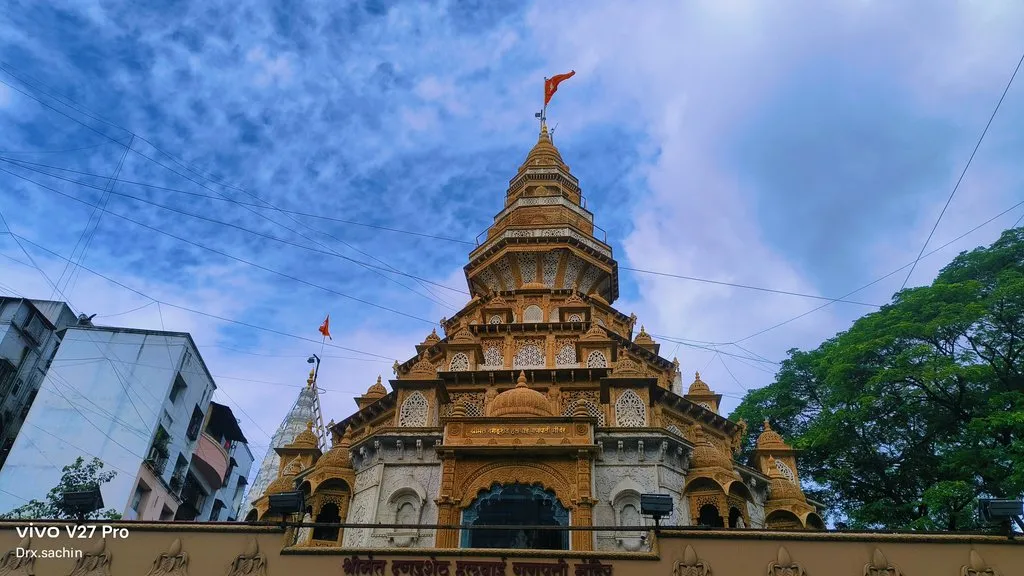
Dagadusheth Halwai Ganpati Temple Pune: Darshan Timings & Festival Details
Plan your visit to Dagadusheth Halwai Ganpati Temple Pune with history, darshan guidance, festival insights, route tips, and nearby attractions.
Dabhadba Food Pune: Menu Highlights, Pricing & Visitor Experience
Complete guide to Pune's dabhadba food culture including essential dishes like pithla bhakri, misal pav, best dabhadbas, and dining tips.
Places to Visit in Pune: Forts, Museums, Cafes & Weekend Spots
Explore top places to visit in Pune including Shaniwar Wada, Aga Khan Palace, temples, museums, gardens, and nearby hill getaways.
Never Miss an Adventure
Get the latest trekking guides, travel tips, and exclusive offers delivered straight to your inbox.
