
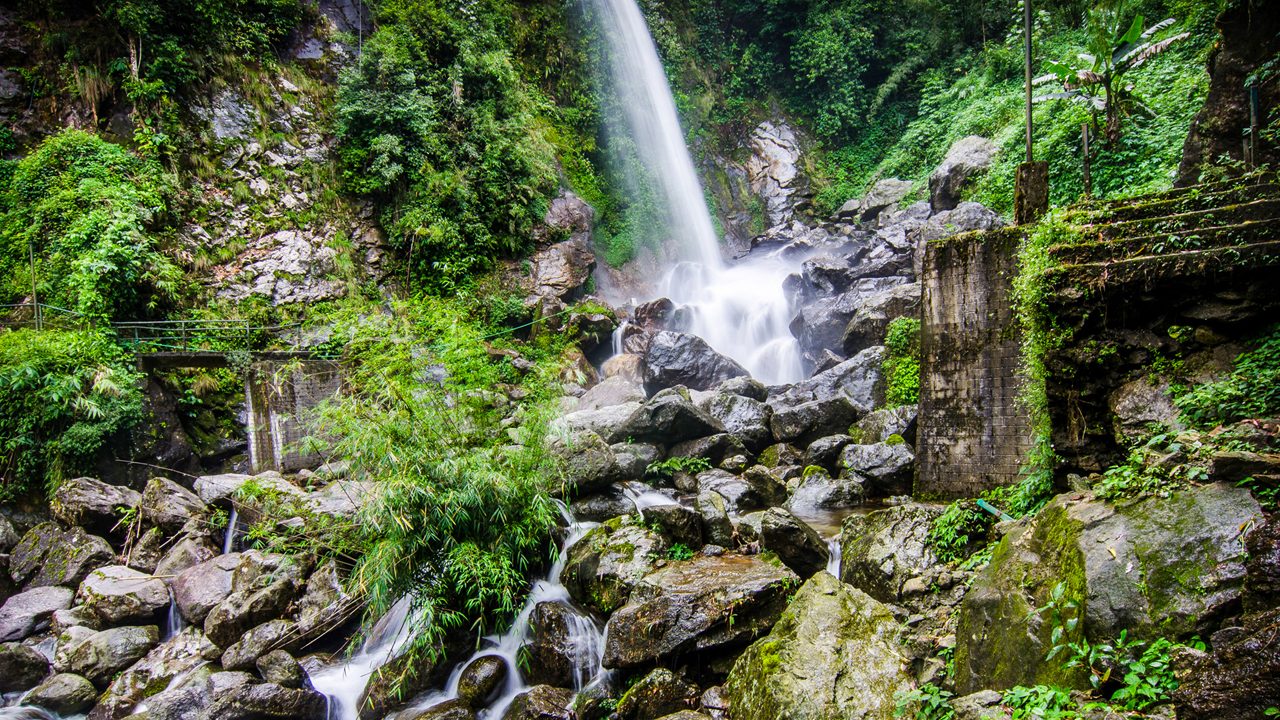
Seven Sisters Falls Meghalaya: Viewpoint, Best Season & Visitor Tips

Ananya Sharma
January 22, 2026
Planning a visit to Seven Sisters Falls Meghalaya? Get timings, best season, how to reach, viewpoints, nearby attractions, and practical travel tips for Sohra.
Introduction: The Seven-Stream Wonder of Sohra
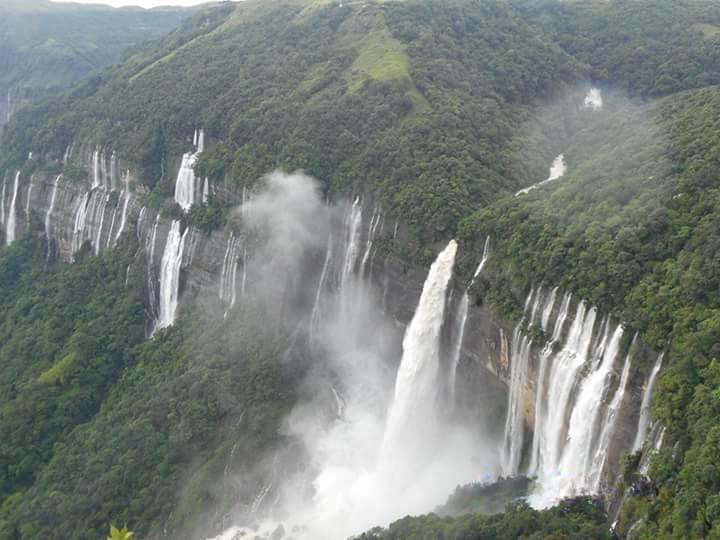
Seven Sisters Falls Meghalaya is one of the most dramatic monsoon landscapes in Northeast India. Located near Sohra (Cherrapunji) in the East Khasi Hills, this segmented waterfall appears like seven silver ribbons dropping down a dark limestone wall into a mist-filled valley. It is also widely known as Nohsngithiang Falls and, in many local conversations, Mawsmai Falls because of its proximity to Mawsmai village.
What makes this waterfall special is not only its height but its character. Unlike a single plunge where all water channels merge, Seven Sisters Falls usually appears as parallel streams. In heavy rain, the lines become thick, loud and forceful. In shoulder months, they become thinner and more delicate, revealing more of the cliff texture behind them. This constant seasonal change is exactly why repeat visitors see a different version of the same place every time.
If you are planning a Meghalaya trip focused on scenic viewpoints, rain-fed waterfalls and short road journeys, this site deserves a top place in your itinerary. In this guide, you will find practical details on best season, how to reach, what to combine nearby, photography strategy, safety notes, and realistic expectations so your visit is smooth.
About Seven Sisters Falls (Nohsngithiang Falls)
Seven Sisters Falls sits on the escarpments of the Khasi Hills, where high rainfall and steep geology create ideal waterfall terrain. Most references place the waterfall at roughly 315 meters in total drop, making it one of the taller waterfalls in India. The view is typically from a roadside or park viewpoint across the valley, rather than from the base, which means you get a broad cinematic perspective of the full cliff and streams.
The name "Seven Sisters" is often linked to both physical and cultural meanings. Physically, visitors commonly see multiple parallel channels, especially in good monsoon flow. Culturally, many travelers and guides connect the seven channels with the Seven Sister states of Northeast India. This interpretation has made the waterfall a symbolic stop for travelers exploring Meghalaya's identity, not just its scenery.
The landscape around the falls is equally impressive. You are looking at a valley system that often opens toward distant plains on clear days, with moving mist layers and sudden light shifts. This is why sunset visits are popular when clouds and sun create golden bands on the cliff face. Even if you have seen many waterfalls in India, Seven Sisters feels distinct because of scale, segmented flow and the weather drama of Sohra.
The Seven Segments Explained
Visitors often ask whether there are always exactly seven visible streams. In practice, visibility changes with rainfall intensity, cloud cover and your exact viewing angle. During peak monsoon, the cliff can look like a continuous multi-channel curtain. In lower-flow weeks, the channels separate clearly and you may count fewer or more visible ribbons depending on mist and distance.
Why does this happen? The top plateau channels rainwater through multiple natural cuts in limestone and weathered rock. Each cut behaves differently based on rain accumulation and runoff timing. That is why one segment may appear thick while another looks faint on the same day. This segmented behavior is part of the charm, and it explains why photos from different months can look like different waterfalls.
For first-time travelers, the best mindset is to treat Seven Sisters Falls as a seasonal natural performance rather than a static monument. Check recent weather in Sohra before visiting, and if possible keep a flexible itinerary with one backup day. In Meghalaya, even a small shift in rain pattern can dramatically improve the waterfall view the next day.
Best Time to Visit Seven Sisters Falls Meghalaya
Monsoon (June to September): This is the signature season. Water volume is strongest, streams are broad, and the valley has that iconic cloudy mood that Meghalaya is known for. If your top priority is seeing the falls at full force, target this window. The trade-off is rain interruptions, slippery surfaces and limited visibility during heavy cloud cover.
Post-monsoon (October to November): For many travelers, this is the sweet spot. Water is still good in many weeks, roads are generally easier, and skies can open up for cleaner photos. You also get lush green slopes from recent rains. If you want balance between comfort and waterfall quality, this is usually the safest recommendation.
Winter (December to February): The flow usually reduces. You may still see channels, but they can look thinner. Winter is good for people who prefer clearer roads, lighter crowds and lower rain risk. If your itinerary includes many outdoor walks and caves, winter logistics are easier, but do not expect peak-water drama.
Summer pre-monsoon (March to May): Conditions vary year to year. Some weeks show moderate flow; others are lean. If you travel in this period, keep expectations realistic and combine the falls with other attractions so the day remains rewarding even if water volume is not high.
Best time of day: Morning to late afternoon is practical for road travel, but many visitors prefer late afternoon for atmospheric light. If sunset colors appear through cloud breaks, the cliff can look spectacular. Always leave buffer time because fog and rain can slow drives around Sohra.
How to Reach Seven Sisters Falls
From Shillong: The route to Sohra is one of Meghalaya's most popular drives. Distance is roughly 55 to 60 km depending on start point, and travel time is typically around 2 to 2.5 hours with weather and traffic variation. Private taxi and self-drive cab are common options.
From Guwahati: Most travelers first reach Shillong, then continue to Sohra. Total travel can take around 5 to 6+ hours depending on road pace and stoppages. If you are arriving in Assam the same day, consider an overnight halt in Shillong to avoid fatigue.
From Sohra town: Seven Sisters Falls viewpoint is a short drive away, often combined with Eco Park and cave visits. Local taxis and day cabs can cover these points efficiently. Distances are short, but weather can still affect timing.
Transport tips: Carry cash for parking, snacks, and small entry points around nearby attractions. Mobile signal can fluctuate, so download offline maps in advance. During rain, start earlier than planned and keep an emergency rain cover in the vehicle.
For a full approach plan and stop suggestions, you can also read our detailed route notes on how to reach Cherrapunji from major gateways.
Viewpoints, Timings, and Typical Visit Duration
Most travelers see Seven Sisters Falls from designated viewpoints rather than trekking close to the base. This makes it accessible for families, couples and older visitors who prefer minimal walking. The experience is visual and atmospheric: wide valley, cliff geometry, rain-cloud movement and changing stream visibility.
Timings: Public viewpoints in the Sohra belt are usually visited during daylight hours. Reported time windows can vary by season and local management. If you are combining Eco Park or ticketed viewpoints, confirm same-day timings locally before you lock your schedule.
Entry fee: There is often no separate fee just to view distant waterfalls from open roadside vantage points, but nearby managed areas may have nominal entry or parking charges. Fee structure can change, so keep flexible cash and avoid rigid assumptions from old listings.
How long to spend: A direct stop may take 30-45 minutes, but if weather and visibility are excellent, most photographers stay longer. If clouds are thick, you might wait 20-30 minutes for a clearer window. Build this buffer into your day.
Accessibility: The attraction is generally easy compared with hiking-based sites in Meghalaya. Still, surfaces can be wet and uneven after rain. Wear shoes with grip and avoid standing near unguarded cliff edges for photos.
Nearby Attractions to Combine in Sohra
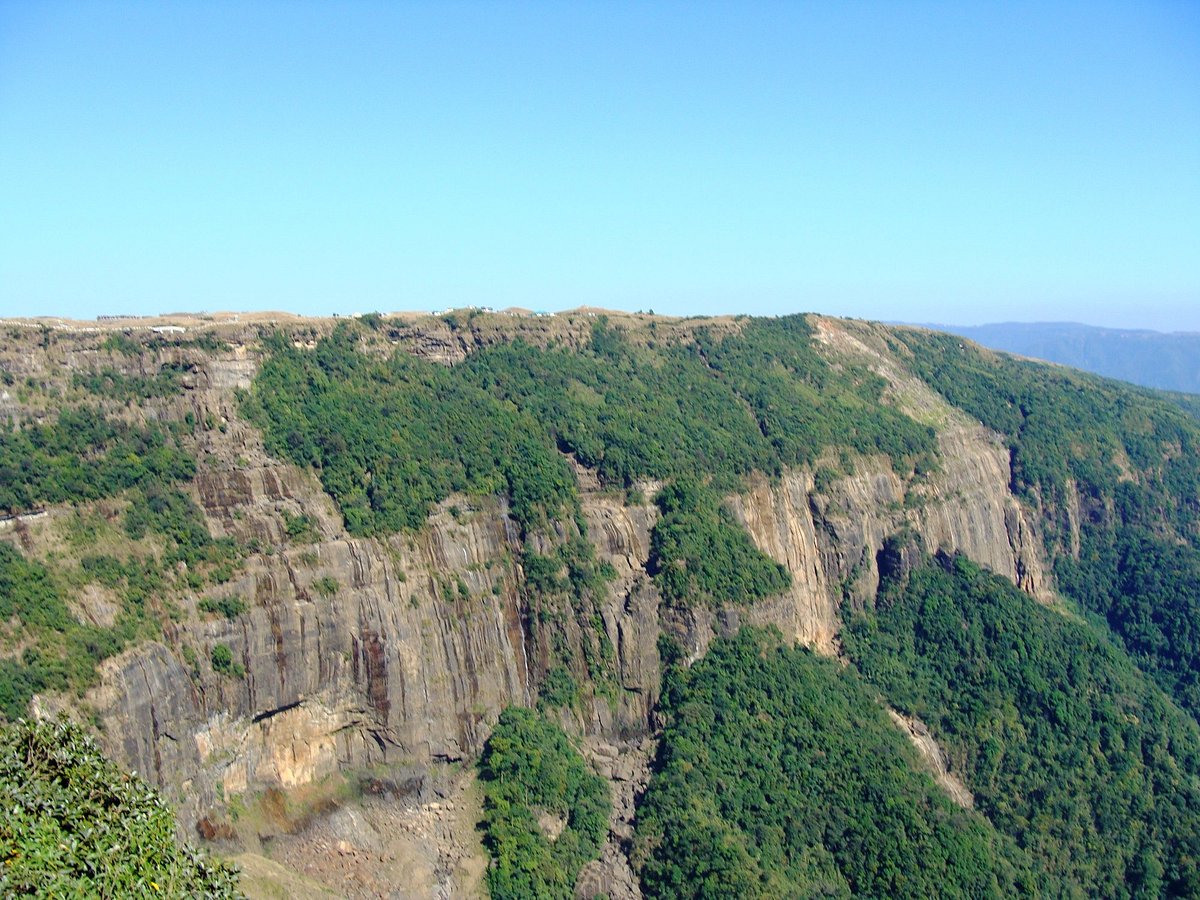
Seven Sisters Falls works best as part of a multi-stop day around Sohra. The region has dense attraction clusters, so you can build a high-value itinerary without long intercity transfers.
- Nohkalikai Falls: One of the most famous waterfalls in the region, known for its deep plunge and viewpoint setup. See our planning guide for Nohkalikai Waterfalls in Cherrapunji.
- Mawsmai Cave: Easy-to-access limestone cave with illuminated passages; a good contrast to open-air viewpoints.
- Eco Park area: Popular for broad canyon views and convenient stopovers near waterfall viewpoints.
- Dainthlen and other falls: Seasonal intensity varies, but they add variety if you enjoy short scenic drives.
- Local food stops: Simple eateries in and around Sohra are practical for tea breaks and early meals before returning to Shillong.
If you are planning a broader circuit, our guides on top places to visit in Cherrapunji and scenic waterfalls across Meghalaya help prioritize stops by season.
Photography Tips for Seven Sisters Falls
Because the waterfall is viewed across a valley, composition strategy matters more than getting physically close. Start with a wide frame to capture all segments and cliff scale, then shoot tighter frames when cloud gaps highlight individual channels.
Best light: Cloud-filtered light is often ideal because harsh sun can flatten texture on wet rock. Late afternoon can produce dramatic tonal contrast, especially when low sun touches one side of the cliff. In monsoon, overcast conditions are common and often look cinematic.
Lens setup: A wide to mid-range zoom works best for flexibility. Wide framing captures the full landscape, while medium focal lengths isolate stream ribbons and mist layers. If you carry a phone only, use 1x for context and 2x for detail shots from the same position.
Stability: Rain and wind can affect sharpness. Keep a microfiber cloth ready, protect your lens from spray, and use stable footing before each shot. If you use a tripod, avoid blocking walkways at crowded viewpoints.
Human scale: Add foreground elements such as railing edges, trees, or people at a distance to show how massive the cliff is. This helps your image tell scale better than a plain waterfall crop.
Safety first: Do not cross barriers for extreme angles. Wet rock and strong gusts near cliff viewpoints are real hazards. A safe photo is always better than a risky one.
Practical Travel Tips and Trust Notes
Information about timings, fees and exact distances can differ across travel portals because local operations change and many pages are not updated quickly. For this reason, verify current details once you arrive in Sohra, especially in monsoon months. Local drivers, hotel desks and official tourism counters are usually the fastest way to confirm same-day conditions.
Carry a light rain jacket, spare socks, and a waterproof cover for electronics. Meghalaya weather can shift from clear to heavy rain in minutes. Keep a simple backup plan: if visibility drops at Seven Sisters Falls, move to cave visits first and return when clouds open later.
Road etiquette matters in hill regions. Avoid rushing, keep buffer time for fog, and do not force overtakes on blind curves. If you are self-driving, start early and avoid late-night intercity transfers in bad weather. Families with children should keep warm layers handy because wind near viewpoints can feel cooler than town areas.
Most importantly, respect local landscapes. Avoid littering, keep plastic to a minimum, and support local vendors responsibly. Meghalaya's waterfall ecosystems are sensitive and seasonal, and responsible travel helps preserve the very beauty visitors come to see.
Conclusion
Seven Sisters Falls Meghalaya is not just another sightseeing stop; it is a weather-shaped experience that reflects everything travelers love about Sohra: dramatic cliffs, monsoon energy, moving clouds and endless green valleys. On the right day, the segmented cascade looks unforgettable. On a cloudy day, the mist itself becomes the attraction. Either way, this destination delivers scale, mood and photographic depth.
Plan with flexibility, pair it with nearby attractions, and prioritize monsoon or post-monsoon if waterfall volume is your main goal. If you want a region-wide plan, use our best time to visit Cherrapunji guide to align weather, routes and stay duration before you finalize bookings.
Location
Frequently Asked Questions
Q1.Where is Seven Sisters Falls located?
Q2.What is the height of Seven Sisters Falls?
Q3.What is the best time to visit Seven Sisters Falls Meghalaya?
Q4.Why is it called Seven Sisters Falls?
Q5.Can we see all seven streams clearly every time?
Q6.Is there an entry fee for Seven Sisters Falls?
Q7.How far is Seven Sisters Falls from Shillong?
Q8.Which attractions can be combined with Seven Sisters Falls in one day?
Recommended For You
Cherrapunji Tourist Places: Top Attractions, Itinerary & Travel Tips
Plan your Cherrapunji trip with top tourist places, route-based itinerary ideas, weather strategy, and practical travel tips. Discover waterfalls, living root bridges, caves, and more in this comprehensive guide.
How to Reach Cherrapunji Meghalaya: Complete Travel Guide 2026
Complete guide on how to reach Cherrapunji Meghalaya - flights, trains, road routes from Guwahati, best time to visit, and travel tips.
Best Time to Visit Cherrapunji: Rainfall, Caves & Waterfall Season
Discover the best time to visit Cherrapunji with season-wise rainfall insights, root bridge and waterfall timing, and practical planning tips for safer Meghalaya travel.
Never Miss an Adventure
Get the latest trekking guides, travel tips, and exclusive offers delivered straight to your inbox.
