
Scenic Waterfalls in Meghalaya: Top Falls, Routes & Best Time
Rohit Verma
November 13, 2025
Explore Meghalaya's stunning waterfalls. Discover Nohkalikai, Wei Sawdong, Seven Sisters Falls & more with travel tips.
Scenic Waterfalls of Meghalaya: The Abode of Clouds' Cascading Treasures
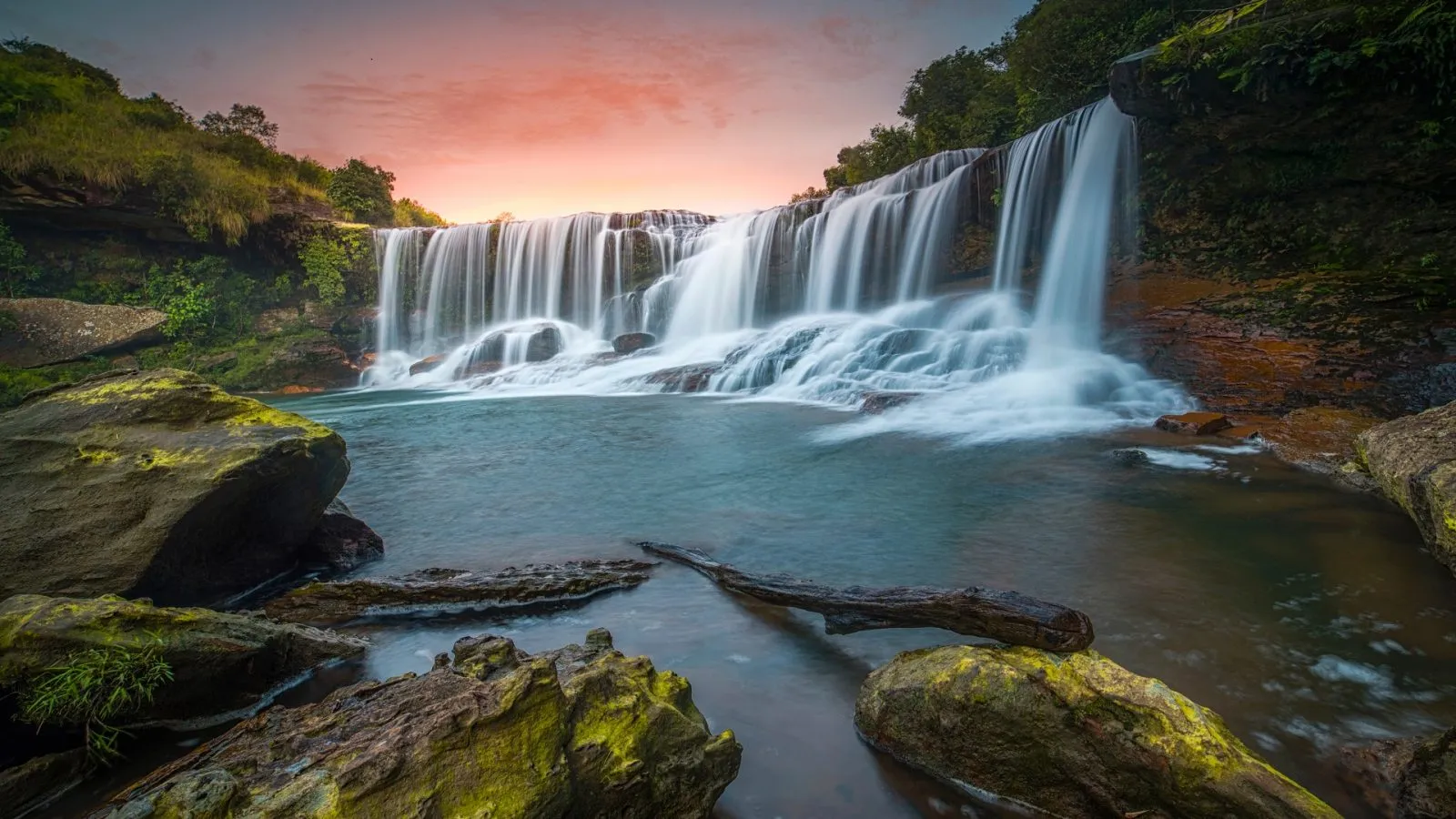
Meghalaya, aptly known as the "Abode of Clouds," is home to some of India's most spectacular waterfalls. This northeastern state, which receives the highest rainfall in the world, creates the perfect conditions for countless waterfalls that cascade through its lush green landscapes. From the mighty Nohkalikai Falls, plunging 340 meters in a single drop, to the tiered turquoise pools of Wei Sawdong, Meghalaya's waterfalls offer experiences that range from awe-inspiring to serene and mystical.
What makes Meghalaya's waterfalls truly special is their diversity and accessibility. While some require moderate trekking through pristine forests, others are easily reachable by road, making this paradise accessible to all types of travelers. The monsoon season transforms these waterfalls into thundering cascades of raw power, while the post-monsoon months reveal their gentler, more picturesque avatars. Whether you're a photography enthusiast, a trekking lover, or simply someone who appreciates nature's grandeur, Meghalaya's waterfalls promise unforgettable experiences.
The state's unique geography, with its plateau landscape, abundant rainfall, and limestone formations, creates ideal conditions for waterfall formation. The Khasi Hills region, particularly around Cherrapunji and Shillong, is dotted with numerous waterfalls, each with its own character and charm. This comprehensive guide will take you through the most spectacular waterfalls of Meghalaya, helping you plan the ultimate waterfall tour of this magical land.
Top 10 Waterfalls of Meghalaya
1. Nohkalikai Falls - The Crown Jewel
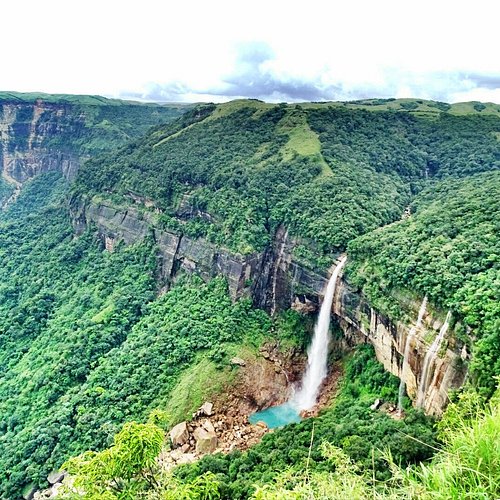
Nohkalikai Falls is not only the tallest plunge waterfall in India but also one of the most visually stunning. Plunging 335 meters in a single, dramatic drop, this waterfall creates a spectacular sight as the water crashes into the turquoise pool below. Located near Cherrapunji, one of the wettest places on Earth, Nohkalikai is at its majestic best during the monsoon when the volume of water creates a thundering roar that can be heard from miles away.
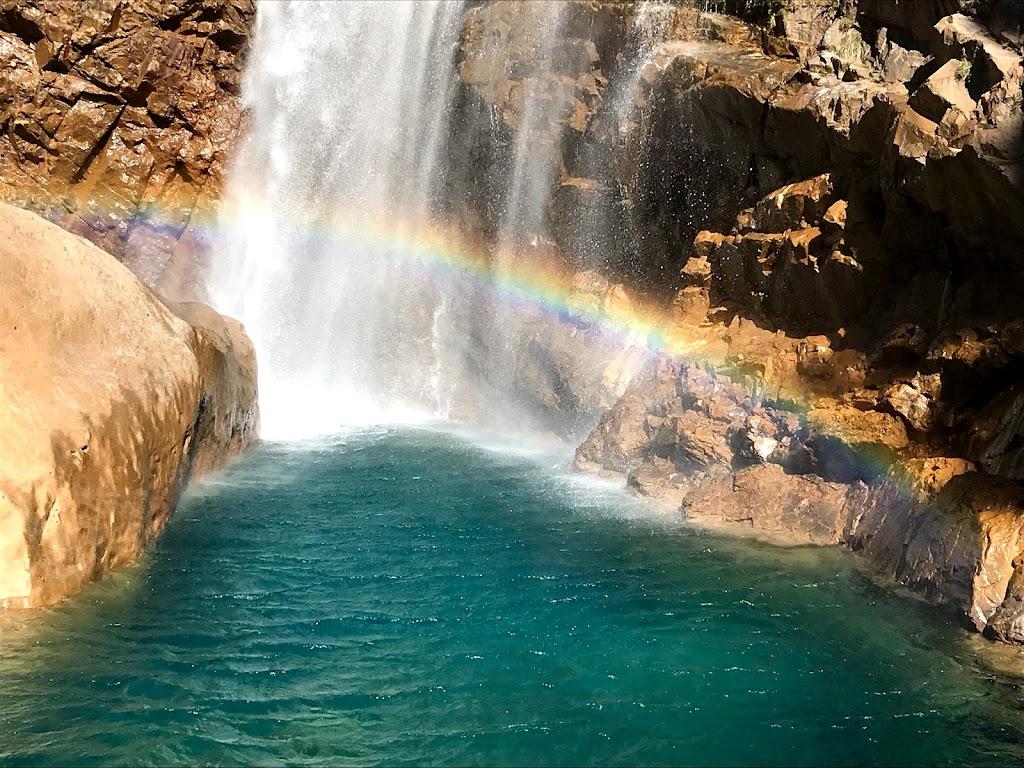
The waterfall has a tragic local legend associated with it, which adds to its mystique. According to folklore, a woman named Likai jumped off the cliff giving the waterfall its name, which means "Jump of Likai." Today, the viewing platform offers visitors a safe vantage point to witness this natural wonder. The mist rising from the plunge pool often creates rainbows on sunny days, adding to the ethereal beauty of the scene.
2. Seven Sisters Falls - Nature's Septet
Located on the road from Cherrapunji to Mawsmai, the Seven Sisters Falls is a spectacular seven-segment waterfall that cascades down the lush green cliffs during the monsoon. The falls get their name from the seven distinct streams that flow side by side, creating a breathtaking sight reminiscent of seven sisters descending the mountains together.
The waterfall is best viewed during the monsoon when all seven streams are in full flow. During the dry season, some of the streams may reduce to trickles or disappear entirely. The surrounding area offers several viewpoints from where you can appreciate the scale and beauty of this natural wonder. The fog and mist that frequently envelop this area add to the mystical atmosphere, making it a photographer's delight.
3. Wei Sawdong Falls - The Tiered Turquoise Pool
Wei Sawdong Falls is perhaps the most unique waterfall in Meghalaya, featuring three tiers of crystal-clear pools that form natural swimming holes. Located around 30 kilometers from Cherrapunji, this waterfall requires a moderate trek to reach, but the effort is handsomely rewarded with one of the most beautiful natural settings in the state. The trek to Wei Sawdong is often compared to other famous trekking experiences in Cherrapunji that take adventurers through stunning landscapes.
The trek to Wei Sawdong takes you through pristine forests and involves some climbing down steep stairs. The first tier features a large pool perfect for swimming, with crystal-clear water that invites visitors to take a dip. The second and third tiers are smaller but equally beautiful, offering increasingly peaceful settings away from the crowds. The water here is remarkably clear, allowing you to see the bottom even in the deeper sections. The surrounding rocks and vegetation create a natural paradise that feels worlds away from civilization.
4. Dainthlen Falls - Where Legends Echo
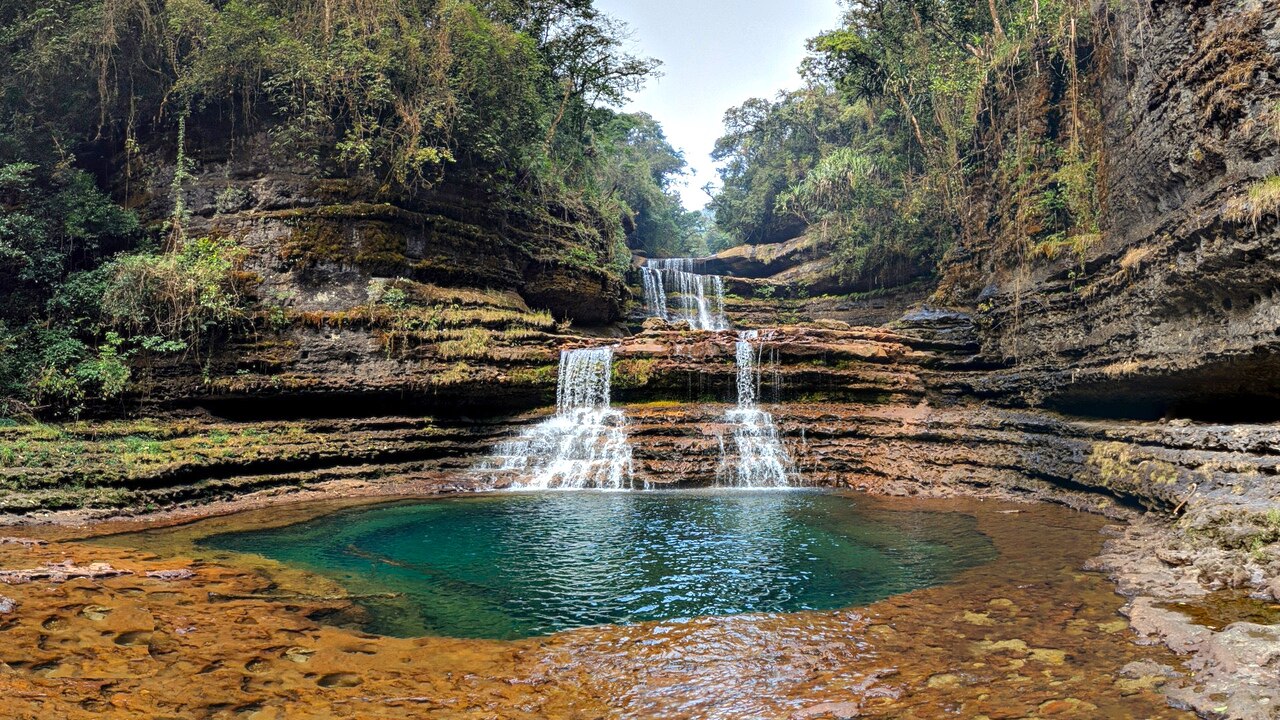
Dainthlen Falls combines natural beauty with historical significance. According to local legends, this waterfall was where the people of the area killed a massive snake (thlen) that had been terrorizing their village. The waterfall and the surrounding area have rock carvings and formations that are believed to be remnants of this ancient legend.
The falls themselves are impressive, cascading down a wide rocky face into a pool below. What makes Dainthlen special is the accessibility and the surrounding landscape. The area around the waterfall has been developed with pathways and viewpoints that allow visitors to appreciate different angles of the falls. The lush green vegetation that surrounds the waterfall adds to its beauty, making it a perfect spot for nature lovers and photographers.
5. Nohsngithiang Falls - The Rainbow Waterfall
Also known as the Seven Sisters Waterfall (different from the previous Seven Sisters Falls), Nohsngithiang is one of the most photogenic waterfalls in Meghalaya. What makes it special is that on sunny days, the sunlight refracting through the water mist creates vibrant rainbows that seem to dance around the cascading water.
The waterfall is actually a series of falls that flow down the rocky cliffs, creating a spectacular display especially during the monsoon. The viewing area provides excellent vantage points for photography, and the rainbows that appear on sunny days make this one of the most photographed waterfalls in the state. The falls are particularly spectacular during sunset when the golden light interacts with the water spray to create magical color displays.
6. Elephant Falls - Shillong's Iconic Cascade
Located just 12 kilometers from Shillong, Elephant Falls is one of the most popular and easily accessible waterfalls in Meghalaya. Named after an elephant-shaped rock that existed at its base (which was destroyed in an earthquake), this waterfall consists of three distinct tiers, each with its own character and beauty. While visiting Shillong, travelers often combine waterfall visits with other attractions in Shillong for a complete experience of Meghalaya's capital.
The first tier is a broad collection of smaller streams that gently cascade down moss-covered rocks. The second tier is more dramatic, with water plunging into a pool below. The third and final tier is the most impressive, where water crashes down with considerable force into a beautiful pool surrounded by lush vegetation. Well-laid steps and pathways connect all three tiers, making it easy for visitors to explore the entire waterfall complex. The area is beautifully maintained and is a must-visit for anyone in Shillong.
7. Bishop Falls - The Elegant Neighbor
Located adjacent to Elephant Falls, Bishop Falls is often overlooked by visitors who focus on its more famous neighbor. However, this elegant waterfall deserves attention in its own right. Tall and slender, Bishop Falls creates a beautiful cascade as water flows down the rocky cliff face.
The falls are particularly impressive during the monsoon when the volume of water increases dramatically. There's a viewing platform that offers excellent views of the falls in their entirety. The surrounding forest adds to the serene atmosphere, making it a great spot for quiet contemplation. If you're visiting Elephant Falls, make sure to include Bishop Falls in your itinerary – it's just a short walk away and offers a different perspective on Meghalaya's waterfall beauty.
8. Sweet Falls - Beauty with a Warning
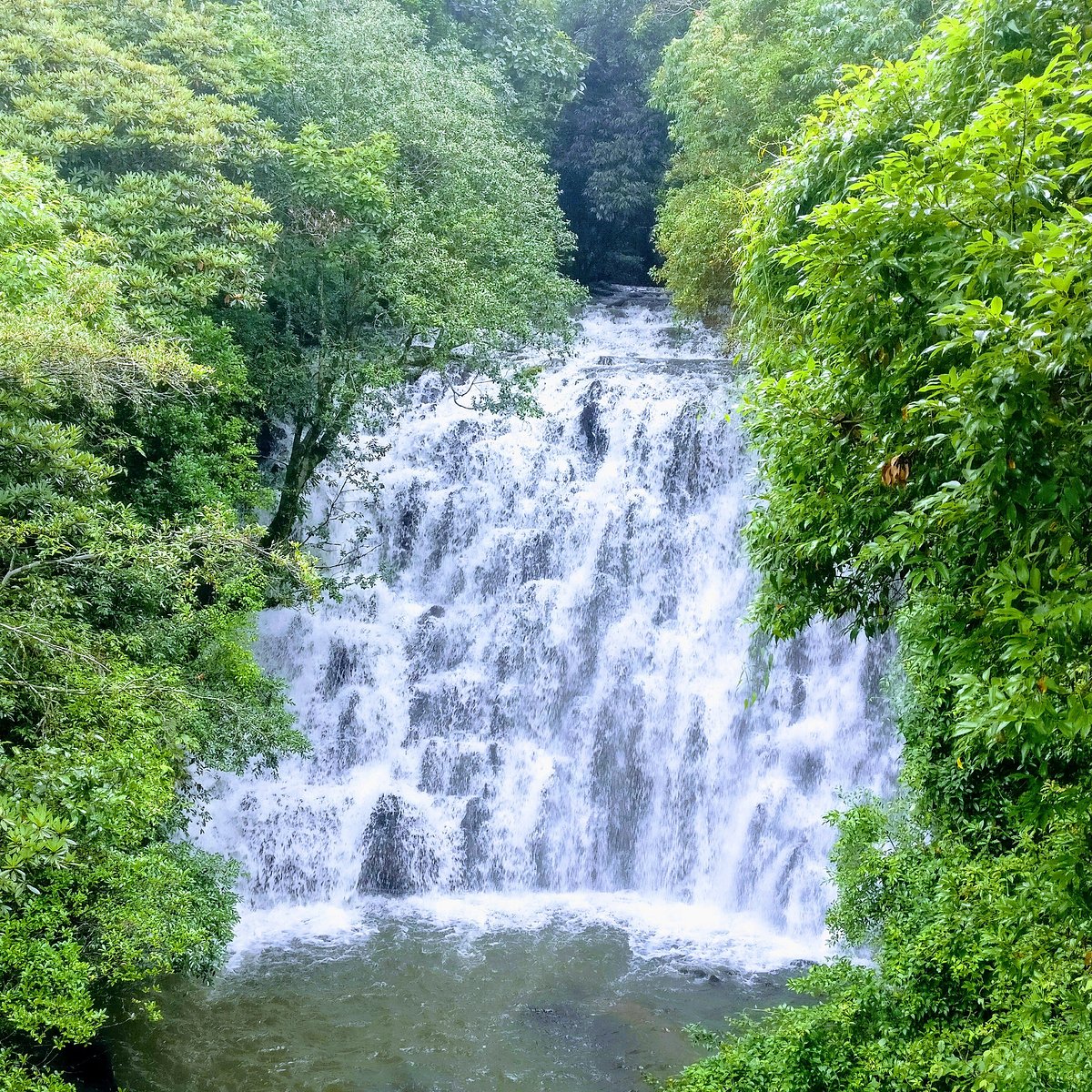
Sweet Falls is often described as the most beautiful waterfall in the Shillong region, and it's hard to argue with that assessment. The waterfall drops from a significant height into a deep pool, creating a spectacular sight. The water flows gracefully down the rock face, surrounded by dense vegetation on both sides.
However, Sweet Falls comes with a warning sign that visitors must heed. The rocks around the waterfall are extremely slippery, and several accidents have occurred here. The viewing area is fenced off for safety, and visitors are strictly advised not to cross the barriers. Enjoy the falls from the designated viewing areas – the view is spectacular from there, and it's not worth risking your safety for a closer look.
9. Spread Eagle Falls - Shillong's Scenic Gem
Spread Eagle Falls, located near Shillong Peak, is a beautiful waterfall that spreads out like the wings of an eagle as it cascades down the rocks. The falls are particularly scenic during the monsoon when the water volume is high, creating a wide curtain of water that lives up to its name.
The area around the falls has been developed as a picnic spot, with seating areas and pathways that allow visitors to appreciate the waterfall from different angles. The surrounding forest is home to numerous bird species, making it a great spot for birdwatching as well. The falls are less crowded than some of the other popular waterfalls around Shillong, making them perfect for those seeking a quieter experience.
10. Langshiang Falls - The Second Highest
Located in the West Khasi Hills district, Langshiang Falls is the second highest waterfall in Meghalaya, plunging approximately 1,100 feet. The waterfall is formed by the convergence of two streams, creating a powerful cascade that is a sight to behold.
Reaching Langshiang Falls requires more effort than some of the other waterfalls, as it's located in a less developed area of Meghalaya. The journey takes you through beautiful countryside and remote villages, offering a glimpse into rural Khasi life. The falls are particularly impressive during the monsoon when the two streams are in full flow, creating a thundering cascade that can be heard from a distance. This is one waterfall that rewards the adventurous traveler who's willing to go off the beaten path.
Cherrapunji Waterfalls Circuit
Cherrapunji (or Sohra) is the epicenter of Meghalaya's waterfall country, with several spectacular falls located in close proximity to each other. Creating a circuit of these waterfalls is the best way to experience them efficiently. Here's how to plan your Cherrapunji waterfall tour:
Nohkalikai Falls
Start your Cherrapunji waterfall circuit with Nohkalikai Falls, the crown jewel of Meghalaya's waterfalls. Located just 5 kilometers from Cherrapunji town, this is the most accessible and most impressive waterfall in the region. Plan to spend about an hour here to appreciate the falls from different viewpoints and capture photographs from various angles.
The main viewing platform is where most visitors head, but don't limit yourself to this spot alone. There are several smaller viewpoints around the area that offer different perspectives of the falls. If you're visiting during the monsoon, be prepared for wet and misty conditions – the spray from the falls can be quite heavy! Early morning visits are recommended as the falls are often covered in clouds by midday, obscuring the view.
Seven Sisters Falls and Dainthlen Falls Route
From Nohkalikai, proceed towards the Seven Sisters Falls and Dainthlen Falls, which are located on the same route towards Mawsmai. The Seven Sisters viewpoint is clearly marked on the main road, and there's ample parking available. Spend about 30-45 minutes here, especially if you're visiting during the monsoon when all seven streams are flowing.
Dainthlen Falls is a short drive further ahead on the same road. The area has been developed with good pathways and multiple viewpoints. Unlike some of the other waterfalls, you can get relatively close to Dainthlen Falls, which makes for great photography opportunities. The historical significance and the rock formations associated with the legend of the thlen (snake) add an interesting cultural dimension to your visit.
Wei Sawdong Falls Trek
Wei Sawdong requires a separate trip as it's not on the same route as the other Cherrapunji waterfalls. The drive to the base point takes about 45 minutes from Cherrapunji town. From the parking area, you'll need to trek for about 30 minutes to reach the falls, including climbing down some steep stairs.
The trek is moderately challenging but manageable for most people with average fitness levels. Wear proper trekking shoes with good grip, as the rocks can be slippery. Carry a change of clothes if you plan to swim in the pools – you will get wet! The best time to visit Wei Sawdong is in the morning when the water is calmest and there are fewer crowds.
Shillong Region Waterfalls
Elephant Falls Complex
Elephant Falls is undoubtedly the most popular waterfall near Shillong, and for good reason. The three-tiered waterfall offers varied experiences at each level, and the well-developed infrastructure makes it accessible to everyone. The first tier, with its gentle cascade over moss-covered rocks, is perfect for those who prefer a relaxed experience. The second tier offers more dramatic views as water plunges into a pool below. The third tier is the most impressive, with a powerful cascade that creates a mesmerizing sight.
The entire complex can be explored in about 1-2 hours, depending on how much time you spend at each tier and how many photographs you take. The pathways are well-maintained, though they involve stairs, so wear comfortable walking shoes. There are small shops near the entrance selling snacks and souvenirs. Visit early in the morning to avoid the crowds that gather later in the day.
Bishop Falls and Other Shillong Waterfalls
Bishop Falls is just a short walk from Elephant Falls and should be combined in a single visit. While Elephant Falls gets most of the attention, Bishop Falls has its own quiet charm. The viewing platform offers excellent views of the entire cascade, and the relative lack of crowds makes it perfect for quiet contemplation.
Sweet Falls and Spread Eagle Falls are located in different directions from Shillong town and should be visited separately if time permits. Sweet Falls requires a drive of about 30 minutes from Shillong, while Spread Eagle Falls is closer to Shillong Peak and can be combined with a visit to the peak itself. Both waterfalls offer different experiences and are worth the drive if you have extra time in Shillong.
Best Time to Visit Meghalaya's Waterfalls
Monsoon (June-September) - Peak Flow
The monsoon season is when Meghalaya's waterfalls are at their spectacular best. Cherrapunji receives some of the highest rainfall in the world during these months, and all the waterfalls thunder down with incredible force and volume. This is the time to see the waterfalls in their full glory, with Nohkalikai creating a thunderous roar that can be heard for miles and the Seven Sisters displaying all seven streams in full flow.
However, monsoon visits come with challenges. The region experiences frequent landslides, which can block roads and make travel difficult. Visibility is often poor due to fog and mist, and trekking to waterfalls like Wei Sawdong can be dangerous due to slippery trails. If you're visiting during the monsoon, keep buffer days in your itinerary, carry rain gear, and stay updated on road conditions.
Post-Monsoon (October-November) - Ideal Weather
October and November are arguably the best months to visit Meghalaya's waterfalls. The monsoon has just ended, so the waterfalls still have impressive flow, but the weather has cleared up significantly. The rains have washed the landscape clean, and the entire region is lush and vibrantly green.
During these months, road conditions are better, trekking trails are safer, and visibility is excellent for photography. The temperatures are pleasant, making outdoor exploration comfortable. This is also the time when the waterfalls are most photogenic – you get the best of both worlds: good water volume and clear weather conditions.
Winter (December-February) - Lower Flow, Easy Access
Winter brings much lower water flow to the waterfalls, but this has its advantages. The reduced water volume makes previously inaccessible areas safe to explore. Some waterfalls that are roaring cascades in the monsoon transform into gentle, serene flows in winter, offering a completely different experience.
The winter weather is pleasant and dry, making it ideal for trekking and outdoor activities. However, some waterfalls may reduce to trickles, and the Seven Sisters Falls might not display all seven streams. If you're visiting in winter, focus on waterfalls like Nohkalikai and Elephant Falls, which maintain good flow year-round, and combine your waterfall visits with other attractions in Meghalaya.
Pre-Monsoon (March-May) - Moderate Flow
The pre-monsoon months offer a balance between winter and monsoon conditions. Water flow is moderate, temperatures are rising but not yet uncomfortable, and the region is preparing for the upcoming rains. This is a good time for visitors who want to avoid the extreme conditions of both winter and monsoon.
The waterfalls are beginning to gain volume as the pre-monsoon showers start, but they're not yet at their peak. The advantage is that trekking trails are dry and safe, roads are in good condition, and there are fewer crowds compared to the peak tourist season.
Trekking and Photography Tips
Trekking Essentials
Trekking to some of Meghalaya's waterfalls, particularly Wei Sawdong and Langshiang Falls, requires preparation. Wear sturdy trekking shoes with excellent grip – the rocks around waterfalls are notoriously slippery, and safety should be your priority. Carry a lightweight rain jacket or poncho regardless of the season – weather in Meghalaya can change quickly, and you don't want to be caught unprepared in a sudden shower.
Start your treks early in the morning to avoid afternoon rain (especially during the monsoon) and to have better lighting for photography. Carry sufficient water and snacks, as there are no facilities once you start the trek. A basic first aid kit is advisable, especially if you're planning remote waterfall visits. Trek with a guide if you're unfamiliar with the terrain – local guides know the safe routes and can enhance your experience with stories and information about the area.
Photography Guidelines
Meghalaya's waterfalls offer incredible photography opportunities, but capturing them well requires some planning. Early morning light is generally best for waterfall photography – the soft, diffused light creates beautiful images without harsh shadows. A tripod is essential for long exposures that create that silky water effect. If you don't have a tripod, look for stable surfaces where you can rest your camera.
A wide-angle lens is perfect for capturing the grandeur of waterfalls like Nohkalikai, while a telephoto lens lets you isolate specific sections and capture details. Be mindful of the mist and spray – water droplets on your lens can ruin photographs. Carry a microfiber cloth to keep your lens dry. During the monsoon, protect your camera gear with rain covers – the humidity and water spray can damage sensitive electronics.
Safety Considerations
Safety should always be your priority when visiting waterfalls. The rocks around waterfalls are extremely slippery, and many accidents occur when visitors try to get too close for that perfect photograph. Always stay on designated pathways and viewing areas. Warning signs are there for a reason – respect them, no matter how tempting it might be to cross barriers for a better view.
Never swim in waterfall pools unless you're absolutely certain it's safe and allowed. Many pools have strong undercurrents that can be fatal. During the monsoon, avoid trekking to remote waterfalls if it's actively raining – leeches are a problem, and trails become treacherous. Always inform someone about your plans if you're visiting remote waterfalls, and consider hiring a guide for unfamiliar locations.
How to Plan Your Waterfall Tour
Recommended Duration
To properly experience Meghalaya's waterfalls, plan for a minimum of 3-4 days. A well-planned itinerary would include 2 nights in Shillong and 1-2 nights in Cherrapunji. Shillong serves as the base for exploring Elephant Falls, Bishop Falls, Sweet Falls, and Spread Eagle Falls. Cherrapunji is the gateway to Nohkalikai, Seven Sisters, Dainthlen, and Wei Sawdong Falls.
Langshiang Falls, being located in a different district, requires additional time and planning. If you want to include it, add one more night to your itinerary and stay in the West Khasi Hills area. Most visitors focus on the Shillong-Cherrapunji circuit, which offers more than enough waterfall experiences to fill 3-4 days.
Day-wise Itinerary
Day 1: Arrive in Shillong and visit Elephant Falls and Bishop Falls in the afternoon. These are close to the city and perfect for a relaxed introduction to Meghalaya's waterfalls. Spend the evening exploring Shillong town.
Day 2: Full day in Cherrapunji. Start with Nohkalikai Falls in the morning, then proceed to Seven Sisters Falls and Dainthlen Falls. Return to Cherrapunji town for the night. If time permits, visit Mawsmai Cave in the evening.
Day 3: Morning trek to Wei Sawdong Falls. Allow 3-4 hours for the trek including travel time from Cherrapunji. Return to Cherrapunji for lunch, then visit additional viewpoints or spend the afternoon relaxing. Drive back to Shillong in the evening or stay another night in Cherrapunji.
Day 4: Visit Sweet Falls and Spread Eagle Falls near Shillong if you missed them earlier, or use this day as a buffer for weather-related delays. Depart from Shillong.
Transportation and Accommodation
Private transportation is highly recommended for a waterfall tour of Meghalaya. Public transport is limited and won't allow you the flexibility to visit waterfalls at your own pace. Hire a car with a knowledgeable driver who knows the area – they can often provide valuable tips about the best viewing times and lesser-known viewpoints.
Cherrapunji has accommodation options ranging from budget guesthouses to mid-range resorts. Book in advance, especially during the monsoon when domestic tourists flock to the area. Shillong, being the state capital, has more options including luxury hotels. Some resorts near Cherrapunji offer waterfall views from their properties – consider these for a special experience.
Packing Essentials
Pack light but smart for your waterfall tour. Quick-dry clothes are ideal as you'll likely get wet at some point. A lightweight rain jacket or poncho is essential regardless of the season. Comfortable trekking shoes with good grip are non-negotiable – don't wear sandals or casual shoes for waterfall visits. Carry a small backpack for water, snacks, and your camera gear.
During the monsoon, add leech socks to your packing list – they're lifesavers when trekking in wet conditions. Sunscreen and sunglasses are necessary even on cloudy days due to UV reflection. A power bank for your phone and extra batteries for your camera are essential – you'll be taking lots of photographs!
Travel Tips for Waterfall Chasers
Before you embark on your Meghalaya waterfall adventure, keep these practical tips in mind for a safe and enjoyable experience. Road conditions in Meghalaya can be challenging, especially during the monsoon when landslides are common. Check road conditions before starting your day's journey, and have a backup plan in case roads are blocked.
Weather in Meghalaya is notoriously unpredictable – it can be sunny one moment and pouring rain the next. Always carry rain gear and dress in layers that you can adjust according to conditions. Start your waterfall visits early in the day – not only is the light better for photography, but you'll also avoid crowds and have a better chance of clear views before the mist rolls in.
Respect local culture and customs when visiting villages near waterfalls. Ask for permission before photographing people or their property. Support local businesses by hiring local guides and purchasing snacks or souvenirs from village shops. Practice eco-friendly tourism – don't litter, and carry your trash back with you.
Most importantly, don't try to cram too many waterfalls into a single day. Each waterfall deserves time to be properly appreciated. Rushing from one waterfall to another not only diminishes your experience but also increases safety risks. Quality over quantity should be your mantra – it's better to deeply experience three waterfalls than to hurriedly visit seven.
Conclusion
Meghalaya's waterfalls are more than just natural attractions – they're experiences that connect you with the raw power and sublime beauty of nature. From the thundering majesty of Nohkalikai to the serene pools of Wei Sawdong, each waterfall offers a unique encounter that stays with you long after you've returned home. The combination of spectacular scenery, challenging treks, and cultural significance makes Meghalaya's waterfalls a comprehensive destination that satisfies adventure seekers, nature lovers, and spiritual travelers alike.
The key to enjoying Meghalaya's waterfall country is proper planning and flexibility. Respect the weather, prioritize safety, and allow yourself the freedom to linger at waterfalls that speak to you. Whether you visit during the dramatic monsoon or the pleasant winter months, the waterfalls of Meghalaya promise experiences that will transform your understanding of nature's grandeur. For travelers planning a broader Northeast India trip, consider exploring other attractions in Meghalaya beyond waterfalls.
As you plan your journey to the Abode of Clouds, remember that the waterfalls are just one part of Meghalaya's incredible natural heritage. Combine your waterfall tour with experiences like living root bridges, cave exploration, and cultural encounters with Khasi communities for a complete understanding of why this region is one of India's most special destinations. The waterfalls will leave you awestruck, but it's the combination of all these experiences that will make your Meghalaya trip truly unforgettable.
Location
Frequently Asked Questions
Q1.Which is the highest waterfall in Meghalaya?
Q2.What is the best time to visit Meghalaya waterfalls?
Q3.How many days are needed for a Meghalaya waterfall tour?
Q4.How do I reach Nohkalikai Falls?
Q5.Are the waterfalls accessible during monsoon?
Q6.Which waterfalls are best for photography?
Q7.Is trekking required to visit Meghalaya waterfalls?
Q8.How many waterfalls are there in Meghalaya?
Recommended For You
Best Time to Visit Meghalaya: Rainfall, Season & Waterfall Views
Understand Meghalaya weather by season with practical month-wise planning tips for waterfalls, root bridges, caving, and safer route timing.
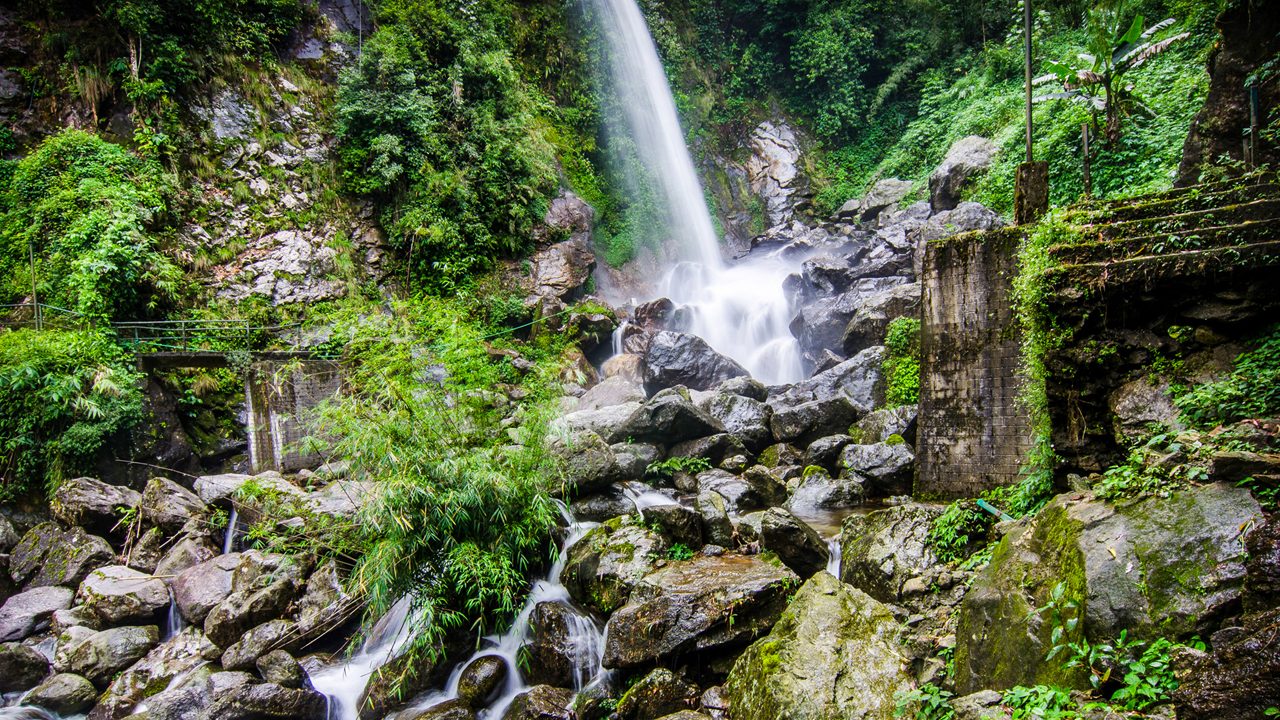
Seven Sisters Falls Meghalaya: Viewpoint, Best Season & Visitor Tips
Planning a visit to Seven Sisters Falls Meghalaya? Get timings, best season, how to reach, viewpoints, nearby attractions, and practical travel tips for Sohra.
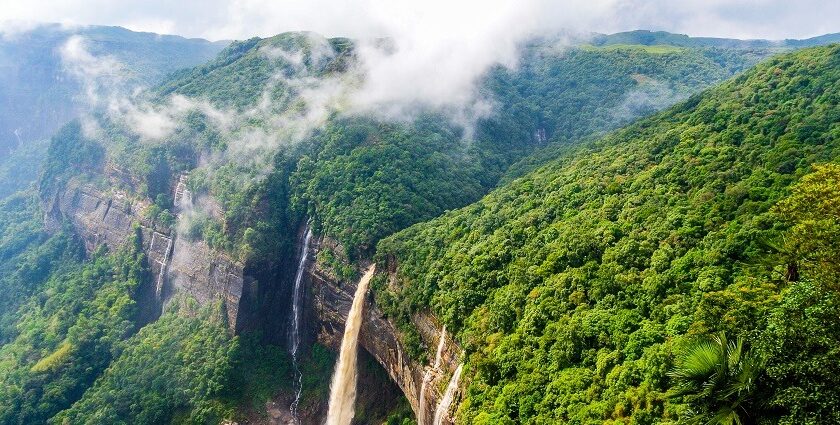
Waterfalls in Cherrapunji: 10 Best Falls with Route Details
Discover the best waterfalls in Cherrapunji including Nohkalikai, Seven Sisters, Wei Sawdong, and Dainthlen with practical route planning and season tips.
Never Miss an Adventure
Get the latest trekking guides, travel tips, and exclusive offers delivered straight to your inbox.
