
Nohkalikai Falls Cherrapunji: Tallest Waterfall, Viewpoint & Timings

Rohan Malhotra
November 17, 2025
Visit Nohkalikai Falls in Cherrapunji, India's tallest plunge waterfall, with height facts, legend, best season, route planning, and nearby attraction tips.
Introduction: India's Tallest Plunge Waterfall in Cherrapunji
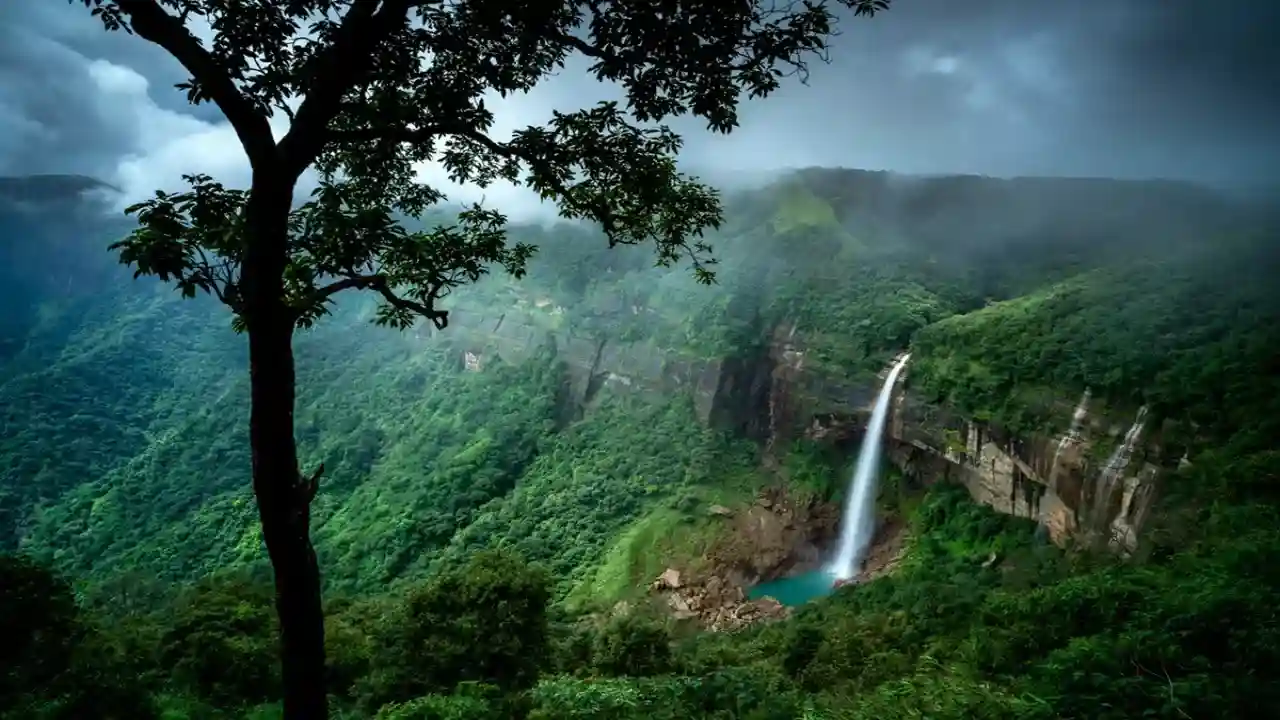
Nohkalikai Falls in Cherrapunji (Sohra), Meghalaya, is widely known as the tallest plunge waterfall in India, dropping dramatically from a high cliff into a deep emerald pool below. For many travelers, this is not just another viewpoint stop. It combines scale, cloud-forest atmosphere, and one of Meghalaya's most powerful local legends. The falls are among the biggest reasons people plan a Meghalaya road trip from Shillong to Sohra, especially during monsoon and post-monsoon months when flow and mist create a dramatic landscape.
The experience is relatively easy to access compared with deeper trek-only destinations in the state, which makes Nohkalikai ideal for families, photographers, and first-time Northeast travelers. At the same time, weather shifts quickly in this region, and visibility can change by the hour. This guide covers height facts, cultural legend, best time to visit, viewpoints, nearby attractions, and practical route planning so you can plan realistically and enjoy the site safely.

Nohkalikai Falls Height and Key Facts
Nohkalikai is usually listed at around 340 meters (about 1,115 feet) in height, making it India's tallest plunge waterfall. The term plunge is important here: the water drops steeply with limited intermediate steps, creating a direct and visually striking fall line. The basin at the bottom often appears turquoise or deep green depending on season, sunlight, and sediment conditions.
| Specification | Nohkalikai Falls Snapshot |
|---|---|
| Location | Sohra (Cherrapunji), East Khasi Hills, Meghalaya |
| Height | Approx. 340 m / 1,115 ft |
| Waterfall Type | Plunge waterfall |
| Best Visual Season | Monsoon and post-monsoon periods |
| Primary Access | Road approach from Shillong to Sohra belt |
| Typical Visit Duration | 45 minutes to 2 hours |
Because this is a rain-fed high-precipitation region, waterfall volume changes with seasonal rainfall intensity. On clear post-rain days, the contrast between cliff face, falling water, and pool color is especially photogenic.
The Tragic Legend of Ka Likai
The name Nohkalikai is linked to one of Meghalaya's most famous oral legends. In Khasi storytelling tradition, the word is interpreted as the jump (noh) of Likai. The story describes Ka Likai, a woman who suffered a personal tragedy and, in grief, leapt from the cliff. Variations of the story exist, but the core emotional theme is loss and sorrow. Whether heard as folklore, social memory, or cautionary tale, the legend is deeply embedded in local narrative identity.
Visitors should approach this story with respect. It is often repeated in tourism content because it is unforgettable, but local oral histories are not entertainment props. When guides share the legend, it helps to listen as part of cultural context rather than just a dramatic travel anecdote.
The coexistence of immense natural beauty and a sorrowful human story is one reason Nohkalikai stays with travelers long after the trip. It is a place where geology, climate, and cultural memory intersect.
Best Time to Visit Nohkalikai Falls
There is no single perfect month for every travel style. The best time depends on whether your priority is peak flow, clear visibility, easier roads, or lower weather risk.
Monsoon (June to September)
This is when Nohkalikai often appears most powerful. Mist, thunderous flow, and saturated greenery create the classic dramatic look. However, heavy rain can reduce long-distance visibility and make road movement slower. Carry rain protection and keep flexible timing.
Post-monsoon (October to November)
For many travelers, this is the most balanced period: strong residual flow plus better visibility windows. Landscapes remain lush, but travel logistics are generally more manageable than peak monsoon weeks.
Winter to early summer (December to April)
Skies can be clearer and travel easier, but water volume may be lower in some stretches. This period suits travelers who prefer comfort, cleaner road conditions, and broader Meghalaya circuits in one trip.
| Season | Experience | Recommendation |
|---|---|---|
| June-September | Peak drama, heavy rain, variable visibility | Great for monsoon lovers with flexible plans |
| October-November | Strong flow + better clarity | Best overall balance |
| December-April | Clearer weather, moderate-to-lower flow | Good for comfortable multi-stop trips |
For weather-sensitive planning, combine this guide with best time to visit Cherrapunji and how to reach Cherrapunji.

Viewpoints and On-Ground Experience
Nohkalikai is primarily experienced from designated viewing areas near road access points. Unlike deep trekking waterfalls, the key appeal here is high-impact viewing with relatively short approach effort. On clear days, you can see the full drop line and basin color; on mist-heavy days, the falls may appear and disappear within minutes, which itself becomes part of the experience.
What to expect at the viewpoint
- Open cliff-facing panorama with railings/barriers in viewing sections.
- Short walking movement from parking and local approach zone.
- Basic vendor and utility presence depending on season/day.
- Rapid weather changes: sun, mist, and drizzle can alternate quickly.
If your itinerary allows, visit once in the morning and again in late afternoon for different light behavior. Morning can offer softer directional light, while post-rain afternoon can enhance water contrast.
Photography tips
- Carry lens cloths: mist and drizzle quickly affect clarity.
- Use both wide and mid-zoom frames to capture scale and drop line.
- Include cliff edge/foreground for depth instead of only centered waterfall shots.
- In monsoon, protect gear with rain sleeves and dry pouches.
- Avoid risky edge positions; safety barriers exist for a reason.
How to Reach Nohkalikai Falls
Nohkalikai is usually visited from Shillong via Sohra road. The route is one of Meghalaya's most popular drives, with multiple viewpoints and attractions that can be grouped into a full-day or two-day circuit.
| Access Stage | Typical Option | Practical Note |
|---|---|---|
| State entry | Fly to Guwahati or Shillong routes | Most travelers connect onward by road |
| Shillong to Sohra | Private taxi/self-drive/shared transport | Road quality is generally workable but weather-sensitive |
| Sohra to viewpoint | Local road transfer + short walk | Keep buffer for parking and crowd windows |
If you are building a broader route, use how to reach Meghalaya for state-level planning and places to visit in Meghalaya for itinerary sequencing.
Nearby Attractions You Can Combine in One Day
Nohkalikai is best paired with other Sohra-area highlights. Choose 2 to 3 quality stops instead of overpacking. Weather, road pace, and crowd windows matter more than checklist volume.
- Waterfalls Cherrapunji circuit: multiple rain-fed falls in the region. See waterfalls in Cherrapunji.
- Seven Sisters and nearby falls zones: good for panoramic monsoon views.
- Mawsmai and cave/eco routes: suitable for mixed nature activity.
- Dawki extension (separate day preferred): if you want river experience after Sohra. See places to visit in Dawki.
- Trekking add-on: for physically active travelers, include Double Decker Living Root Bridge on a separate plan day.
- Krang Suri extension: for waterfall-focused Meghalaya trips, check Krang Suri Falls Meghalaya.

Sample One-Day Sohra Waterfall Plan
- Early departure from Shillong.
- First stop: Nohkalikai viewpoint before peak crowd cluster.
- Second stop: one nearby waterfall or cave attraction.
- Lunch break in Sohra town belt.
- Third stop: weather-dependent scenic point.
- Return before late-evening rain/fog intensification.
This format balances photography, comfort, and safety without rushing.
Safety and Travel Tips
- Do not cross barriers for photos, especially in rain and high wind.
- Wear shoes with grip; surfaces can get slippery quickly.
- Carry waterproof outerwear year-round in Meghalaya.
- Keep at least one flexible hour in your itinerary.
- Avoid relying only on mobile network in weather-affected stretches.
- Travel during daylight for hill roads where possible.
Nohkalikai is generally safe for visitors when standard mountain-weather caution is followed.

Quick Practical Checklist Before Visiting
Because Sohra weather changes fast, a small pre-departure checklist makes a big difference to your waterfall experience. Confirm rain forecast in the morning, carry waterproof layers even in non-monsoon months, and keep footwear with good grip for wet viewing zones. If you are traveling with elders or children, avoid overstacking nearby attractions and prioritize one major waterfall plus one secondary stop.
- Start early from Shillong to avoid late-weather uncertainty.
- Carry cash backup for local transport and small stalls.
- Keep phone and camera in waterproof pouches.
- Respect safety barriers and avoid risky edge angles for photos.
- Leave a route update with your accommodation before departure.
Common Mistakes to Avoid at Nohkalikai
- Planning too many distant stops in one day and rushing the core waterfall visit.
- Ignoring visibility conditions and expecting full views in heavy fog windows.
- Relying only on one fixed slot without any weather buffer.
- Treating the legend as a photo caption instead of cultural context.
- Walking on slippery edges to get extreme-angle shots.
Nohkalikai rewards patience. Wait for shifting cloud windows, observe the basin color changes, and spend time listening to the sound profile of the fall. A slower visit usually gives better memories than a rushed checklist stop.
If weather allows, stay a little longer at the viewpoint after your first photo set. Conditions often shift quickly, and a second viewing window can reveal clearer cliff lines and stronger contrast than your initial arrival.
Conclusion
Nohkalikai Falls is one of India's most powerful waterfall experiences, not only because of height but because of atmosphere, story, and landscape context. Whether you visit in monsoon drama or clearer post-rain windows, the key is realistic planning: monitor weather, keep route flexibility, and combine nearby attractions thoughtfully. With that approach, Nohkalikai becomes more than a quick viewpoint stop; it becomes a highlight of your Meghalaya journey.
Location
Frequently Asked Questions
Q1.What is the height of Nohkalikai Falls?
Q2.What is the story behind Nohkalikai Falls?
Q3.What is the best time to visit Nohkalikai Falls?
Q4.How do I reach Nohkalikai Falls from Shillong?
Q5.How long does it take to explore Nohkalikai Falls?
Q6.Is Cherrapunji worth visiting for waterfalls?
Q7.Are there nearby attractions around Nohkalikai Falls?
Q8.Is it safe to visit Nohkalikai during monsoon?
Recommended For You
How to Reach Cherrapunji Meghalaya: Complete Travel Guide 2026
Complete guide on how to reach Cherrapunji Meghalaya - flights, trains, road routes from Guwahati, best time to visit, and travel tips.
Best Time to Visit Cherrapunji: Rainfall, Caves & Waterfall Season
Discover the best time to visit Cherrapunji with season-wise rainfall insights, root bridge and waterfall timing, and practical planning tips for safer Meghalaya travel.
Waterfalls in Cherrapunji: 10 Best Falls with Route Details
Discover the best waterfalls in Cherrapunji including Nohkalikai, Seven Sisters, Wei Sawdong, and Dainthlen with practical route planning and season tips.
Never Miss an Adventure
Get the latest trekking guides, travel tips, and exclusive offers delivered straight to your inbox.
