
Shivanasamudra Falls Karnataka: Route, Best Time & Viewpoints

Rohan Malhotra
February 19, 2026
Complete Shivsamudram Falls guide with Gagana Chukki, Bhara Chukki, coracle rides, best time to visit, timings, and travel tips for Karnataka's historic waterfall.
Introduction to Shivsamudram Falls
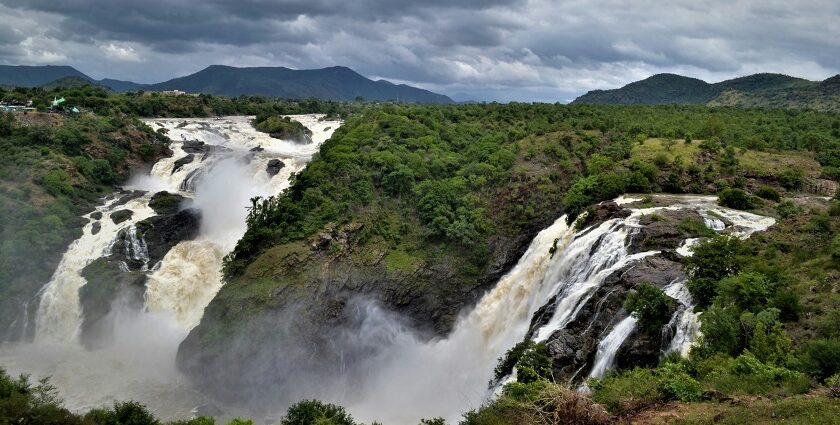
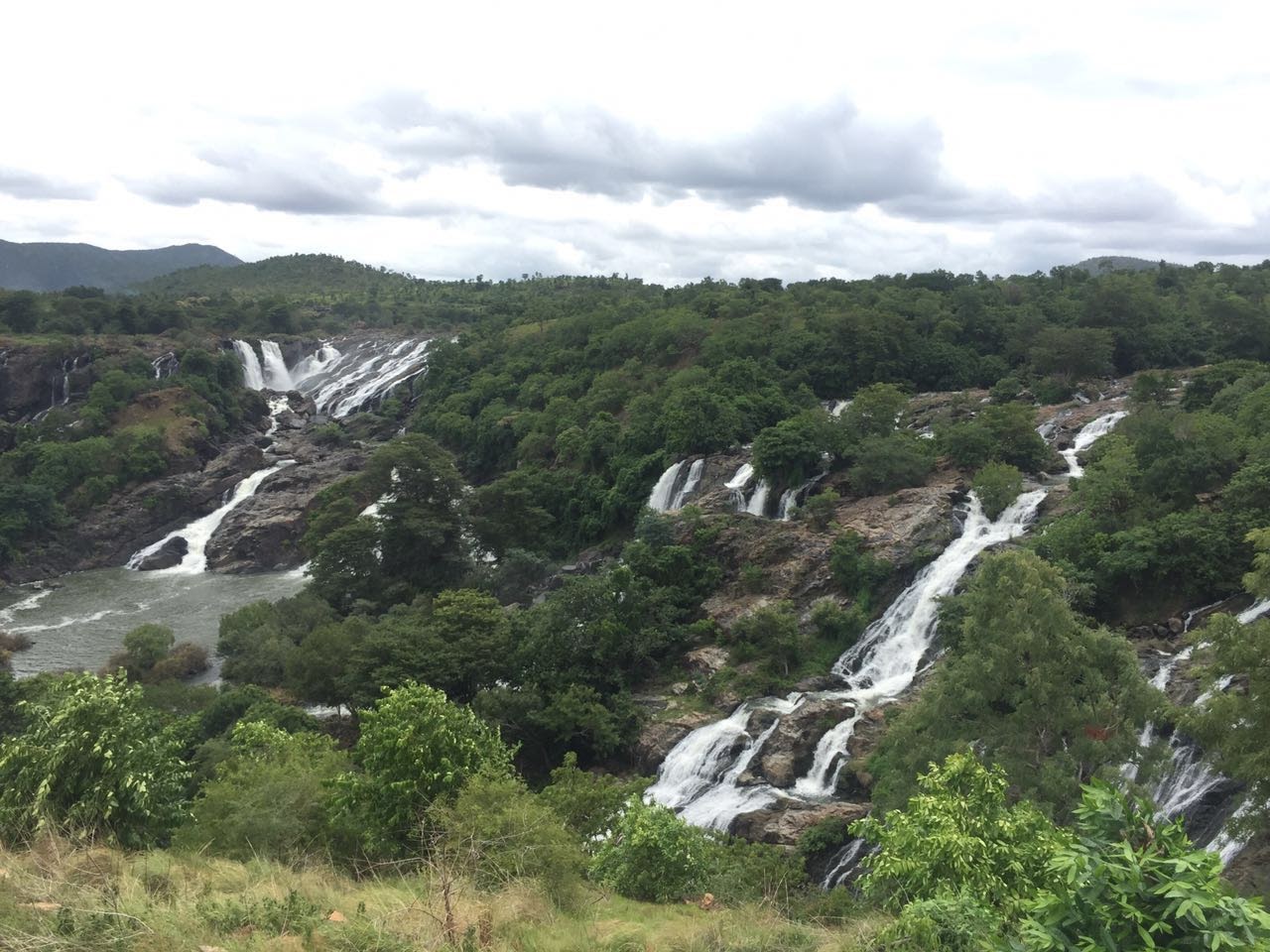
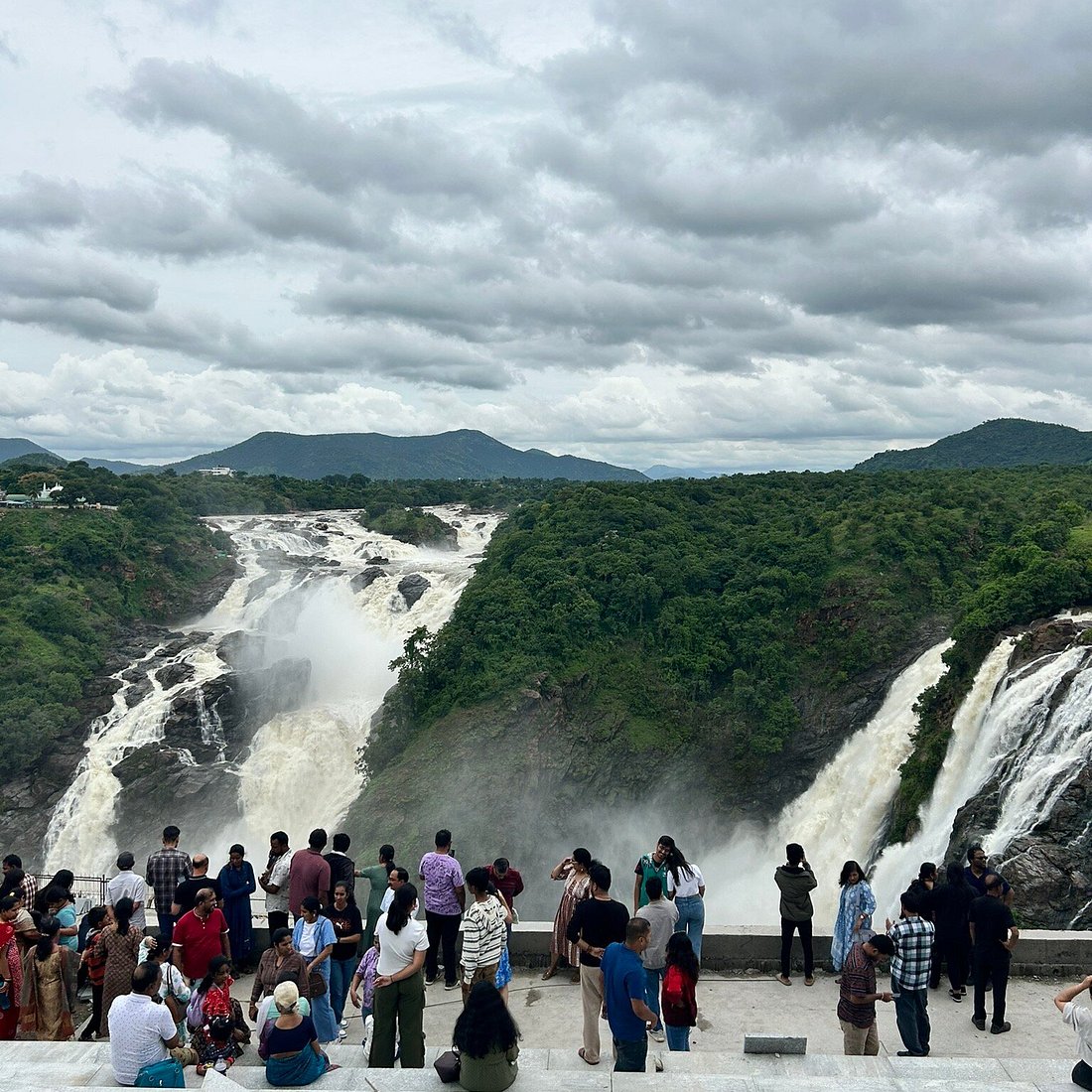
Shivsamudram Falls, located in the Mandya district of Karnataka, is a magnificent waterfall on the Kaveri River and home to Asia's first hydroelectric power project. For those exploring Karnataka's diverse attractions, this historic waterfall is a must-visit destination. What makes Shivsamudram special is its unique island formation - the river splits around two rocky islands before cascading down, creating what appears as four distinct waterfalls. These falls, named Gagana Chukki, Bhara Chukki, and the island between them, create a spectacular natural amphitheater of cascading water.
The falls drop approximately 98 meters, and while that might not sound dramatic compared to Jog Falls in Karnataka, the width and volume of water make Shivsamudram impressive. The river divides around Shivsamudram (Shiva's Sea) Island, with the eastern branch forming Gagana Chukki (Sky Falls) and the western branch forming Bhara Chukki (Heavy Falls). This unique geology creates different viewing experiences and makes Shivsamudram one of Karnataka's most popular tourist destinations.
Beyond natural beauty, Shivsamudram holds historical importance as the site of India's first hydroelectric power station, established in 1902. This combination of natural wonder and engineering achievement, along with relatively easy accessibility from Bangalore, makes Shivsamudram a perfect day-trip destination offering something for everyone - nature lovers, history enthusiasts, photographers, and families.
The Waterfall Sections
Shivsamudram's unique island formation divides the falls into distinct sections, each offering different experiences and photographic opportunities.
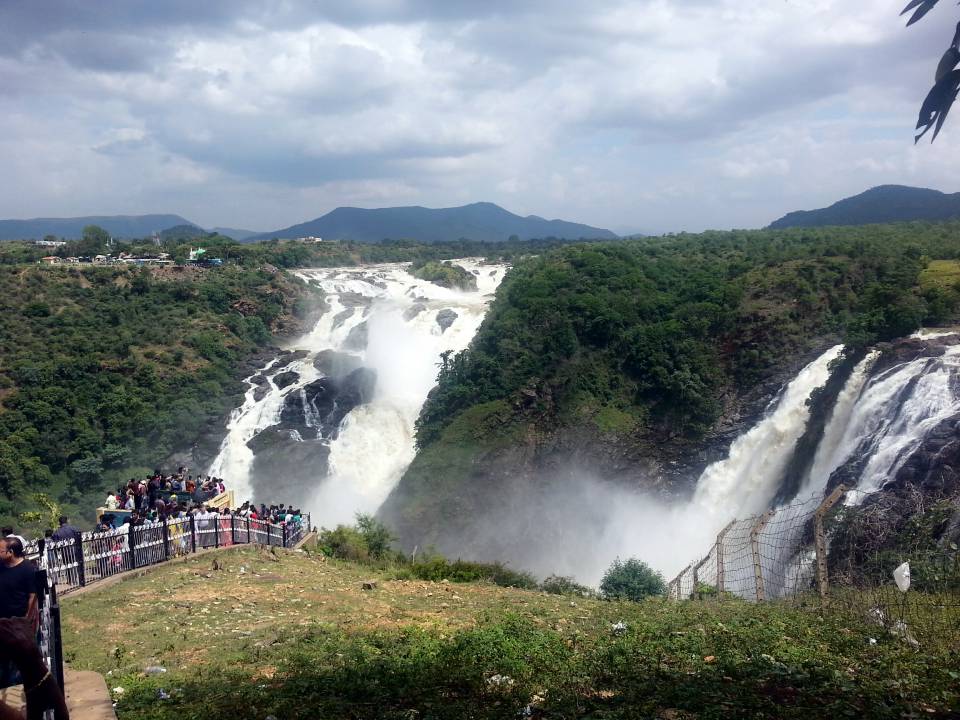
Gagana Chukki (Sky Falls): The eastern cascade is wider and creates a spectacular fan-shaped waterfall. During monsoon, Gagana Chukki becomes a massive sheet of water stretching across a wide expanse. The viewing platform here offers excellent views and is the most popular spot for photography. The falls create a broad plunge pool that's particularly impressive during high flow.
Bhara Chukki (Heavy Falls): The western cascade is narrower but carries more water volume, creating powerful, concentrated flow. Bhara Chukki is less developed than Gagana Chukki and offers a more natural, less crowded experience. The rock formations around these falls are interesting, with numerous channels and pools created by centuries of water flow.
Shivsamudram Island: The rocky island that divides the river offers another perspective. While access to the island is restricted for safety, you can see it from both viewing points. The island is covered with vegetation and provides a beautiful contrast to the white water flowing around it.
Dabsha Falls: A smaller cascade located nearby, often overshadowed by the main falls but worth visiting for those wanting a more intimate experience. Dabsha Falls is less crowded and offers good photography opportunities, especially during monsoon when it's in full flow.
Historic Hydroelectric Project
Shivsamudram holds a special place in India's industrial history as the site of Asia's first hydroelectric power station. Established in 1902 by the Mysore Maharaja, this project was revolutionary for its time and marked the beginning of hydroelectric power in India.
The power station was designed by Dewan Sheshadri Iyer and built by the Mysore government. The electricity generated here initially powered the Kolar Gold Fields, about 150 kilometers away - a remarkable engineering achievement for the early 1900s. The project was so successful that it became a model for other hydroelectric projects in India.
While the original power station is no longer operational, newer facilities continue to generate electricity in the area. The old power station's ruins can still be seen, and information boards explain the project's history. This combination of natural beauty and industrial heritage makes Shivsamudram unique among Indian waterfalls.
Best Time to Visit
Understanding seasonal variations helps in planning the perfect Shivsamudram visit.
Monsoon (July-September): The falls are at their most spectacular during monsoon. The Kaveri River swells with rainwater, creating massive cascades at both Gagana Chukki and Bhara Chukki. This is peak season, with the falls looking like miniature Niagaras. Be prepared for rain and slippery conditions. The mist created by the falls is particularly dramatic during monsoon.
Post-Monsoon (October-November): This period offers excellent conditions - the falls still have impressive flow, but the weather has cleared. The sunlight on the falling water creates beautiful effects, and photography conditions are ideal. The surrounding landscape is lush green from recent rains.
Winter (December-February): Water flow reduces, revealing more rock formations and creating different photographic opportunities. Winter offers pleasant weather for exploration. While less dramatic than monsoon, the falls have a graceful, controlled flow that many find equally beautiful.
Summer (March-May): Water levels are lowest in summer. You can walk on riverbed rocks that are submerged during other seasons. While the falls themselves might be underwhelming, summer offers unique exploration opportunities and fewer crowds. This is the best time for seeing the falls' geology and rock formations.
How to Reach Shivsamudram
Shivsamudram is easily accessible from Bangalore, making it a popular day-trip destination. For waterfall enthusiasts, another spectacular destination to explore is Hogenakkal Falls on the Kaveri River.
From Bangalore: Shivsamudram is approximately 135 kilometers from Bangalore, a 3-4 hour drive depending on traffic and road conditions. The route goes via Maddur, Mandya, and Malavalli. The roads are generally good, and the drive through the Karnataka countryside is scenic. KSRTC and private buses run from Bangalore to Shivsamudram, especially on weekends.
From Mysore: About 80 kilometers away, approximately 2 hours by road. Many visitors combine Shivsamudram with Mysore palace visits. Regular buses connect Mysore to Shivsamudram.
From Mandya: The district headquarters is about 60 kilometers away, approximately 1.5 hours by road. Mandya is well-connected by rail, making it a convenient access point.
By Rail: The nearest railway station is Mandya (60km away). Mandya has good connections to Bangalore and Mysore. From the station, taxis and buses are available for the onward journey to Shivsamudram.
Things to Do at Shivsamudram
Waterfall Viewing
The main attraction is, of course, viewing the falls themselves. Both Gagana Chukki and Bhara Chukki have viewing platforms offering excellent views. Spend time at both - each offers different perspectives and photographic opportunities. The platforms can get crowded on weekends, so visit early or on weekdays for a more peaceful experience.
Coracle Rides
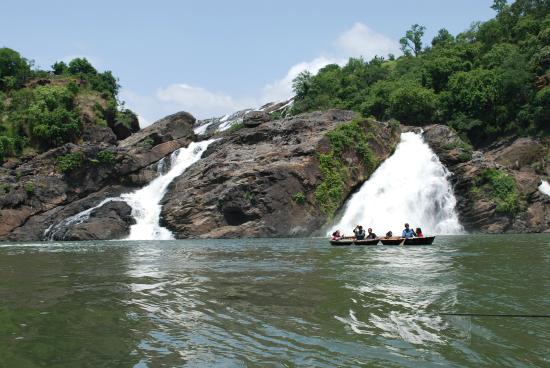
Traditional round coracle boats offer rides in the Kaveri River near the falls. These rides provide close-up views of the cascades and offer thrilling experiences. The boatmen navigate the coracles close to the falls (but at safe distance), giving you a sense of the water's power. Coracle rides typically cost ₹200-500 per person depending on duration.
River Walking (Summer Only)
During summer when water levels are low, you can walk on the riverbed rocks that are submerged during other seasons. This offers unique perspectives and exploration opportunities. However, this is only possible in dry weather and should be done with caution - rocks can be slippery, and water levels can change quickly.
Photography
Shivsamudram is a photographer's paradise. The wide cascades, rock formations, and surrounding landscape offer countless composition opportunities. Early morning and late afternoon light create beautiful effects. During monsoon, the mist and rainbows add magical elements to photographs.
Exploring Dabsha Falls
The smaller Dabsha Falls nearby offers a quieter, more intimate experience. Less developed than the main falls, Dabsha provides opportunities for exploration and photography without crowds. It's particularly beautiful during monsoon when it's in full flow.
Nearby Attractions
Combine your Shivsamudram visit with nearby attractions to make a full day of sightseeing.
Mekedatu: About 30 kilometers from Shivsamudram, Mekedatu (Goat's Leap) is a gorge where the Kaveri River flows through a narrow, deep canyon. The confluence of the Kaveri and Arkavathi rivers here is spectacular. Sangama, the point of confluence, is a popular picnic spot.
Bheemeshwari: About 20 kilometers away, this fishing camp and nature resort offers opportunities for angling, trekking, and wildlife viewing. The area is known for its Mahseer fish and diverse birdlife.
Shivanasamudra: The town near the falls has an ancient temple dedicated to Lord Shiva. The temple's architecture and spiritual atmosphere provide cultural depth to your visit.
Facilities and Amenities
Shivsamudram has developed facilities to handle the large number of visitors it receives.
Parking: Adequate parking space is available for both two-wheelers and four-wheelers. Parking is charged separately and costs ₹50-100 depending on vehicle type. During weekends and holidays, parking can fill up quickly.
Food: Several small restaurants and food stalls serve basic meals, snacks, and beverages. The famous Karnataka tiffin items like dosa and idli are available. However, quality varies, and many visitors prefer carrying their own food for picnics.
Restrooms: Toilet facilities are available but basic. Plan accordingly, especially if traveling with children or elderly family members.
Shops: Various shops sell snacks, cold drinks, and souvenirs. However, prices are often tourist-priced. Bargaining is expected for souvenir purchases.
Travel Tips
These practical tips will help make your Shivsamudram visit more enjoyable.
Start early from Bangalore to avoid traffic and reach the falls by morning. Weekday visits are less crowded than weekends. If visiting on a weekend or holiday, reach as early as possible - by 9 AM - to beat the rush and get better photographs.
Wear comfortable walking shoes with good grip. The terrain around the falls is rocky and can be slippery even in dry weather. Avoid flip-flops or heels. If you plan to walk on the riverbed in summer, shoes that can get wet are ideal.
Carry drinking water and snacks. While food and water are available, quality and hygiene can vary. Having your own supplies ensures you stay hydrated and have energy for exploration. This is especially important if traveling with children.
Be cautious around the water. The rocks are extremely slippery, and currents can be deceptive. Never enter the water near the main falls regardless of how calm it appears. Only do coracle rides with authorized operators who provide life jackets.
Combine Shivsamudram with Mekedatu or Bheemeshwari for a full day of sightseeing. This makes the 3-4 hour drive from Bangalore more worthwhile. Plan your route to cover multiple attractions efficiently.
Finally, practice responsible tourism. Don't litter, don't damage the fragile ecosystem, and respect local culture. The Kaveri River is considered sacred by many, so maintain appropriate behavior, especially near temples.
Photography Tips
Shivsamudram offers excellent photography opportunities with some planning and technique.
Wide Angle: Use wide-angle lenses to capture the broad expanse of Gagana Chukki. The wide cascade fills the frame dramatically. Include people in your shots to provide scale and show the falls' massive size.
Slow Shutter: Use slow shutter speeds (1/15 to 1 second) to create silky water effects. A tripod is essential for sharp shots. During bright daylight, use neutral density filters to achieve slow shutter speeds without overexposure.
Golden Hour: Shoot during early morning or late afternoon for the best light. The low sun creates beautiful colors and long shadows. During monsoon, the mist and golden light create magical effects.
Multiple Perspectives: Don't just shoot from the main viewing platforms. Explore different angles, climb to higher vantage points, and shoot from various positions to capture the falls' diverse character.
Sample Itinerary: Bangalore to Shivsamudram
8:00 AM: Depart Bangalore
10:30 AM: Arrive at Shivsamudram, visit Gagana Chukki first
12:00 PM: Explore Bhara Chukki viewpoint
1:00 PM: Lunch break
2:00 PM: Coracle ride (if water levels permit)
3:00 PM: Visit Dabsha Falls
4:00 PM: Depart for Bangalore
7:00 PM: Arrive in Bangalore
Conclusion
Shivsamudram Falls represents that perfect combination of natural beauty, accessibility, and historical significance that makes for an ideal day trip. The island-divided cascades, the historic hydroelectric project, the relatively easy access from Bangalore - everything about Shivsamudram makes it appealing to a wide range of visitors.
What makes Shivsamudram special is its versatility - nature enthusiasts can explore the falls' geology, families can enjoy picnic spots and coracle rides, photographers can capture spectacular shots, and history buffs can learn about India's hydroelectric beginnings. The falls work for different interests and different fitness levels, making it inclusive in a way that more remote or challenging waterfalls are not.
The falls also represent the importance of the Kaveri River - not just as a natural wonder but as a life-giving force that has sustained civilizations for millennia. The river also flows through Talakadu, home to historic temples buried in sand. The river that creates these spectacular falls also irrigates millions of acres of farmland, provides drinking water to countless communities, and generates electricity that powers development. Standing at Shivsamudram, watching the water cascade, you're witnessing a river that has shaped the history, culture, and economy of South India.
Whether you're watching the monsoon fury of Gagana Chukki, walking on summer-exposed riverbed rocks, or simply enjoying a peaceful picnic by the falls, Shivsamudram delivers experiences that refresh both body and spirit. The falls have been attracting visitors for over a century, and with good reason - they offer that rare combination of spectacular nature, historical significance, and easy accessibility that makes for a perfect getaway from city life.
Location
Frequently Asked Questions
Q1.What is special about Shivsamudram Falls?
Q2.What is the best time to visit Shivsamudram?
Q3.How far is Shivsamudram from Bangalore?
Q4.What are the entry timings for Shivsamudram?
Q5.Is coracle ride safe at Shivsamudram?
Q6.What is the difference between Gagana Chukki and Bhara Chukki?
Q7.Can we swim at Shivsamudram Falls?
Q8.What is there to see near Shivsamudram?
Recommended For You
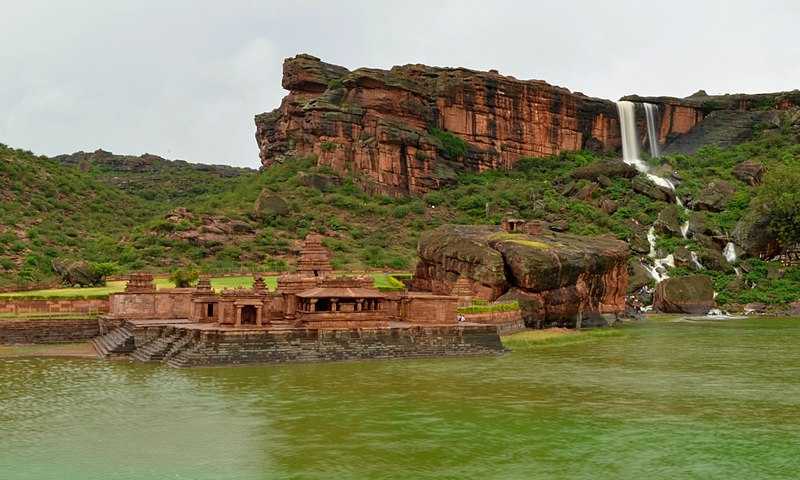
Places to Visit in Karnataka: Coast, Hills & Heritage Cities
Explore the best places to visit in Karnataka with a complete guide to Hampi, Coorg, Mysore, beaches, wildlife parks, trekking routes, and practical travel planning.
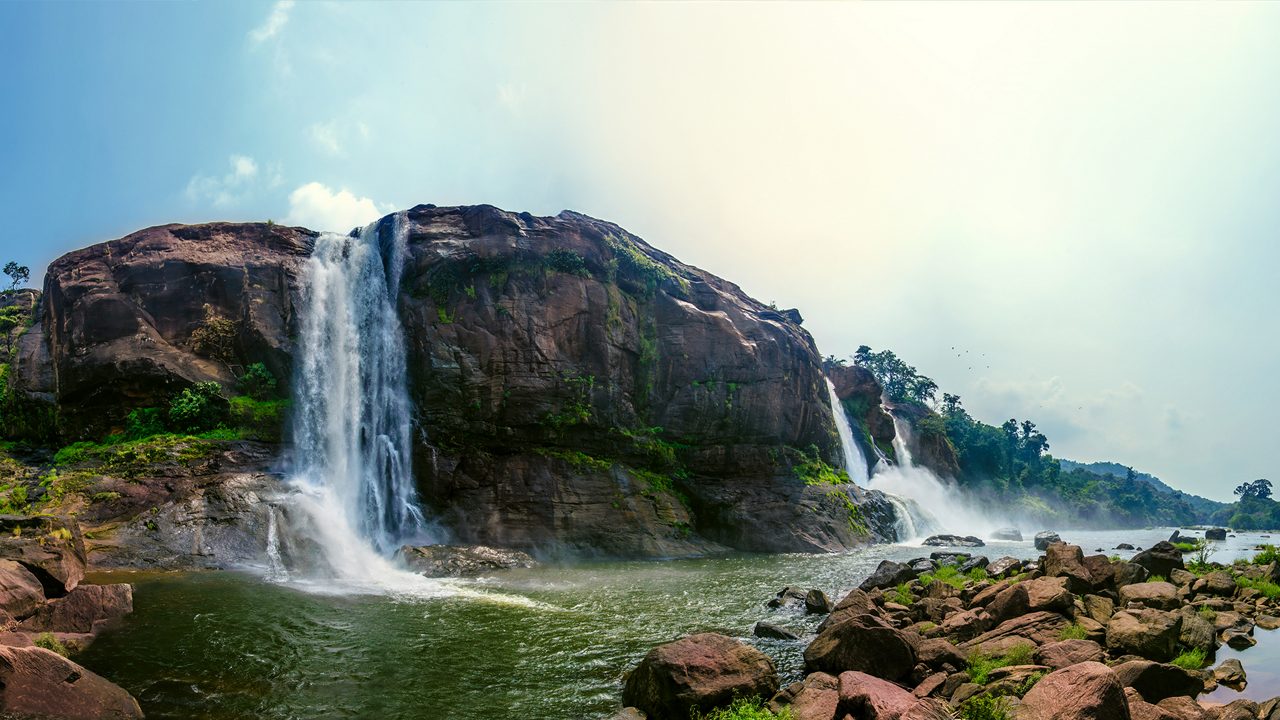
15 Best Waterfalls in Kerala: Location, Season & Entry Info
Explore the best waterfalls in Kerala with Athirappilly, Vazhachal, Soochipara, Meenmutty and more, including season tips and route-based tour planning.
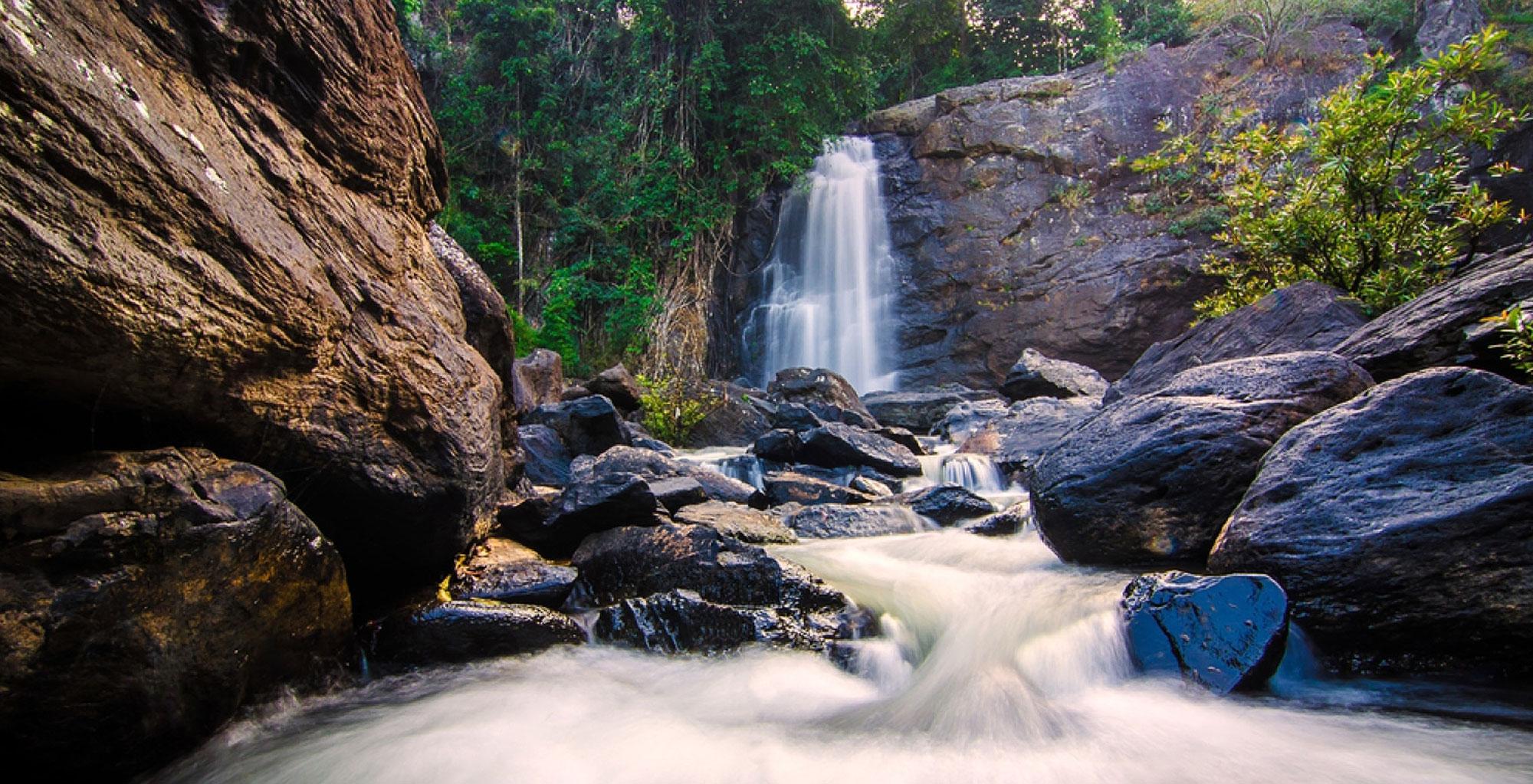
Wayanad Waterfalls: Best Falls, Trek Access & Monsoon Tips
Complete guide to Wayanad waterfalls including Meenmutty, Soochipara, Banthra Sunku, Chethalayam with trekking details, best time, and travel tips.
Never Miss an Adventure
Get the latest trekking guides, travel tips, and exclusive offers delivered straight to your inbox.
