
Talakadu Ancient Town Guide: Temple Sands, History Layers, and Practical Day-Trip Planning

Priya Mehta
February 25, 2026
Plan Talakadu ancient town with practical day-trip strategy, temple-history context, and seasonal timing tips for a better heritage visit.
Why Talakadu Is a Rare Heritage Experience
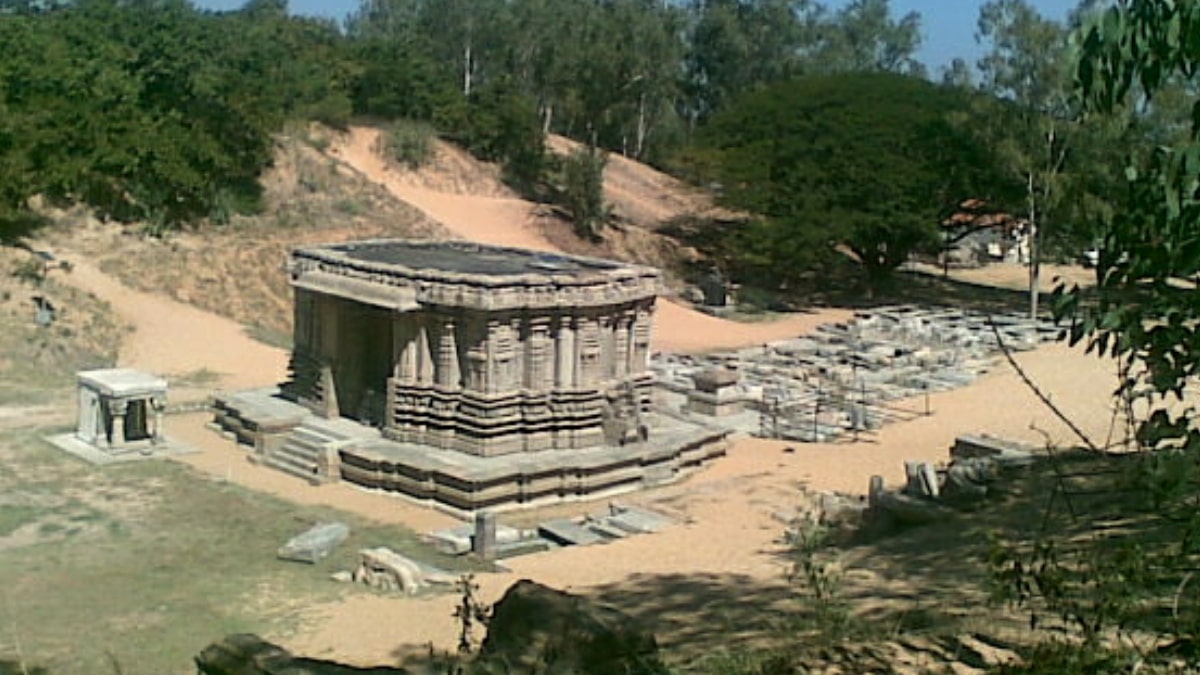
Talakadu is one of Karnataka’s most unusual heritage destinations, known for ancient temple remains and sandy terrain that creates a landscape unlike typical South Indian historic towns. It combines archaeology, legend, and riverside geography in a compact zone. The site appeals to travelers interested in history with atmosphere rather than high-volume city monuments.
Because Talakadu is often done as a day trip, route planning matters. A rushed schedule can reduce the experience to a few photos. For broader context, combine this with Karnataka destination planning, history-linked comparisons via historical places in India, and nearby city support from Mysore travel guide. For thematic extension, include India heritage route planning.
What to See in Talakadu
Temple clusters: Key attraction with historical and devotional significance.
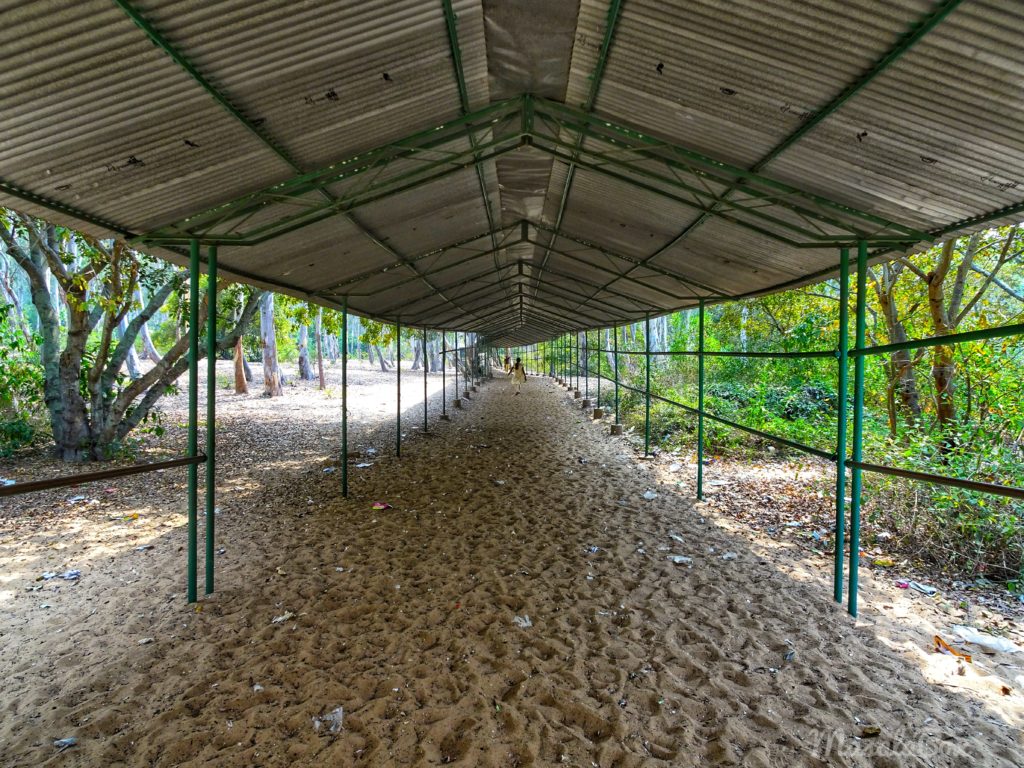
Sandy heritage landscape: Distinctive visual character and contextual history interest.
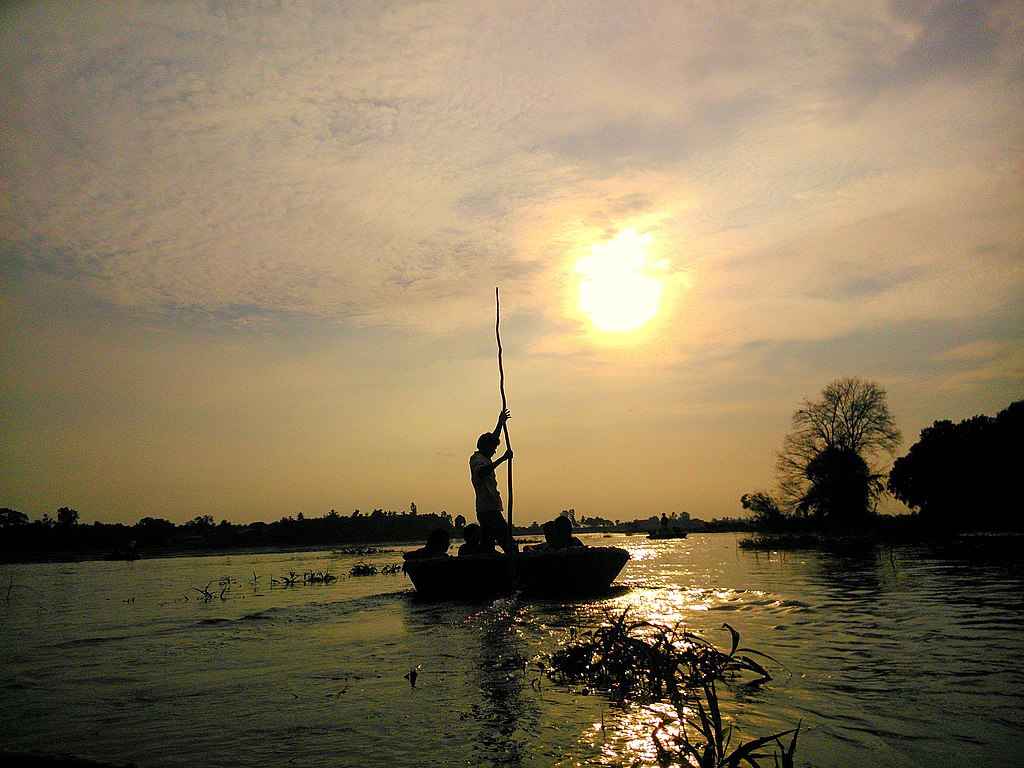
Riverside surroundings: Useful for calmer pacing and scenic closure to the visit.
Local interpretation points: Help connect legend and archaeological history.
Talakadu is best explored slowly, with attention to both physical site and narrative context.
How to Plan a Talakadu Day Trip
Start early from your base city, keep one heritage-focused block, one rest/meal block, and one short closing walk. This simple pattern avoids heat stress and keeps interpretation quality high. If you are combining with another nearby stop, keep the second location light and optional.
Day-trip success here depends on pacing and timing, not number of points covered.
Best Time to Visit Talakadu
Cooler months are generally more comfortable for open-area walking and heritage exploration. Summer can still work with early starts and midday shade management. Monsoon-season visits may offer dramatic atmosphere but require weather flexibility.
Carry practical sun protection and hydration in all seasons due to open terrain exposure.
Historical and Cultural Context
Talakadu is tied to layered dynastic and local traditions. Visitors who read basic history before arrival usually gain more from on-site observation. Architectural details, alignment patterns, and site layout become easier to interpret with minimal background knowledge.
Consider one guided explanation segment if available, then do a slower independent walkthrough.
Common Mistakes to Avoid
Rushing through without historical context, arriving too late in the day, and combining too many distant same-day stops are common issues. Another mistake is underestimating walking effort in sandy sections.
Keep your plan simple and learning-focused for the best experience.
Interpreting Talakadu Beyond Surface Viewing
Talakadu is best understood through layered interpretation: historical context, landscape transformation, and temple heritage continuity. Without this lens, the site may look visually interesting but intellectually thin. A little pre-reading on dynastic phases and local legends can significantly enrich on-ground experience.
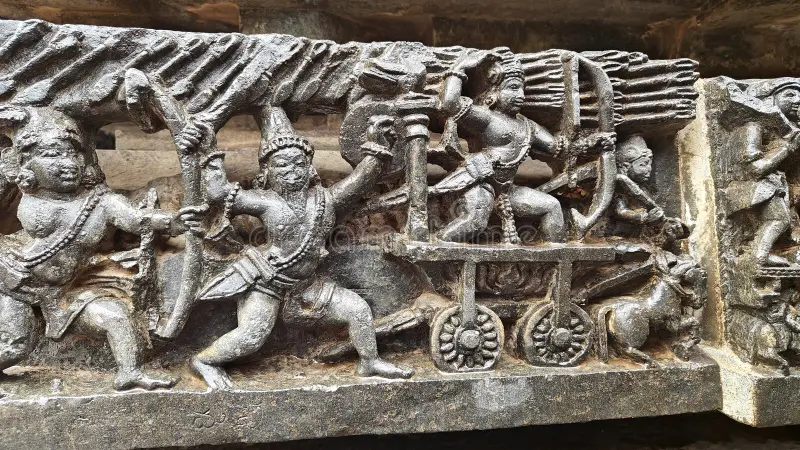
Visitors should move slowly across temple zones and observe details such as stonework patterns, layout orientation, and ritual continuity in active sections.
Designing a Better Heritage Day Around Talakadu
A strong Talakadu day has three blocks: historical exploration, reflective pause, and contextual closure. Begin with temple and site observation, follow with rest and note-taking, and end with a riverside or local culture segment. This structure keeps the visit coherent and prevents shallow walkthrough fatigue.
If combining Talakadu with another destination, ensure the second stop is low-intensity. Overstacking ruins heritage attention quality.
Who Will Enjoy Talakadu Most
Talakadu is ideal for travelers interested in history, archaeology, unusual landscapes, and slow cultural travel. It is less suitable for those seeking high-energy activity days. Families and educational groups can gain strong value if the visit is guided by simple context-building.
With the right expectations, Talakadu can become one of Karnataka’s most distinctive day-trip experiences.
Responsible Heritage Conduct
Respect protected structures, avoid climbing fragile sections, and keep the area clean. Heritage sites require visitor care to remain intact for future generations. Support local guides and interpretation services where possible to strengthen preservation-linked tourism.
Thoughtful behavior is the foundation of meaningful heritage travel at places like Talakadu.
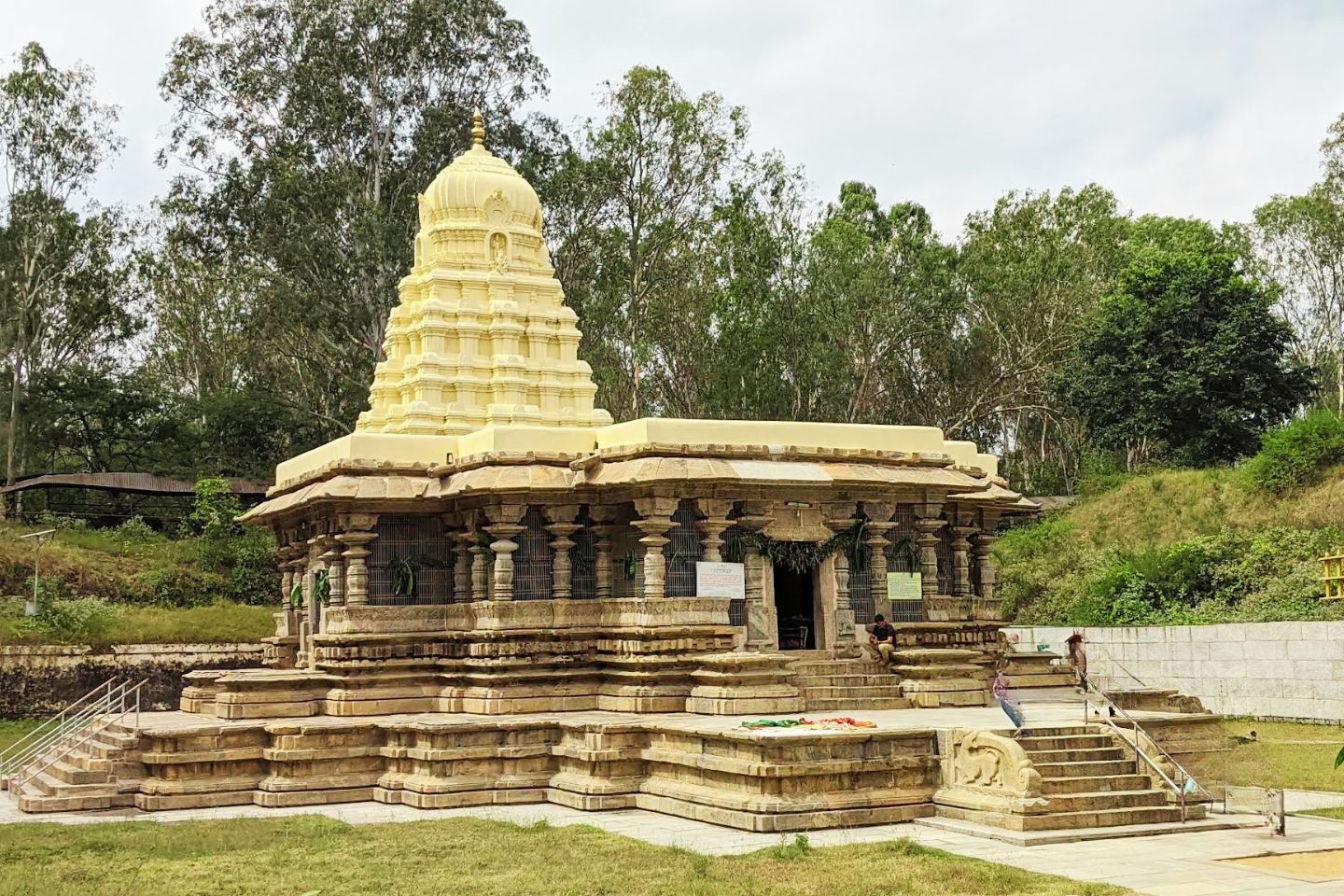
How to Read Talakadu as a Living Heritage Landscape
Talakadu is often introduced through legend and buried temple narratives, but a more complete visit comes from reading the site as a layered landscape where geology, river movement, and historical memory intersect. If you approach only as a photo stop, you may capture the sand and temple outlines but miss the deeper continuity that makes Talakadu significant. Begin with a simple interpretation framework: what is natural terrain process, what is archaeological structure, and what is cultural narrative carried by local memory. This three-layer lens helps you understand why the place feels unusual even before you study specific monuments.
Route design strongly influences quality of experience. Start early to avoid heat pressure and crowd concentration, then move through temple zones at a measured pace with short interpretation pauses. Instead of rushing from one structure to another, spend focused time at fewer points and examine orientation, material wear, and surrounding sand patterns. These details reveal how environment and built heritage have interacted over centuries. Travelers interested in deeper history should keep a basic notebook and record observations on layout, iconography, and restoration condition, then compare notes later with reliable references.
Respectful behavior is crucial in Talakadu because it combines sacred and archaeological value. Keep voice levels moderate, avoid climbing sensitive structures, and maintain clean movement paths. Small habits such as staying on established walk routes and disposing waste properly protect both visitor flow and heritage surfaces. If you are traveling with a group, define etiquette before entering core zones so everyone follows the same standard without repeated reminders.
Photography planning should also be context-driven. Instead of only wide scenic shots, include frames that document texture, inscriptions, and spatial relationship between temples and sandy corridors. These images make post-trip understanding stronger and help avoid superficial storytelling. If local authorities indicate restricted areas, follow those instructions strictly. Responsible documentation always takes priority over aggressive angle hunting.
Heat and terrain conditions can affect comfort quickly, especially in midday periods. Carry water, light sun protection, and footwear suited for mixed sandy and uneven surfaces. Fatigue often reduces attention to site details, so short recovery pauses can improve both safety and interpretive quality. Families traveling with children should plan clear regroup points and avoid splitting during peak hours.
Talakadu also benefits from being paired with nearby cultural or riverside stops in a balanced day plan. Keep transitions realistic and avoid packing too many destinations into one loop. A heritage visit gains value when you leave with clear insight, not just completed distance. End your day by summarizing what you learned: which structures were most informative, how landscape influenced your movement, and what conservation challenges seemed visible on the ground.
When travelers apply this approach, Talakadu becomes more than a curious destination. It becomes a practical lesson in how Indian heritage survives through changing environment, ritual continuity, and careful stewardship. That is the level at which the site remains memorable long after the trip ends.
For repeat visitors, Talakadu can also be approached seasonally. Light, heat, and visitor flow can change the feel of the same heritage spaces, and comparing these shifts helps you understand the site beyond first impressions. A measured revisit with the same observation framework often reveals details that are easy to miss during an initial trip.
Conclusion
Talakadu ancient town is a high-value heritage destination for travelers interested in unusual landscape-history combinations. With early start, moderate pacing, and contextual understanding, a Talakadu trip can be both educational and deeply atmospheric.
Location
Frequently Asked Questions
Q1.What is Talakadu known for?
Q2.Can Talakadu be done as a day trip?
Q3.When is the best time to visit Talakadu?
Q4.Is Talakadu suitable for family travel?
Q5.What should I avoid during the visit?
Recommended For You
Hampi: Complete Travel Plan Temples And History
Complete Hampi travel guide featuring Vijayanagara ruins, Virupaksha Temple, Vittala Temple, Royal Enclosure, best time to visit & practical tips.
Coorg: Complete Travel Plan Places And Weather
Complete Coorg travel guide featuring coffee plantations, Abbey Falls, Madikeri, trekking, how to reach, accommodation, food and shopping tips.
50 Best Places to Visit in India: Region-Wise Bucket List
Discover the best places to visit in India by region, season, and travel style with a complete guide covering mountains, beaches, heritage, wildlife, and islands.
Never Miss an Adventure
Get the latest trekking guides, travel tips, and exclusive offers delivered straight to your inbox.
