
Shopping in Agartala: Markets & What to Buy

Rohan Malhotra
February 11, 2026
Discover best shopping places in Agartala, Tripura. Guide to markets, handicrafts, handloom textiles, bamboo crafts & what to buy.
Shopping in Agartala: Best Markets, Handicrafts, and Local Buys
Agartala may not be a mega-retail city, but it offers something many bigger markets cannot: regional identity in real products. The best shopping in Agartala is about handloom, bamboo-cane crafts, and local utility buying rather than luxury display. If your goal is meaningful purchases from Tripura, this city gives excellent value and authenticity when you shop with a plan.
Most travelers do better when they divide buying into two lists: cultural buys and practical buys. Cultural buys include handloom textiles and crafts. Practical buys include clothing, daily-use products, and packaged local specialties. If you are covering a larger Northeast route, compare this with shopping in Guwahati and then prioritize categories city-wise.
Top Shopping Areas in Agartala
City Center zone
This is the easiest place for modern-format shopping and mixed category purchasing. It is good for first-day orientation because pricing is clearer and navigation is easier than older bazaars.
Maharaj Ganj Bazaar
One of the most recognized traditional market spaces in the city. Better for local products, household categories, and region-specific goods. Crowds can increase during evenings and festive windows.
GB Bazaar and surrounding lanes
Useful for daily-use retail, garments, and budget-focused buyers. This zone is practical rather than tourist-styled, so product quality checks matter more than presentation.
Battala side markets
Popular for value buying and mixed-stock stalls. It works well for shoppers who are comfortable with lane markets and negotiation.
What to Buy in Agartala
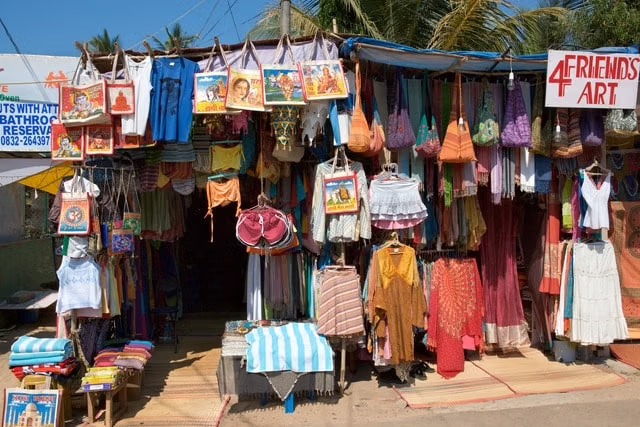
Tripura handloom products
Textiles are one of the strongest categories. Traditional patterns, woven wraps, and local fabric styles are available in different price ranges. Look for weaving consistency, border finish, and material quality before buying premium pieces.
Bamboo and cane crafts
Tripura is known for bamboo-cane craftsmanship. You will find baskets, mats, decorative items, and practical household pieces. Good products show tight weaving, smooth edges, and balanced structure.
Tribal-inspired decorative items
Some shops carry handcrafted decor and gift items that reflect local motifs. These are better for gifting than generic tourist magnets because they carry place-specific identity.
Local food products
Depending on season and seller, you may find local snacks, spice blends, and packaged specialties. Always check seal quality and labeling before purchase.
Where to Buy Handicrafts with Better Confidence
For travelers who prioritize authenticity over deep bargaining, government-supported or established emporium-type outlets are often safer for quality assurance. Traditional bazaars can still give good value, but you must inspect carefully.
If your trip moves toward mountain-focused markets later, compare craft pricing and quality with shopping in Gangtok. This helps you avoid duplicate purchases and over-budget overlap.
Best Market by Shopping Need
- Budget clothing: GB Bazaar and nearby retail strips
- Handloom and local craft: Maharaj Ganj and selected emporiums
- Quick family shopping: City Center side format stores
- Mixed gifting list: combine traditional bazaar + fixed-price store
This mix reduces risk. You get better prices in lane markets and better quality confidence from structured stores.
Bargaining and Pricing Strategy
Bargaining is common in local markets but should be polite and realistic. Start with a calm counter-offer, not an extreme cut. In fixed-price stores, negotiation is usually limited, but value-add requests may work for multi-item purchases.
- Compare at least two shops for handloom and crafts.
- Buy grouped items from one seller for better rates.
- Inspect finishing first, then bargain.
- Avoid rushing during evening peak crowds.
Timing and Route Planning
Morning and late-morning windows are better for focused buying. You get better movement, fresher stock access, and improved seller attention. Evenings are good for atmosphere but harder for careful quality checks.
If your itinerary includes sightseeing and food stops, map shopping around commute blocks to avoid peak traffic delays. For travelers extending trips across the state, use places to visit in Assam as a regional planning reference and avoid repetitive intercity buys.
Transport and Payment Tips
Auto-rickshaws remain practical for short hops across market clusters. For larger family shopping runs, cabs are easier when carrying multiple bags. Most bigger stores accept digital payments, but small vendors may still prefer cash. Carry mixed payment options.
For inter-state continuation toward hill circuits, align logistics with Sikkim travel guide style planning: buy breakable products last and keep textiles compressed in separate travel sleeves.
Common Mistakes to Avoid
- Buying all items from the first visible market lane
- Ignoring weave quality in handloom products
- Overbuying fragile bamboo items before long road travel
- Not checking labels on packaged food products
- Assuming every item is locally made without verification
Final Takeaway
Shopping in Agartala is strongest when your expectations match the city. It is excellent for regional handloom, bamboo-cane craft, and budget practical buying. It is less about luxury malls and more about smart local selection. Build a clear list, split premium and practical purchases, compare calmly, and you will return with products that are both useful and regionally authentic.
How to Identify Better Handloom and Craft Quality
In Agartala, quality evaluation is simple if you follow structure. For handloom items, inspect weave consistency, border finish, and loose-thread frequency. For bamboo and cane products, check edge smoothness, density of weave, and structural balance. Good pieces feel stable and deliberate, not rushed.
Ask vendors direct questions on origin and making process. Even if you do not get detailed answers every time, quality-focused sellers usually respond with clarity. This quickly helps you separate curated stock from generic mixed supply.
Smart Budget Planning for Agartala Buyers
- Light shopper (₹2,000-₹3,500): one textile + gifts + utility buys
- Family shopper (₹4,000-₹7,000): handloom set + bamboo gifts + clothing
- Craft-focused (₹8,000+): premium textiles + decor categories
Always reserve 10-15% as a buffer for final-round purchases. In local markets, best-value pieces often appear in second-pass browsing, not first-pass scanning.
Seasonal and Festival Shopping Notes
Festival periods improve variety in textiles and gift products, but crowd load increases and seller attention time decreases. Weekday morning buying is generally better for detailed inspection. If your priority is calm quality selection, avoid peak-evening lane windows.
Market Navigation Tips for Outstation Travelers
If you are visiting Agartala for the first time, keep your shopping list compact and category-based. Start with one traditional market, then move to one structured store zone for quality comparison.
Carry a basic product checklist for handloom and bamboo categories. This avoids rushed decisions and helps you compare value clearly. Ask for careful wrapping if you are taking connecting transport.
For longer Northeast itineraries, finish fragile or region-specific buying in Agartala only when your onward travel window is short. This reduces product damage risk.
Location
Frequently Asked Questions
Q1.What are the best shopping places in Agartala?
Q2.What is Agartala famous for shopping?
Q3.What to buy from Agartala?
Q4.Which market is best for clothes in Agartala?
Q5.Where to buy handicrafts in Agartala?
Q6.Are there malls in Agartala?
Q7.What are market timings in Agartala?
Q8.Is bargaining common in Agartala?
Q9.Best day for shopping in Agartala?
Q10.Payment options in markets?
Recommended For You
History of Agartala: Kingdoms, Heritage and Timeline
Discover the history of Agartala through its Manikya dynasty roots, royal monuments, political transitions, and modern heritage-focused city timeline.
Places to Visit in Agartala: Top Attractions, Itinerary & Travel Tips
Explore best places to visit in Agartala. Ujjayanta Palace, Neermahal, temples, wildlife sanctuaries & Tripura attractions. Complete guide.
Never Miss an Adventure
Get the latest trekking guides, travel tips, and exclusive offers delivered straight to your inbox.
