
Shopping in Sri Lanka: Souvenirs, Tea, Gems & Market Hotspots

Rahul Garg
December 9, 2025
Complete shopping guide for Sri Lanka featuring Ceylon tea, gemstones, batik, handicrafts, Colombo malls, and local markets.
Shopping in Sri Lanka: Ultimate Shopping Guide
Sri Lanka, with its rich cultural heritage, skilled craftsmanship, and unique natural resources, offers one of South Asia's most diverse shopping experiences. From world-famous Ceylon tea and precious gemstones to traditional batik fabric and intricate handicrafts, the island nation provides shopping opportunities that reflect both ancient traditions and modern retail development. For travelers, shopping in Sri Lanka transcends conventional retail—it's engagement with cultural heritage, support for local artisans, and opportunity to acquire unique products impossible to find elsewhere.
What makes Sri Lankan shopping distinctive is the combination of internationally recognized products like Ceylon tea with regional specialties including traditional crafts that have been passed down through generations. The country's colonial history, Buddhist cultural influences, and tropical geography all contribute to its unique shopping offerings. Modern malls in Colombo coexist with traditional markets in Kandy and beach town boutiques in Galle, creating shopping diversity that caters to various preferences and budgets.
Top Shopping Cities and Markets
While shopping opportunities exist throughout Sri Lanka, certain cities and towns have developed reputations for specific products or shopping experiences. Understanding these regional specializations helps shoppers plan their purchases effectively.
Colombo: Modern Malls and Traditional Markets
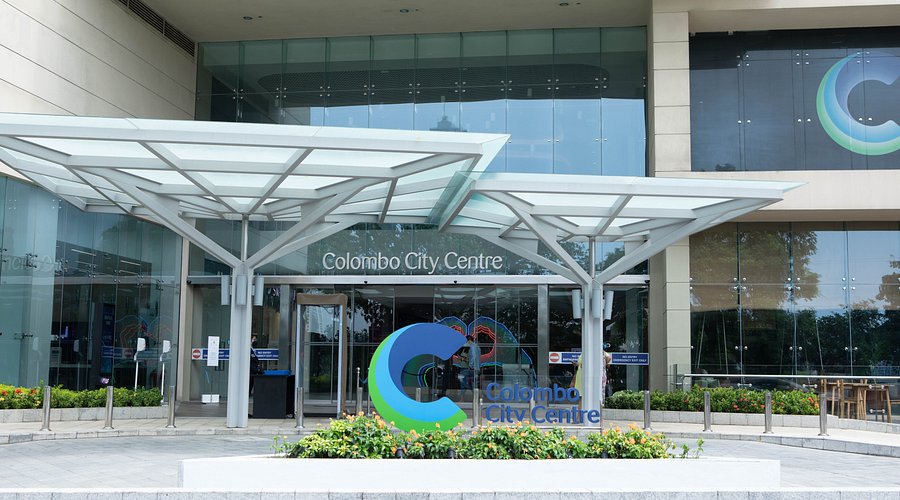
As Sri Lanka's commercial capital, Colombo offers the most comprehensive shopping experience ranging from modern shopping malls to traditional markets. The city hosts multiple shopping centers including Crescat Boulevard, Majestic City, and Liberty Plaza, which feature international and local brands across categories. Beyond modern retail, Colombo's traditional markets like Pettah offer authentic local experiences with everything from textiles to household items at negotiable prices.
Kandy: Cultural Crafts and Souvenirs
Kandy, Sri Lanka's cultural capital, specializes in traditional crafts and religious artifacts. The city's proximity to the Temple of the Sacred Tooth Relic creates constant demand for Buddhist-related items including statues, incense, and puja materials. Kandy's markets also offer traditional Kandyan dancing dolls, brassware, and handloom textiles. For those seeking authentic Sri Lankan handicrafts, Kandy represents an excellent destination with options concentrated around the city center and temple vicinity.
Galle: Dutch Heritage Shopping
Galle's UNESCO-listed Dutch Fort creates a distinctive shopping environment within historic colonial architecture. The fort's narrow streets house boutique shops, art galleries, and specialty stores offering antiques, jewelry, and contemporary crafts by local artisans. Shopping here combines historical ambiance with modern retail sensibilities. Many shops are located in restored Dutch colonial buildings, adding architectural interest to the shopping experience. Galle Dutch Fort itself houses several specialty stores offering locally-made products.
Sigiriya and Nuwara Eliya: Tea and Local Products
The areas around Sigiriya and Nuwara Eliya, located in Sri Lanka's hill country, focus on tea and related products. These tea-growing regions offer opportunities to visit tea estates, purchase tea directly from plantations, and explore tea centers showcasing various Ceylon tea varieties. Nuwara Eliya in particular functions as a tea-shopping hub with numerous tea centers and factory outlets offering tastings and purchase options.
What to Buy in Sri Lanka
Ceylon Tea: World's Finest
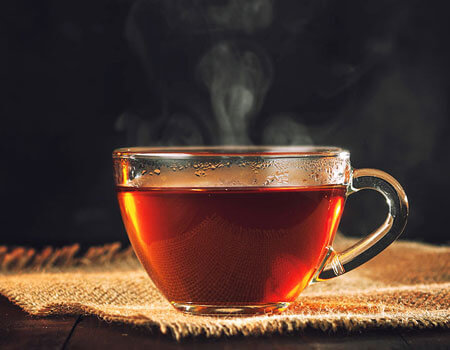
Ceylon tea, one of Sri Lanka's most famous exports, represents essential shopping for visitors. Understanding tea grades and varieties helps make informed purchases. Orange Pekoe, the highest grade, consists of carefully selected young tea buds. Broken Orange Pekoe and Broken Pekoe offer good quality at more accessible prices. Sri Lanka's tea-growing regions—Nuwara Eliya, Dimbula, and Uva—produce distinctively flavored teas worth exploring.
Gemstones: Precious and Semi-Precious
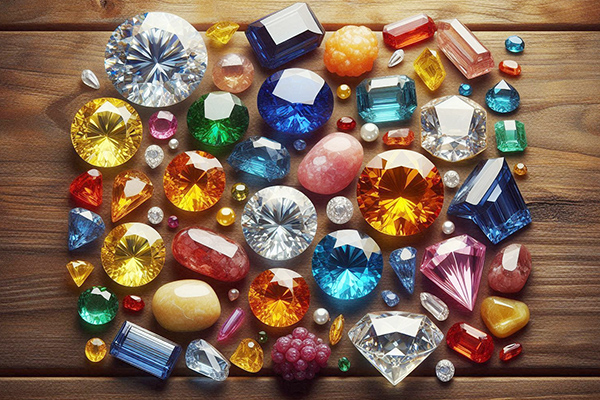
Sri Lanka has earned the nickname "Ratnadipa" (land of gems) for its abundant gemstone deposits including sapphires, rubies, cat's eye, and various semi-precious stones. The gemstone trade centers in Colombo and Ratnapura offer certified gems at various price points. For those buying significant gemstones, obtaining proper certification is crucial. Sri Lankan gems represent excellent value compared to international retail, though expertise is essential to ensure quality.
Batik: Traditional Fabric Art
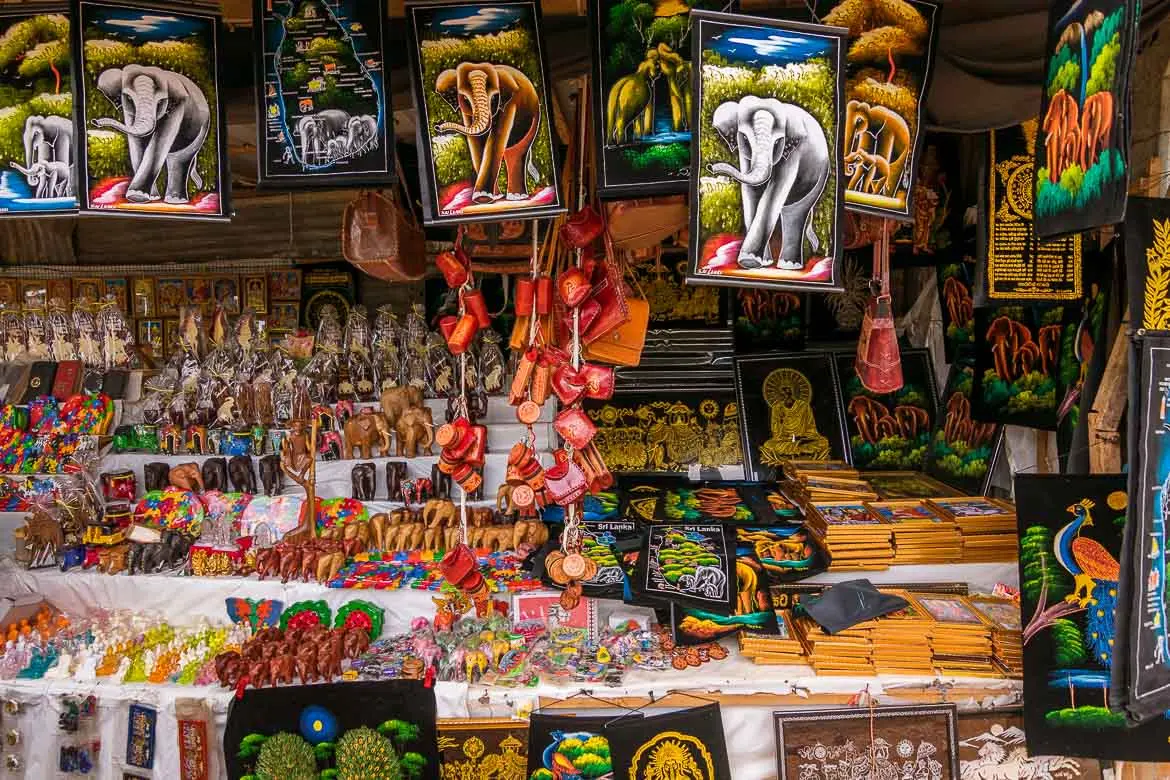
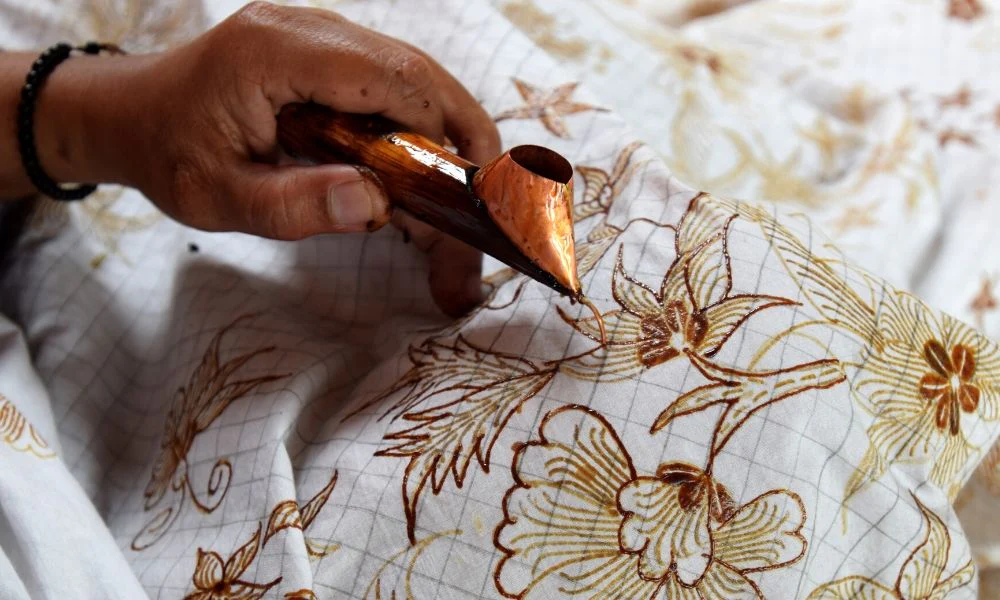
Batik, the traditional wax-resist dyeing technique, produces fabrics with distinctive patterns and vibrant colors. Sri Lankan batik features both traditional motifs and contemporary designs, available as clothing, home furnishings, and wall hangings. The batik-making process, involving repeated waxing and dyeing, creates unique patterns impossible to replicate exactly. Batik items represent beautiful, practical souvenirs that reflect Sri Lanka's textile heritage.
Spices: Aromatic Treasures
Sri Lanka's spice trade dates back centuries, and the country remains famous for high-quality cinnamon, cardamom, pepper, and various other spices. Spices are available throughout the country, with particular concentrations in spice markets and specialized shops. For culinary enthusiasts, purchasing fresh Sri Lankan spices offers both quality and authenticity difficult to match in supermarkets abroad.
Handicrafts: Traditional Skills
Sri Lanka's handicraft tradition encompasses various techniques including wood carving, brass work, mask-making, and lacquer ware. Traditional Sri Lankan masks, particularly from Ambalangoda and coastal areas, represent distinctive art forms used in dance rituals and decorations. Wood carvings, often depicting Buddha or traditional scenes, showcase skilled craftsmanship. Lacquer ware from Matale represents another specialty, featuring distinctive glossy finishes and intricate designs.
Ceylon Tea Shopping Guide
Ceylon tea shopping offers opportunities ranging from casual purchases to serious collector acquisitions. Understanding the tea market helps visitors find products matching their preferences and quality expectations.
| Tea Grade | Characteristics | Best For |
|---|---|---|
| Orange Pekoe | Highest grade, young buds only | Connoisseurs, gifts |
| Broken Orange Pekoe | High quality, broken leaves | Daily drinking, value |
| BOP Flowery | Good quality, broken leaves | Regular consumption |
| BPA | Lower grades, smaller leaves | Tea bags, economy |
Tea Shopping Locations
- Colombo Tea Centers: Major brands maintain showrooms in Colombo
- Nuwara Eliya Tea Factories: Direct purchases from plantations
- Tea Estates: Visiting estates and factory shops
- Airport Shops: Duty-free tea purchases before departure
Gemstone and Jewelry Shopping
Gemstone shopping in Sri Lanka requires knowledge and caution. The country's gem markets offer various stones, but quality varies significantly.
Gemstone Markets
- Ratnapura: Major gemstone trading center
- Colombo: Certified gem dealers and jewelry stores
- Beruwala: Traditional gem mining area
Purchasing Tips
- Always obtain proper certification
- Use established, reputable dealers
- Compare prices across multiple vendors
- Consider getting second opinions for significant purchases
- Understand treatment disclosures
Shopping Tips
- VAT Refund: Tourists can claim VAT refunds on eligible purchases
- Best Season: November to April offers pleasant shopping weather
- Payment: Cards accepted widely in malls; cash needed for markets
- Bargaining: Acceptable in markets; fixed prices in stores
- Shipping: Available for large purchases like furniture
Conclusion
Shopping in Sri Lanka offers rich diversity reflecting the country's cultural heritage, natural resources, and skilled craftsmanship. From world-renowned Ceylon tea and precious gemstones to traditional batik and handicrafts, the island provides shopping opportunities combining authenticity with quality. Understanding regional specialties, practicing smart shopping habits, and supporting local artisans ensures a rewarding shopping experience that yields unique treasures and lasting memories of Sri Lanka's cultural richness.
Location
Frequently Asked Questions
Q1.What is Sri Lanka famous for shopping?
Q2.Which city is best for shopping in Sri Lanka?
Q3.What should I buy from Sri Lanka?
Q4.What is the best time for shopping in Sri Lanka?
Q5.Where can I buy Ceylon tea?
Q6.Can I use credit cards for shopping?
Q7.What are the market timings in Sri Lanka?
Q8.Where can I buy Ayurveda products?
Recommended For You

Whale Watching Sri Lanka: Mirissa, Trincomalee & Tips
Plan whale watching in Sri Lanka with coast-wise seasons, species expectations, tour prices, booking checks, and responsible marine travel tips.

Galle Dutch Fort Sri Lanka: History, Walking Route & Nearby Cafes
Explore Galle Dutch Fort Sri Lanka: UNESCO heritage status, history, things to do, best time to visit, how to reach, shopping, food, stays, timings, and entry fee info.

Waterfalls in Sri Lanka: Top 15 Falls, Routes & Best Visiting Months
Discover best waterfalls in Sri Lanka: Bambarakanda, Diyaluma, Dunhinda & more. Locations, height & travel guide.
Never Miss an Adventure
Get the latest trekking guides, travel tips, and exclusive offers delivered straight to your inbox.
