
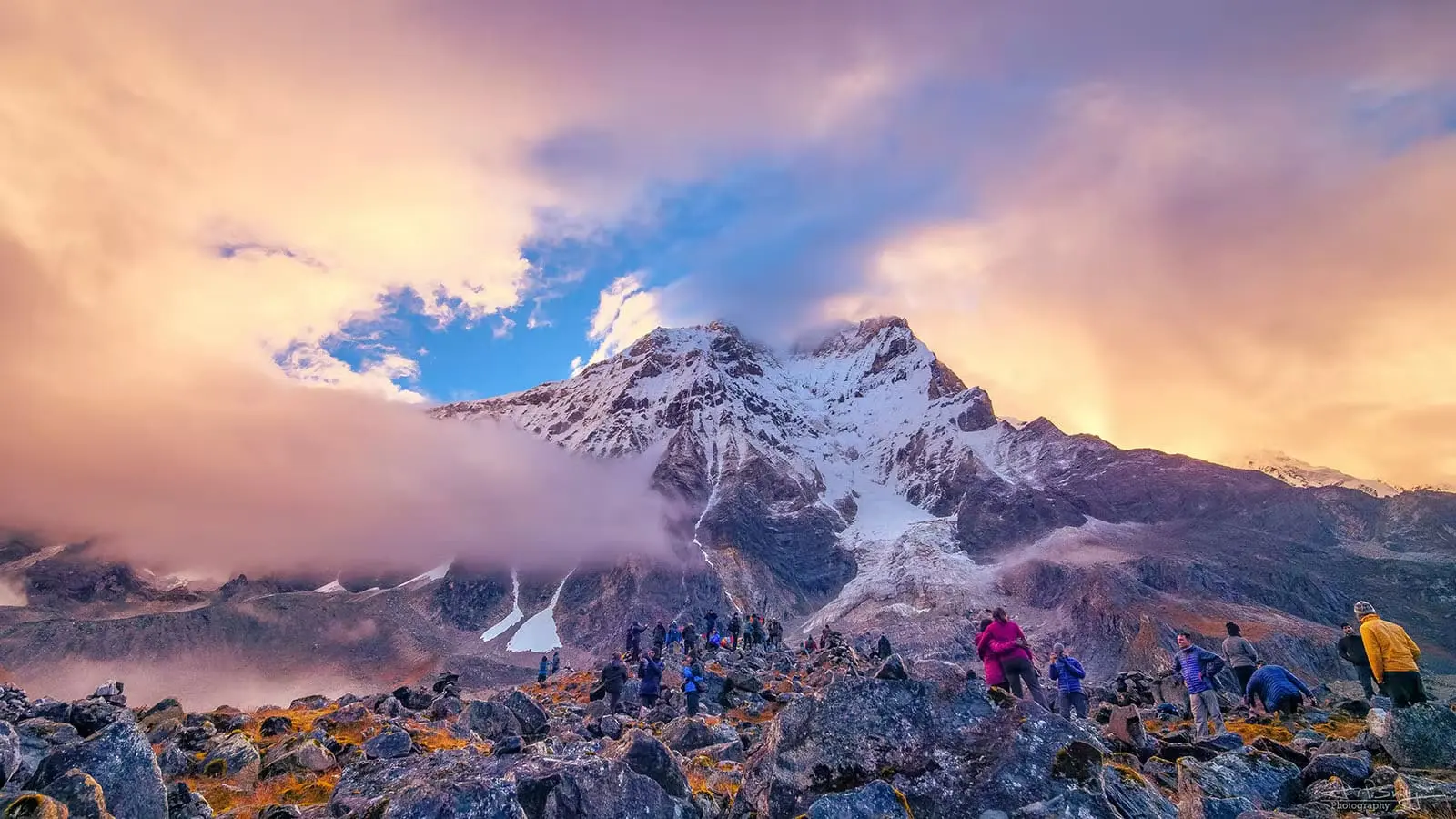
Goecha La Trek Guide: Route Strategy, Fitness Prep, Campsite Planning, and Sikkim Execution Tips
Rahul Garg
February 26, 2026
Plan Goecha La Trek with practical fitness prep, acclimatization strategy, and route discipline for safer high-altitude completion.
Introduction
Goecha La Trek is one of the most respected high-altitude treks in Sikkim, known for dramatic mountain views, ecosystem diversity, and a route profile that rewards disciplined preparation. Many trekkers arrive with strong enthusiasm but incomplete acclimatization planning, weak pace control, and unrealistic day targets. Those gaps create fatigue, altitude stress, and avoidable route disruptions. This guide is built for practical execution. It explains how to prepare physically, structure day movement, manage camps, and make better decisions when weather or body response changes. If you are planning this as your first major eastern Himalaya expedition, treat this document as your baseline operational framework rather than a generic motivation piece.
Why Goecha La Is Different from Typical Treks
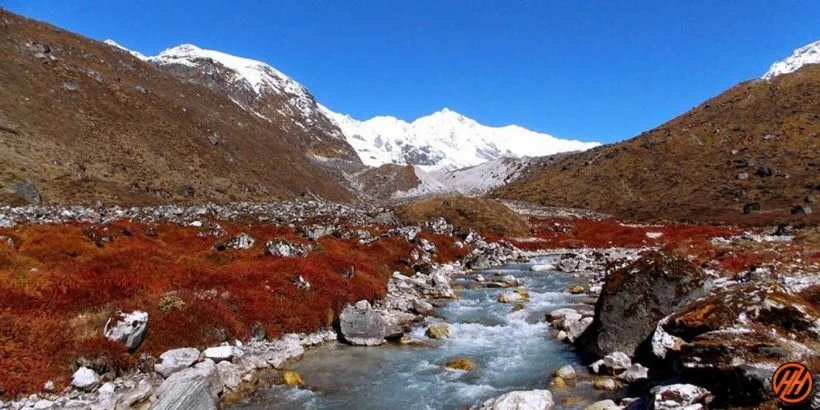
Goecha La is not just about reaching a point and returning. It is a multi-day mountain process that tests consistency, not speed. Terrain changes, campsite conditions, and weather variability make this trek more technical in planning than many shorter hill routes. The reward comes from cumulative adaptation: controlled ascent, recovery discipline, and thoughtful pacing across all days. Trekkers who chase aggressive mileage usually underperform by day three. Trekkers who protect energy and altitude response usually experience stronger summit-window performance and safer descent behavior.
Pre-Trek Conditioning and Readiness Window
Your preparation phase should begin at least six weeks before departure. Build a repeatable schedule with hill walking, stair intervals, mobility work, and moderate endurance sessions. Add backpack-carry training in final weeks to simulate trail load. Do not rely only on gym cardio; mountain walking efficiency matters more than treadmill speed. If your trekking background is limited, do one short adaptation trip before Goecha La and calibrate your footwear, layering, hydration style, and recovery nutrition. This pre-check prevents most gear and pacing errors during the actual expedition.
Route Planning and Daily Movement Logic
A strong Goecha La plan follows conservative ascent rhythm and fixed cut-off discipline each day. Start early, maintain steady pace, and avoid long mid-route idle breaks that cool the body excessively. Use short, frequent recovery pauses instead of one long stop. Keep your trek leader informed of any early fatigue or headache signs. Route safety improves when symptoms are reported early, not hidden until late stages. For broader regional planning, align your mountain sequencing with Sikkim travel guide context and avoid stacking multiple demanding trail days without proper rest between them.
Acclimatization Strategy That Actually Works
Acclimatization is not a passive process; it is an active discipline. Hydration, sleep quality, steady ascent, and nutrition timing all affect adaptation. Keep a personal checklist: urine color monitoring, appetite consistency, sleep response, and morning energy. If signs deteriorate, reduce pace and discuss adjustment immediately. Never treat altitude symptoms as an ego challenge. Smart trekkers prioritize completion quality and safety over timeline pride. Controlled adaptation often decides whether the final high-view day is enjoyable or physically compromising.
Campsite Efficiency and Evening Routine
Camp behavior influences next-day performance. Arrive, change to dry layers, hydrate, eat warm food, and minimize exposure in cold wind windows. Organize daypack for next morning before sleep so you avoid rushed starts. Keep electronics warm to preserve battery, and protect water from freezing conditions where relevant. A disciplined evening routine saves energy and reduces cognitive load during early departures. Teams that maintain predictable camp systems usually move better and safer on higher sections.
Nutrition and Hydration in High Terrain
High-altitude trekking performance depends heavily on consistent fueling. Eat smaller but frequent portions if full meals feel heavy. Focus on digestible carbs, warm fluids, and steady electrolyte intake. Avoid long fasting gaps during movement days. Appetite may fluctuate at altitude, but skipping calories entirely increases fatigue and reduces decision quality. Keep one emergency snack accessible at all times. Hydration should be proactive, not reaction-based. If you feel thirsty, you are often already behind optimal intake.
Weather Risk and Decision Protocol
Mountain weather can change rapidly. Do not treat forecasts as guarantees. Keep outer layers accessible, protect gloves and socks from moisture, and respect turnaround calls by trek leadership. A safe retreat is not a failed trek; it is good mountain judgment. Teams that ignore cloud, wind, and visibility patterns often face compounded risk during descent. The objective is not only to reach a viewpoint but to return with stable physical condition and clear safety margins.
Photography and Trail Conduct
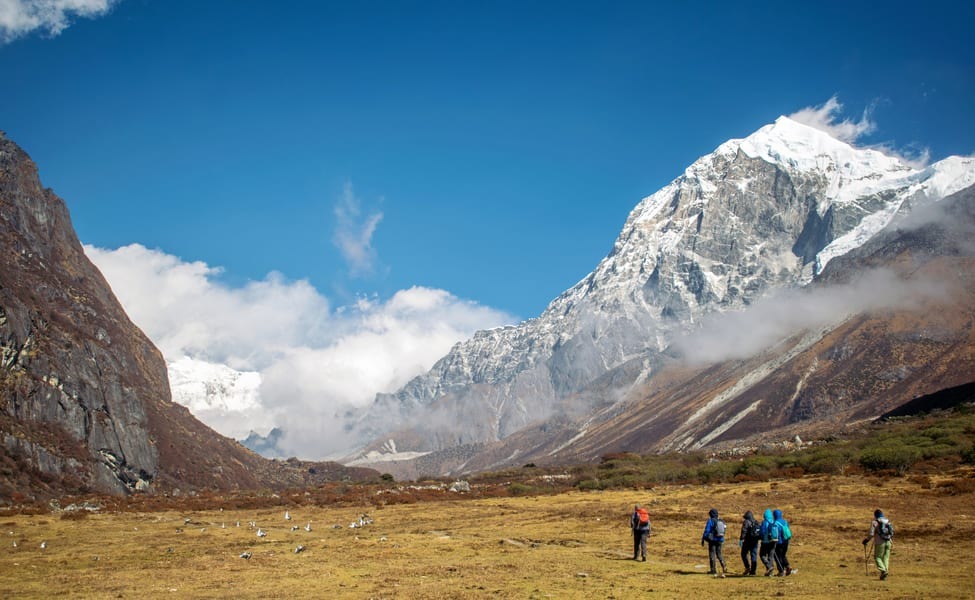
Capture memories without disrupting trail flow. Keep camera access simple and avoid repeated stop-start behavior in narrow stretches. Let faster groups pass safely, and do not block critical path turns for prolonged shots. Responsible trail conduct is part of mountain ethics. You are not trekking alone even when your focus is personal achievement. Good field etiquette improves team rhythm and reduces risk in exposed sections.
Post-Trek Recovery and Injury Prevention
Recovery starts on descent day, not after returning home. Continue hydration, keep meals balanced, and avoid sudden high-impact activity immediately after the trek. Spend one low-load day for mobility and sleep normalization. If knees or ankles feel strained, use structured recovery instead of ignoring symptoms. Post-trek discipline protects your long-term trekking consistency and reduces risk of overuse issues in the next expedition.
How to Combine Goecha with Wider Sikkim Itinerary
If you are extending your trip, keep at least one easy transition day before adding heavy travel or sightseeing. Pairing trek completion with slow cultural sessions works better than immediate long road transfers. You can use this buffer for local exploration from things to do in Sikkim or scenic decompression around places to visit in Pelling. Travelers interested in gentler landscape days can add lakes in Sikkim as low-intensity follow-up. This sequencing protects recovery while keeping the trip meaningful.
Common Mistakes to Avoid
The most frequent mistakes are overpacking, late symptom reporting, poor hydration discipline, and trying to outperform acclimatization limits. Another major issue is copying someone else's timeline without considering personal fitness and body response. Correct these with conservative planning and adaptive decisions. Mountain success is measured by safe completion quality, not social-media speed metrics.
Final Checklist Before Departure
Confirm permits, weather window, gear redundancy, medical kit basics, and emergency communication expectations with your operator. Keep printed and digital copies of key documents. Test all equipment at least once before travel day. A clean pre-departure checklist removes avoidable uncertainty and improves your confidence at the trailhead.
Mental Preparation for High-Altitude Trekking
Physical training is essential, but mental discipline is equally important on Goecha La. Weather delays, slower sections, and unexpected fatigue are normal parts of mountain travel. Trekkers who accept variability and focus on process usually perform better than those who chase fixed pace targets from day one. A calm mindset improves breathing rhythm, decision quality, and team coordination under stress. Keep your intent clear: safe completion with full awareness, not rushed completion with avoidable risk. This perspective helps you adapt to real mountain conditions while preserving motivation through demanding stages.
Gear Minimalism That Improves Performance
Carry what supports safety and comfort, but avoid packing for every hypothetical scenario. Excess load compounds fatigue over multi-day ascents and increases recovery time each evening. Prioritize layering, hydration access, foot care, and weather protection. Keep non-essential gadgets minimal. Efficient packing is a competitive advantage on long mountain routes because every kilogram affects pace and energy.
Conclusion
Goecha La Trek offers extraordinary Himalayan reward when approached with preparation, humility, and disciplined execution. Train early, pace conservatively, respect acclimatization, and keep risk decisions practical. With this approach, you maximize both safety and experience quality, and the trek becomes a genuine high-altitude achievement rather than a rushed physical struggle.
Location
Frequently Asked Questions
Q1.How difficult is the Goecha La Trek?
Q2.What is the most important safety factor on Goecha La?
Q3.Can beginners attempt Goecha La?
Q4.What is the altitude and duration of the Goecha La Trek?
Q5.Do I need a permit for the Goecha La Trek?
Recommended For You
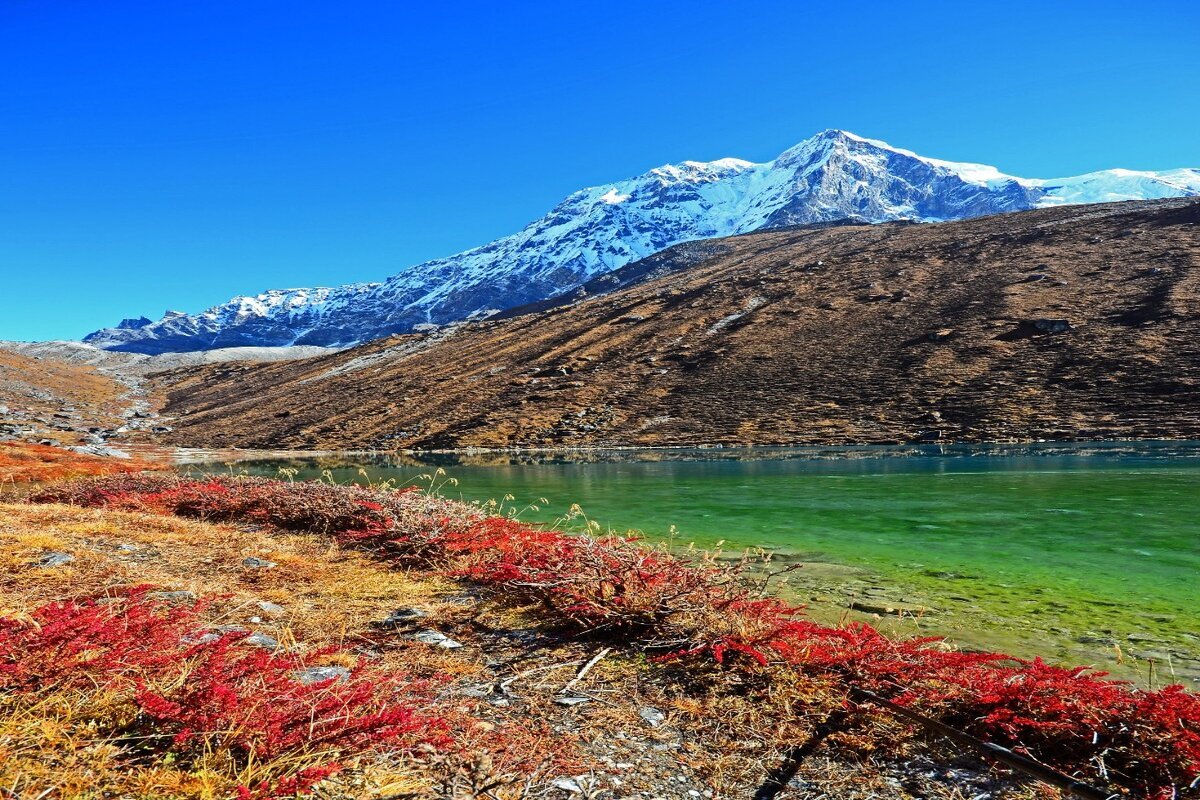
10 Beautiful Lakes in Sikkim: Tsomgo to Gurudongmar
Comprehensive guide to lakes in Sikkim covering Tsomgo, Gurudongmar, sacred lakes, permits, best season, and practical itinerary planning.
Offbeat Places in India: 12 Less-Crowded Destinations for Smarter Travel Plans
Explore practical offbeat travel in India with 12 less-crowded destinations, season-based planning advice, budget strategy, and a realistic 7-day circuit template.
Waterfalls in Sikkim: Top 10 Falls, Routes & Best Time
Discover the best waterfalls in Sikkim with Bakthang, Ban Jhakri, Seven Sisters, season-wise travel tips, and practical Gangtok route planning.
Never Miss an Adventure
Get the latest trekking guides, travel tips, and exclusive offers delivered straight to your inbox.
