
Travel
Spiti Valley In May: Weather Road Status And Places
Rohit Verma
December 13, 2025
14 min read3,152 views
Visit Spiti Valley in May! Guide to weather, road conditions, temperature, snow, Manali route & travel tips for spring trip.
Spiti Valley in May: Spring Season Awakening
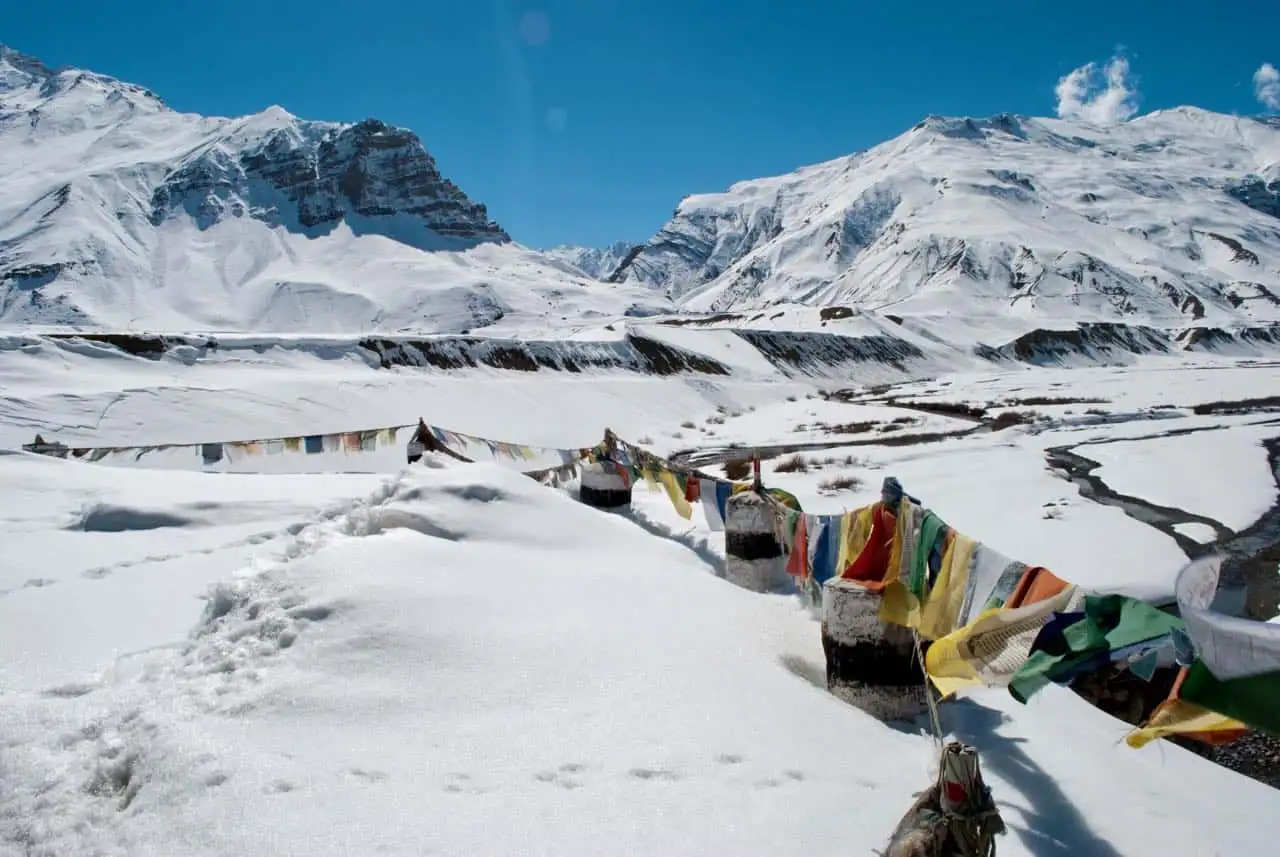
May marks Spiti Valley's transition from harsh winter to accessible spring season. As temperatures rise and snow begins to melt, this high-altitude cold desert gradually awakens from winter isolation. Roads reopen, villages become accessible, and the valley starts displaying its first signs of the brief but vibrant warm season. Traveling to Spiti in May offers distinctive advantages. You'll encounter fewer crowds than peak summer months, witness the valley's spring transformation, and access most key attractions as winter closures lift. However, May also presents specific challenges—lingering cold at night, some snow patches, and roads that may be in early-season conditions. For comprehensive seasonal planning, explore Spiti Valley in summer and best time to visit Spiti Valley for broader context on where May fits in the annual travel calendar.
Weather in May: Spring Transition
May weather in Spiti Valley represents the complex transition between winter and summer. Day temperatures range from 5°C to 15°C—pleasant enough for comfortable exploration with proper layering. However, night temperatures still drop between -5°C and 5°C, meaning genuine winter gear remains essential. The climate feels noticeably milder than April but hasn't yet reached summer comfort. Days bring bright sunshine and clear skies characteristic of Spiti's high-altitude desert environment. The sun feels strong, so sun protection becomes crucial even when air temperatures remain cool.| Weather Parameter | May Condition | Travel Implications |
|---|---|---|
| Day Temperature | 5°C - 15°C | Pleasant with sun protection, cool in shade |
| Night Temperature | -5°C - 5°C | Winter clothing essential, heating needed |
| Snow Cover | Rapidly melting | Some patches remain, roads clearing |
| Sky Conditions | Clear and sunny | Excellent visibility, bright light |
| Wind | Mild to moderate | Windproof layers needed |
Road Conditions: Opening Season
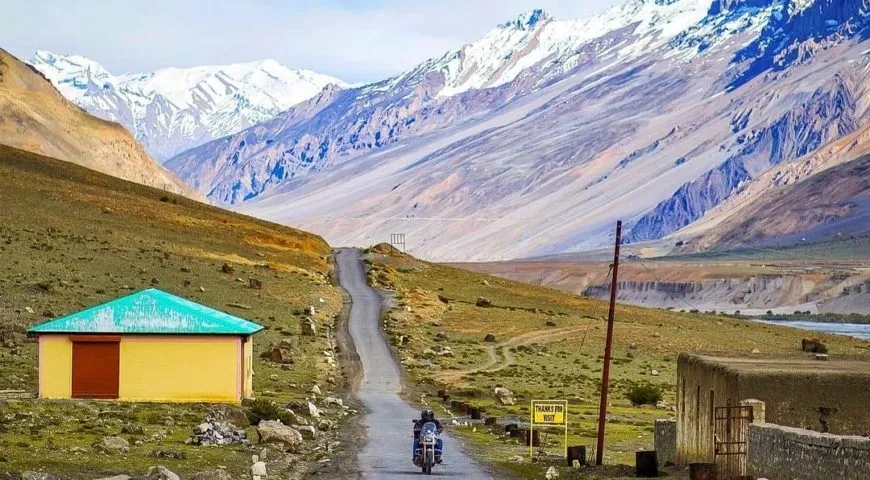
May represents the opening phase of Spiti's main tourist season. Both primary access routes—the Manali-Kaza circuit via Kunzum Pass and the Shimla-Kaza route through Kinnaur—become viable, though conditions differ significantly from fully operational summer months. The Manali-Kaza route via Kunzum Pass typically opens by mid-May. Kunzum Pass, at 15,060 feet, clears of snow gradually throughout the month. Early May may still see Kunzum Pass closed or requiring special vehicles. By late May, the pass typically becomes accessible, though road conditions remain rough with snow patches and potential debris.May Route Status:
- Manali-Kaza Route: Fully open by late May, kunzum Pass accessible mid-to-late May, road rough but passable, early May may require checking status.
- Shimla-Kaza Route: Excellent condition throughout May, most reliable spring approach, well-maintained roads, fewer weather-related closures.
- Kunzum Pass: Opening mid-May, snow clearing ongoing, accessible by late May, early month requires alternate routes.
- Rohtang Pass: Generally open throughout May, access to Spiti road from Manali side typically reliable.
- Inner Valley Roads: Clear and accessible, connections to Key Monastery, Kibber, Langza, Komic all open, some snow patches in shaded areas.
Road Strategy for May:
For early May travel (first half of month), the Shimla approach provides the most predictable access. Kunzum Pass may still be closed, making the Manali route impossible for complete Spiti circuits. Plan itineraries that enter via Shimla and potentially return via the same route if Kunzum isn't yet open. For late May travel (second half of month), both routes typically become viable. This timing opens up complete circuit possibilities—entering via one route and exiting via the other. However, constantly check Kunzum Pass status, as yearly snowfall variations affect opening timing. Road status information should be gathered from multiple sources. Contact hotels in Kaza, local taxi operators, and check social media groups where recent travelers share current conditions. Border Roads Organization (BRO) updates provide official information on high-altitude passes.
Things to Do in May: Spring Season Activities
May provides excellent conditions for most Spiti activities as the valley shakes off winter restrictions. The combination of accessible roads, pleasant daytime temperatures, and fewer crowds than peak season creates ideal exploration conditions.Monastery Visits:
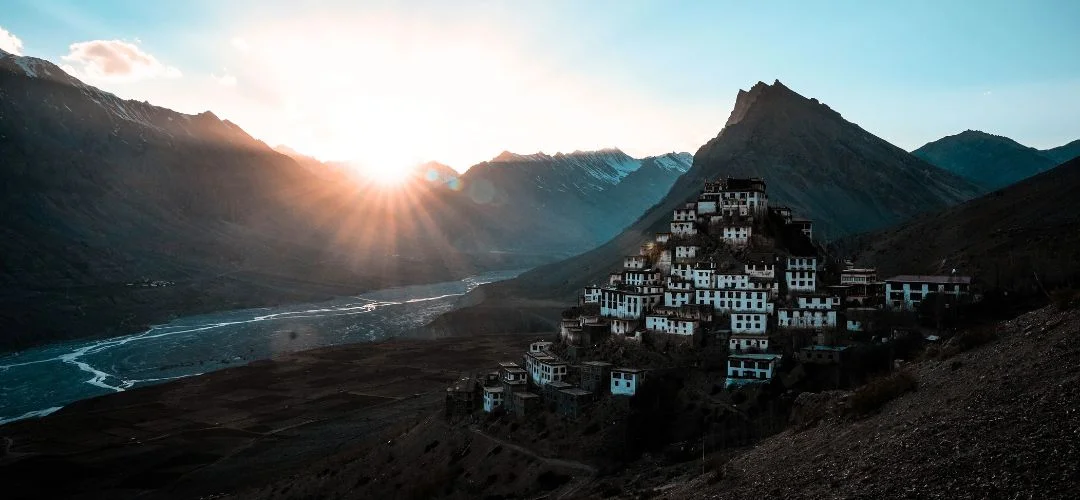
All major Spiti monasteries welcome visitors in May. Key Monastery, the largest and most famous, becomes easily accessible from Kaza. The spring timing means fewer tourists than summer months, allowing quieter exploration of this dramatic hilltop complex. Dhankar Monastery, perched precariously between Spiti and Pin Rivers, offers spectacular views enhanced by spring's clear air. The hike to Dhankar Lake becomes feasible as snow melts, though some snow patches may still linger on shaded trail sections. Tabo Monastery, known for its ancient paintings and meditation caves, provides sheltered exploration regardless of weather. The thousand-year-old artwork offers fascinating cultural insights, and spring's smaller crowds allow detailed appreciation. Komic Monastery, positioned in one of the world's highest villages, presents dramatic mountain vistas unobstructed by summer haze or monsoon clouds. The journey through Langza (famous for marine fossils) and Hikkim (home to the world's highest post office) becomes fully accessible.Village Exploration:
May marks the beginning of Spiti's accessible season for high-altitude villages. Kibber, once claimed as the world's highest inhabited village, welcomes visitors with emerging spring greenery. Wildlife spotting opportunities increase as Himalayan snow leopards, ibex, and blue sheep become more active. Langza offers fascinating geological exploration. Fossil hunting in the hills surrounding this village reveals marine life from when the region lay underwater millions of years ago. May's comfortable daytime temperatures make fossil hunting expeditions enjoyable. Hikkim village, with its famous high-altitude post office, provides unique experiences. Mail postcards from what was once the world's highest post office—a distinctive travel memory. The village's position creates spectacular photography of Spiti's expansive valley views.Chandratal Lake Access:
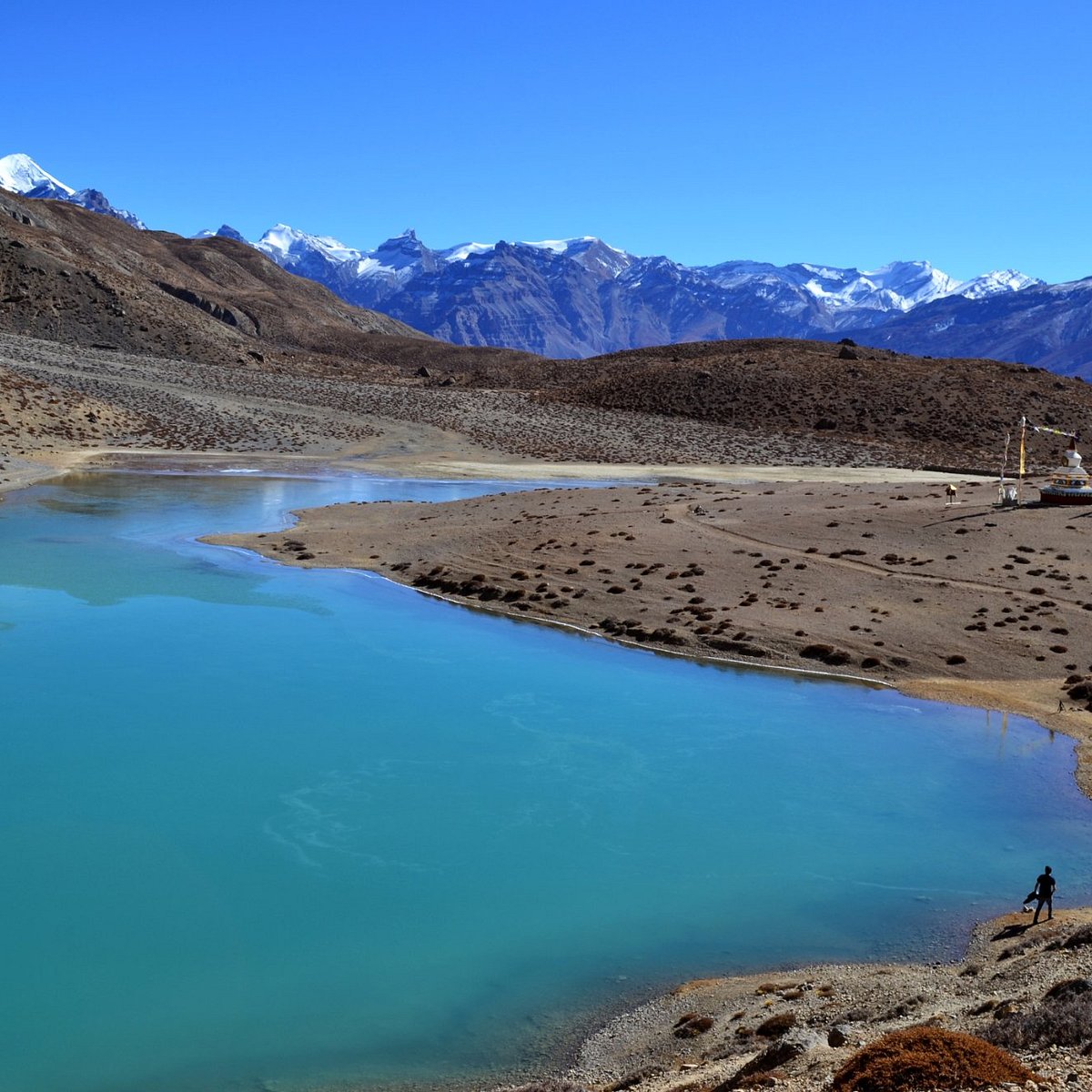
Chandratal Lake becomes accessible in May, though conditions differ significantly from summer months. The road from Kunzum Pass to Chandratal may still have snow patches, and the lake itself could be partially frozen in early May depending on winter snowfall. By late May, Chandratal typically becomes fully accessible with the lake showing its famous blue color. Camping near the lake becomes possible, though temperatures drop significantly at night. Spring's clear air creates spectacular stargazing opportunities—unobstructed by monsoon clouds or summer dust.Trekking Opportunities:
May marks the beginning of Spiti's high-altitude trekking season. While some high passes may still have snow, valley-level walks and shorter treks become fully feasible. The Pin Parvati Pass trek typically opens in late May for experienced trekkers with proper equipment. Day hikes around Kaza, including walks to nearby villages and viewpoints, offer excellent spring conditions. The clear air provides unmatched Himalayan visibility, making May ideal for landscape photography treks to elevated viewpoints.| Activity | May Feasibility | Special Notes |
|---|---|---|
| Monastery Visits | Excellent | All accessible, fewer crowds, excellent visibility |
| Village Exploration | Excellent | Kibber, Langza, Hikkim, Komic all accessible |
| Chandratal Lake | Good (Late May) | Early May may have snow/ice, late May fully accessible |
| High-Altitude Trekking | Limited | Some passes still snow-covered, valley walks excellent |
| Camping | Good | Pleasant days, very cold nights, clear stargazing |
| Wildlife Spotting | Excellent | Snow leopards, ibex, blue sheep active |
What to Pack: Spring Season Gear
Packing for May requires balancing winter warmth with spring comfort. The extreme temperature variation between day and night means comprehensive layering systems prove essential.Clothing System:
Start with a base layer system. Merino wool or synthetic thermal tops and bottoms form your foundation. These materials wick moisture during active daytime exploration and provide insulation during cold nights. Pack 2-3 sets of base layers for multi-day trips. Mid-layer options should include multiple warmth levels. A fleece jacket provides medium warmth for daytime activities. A down jacket or heavier fleece becomes essential for evenings and early mornings when temperatures drop below freezing. Outer layer protection means both wind and rain. While May sees less rain than monsoon months, spring showers occur. A waterproof jacket serves double duty—rain protection and wind blocking during chilly breezes.Essential May Packing List:
- Base Layers: Thermal tops and bottoms (2-3 sets), wool or synthetic material, moisture-wicking properties.
- Mid Layers: Fleece jacket, down jacket for evenings, sweater or pullover.
- Outer Layers: Waterproof windbreaker, warm hat, gloves, scarf or buff.
- Pants: Hiking pants (quick-dry), thermal bottoms for sleeping, comfortable travel pants.
- Footwear: Waterproof hiking boots, broken in before trip, extra warm socks (wool).
- Sun Protection: High SPF sunscreen, sunglasses with UV protection, wide-brim hat, lip balm with SPF.
- Accessories: Headlamp for power outages, power bank, reusable water bottle, camera equipment.
- Medicines: Basic first aid, altitude medication if needed, personal prescriptions, cold remedies.
Footwear Considerations:
Waterproof hiking boots with good ankle support provide essential protection on uneven terrain. Break in boots before the trip—blisters from new boots ruin Himalayan journeys. Pack extra wool socks (4-5 pairs for multi-day trips) to keep feet dry and warm. Camp sandals or flip-flops offer relief for feet at accommodations. Evening comfort in homestays and hotels improves dramatically when you can change out of hiking boots.Sun Protection:
UV intensity at Spiti's altitude exceeds most travelers' expectations. Sunscreen with SPF 50+ is non-negotiable, even on cool days. Apply sunscreen to all exposed skin including ears, neck, and hands—high-altitude sun burns quickly. Sunglasses with UV protection protect eyes from intense reflected light, especially around snow. Wide-brim hats provide additional facial protection and help prevent altitude headache from sun exposure.Pros & Cons of May Travel
Understanding May's position in Spiti's seasonal calendar helps set realistic expectations and plan appropriate itineraries.Advantages of May Travel:
Pleasant weather with manageable temperatures creates comfortable exploration conditions. Unlike September's cold nights or July's monsoon rains, May offers balanced conditions—cool enough for comfortable walking, warm enough that daytime activities remain pleasant. Fewer crowds than peak summer months provide a more intimate experience. Popular sites like Key Monastery and Chandratal see reduced visitor pressure, allowing quieter exploration and better photography without crowds. Accommodation availability is generally better, and some rates may be lower than peak season. Accessible roads and opening attractions mean most Spiti highlights can be included in itineraries. Unlike winter when many areas are inaccessible, May sees the valley fully opening for exploration. Monasteries, villages, high passes, and lakes all become reachable. Blooming valleys and emerging greenery create beautiful landscapes. While not as lush as monsoon months, May's spring growth still carpets sections of the valley in green. Agricultural fields show new growth, and wildflowers begin appearing in lower elevation sections. Excellent visibility due to clear skies and lack of monsoon haze or summer dust provides unmatched mountain views. Photographers appreciate the crisp light and expansive vistas that May's clear air delivers.Challenges of May Travel:
Cold nights require proper winter gear. Daytime temperatures may feel pleasant, but temperatures drop well below freezing after dark. Travelers unprepared for genuine cold will suffer during nights and early mornings. Accommodation heating varies—some places provide adequate heat, others do not. Some snow patches remain, particularly in shaded areas and at higher elevations. This can affect trail conditions, make some sections slippery, and limit access to certain high-altitude areas until snow fully melts. Road conditions, while generally good, may still have rough sections. Kunzum Pass opening timing varies yearly depending on winter snowfall. Early May travelers may find the Manali route inaccessible, requiring route adjustments. Limited services in some areas as the season just begins. Some restaurants, cafes, and activity providers may not have fully opened for the season. Travelers seeking every facility fully operational might find May lacking compared to peak summer. Water crossings can be challenging due to snowmelt. Spring's rapid snowmelt creates fuller rivers and streams that may prove difficult or impossible to cross safely. Some routes may require waiting for water levels to drop or taking alternate paths.| Traveler Type | May Suitability | Reasoning |
|---|---|---|
| First-Time Visitors | Excellent | Good access, manageable weather, fewer crowds |
| Photographers | Excellent | Clear skies, great light, expansive views |
| Trekkers | Good | Valley walks excellent, some high passes still snowy |
| Budget Travelers | Good | Lower rates than peak, good availability |
| Families with Children | Good | Accessible weather, but cold nights challenge some kids |
Travel Tips for May Success
May travel requires specific preparation strategies that differ from both winter and peak summer seasons. Proper planning ensures comfortable experiences despite the temperature variations.Accommodation Planning:
Book accommodations in advance for key destinations like Kaza, Tabo, and Kaza. While May sees fewer crowds than summer, properties still fill up, especially weekends. When booking, explicitly confirm heating availability—some properties provide room heaters or adequate blankets, others do not. Communicate with accommodations about road conditions before arrival. Hotels and homestays in Spiti typically have current information about route status, Kunzum Pass accessibility, and any temporary closures. This local knowledge helps plan final approach routes.Itinerary Design:
Build in acclimatization time. Spiti's high altitude affects visitors regardless of fitness level. Plan the first couple of days at moderate activity levels, allowing bodies to adjust before attempting strenuous hikes or high passes. Include buffer days for road contingencies. While May roads are generally reliable, unexpected situations can arise. Keep one or two flexible days that can absorb delays without completely derailing the itinerary. Position heavier travel days for mid-trip after acclimatization. Long driving days on mountain roads are exhausting at altitude. Schedule the toughest sections when your body has adjusted to the elevation.Health and Safety:
Stay hydrated consistently. High altitude accelerates dehydration, and cool weather may reduce thirst perception. Drink water frequently throughout the day, even when you don't feel thirsty. Protect against sun exposure religiously. Apply sunscreen first thing in morning and reapply throughout the day. Wear sunglasses even on overcast days—UV penetrates cloud cover. Use lip balm with SPF protection. Respect altitude limitations. May's accessibility doesn't eliminate altitude risks. Ascend gradually, avoid strenuous activity the first day, and recognize symptoms of altitude sickness. Don't hesitate to descend if symptoms worsen. Carry essential medications. Basic first aid, pain relievers, stomach remedies, and any personal prescriptions should travel with you, not in checked luggage. Remote areas have limited medical facilities.Transportation Strategy:
Hire experienced drivers for taxi travel. Local drivers familiar with Spiti's roads navigate spring conditions more safely than visitors attempting self-drive. Their experience with specific road sections, water crossings, and altitude considerations proves invaluable. Start travel days early. Mountain weather typically deteriorates in afternoon. Beginning journeys by 7-8 AM maximizes daylight hours and afternoon rest time. Early starts also reduce exposure to afternoon winds that can develop in spring. Keep vehicles fueled up whenever passing petrol pumps. Fuel stations are limited in Spiti, and you don't want to run low in remote sections. Top up in Kaza, and carry extra fuel in approved containers if attempting extended remote travel.Cultural Respect:
Dress modestly when visiting monasteries and villages. Spiti's conservative culture appreciates covered shoulders and knees, especially in religious sites. Carry a scarf or shawl for women entering monastery prayer halls. Ask permission before photographing people, especially during religious ceremonies or in villages. Some Spiti residents prefer not to be photographed, and respecting this preference builds positive cultural exchange. Support local communities. Purchase handicrafts directly from artisans, eat at local restaurants, and stay in homestays when possible. Tourism revenue supports Spiti's remote communities and helps preserve traditional lifestyles.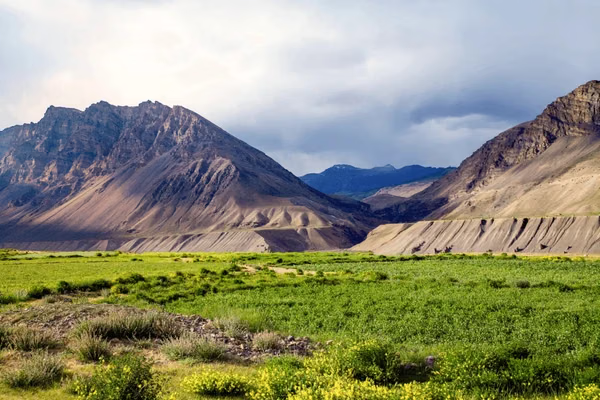
Conclusion: May in Spiti Valley
Spiti Valley in May delivers an excellent balance of accessibility, manageable weather, and relative tranquility before peak summer crowds arrive. The spring season rewards travelers with clear mountain vistas, comfortable exploration temperatures, and authentic cultural experiences without the tourist pressure of July and August. Success in May requires proper preparation for temperature extremes—packing for both sunny days and freezing nights. The cold catches many visitors off guard, particularly those who assume spring implies consistently warm weather. Quality winter gear for evenings and mornings transforms May from merely pleasant to genuinely enjoyable. May works particularly well for first-time Spiti visitors who want to experience the valley without extreme winter conditions or monsoon road challenges. Photographers appreciate the clear light and expansive views, while cultural travelers value the quieter monastic and village experiences. For those seeking budget-friendly travel or trying to avoid peak-season crowds, May provides an excellent window. Accommodations are generally available, roads are reliable, and the valley feels authentic without feeling overwhelmed by tourism. Pack properly for cold nights, include adequate acclimatization time, and May in Spiti delivers one of the most balanced and enjoyable Himalayan experiences available throughout the year.Location
Frequently Asked Questions
Q1.Is Spiti open in May?
Yes, Spiti Valley is open in May. The Manali-Kaza route via Kunzum Pass typically opens by mid-May, while the Shimla-Kaza route via Kinnaur remains accessible throughout the month. May marks the beginning of Spiti's main tourist season, with roads clearing and winter restrictions lifting. Both routes become viable for complete Spiti circuits by late May.
Q2.Is there snow in Spiti in May?
Yes, some snow patches remain in Spiti during May, particularly in shaded areas and at higher elevations. Kunzum Pass may still have snow in early May but typically clears by late May. Villages and lower valleys see rapid snowmelt throughout May, though nights can still drop below freezing. The combination of melting snow and spring sunshine creates dramatic waterfalls and full rivers.
Q3.Are roads to Spiti open in May?
Yes, both main routes to Spiti are open in May, though timing varies. The Shimla-Kaza route via Kinnaur is accessible throughout May with good road conditions. The Manali-Kaza route via Kunzum Pass typically opens by mid-May, with Kunzum Pass becoming fully accessible by late May. Early May travelers should check current status, while late May visitors generally find both routes operational.
Q4.How is the weather in Spiti in May?
May weather in Spiti features day temperatures between 5°C to 15°C and night temperatures dropping from -5°C to 5°C. Days are pleasant with bright sunshine and clear skies, while nights remain genuinely cold. The climate feels mild compared to winter but hasn't yet reached summer warmth. Rapid snowmelt creates flowing waterfalls and full rivers. Strong UV intensity demands sun protection despite cool air temperatures.
Q5.Can we visit Chandratal in May?
Chandratal Lake becomes accessible in May, with conditions improving throughout the month. Early May may still see snow patches and partial ice cover on the lake. By late May, Chandratal typically becomes fully accessible with the lake displaying its famous blue color. Camping near the lake is possible but very cold at night. Spring's clear air provides spectacular stargazing opportunities around Chandratal.
Q6.Is May a good time to visit Spiti?
Yes, May is an excellent time to visit Spiti Valley for most travelers. Pleasant daytime temperatures, accessible roads, fewer crowds than peak summer, and excellent visibility create ideal exploration conditions. May works particularly well for first-time visitors, photographers seeking clear mountain views, and budget travelers avoiding peak-season rates. The main challenge is cold nights requiring proper winter gear.
Q7.What to pack for Spiti in May?
Essential May packing includes thermal base layers (2-3 sets), fleece jacket, down jacket for evenings, waterproof windbreaker, warm hat and gloves, hiking pants, waterproof broken-in hiking boots, wool socks (4-5 pairs), high SPF sunscreen, UV-protective sunglasses, wide-brim hat, lip balm with SPF, and basic first aid kit. The extreme temperature variation between day and night requires comprehensive layering systems.
Q8.Is Manali-Kaza road open in May?
The Manali-Kaza road opens in May, with timing depending on yearly snowfall. Kunzum Pass, the key high-altitude crossing, typically becomes accessible by mid-to-late May. Early May travelers may find Kunzum Pass still closed, requiring use of the Shimla-Kaza route. By late May, the Manali-Kaza route is generally fully operational, though road conditions may be rough with some snow patches. Check current status before travel.
Q9.How cold is Spiti in May?
Spiti experiences significant cold in May despite spring season status. Day temperatures range from 5°C to 15°C, feeling pleasant with sun protection. However, night temperatures drop between -5°C to 5°C, meaning genuine winter conditions after dark. Early mornings are also quite cold until the sun warms the air. Proper cold-weather gear for evenings and nights is essential, and accommodation heating varies by property.
Q10.How many days are needed for Spiti in May?
Plan 7-10 days for a comprehensive Spiti trip in May. A typical itinerary might include Shimla to Sarahan to Sangla to Kalpa to Kaza (3-4 days exploring Key Monastery, Kibber, Langza, Hikkim, Komic, Tabo), then exit via Manali or return via Shimla depending on Kunzum Pass status. Include 1-2 buffer days for road contingencies and proper acclimatization at Spiti's high altitude.
Recommended For You
Hill Stations
Spiti Valley in Winter: Temperature, Accessibility & Survival Tips
Complete winter guide for Spiti Valley covering December-January weather, snowfall, frozen rivers, road conditions, and essential travel tips.
Dec 1Read More
Travel
How To Reach Spiti Valley: Routes And Travel Options
Planning a trip to Spiti Valley? Learn how to reach Spiti from Manali & Shimla by road, flight & train. Get routes, timings, permits & essential travel tips.
Feb 14Read More
Travel
Spiti Valley in March: Snow Conditions, Accessibility & Itinerary Ideas
Visit Spiti Valley in March! Guide to weather, snow, road conditions, temperature, Manali route & spring travel tips.
Feb 18Read More
Never Miss an Adventure
Get the latest trekking guides, travel tips, and exclusive offers delivered straight to your inbox.
