
Hill Stations
Spiti Valley in Winter: Temperature, Accessibility & Survival Tips

Priya Mehta
December 1, 2025
15 min read4,654 views
Complete winter guide for Spiti Valley covering December-January weather, snowfall, frozen rivers, road conditions, and essential travel tips.
Spiti Valley in Winter: A Frozen Wonderland
Visiting Spiti Valley in winter transforms this already remote Himalayan destination into an otherworldly frozen landscape that challenges even the most experienced adventurers. From November through April, temperatures plunge to -30°C, heavy snow blankets the mountains, and most roads close completely. Yet for those brave enough to face these conditions, winter in Spiti offers a magical experience of solitude, pristine white landscapes, and authentic Himalayan winter life that summer travelers never witness. The frozen desert valley presents a dramatically different face during winter months. Rivers freeze solid, creating natural ice sculptures. Mountain peaks wear thicker snow caps, and villages become isolated islands of warmth in a sea of white. Only the Shimla-Kaza route remains partially accessible, weather-dependent and requiring exceptional driving skills. Most tourists disappear, leaving the valley to local residents and the occasional winter adventurer seeking true Himalayan immersion. Winter travel in Spiti demands comprehensive preparation, respect for extreme conditions, and realistic expectations. This guide covers everything you need to know about experiencing Spiti's frozen wonderland—from weather conditions and road status to activities, packing requirements, and essential safety tips.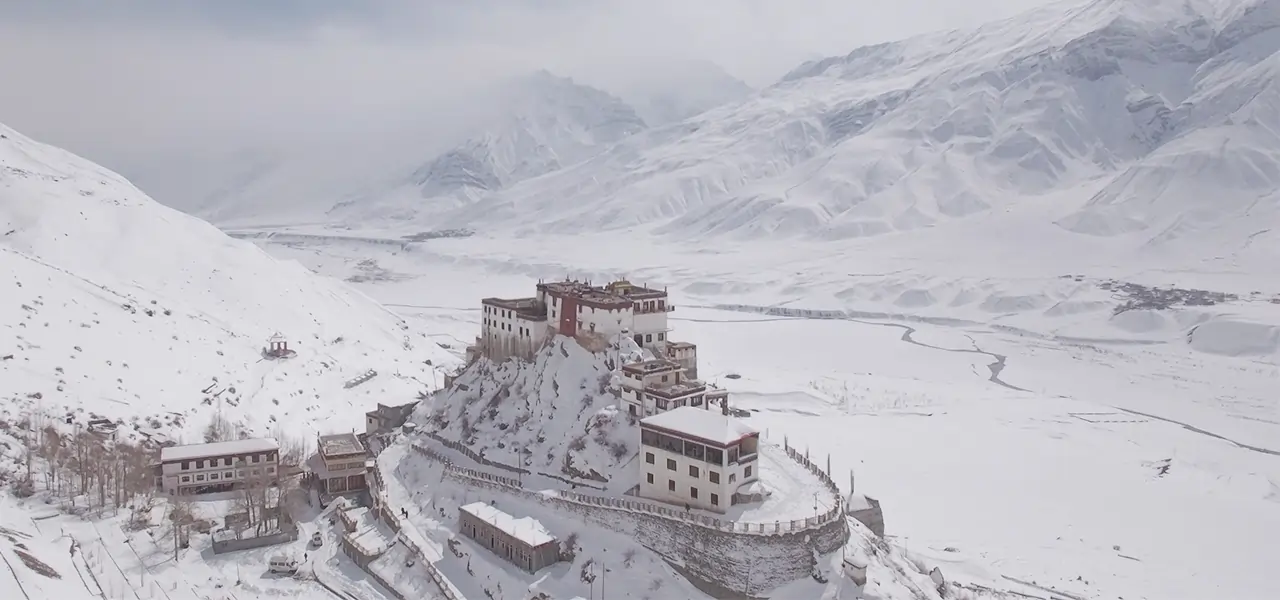
Winter Weather Conditions
December marks the beginning of deep winter in Spiti Valley with temperatures ranging from -20°C to 0°C. Heavy snowfall dominates the month, blanketing the landscape in white. Kunzum Pass completely closes under several feet of snow, making the Manali route inaccessible. The Shimla-Kaza route remains the only access point, subject to weather-dependent availability. Tourist infrastructure begins shutting down as many guesthouses and restaurants close for the season, though basic homestays and essential services continue operating. January represents the coldest month in Spiti with extreme temperatures dropping to -30°C during nighttime hours. Daytime temperatures rarely rise above -10°C, and wind chill makes conditions feel even colder. Heavy snowfall continues throughout the month, with accumulations reaching several feet even in lower valley areas. Daylight hours shorten to around 9-10 hours, reducing productive exploration time. The landscape becomes a frozen wasteland of white, with icicles hanging from buildings and frozen waterfalls creating natural ice sculptures. February brings slight moderation with temperatures ranging from -25°C to -8°C, though conditions remain severe. Snowfall continues but becomes less frequent than January. The extreme cold persists, making every outdoor activity physically demanding. Clear skies often accompany the cold, providing stunning night views of the Himalayan peaks and incredible stargazing opportunities. However, temperatures on clear nights can feel even colder due to radiative cooling. Throughout winter, wind chill becomes a significant factor affecting perceived temperature. Strong winds common in the valley can make -10°C feel like -20°C or colder. High-altitude sun provides little warmth during short winter days, and UV radiation remains intense despite cold temperatures. The combination of extreme cold, wind, and limited daylight creates challenging conditions that respect no boundaries and forgive no mistakes.Monthly Winter Temperatures:
| Month | Daytime | Nighttime | Conditions |
|---|---|---|---|
| November | -5 to 10°C | -15 to -5°C | Snow begins, Kunzum Pass closes |
| December | -20 to 0°C | -25 to -15°C | Heavy snow, deep winter begins |
| January | -30 to -10°C | -30 to -25°C | Coldest month, extreme conditions |
| February | -25 to -8°C | -25 to -20°C | Very cold, slight moderation |
| March | -15 to 5°C | -20 to -10°C | Melting begins, still very cold |
| April | -5 to 10°C | -15 to -5°C | Spring transition, snow melting |
Road Conditions in Winter
The Manali-Kaza route becomes completely inaccessible during winter due to Kunzum Pass closure at 4,551 meters. Heavy snow accumulates several feet deep on the pass, creating conditions impossible for regular vehicles. Rohtang Pass also remains closed throughout winter, blocking the route entirely. Even professional snow clearing equipment cannot maintain these routes during peak winter months. Attempting this route during winter is extremely dangerous and should never be attempted without specialized winter expedition vehicles and experienced guides. The Shimla-Kaza route via the Hindustan-Tibet Road remains the only lifeline connecting Spiti Valley to the outside world during winter. However, even this route presents significant challenges. The road frequently experiences temporary closures due to snowfall, avalanches, and rockfalls. Sections become ice-covered, creating extremely slippery conditions. Border Roads Organization works continuously to clear snow and maintain passage, but weather often outpaces their efforts. Road status can change daily, requiring constant monitoring and flexibility in travel plans. Driving conditions on the Shimla route demand exceptional skill and proper equipment. Four-wheel drive vehicles are essential, preferably with winter tires or chains. The road features steep gradients and narrow sections where mistakes prove fatal. Ice patches appear unexpectedly, particularly in shaded areas and around curves. Whiteout conditions from blowing snow can reduce visibility to near zero, making navigation impossible. Only experienced high-altitude winter drivers should attempt this route, and even they should travel in convoy when possible. The risk of becoming stranded is real and constant during winter travel. Weather conditions can deteriorate rapidly, trapping vehicles for days or weeks. Many remote sections have no mobile connectivity and limited passing traffic. Carrying emergency supplies including food, water, warm clothing, and communication devices becomes mandatory. Informing others of your travel plans and expected return times provides critical safety nets. The isolation of Spiti Valley means assistance may be hours or days away in emergencies. For most winter travelers, the safest approach involves hiring local drivers experienced in winter conditions. These drivers know the road intimately, understand warning signs, have networks for real-time information, and carry proper equipment. The additional cost provides invaluable peace of mind and significantly reduces risk. Alternative transportation options like helicopters exist theoretically but remain unreliable, expensive, and weather-dependent.Things to Do in Winter
Despite extreme conditions, winter in Spiti Valley offers unique experiences unavailable during other seasons. The frozen Spiti River creates a dramatic landscape of ice stretching through the valley. Photographers find endless opportunities capturing the surreal contrast between white snow, dark rock formations, and brilliant blue skies. The low winter sun casts long shadows across the frozen landscape, creating dramatic lighting conditions that make every shot spectacular. All major monasteries remain accessible throughout winter, providing spiritual and cultural immersion opportunities. Ki Monastery, perched dramatically on a hilltop, offers snow-covered views of the valley that summer visitors never see. Tabo Monastery, with its ancient walls dating back over a millennium, provides shelter from the cold while offering insights into Buddhist philosophy and Himalayan culture. Dhankar Monastery's cliffside location becomes even more dramatic surrounded by snow and ice. Winter often brings smaller crowds to these sacred sites, allowing for more intimate and contemplative visits. Snow trekking around Kaza and nearby villages offers moderate winter adventure for those acclimatized to the altitude and conditions. Local guides lead snowshoe expeditions to nearby ridges offering panoramic views of the frozen valley. These treks typically last 2-4 hours and require proper winter gear including insulated boots, gaiters, and layers. The physical exertion helps generate body heat while providing access to viewpoints unreachable by vehicle. Always trek with local guides familiar with avalanche conditions and safe routes. Cultural immersion takes on unique dimensions during winter months. Life in Spiti villages slows dramatically during winter, creating opportunities to experience traditional Himalayan living. Homestay experiences become particularly meaningful as families spend more time indoors together, sharing meals, stories, and warmth. Winter brings traditional celebrations including Losar, the Tibetan New Year, usually occurring in February or March depending on the lunar calendar. Participating in these festivals provides rare insights into local culture and creates lasting memories. Stargazing in Spiti winter is unparalleled. Crystal clear winter nights, far from light pollution, reveal the Milky Way with clarity impossible at lower altitudes. The thin atmosphere at high elevation and absence of atmospheric moisture create perfect viewing conditions. Temperatures drop significantly after sunset, so proper winter clothing and perhaps a local drink of butter tea help make the experience comfortable. Many homestays arrange stargazing sessions for interested guests, sharing local legends and astronomical knowledge passed down through generations.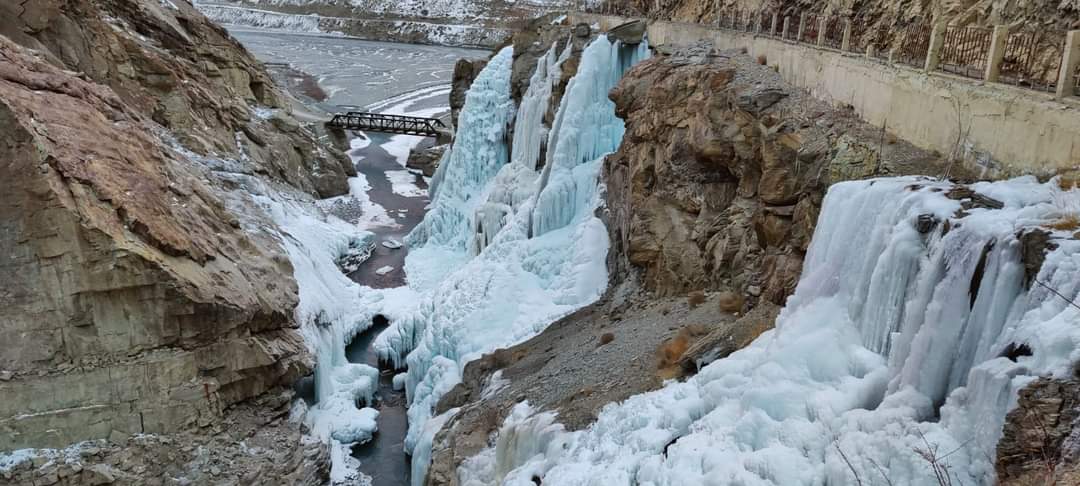
Challenges and Preparation
The extreme cold of Spiti winter presents life-threatening risks for unprepared travelers. Temperatures dropping to -30°C create dangerous conditions where hypothermia can develop within minutes if proper clothing and shelter aren't maintained. Cold-related injuries including frostbite become real concerns for exposed skin. Every outdoor activity requires careful planning and proper gear. The physical toll of constant cold drains energy faster than travelers expect, requiring more food and rest than usual. Accommodation availability becomes severely limited during winter. Most guesthouses and hotels close completely from November to April. Only a handful of homestays and a few guesthouses in Kaza and nearby villages remain open. These accommodations offer basic facilities at best. Water pipes freeze, meaning water comes from stored tanks and requires careful rationing. Heating typically consists of bukharis (traditional wood stoves) that make rooms cozy but create dry conditions affecting skin and respiratory systems. Basic facilities that travelers take for granted become challenges in winter Spiti. Running water often freezes, requiring melted snow for daily needs. Toilets may be unheated outdoor structures or basic indoor facilities that become extremely cold. Electricity supply can be unreliable due to weather-related disruptions. Internet connectivity is poor at best and nonexistent at worst. Mobile networks work sporadically with weak signals that disappear entirely during storms. These limitations require self-sufficiency and preparation for basic needs. Medical access becomes extremely limited during winter months. The nearest hospital with proper facilities is in Shimla, hundreds of kilometers away. Local health centers in Kaza offer basic care but lack advanced equipment and specialists. Emergency evacuation by helicopter is possible but depends heavily on weather conditions and can take days to arrange due to limited availability and high demand during winter. Carrying comprehensive first aid kits and personal medications becomes essential. Communication challenges compound other difficulties. Mobile signals are weak and intermittent. Internet access is virtually non-existent in most locations. Weather forecasts for this remote region are unreliable at best. This isolation means travelers must be self-sufficient and prepared to handle emergencies independently. informing family and friends of detailed plans provides crucial backup, but real-time communication during emergencies may be impossible. Fitness requirements for winter Spiti travel are higher than summer visits. The cold and physical demands of walking through snow and ice require good cardiovascular health and stamina. Altitude effects combine with cold stress to create more challenging conditions. Mental preparation is equally important—tolerating isolation, handling discomfort, and maintaining positive attitudes during difficult conditions. Winter Spiti tests travelers on multiple levels and rewards resilience with extraordinary experiences.What to Pack for Winter Spiti
Packing for winter Spiti requires extreme cold gear rated for temperatures below -20°C. A high-quality down jacket rated to -20°C or colder represents the single most important item. Look for jackets with at least 600-700 fill power down and good hood coverage. Thermal base layers made of merino wool or synthetic materials provide the foundation of your clothing system. Pack multiple sets of base layers as they will get damp from perspiration despite cold temperatures. Multiple layering capabilities are essential. Mid-layers should include fleece jackets or wool sweaters in varying weights. These allow adjusting insulation based on activity levels and conditions. A windproof and waterproof outer shell completes the system, protecting inner layers from wind and precipitation. Three to four layers combined provide the versatility needed for Spiti's variable conditions. Each layer should fit comfortably over the others without restricting movement. Extremity protection deserves special attention. Insulated, waterproof boots with good traction for ice are mandatory. Look for boots rated for extreme cold with removable liners that can be dried overnight. Multiple pairs of warm socks, preferably wool, are essential. Heavy gloves or mittens rated for extreme cold protect hands—mittens are generally warmer than gloves but offer less dexterity. Consider both options and hand warmers for extended outdoor activities. Head and face protection is non-negotiable. A balaclava or ski mask covers the entire face except eyes, protecting against frostbite. Sunglasses with UV protection are essential even in winter due to high-altitude sun reflecting off snow. Ski goggles provide better protection during windy conditions. A warm beanie or hat that covers ears completely. Consider a neck gaiter for additional protection that can be pulled up over the nose and mouth in extreme cold. A sleeping bag rated to -20°C or colder is essential even if staying in homestays. Guesthouse heating may be inadequate for truly cold nights, and you may need the sleeping bag's warmth. A sleeping pad with good insulation prevents body heat from conducting into cold floors. Consider a silk or fleece sleeping bag liner that adds warmth and can be used alone in slightly warmer conditions. Skincare items often get overlooked but become critical in extreme cold. Heavy moisturizer prevents skin from cracking and drying out due to the combination of cold and dry air. Lip balm with SPF protection prevents painful chapping. Hand cream helps skin that gets washed frequently when water is frozen. Sunscreen with high SPF remains essential despite cold temperatures—UV radiation is intense at high altitude and reflects off snow. Emergency supplies provide insurance against unexpected situations. Hand warmers and heat packs provide quick warmth when needed. A headlamp with extra batteries provides reliable light since power may fail. Power banks keep devices charged but note that cold drains batteries much faster than normal temperatures—keep devices warm close to your body when not in use. A whistle provides emergency signaling capability. A basic survival kit with high-energy food bars, water purification, and emergency blankets adds an extra safety layer.Winter Travel Tips
Booking accommodations weeks in advance becomes critical during winter due to extremely limited options. Most places close completely, and the few that remain open fill quickly with winter travelers. Contact potential homestays directly to confirm winter operations and make reservations. These accommodations often require advance notice for meal preparation since fresh ingredients become scarce. Confirm facilities including heating, water access, and toilet arrangements before booking to avoid surprises. Carrying emergency food and water provides essential insurance against becoming stranded. Road conditions can change rapidly, stranding vehicles for extended periods. Keep a supply of high-energy, non-perishable food items including nuts, energy bars, dried fruit, and instant noodles. Water should be stored in insulated containers to prevent freezing. Remember that cold temperatures increase calorie requirements, so pack more food than you think you need. Buffer days in your itinerary are non-negotiable for winter travel. Weather delays are common and expected. A single snowstorm can close roads for days, making tight schedules impossible. Plan for at least two to three extra days beyond your intended duration. These buffer days reduce stress when delays occur and provide flexibility to explore more when conditions are favorable. Respecting local customs and winter practices enhances your experience and shows cultural sensitivity. Winter is a challenging time for local communities, and your behavior impacts their limited resources. Conserve water and fuel. Ask before photographing people, especially during winter when activities are intimate and personal. Dress modestly when visiting monasteries and villages. Supporting local businesses by purchasing handicrafts and using local guides provides economic benefits to communities struggling through harsh winters. Staying indoors at night becomes a safety imperative, not just a comfort preference. Temperatures drop dramatically after sunset, and weather conditions often worsen. Any outdoor activities should be completed well before dark. Nighttime brings increased risks including getting lost in whiteout conditions, vehicle breakdowns in extreme cold, and accidents that are harder to respond to in darkness. Use daylight hours wisely for exploration and rest during night hours. Keeping vehicles fueled and maintained is crucial for winter travel. Gas stations are sparse, and some may close during winter. Fill up whenever possible and carry extra fuel in approved containers. Check tire pressure daily—cold temperatures affect tire pressure. Ensure batteries are in good condition as cold reduces cranking power. Carry essential spare parts and know basic repairs. Vehicles should be equipped with emergency kits including shovels, tow straps, and sand or mats for traction. Traveling with experienced guides or drivers significantly improves safety and experience quality. Local guides know the road intimately, understand weather patterns, have networks for real-time information, and carry proper equipment. They know which sections are safe, which routes to avoid, and can make decisions about turning back before conditions become dangerous. The additional cost provides invaluable peace of mind and allows you to focus on enjoying the experience rather than worrying about navigation. Having emergency contacts established before traveling provides critical support networks. Know the numbers for local police, medical facilities, and rescue services. Carry satellite phones or emergency beacons if possible since mobile coverage is unreliable. Share detailed itineraries with family including expected check-in times. Establish communication protocols—what to do if you don't check in, how long to wait before alerting authorities. These preparations can make life-saving differences during emergencies.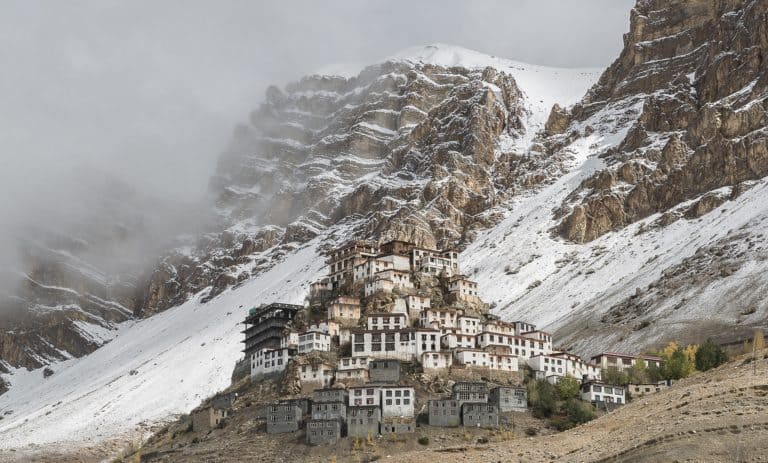
Internal Links for Further Reading
For comprehensive trip planning, explore Spiti Valley in October which details the optimal shoulder season before winter. Understanding the complete Spiti Valley weather guide provides year-round context for planning. The Spiti Valley road trip guide offers detailed routing information and travel tips for all seasons.Location
Frequently Asked Questions
Q1.Is Spiti Valley open in winter?
Spiti Valley is partially accessible in winter but with significant limitations. The Manali-Kaza route via Kunzum Pass closes completely from November to April due to heavy snow. The Shimla-Kaza route remains partially open, weather-dependent and requiring 4WD vehicles with experienced drivers. Road status changes daily based on conditions. Only the lower Spiti region around Kaza and nearby villages is accessible during winter months.
Q2.How cold is Spiti in December?
December in Spiti Valley brings very cold conditions with temperatures ranging from -20°C to 0°C. Heavy snowfall dominates the month, blanketing the landscape in white. Nighttime temperatures regularly drop below -15°C. Wind chill makes conditions feel even colder. Extreme cold weather gear rated for -20°C or below is essential for any outdoor activities during December.
Q3.Can we visit Spiti in January?
Visiting Spiti in January is possible but only for experienced winter travelers with proper preparation and equipment. January is the coldest month with temperatures dropping to -30°C. The Shimla-Kaza route provides the only access, subject to frequent closures. Most accommodations close, and basic facilities freeze. Only highly experienced adventurers with extreme cold gear and local guides should attempt January visits.
Q4.Is it safe to visit Spiti in winter?
Winter Spiti travel carries significant risks and should not be attempted by inexperienced travelers. Safety depends on preparation, experience, and conditions. Hiring local drivers with winter experience, carrying emergency supplies, having flexible itineraries with buffer days, and proper extreme cold gear improve safety. The isolation means emergency assistance is limited and may take days to arrive. Assess your experience honestly before attempting winter travel.
Q5.What to do in Spiti in winter?
Winter Spiti offers unique experiences including photography of frozen landscapes, visiting accessible monasteries like Ki and Tabo with snow-covered views, snow trekking around Kaza with local guides, cultural immersion through homestays, and experiencing Losar festival celebrations. The frozen Spiti River creates dramatic ice formations. Stargazing under crystal clear winter nights provides spectacular views. Winter activities are limited but offer unique perspectives on this Himalayan valley.
Q6.Are there hotels open in Spiti in winter?
Accommodation options are extremely limited during winter in Spiti Valley. Most guesthouses and hotels close completely from November to April. Only a handful of homestays and a few basic guesthouses in Kaza and nearby villages remain open. These offer basic facilities with bukhari heating, frozen water requiring rationing, and limited amenities. Booking weeks in advance is essential due to scarce availability.
Q7.What to pack for Spiti in winter?
Winter Spiti requires extreme cold gear rated below -20°C. Essential items include high-quality down jacket (-20°C rated), thermal base layers (multiple sets), fleece mid-layers, waterproof windproof shell, insulated waterproof boots, multiple wool socks, heavy mittens/gloves, balaclava, UV-protective sunglasses/ski goggles, warm beanie, -20°C rated sleeping bag, heavy moisturizer and lip balm with SPF, hand warmers, and emergency supplies. Layering is critical for temperature variations.
Q8.How to reach Spiti in winter?
During winter (November-April), the only route to Spiti is via Shimla through the Hindustan-Tibet Road to Kaza. The Manali-Kaza route via Kunzum Pass remains closed due to heavy snow. The Shimla route is weather-dependent, frequently closed temporarily by snowfall or avalanches, and requires 4WD vehicles with experienced drivers. Hiring local winter drivers is strongly recommended. Roads can close for days or weeks during storms.
Q9.Which parts of Spiti are accessible in winter?
During winter, primarily lower Spiti around Kaza and nearby villages like Kibber, Langza, and Hikkim remain accessible on clear weather days. Ki Monastery, Tabo Monastery, and Dhankar Monastery can be reached when roads are passable. Higher areas including Chandratal Lake, Pin Valley, and areas beyond Rohtang Pass are completely inaccessible. Access depends entirely on weather conditions and road status which change daily during winter.
Q10.Is Spiti Valley worth visiting in winter?
Spiti Valley in winter offers a magical, transformative experience for those willing to face extreme conditions. The frozen landscapes, pristine snow, dramatic monastery visits, and cultural immersion create unforgettable memories. However, it requires serious preparation, flexibility, and tolerance for discomfort. For most travelers, summer or autumn visits offer similar beauty with much greater comfort and safety. Winter is worth it only for experienced adventurers seeking authentic, challenging Himalayan experiences.
Recommended For You
Road Trips
Spiti Valley Road Trip: The Ultimate Guide to Himalayan Adventure
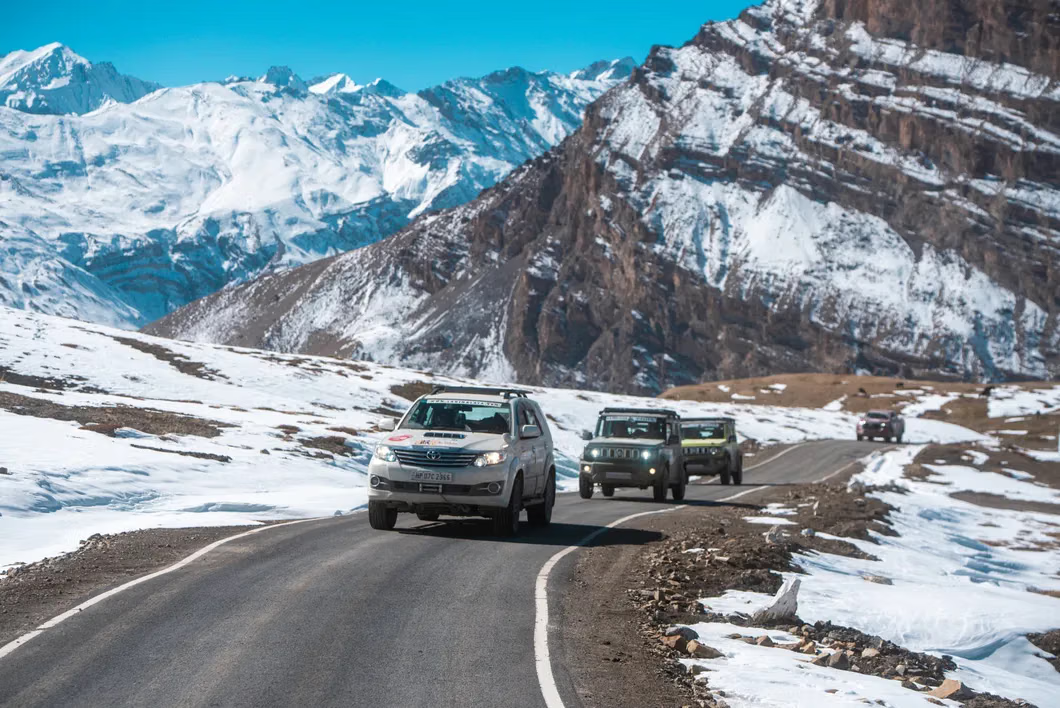
Spiti Valley road trip guide: routes from Shimla/Manali, best time, permits, vehicles, itinerary, accommodation & tips for the ultimate Himalayan adventure.
Dec 5Read More
Travel
Spiti in October: Travel Guide & Tips
Spiti in October: Complete guide to weather, road conditions, things to do, photography tips & why it's the perfect time to visit the cold desert.
Feb 20Read More
Travel
Spiti Valley Weather: Best Time To Visit And Conditions
Complete Spiti Valley weather guide with month-wise temperature, rainfall, and snowfall details. Best time to visit plus essential weather travel tips.
Jan 24Read More
Never Miss an Adventure
Get the latest trekking guides, travel tips, and exclusive offers delivered straight to your inbox.
