
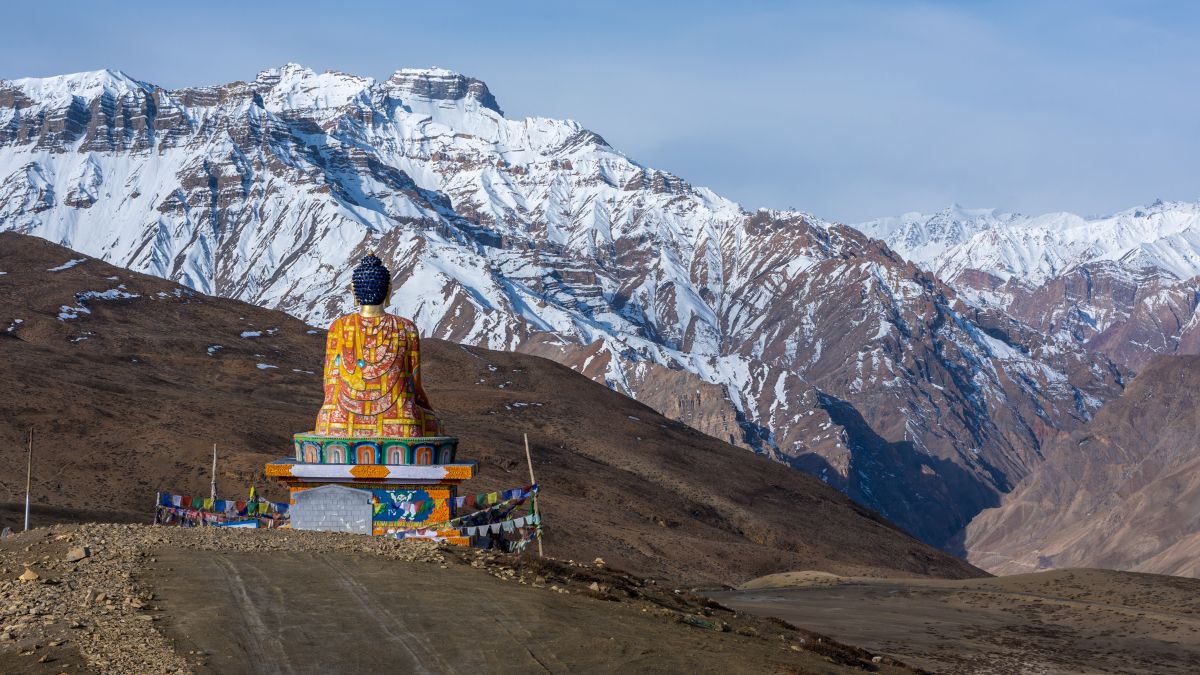
Trekking
Spiti Valley Trekking Guide: Best Routes, Itinerary & Tips 2026
Rohan Malhotra
February 4, 2026
12 min read3,009 views
Complete Spiti Valley trekking guide featuring Pin Parvati Pass, Chandratal Lake routes, itineraries, fitness preparation, gear checklist, and essential tips for 2026.
Spiti Valley Trekking: Ultimate Adventure Guide
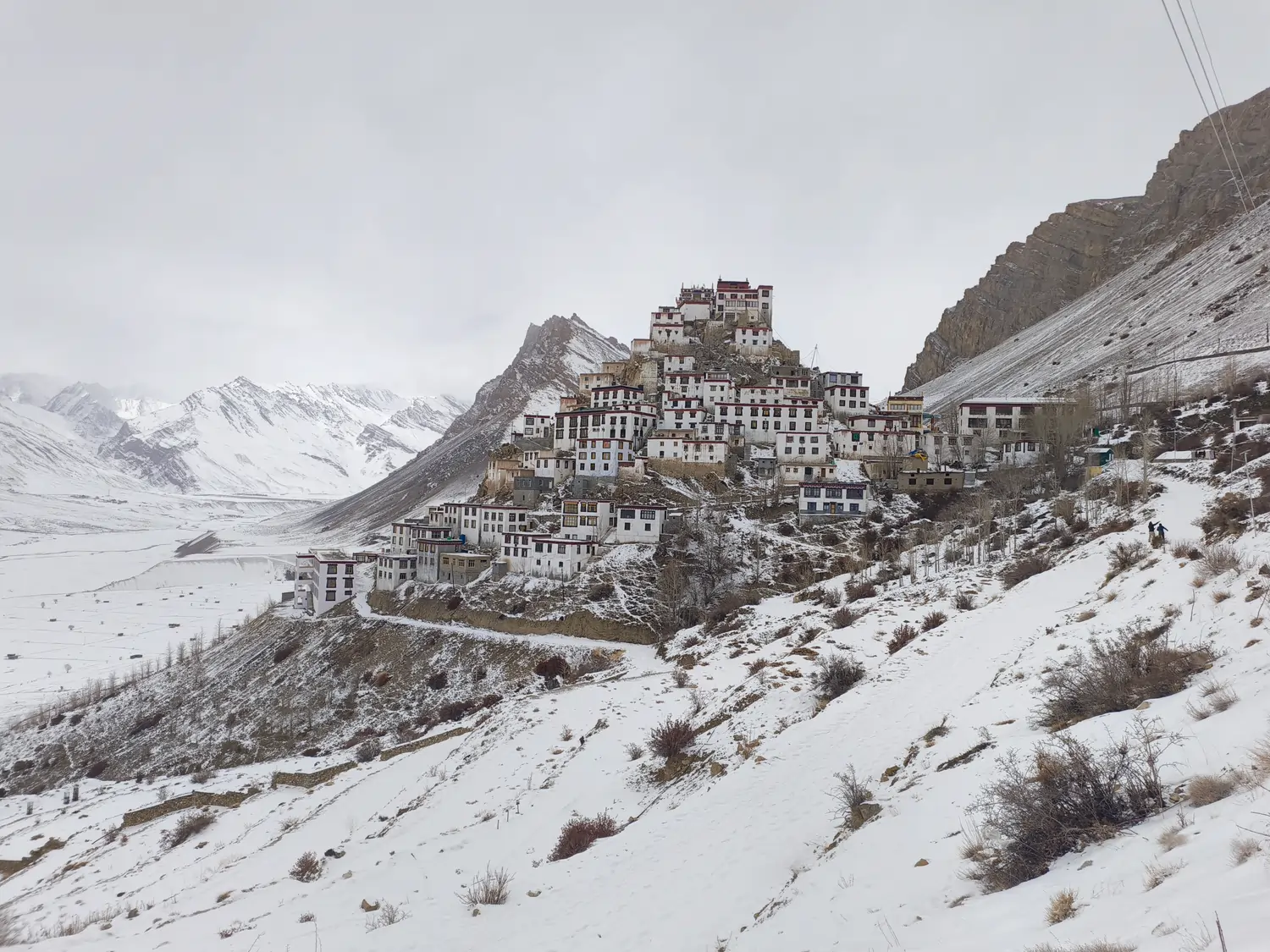
Spiti Valley, often called "The Middle Land" between Tibet and India, offers some of the most spectacular and challenging trekking routes in the Indian Himalayas. This high-altitude cold desert valley features dramatic landscapes, ancient monasteries, pristine high-altitude lakes, and remote villages that have remained isolated for centuries. Trekking through Spiti is not just a physical journey but a spiritual and cultural immersion into the heart of Tibetan Buddhism and Himalayan wilderness. With altitudes ranging from 3,500 to 6,000 meters, Spiti treks demand proper preparation, acclimatization, and respect for the challenging mountain environment. Be aware of altitude sickness risks and prepare accordingly. The reward is unmatched: crystal-clear lakes reflecting snow-capped peaks, ancient monasteries perched on cliffs, and the warm hospitality of Spitian people living at the edge of civilization.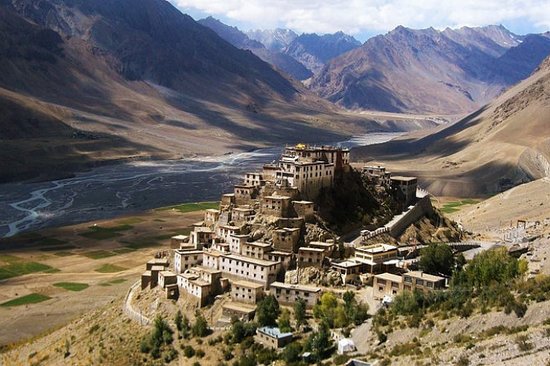
Best Trekking Season
The trekking season in Spiti Valley is relatively short, typically from mid-June to mid-October. The timing significantly affects your experience, route accessibility, and difficulty level.| Season | Months | Conditions | Best For |
|---|---|---|---|
| Early Season | Mid-June to July | Snow patches on high passes, fewer trekkers | Experienced trekkers, solitude seekers |
| Peak Season | July to August | Snow-free passes, lush meadows, wildflowers | All levels, scenic beauty |
| Late Season | September to October | Clear skies, stable weather, crisp air | Photography, clear views |
Top Trekking Routes in Spiti Valley
1. Pin Parvati Pass Trek (Challenging)
The Pin Parvati Pass trek is one of the most demanding yet rewarding treks in the Indian Himalayas, connecting the lush green Parvati Valley with the arid Spiti Valley over a pass at 5,319 meters.| Specification | Details |
|---|---|
| Duration | 11 days |
| Difficulty | Challenging |
| Maximum Altitude | 5,319 meters |
| Best Time | July to August |
| Total Distance | Approximately 110 km |
Itinerary - Pin Parvati Pass Trek:
- Day 1: Manali to Barshaini (Drive + trek to Kheerganga)
- Day 2: Kheerganga to Tunda Bhuj
- Day 3: Tunda Bhuj to Thakur Kuan
- Day 4: Thakur Kuan to Odi Thach
- Day 5: Odi Thach to Mantalai Lake
- Day 6: Mantalai to Base Camp (acclimatization day)
- Day 7: Base Camp to Pin Parvati Pass to Base Camp (Spiti side)
- Day 8: Base Camp to Tiya
- Day 9: Tiya to Gurguru
- Day 10: Gurguru to Kaza
- Day 11: Kaza to Manali (drive)
2. Chandratal Lake Trek (Moderate)
One of the most popular treks in Spiti, the Chandratal Lake trek takes you to the sacred "Moon Lake" at 4,300 meters, renowned for its stunning blue waters that change colors with the sun's position.| Specification | Details |
|---|---|
| Duration | 4-6 days |
| Difficulty | Moderate |
| Maximum Altitude | 4,300 meters |
| Best Time | July to September |
| Total Distance | 40-50 km |
Itinerary - Chandratal Lake Trek:
- Day 1: Manali to Gramphoo to Chatru (drive)
- Day 2: Chatru to Batal to Chandratal Base Camp
- Day 3: Base Camp to Chandratal Lake and exploration
- Day 4: Chandratal to Baralacha La (optional extension)
- Day 5: Baralacha La to Sarchu
- Day 6: Sarchu to Manali (return)
3. Spiti to Kinnaur Trek (Moderate)
This cultural trek connects the Spiti and Kinnaur valleys, passing through remote villages, ancient monasteries, and offering deep cultural immersion.| Specification | Details |
|---|---|
| Duration | 7-8 days |
| Difficulty | Moderate |
| Maximum Altitude | 4,900 meters |
| Best Time | June to September |
| Total Distance | 70-80 km |
Itinerary - Spiti to Kinnaur Trek:
- Day 1: Shimla to Sangla
- Day 2: Sangla to Chitkul (last Indian village)
- Day 3: Chitkul to Nako
- Day 4: Nako to Tabo
- Day 5: Tabo to Kaza via Dhankar Monastery
- Day 6: Kaza to Key Monastery and Kibber
- Day 7: Kaza to Losar to Kunzum Pass
- Day 8: Kunzum Pass to Chandratal to Manali
4. Kanamo Peak Trek (Challenging)
For experienced trekkers seeking high-altitude adventure, the Kanamo Peak trek summit at 5,974 meters provides spectacular 360-degree views of the surrounding Himalayan peaks.| Specification | Details |
|---|---|
| Duration | 5-6 days |
| Difficulty | Challenging |
| 5,974 meters | |
| Best Time | July to September |
| Total Distance | 35-40 km |
Itinerary - Kanamo Peak Trek:
- Day 1: Kaza to Kibber (4,200 meters)
- Day 2: Kibber to Kanamo Base Camp (acclimatization)
- Day 3: Base Camp acclimatization day
- Day 4: Base Camp to Kanamo Summit and return
- Day 5: Base Camp to Kibber
- Day 6: Kaza exploration (Key Monastery, Langza)

5. Parang La Trek (Very Challenging)
The Parang La trek follows an ancient trade route between Ladakh and Spiti/Tibet, crossing the Parang La pass at 5,580 meters and passing by the stunning Tso Moriri Lake.| Specification | Details |
|---|---|
| Duration | 10-11 days |
| Difficulty | Very Challenging |
| Maximum Altitude | 5,580 meters |
| Best Time | July to August |
| Total Distance | 100-110 km |
Physical Preparation and Fitness
Trekking in Spiti Valley demands excellent physical fitness due to high altitudes, challenging terrain, and long daily distances. Proper preparation is essential for a safe and enjoyable experience.Cardiovascular Training
- Running: Start with 3-5 km daily, gradually increasing to 8-10 km. Include hill repeats for leg strength.
- Cycling: Excellent for building endurance and leg strength. Aim for 20-30 km sessions, 3-4 times weekly.
- Swimming: Full-body workout improving lung capacity and overall stamina.
- Stair Climbing: Climb 15-20 floors daily, wearing your trekking backpack with weight.
Strength Training
- Leg Exercises: Squats, lunges, calf raises for lower body strength.
- Core Exercises: Planks, sit-ups for core stability essential for balance.
- Back Exercises: Pull-ups, rows for carrying loaded backpacks.
- Functional Training: Step-ups with weighted backpack simulating trekking conditions.
Trekking Practice
- Weekend Treks: Undertake local day treks or overnight hikes to test your gear and fitness.
- Weighted Backpack: Practice walking with 8-12 kg backpack gradually increasing the weight.
- Altitude Training: If possible, practice at higher altitudes before your Spiti trek.
- Break-in Footwear: Wear your trekking shoes on practice walks to prevent blisters.
Essential Gear and Equipment
Clothing - Layering System
- Base Layer: 2-3 sets of thermal tops and bottoms (synthetic or merino wool, avoid cotton)
- Mid Layer: Fleece jacket (1-2), woolen sweater for insulation
- Outer Layer: Waterproof and windproof jacket with hood
- Trekking Pants: 2-3 pairs quick-drying synthetic pants
- Warm Lower: Thermal pants for cold nights at high altitude
- Inner Wear: Adequate pairs (quick-drying recommended)
- Socks: 4-5 pairs wool trekking socks + 2 pairs liner socks
Footwear
- Trekking Shoes: Waterproof, high-ankle boots with good grip and ankle support
- Camp Shoes: Comfortable sandals or flip-flops for rest periods
- Gaiters: Essential for keeping snow, mud, and debris out of shoes
- Microspikes/Crampons: For early season treks with snow patches
Camping Gear
- Sleeping Bag: Rated to -10°C or lower for high-altitude nights
- Sleeping Mat: Insulated camping mat for warmth and comfort
- Tent: If camping independently, 4-season tent with good wind resistance
- Headlamp/Flashlight: With extra batteries
- Camping Stove: If cooking independently
Safety and Navigation
- First Aid Kit: Comprehensive kit including bandages, antiseptic, pain relievers, AMS medication
- Diamox: For altitude sickness prevention (consult doctor)
- Sun Protection: High SPF sunscreen (50+), sunglasses with UV protection, wide-brimmed hat
- Navigation: Compass, map, GPS device (download offline maps)
- Whistle: Emergency signaling
- Multi-tool Knife: For various repairs
Hydration and Nutrition
- Water Bottles: 2-3 durable bottles (2-3 liters total capacity)
- Water Purification: Tablets, filter, or purification drops
- Energy Bars: High-calorie snacks for sustained energy
- Dry Fruits and Nuts: Lightweight, high-energy trail mix
- Electrolyte Powders: For replenishing salts lost through sweating
Electronics
- Power Bank: High capacity (20,000mAh or more)
- Charging Cables: For all devices
- Camera: With extra batteries (cold drains batteries faster)
- Memory Cards: Ample storage for photography
- Universal Adapter: For charging various devices
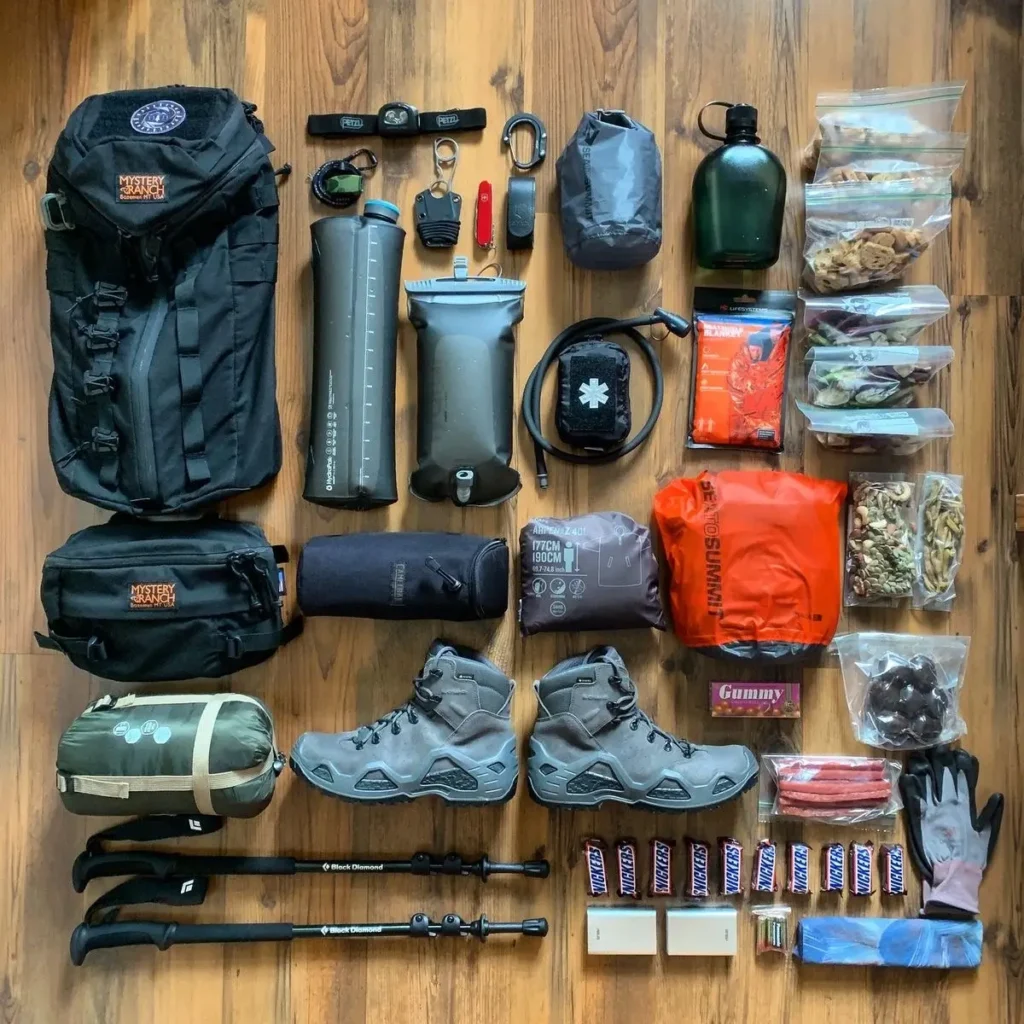
Acclimatization Strategy
Proper acclimatization is critical for preventing Acute Mountain Sickness (AMS) and ensuring a safe trek. Spiti treks involve significant altitude gains, and rushing acclimatization can be dangerous.Acclimatization Principles
- Gradual Ascent: Do not gain more than 500-600 meters in sleeping altitude per day
- Climb High, Sleep Low: If possible, climb higher during the day but sleep at lower altitude
- Hydration: Drink 3-4 liters of water daily
- Proper Nutrition: Eat regular, carbohydrate-rich meals
- Rest: Take acclimatization days, especially before major passes
- Listen to Your Body: Do not push through symptoms of AMS
Recognizing AMS Symptoms
| Symptom | Mild AMS | Severe AMS |
|---|---|---|
| Headache | Mild, manageable with medication | Severe, persistent |
| Nausea | Occasional, mild | Frequent vomiting |
| Breathing | Slightly elevated at rest | Severe shortness of breath |
| Mental | Mild confusion, fatigue | Severe confusion, hallucinations |
| Coordination | Normal | Loss of balance, stumbling |
Trekking with Guides and Porters
Hiring a Local Guide
- Benefits: Local knowledge of routes, weather patterns, emergency procedures, cultural insights
- Cost: Rs. 2,000-3,500 per day
- Selection: Choose certified guides from reputable trekking companies
- Tips: Clear communication about expectations, daily distances, and emergency procedures
Porter and Mule Services
- Porter Cost: Rs. 1,000-1,500 per day (carries up to 15 kg)
- Mule Cost: Rs. 1,500-2,500 per day (carries 30-40 kg)
- Recommendation: Use porters/mules for heavy equipment to conserve energy for trekking
- Planning: Book in advance during peak season
Permits and Documentation
Inner Line Permit
Indian citizens do not require Inner Line Permits for most Spiti Valley treks. However, foreigners need a Protected Area Permit (PAP) for visiting Spiti.
Protected Area Permit for Foreigners
- Apply At: DC Office in Shimla or Kaza
- Documents Required: Passport, visa, passport-size photographs
- Cost: Varies (typically Rs. 100-300 per week)
- Processing Time: 1-2 working days
Accommodation During Treks
Homestays
Available in most villages along popular trekking routes. Provide basic accommodation with beds and home-cooked food. Rates: Rs. 500-800 per night including meals. Best cultural experience.
Camping
For remote areas without homestays, camping is necessary. Either bring your own tent or arrange through trekking companies. Organized camps provide tents, meals, and basic facilities.
Guesthouses
Available in larger towns like Kaza, Tabo, and Sangla. More comfortable with attached bathrooms and hot water. Rates: Rs. 800-2000 per night.
Weather Conditions
- Daytime: 15°C to 25°C in valleys, can drop to 5°C at high altitude
- Nighttime: 0°C to 10°C in valleys, -5°C to -15°C at high campsites
- Wind: Can be strong at high altitude, especially near passes
- Rain: Minimal in Spiti (cold desert), but monsoon can affect approaches
- Snow: Possible in early season (June) and late season (October) on high passes
Budget Breakdown
Expense Category
Self-Organized (per person)
With Agency (per person)
Permits Rs. 500-1,000 Included
Guide Rs. 15,000-25,000 Included
Porter/Mule Rs. 10,000-15,000 Included
Accommodation Rs. 4,000-8,000 Included
Food Rs. 3,000-5,000 Included
Transport to/from Spiti Rs. 8,000-15,000 Rs. 10,000-20,000
Equipment Rental Rs. 2,000-4,000 Included
Miscellaneous Rs. 2,000-3,000 Rs. 1,000-2,000
Total Rs. 44,500-76,000 Rs. 45,000-80,000
Wildlife and Photography
Wildlife Spotting
- Snow Leopard: Elusive, best spotted in Pin Valley National Park
- Himalayan Ibex: Common in rocky areas
- Blue Sheep (Bharal): Frequently sighted on slopes
- Tibetan Wolf: Rare but occasionally seen
- Birds: Himalayan Snowcock, Golden Eagle, Bearded Vulture
Photography Tips
- Golden Hour: Sunrise and sunset for warm, dramatic lighting
- Blue Hour: Night photography for stars and monasteries
- Lens Selection: Wide-angle for landscapes, telephoto for wildlife and peaks
- Extra Batteries: Cold temperatures drain batteries faster
- Weather Protection: Rain covers for camera equipment
Emergency Contacts
- Himachal Emergency: 108
- Kaza Hospital: District Hospital, Kaza - Limited facilities
- Kaza Police: +91-1906-222236
- Manali Hospital: Lady Willingdon Hospital - For serious emergencies
- ITBP Helpline: For remote high-altitude rescues
Common Mistakes to Avoid
- Underestimating Altitude: Take AMS seriously, acclimatize properly
- Packing Wrong Gear: Quality equipment is essential for safety and comfort
- Skipping Fitness Preparation: Poor fitness leads to injury and difficult treks
- Not Booking in Advance: Peak season requires early bookings for guides and accommodation
- Rushing the Trek: Allow sufficient time for acclimatization and rest days
- Ignoring Weather: Check forecasts, be prepared for sudden changes
- Not Carrying Cash: ATMs are scarce in Spiti
Environmental and Responsible Trekking
- Leave No Trace: Pack out all waste, dispose of it properly
- Respect Wildlife: Observe from a distance, do not feed or disturb
- Support Locals: Use homestays, hire local guides and porters
- Cultural Respect: Dress modestly, follow monastery protocols
- Water Conservation: Use water filters, minimize single-use plastic
- Camp Responsibly: Use designated campsites, minimize impact
Post-Trek Recovery
After completing your Spiti Valley trek:
- Rest: Allow 1-2 days of rest in Kaza or Manali before traveling further
- Hydration: Continue drinking plenty of water to aid recovery
- Light Activity: Gentle walks help with muscle recovery
- Check for Issues: Monitor for any AMS symptoms or health issues
- Clean Equipment: Dry and clean all gear before storing
Conclusion
Spiti Valley trekking offers an unparalleled Himalayan adventure combining challenging physical demands with spiritual and cultural richness. Proper preparation, respect for the environment, and responsible travel practices ensure a safe, enjoyable, and transformative experience.
Whether you're crossing the dramatic Pin Parvati Pass, gazing at the turquoise waters of Chandratal Lake, or experiencing the warmth of Spitian hospitality in remote villages, trekking in Spiti Valley creates memories that last a lifetime.
Homestays
Available in most villages along popular trekking routes. Provide basic accommodation with beds and home-cooked food. Rates: Rs. 500-800 per night including meals. Best cultural experience.Camping
For remote areas without homestays, camping is necessary. Either bring your own tent or arrange through trekking companies. Organized camps provide tents, meals, and basic facilities.Guesthouses
Available in larger towns like Kaza, Tabo, and Sangla. More comfortable with attached bathrooms and hot water. Rates: Rs. 800-2000 per night.Weather Conditions
- Daytime: 15°C to 25°C in valleys, can drop to 5°C at high altitude
- Nighttime: 0°C to 10°C in valleys, -5°C to -15°C at high campsites
- Wind: Can be strong at high altitude, especially near passes
- Rain: Minimal in Spiti (cold desert), but monsoon can affect approaches
- Snow: Possible in early season (June) and late season (October) on high passes
Budget Breakdown
Expense Category
Self-Organized (per person)
With Agency (per person)
Permits Rs. 500-1,000 Included
Guide Rs. 15,000-25,000 Included
Porter/Mule Rs. 10,000-15,000 Included
Accommodation Rs. 4,000-8,000 Included
Food Rs. 3,000-5,000 Included
Transport to/from Spiti Rs. 8,000-15,000 Rs. 10,000-20,000
Equipment Rental Rs. 2,000-4,000 Included
Miscellaneous Rs. 2,000-3,000 Rs. 1,000-2,000
Total Rs. 44,500-76,000 Rs. 45,000-80,000
Wildlife and Photography
Wildlife Spotting
- Snow Leopard: Elusive, best spotted in Pin Valley National Park
- Himalayan Ibex: Common in rocky areas
- Blue Sheep (Bharal): Frequently sighted on slopes
- Tibetan Wolf: Rare but occasionally seen
- Birds: Himalayan Snowcock, Golden Eagle, Bearded Vulture
Photography Tips
- Golden Hour: Sunrise and sunset for warm, dramatic lighting
- Blue Hour: Night photography for stars and monasteries
- Lens Selection: Wide-angle for landscapes, telephoto for wildlife and peaks
- Extra Batteries: Cold temperatures drain batteries faster
- Weather Protection: Rain covers for camera equipment
Emergency Contacts
- Himachal Emergency: 108
- Kaza Hospital: District Hospital, Kaza - Limited facilities
- Kaza Police: +91-1906-222236
- Manali Hospital: Lady Willingdon Hospital - For serious emergencies
- ITBP Helpline: For remote high-altitude rescues
Common Mistakes to Avoid
- Underestimating Altitude: Take AMS seriously, acclimatize properly
- Packing Wrong Gear: Quality equipment is essential for safety and comfort
- Skipping Fitness Preparation: Poor fitness leads to injury and difficult treks
- Not Booking in Advance: Peak season requires early bookings for guides and accommodation
- Rushing the Trek: Allow sufficient time for acclimatization and rest days
- Ignoring Weather: Check forecasts, be prepared for sudden changes
- Not Carrying Cash: ATMs are scarce in Spiti
Environmental and Responsible Trekking
- Leave No Trace: Pack out all waste, dispose of it properly
- Respect Wildlife: Observe from a distance, do not feed or disturb
- Support Locals: Use homestays, hire local guides and porters
- Cultural Respect: Dress modestly, follow monastery protocols
- Water Conservation: Use water filters, minimize single-use plastic
- Camp Responsibly: Use designated campsites, minimize impact
Post-Trek Recovery
After completing your Spiti Valley trek:
- Rest: Allow 1-2 days of rest in Kaza or Manali before traveling further
- Hydration: Continue drinking plenty of water to aid recovery
- Light Activity: Gentle walks help with muscle recovery
- Check for Issues: Monitor for any AMS symptoms or health issues
- Clean Equipment: Dry and clean all gear before storing
Conclusion
Spiti Valley trekking offers an unparalleled Himalayan adventure combining challenging physical demands with spiritual and cultural richness. Proper preparation, respect for the environment, and responsible travel practices ensure a safe, enjoyable, and transformative experience.
Whether you're crossing the dramatic Pin Parvati Pass, gazing at the turquoise waters of Chandratal Lake, or experiencing the warmth of Spitian hospitality in remote villages, trekking in Spiti Valley creates memories that last a lifetime.
| Expense Category | Self-Organized (per person) | With Agency (per person) |
|---|---|---|
| Permits | Rs. 500-1,000 | Included |
| Guide | Rs. 15,000-25,000 | Included |
| Porter/Mule | Rs. 10,000-15,000 | Included |
| Accommodation | Rs. 4,000-8,000 | Included |
| Food | Rs. 3,000-5,000 | Included |
| Transport to/from Spiti | Rs. 8,000-15,000 | Rs. 10,000-20,000 |
| Equipment Rental | Rs. 2,000-4,000 | Included |
| Miscellaneous | Rs. 2,000-3,000 | Rs. 1,000-2,000 |
| Total | Rs. 44,500-76,000 | Rs. 45,000-80,000 |
Wildlife and Photography
Wildlife Spotting
- Snow Leopard: Elusive, best spotted in Pin Valley National Park
- Himalayan Ibex: Common in rocky areas
- Blue Sheep (Bharal): Frequently sighted on slopes
- Tibetan Wolf: Rare but occasionally seen
- Birds: Himalayan Snowcock, Golden Eagle, Bearded Vulture
Photography Tips
- Golden Hour: Sunrise and sunset for warm, dramatic lighting
- Blue Hour: Night photography for stars and monasteries
- Lens Selection: Wide-angle for landscapes, telephoto for wildlife and peaks
- Extra Batteries: Cold temperatures drain batteries faster
- Weather Protection: Rain covers for camera equipment
Emergency Contacts
- Himachal Emergency: 108
- Kaza Hospital: District Hospital, Kaza - Limited facilities
- Kaza Police: +91-1906-222236
- Manali Hospital: Lady Willingdon Hospital - For serious emergencies
- ITBP Helpline: For remote high-altitude rescues
Common Mistakes to Avoid
- Underestimating Altitude: Take AMS seriously, acclimatize properly
- Packing Wrong Gear: Quality equipment is essential for safety and comfort
- Skipping Fitness Preparation: Poor fitness leads to injury and difficult treks
- Not Booking in Advance: Peak season requires early bookings for guides and accommodation
- Rushing the Trek: Allow sufficient time for acclimatization and rest days
- Ignoring Weather: Check forecasts, be prepared for sudden changes
- Not Carrying Cash: ATMs are scarce in Spiti
Environmental and Responsible Trekking
- Leave No Trace: Pack out all waste, dispose of it properly
- Respect Wildlife: Observe from a distance, do not feed or disturb
- Support Locals: Use homestays, hire local guides and porters
- Cultural Respect: Dress modestly, follow monastery protocols
- Water Conservation: Use water filters, minimize single-use plastic
- Camp Responsibly: Use designated campsites, minimize impact
Post-Trek Recovery
After completing your Spiti Valley trek:
- Rest: Allow 1-2 days of rest in Kaza or Manali before traveling further
- Hydration: Continue drinking plenty of water to aid recovery
- Light Activity: Gentle walks help with muscle recovery
- Check for Issues: Monitor for any AMS symptoms or health issues
- Clean Equipment: Dry and clean all gear before storing
Conclusion
Spiti Valley trekking offers an unparalleled Himalayan adventure combining challenging physical demands with spiritual and cultural richness. Proper preparation, respect for the environment, and responsible travel practices ensure a safe, enjoyable, and transformative experience.
Whether you're crossing the dramatic Pin Parvati Pass, gazing at the turquoise waters of Chandratal Lake, or experiencing the warmth of Spitian hospitality in remote villages, trekking in Spiti Valley creates memories that last a lifetime.
Location
Frequently Asked Questions
Q1.What is the best time for Spiti Valley trekking?
The best time for Spiti Valley trekking is from mid-June to mid-October. July and August offer snow-free passes and lush meadows but see maximum trekkers. June provides solitude with fewer crowds but may require technical skills for snow crossings. September and October offer clear skies and stable weather, perfect for photography, though nights become colder. Avoid trekking outside this window as passes remain snow-bound.
Q2.How difficult is Spiti Valley trekking?
Spiti Valley trekking difficulty ranges from moderate to very challenging depending on the route. Chandratal Lake trek is moderate and suitable for beginners with good fitness. Spiti to Kinnaur trek is moderate with cultural elements. Pin Parvati Pass and Kanamo Peak treks are challenging, requiring excellent fitness and high-altitude experience. Parang La trek is very challenging, meant for experienced trekkers. Proper acclimatization and preparation are essential for all Spiti treks.
Q3.How do I prepare for Spiti Valley trekking?
Prepare for Spiti Valley trekking by building cardiovascular fitness through running (3-10 km daily), cycling (20-30 km sessions), and swimming. Include strength training focusing on legs, core, and back. Practice trekking with weighted backpacks (8-12 kg). Undertake weekend treks to test gear and fitness. Break in your trekking shoes thoroughly. Start training 2-3 months before your trek. Consistency is more important than intensity in the early stages of training.
Q4.What is the cost of Spiti Valley trekking?
Spiti Valley trekking costs approximately Rs. 44,500-76,000 per person for a 7-11 day trek if self-organized. This includes permits (Rs. 500-1,000), guide (Rs. 15,000-25,000), porter/mule (Rs. 10,000-15,000), accommodation (Rs. 4,000-8,000), food (Rs. 3,000-5,000), transport (Rs. 8,000-15,000), equipment rental (Rs. 2,000-4,000), and miscellaneous (Rs. 2,000-3,000). With a trekking agency, expect to pay Rs. 45,000-80,000 per person including most services.
Q5.Do I need permits for Spiti Valley trekking?
Indian citizens generally do not require Inner Line Permits for most Spiti Valley treks. Foreign nationals need a Protected Area Permit (PAP) to visit Spiti Valley. Apply for PAP at the DC Office in Shimla or Kaza, providing passport, visa, and passport-size photographs. Processing takes 1-2 working days and costs Rs. 100-300 per week. If traveling to Ladakh via Spiti, additional permits may be required. Check current regulations as they can change.
Q6.What is the altitude in Spiti Valley trekking?
Spiti Valley trekking involves significant high altitudes. Average trekking elevations range from 3,500 to 4,500 meters. High passes include Pin Parvati Pass (5,319 meters), Parang La (5,580 meters), and Kunzum Pass (4,590 meters). Kanamo Peak summit is at 5,974 meters. Chandratal Lake is at 4,300 meters. Proper acclimatization is critical - gain no more than 500-600 meters in sleeping altitude per day, take acclimatization days, and watch for AMS symptoms.
Q7.What gear do I need for Spiti Valley trekking?
Essential Spiti Valley trekking gear includes: layered clothing (thermal base layers, fleece, waterproof shell), trekking pants (2-3 pairs), waterproof high-ankle boots, gaiters, sleeping bag rated to -10°C, sleeping pad, tent (if camping independently), headlamp with batteries, comprehensive first aid kit, Diamox (after consulting doctor), high SPF sunscreen, sunglasses, 2-3 water bottles, water purification, high-capacity power bank (20,000mAh+), camera with extra batteries, and navigation aids (map, compass, GPS).
Q8.Should I hire a guide for Spiti Valley trekking?
Hiring a local guide for Spiti Valley trekking is highly recommended, especially for first-time visitors or challenging treks. Guides provide local knowledge of routes, weather patterns, emergency procedures, and cultural insights. Cost ranges from Rs. 2,000-3,500 per day. For moderate treks like Chandratal Lake, experienced independent trekkers might go without a guide. For challenging routes like Pin Parvati Pass or Parang La, hiring a guide is strongly recommended for safety and route finding.
Q9.How do I prevent altitude sickness in Spiti Valley?
Prevent altitude sickness in Spiti Valley by: ascending gradually (maximum 500-600 meters sleeping altitude per day), staying hydrated (3-4 liters daily), eating regular carbohydrate-rich meals, resting before major passes, avoiding alcohol and smoking, and taking Diamox after consulting your doctor. Climb high during the day but sleep at lower altitude if possible. Watch for AMS symptoms - headache, nausea, dizziness, shortness of breath. If symptoms appear, stop ascending and consider descent if they worsen.
Recommended For You
Hill Stations
Ladakh in Winter: Weather, Access, Places & Travel Tips
Ladakh in winter guide with real temperature ranges, transport reality, places to visit, packing checklist, and safety-first itinerary tips.
Nov 30Read More
Trekking
Best Treks in Shimla: Routes, Season and Tips
Plan the best treks in Shimla with route difficulty awareness, seasonal timing, and practical safety tips for better trail experiences.
Feb 18Read More
Wildlife
Pin Valley National Park Spiti: Wildlife, Trek Routes & Travel Tips
Pin Valley National Park complete guide covering wildlife, snow leopard habitat, treks, best season, route planning from Kaza, permits, and practical stay tips in Spiti.
Feb 20Read More
Never Miss an Adventure
Get the latest trekking guides, travel tips, and exclusive offers delivered straight to your inbox.
