
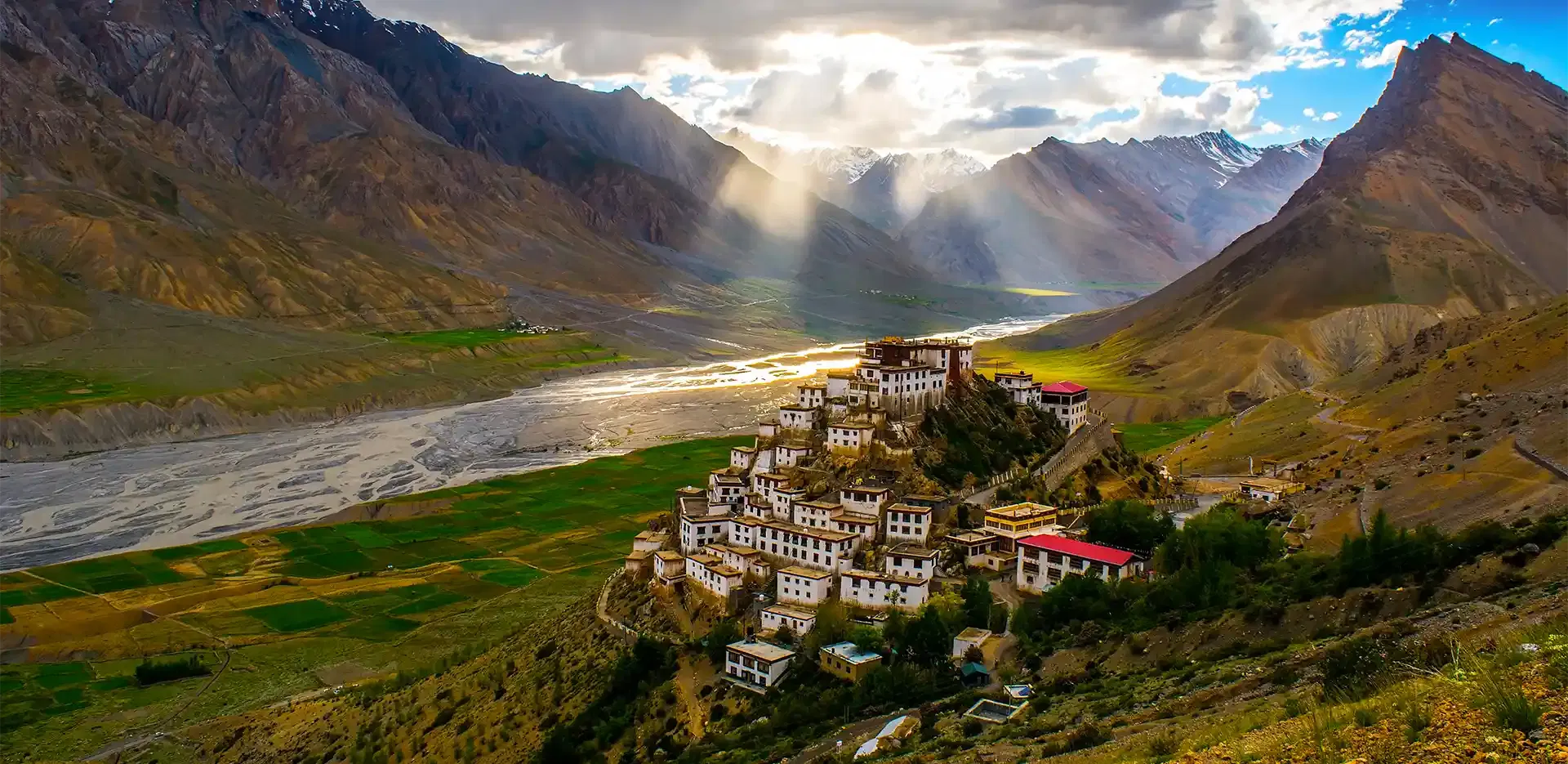
Spiti Valley Weather: Best Time To Visit And Conditions

Rohan Malhotra
January 24, 2026
Complete Spiti Valley weather guide with month-wise temperature, rainfall, and snowfall details. Best time to visit plus essential weather travel tips.
Spiti Valley Weather: Understanding the Cold Desert Climate
Spiti Valley sits high in the Himalayas at roughly 3,800 meters, which gives it a cold desert climate. Days can feel warm in the sun, but nights turn icy fast. That big day-night swing is the single most important thing to plan for. Weather here is also famously unpredictable. The valley stays frozen for close to half the year, with heavy snowfall blocking the main passes from roughly November to April. Even in summer, nights can dip below freezing. Plan for layers, and you will be comfortable in most conditions.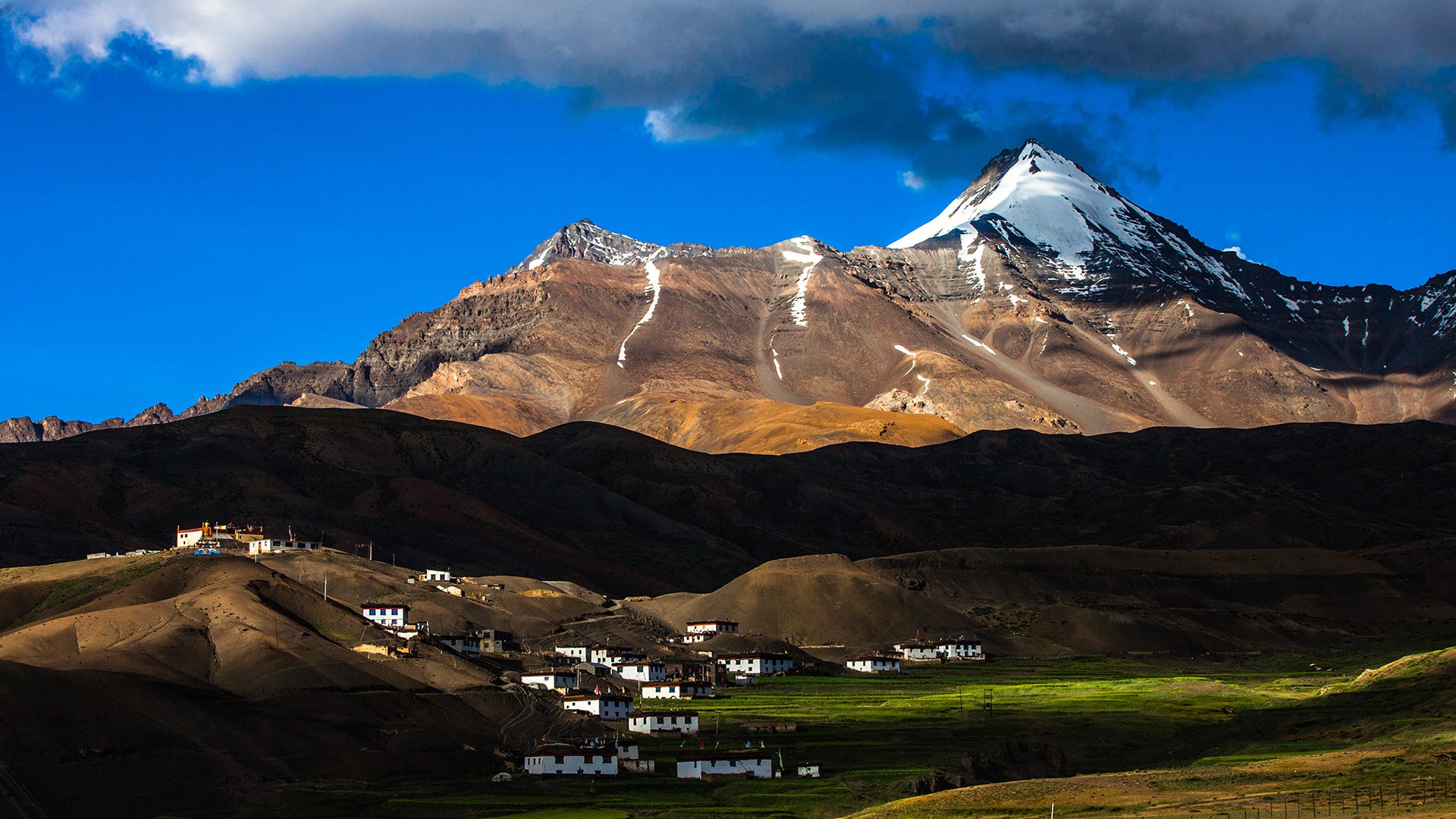
Weather by Season
Here is a simple seasonal snapshot so you can quickly compare accessibility and conditions.- Summer (May-June): Most accessible. Pleasant daytime temperatures, cold nights, and both routes start opening.
- Monsoon (July-August): Light rain compared to other Himalayan regions, but landslide risk rises and roads can be tricky.
- Autumn (September-October): Clear skies, stable roads, fewer crowds, and fantastic visibility.
- Winter (November-April): Extreme cold. Heavy snowfall closes passes for months; only the Shimla side is intermittently accessible.
Seasonal Weather Overview:
| Season | Months | Temperature | Travel Conditions |
|---|---|---|---|
| Summer | May-June | 5-20 C | Best time, roads open |
| Monsoon | July-August | 12-22 C | Rainy, road risks |
| Autumn | September-October | 5-15 C | Clear, ideal conditions |
| Winter | November-April | -30 to 5 C | Extreme, limited access |
Month-wise Weather Breakdown
Below is a quick, month-by-month snapshot so you can spot the best window at a glance.January
Deep winter. Temperatures around -30 C to -5 C. Heavy snowfall, Kunzum Pass closed, and very limited access.
February
Still severe cold (-25 C to -3 C). Occasional clear days on the Shimla route, but travel remains tough.
March
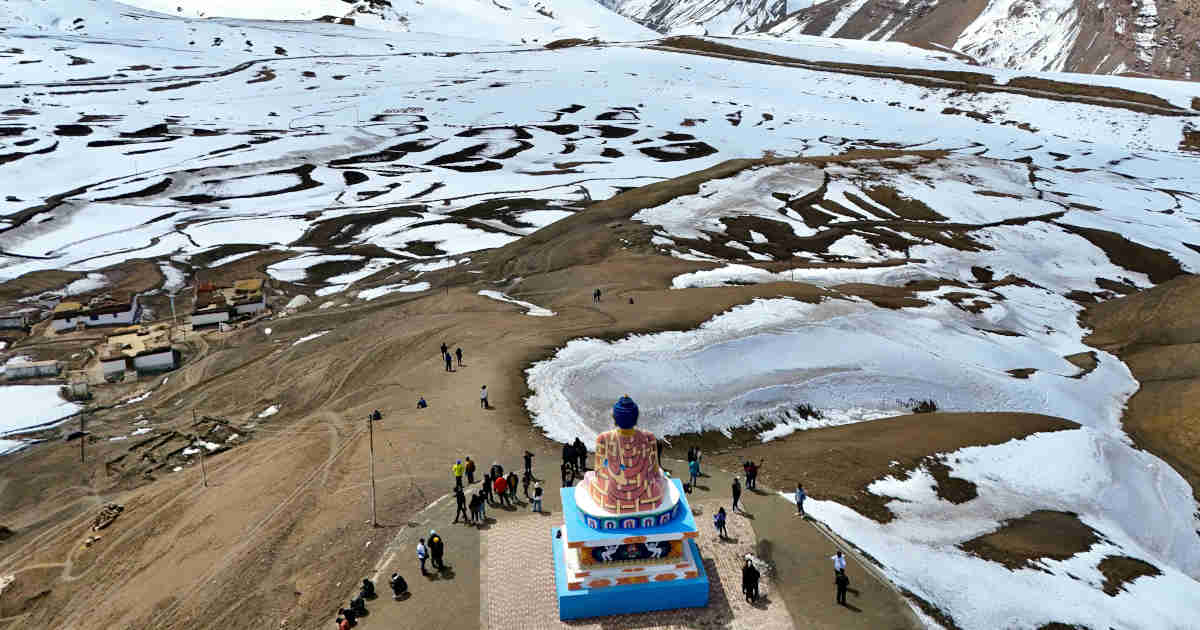
Slow thaw begins (-15 C to 5 C). Lower areas start to melt, but high passes stay blocked.
April
Spring transition (-5 C to 10 C). Shimla route improves; Kunzum Pass usually still closed.
May
Travel season begins (5 C to 15 C). Manali-Kaza route typically opens mid-month; late May is most reliable.
June
Peak clarity (10 C to 20 C). Both routes open, long daylight hours, and stable roads.
July
Monsoon arrives (12 C to 22 C). Landslide risk increases; travel is possible but requires flexibility.
August
Wettest month in Spiti (still low by Himalayan standards). Roads can be disrupted by flash floods and slips.
September
Post-monsoon calm (8 C to 18 C). Clear skies return and crowds thin out.
October
Often the best month (5 C to 15 C). Crisp air, golden hues, and excellent visibility.
November
Winter returns (-5 C to 10 C). Kunzum Pass closes; services begin shutting down.
December
Full winter (-20 C to 0 C). Only the Shimla-Kaza route is intermittently accessible.
Temperature Ranges
Spiti's temperature story is about contrast. Warm sun in the day, sharp cold at night, even in peak season.- Summer days: 15-20 C, comfortable for exploration.
- Summer nights: 5-10 C, layers required.
- Winter days: -5 to 5 C, still harsh.
- Winter nights: -30 to -15 C, extreme cold.
| Time of Year | Daytime | Nighttime | Key Considerations |
|---|---|---|---|
| Summer (Jun-Aug) | 15-20 C | 5-10 C | Comfortable days, cold nights |
| Autumn (Sep-Oct) | 8-18 C | 0-8 C | Pleasant, clear skies |
| Winter (Nov-Apr) | -5 to 5 C | -30 to -15 C | Extreme cold, dangerous |
| Spring (Apr-May) | 5-15 C | -5 to 5 C | Variable, transitional |
Rainfall and Snowfall Patterns
Spiti receives low annual rainfall (around 200-300mm), so it stays dry most of the year. The little rain it gets falls mainly in July-September, and even that can trigger landslides on mountain roads. Snow is the dominant precipitation from November to April. Higher passes can see several feet of snow, while Kaza usually gets lighter accumulation. Avalanche risk exists in steep, high-altitude areas during and after heavy snowfall.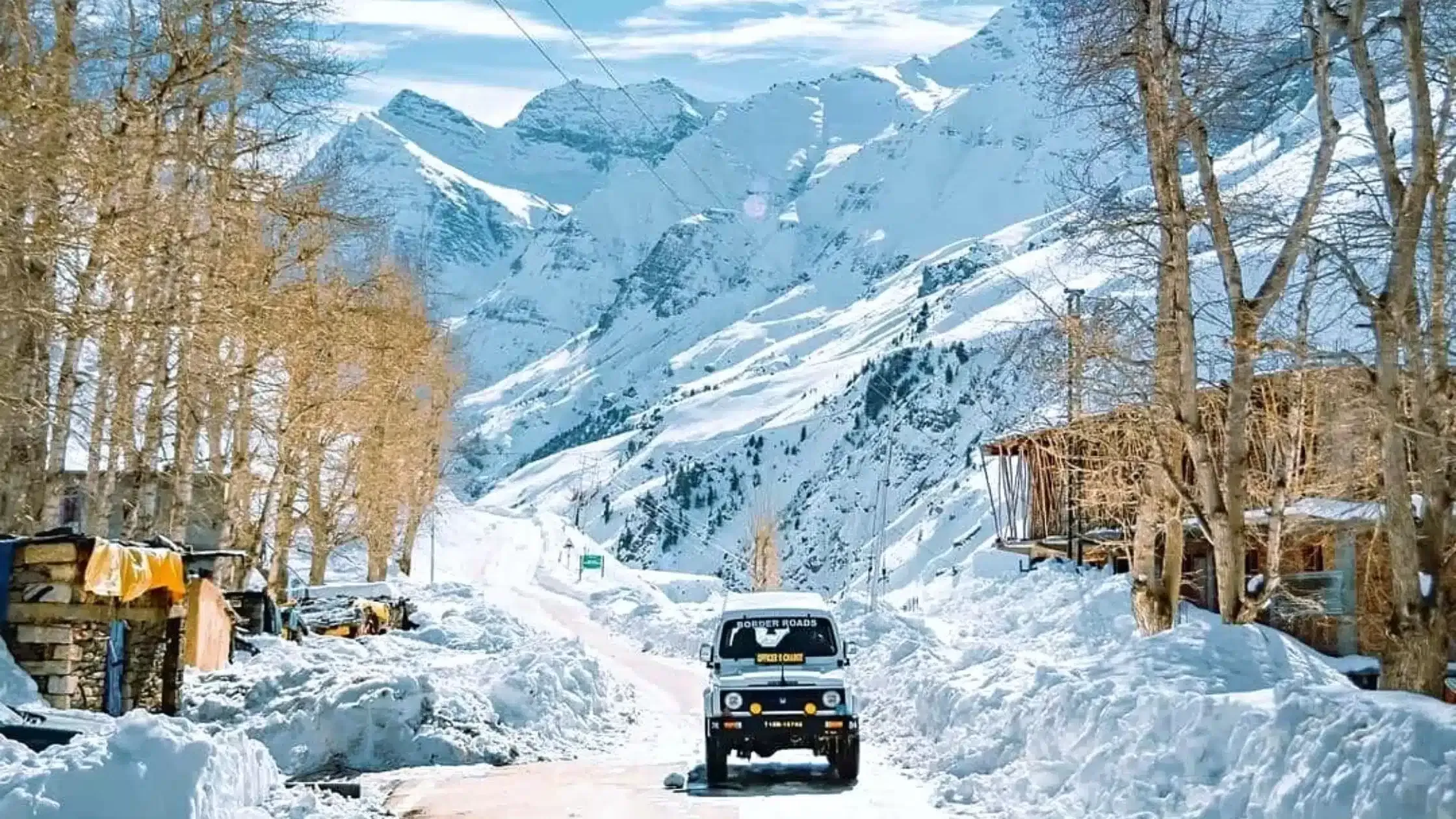
Best Weather Conditions for Travel
The two best windows are:- May-June: The valley opens, roads become reliable, and the landscape is fresh with melting snow.
- September-October: Clear skies, dry roads, fewer tourists, and brilliant autumn colors.
Weather Travel Tips and Preparation
- Layering is non-negotiable: Carry thermals, a warm mid-layer, and a windproof outer shell.
- Expect big day-night swings: It can feel like two different seasons in a single day.
- Pack strong sun protection: High altitude means intense UV, even on cloudy days.
- Keep buffer days: Weather and road blocks can change plans fast.
- Monitor local updates: Forecasts are limited; local reports are often more reliable.
- Avoid peak monsoon if possible: July-August has higher landslide and flood risk.
Read More About Spiti Valley
For comprehensive trip planning, explore Spiti Valley in summer which details the peak travel season. Understanding Spiti Valley winter conditions is essential if you are considering a cold-season adventure. The complete Spiti Valley road trip guide provides detailed routing information and travel tips for all seasons.Location
Frequently Asked Questions
Q1.What is the weather like in Spiti Valley?
Q2.How cold does Spiti get in winter?
Q3.When is the best weather in Spiti Valley?
Q4.What is the weather in Spiti in June?
Q5.Does it rain in Spiti Valley?
Q6.Is there snow in Spiti in May?
Q7.What to wear in Spiti Valley?
Q8.Which month has the best weather in Spiti?
Q9.Is Spiti too cold in December?
Q10.How is the weather in Spiti in October?
Recommended For You
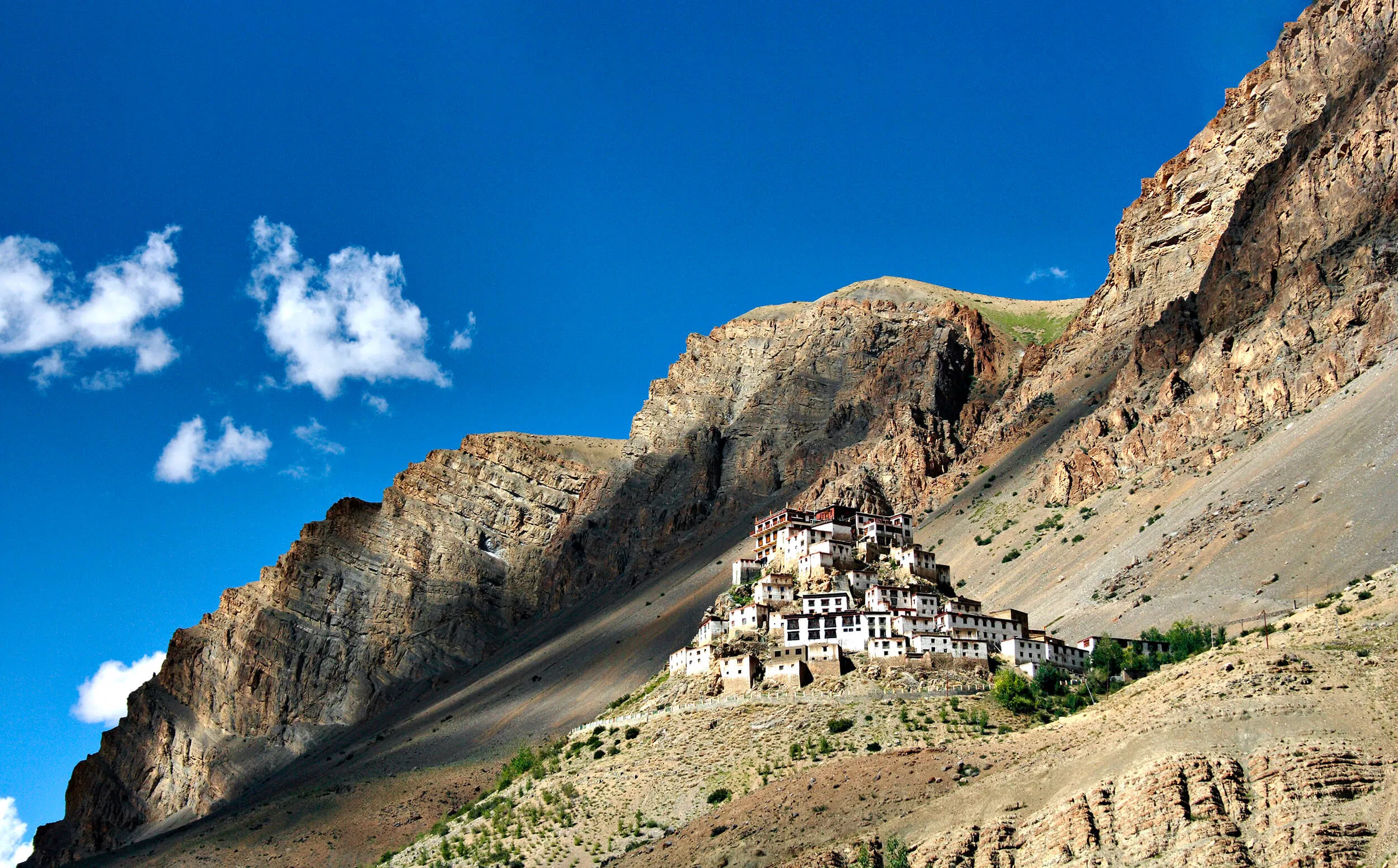
Spiti Valley in Summer: Complete Travel Guide, Itinerary & Tips 2026
Discover Spiti Valley in summer with complete travel guide featuring 7-10 day itineraries, trekking routes, monasteries, Chandratal Lake, and essential tips for 2026.
Spiti Valley in Winter: Temperature, Accessibility & Survival Tips
Complete winter guide for Spiti Valley covering December-January weather, snowfall, frozen rivers, road conditions, and essential travel tips.
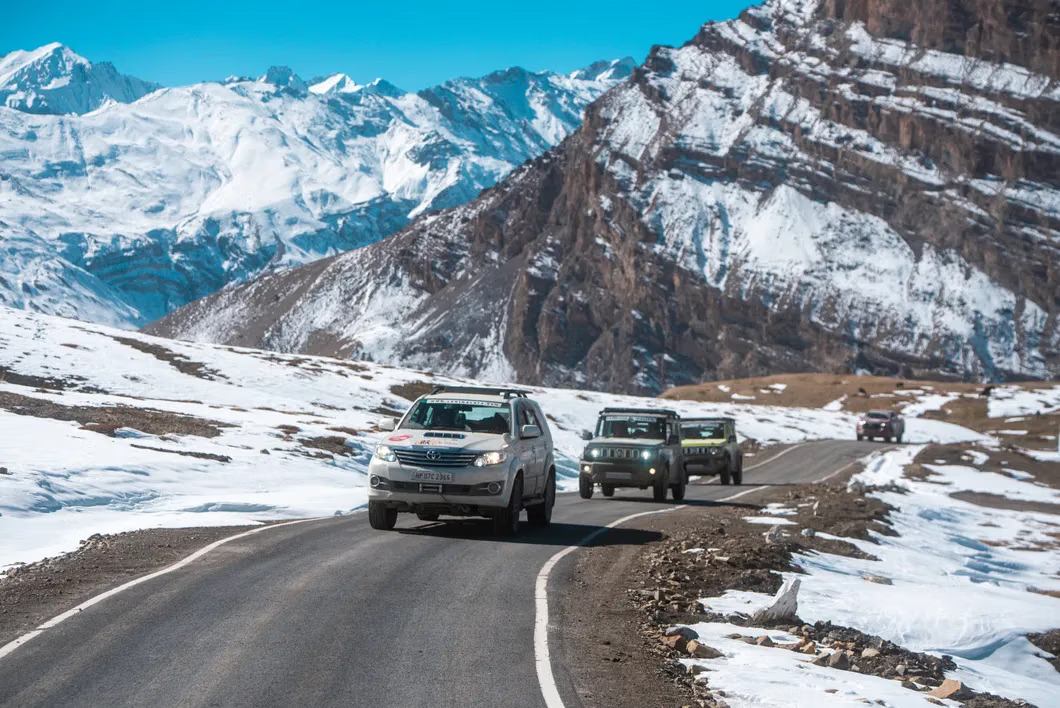
Spiti Valley Road Trip: The Ultimate Guide to Himalayan Adventure
Spiti Valley road trip guide: routes from Shimla/Manali, best time, permits, vehicles, itinerary, accommodation & tips for the ultimate Himalayan adventure.
Never Miss an Adventure
Get the latest trekking guides, travel tips, and exclusive offers delivered straight to your inbox.
