
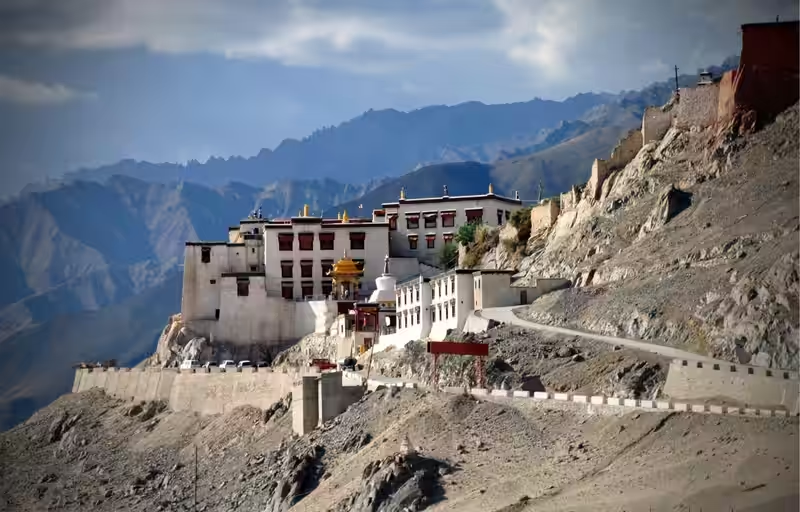
Spituk Gompa Leh: History, Festival & Timings

Rohan Malhotra
February 18, 2026
Discover Spituk Gompa, an ancient 15th-century Buddhist monastery in Leh. Complete guide to history, architecture, Gustor Festival, timings, entry fee, and how to reach this hilltop spiritual destination.
Introduction: The Hilltop Monastery of Leh
Perched dramatically on a hilltop overlooking the Indus Valley, Spituk Gompa stands as one of Ladakh's most revered Buddhist monasteries. This ancient Gelugpa monastery, whose name translates to "exemplary," has been a beacon of Tibetan Buddhism since the 11th century. Just 8 kilometers from Leh city, Spituk offers visitors not just spiritual solace but breathtaking panoramic views of the surrounding mountains and the Indus River flowing far below. The monastery's strategic position makes it an ideal first stop for travelers exploring Ladakh's rich spiritual heritage. Home to over 100 monks and housing rare Buddhist artifacts, Spituk Gompa provides an authentic glimpse into the region's monastic traditions. Whether you're a spiritual seeker, history enthusiast, or simply a traveler drawn to Ladakh's unique culture, this monastery offers something deeply meaningful for every visitor.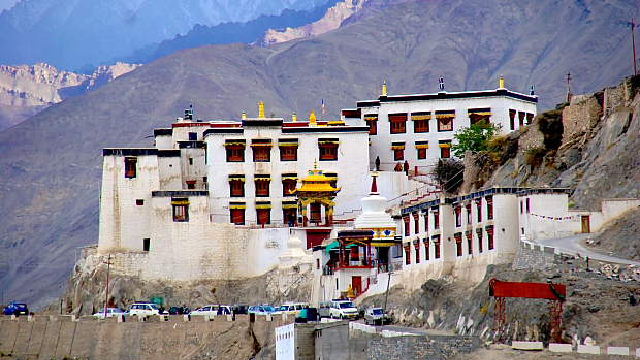
History and Foundation
The origins of Spituk Gompa trace back to the 11th century, when the oldest part of the monastery was established during the reign of King Lhachen Gyalpo. However, the monastery as we know it today was formally founded in the 15th century by Od-de, the elder brother of the famous Tibetan translator Rinchen Zangpo. The name "Spituk" derives from the Ladakhi word meaning "exemplary," reflecting the monastery's role as a model of Buddhist practice and learning. Throughout its history, Spituk has undergone significant expansions and renovations under various Ladakhi kings and spiritual leaders. During the 17th century, the monastery received royal patronage from King Sengge Namgyal, who played a crucial role in establishing many of Ladakh's important monasteries. The monastery's growth continued under successive generations, with new chapels, prayer halls, and residential quarters added to accommodate the growing monastic community. Belonging to the Gelugpa or Yellow Hat sect of Tibetan Buddhism, Spituk has maintained its religious traditions despite the region's tumultuous history. The Gelugpa order, founded by the great reformer Tsongkhapa in the 14th century, emphasizes discipline, scholarship, and the gradual path to enlightenment. Spituk's alignment with this tradition has made it an important center for Buddhist learning and practice in Ladakh. The monastery's historical significance extends beyond its religious role. It has served as a cultural repository, preserving ancient Buddhist texts, thangkas (paintings), and statues through centuries of political change and natural challenges. The survival of these treasures speaks to the dedication of the monastic community and the local people's commitment to preserving their spiritual heritage.Architecture and Layout
Spituk Gompa's architecture exemplifies traditional Ladakhi monastery design, perfectly adapted to its dramatic hilltop location. The monastery complex is arranged in a terraced fashion, with buildings climbing up the steep slope. This vertical arrangement not only maximizes the limited available space but also creates a visually striking silhouette against the sky, making the monastery visible from miles away. The main structures are built using traditional materials: mud bricks for walls, stone for foundations, and wood for pillars and roofs. The exterior walls are typically whitewashed, creating a bright contrast with the surrounding barren mountains and the deep blue Ladakhi sky. Red pillars and intricately carved wooden windows add color and detail to the otherwise simple facades.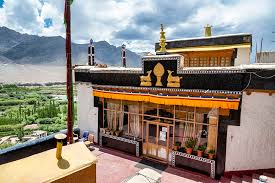 The monastery complex is organized around several key structures. The central Dukhang or main prayer hall forms the heart of the monastic community, where monks gather for daily prayers and rituals. Surrounding the Dukhang are smaller chapels dedicated to specific deities and Buddhist figures. These chapels house the monastery's most sacred statues and thangkas.
One of the most architecturally significant features is the oldest temple within the complex, which dates back to the 11th century. This ancient structure, with its thick walls and simple design, contrasts with later additions that feature more elaborate decorations and larger prayer halls. The evolution of architectural styles within the complex tells the story of the monastery's growth through the centuries.
The monastery's position on the hilltop was strategically chosen for both defensive and spiritual reasons. From this vantage point, monks could spot approaching travelers or potential threats from afar. Spiritually, the elevated location symbolizes the aspiration toward enlightenment, while the panoramic views serve as a constant reminder of the interconnectedness of all things—a core Buddhist principle.
The monastery complex is organized around several key structures. The central Dukhang or main prayer hall forms the heart of the monastic community, where monks gather for daily prayers and rituals. Surrounding the Dukhang are smaller chapels dedicated to specific deities and Buddhist figures. These chapels house the monastery's most sacred statues and thangkas.
One of the most architecturally significant features is the oldest temple within the complex, which dates back to the 11th century. This ancient structure, with its thick walls and simple design, contrasts with later additions that feature more elaborate decorations and larger prayer halls. The evolution of architectural styles within the complex tells the story of the monastery's growth through the centuries.
The monastery's position on the hilltop was strategically chosen for both defensive and spiritual reasons. From this vantage point, monks could spot approaching travelers or potential threats from afar. Spiritually, the elevated location symbolizes the aspiration toward enlightenment, while the panoramic views serve as a constant reminder of the interconnectedness of all things—a core Buddhist principle.
Main Attractions and Sacred Treasures
The Main Dukhang (Prayer Hall)
The Dukhang serves as the spiritual heart of Spituk Gompa, where the monastic community gathers for daily prayers and ceremonies. This large prayer hall houses an impressive collection of Buddhist statues, thangkas, and ritual objects. The centerpiece is a magnificent statue of Chenrezig (Avalokiteshvara), the Bodhisattva of Compassion, surrounded by smaller statues of other important Buddhist figures. The walls of the Dukhang are adorned with ancient thangkas—traditional Tibetan Buddhist paintings on cotton or silk appliqué. These colorful artworks depict various deities, mandalas, and scenes from Buddhist mythology. Many of these thangkas are centuries old and represent important examples of Tibetan artistic tradition. The hall also contains rows of prayer cushions where monks sit during ceremonies, creating a solemn atmosphere of devotion and learning.Vajra Bhairava Shrine
One of Spituk's most intriguing attractions is the shrine dedicated to Vajra Bhairava, a fierce manifestation of the Bodhisattva Manjushri. What makes this shrine particularly special is that the main image of Vajra Bhairava is kept covered for most of the year and is only revealed during the annual Gustor Festival. This practice creates an aura of mystery and reverence around the deity. Vajra Bhairava represents the wisdom that cuts through ignorance and illusion. The fierce appearance of the deity, with multiple heads, arms, and terrifying expression, symbolizes the power of wisdom to overcome all obstacles on the path to enlightenment. The shrine also houses a collection of ritual masks used during the cham dances performed at the Gustor Festival.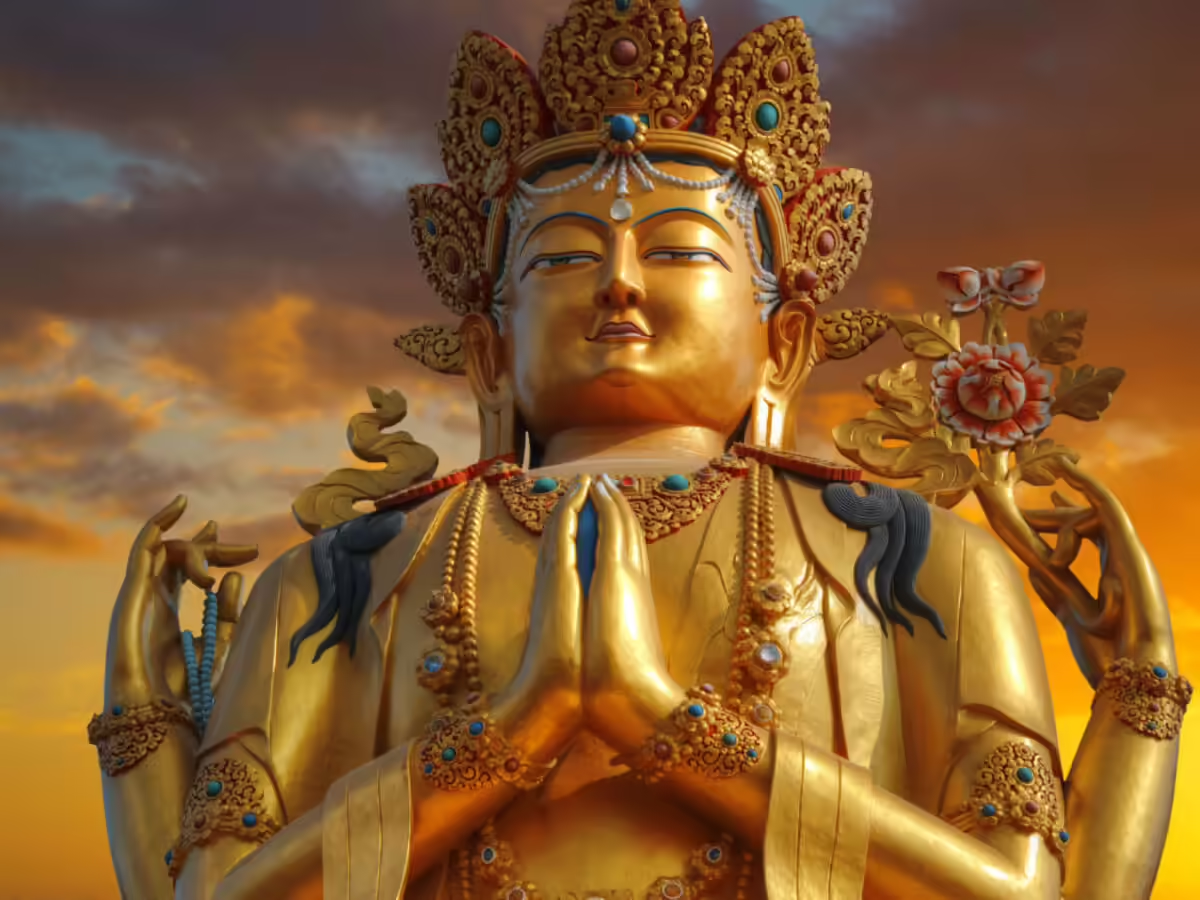
Chenrezig Statue
The massive gold-plated statue of Chenrezig dominates the main temple and serves as the focal point of devotion for both monks and visitors. Chenrezig, known as Avalokiteshvara in Sanskrit, embodies the compassion of all Buddhas and is one of the most revered figures in Mahayana Buddhism. The statue's serene expression and multiple arms, each holding a symbolic object, represent the Bodhisattva's boundless capacity to help all sentient beings. Surrounding the main Chenrezig statue are smaller images of other important Buddhist figures, including Guru Rinpoche (Padmasambhava), who is credited with establishing Buddhism in Tibet, and various lamas associated with Spituk's history. These statues create a sacred space that connects the present monastic community with their spiritual predecessors.Thangka Collection
Spituk Gompa houses an impressive collection of ancient thangkas, some of which are centuries old. These painted or embroidered scrolls depict various Buddhist deities, mandalas, and scenes from the life of the Buddha. The thangkas serve not just as art but as objects of devotion and meditation aids for practitioners. The collection includes examples from different historical periods, showcasing the evolution of Tibetan Buddhist art. Some thangkas are kept in storage and only brought out for special festivals, preserving their delicate colors and fabric for future generations. The most precious thangkas are displayed behind glass or in climate-controlled cases to protect them from damage.The Library
The monastery's library contains a valuable collection of Buddhist scriptures and texts written in Tibetan script. These texts include the Kangyur (the words of the Buddha) and Tengyur (commentaries by Indian masters), as well as works by Tibetan scholars and practitioners. Many of these texts are handwritten and several centuries old, representing an important repository of Buddhist knowledge. The library serves as a resource for the monastic community, who study these texts as part of their religious education. For visitors, the library offers a glimpse into the scholarly tradition that has been preserved at Spituk for generations. The careful preservation of these texts despite Ladakh's harsh climate demonstrates the monastic community's commitment to maintaining their intellectual and spiritual heritage.Scenic Viewpoint
Beyond its religious significance, Spituk Gompa offers one of the best viewpoints in the Leh region. From the monastery's elevated position, visitors can see the Indus River winding through the valley below, the Leh city in the distance, and snow-capped peaks on the horizon. This panoramic view makes the monastery a popular spot for photographers, especially during sunrise and sunset when the light creates dramatic contrasts on the landscape. The viewpoint also provides a geographical context for understanding Spituk's strategic importance. From this height, it's easy to see how the monastery could monitor movement through the valley, explaining its role not just as a spiritual center but as a defensive position in earlier centuries.The Gustor Festival
The annual Gustor Festival at Spituk Gompa represents one of Ladakh's most important cultural and religious events. Held in the eleventh month of the Tibetan calendar (usually January), the two-day festival celebrates the victory of good over evil and marks the end of the Tibetan year. The festival draws visitors from across Ladakh and beyond, offering a unique opportunity to witness traditional Buddhist ceremonies and cultural performances. The highlight of the Gustor Festival is the cham dance—a sacred mask dance performed by monks. These elaborate dances depict stories from Buddhist mythology, particularly the triumph of wisdom over ignorance and virtue over vice. The dancers wear colorful masks representing various deities, demons, and animals, moving in precise patterns that have been passed down through generations of monks.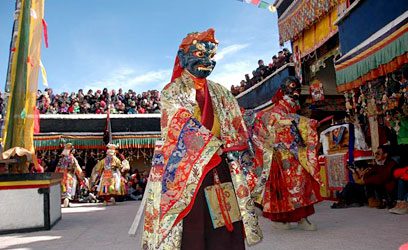 The festival's most dramatic moment comes when the sacred Vajra Bhairava image is unveiled in the main temple. This rare revelation allows devotees to receive blessings from this powerful deity. The ceremony includes a symbolic burning of an effigy representing the destruction of ego and negative emotions. The festival concludes with the distribution of torma—ritual offering cakes—to the participants.
For visitors, the Gustor Festival offers unparalleled insight into Ladakh's living Buddhist tradition. The atmosphere is both festive and deeply spiritual, with monks engaged in solemn rituals while local families gather to socialize and receive blessings. Photography is generally permitted during the festival, making it a popular subject for cultural documentation. If you enjoy monastery festivals, the summer Tse-chu at Hemis Monastery is Ladakh's largest and features similarly elaborate cham dances on a bigger scale.
The festival's most dramatic moment comes when the sacred Vajra Bhairava image is unveiled in the main temple. This rare revelation allows devotees to receive blessings from this powerful deity. The ceremony includes a symbolic burning of an effigy representing the destruction of ego and negative emotions. The festival concludes with the distribution of torma—ritual offering cakes—to the participants.
For visitors, the Gustor Festival offers unparalleled insight into Ladakh's living Buddhist tradition. The atmosphere is both festive and deeply spiritual, with monks engaged in solemn rituals while local families gather to socialize and receive blessings. Photography is generally permitted during the festival, making it a popular subject for cultural documentation. If you enjoy monastery festivals, the summer Tse-chu at Hemis Monastery is Ladakh's largest and features similarly elaborate cham dances on a bigger scale.
Best Time to Visit Spituk Gompa
The best time to visit Spituk Gompa depends largely on your priorities—whether you're interested in witnessing the famous Gustor Festival or prefer more favorable weather conditions for sightseeing.Summer Season (May to September)
The summer months from May through September represent the peak tourist season in Ladakh and the most popular time to visit Spituk Gompa. During this period, the weather is generally pleasant with daytime temperatures ranging from 20 to 30 degrees Celsius. The roads to Leh and surrounding areas are accessible, and all facilities including hotels, restaurants, and transportation services operate at full capacity. June through August offers the most reliable weather, with clear skies providing excellent visibility for photography from the monastery's viewpoint. However, this is also the busiest period, so expect larger crowds at the monastery. September is particularly pleasant as the tourist rush begins to diminish while the weather remains favorable.Festival Season (January)
For cultural enthusiasts, visiting during the Gustor Festival in January provides a unique opportunity to witness one of Ladakh's most important religious celebrations. However, winter in Ladakh is extremely harsh, with temperatures often dropping below -20 degrees Celsius. Most tourist facilities close during this period, and road access to Leh can be disrupted by snowfall. If you plan to visit during the festival, ensure you're prepared for extreme cold and make all arrangements well in advance. The reward is experiencing the monastery during its most spiritually significant time, when the normally quiet complex comes alive with ceremonies and celebrations.Recommended Timing
Regardless of the season, the best time of day to visit Spituk Gompa is early morning or late afternoon. During these hours, the light is softer and more conducive to photography. Morning visits also offer the chance to witness or participate in the monks' morning prayers, providing a more authentic experience of monastic life. Additionally, these times typically see fewer tourists, allowing for a more contemplative visit.Timings and Entry Fee
Opening Hours
Spituk Gompa is open to visitors daily from 8:00 AM to 1:00 PM and from 2:00 PM to 6:00 PM. The monastery closes for a lunch break between 1:00 PM and 2:00 PM. These hours are consistent throughout the year, though it's advisable to check for any special closures during major festivals or religious ceremonies. Visitors should plan their visit to avoid the lunch break, which would interrupt their exploration of the complex. The morning hours are particularly recommended as they offer the opportunity to see the monastery when it's most active, with monks engaged in their regular schedule of prayers and studies.Entry Fee
There is a nominal entry fee for visiting Spituk Gompa. Indian visitors typically pay between ₹20-50, while foreign tourists are charged approximately ₹100. These fees contribute to the maintenance of the monastery and support the monastic community. Students with valid identification cards may be eligible for discounted entry.Additional Charges
Photography inside the monastery requires an additional fee, typically ₹50-100 for still cameras and ₹100-200 for video cameras. These charges help preserve the monastery's artifacts and compensate for the potential disruption caused by photography. Flash photography is generally prohibited inside the temples to protect the ancient thangkas and statues from light damage.Recommended Duration
A thorough visit to Spituk Gompa typically takes 1-2 hours, allowing time to explore the various chapels, observe the prayer hall, and enjoy the panoramic views from the viewpoint. Visitors interested in Buddhist art and iconography may want to allow additional time to study the thangkas and statues in detail. Those planning to combine a visit to Spituk with other nearby attractions such as Shanti Stupa or Leh Palace should allocate a full day for sightseeing. The monastery's proximity to Leh makes it easy to include in a broader tour of the area's cultural sites.How to Reach Spituk Gompa
Spituk Gompa's location just 8 kilometers from Leh city center makes it one of the most accessible monasteries in Ladakh for visitors. The short distance and relatively easy road access mean that Spituk can be visited as a half-day excursion or combined with other sightseeing activities in the Leh area.By Taxi
The most convenient way to reach Spituk Gompa is by hired taxi from Leh. Private taxis are readily available in the city and typically cost ₹500-700 for a round trip, including waiting time while you explore the monastery. The journey takes approximately 20-30 minutes each way, depending on traffic and road conditions. Taxis can drop you directly at the monastery entrance, minimizing the walking required. This option is particularly recommended for those with mobility concerns or visiting during winter when the path to the monastery may be icy or snow-covered. Most taxi drivers are familiar with the monastery's location and can serve as informal guides, sharing local stories and information about the area.By Shared Taxi
Budget travelers can opt for shared taxis, which operate on fixed routes between Leh and nearby villages. Shared taxis to Spituk cost approximately ₹100-150 per person, though you may need to wait until the vehicle fills up before departure. The shared taxis typically drop passengers at Spituk village, from where you'll need to walk approximately 15-20 minutes uphill to reach the monastery. This option requires more time and physical effort but significantly reduces transportation costs. It's also a good way to interact with local people traveling between Leh and Spituk village. However, keep in mind that shared taxis may not be as readily available later in the day, so plan your return trip accordingly.By Rented Bike or Scooter
Renting a motorcycle or scooter in Leh is a popular option for independent travelers who want the freedom to explore at their own pace. Rental shops in Leh offer a range of vehicles, from scooters to Royal Enfield motorcycles, at daily rates ranging from ₹800 to ₹1500. The ride to Spituk takes approximately 20 minutes and offers scenic views along the way. Riding allows you to stop for photography whenever you wish and explore the area at your own pace. However, ensure you're comfortable riding on mountain roads and always wear a helmet. The roads to Spituk are generally well-maintained but may have some steep sections. Parking is available near the monastery entrance.On Foot
For the adventurous and physically fit, walking from Leh to Spituk Gompa is possible but challenging. The distance of 8 kilometers typically takes 2-3 hours to cover on foot, with a significant elevation gain as you approach the monastery. The route follows the main road toward the Leh airport before branching off toward Spituk village. Walking allows you to experience the landscape more intimately and encounter local villages and scenery that you might miss from a vehicle. However, the walk is strenuous, especially at Leh's altitude of approximately 3,500 meters. Ensure you're well-acclimatized, carry plenty of water, and start early to avoid the midday heat. Wear sturdy walking shoes with good grip, as the path can be rocky and uneven in sections.By Bicycle
Cycling to Spituk is another option for fit travelers, though the uphill sections will test your endurance, especially in Ladakh's thin air. Bicycles can be rented in Leh for approximately ₹500-800 per day. The ride offers excellent exercise and the satisfaction of reaching the monastery under your own power. The uphill journey typically takes 45-60 minutes, while the return trip is much faster and more enjoyable. Be prepared for the physical challenge of cycling at altitude and ensure your rental bike is in good condition, particularly the brakes, which you'll need on the descent.Nearby Attractions
Spituk Gompa's location near Leh makes it easy to combine with other important cultural and natural attractions in the area. Planning a comprehensive itinerary allows you to maximize your time and experience more of what Ladakh has to offer.Shanti Stupa (5 km away)
Shanti Stupa, one of Leh's most iconic landmarks, is just 5 kilometers from Spituk Gompa. This white-domed stupa was built in 1991 by Japanese Buddhist Bhikshu Gyomyo Nakamura with the aim of promoting world peace. The stupa holds relics of the Buddha and offers spectacular views of Leh and the surrounding mountains, particularly at sunrise and sunset. Visiting both Spituk Gompa and Shanti Stupa in a single day provides an excellent overview of Ladakh's Buddhist heritage, from ancient monastic traditions to modern expressions of Buddhist practice. The stupa is particularly beautiful in the evening when it's illuminated, creating a peaceful atmosphere for meditation and reflection.Leh Palace (10 km away)
Leh Palace, the former royal residence of the Ladakhi kings, stands as a testament to the region's rich history. Built in the 17th century by King Sengge Namgyal, this nine-story palace offers panoramic views of Leh and the surrounding valleys. The palace architecture resembles Lhasa's Potala Palace, reflecting the historical and cultural connections between Ladakh and Tibet. The palace houses a museum displaying artifacts from Ladakh's royal history, including thangkas, jewelry, and ceremonial objects. Exploring the palace provides context for understanding the political and social environment in which monasteries like Spituk flourished under royal patronage.Hall of Fame (12 km away)
The Hall of Fame museum, located 12 kilometers from Leh, is dedicated to the Indian Army's operations in Ladakh and Siachen Glacier. The museum displays exhibits on the region's military history, equipment used by soldiers in high-altitude warfare, and information about Ladakh's culture and geography. While quite different in focus from the spiritual attractions, the Hall of Fame provides important context for understanding Ladakh's strategic importance and the challenges of life in this remote region. It's particularly interesting for those interested in military history or wanting to learn more about the conditions faced by soldiers stationed in this extreme environment.Sankar Gompa (6 km away)
Sankar Gompa, located just 6 kilometers from Spituk, is a relatively small but significant monastery belonging to the Gelugpa sect. The monastery is known for its impressive statue of Avalokiteshvara with 1,000 arms and heads, representing the Bodhisattva's universal compassion. Sankar Gompa is less visited than Spituk and offers a quieter, more intimate experience of Ladakhi monastic life. The monastery is still actively used by monks, and visitors may have the chance to witness prayers or ceremonies. A visit to both monasteries provides insight into how different monastic communities preserve and adapt their traditions. Travelers with more time can also drive out to Thiksey Monastery, often compared to Tibet's Potala Palace for its tiered architecture, or the remote Diskit Monastery in the Nubra Valley.Chokhang Vihara (in Leh town)
Located in the main market of Leh, Chokhang Vihara is a small but important temple that serves as the focal point for Buddhist worship in the town. The temple houses a large statue of Maitreya, the future Buddha, and is frequented by local residents for daily prayers and ceremonies. Visiting Chokhang Vihara provides an opportunity to see how Buddhism is practiced in everyday life, beyond the monastery setting. The temple's location in the bustling market area contrasts with Spituk's hilltop isolation, showing how spiritual practice adapts to different environments.Leh Main Market (8 km away)
The main market in Leh offers a complete change of pace from spiritual sightseeing. Here you'll find shops selling souvenirs, handicrafts, and trekking equipment, as well as restaurants serving local Ladakhi cuisine and international dishes. The market is also where you'll find travel agencies, tour operators, and essential services for visitors. Spending time in the market provides a chance to experience contemporary Ladakhi culture and purchase mementos of your visit. Look for items such as pashmina shawls, handmade jewelry, prayer flags, and Buddhist ritual objects. The market is also an excellent place to try momos (Tibetan dumplings) and thukpa (noodle soup), staple foods of the region.Indus River Viewpoints
The Indus River, which originates near Lake Mansarovar in Tibet, flows past Leh and offers several scenic viewpoints. The river has played a crucial role in shaping Ladakh's history and culture, providing water for agriculture in an otherwise arid region. The confluence of the Indus and Zanskar rivers near Nimmu village (about 35 kilometers from Leh) is particularly spectacular. Visiting these viewpoints helps you understand the geographical context of Spituk Gompa and its strategic position overlooking this vital waterway. The contrast between the barren mountains and the fertile valleys watered by the Indus illustrates why this region has been inhabited for millennia.Tips for Visitors
Dress Appropriately
When visiting Spituk Gompa, dress modestly out of respect for the religious nature of the site. Both men and women should cover their shoulders and knees. Avoid wearing shorts, short skirts, or sleeveless tops. Lightweight long-sleeved shirts and long pants are ideal, providing protection from the sun while respecting cultural norms. In winter, warm clothing is essential, including a heavy jacket, gloves, and a hat. The monastery's hilltop location can be windy, making it feel colder than the recorded temperature. Layers are recommended so you can adjust your clothing based on your activity level and whether you're inside the temples or outside enjoying the views.Respect Religious Customs
Spituk Gompa is an active religious site, and visitors should behave respectfully. Remove your shoes before entering any temple or prayer hall—there will usually be a designated area for footwear. Maintain silence during prayers and ceremonies, and avoid interrupting monks who may be engaged in rituals or study. When photographing monks or religious ceremonies, always ask permission first. Some monks may prefer not to be photographed, and certain ceremonies may be considered too sacred for photography. Remember that you are a guest in a sacred space, and your behavior should reflect respect for the monastic community and their traditions.Altitude Considerations
Leh sits at an altitude of approximately 3,500 meters (11,500 feet), and Spituk Gompa is even higher due to its hilltop location. Visitors flying directly to Leh from lower altitudes may experience symptoms of acute mountain sickness, including headache, nausea, and shortness of breath. Take time to acclimatize before engaging in strenuous activities like walking uphill to Spituk. Drink plenty of water to stay hydrated, avoid alcohol for the first few days, and consider taking time to rest. If you experience severe symptoms of altitude sickness, descend to a lower altitude and seek medical attention if necessary.Photography Guidelines
Photography at Spituk Gompa is generally permitted, but with some restrictions. Pay the required camera fee at the entrance and avoid using flash inside the temples, as the bright light can damage ancient thangkas and statues. Be mindful of worshippers and avoid blocking their access to shrines or disrupting their prayers. The best photography spots at Spituk include the viewpoint overlooking the Indus Valley, the monastery exterior with its whitewashed walls against the mountains, and the courtyards where monks gather. Early morning and late afternoon light provides the most flattering illumination for these subjects.Hire a Guide
While it's possible to explore Spituk Gompa independently, hiring a local guide can greatly enrich your experience. Guides can explain the symbolism of the statues and thangkas, share stories about the monastery's history, and provide context for understanding Buddhist practices. They can also facilitate interactions with monks and help you navigate any protocol issues. Guides can be arranged through tour operators in Leh or sometimes at the monastery entrance. A guide's fee is typically ₹500-1000 for a half-day tour, depending on their expertise and language abilities. The investment is worthwhile for the deeper understanding and appreciation they provide.Combine Your Visit
To make the most of your time in the Leh area, consider combining your visit to Spituk Gompa with other nearby attractions. Shanti Stupa, Leh Palace, and the Hall of Fame can all be visited in a single day with proper planning. This approach not only maximizes your sightseeing but also reduces transportation costs. When planning your itinerary, factor in travel time between sites, opening hours, and your energy level. Ladakh's altitude can make sightseeing more tiring than you might expect, so build in rest periods and don't over-schedule yourself. Quality of experience is more important than quantity of sites visited.Support the Monastery
If you appreciate your visit to Spituk Gompa, consider supporting the monastic community. The monastery relies on donations and entry fees for maintenance and to support the monks who live there. You can make a donation at the office or purchase items from any small shop that may sell religious objects, books, or handicrafts. Purchasing authentic religious items directly from the monastery ensures that your money supports the monastic community rather than commercial enterprises. Popular items include prayer flags, incense, prayer beads, and small Buddha statues. These items serve as meaningful souvenirs while supporting the preservation of Spituk's spiritual and cultural heritage.Location
Frequently Asked Questions
Q1.What are the timings of Spituk Monastery?
Q2.Is there an entry fee for Spituk Gompa?
Q3.How far is Spituk Monastery from Leh?
Q4.What can we see at Spituk Monastery?
Q5.Is Spituk Monastery worth visiting?
Q6.When is the Gustor Festival celebrated at Spituk?
Q7.How to reach Spituk Monastery from Leh?
Q8.What is the best time to visit Spituk Gompa?
Recommended For You
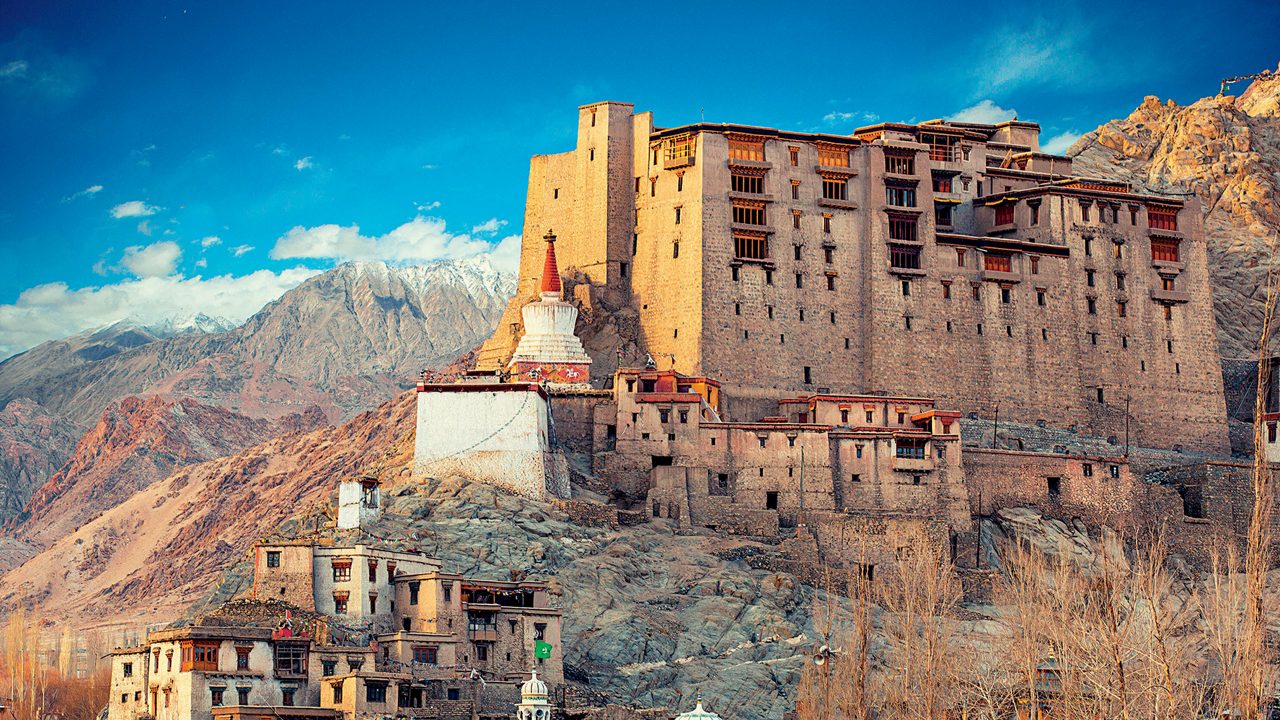
Leh Palace Ladakh: Timings, History & Rooftop City Views
Leh Palace Ladakh guide with history, architecture, timings, access, nearby attractions, and practical tips for an informed heritage visit.
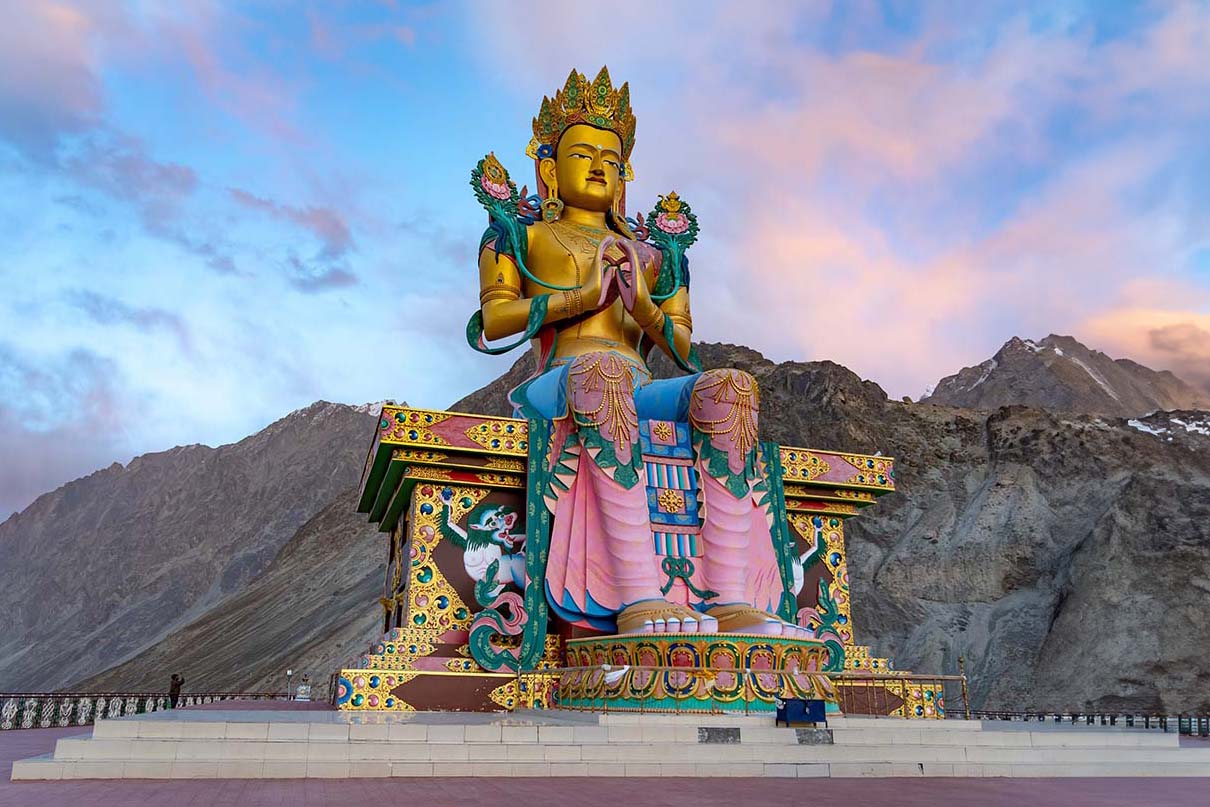
Diskit Monastery Ladakh: Timings, History & Nubra Valley Visit
Plan Diskit Monastery Ladakh with history, Maitreya statue context, route from Leh, timing guidance, festival notes, and practical Nubra travel tips.
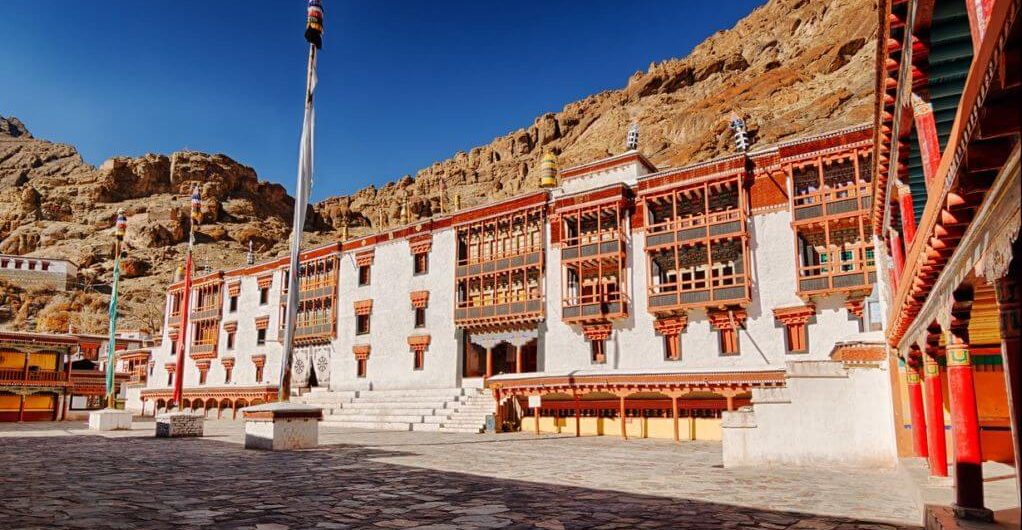
Hemis Monastery Ladakh: Festival, Timings & How To Reach
Visit Hemis Monastery in Ladakh! Get Hemis Festival dates, timings, history, how to reach from Leh, and complete travel guide to this largest monastery.
Never Miss an Adventure
Get the latest trekking guides, travel tips, and exclusive offers delivered straight to your inbox.
