
Rama Temples in India: Sacred Circuits, Best Visit Windows, and Pilgrimage Planning

Priya Mehta
February 25, 2026
Plan Rama temples in India with practical pilgrimage circuits, season guidance, temple etiquette, and balanced devotional travel tips.
Why Rama Temples Matter in Indian Pilgrimage
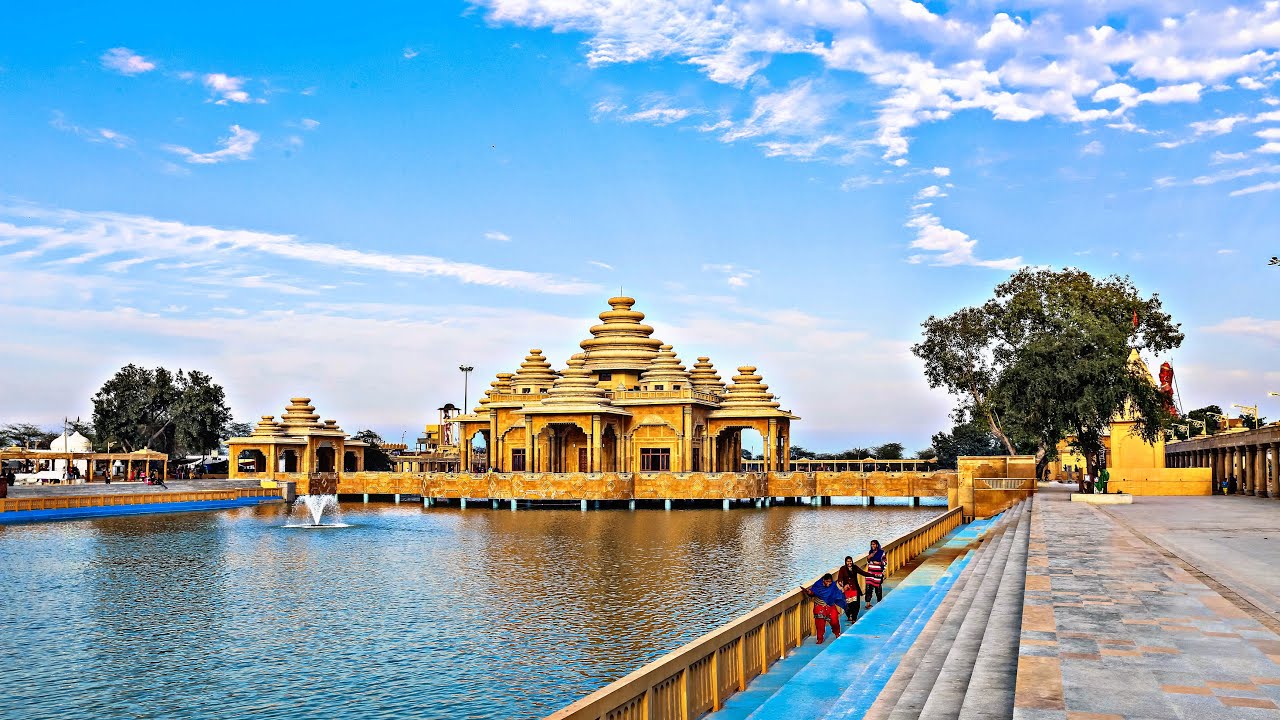
Rama temples in India are not only devotional sites but also important cultural anchors that connect epic tradition, local history, architecture, and community worship practices. Across regions, Lord Rama is worshiped in distinct forms and ritual styles, making temple travel a spiritually meaningful and culturally diverse experience. For pilgrims and heritage travelers alike, a Rama temple route works best when planned by region and season rather than random temple hopping.
Many travelers try to combine too many sacred sites in one trip and end up with rushed darshan and travel fatigue. A better approach is to pick one focused circuit, keep transfer buffers, and include time for local temple traditions. If you are building a wider spiritual itinerary, combine this with Ayodhya Ram Mandir context, Shaiva references from 12 Jyotirlingas guide, and broader pilgrimage planning from Char Dham route. For major Himalayan temple sequencing, include Badrinath planning where relevant.

Major Rama Temples to Include in a Circuit
Ayodhya (Uttar Pradesh): Central to Rama devotion and among the most significant pilgrimage points for Ram bhakts.
Rameshwaram-linked Rama tradition (Tamil Nadu): Strong epic connection and southern devotional continuity.
Bhadrachalam (Telangana): A highly revered Rama temple with strong ritual importance and festival participation.
Nashik/Panchavati-linked Rama worship routes: Suitable for those combining temple travel with Ramayana location narratives.
Regional Ram temples in North and West India: Often less crowded and better for slow, reflective pilgrimage days.
How to Plan a Practical Rama Temple Route
Use a cluster strategy. Pick one geographic zone and cover nearby temples in a logical sequence. Avoid jumping between distant states in short windows unless your itinerary is long and well-buffered. A 4-6 day plan can comfortably cover one strong circuit with meaningful temple time and local context.
Each temple stop should include three phases: darshan, temple architecture/cultural observation, and a calm pause for reflection. This approach keeps the trip devotional and not purely logistical.

Best Time to Visit Rama Temples
Festival periods like Ram Navami bring powerful devotional atmosphere but also larger crowds and stricter timing windows. Off-festival periods often offer calmer darshan and better route flexibility. Winter and shoulder months are generally comfortable for multi-city temple travel in many regions.
If traveling during major festivals, confirm accommodation, temple timings, and local movement plans in advance. Pilgrimage demand can spike quickly.
Temple Etiquette and Pilgrimage Discipline
Dress modestly, follow queue discipline, and respect temple-specific rituals and photography rules. In many sacred spaces, silence and patience are part of the spiritual experience. Carry basic offerings only where allowed and avoid blocking movement during peak worship windows.
Pilgrimage quality improves when you keep a calm rhythm. Prioritize devotion and attentiveness over coverage count.
Food, Stay, and Daily Energy Planning
Pilgrimage routes can be physically tiring, especially when combining early temple openings and long road segments. Keep meals light and timely, hydrate consistently, and avoid overloading evenings after long travel days. Stay selection should prioritize access to morning darshan locations and reliable transport.
For family or senior pilgrim groups, one low-intensity day after two heavy movement days is highly effective.

Suggested 5-Day Rama Temple Framework
Day 1: Arrival and orientation darshan in main base city.
Day 2: Primary temple visit with full ritual window.
Day 3: Secondary temple and local Ramayana-linked site.
Day 4: Reflection day with lighter movement and devotional participation.
Day 5: Final darshan and return with travel buffer.
This framework can be adapted to north, south, or mixed-region circuits depending on duration.
Common Mistakes to Avoid
Trying to cover too many temples in one day, skipping local timing checks, and underestimating festival crowd movement are common issues. Another mistake is treating pilgrimage as a pure checklist. Sacred travel needs pace, respect, and intentionality.
Keep your route simple and spiritually focused, especially on first journeys.

Regional Diversity in Rama Worship
Rama worship in India is not uniform; it reflects local language, ritual forms, temple architecture, and community memory. In some regions, emphasis is placed on royal-dharma symbolism, while in others devotional practices highlight compassion, service, and bhakti singing traditions. Pilgrims who observe these regional distinctions gain a deeper appreciation of how one sacred figure lives through many local expressions.
This diversity also means your itinerary should not be copy-pasted from generic lists. A north-focused route may involve different temple timings and ritual customs than a south-focused route. Planning with local context makes your pilgrimage smoother and spiritually richer.
Festival Windows and Crowd Strategy
Major festival periods bring unique devotional energy, but also increased queues, transport pressure, and accommodation demand. If your primary goal is spiritual immersion in crowd celebrations, festival dates can be deeply rewarding. If your goal is calm darshan and reflective temple time, shoulder periods are often better. Both options are valid when aligned with intent.
A practical strategy is to arrive one day before major festival peaks and keep one post-festival buffer day for movement. This prevents rushed transitions and improves overall journey quality.
Pilgrimage Journaling and Reflection
One simple practice can deepen a Rama temple journey: short reflection notes after each major darshan. Record what you observed about ritual, architecture, and emotional experience. These notes help convert a multi-temple itinerary into a meaningful spiritual narrative rather than a checklist.
Many pilgrims find that reflection strengthens continuity between temples and keeps the focus on inner transformation, not only external travel completion.
Travel Readiness for Multi-City Temple Routes
Temple circuits often include early departures, variable queue lengths, and long transfer segments. Prepare with practical basics: layered clothing, hydration routine, light meal planning, and backup local transport contacts. Keep your luggage compact and your daily schedule realistic. A calm, prepared pilgrim usually experiences more depth than a rushed one.
With route clarity and devotional pacing, Rama temple travel becomes both spiritually grounded and operationally manageable across regions.
Preparing Spiritually and Practically Before Departure
A meaningful Rama temple pilgrimage begins before you travel. Set a clear sankalp (intent), choose realistic routes, and define your pace according to group ability. Pilgrimage is not a race. If you travel with family, align expectations early: some members may prioritize ritual participation, others architecture or cultural learning. A shared objective keeps the journey peaceful.
Keep documents, bookings, and daily timings organized in one accessible format. Use light luggage and keep darshan essentials separate from general travel items. On multi-city circuits, preserve one flexible slot each day to absorb local queue changes or weather delays.
Integrating Temple Learning with Devotion
Many pilgrims focus only on darshan count, but spiritual depth increases when each stop includes a learning layer. Spend a few minutes understanding local temple history, deity form, and ritual sequence. This approach converts travel into informed devotion. Even short interpretive attention can make worship more personal and meaningful.
If you are traveling with younger family members, involve them through simple storytelling tied to each temple. This keeps the pilgrimage intergenerational and memorable beyond logistics.
After-Pilgrimage Reflection and Continuity
A Rama temple journey often leaves emotional and spiritual impressions that can fade quickly if not reflected upon. Keep a short post-trip routine: revisit notes, organize photos by temple meaning, and record one takeaway from each site. This helps carry pilgrimage energy into daily life.
When approached this way, the journey does not end at return travel. It becomes an ongoing spiritual reference point that can guide future temple circuits and personal practice.
Conclusion
Rama temples in India offer a deeply meaningful pilgrimage experience when approached with structured planning and devotional focus. Choose region-wise circuits, align with seasonal conditions, and keep daily pace balanced. With thoughtful preparation, a Rama temple journey can become both spiritually fulfilling and culturally enriching across India’s diverse sacred landscape.
Location
Frequently Asked Questions
Q1.Which is the most important Rama temple in India?
Q2.When should I plan a Rama temple trip?
Q3.How many days are enough for a Rama temple circuit?
Q4.Can families and seniors do this pilgrimage comfortably?
Q5.What is the biggest planning mistake?
Recommended For You
Badrinath Temple Guide: Darshan Planning, Route Strategy, Best Time, and Practical Tips
Plan Badrinath Temple better with seasonal timing, route pacing, darshan strategy, and health-focused pilgrimage logistics.
Kedarnath Temple Guide: Yatra Planning, Route Execution, Health Prep, and Darshan Strategy
Plan Kedarnath Temple yatra with route clarity, health discipline, and practical darshan timing for a safer pilgrimage.
Rameshwaram Temple Pilgrimage: 22 Theertham Rituals, Timings & Route
Complete Rameshwaram Temple guide with 22 theertham ritual, darshan timings, architecture, best time to visit, and travel tips for this sacred Jyotirlinga.
Never Miss an Adventure
Get the latest trekking guides, travel tips, and exclusive offers delivered straight to your inbox.
