
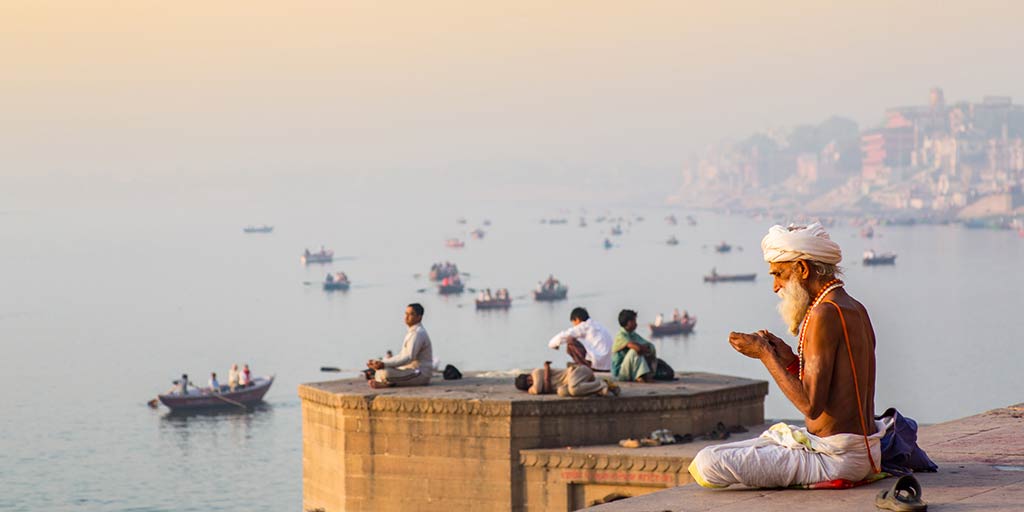
Spiritual Trips in India: Practical Pilgrimage Routes, Temple Circuits, and Inner-Travel Planning

Priya Mehta
February 25, 2026
Plan spiritual trips in India with practical pilgrimage route frameworks, temple-circuit strategy, and balanced devotional travel guidance.
Why Spiritual Travel in India Is Different from Regular Tourism
Spiritual trips in India are not only about visiting famous temples; they are about intention, rhythm, and inner focus during movement. India’s sacred geography is vast, and each region carries distinct devotional traditions. Travelers who approach spiritual routes as checklist tourism often miss the deeper value. Pilgrimage quality depends on pace, preparation, and respectful participation.
A strong starting point is to pick one spiritual theme: Devi circuits, Shiva circuits, Rama circuits, or mixed pilgrimage with one anchor region. For route clarity, combine this with Jyotirlinga planning, temple journeys from Rama temple routes, Devi-focused travel via Shakti Peeth circuits, and Himalayan pilgrimage structure through Char Dham guide.
How to Choose the Right Spiritual Route
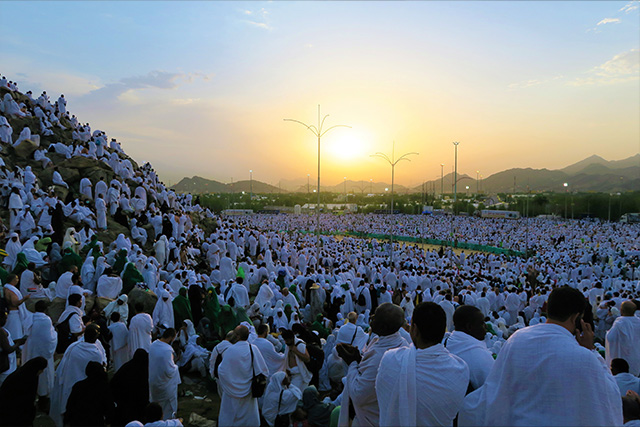
Choose based on your intent and physical comfort. If your priority is deep ritual participation, pick fewer temples and stay longer at each. If your priority is broader sacred geography understanding, use cluster travel with adequate transit buffers. Do not mix difficult terrain routes with dense temple counts in short durations.
A practical framework is one major shrine day followed by one lighter reflection day. This keeps devotion and travel energy balanced.
Popular Spiritual Themes in India
Shiva circuits: ideal for those following Jyotirlinga or Himalayan shrine traditions.
Devi circuits: focused on Shakti temples and Navratri-linked devotion.
Rama and Vaishnav circuits: temple networks tied to epic and bhakti traditions.
Multi-faith spiritual travel: includes sacred rivers, monasteries, temples, and meditative spaces.
Each theme can be planned as a standalone trip or as part of a longer spiritual journey.
Best Time to Plan Spiritual Trips
Festival seasons offer strong devotional intensity but higher crowd and logistics complexity. Off-festival windows are often better for calm darshan and reflective travel. Regional weather also matters—mountain routes and plains require different planning windows.
Select dates by circuit geography and spiritual objective, not by one universal calendar assumption.

Practical Pilgrimage Discipline
Carry light, dress modestly, and keep daily plans realistic. Respect temple protocols and local customs. Spiritual travel can be physically demanding due to queues, early starts, and transfers. Hydration, light meals, and planned rest are essential for maintaining devotional focus.
If traveling in groups, assign roles for timing, elder support, and transport coordination. Organized groups experience smoother journeys.
Balancing Devotion and Travel Logistics
Many pilgrims either over-focus on logistics or over-ignore them. The right balance is simple: clear transport and stay planning plus sufficient unstructured spiritual time. Build one buffer block per day to absorb local variations in darshan windows and crowd movement.
A spiritually meaningful trip is usually one with fewer disruptions and more presence.
Suggested 7-Day Spiritual Trip Template
Day 1: Arrival and intention-setting visit.
Day 2: Primary shrine darshan.
Day 3: Secondary shrine and local spiritual context.
Day 4: Travel + reflection day.
Day 5: Major ritual participation.
Day 6: Light temple and meditative/local community session.
Day 7: Closing darshan and return.
This template works across many circuits with regional adjustments.
Common Mistakes to Avoid
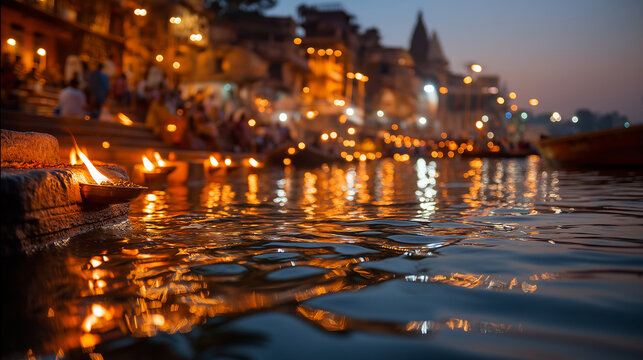
Trying too many temples too fast, ignoring weather-route complexity, and skipping rest are common mistakes. Another issue is treating pilgrimage only as social content creation. Spiritual travel requires inward attention and respectful conduct.
Keep your trip aligned with purpose, not pressure.
Route Planning by Spiritual Intent
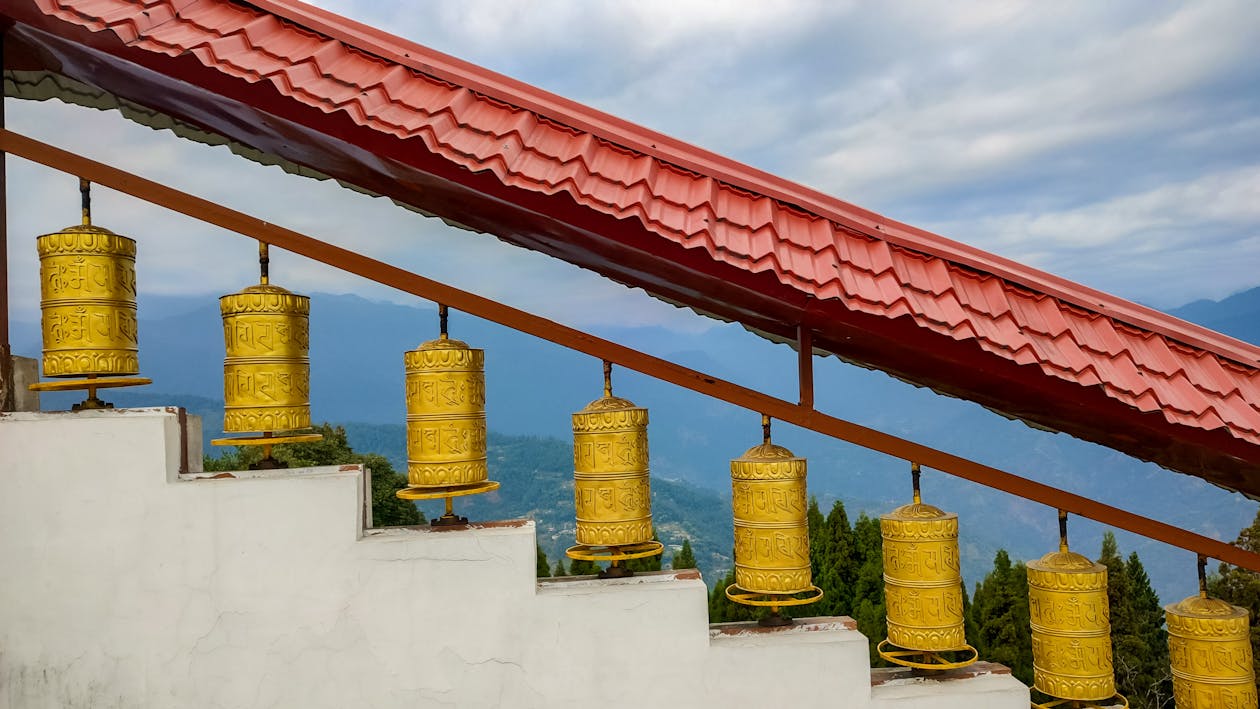
Spiritual travel should begin with intent clarity. If your intention is healing, choose calmer circuits with fewer transfers and longer temple stays. If your intention is discipline and vow-based pilgrimage, structured multi-shrine routes may be suitable. If your intention is learning, combine temple visits with local spiritual history sessions and guided interpretation.
Intent-led planning prevents distraction and keeps the journey coherent even when logistics shift.
Solo vs Group Spiritual Travel
Solo spiritual trips allow deeper introspection and schedule flexibility. Group pilgrimage offers shared discipline and support, especially for elderly participants. Both are valid, but each requires different preparation. Solo travelers should prioritize safety and verified logistics, while groups should assign coordination roles for timing, transport, and wellbeing support.
Clear format choice improves devotional quality and reduces stress.
Building Silence and Reflection into Itineraries
Many spiritual itineraries become too crowded with movement and lose contemplative depth. Add intentional silence blocks after major darshan sessions. Even 20-30 minutes of reflection can change the tone of the entire journey. Travel becomes spiritually integrated rather than mechanically completed.
Reflection windows are not empty time; they are core spiritual practice.
Pilgrimage and Physical Sustainability
Devotional energy can mask physical fatigue, especially in high-crowd and high-heat routes. Keep hydration, rest, and light meals non-negotiable. If you feel drained, reduce destination count instead of forcing completion. Sustainable pilgrimage preserves sincerity and avoids burnout.
Long spiritual journeys are strongest when body and mind are both respected.
Continuing Practice After the Journey
A spiritual trip can be a reset point for long-term personal practice. After return, continue one small discipline from the journey: daily prayer, gratitude journaling, service activity, or mindful silence. This continuity keeps the pilgrimage alive in everyday life.
When travel and practice connect, spiritual trips become transformative rather than temporary experiences.
Pilgrimage with Family: Managing Different Expectations
Family spiritual trips often include mixed intentions: some members seek ritual depth, others cultural learning, and others gentle travel. The best solution is a hybrid daily structure: one core shrine block, one optional exploration block, and one shared reflection or meal session. This keeps everyone connected without forcing uniform pace.
Clear communication before departure helps prevent on-route stress and supports a more devotional environment for all members.
Keeping Spiritual Focus in Busy Routes
In popular circuits, logistics can dominate attention and dilute inner focus. Use simple anchors: short prayer before transit, silence during part of the route, and gratitude reflection at day-end. These practices keep spiritual continuity alive even in crowded travel conditions. A structured inner rhythm is often the difference between a rushed temple tour and a transformative pilgrimage.
Documenting your route mindfully can also support future pilgrims. Share practical timing advice, etiquette reminders, and accessibility insights rather than only visual highlights. This kind of guidance helps others travel more respectfully and effectively.
Spiritual travel communities grow stronger when knowledge-sharing is rooted in care and authenticity.
In this sense, every well-planned pilgrimage can become both personal sadhana and collective contribution.
Spiritual journeys also benefit from logistical simplicity. Use fewer accommodation changes, keep transit windows predictable, and avoid nighttime transfers where possible. This helps maintain devotional focus and emotional steadiness through the route. If you are traveling with elders or children, simplicity is even more important because it preserves both wellbeing and participation quality. A spiritually aligned itinerary is usually one that feels calm, clear, and sustainable from start to finish.
Clarity in logistics supports clarity in inner practice.
A little structure and humility can make every spiritual route more meaningful.
Wherever possible, close each day with a short gratitude ritual. This helps transition from travel logistics to spiritual reflection and keeps the purpose of the journey clear. Even a few minutes of intentional closure can meaningfully deepen the pilgrimage experience.
Conclusion
Spiritual trips in India become transformative when planned with intention, route discipline, and devotional balance. Pick the right circuit, move at a sustainable pace, and prioritize meaningful participation over checklist completion. With thoughtful preparation, spiritual travel can become one of the most grounding and life-shaping experiences in India.
Location
Frequently Asked Questions
Q1.How do I choose a spiritual circuit in India?
Q2.Are festival periods best for spiritual trips?
Q3.How many days are ideal for a spiritual trip?
Q4.Can families and seniors do spiritual routes comfortably?
Q5.What is the biggest mistake in spiritual travel?
Recommended For You
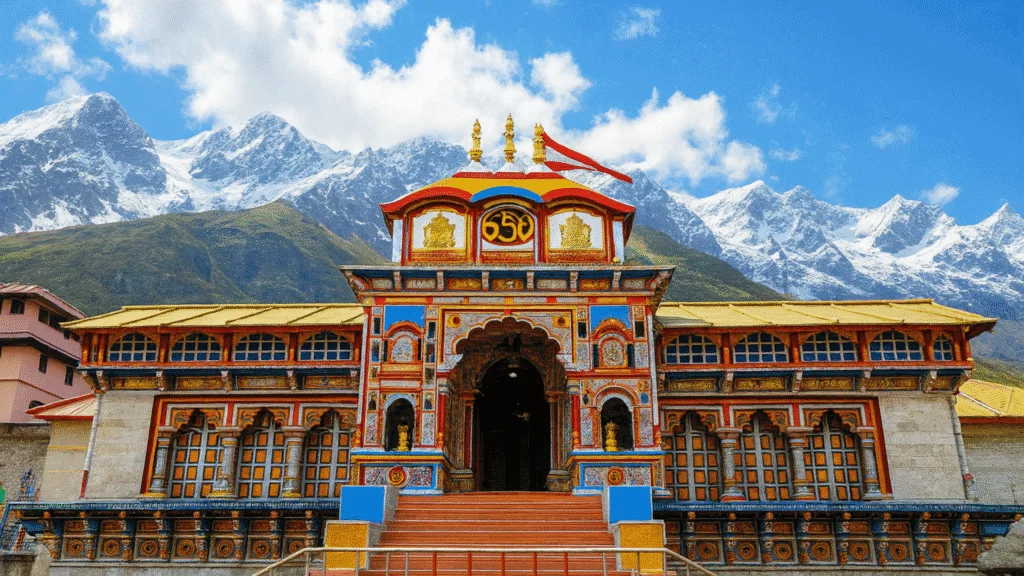
Badrinath Temple Guide: Darshan Planning, Route Strategy, Best Time, and Practical Tips
Plan Badrinath Temple better with seasonal timing, route pacing, darshan strategy, and health-focused pilgrimage logistics.
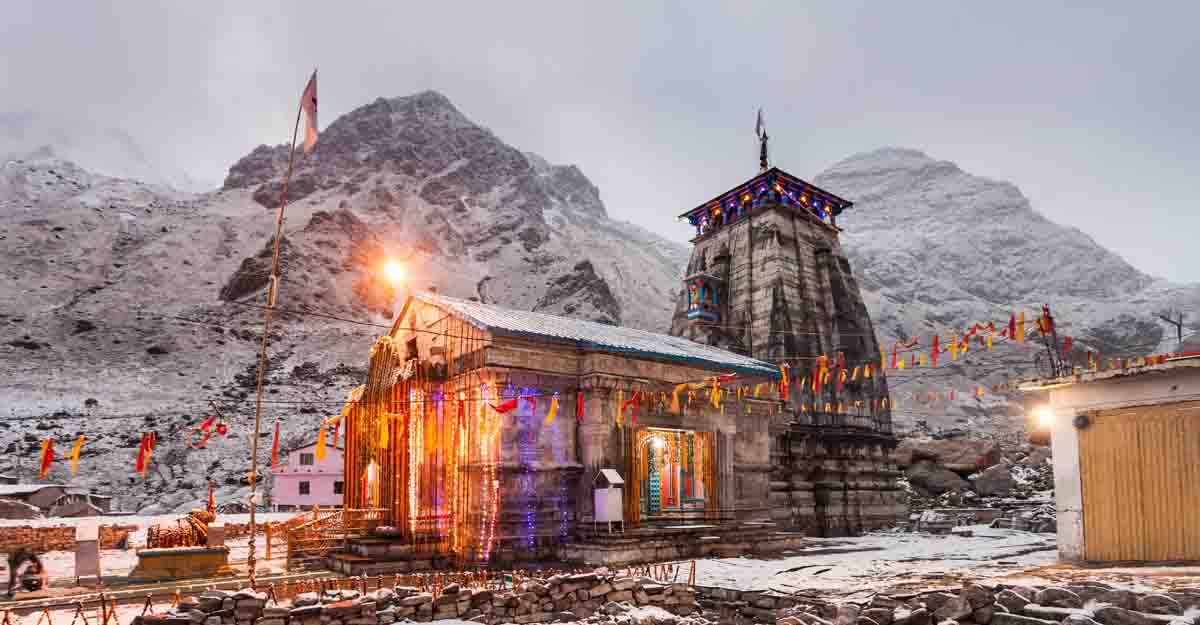
Char Dham Yatra Uttarakhand Guide: Route Order, Timing, and Practical Pilgrimage Planning
Practical Char Dham Yatra Uttarakhand guide with route structure, timing discipline, and safer pilgrimage execution tips.
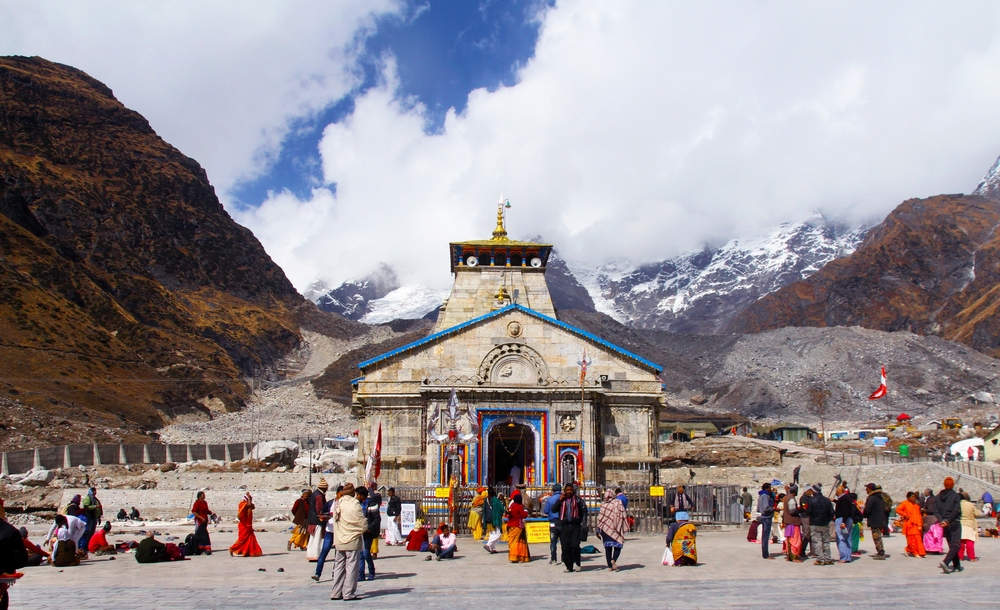
Kedarnath Temple Guide: Yatra Planning, Route Execution, Health Prep, and Darshan Strategy
Plan Kedarnath Temple yatra with route clarity, health discipline, and practical darshan timing for a safer pilgrimage.
Never Miss an Adventure
Get the latest trekking guides, travel tips, and exclusive offers delivered straight to your inbox.
