
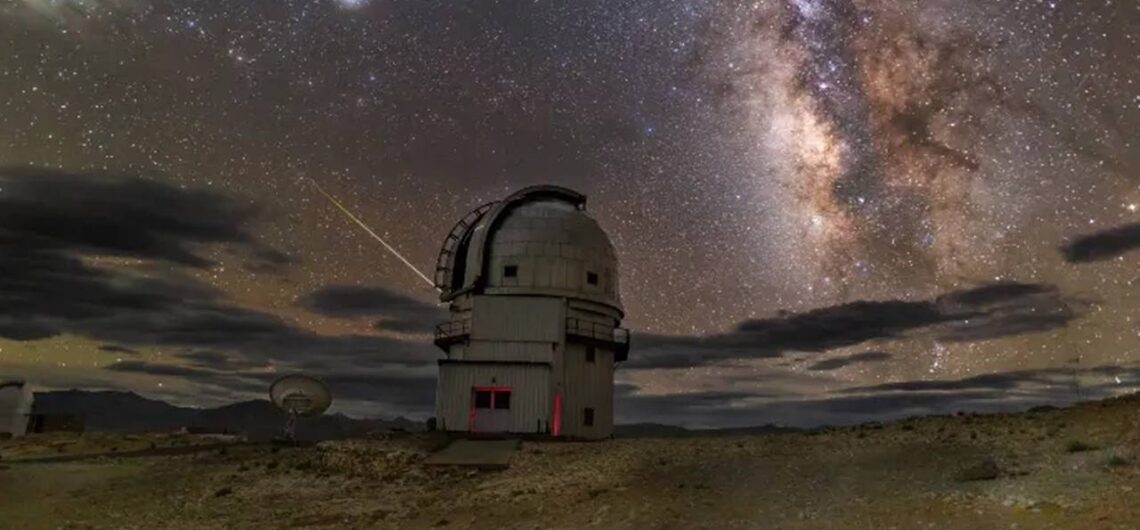
Hanle Observatory Ladakh: Stargazing, Permits & Night Sky Tips

Rohan Malhotra
January 3, 2026
Visit Hanle Observatory in Ladakh. India's first Dark Sky Reserve. Stargazing, permits, homestays, and how to reach. Plan your cosmic trip now.
India's Window to the Cosmos
>In the remote Changthang region of Ladakh, where the air is thin and the skies are perpetually clear, sits the Indian Astronomical Observatory at Hanle—one of the world's highest sites for optical, infrared, and gamma-ray telescopes. At 4,500 meters above sea level, this cutting-edge research facility offers not just groundbreaking astronomical discoveries but also India's first Dark Sky Reserve, where stargazers can witness the cosmos in unparalleled clarity.For travelers seeking experiences beyond the ordinary, Hanle Observatory represents a unique convergence of science, nature, and adventure. Here, in one of the most isolated corners of India, you can observe distant galaxies through world-class telescopes, learn about cutting-edge space research, and experience night skies so pristine they've been officially protected for future generations. For more Ladakh travel inspiration, check out our guides on best time to visit Ladakh and adventure sports in Ladakh.
This guide covers everything you need to know about visiting Hanle Observatory—from stargazing opportunities and research facilities to practical travel tips for reaching this remote Himalayan outpost.
About Hanle Observatory
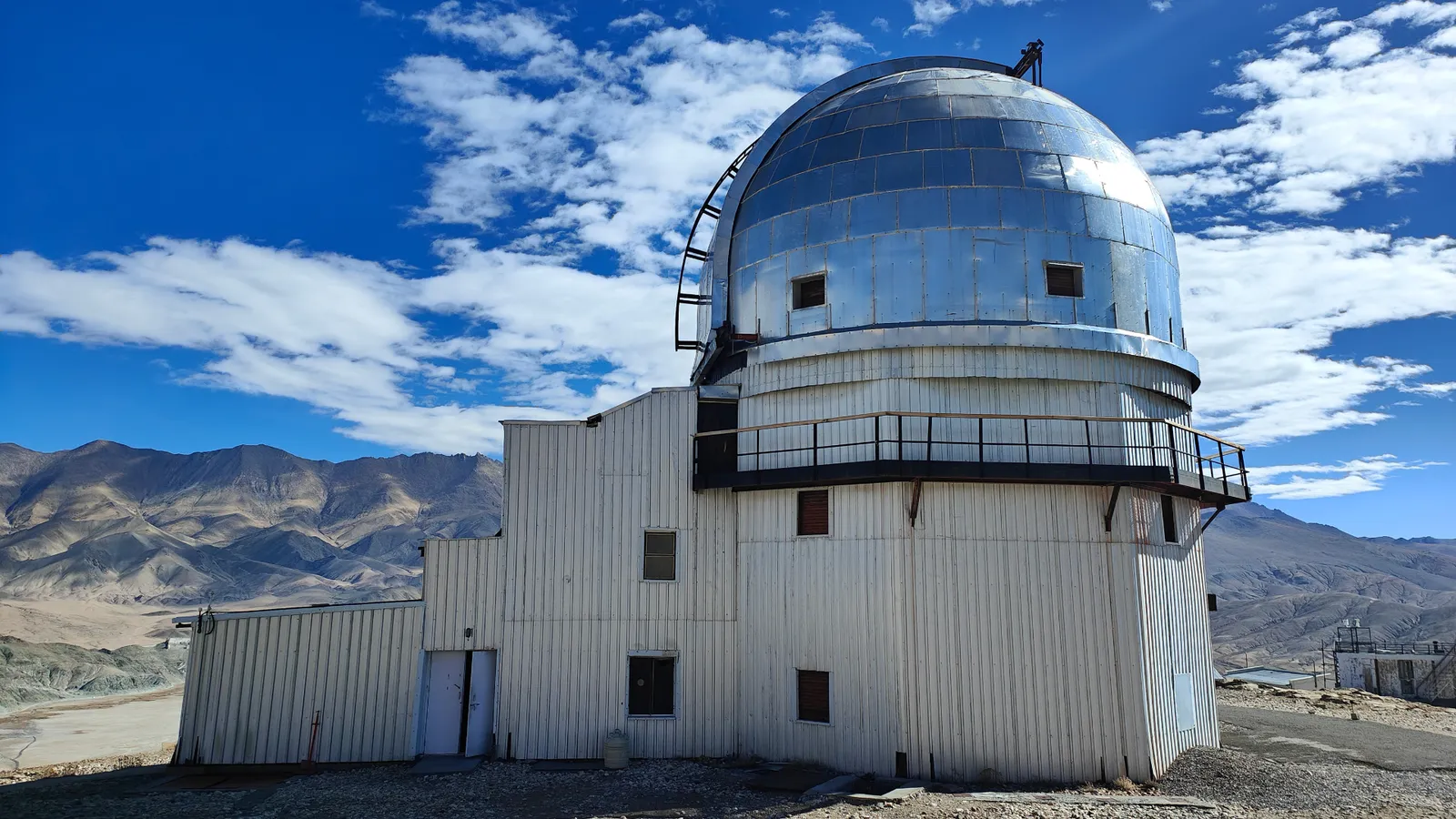
>The Indian Astronomical Observatory (IAO) at Hanle is operated by the Indian Institute of Astrophysics (IIA), Bangalore. Established in the early 2000s, it represents one of India's most ambitious scientific projects in the field of astronomy.Key Features:
- Altitude: 4,500 meters (14,764 feet)
- Establishment: Early 2000s
- Operator: Indian Institute of Astrophysics
- Significance: One of world's highest astronomical observatories
Why Hanle?
>The location was chosen for several ideal conditions:- High Altitude: Less atmospheric interference
- Dry Weather: Minimal cloud cover and rainfall
- Low Light Pollution: Remote location ensures dark skies
- Clear Skies: Over 250 clear nights per year
- Stable Atmosphere: Excellent seeing conditions
Research Focus:
>The observatory conducts research in:- Exoplanet detection and study
- Stellar astronomy and star formation
- Galactic structure and dynamics
- Gamma-ray bursts and transient events
- Solar system observations
Hanle Dark Sky Reserve
>In a groundbreaking initiative, Hanle was declared India's first Dark Sky Reserve—a protected area where light pollution is minimized to preserve the pristine night sky environment essential for both astronomical research and public stargazing.What is a Dark Sky Reserve?
>A Dark Sky Reserve is an area with exceptionally dark night skies that is protected through lighting regulations and public education. These reserves are crucial for astronomical research and provide opportunities for the public to experience naturally dark skies.Hanle's Dark Sky Status:
- Designation: India's first Dark Sky Reserve
- Area: Approximately 1,073 square kilometers
- Light Pollution: Among the lowest in the world
- Visibility: Naked-eye visibility of magnitude 6.5+ stars
Impact:
- Enhanced astronomical research capabilities
- Promotion of astro-tourism in the region
- Conservation of nocturnal ecosystems
- Education and awareness about light pollution
- Economic benefits for local communities
Stargazing Experience
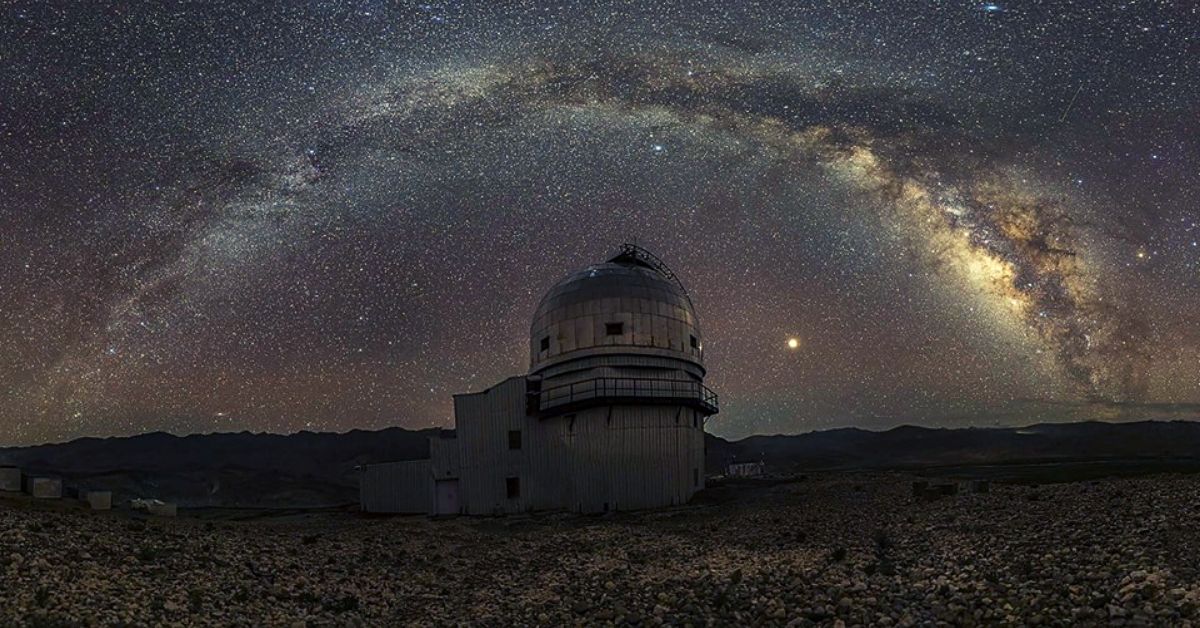
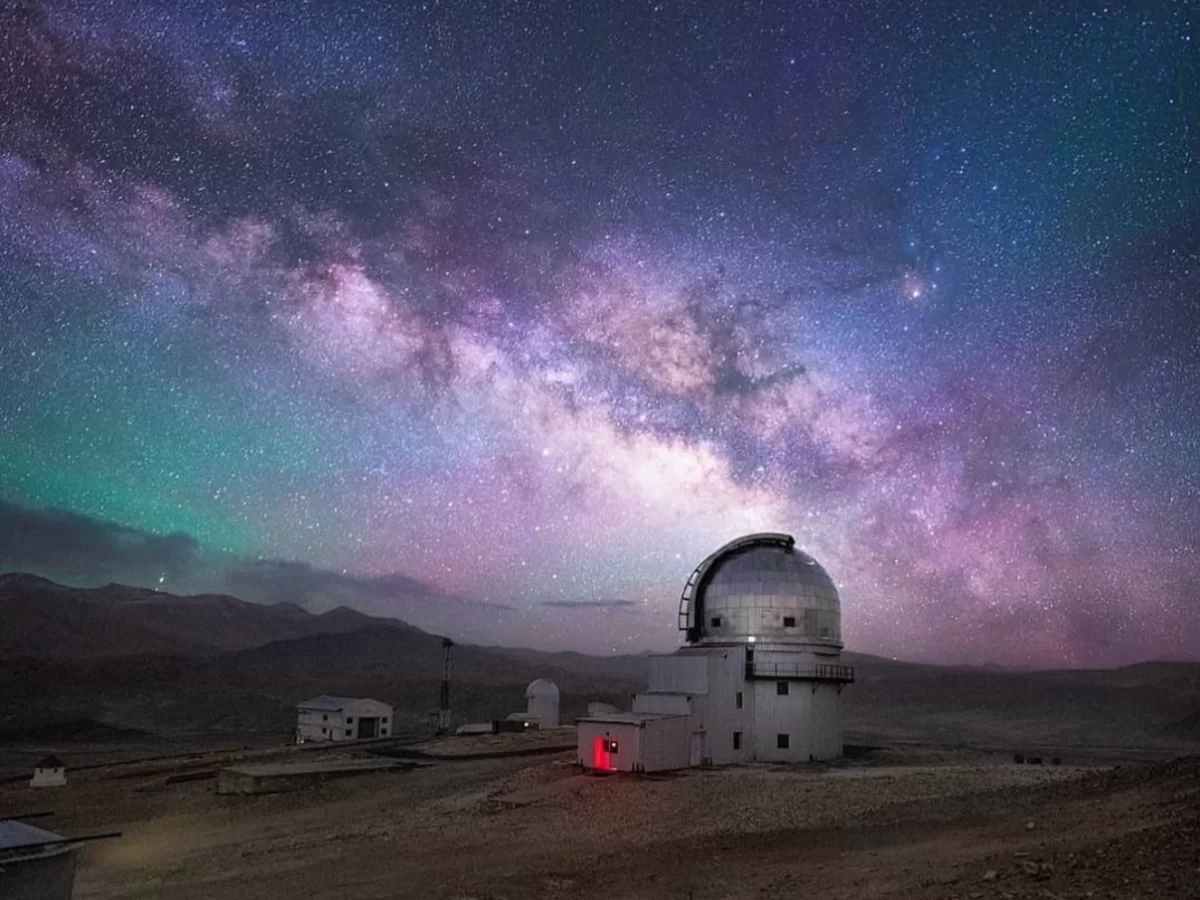
>For visitors, the primary attraction is the opportunity to witness the night sky in its full glory:What to Expect:
- Naked Eye: See thousands of stars with the unaided eye
- Milky Way: Spectacular view of our galaxy stretching across the sky
- Planets: Bright planets (Jupiter, Saturn, Mars) clearly visible
- Meteors: Frequent shooting stars, especially during meteor showers
- Deep Sky: Nebulae and star clusters visible with binoculars
Best Time for Stargazing:
- New Moon Period: Darkest skies (check lunar calendar)
- Season: October-April for clearest skies
- Time: 9 PM - 2 AM for best viewing
- Weather: Clear, cloudless nights
Equipment Recommendations:
- Binoculars: 10x50 or similar for deep sky objects
- Telescope: Portable for personal use (not for observatory)
- Camera: DSLR/mirrorless for astrophotography
- Tripod: Essential for long exposure photography
- Red Light: Preserves night vision
Hanle Monastery
A visit to Hanle Observatory is incomplete without experiencing the nearby 17th-century Hanle Monastery, one of the oldest and largest in Ladakh. The juxtaposition of cutting-edge science and ancient spirituality creates a unique Hanle experience.
Monastery Highlights:
- History: Built in 1656 AD by Lama Nawang Namgyal
- Architecture: Traditional Tibetan Buddhist design
- Location: Just a few kilometers from the observatory
- Views: Stunning vistas of surrounding valleys and mountains
Many travelers combine observatory visits with monastery exploration during the day, then stargazing at night—a perfect blend of culture and cosmos.
Permits and Permissions
Due to Hanle's proximity to the Tibetan border, special permits are required:
Inner Line Permit (ILP):
- Required For: Indian nationals
- Where to Get: Leh through registered travel agents or online
- Processing Time: Same day to 2-3 days
- Documents Needed: ID proof, passport-sized photos
- Cost: Minimal (₹200-400)
Protected Area Permit (PAP):
- Required For: Foreign nationals
- Where to Get: Must apply through registered tour operator
- Processing Time: 1-2 weeks
- Additional Requirements: Group travel (usually minimum 2-3 people)
Observatory Access:
>Daytime visits to the observatory premises are permitted. Night access for stargazing is allowed in designated areas but not inside the telescope domes. Special arrangements for groups may be possible through prior coordination with the Indian Institute of Astrophysics.How to Reach Hanle
Reaching Hanle is an adventure requiring careful planning:
Route Options:
- From Leh: Leh → Upshi → Chumathang → Loma → Hanle (250 km, 6-8 hours)
- Via Pangong: Leh → Pangong → Chushul → Loma → Hanle
- Via Tso Moriri: Leh → Tso Moriri → Mahe → Loma → Hanle
The journey to Hanle takes you through some of Ladakh's most spectacular landscapes. You might also want to explore beautiful lakes in Ladakh or visit historic monasteries like Alchi Monastery along the way.
Transportation:
- Private Taxi: ₹3000-4000/day plus driver expenses
- Shared Taxi: Limited availability from Leh
- Organized Tour: Recommended for first-time visitors
Important Considerations:
- Fuel stations are scarce—carry extra fuel
- No mobile network for most of the journey
- Carry emergency supplies (food, water, warm clothing)
- Check road conditions before departure
- Best traveled in convoy with other vehicles
Where to Stay
Hanle offers basic but adequate accommodation:
Homestays:
- Local families offer rooms in their homes
- Basic facilities with shared bathrooms
- Authentic Changthang cultural experience
- Home-cooked local meals typically included
- ₹800-1500 per night
Guesthouses:
- Basic government-run guesthouse available
- Private rooms with attached bathrooms possible
- Very limited amenities (no heating usually)
- ₹1000-2000 per night
Booking:
>Accommodation should be arranged in advance through Leh-based travel agents. Don't arrive without a reservation—options are very limited.Best Time to Visit
Timing is crucial for a successful Hanle visit:
Summer (May-September):
- Pros: Roads accessible, pleasant daytime temperatures
- Cons: Some atmospheric haze, busier season
- Best For: First-time visitors, those wanting accessibility
Autumn (October-November):
- Pros: Clearest skies, excellent stargazing, fewer tourists
- Cons: Getting cold, possible early snow
- Best For: Serious stargazers and astrophotographers
Winter (December-April):
- Pros: Crystal clear skies, no crowds, pristine conditions
- Cons: Extreme cold, roads often closed, very challenging
- Best For: Expedition-style visits only
Travel Tips
Altitude Precautions:
- Hanle is at 4,500m—acclimatize in Leh first (2-3 days minimum)
- Watch for altitude sickness symptoms
- Stay hydrated and avoid alcohol initially
- Descend immediately if severe symptoms develop
What to Pack:
- Heavy winter clothing (even in summer!)
- Camera equipment with extra batteries
- Red flashlight for night observation
- Basic medications and first aid
- Power bank (limited electricity)
Photography Tips:
- Carry tripod for astrophotography
- Bring wide-angle lens for Milky Way shots
- Extra batteries—cold drains them quickly
- Learn night photography techniques before visiting
- Respect observatory rules regarding flash photography
Responsible Tourism:
- Minimize light pollution—use only red lights at night
- Respect observatory rules and scientific work
- Don't touch telescope equipment without permission
- Dispose of waste properly—pack it out if needed
- Respect local customs and monastery etiquette
Hanle Observatory represents a unique convergence of scientific pursuit and natural wonder. Here, in one of India's most remote corners, you can experience the cosmos as our ancestors did for millennia—under pristine, unpolluted skies that reveal the full glory of the universe.
Whether you're an amateur astronomer, a photographer chasing the perfect Milky Way shot, or simply a traveler seeking experiences beyond the ordinary, Hanle delivers. The combination of cutting-edge research, ancient spirituality at the nearby monastery, and some of Earth's clearest night skies creates an unforgettable journey to the edge of the world and the beginning of the cosmos.
As India's first Dark Sky Reserve, Hanle also represents hope for the future—a commitment to preserving our connection to the stars in an increasingly illuminated world. Come for the science, stay for the stars, and leave with a renewed sense of wonder at our place in the universe.
Location
Frequently Asked Questions
Q1.Is Hanle Observatory open to tourists?
Q2.Do we need a permit for Hanle?
Q3.What is the best time to visit Hanle?
Q4.How high is Hanle Observatory?
Q5.Where can I stay in Hanle?
Q6.Can we see the Milky Way at Hanle?
Q7.What should I pack for Hanle?
Q8.Is mobile network available at Hanle?
Recommended For You
Leh Ladakh Family Trip: Itinerary, Acclimatization & Kid-Friendly Stops
Plan a safe family trip to Leh Ladakh with kids. Best time, itinerary, acclimatization tips & child-friendly activities included.
Ladakh in December: Weather, Road Status & Winter Experiences
Visit Ladakh in December. Weather, temperature, frozen lakes, snowfall, road conditions, accessible places & complete winter travel guide.
Leh to Tso Moriri Bike Trip: Route Map, Stops & Permit Info
Leh to Tso Moriri bike trip guide with route planning, permits, road conditions, Korzok stays, safety essentials, and best-season advice.
Never Miss an Adventure
Get the latest trekking guides, travel tips, and exclusive offers delivered straight to your inbox.
